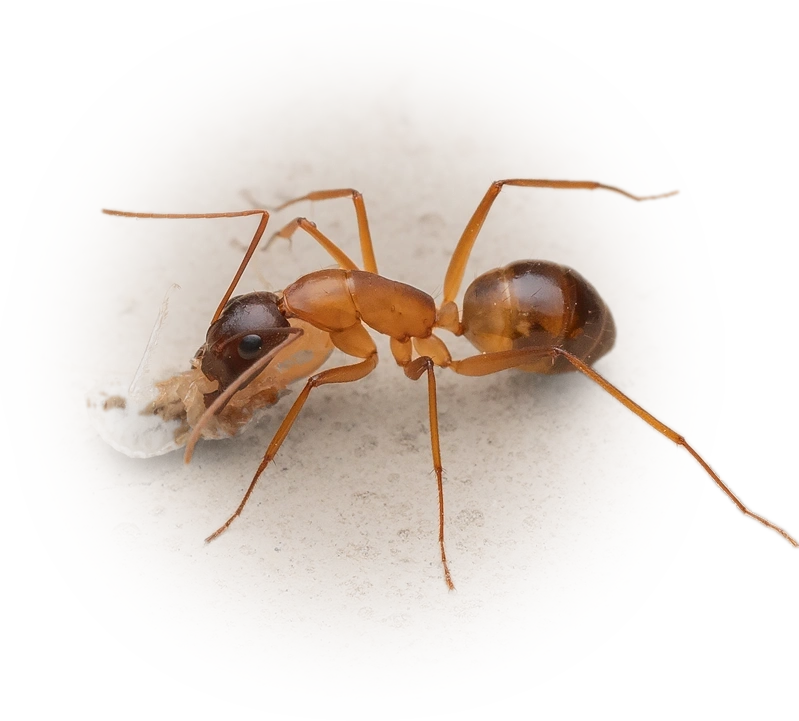

Camponotus xerxes
- Scientific Name
- Camponotus xerxes
- Subgenus
- Tanaemyrmex
- Tribe
- Camponotini
- Subfamily
- Formicinae
- Author
- Forel, 1904
- Distribution
- Found in 11 countries
Camponotus xerxes Overview
Camponotus xerxes is an ant species of the genus Camponotus. It is primarily documented in 11 countries , including United Arab Emirates, Cyprus, Israel. Detailed taxonomic data and occurrence records can be further explored via authoritative databases such as AntWeb or the Global Biodiversity Information Facility (GBIF).
Camponotus xerxes
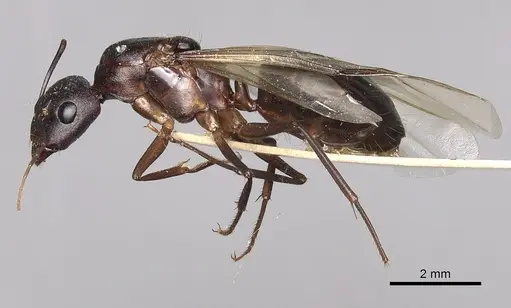
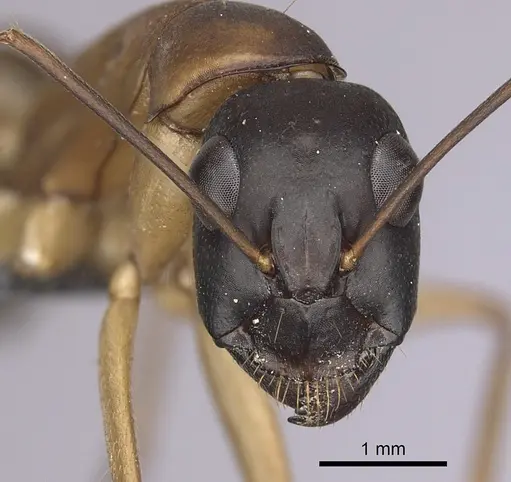
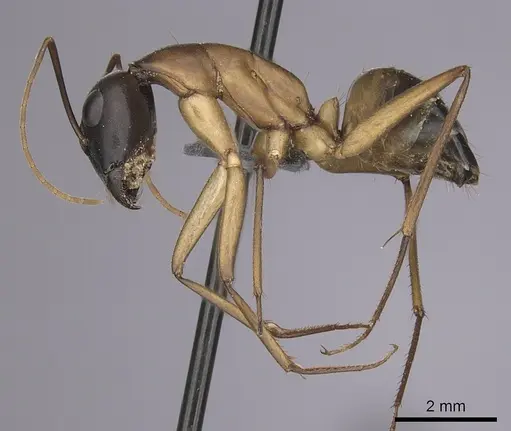
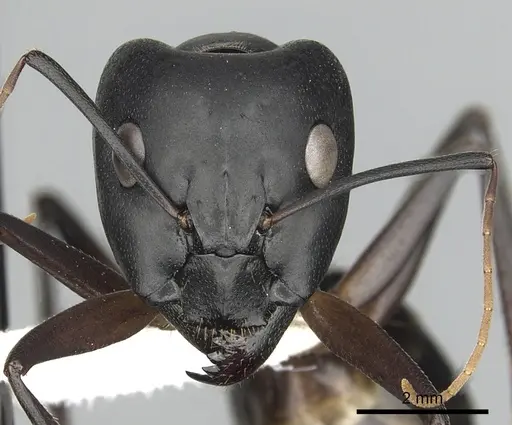
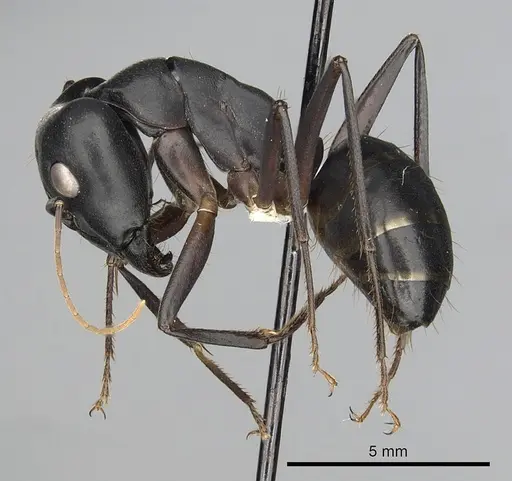
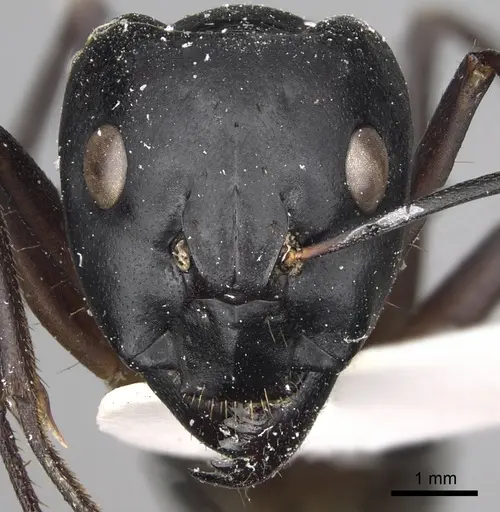
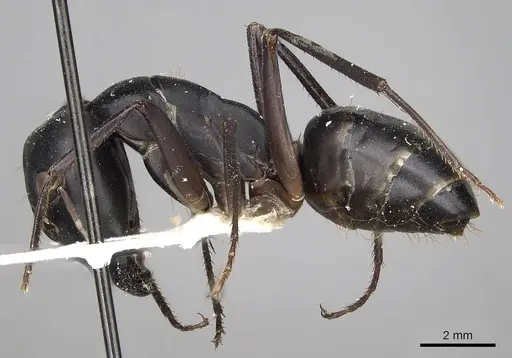
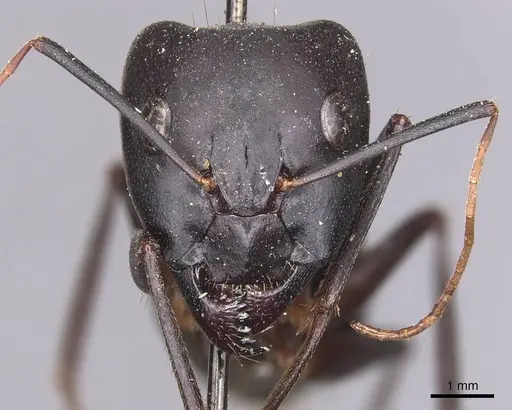
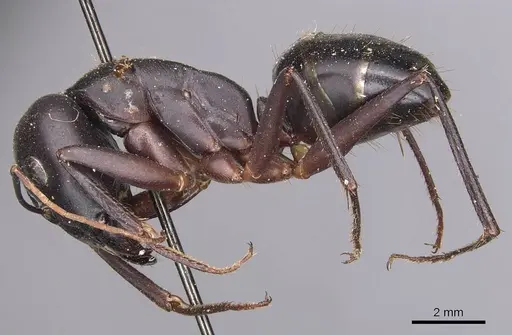
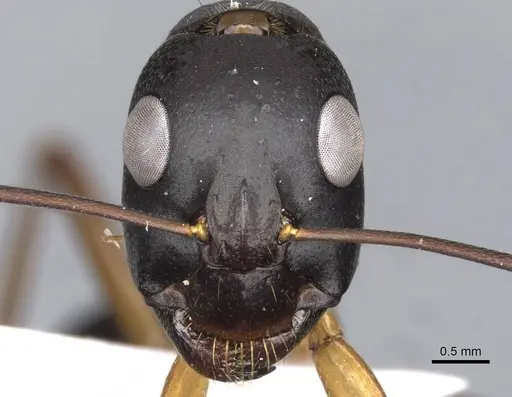
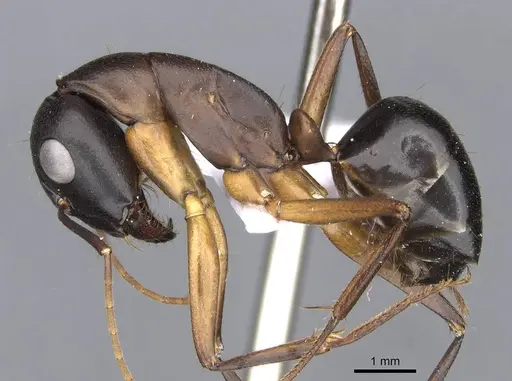
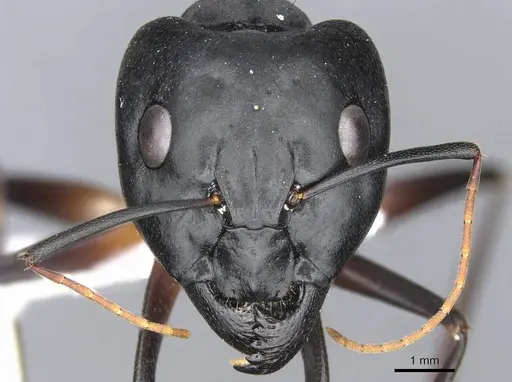
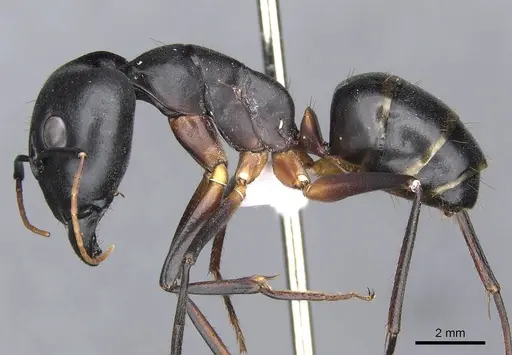
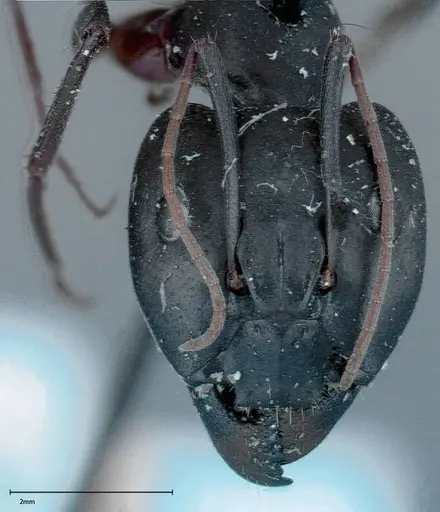
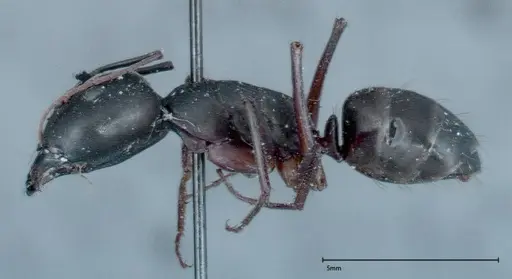
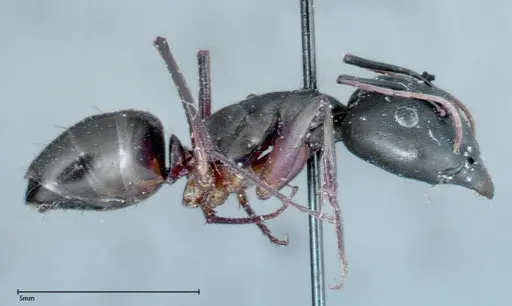
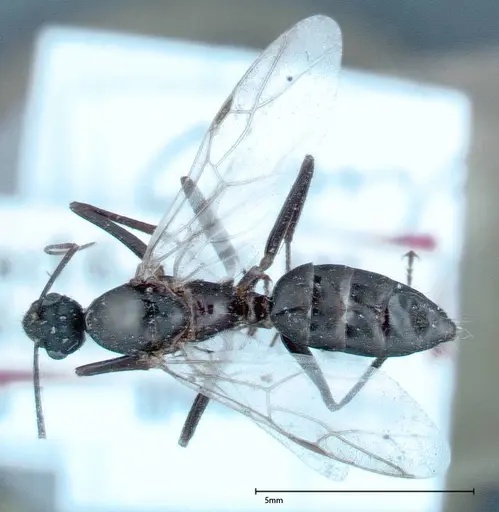
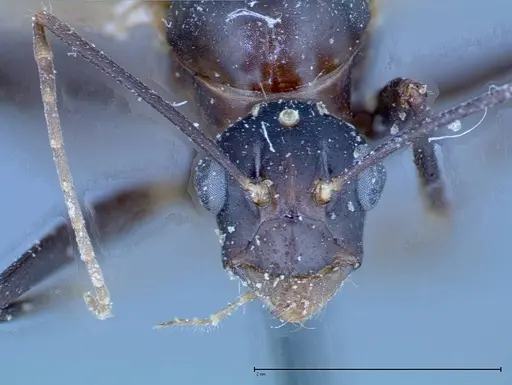
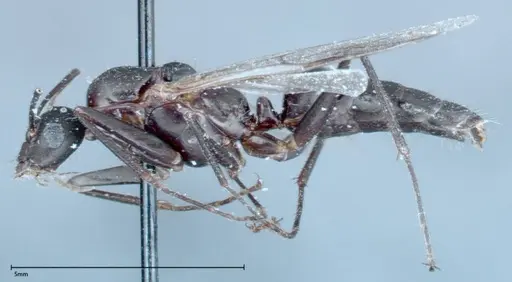
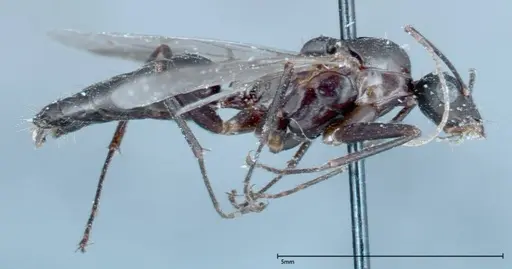
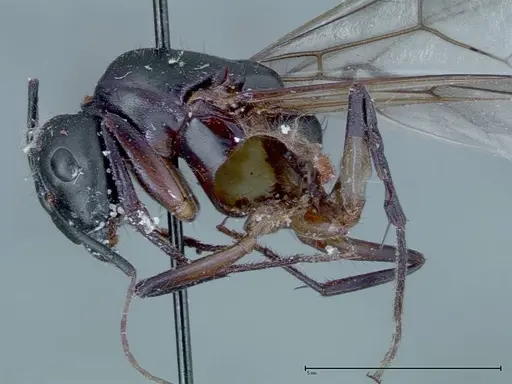
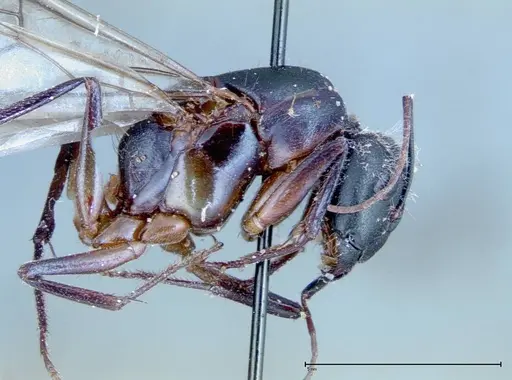
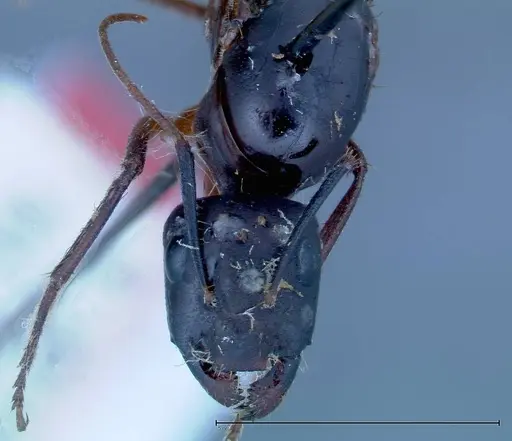
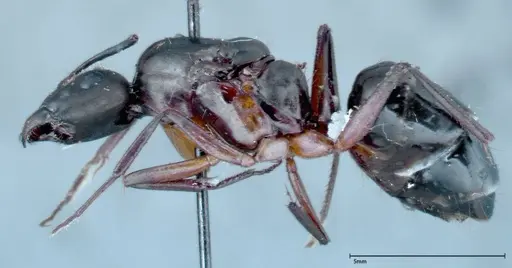
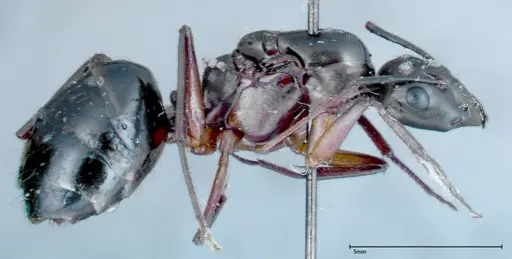
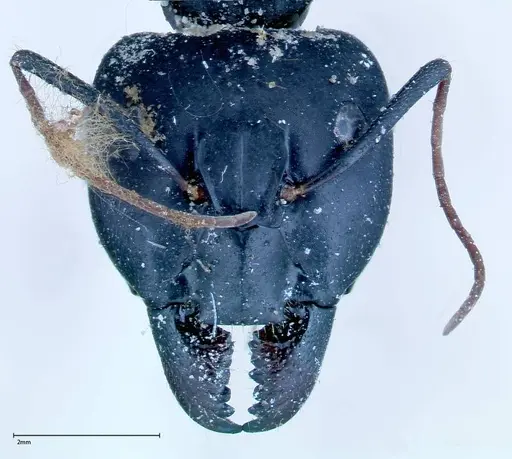
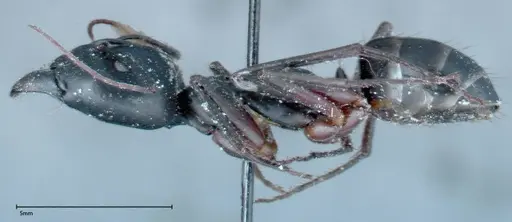
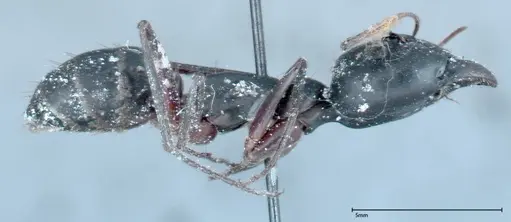
Camponotus xerxes is a large, highly polymorphic ant species native to the Middle East and Central Asia, ranging from Iran and Iraq through Saudi Arabia, Kuwait, the UAE, Oman, Qatar, Turkey, and Turkmenistan to Uzbekistan. This is the largest ant species in Turkmenistan and one of the most common larger Camponotus species in Saudi Arabia. Workers are dramatically polymorphic, you get major workers (13-16mm), medium workers (7-8.5mm), and minor workers (5-6mm), all with distinct morphological differences [1]. Major workers are mostly black with reddish-brown legs and antennae, while minor workers have brown heads, yellowish-brown alitrunk, and darker gasters. This species is closely related to Camponotus fellah but can be distinguished by the absence of erect hairs on the underside of the head [2][3].
What makes C. xerxes particularly interesting is its strictly nocturnal lifestyle, foragers emerge shortly after sunset and return to the nest before sunrise, making them a fascinating species to observe in the evening hours [4]. They are generalist feeders that hunt small arthropods and also tend aphids for honeydew, often foraging on plants like the milkweed tree (Calotropis procera) [2][5]. Colonies can grow quite large with up to 10,000+ workers, and they build deep multi-chambered nests underground with multiple entrances.
Quick Summary
- Difficulty: Medium
- Origin & Habitat: Native to the Middle East and Central Asia, found across Saudi Arabia, Kuwait, UAE, Oman, Qatar, Iran, Iraq, Israel, Turkey, Turkmenistan, and Uzbekistan. This species inhabits arid and semi-arid regions, nesting in the ground with colonies found in sandy loam soils at various altitudes up to 2000m [6][7]. Foragers are commonly found in agricultural settings like almond and walnut gardens, as well as natural desert and savanna habitats [2][8].
- Colony Type: Monogyne (single-queen colonies). Each colony has one queen that lays eggs, and colonies can reach 10,000+ workers [4]. The species shows ergatoid replacement reproductives, if the queen dies, workers can produce males from unfertilized eggs, though this is not well-documented in captive settings.
- Colony: Monogyne
- Founding: Claustral
- Size & Growth:
- Queen: 13.3-17.0mm [9]
- Worker: Major: 13-16mm, Medium: 7-8.5mm, Minor: 5-6mm [1]
- Colony: Up to 10,000+ workers [4]
- Growth: Moderate to Fast
- Development: 6-8 weeks (estimated based on typical Camponotus development) (Development time follows standard Camponotus patterns, queens are claustral and seal themselves in to raise the first brood alone. First workers (nanitics) are typically smaller and develop faster than normal workers.)
- Antkeeping:
- Temperature: Keep nest area at 24-28°C with a slight gradient. This species comes from warm arid regions, so they tolerate higher temperatures well. A heating cable on one side of the nest creates a comfortable temperature gradient [4].
- Humidity: Low to moderate. These are desert-adapted ants that prefer drier conditions. Keep nest substrate moderately dry with occasional misting, aim for a damp substrate that dries between waterings, not constantly wet. Avoid overly humid conditions that can cause mold.
- Diapause: No, this species is active year-round in its native tropical to subtropical range. However, you can reduce temperatures slightly in winter (down to 18-20°C) to slow activity if desired, but a true hibernation is not required.
- Nesting: In the wild, they build deep multi-chambered nests up to 2 meters deep with multiple entrances. In captivity, they do well in Y-tong (AAC) nests, large acrylic formicariums, or plaster nests with chambers sized appropriately for their large workers. Provide enough vertical space for their deep nesting behavior. A test tube setup works for founding, but transfer to a proper formicarium once the colony reaches 20-30 workers.
- Behavior: C. xerxes is a nocturnal species, workers begin foraging shortly after sunset and return before sunrise [4]. They are generalist predators that hunt small arthropods and also collect honeydew from aphids. Major workers are impressive-looking and can deliver a bite if threatened, though they are not aggressive toward keepers. They are moderate escape artists, their large size makes them easier to contain than tiny ants, but they still need standard barrier precautions. The colony will establish scent trails to food sources and can become quite bold in their foraging once established.
- Common Issues: colonies often stall in early development if temperatures are too cool, keep them warm (24-28°C) for best growth, overfeeding can lead to mold problems in the nest, remove uneaten prey within 24 hours, wild-caught colonies may have parasites that can decimate the colony, quarantine and observe new colonies carefully, large colony size means they need expanding housing, be prepared to upgrade nest space as they grow, nocturnal activity means you won't see much movement during the day, observe them in the evening for the full experience
Housing and Nest Setup
For founding colonies, a standard test tube setup works well. Fill a test tube with water and plug the wet end with cotton, leaving enough dry space for the queen. Place the tube in a dark container and leave the queen alone, she will seal herself in and lay eggs. Once you have 20-30 workers, transfer to a proper formicarium. C. xerxes needs more vertical space than most ants due to their deep-nesting wild behavior. Y-tong (AAC) nests or large acrylic formicariums work well. Provide a foraging area that is at least 3-4 times the size of the nest chamber. Since they are nocturnal, you may want to use a red film over the foraging area so you can observe them without disturbing their natural rhythms. Add a water test tube for humidity and ensure the nest has some damp substrate, but allow it to dry between waterings. [7][4]
Feeding and Diet
C. xerxes is a generalist feeder that accepts both protein and sugar sources. In the wild, they are nocturnal predators that hunt small arthropods and also tend aphids for honeydew [4][5]. They are attracted to the sweet secretions (honeydew) produced by aphids and scale insects [8]. Feed them a varied diet: protein sources like mealworms, small crickets, and other insects 2-3 times per week, and sugar sources like honey water or sugar water constantly available. For minor workers, cut prey into smaller pieces. Remove any uneaten prey after 24 hours to prevent mold. They will also accept fruit occasionally. The large majors can tackle bigger prey items than the minors, so variety is appreciated.
Temperature and Seasonal Care
This species comes from warm regions and does best at temperatures between 24-28°C. A heating cable on one side of the nest creates a temperature gradient that lets the ants choose their preferred warmth. They can tolerate temperatures up to 35°C without issue but should be kept away from direct hot sunlight. Unlike temperate species, C. xerxes does not require a winter diapause, they are active year-round in their native range. However, you can reduce temperatures slightly in winter months (to around 18-20°C) if you want to slow colony activity, but this is optional. The key is to maintain warmth consistently, especially during the founding stage when the queen is raising her first brood. [4][2]
Colony Growth and Development
C. xerxes is a polymorphic species with three distinct worker castes: major, medium, and minor workers. The queen is claustral, she seals herself in a chamber and raises her first brood alone without foraging, living off her stored fat reserves until the first workers emerge. Development from egg to first worker takes approximately 6-8 weeks at optimal temperatures, following typical Camponotus patterns. The first workers (nanitics) are smaller than normal workers but will quickly be replaced by larger workers as the colony grows. Colonies can reach impressive sizes of 10,000+ workers in the wild [4]. In captivity, expect moderate to fast growth once the colony establishes its first workers. Major workers typically appear when the colony reaches several hundred workers.
Behavior and Observation
One of the most fascinating aspects of C. xerxes is their strictly nocturnal foraging behavior. Workers begin emerging from the nest shortly after sunset and return before sunrise [4]. This is an adaptation to avoid daytime predators and the extreme heat of their desert habitat. In captivity, you can observe this behavior by watching the colony in the evening hours. They will establish foraging trails and can become quite bold once the colony is established. Major workers are impressive defenders and will readily bite if the nest is threatened, though they are not aggressive toward keepers during normal observation. The colony maintains complex underground nest structures with multiple chambers and entrances, in captivity, they will expand into available nest space similarly.
Frequently Asked Questions
How long does it take for Camponotus xerxes to get their first workers?
Expect 6-8 weeks from egg to first worker at optimal temperatures (24-28°C). The queen is claustral, she seals herself in and raises the first brood alone. First workers (nanitics) are smaller but will be replaced by larger workers as the colony grows.
Can I keep multiple Camponotus xerxes queens together?
No. This species is monogyne, colonies have a single queen. Multiple unrelated queens will fight. Only attempt combining if you have a queen that has already established a colony and want to introduce a second established queen, which is not recommended.
What do Camponotus xerxes eat?
They are generalist feeders. Offer protein sources like mealworms, small crickets, and other insects 2-3 times per week. Keep sugar water or honey water constantly available. They also collect honeydew from aphids in the wild, so they will readily accept sweet liquids.
Are Camponotus xerxes good for beginners?
This species is rated as medium difficulty. They are rewarding to keep but require more space than smaller ants due to their large colony size and deep-nesting behavior. They are also nocturnal, which means you won't see much activity during the day. Experienced antkeepers will enjoy observing their complex behaviors.
Do Camponotus xerxes need hibernation?
No. This species is from warm tropical to subtropical regions and does not require a winter diapause. You can maintain them at room temperature year-round, though you may reduce temperatures slightly in winter if you want to slow activity.
When should I move Camponotus xerxes to a formicarium?
Keep them in a test tube setup until they have 20-30 workers. Once the colony outgrows the test tube or you see workers clustering away from the water reservoir, transfer them to a proper formicarium with chambers sized for large ants.
How big do Camponotus xerxes colonies get?
In the wild, colonies can reach 10,000+ workers [4]. In captivity, well-established colonies can reach several thousand workers. You will need to provide expanding nest space as they grow.
Why are my Camponotus xerxes not coming out during the day?
This is normal behavior, C. xerxes is strictly nocturnal. Workers emerge shortly after sunset and return before sunrise. Observe them in the evening hours to see them at their most active.
References

This caresheet is licensed under CC BY-SA 4.0 .
CASENT0249901
View on AntWeb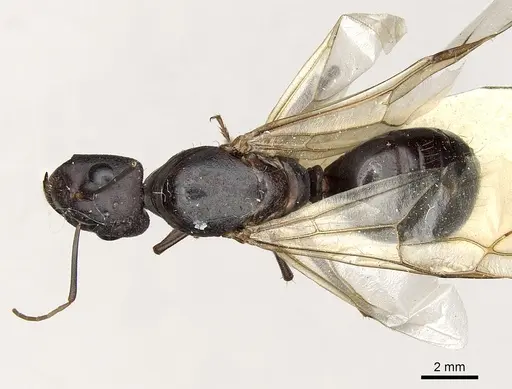
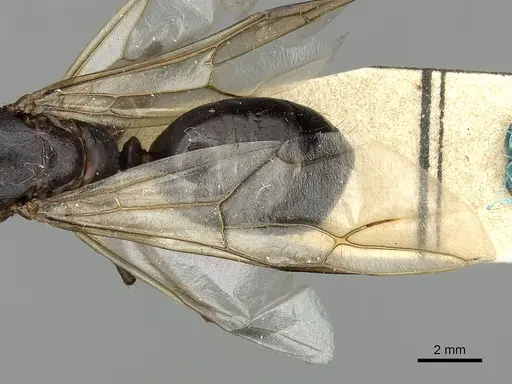
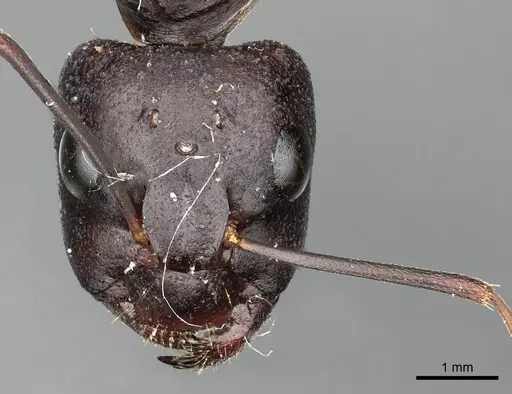
CASENT0264128
View on AntWeb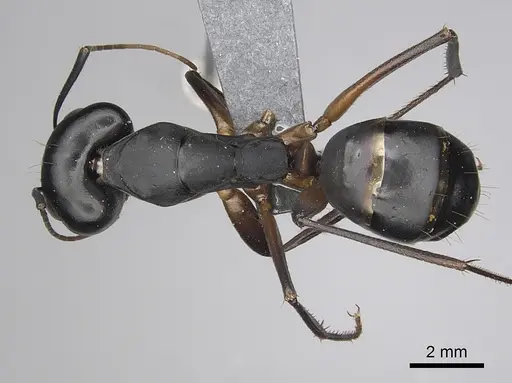
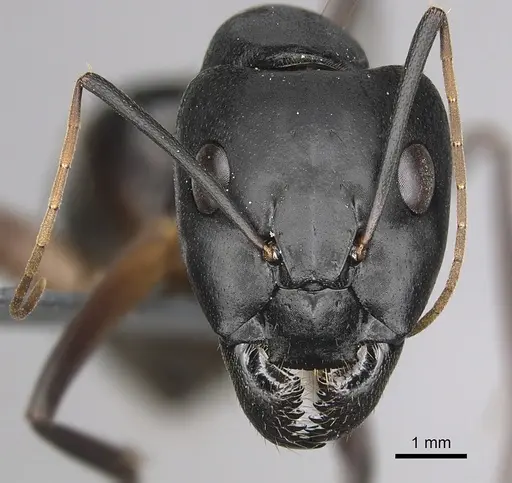
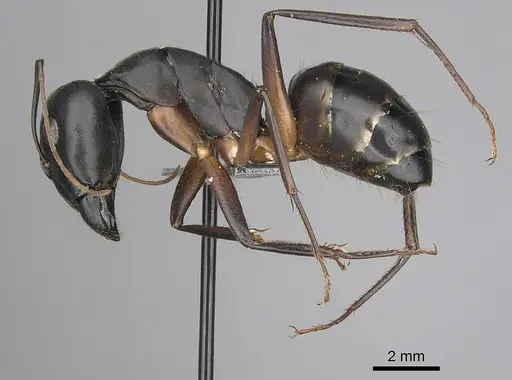
CASENT0264600
View on AntWeb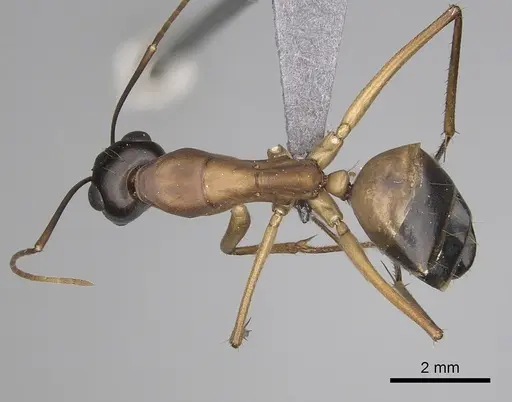
CASENT0280003
View on AntWeb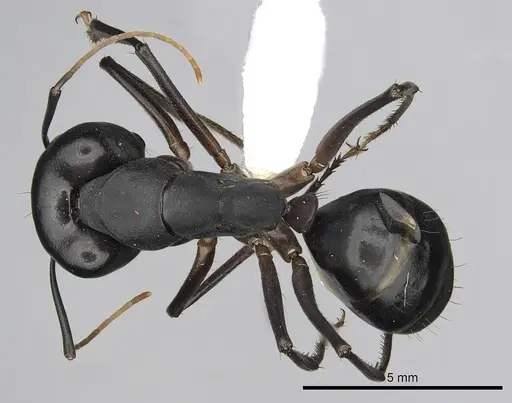
CASENT0280613
View on AntWeb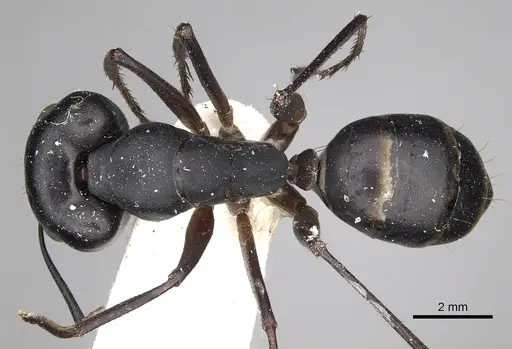
CASENT0905292
View on AntWeb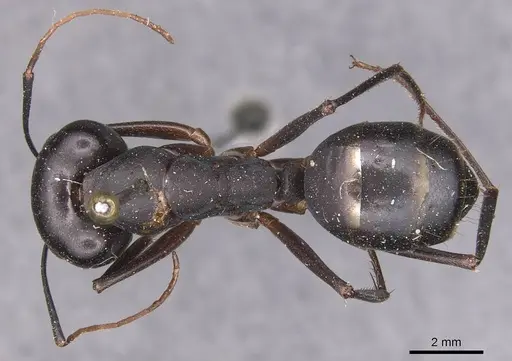
CASENT0910246
View on AntWeb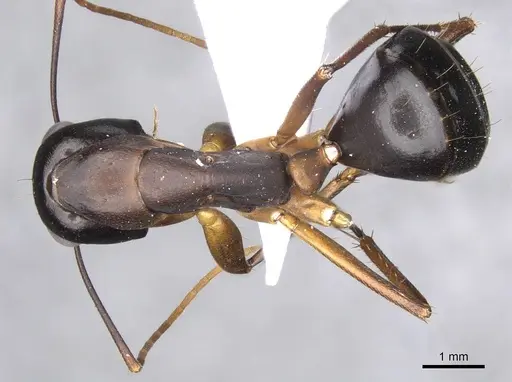
CDA000114
View on AntWeb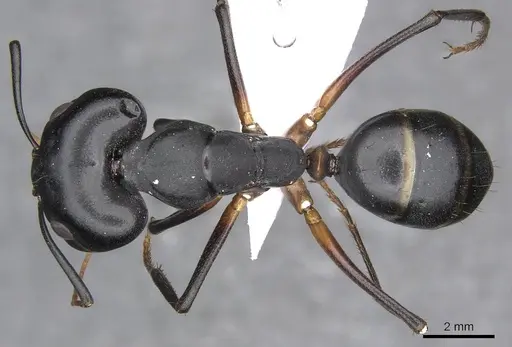
FOCOL0125
View on AntWeb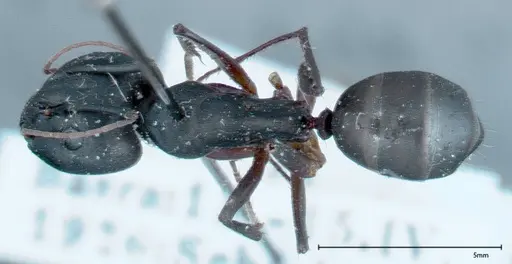
FOCOL0126
View on AntWeb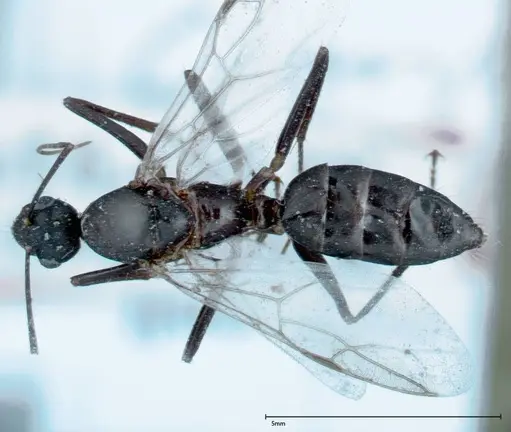
FOCOL0127
View on AntWeb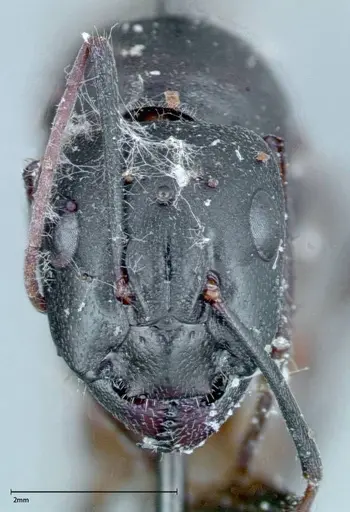
FOCOL0128
View on AntWeb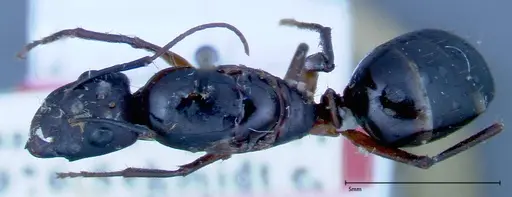
FOCOL0129
View on AntWeb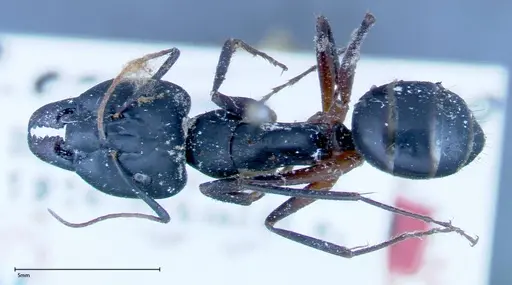
Literature
Loading...Loading products...