

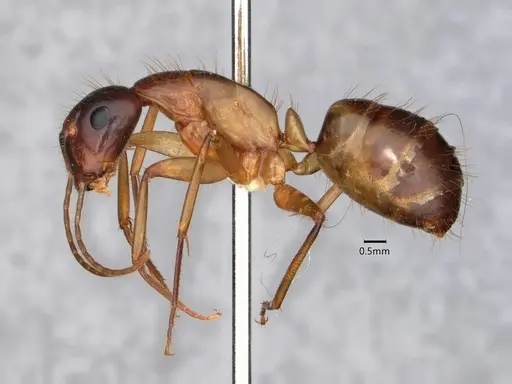
Camponotus vafer
- Scientific Name
- Camponotus vafer
- Subgenus
- Tanaemyrmex
- Tribe
- Camponotini
- Subfamily
- Formicinae
- Author
- Wheeler, 1910
- Distribution
- Found in 2 countries
Camponotus vafer Overview
Camponotus vafer is an ant species of the genus Camponotus. It is primarily documented in 2 countries , including Mexico, United States of America. Detailed taxonomic data and occurrence records can be further explored via authoritative databases such as AntWeb or the Global Biodiversity Information Facility (GBIF).
Camponotus vafer
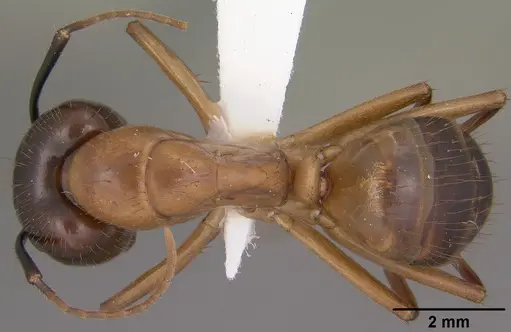
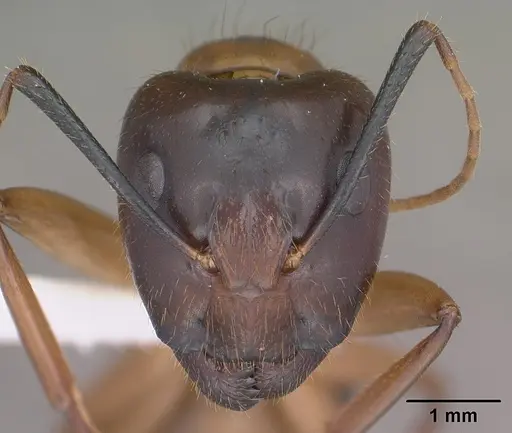
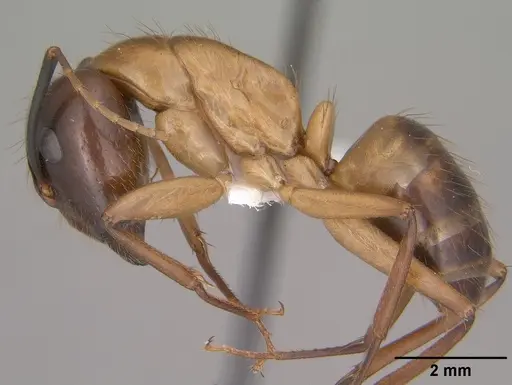
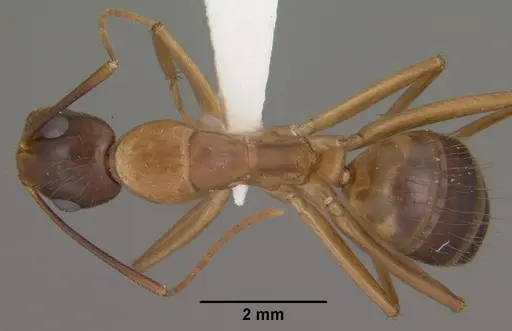
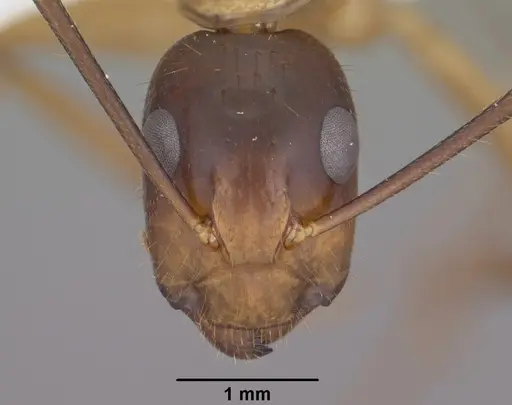
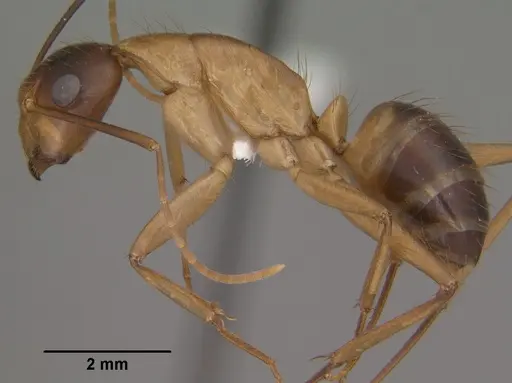
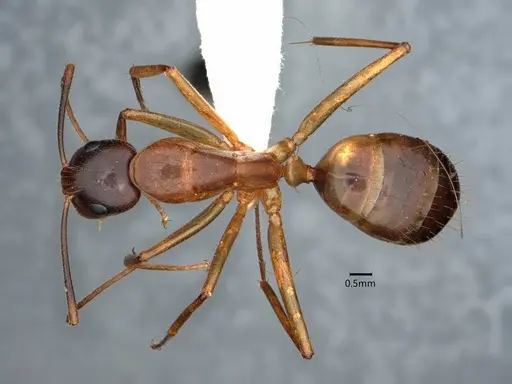
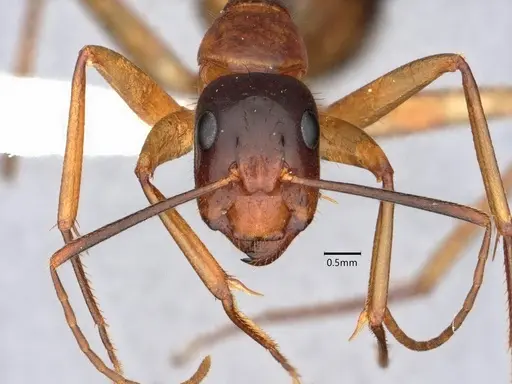
Camponotus vafer is a medium-sized carpenter ant found across the American Southwest and northern Mexico. Workers come in two distinct sizes: majors with heads measuring 2.55-3.50mm and minors at 1.05-2.10mm, with queens reaching 2.55-2.80mm head width [1]. This species is arboreal, nesting naturally in dead limbs of oak trees and wooden structures [1]. They inhabit lower montane forests at higher elevations, typically in areas mixing oak, pine, and juniper [1]. C. vafer is nocturnal and most active at night, foraging in the vegetation above ground [2]. The species was originally described from the Huachuca Mountains of Arizona and is closely related to Camponotus festinatus, from which it was separated as a distinct species [1].
Quick Summary
- Difficulty: Medium
- Origin & Habitat: Arizona and New Mexico in the United States, extending into Chihuahua and Sonora, Mexico. They live in lower montane forests at elevations of 5000-6000 feet, typically in areas with a mix of oak, pine, and juniper [1][3].
- Colony Type: Single-queen colonies (monogyne) are typical for Camponotus species, though colony structure has not been specifically documented for this species. Queens are claustral founders who seal themselves in to raise their first workers alone.
- Colony: Monogyne
- Founding: Claustral
- Size & Growth:
- Queen: 2.55-2.80mm head width,4.90-5.10mm mesosoma length [1]
- Worker: Majors: 2.55-3.50mm head width, Minors: 1.05-2.10mm head width [1]
- Colony: Colony size is unconfirmed but likely reaches several hundred workers based on typical Camponotus patterns
- Growth: Moderate, typical for Camponotus species
- Development: 6-10 weeks estimated based on typical Camponotus development at warm room temperature (Development time depends on temperature, warmer conditions within safe range accelerate development)
- Antkeeping:
- Temperature: Keep nest area around 22-26°C. Based on their montane forest habitat in Arizona, they prefer moderate temperatures rather than extreme heat. A temperature gradient allows ants to choose their preferred zone [1].
- Humidity: Moderate humidity around 50-60%. As an arboreal species, they tolerate drier conditions better than many ground-nesting ants. Provide a water tube but avoid oversaturating the nest [1].
- Diapause: Yes, they require a winter rest period of 2-3 months at 10-15°C, reflecting their adaptation to seasonal temperature changes in the southwestern mountains [1].
- Nesting: Arboreal nesting preference means they do well in nests that allow them to climb and nest above ground. Y-tong (AAC) nests work well, or a formicarium with wooden elements they can tunnel into. They prefer narrow chambers scaled to their size [1].
- Behavior: Nocturnal and arboreal, they forage primarily at night and prefer to travel along branches and vegetation rather than on the ground [2]. They are moderately aggressive when defending the nest but not particularly territorial. Workers are polymorphic with distinct major and minor castes. Escape risk is moderate, use standard barriers but fine mesh is not critical since they are not tiny ants. They have the typical Camponotus formic acid spray defense but rarely use it against keepers.
- Common Issues: colonies often fail if kept too warm during winter, always provide proper hibernation, arboreal nature means they may not use ground-level foraging areas effectively, provide elevated platforms, slow founding phase causes some keepers to abandon colonies before first workers arrive, wild-caught colonies may have parasites that kill them in captivity, test tube setups work but need to ensure adequate ventilation for arboreal species
Housing and Nest Setup
Camponotus vafer is an arboreal species, meaning they naturally nest in wood above ground rather than in soil. In captivity, they do well in Y-tong (acrylic) nests with chambers scaled to their size, or in formicariums with wooden inserts they can tunnel into. The key is providing vertical space and climbing structures, they prefer to move upward through the nest rather than across horizontal planes. A test tube setup works for founding colonies, but once the colony reaches 15-20 workers, consider moving them to a proper formicarium with multiple connected chambers. Because they are nocturnal, providing some darkness or covering the nest during daylight hours helps them feel secure. Escape prevention is straightforward since they are not tiny ants, standard barrier gel or fluon on container edges works well. [1][2]
Feeding and Diet
Like other Camponotus species, C. vafer is omnivorous with a preference for sugary liquids. They will readily accept sugar water, honey, or diluted maple syrup as a constant carbohydrate source. For protein, offer small insects like fruit flies, small crickets, or mealworms. They are nocturnal foragers, so offer food in the evening and remove uneaten prey within 24 hours to prevent mold. Based on their arboreal lifestyle and the Blochmannia endosymbiont they carry (which aids in nutrient processing), they likely have similar dietary needs to other carpenter ants [4]. Feed protein 2-3 times per week and keep sugar water available at all times. Minor workers will forage for sugar while majors handle larger prey items.
Temperature and Seasonal Care
Keep the nest area at 22-26°C during the active season. This species comes from montane forests in Arizona and New Mexico where temperatures are moderate, so avoid extreme heat. A heating cable on one side of the nest creates a temperature gradient they can regulate themselves. During winter, they require a diapause period of 2-3 months at 10-15°C, this is essential for colony health and triggers reproductive development. Place them in a cool location like a basement or garage for winter. Do not feed during diapause but ensure they have access to water. Resume normal feeding and warming when you bring them out in spring. Failure to provide proper hibernation often leads to colony decline over time. [1]
Colony Development and Growth
Founding queens are claustral, they seal themselves into a small chamber and raise their first brood alone without foraging. The queen uses stored fat reserves to produce eggs and feed larvae until the first workers (nanitics) emerge. This founding phase typically takes 6-10 weeks depending on temperature. The first workers are smaller than normal majors but will grow in subsequent broods. Colony growth is moderate, expect the first year to produce perhaps 20-30 workers, with faster growth in subsequent years as the colony establishes. Major workers appear once the colony reaches around 50 workers. A mature colony may reach several hundred workers over several years. Be patient during the founding phase as this is when most colonies are lost to keeper error or neglect.
Behavior and Observation
Camponotus vafer is nocturnal, meaning you will see most activity in the evening and night hours. They are arboreal by nature, preferring to travel along branches, plants, and other elevated surfaces rather than cross open ground [2]. In a captive setup, provide some vertical structures or plants they can walk on. They are not particularly aggressive but will defend their nest if threatened. The major workers have well-developed mandibles and can deliver a moderately painful bite, though they rarely attack keepers. They communicate using chemical trails and will establish foraging paths to food sources. Watching a colony establish night-time foraging routes is one of the more interesting aspects of keeping this species.
Frequently Asked Questions
How long does it take for Camponotus vafer to produce first workers?
Expect first workers (nanitics) to emerge in 6-10 weeks after the queen lays eggs, assuming temperatures around 24-26°C. This is typical for claustral Camponotus species. The queen will remain sealed in her chamber until the first workers arrive.
Do Camponotus vafer ants need hibernation?
Yes, they require a winter diapause period of 2-3 months at 10-15°C. This reflects their adaptation to seasonal temperature changes in their montane habitat. Without proper hibernation, colonies often fail to thrive and queens may stop laying eggs.
What do Camponotus vafer ants eat?
They are omnivorous. Offer sugar water, honey, or maple syrup constantly for carbohydrates. For protein, feed small insects like fruit flies, small crickets, or mealworms 2-3 times per week. They are nocturnal foragers so provide food in the evening.
Are Camponotus vafer good for beginners?
They are intermediate in difficulty. The main challenges are their nocturnal activity pattern (less visual interest during the day), the need for proper winter hibernation, and their arboreal nature requiring appropriate housing. They are hardier than many tropical species but require more seasonal management than beginner species like Lasius.
Can I keep multiple Camponotus vafer queens together?
Not recommended. Camponotus species are typically monogyne (single queen) and multiple queens will fight once workers are produced. Only attempt pleometrosis (multiple queen founding) with careful monitoring and separation if aggression occurs.
What type of nest is best for Camponotus vafer?
Y-tong (AAC) nests work well, or any formicarium with wooden elements they can tunnel into. They prefer vertical space and climbing opportunities. Avoid fully horizontal setups, they want to move upward through the nest.
How big do Camponotus vafer colonies get?
Colony size is not precisely documented but based on typical Camponotus patterns, expect several hundred workers at maturity over 3-5 years. The colony grows moderately each year after the founding phase.
Where is Camponotus vafer found in the wild?
They live in the American Southwest, Arizona, New Mexico, and northern Mexico. Their habitat is lower montane forest at elevations of 5000-6000 feet, in areas with oak, pine, and juniper. They nest in dead oak limbs and wooden structures [1].
Why is my Camponotus vafer colony dying?
Common causes include: improper hibernation (no winter rest or temperatures too warm), keeping them too dry despite being arboreal, overfeeding leading to mold, or stress from too much light during their nocturnal activity period. Also check for parasites if the colony suddenly declines.
References

This caresheet is licensed under CC BY-SA 4.0 .
Literature
Loading...Loading products...