

Camponotus ulcerosus
- Scientific Name
- Camponotus ulcerosus
- Subgenus
- Myrmaphaenus
- Tribe
- Camponotini
- Subfamily
- Formicinae
- Author
- Wheeler, 1910
- Distribution
- Found in 2 countries
Camponotus ulcerosus Overview
Camponotus ulcerosus is an ant species of the genus Camponotus. It is primarily documented in 2 countries , including Mexico, United States of America. Detailed taxonomic data and occurrence records can be further explored via authoritative databases such as AntWeb or the Global Biodiversity Information Facility (GBIF).
Camponotus ulcerosus
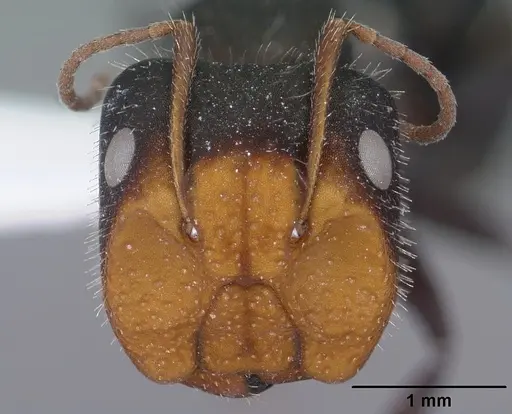
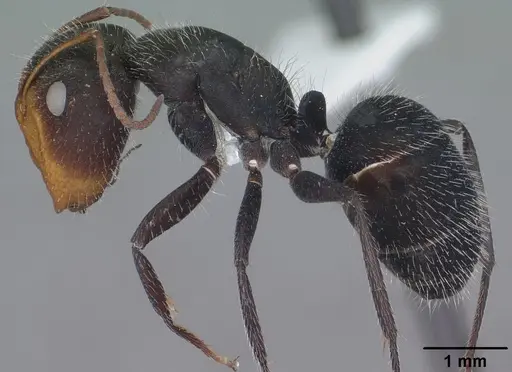
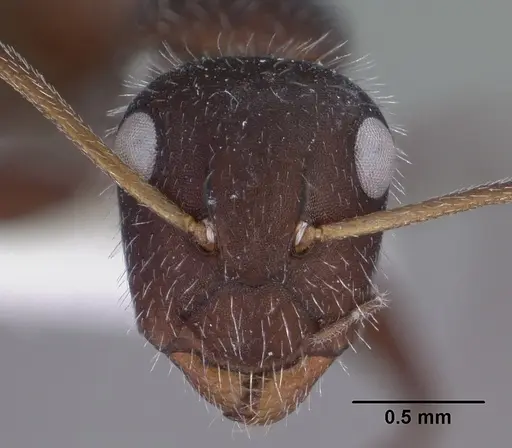
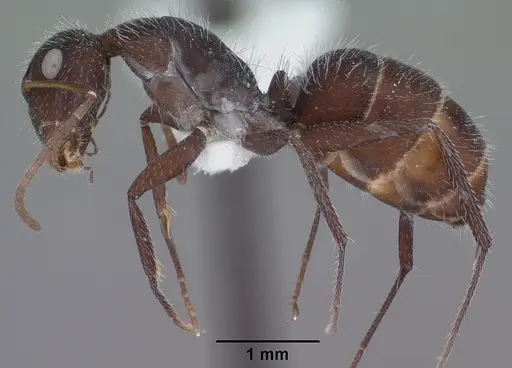
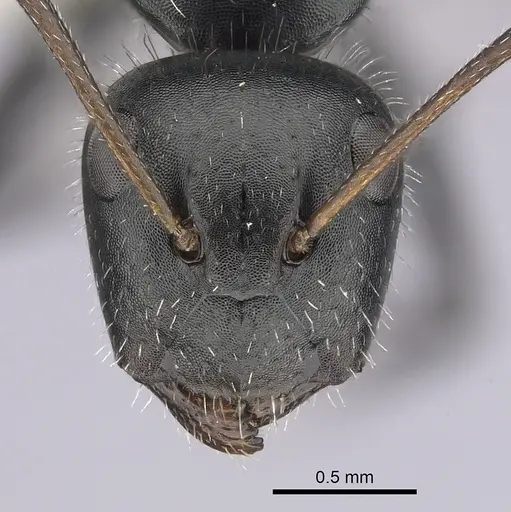
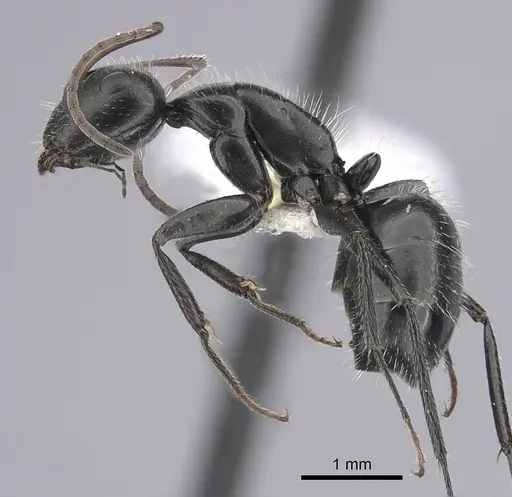
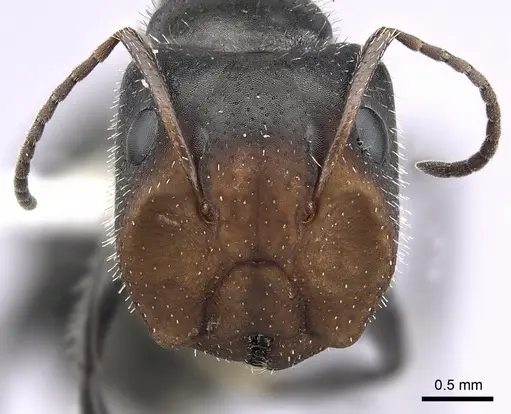
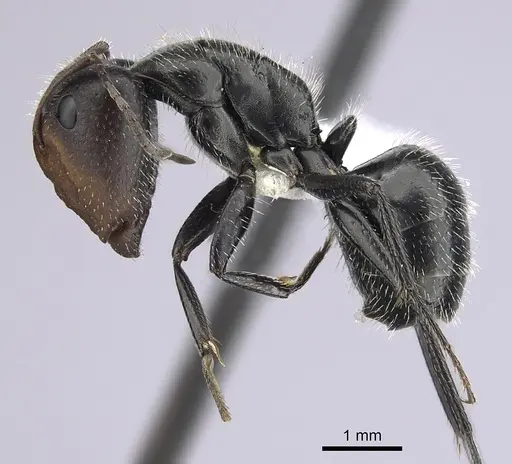
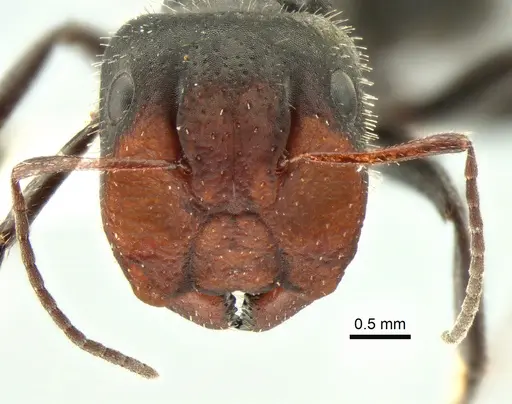
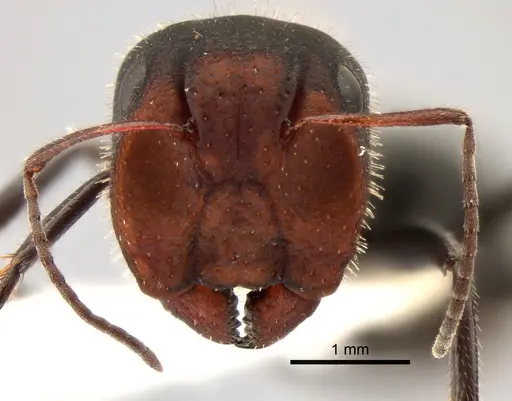
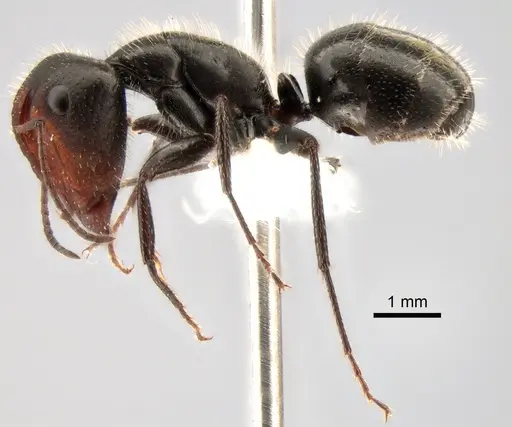
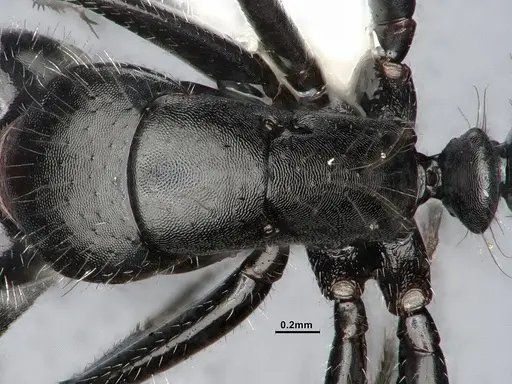
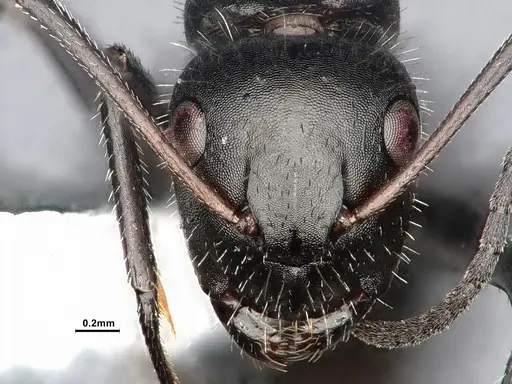
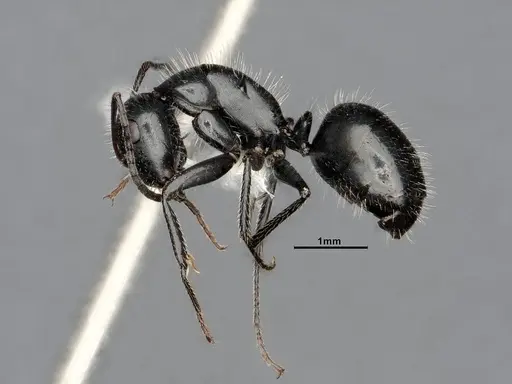
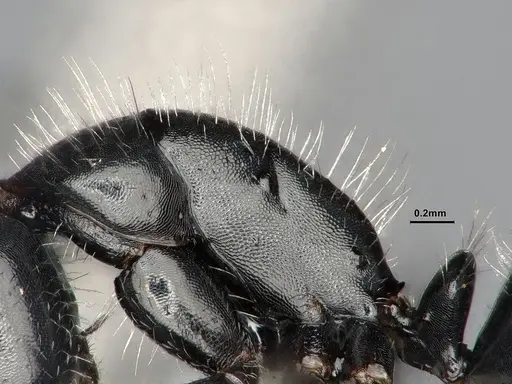
Camponotus ulcerosus is a medium-sized carpenter ant found across the southwestern United States and northern Mexico. Major workers reach 6-7mm with a distinctive obliquely truncated head featuring deep, roughened areas on the cheeks that give the species its name. Minor workers are smaller at 5.6-6.5mm, appearing black and shiny with densely sculpted head and mesosoma covered in long white hairs. Queens are robust at nearly 11mm. This species is notable for building protective carton shields around their nest entrances, a paper-thin layer of vegetable material cemented with salivary secretions. The majors serve as living doorstoppers, using their uniquely shaped heads to physically block nest entrances and ambush passing insects like Tetramorium workers.
Quick Summary
- Difficulty: Medium
- Origin & Habitat: Chihuahuan Desert region of Arizona, New Mexico, Texas, and northern Mexico (Chihuahua, Jalisco). Nests under large stones and boulders in arid canyon habitats, often at elevations between 1,935m and 2,228m [1][2].
- Colony Type: Small colonies with documented multi-queen colonies in some nests. Likely single-queen colonies are typical, but multiple queens have been observed [2].
- Colony: Monogyne, Polygyne
- Founding: Claustral
- Size & Growth:
- Queen: 10.9mm total length [2]
- Worker: Minor workers: 5.6-6.5mm, Major workers: 6-7mm [2]
- Colony: Small colonies, exact maximum unknown but colonies remain modest in size [2]
- Growth: Moderate, inferred from typical Camponotus development patterns
- Development: 6-8 weeks (estimated based on typical Camponotus genus patterns at optimal temperature) (Development time estimated from genus-level data, specific timing for this species unconfirmed)
- Antkeeping:
- Temperature: Keep at 22-26°C. This is a desert species from the American Southwest that tolerates warm, dry conditions. A gentle heat gradient allows workers to self-regulate [1].
- Humidity: Low to moderate, these are desert ants that prefer dry conditions. Keep nest substrate relatively dry with only minimal moisture. Avoid damp conditions that could cause mold in their nest chamber.
- Diapause: Yes, given their range into Arizona, New Mexico, and northern Mexico, they likely require a winter rest period. Reduce temperature to 10-15°C for 2-3 months during winter.
- Nesting: In nature they nest under semi-buried stones with a distinctive carton shield entrance. In captivity, they do well in Y-tong (AAC) nests or plaster formicariums with a dry chamber. Provide a flat stone or piece of bark as a founding chamber substrate if using a naturalistic setup. The key is providing a secure, dark space they can defend with their head-plugging behavior.
- Behavior: This species is defensive and territorial. Major workers are aggressive defenders that block nest entrances with their uniquely shaped heads and will readily bite intruders. They are moderately active foragers, with minor workers commonly seen foraging on rocks during daylight hours. Escape prevention is important, while not the smallest ants, they are strong climbers and will exploit any gaps. They have a moderately painful sting from the Formicinae venom, though major workers rely more on their powerful bite and head-plugging defense.
- Common Issues: excessive humidity kills colonies, these are desert ants that need dry conditions, escape risk is moderate, close all gaps and use fluon on container edges, small colony size means slow growth, don't overfeed or let prey rot in the nest, founders may fail if disturbed too often, queens seal themselves in and need complete darkness and quiet, winter die-off if diapause is not provided or if temperatures drop too suddenly
Nest Preferences and Setup
Camponotus ulcerosus naturally nests under large stones and boulders in arid desert canyons. They construct a distinctive carton shield around the nest entrance, a paper-thin protective layer made from vegetable material cemented with salivary secretions. This shield helps regulate nest humidity and provides camouflage. In captivity, Y-tong (acrylic) nests work well, or you can use a plaster formicarium with a dry chamber. The key is providing a dark, secure space that the ants can defend. Because majors use their heads to block the entrance, avoid nests with overly large entrance holes. A naturalistic setup with a flat stone on top of dry soil can also work, mimicking their natural under-stone nesting behavior. Keep the nest area dry, these desert ants are prone to mold if conditions are too damp. [2][1]
Feeding and Diet
Like other Camponotus species, these ants are omnivorous with a preference for protein foods. In the wild, majors actively hunt and capture other ant species (notably Tetramorium spinosum) that walk over their faces near the nest entrance. Offer protein sources like small crickets, mealworms, or other insects twice weekly. Sugar water, honey, or diluted jam provides energy for workers. Minor workers forage on rocks in daylight hours, so they may accept food offered in the outworld during the day. Remove any uneaten prey after 24-48 hours to prevent mold. A constant sugar water supply is recommended once workers emerge. [1]
Temperature and Seasonal Care
As a desert species from the American Southwest, Camponotus ulcerosus prefers warm, dry conditions. Maintain temperatures between 22-26°C during the active season. A heating cable on one side of the nest creates a gradient allowing self-regulation. These ants come from regions with distinct seasons, so they require a winter diapause. From late autumn through early spring, reduce temperatures to 10-15°C for 2-3 months. This mimics their natural cycle and supports colony health. During diapause, reduce food offerings but ensure some moisture is available. Avoid sudden temperature changes, gradual transitions prevent stress. [1]
Defense Behavior and Handling
This species has fascinating defensive behaviors that make them interesting to observe. Major workers serve as living doorstops, they position themselves at the nest entrance and block it with their distinctively shaped, truncated heads. When other ants or potential threats walk over their faces, majors can capture and kill them. This head-plugging behavior is unique among carpenter ants and serves both as defense and as a hunting strategy. When disturbed, majors will readily bite, and the species has a moderately painful sting from the Formicinae subfamily. Handle with care and use appropriate escape prevention. Despite their aggressive defense, they are not considered dangerous to humans, the main risk is a painful bite if carelessly handled. [1]
Colony Founding
Like other Camponotus species, C. ulcerosus queens are claustral, they seal themselves in a chamber and raise the first brood alone using stored fat reserves. A newly mated queen should be placed in a dark, quiet test tube setup with a water reservoir (standard founding setup) and left completely undisturbed for 4-6 weeks until nanitic workers emerge. Do not check on the queen frequently during this period, disturbance can cause her to abandon or eat the brood. The founding chamber should be relatively dry, reflecting their desert habitat. Once workers emerge, you can begin offering tiny amounts of sugar water and small protein items.
Frequently Asked Questions
How long does it take for Camponotus ulcerosus to produce first workers?
Based on typical Camponotus development, expect 6-8 weeks from egg to first worker at optimal temperature (around 24°C). This is an estimate since specific development timing for this species has not been documented.
Can I keep multiple queens together?
Some wild colonies have been documented with multiple queens, but this is not typical. It's best to start with a single queen during founding. Combining unrelated queens has not been studied for this species and is not recommended.
What temperature do Camponotus ulcerosus need?
Keep them at 22-26°C during the active season. They are desert ants from the American Southwest and prefer warm, dry conditions. A heat gradient allowing self-regulation is ideal.
Do they need hibernation?
Yes, they require a winter diapause. Reduce temperatures to 10-15°C for 2-3 months during winter, typically from late autumn through early spring. This matches their natural seasonal cycle in the Chihuahuan Desert region.
How big do colonies get?
Colonies remain relatively small compared to some other Camponotus species. Wild colonies are described as small, with likely under 500 workers at maturity.
What do they eat?
They are omnivorous. Offer protein sources like small insects (crickets, mealworms) twice weekly, plus a constant sugar source like sugar water or honey. In the wild, majors actively hunt other ant species.
Are they good for beginners?
They are moderate difficulty. Their small colony size and specific humidity requirements (dry conditions) make them suitable for keepers who have had success with other Camponotus species. Their unique head-plugging defense makes them fascinating to observe.
When should I move them to a formicarium?
Wait until the colony has at least 20-30 workers before transferring from the founding test tube. Moving too early stresses the colony. Ensure the new setup provides the dry conditions they prefer.
Why do majors block the nest entrance with their heads?
This is a unique defensive and hunting behavior. The major worker's head is specifically shaped to plug the nest entrance. When other insects walk over their faces (as they navigate toward the nest), majors can capture and kill them. This serves as both defense and predation.
References

This caresheet is licensed under CC BY-SA 4.0 .
CASENT0102784
View on AntWeb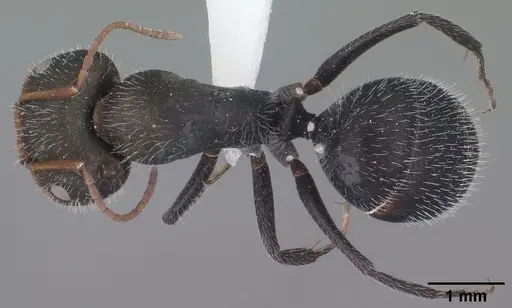
CASENT0102785
View on AntWeb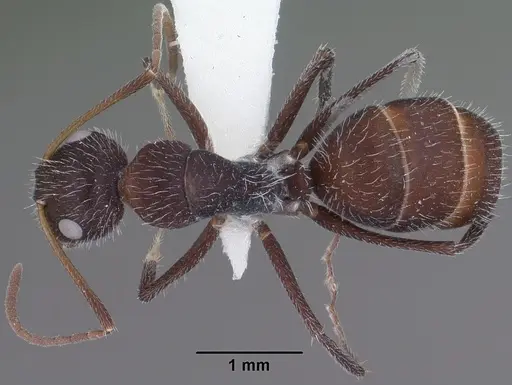
CASENT0249400
View on AntWeb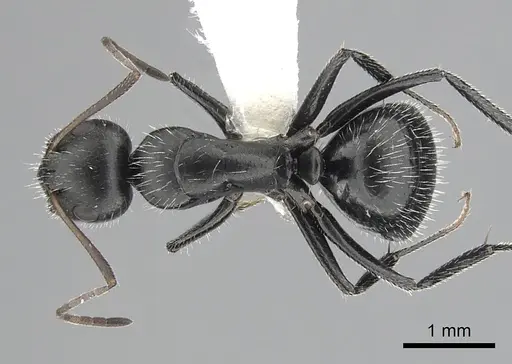
CASENT0249401
View on AntWeb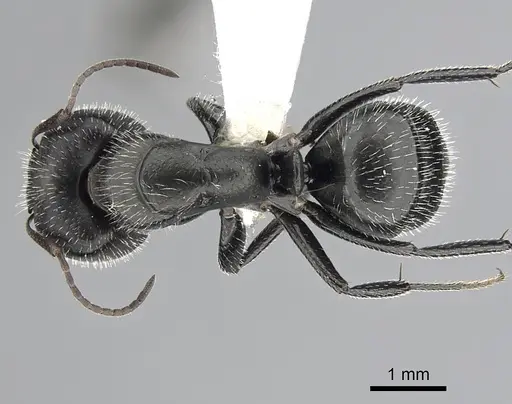
CASENT0882185
View on AntWeb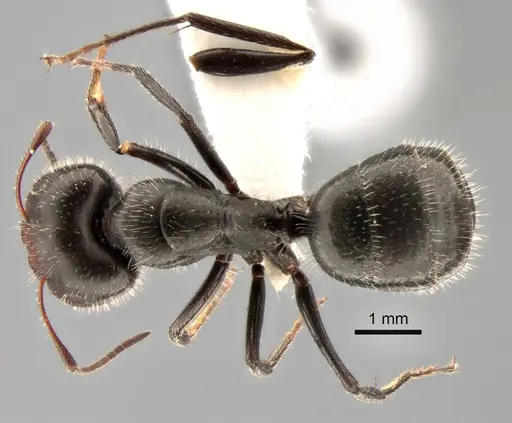
CASENT4031316
View on AntWeb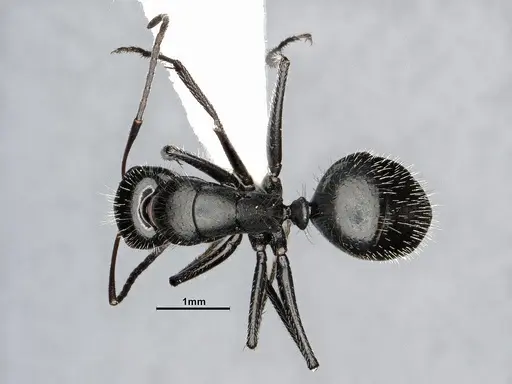
Literature
Loading...Loading products...