

Camponotus turkestanicus
- Scientific Name
- Camponotus turkestanicus
- Subgenus
- Tanaemyrmex
- Tribe
- Camponotini
- Subfamily
- Formicinae
- Author
- Emery, 1887
- Distribution
- Found in 4 countries
Camponotus turkestanicus Overview
Camponotus turkestanicus is an ant species of the genus Camponotus. It is primarily documented in 4 countries , including Afghanistan, Azerbaijan, Kazakhstan. Detailed taxonomic data and occurrence records can be further explored via authoritative databases such as AntWeb or the Global Biodiversity Information Facility (GBIF).
Camponotus turkestanicus
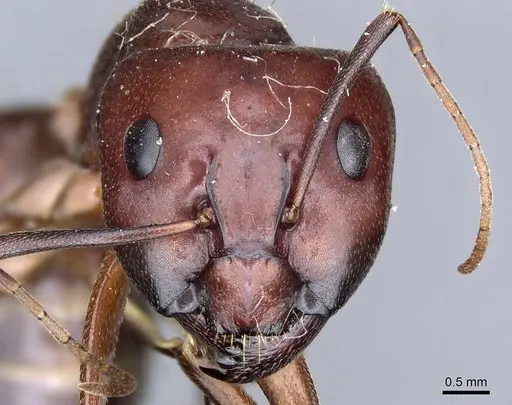
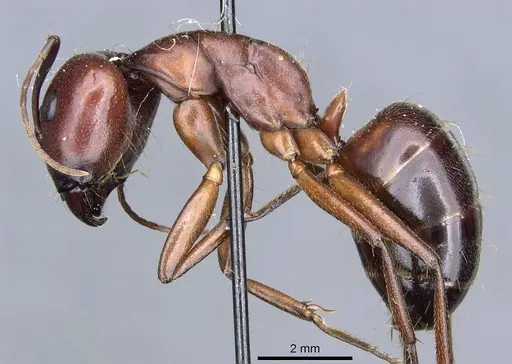
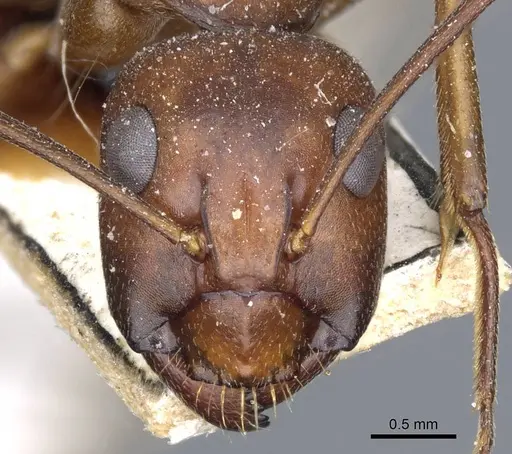
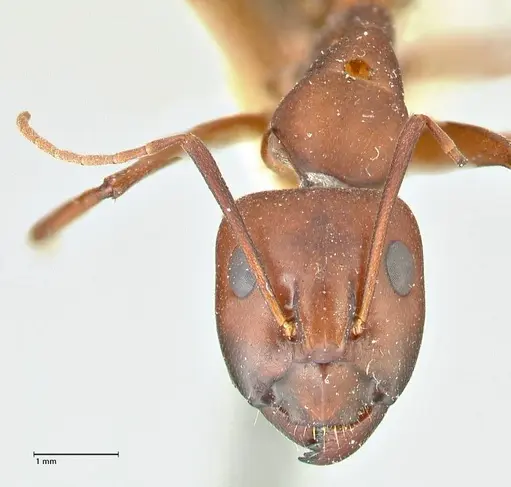
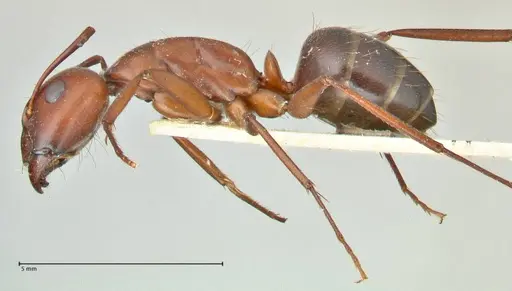
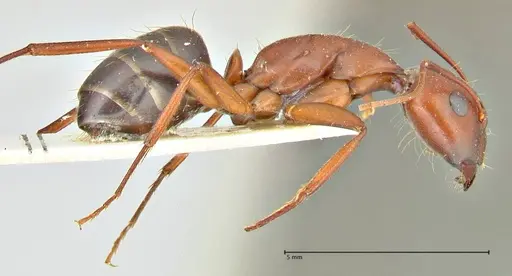
Camponotus turkestanicus is a large carpenter ant species native to the dry regions of Central Asia, from eastern Russia through Iran to northwestern China. Workers are polymorphic, ranging from 4-12mm, with the characteristic Camponotus body shape, a smooth thorax and a rounded gaster. This species has unusually strong development of long curved hairs on the head, an adaptation to desert environments that helps with temperature regulation and moisture retention [1]. The coloration is typically dark with lighter markings, typical of the subgenus Tanaemyrmex. Colonies are monogyne (single-queen) and can grow quite large in captivity.
Quick Summary
- Difficulty: Medium
- Origin & Habitat: Native to Central Asia, found in Turkmenistan, Iran, Kyrgyzstan, Kazakhstan, Afghanistan, and northwestern China. This is a desert-adapted species that inhabits tugai forests, oases, saline soils, and clay-sandy soils in northern deserts. They tolerate strong salinity and prefer relatively more humid microhabitats within their dry range [2]. Found in very low rainfall areas of Iran on garden soil [3].
- Colony Type: Monogyne, single queen colonies. Nests are multi-chambered, connected by underground galleries that can reach 200-220cm depth, down to groundwater level [2]. Ergatoid replacement reproductives have not been documented for this species.
- Colony: Monogyne
- Founding: Claustral
- Size & Growth:
- Queen: Estimated 12-15mm based on Camponotus genus patterns, direct measurements not available
- Worker: 4-12mm (polymorphic, minor workers 4-6mm, major workers 8-12mm) [1]
- Colony: Estimated several thousand workers based on typical Camponotus colony sizes
- Growth: Moderate, typical Camponotus development timeline
- Development: 6-8 weeks at optimal temperature based on genus-level Camponotus data (Development time is typical for Camponotus, queens seal themselves in (claustral founding) and raise first workers alone. First workers (nanitics) are smaller than normal workers.)
- Antkeeping:
- Temperature: Keep nest area at 20-24°C. This species comes from a region with hot summers and cold winters, so they can tolerate a range. Provide a temperature gradient so ants can choose their preferred spot. Room temperature in most homes (20-22°C) is suitable.
- Humidity: Low to moderate. This is a desert-adapted species that tolerates dry conditions. Keep nest substrate moderately moist but allow it to partially dry between waterings. Avoid constant saturation. A small water reservoir in the nest setup is sufficient.
- Diapause: Yes, this species has a winter dormancy period. In their native range, adults and winged females overwinter [2]. Reduce temperature to 10-15°C for 2-3 months during winter, mimicking natural seasonal cycles. Reduce feeding during this period.
- Nesting: This species naturally nests in soil, building deep multi-chambered nests. In captivity, a Y-tong (AAC) nest or a plaster/formicarium with deep chambers works well. Provide a nesting area with multiple connected chambers. They do well in naturalistic setups with soil substrate. Avoid overly humid conditions.
- Behavior: Typical Camponotus temperament, generally calm and not aggressive unless provoked. Workers are active foragers that will search for food throughout the outworld. Major workers can defend the colony with their strong mandibles. They are not known to sting, but may bite if threatened. Escape risk is moderate, use standard barrier methods. They are primarily nocturnal foragers in the wild but will adapt to your feeding schedule in captivity.
- Common Issues: overheating, desert species do better with moderate temperatures, not heat cables, overwatering, too much humidity causes mold and stress in this dry-adapted species, colonies may be slow to establish, patience is needed during founding phase, wild-caught colonies may have parasites, quarantine and observe new colonies, confusion with Camponotus turkestanus, ensure you have the correct species
Nest Preferences and Setup
Camponotus turkestanicus naturally builds deep underground nests reaching 200-220cm, with multiple chambers connected by underground galleries [2]. In captivity, provide a nest with adequate depth, a Y-tong (AAC) nest or a plaster formicarium with multiple connected chambers works well. This species prefers drier conditions than many other Camponotus, so avoid setups that retain excessive moisture. A naturalistic setup with a deep soil layer allows them to exhibit natural digging behavior. The nest should have a water reservoir for humidity control but ventilation is important to prevent mold. These ants do well at room temperature and do not require additional heating unless your home is particularly cold.
Feeding and Diet
Like other Camponotus species, C. turkestanicus is omnivorous. They will accept sugar sources (honey water, sugar water) and protein (insects like mealworms, crickets, fruit flies). In the wild, they are known to tend aphids and feed on honeydew [4]. Offer a varied diet: protein sources 2-3 times per week, and a constant sugar water supply. Major workers can handle larger prey items. Remove uneaten food after 24-48 hours to prevent mold. This species is not a specialized predator, so standard ant foods work well. They are typically more active foragers at night but will adjust to your feeding schedule.
Temperature and Seasonal Care
This Central Asian species is adapted to extreme temperatures, hot summers and cold winters. Keep the nest area at 20-24°C, which is typical room temperature in most homes. They can tolerate temperatures outside this range but growth may slow. A temperature gradient is beneficial so ants can regulate their own temperature. During winter (roughly November-February in the Northern Hemisphere), reduce temperature to 10-15°C to provide a dormancy period. This matches their natural cycle where adults and winged females overwinter [2]. Reduce feeding during this period. Do not feed during deep hibernation. Return to normal temperatures gradually in spring.
Colony Development and Growth
As a claustral species, the queen seals herself in a chamber and raises the first brood alone using stored fat reserves. First workers (nanitics) are smaller than normal workers. Development from egg to worker takes approximately 6-8 weeks at optimal temperature, typical for Camponotus species. Colonies grow gradually at first, the first year may produce only 10-30 workers. Growth accelerates in subsequent years as the colony establishes. This is a polymorphic species, so you'll see increasing size variation among workers as the colony matures. Major workers typically appear once the colony reaches several hundred workers. Be patient during the founding phase, many colonies fail in the first few months due to disturbance or poor conditions. [1]
Behavior and Temperament
Camponotus turkestanicus has a typical carpenter ant temperament, generally calm and non-aggressive. Workers go about their tasks methodically rather than panicking at disturbances. Major workers can deliver a bite if threatened, but they are not particularly aggressive toward keepers. They are active foragers and will send workers out to discover food sources. Workers communicate through chemical trails and will recruit nestmates to good food finds. This species is primarily nocturnal in the wild but adjusts activity patterns based on feeding schedules in captivity. They are not known for escape artistry but use standard barrier methods (fluon, talc) as precaution, especially with founding colonies.
Frequently Asked Questions
How long does it take for Camponotus turkestanicus to produce first workers?
Expect first workers (nanitics) in 6-8 weeks after the queen lays eggs, at optimal room temperature of 20-24°C. This is typical for Camponotus species. The founding phase can be slow, some colonies take longer depending on conditions.
What temperature do Turkestan carpenter ants need?
Keep them at room temperature, 20-24°C is ideal. They come from a region with extreme temperatures but do well in typical home conditions. A slight temperature gradient is beneficial but not required.
Do Camponotus turkestanicus need hibernation?
Yes, they benefit from a winter dormancy period. Reduce temperature to 10-15°C for 2-3 months during winter (roughly November-February). This matches their natural cycle where adults overwinter. Reduce feeding during this period.
How big do colonies of Camponotus turkestanicus get?
Colonies can reach several thousand workers at maturity. This is a polymorphic species with major workers up to 12mm. Growth is gradual, the first year may produce only 10-30 workers, with acceleration in following years.
What do Camponotus turkestanicus eat?
They are omnivorous. Offer protein (insects like mealworms, crickets) 2-3 times per week and sugar water or honey constantly. They also tend aphids in the wild and will accept honeydew substitutes.
Is Camponotus turkestanicus good for beginners?
This is a medium-difficulty species. They are more forgiving than tropical species but require attention to humidity (keep it lower) and winter dormancy. Their slow founding phase requires patience. If you can provide proper hibernation conditions, they are a rewarding species.
Can I keep multiple queens together?
No, this is a monogyne (single-queen) species. Multiple unrelated queens will fight. Only keep one queen per colony. If you find a queen in the wild during nuptial flights (late April in their range), she should be housed alone.
When do Camponotus turkestanicus have nuptial flights?
In their native range, nuptial flights occur in late April [2]. In captivity, if you provide proper seasonal conditions, alates may develop and emerge in spring. Mated queens then found new colonies claustrally.
Why is my colony growing slowly?
Slow growth is normal during the founding phase. Ensure the queen is undisturbed, humidity is appropriate (moderate, not too wet), and temperature is stable at 20-24°C. Overfeeding can actually harm founding colonies, the queen may neglect brood if excess food is present. Patience is key.
References

This caresheet is licensed under CC BY-SA 4.0 .
ANTWEB1008058
View on AntWeb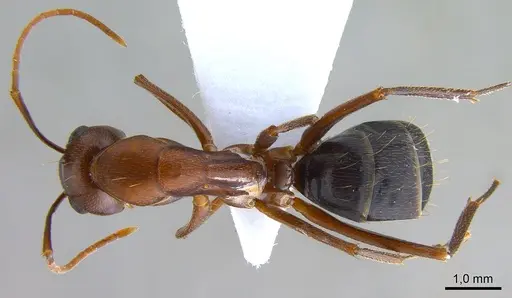
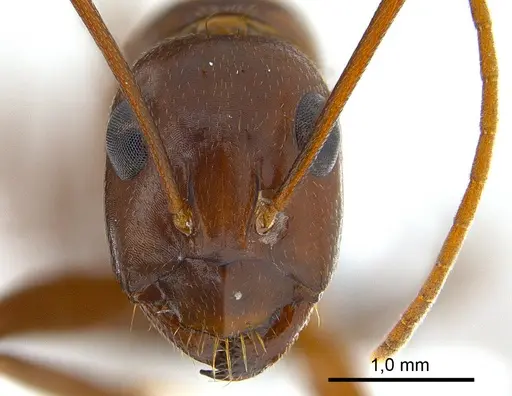
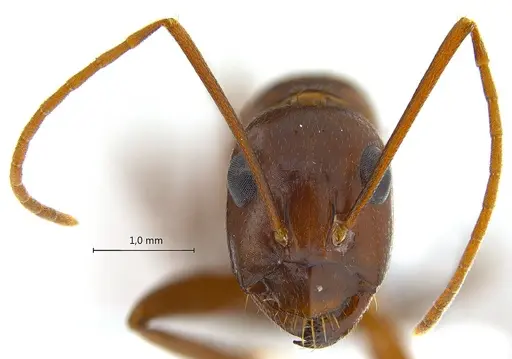
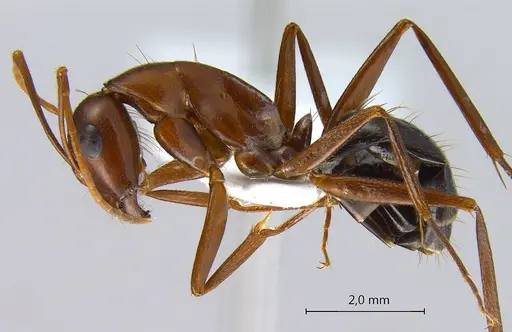
CASENT0882047
View on AntWeb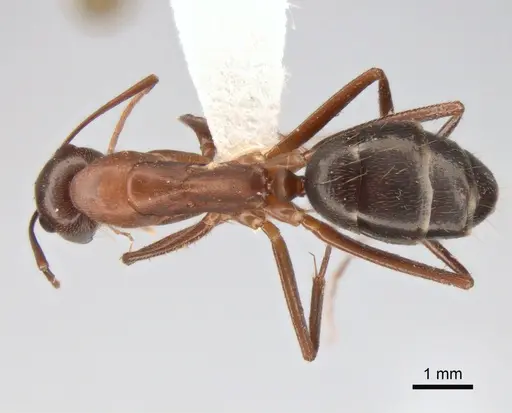
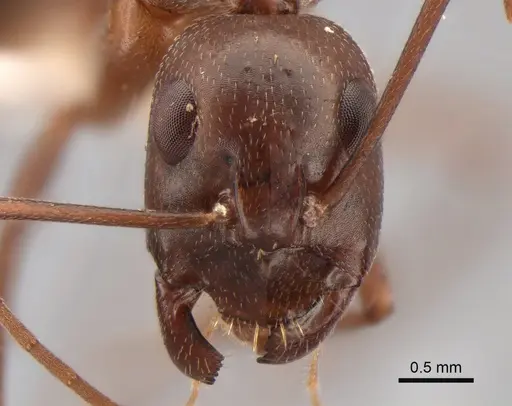
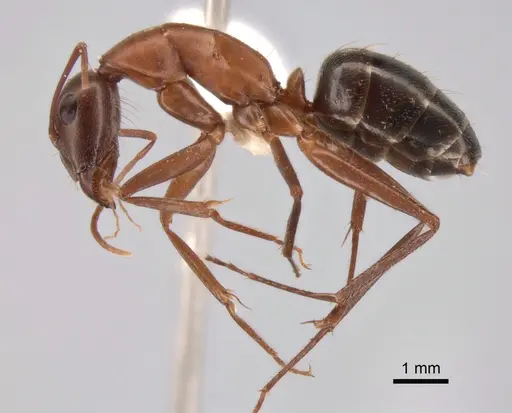
CASENT0905317
View on AntWeb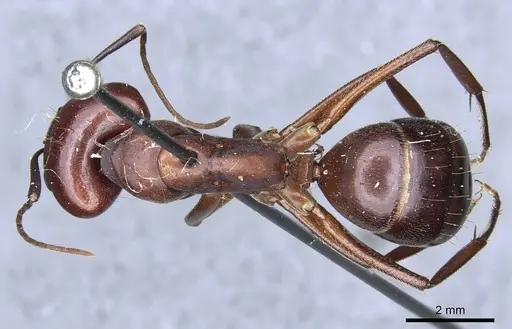
CASENT0905318
View on AntWeb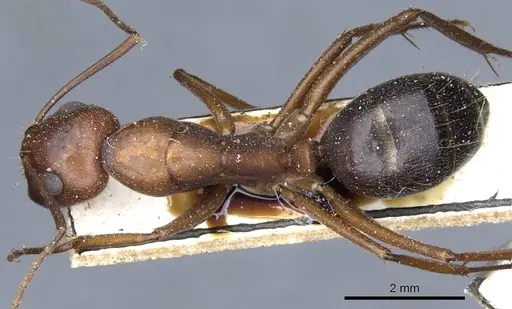
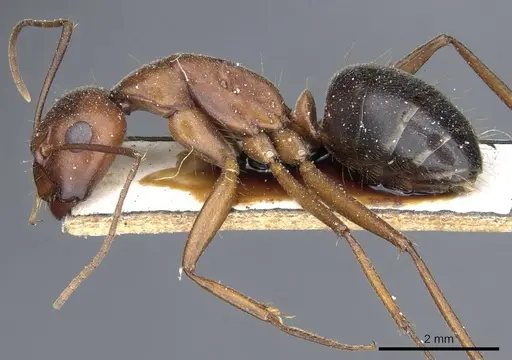
CASENT0905319
View on AntWeb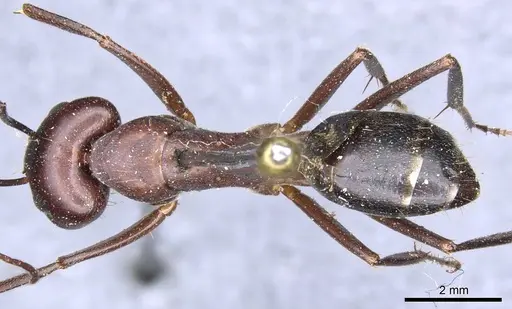
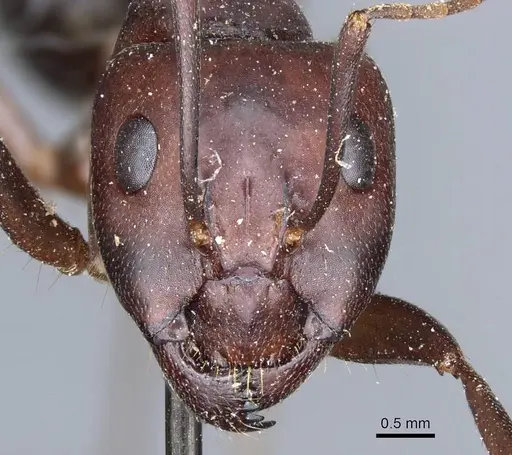
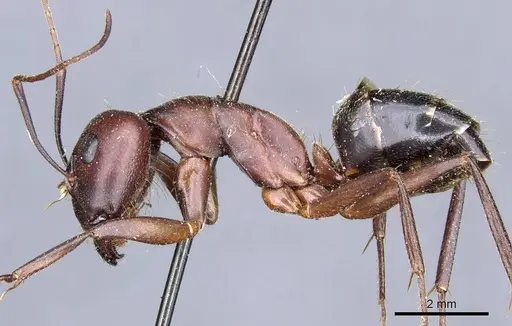
FOCOL2410
View on AntWeb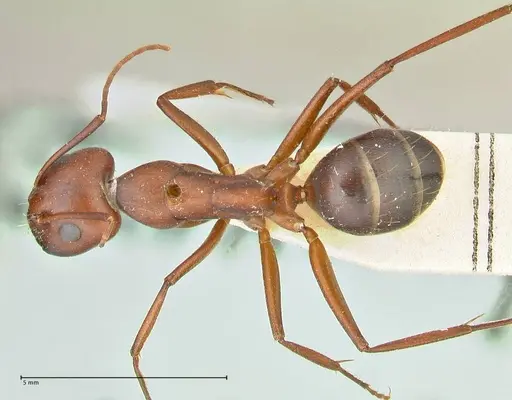
Literature
Loading...Loading products...