

Camponotus turkestanus
- Scientific Name
- Camponotus turkestanus
- Subgenus
- Tanaemyrmex
- Tribe
- Camponotini
- Subfamily
- Formicinae
- Author
- André, 1882
- Distribution
- Found in 3 countries
Camponotus turkestanus Overview
Camponotus turkestanus is an ant species of the genus Camponotus. It is primarily documented in 3 countries , including Kazakhstan, Mongolia, Russian Federation. Detailed taxonomic data and occurrence records can be further explored via authoritative databases such as AntWeb or the Global Biodiversity Information Facility (GBIF).
Camponotus turkestanus
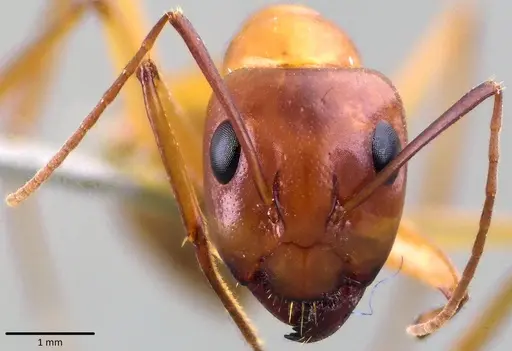
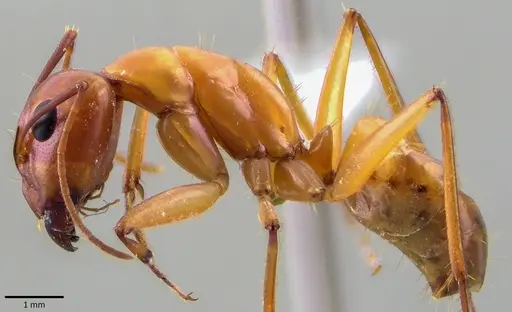
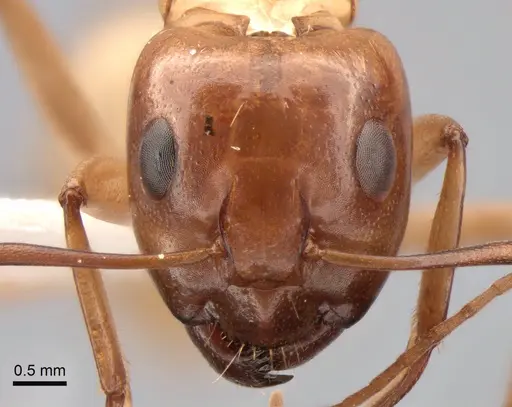
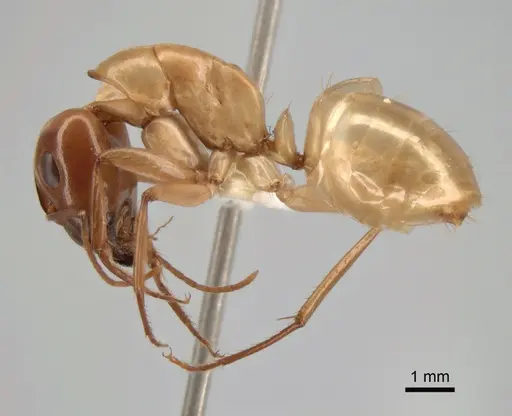
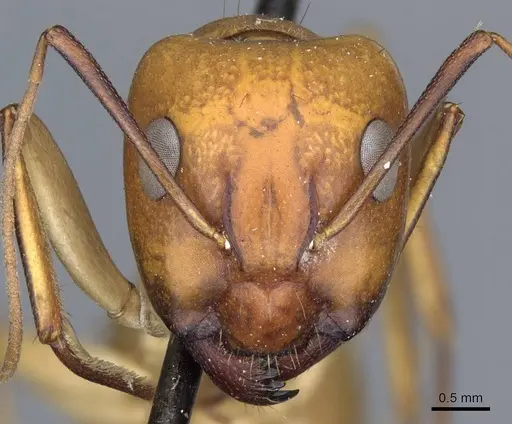
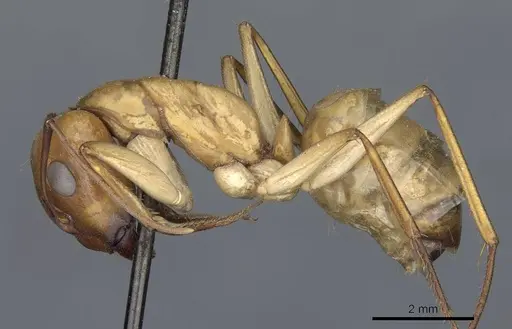
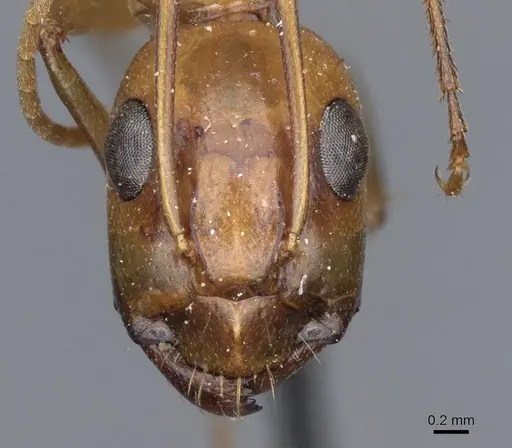
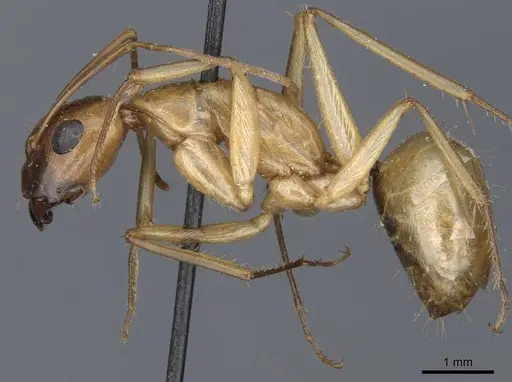
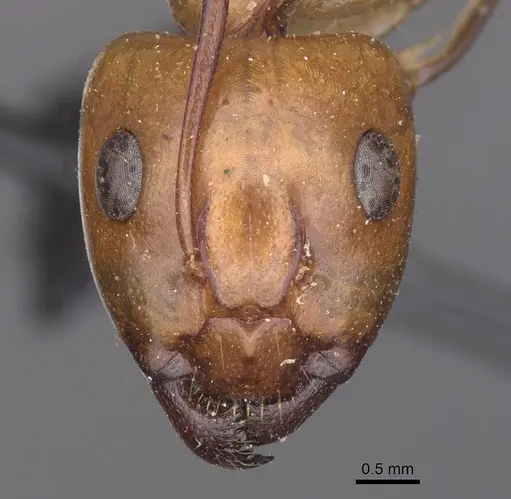
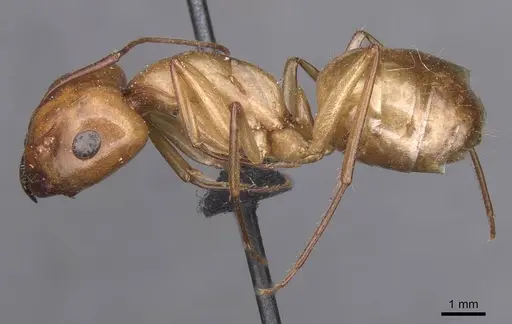
Camponotus turkestanus is a medium-sized Camponotus ant native to desert and steppe habitats across central Asia, from the Near East through Mongolia. Workers measure 6.9-8.1mm with a distinctive yellow body coloration, the last two abdominal segments may be brownish, but the rest is primarily yellow. This species belongs to the Tanaemyrmex subgenus and is recognized by its smooth, tubular hind tibiae without the ridge found in similar species. They are nocturnal, foraging primarily at night for plant sap, and build complex underground nests with multiple chambers and entrances. These ants thrive in hot, dry environments and are adapted to extreme conditions in deserts like the Gobi.
Quick Summary
- Difficulty: Easy
- Origin & Habitat: Desert and steppe habitats across central Asia, Afghanistan, Azerbaijan, China, Israel, Kazakhstan, Kyrgyzstan, Lebanon, Mongolia, Russia, Türkiye, and Turkmenistan. Found in clay plains with gravel deposits and sparse vegetation, also recorded in Mongolian steppe [1][2][3].
- Colony Type: Single-queen colonies (monogyne). Colony structure in the wild is not extensively documented but typical for Camponotus.
- Colony: Monogyne
- Founding: Claustral
- Size & Growth:
- Queen: Estimated 10-12mm based on genus patterns (not directly measured in available literature)
- Worker: 6.9-8.1mm
- Colony: Likely several thousand workers based on typical Camponotus colony size
- Growth: Moderate, typical for Camponotus genus
- Development: Estimated 6-10 weeks at optimal temperature based on genus patterns for Camponotus species (Development time is typical for the genus, faster in warmer conditions, slower in cooler temperatures)
- Antkeeping:
- Temperature: Keep at 24-28°C. They are adapted to hot desert conditions and tolerate higher temperatures well. A heating cable on one side of the nest creates a gradient [1].
- Humidity: Low to moderate, these are desert ants. Keep nest substrate dry to slightly moist, with a small water tube for drinking. Avoid damp conditions [3].
- Diapause: Yes, they experience winter dormancy in their native range. Provide 3-4 months at 10-15°C during winter [1].
- Nesting: Y-tong (AAC) or plaster nests work well. They prefer dry conditions with minimal moisture. Provide a small water reservoir but avoid high humidity.
- Behavior: Nocturnal foragers, they become active at dusk and forage through the night. They feed primarily on plant sap (sugar) and are not attracted to seeds [3]. Workers are moderate in size and can defend the colony if threatened. They are not particularly aggressive toward keepers but will alert and defend if their nest is disturbed. Escape risk is moderate, use standard barrier methods.
- Common Issues: desert species, too much humidity can kill colonies, keep nesting area dry, nocturnal activity means you'll see most activity in evening/night hours, slow founding phase, claustral queens may take weeks to seal and raise first workers, winter dormancy is required for long-term colony health, plan for hibernation, wild-caught colonies may have parasites that need treatment
Housing and Nest Setup
Camponotus turkestanus does well in Y-tong (acrylic) nests or plaster formicariums. As a desert species, they prefer dry to slightly moist conditions, avoid the damp setups used for tropical ants. Provide a small water test tube connected to the nest for drinking water, but don't saturate the nesting material. A heating cable on one side of the nest creates a temperature gradient they can choose between. These ants are nocturnal, so placing the setup in a dim location or covering the nest partially will encourage natural activity patterns. Escape prevention is standard for this size, they are not particularly small or agile escape artists. [1][3]
Feeding and Diet
In the wild, C. turkestanus feeds primarily on plant phloem sap and is nocturnal, foraging at night [3]. They are not attracted to seeds and rarely visit seed baits. In captivity, offer sugar water or honey as a constant energy source. For protein, provide small insects like fruit flies, small crickets, or mealworms. Feed protein 1-2 times per week, and keep a sugar source available at all times. Remove uneaten prey after 24 hours to prevent mold. These ants are not aggressive hunters, they prefer scavenging and collecting sugary liquids over active predation.
Temperature and Seasonal Care
Keep your colony at 24-28°C for optimal development. This species is adapted to hot desert conditions and can tolerate temperatures into the low 30s°C for short periods. During winter, they require a diapause (hibernation) period of 3-4 months at 10-15°C. This mimics their natural cycle in central Asian deserts where winters are cold. Reduce feeding during hibernation and keep the colony completely dark. Do not skip hibernation, it is essential for the colony's long-term health and reproductive cycles. In summer, normal room temperatures in the mid-20s°C are suitable. [1]
Colony Development
As a claustral species, the queen seals herself in a chamber and raises the first brood alone without foraging. First workers (nanitics) will be smaller than mature workers. Development from egg to worker takes approximately 6-10 weeks at optimal temperature, typical for Camponotus species. Growth is moderate, the colony will expand gradually over the first year. Major workers (soldiers) develop as the colony grows larger, typically when the colony reaches several hundred workers. Colonies can live for many years with a healthy queen producing workers continuously.
Behavior and Observation
C. turkestanus is nocturnal, meaning you'll see peak activity in the evening and night hours. Workers emerge after dark to forage for plant sap and other food sources. They are not particularly aggressive but will defend their nest if threatened. The species is known to be a night-active forager in its desert habitat, sometimes appearing on the surface for only about one month during dry years [1]. This adaptation to harsh conditions makes them resilient but also means they may have periods of reduced activity in captivity if conditions don't perfectly match their preferences.
Frequently Asked Questions
How long does it take for Camponotus turkestanus to raise first workers?
Expect first workers (nanitics) to emerge in 6-10 weeks at optimal temperature (24-28°C). This is typical for Camponotus species, the exact timing depends on temperature and whether the queen was mated before capture.
What temperature do Camponotus turkestanus need?
Keep them at 24-28°C. They are desert-adapted and tolerate heat well. A heating cable on part of the nest creates a gradient they can regulate themselves.
Do Camponotus turkestanus need hibernation?
Yes, they require a winter dormancy period. Provide 3-4 months at 10-15°C during winter months. This mimics their natural cycle in central Asian deserts and is essential for colony health.
What do Camponotus turkestanus eat?
They primarily feed on plant sap (sugar). Offer constant sugar water or honey. For protein, provide small insects like fruit flies or mealworms. They are not interested in seeds.
Are Camponotus turkestanus good for beginners?
Yes, they are considered easy to keep. They are hardy, tolerate temperature variations well, and have straightforward feeding requirements. The main requirements are providing heat and remembering to hibernate them in winter.
When are Camponotus turkestanus active?
This species is nocturnal, they forage and are most active at night. You will see little activity during daylight hours, but they become active in the evening and through the night.
How big do Camponotus turkestanus colonies get?
Based on typical Camponotus patterns, colonies can reach several thousand workers over several years. Major workers develop as the colony matures.
Can I keep multiple Camponotus turkestanus queens together?
This species is monogyne, single queen colonies. Combining unrelated queens is not recommended as they will likely fight. Only one queen per colony.
When do Camponotus turkestanus have nuptial flights?
In their native desert habitat, nuptial flights occur in early June in deserts and late August in mountainous regions like Western Kopetdag [1]. Timing in captivity will depend on conditions but typically occurs in warm months.
References

This caresheet is licensed under CC BY-SA 4.0 .
ANTWEB1041824
View on AntWeb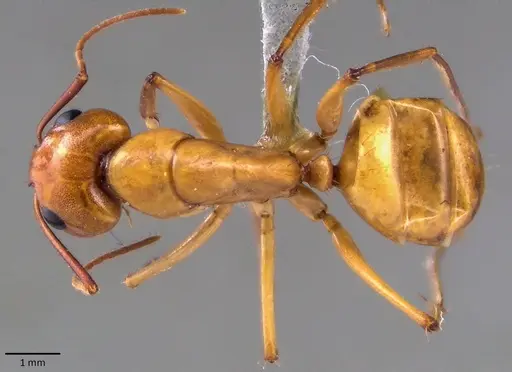
CASENT0882048
View on AntWeb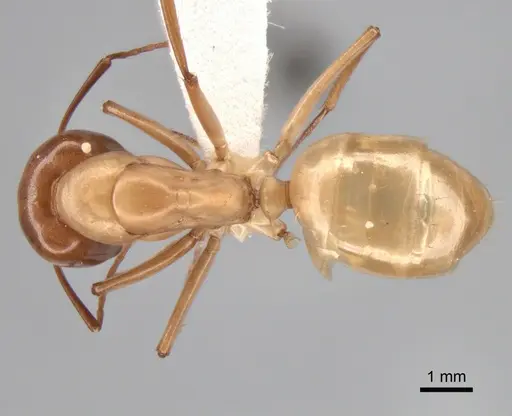
CASENT0905308
View on AntWeb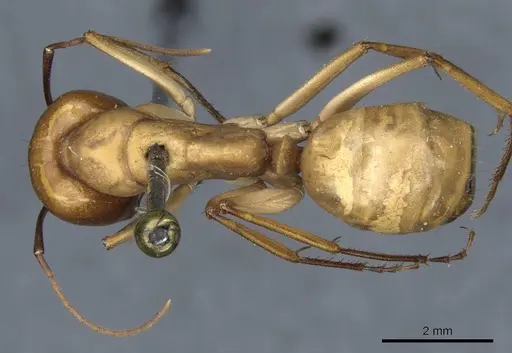
CASENT0905309
View on AntWeb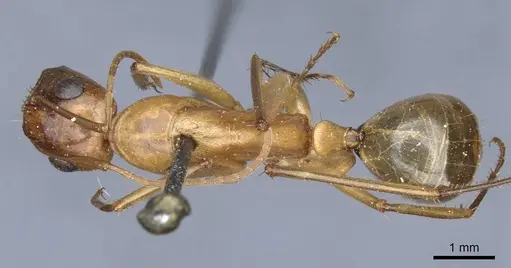
CASENT0913698
View on AntWeb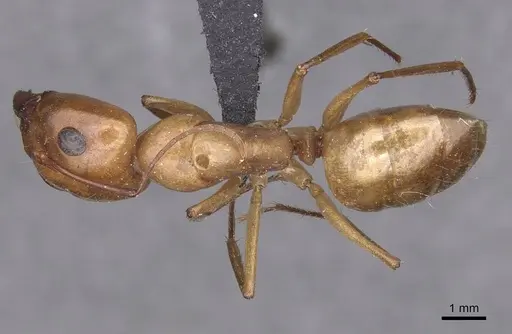
Literature
Loading...Loading products...