

Camponotus tergestinus
- Scientific Name
- Camponotus tergestinus
- Subgenus
- Myrmentoma
- Tribe
- Camponotini
- Subfamily
- Formicinae
- Author
- Müller, 1921
- Distribution
- Found in 3 countries
Camponotus tergestinus Overview
Camponotus tergestinus is an ant species of the genus Camponotus. It is primarily documented in 3 countries , including Croatia, Hungary, Italy. Detailed taxonomic data and occurrence records can be further explored via authoritative databases such as AntWeb or the Global Biodiversity Information Facility (GBIF).
Camponotus tergestinus
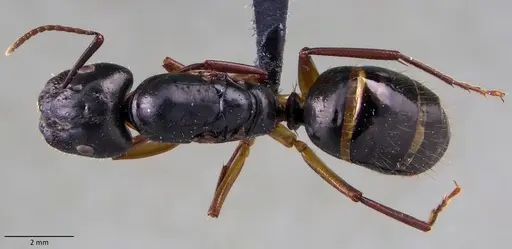
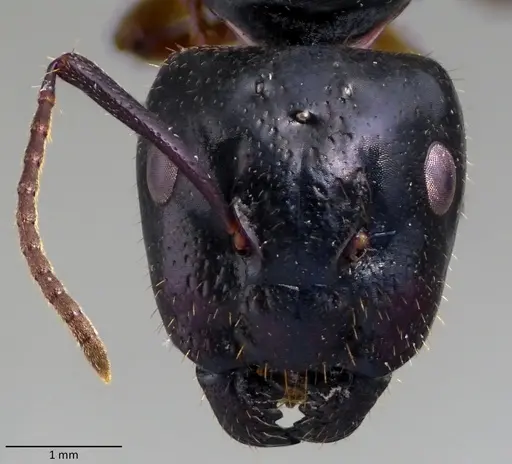
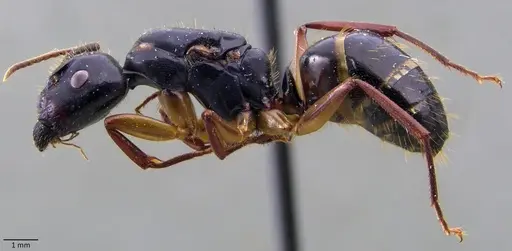
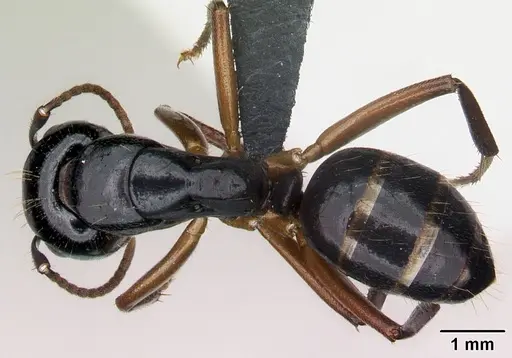
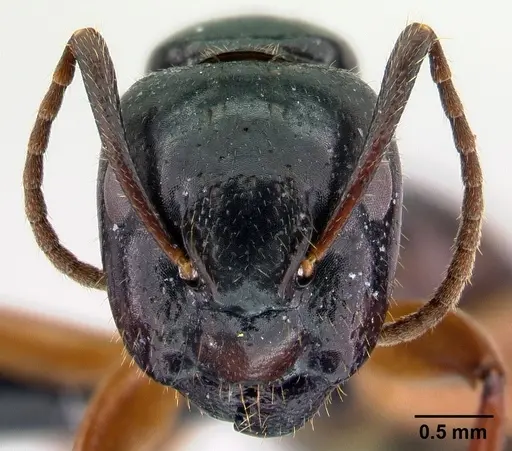
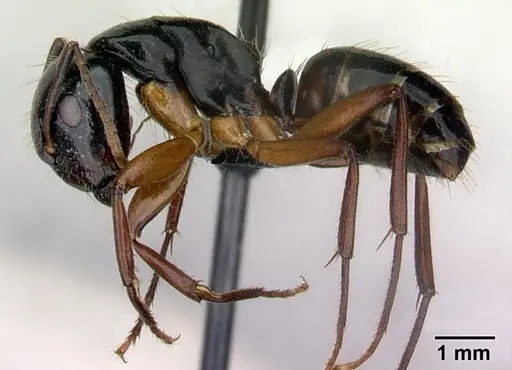
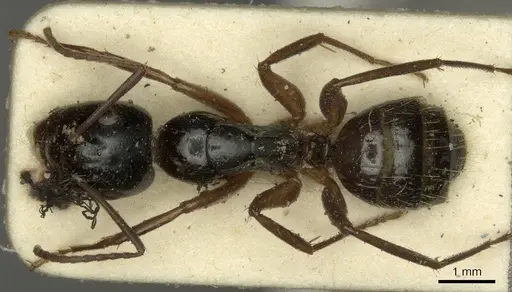
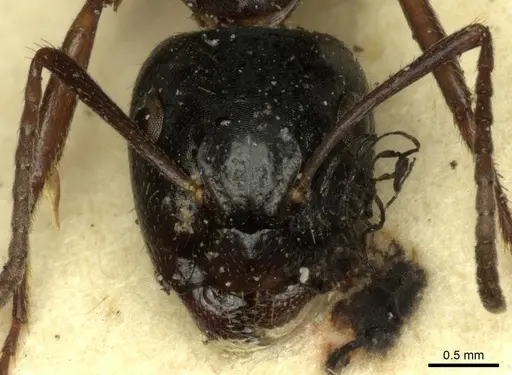
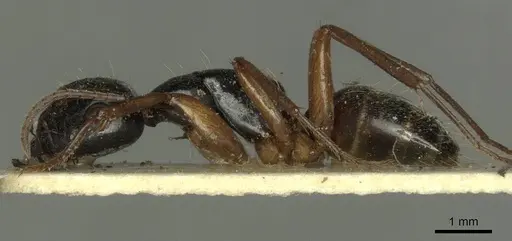
Camponotus tergestinus is a large, polymorphic carpenter ant native to the East Mediterranean region, found from Italy through the Balkans to Turkey. Workers are dark brown to black with distinctive yellowish markings on the head and gaster, and notably covered in long erect hairs across the body. This is a true arboricolous species, meaning it lives and nests exclusively in trees, particularly old oaks, rather than in soil. Colonies are relatively small and secretive, making this a rarely encountered species in the wild. The species is closely related to Camponotus fallax and shares similar morphology, but can be distinguished by its coarser head punctuation and the numerous long hairs on the propodeum [1].
Quick Summary
- Difficulty: Medium
- Origin & Habitat: East Mediterranean region, found in Bulgaria, Croatia, France, Greece, Hungary, Italy, Montenegro, Romania, Serbia, Slovenia, and Turkey. This is a thermophilous species that lives in warm oak forests and submediterranean habitats [2][3].
- Colony Type: Monogyne (single-queen colonies). Colonies are small with typically just one queen and up to several hundred workers at maturity [1].
- Colony: Monogyne
- Founding: Claustral
- Size & Growth:
- Queen: Queen size not directly measured but likely 12-15mm based on genus patterns (Camponotus queens are typically larger than workers)
- Worker: Minor workers: 1.98-2.50mm head length, Major workers: 1.55-2.43mm head width
- Colony: Estimated several hundred workers at maturity based on related species
- Growth: Moderate, typical Camponotus development
- Development: 6-8 weeks at optimal temperature (typical for Camponotus genus) (Development time inferred from genus patterns, no direct species-specific data available)
- Antkeeping:
- Temperature: Keep warm at 24-28°C. This is a thermophilous species that naturally inhabits warm oak forests and submediterranean climates [4]. A heating cable on one side of the nest creates a suitable gradient.
- Humidity: Moderate humidity around 50-60%. As an arboreal species, they prefer drier conditions than ground-nesting ants. Provide a water tube but avoid overly damp setups.
- Diapause: Yes, requires winter hibernation. In their native range, colonies overwinter in oak wood. Provide a cold period at 10-15°C for 3-4 months during winter [1].
- Nesting: Arboreal setup is essential. Use a Y-tong (AAC) nest, plaster nest, or naturalistic setup with cork or wooden branches. The key is vertical space and wood-based nesting material, they naturally nest in tree cavities and branches. Avoid soil-based formicariums.
- Behavior: Generally peaceful and not aggressive. As a cryptic arboreal species, workers are not particularly active or conspicuous. They are not known for biting or stinging. Escape risk is moderate, workers are a decent size but can still squeeze through small gaps if given the opportunity. Use standard barrier methods.
- Common Issues: arboreal setup is non-negotiable, they will not do well in soil nests, colonies are slow to establish and grow, requiring patience, escape prevention must be good, they are active climbers, overwintering is required, colonies that aren't cooled for winter often fail to thrive, wild-caught colonies may be stressed from their cryptic nature and have parasites
Housing and Nest Setup
Camponotus tergestinus is an obligate arboricolous species, meaning it MUST be housed in an arboreal-style setup. In the wild, they nest in tree cavities and hollow branches high above ground, typically in old oaks at heights of 2-3 meters [3]. In captivity, the best options are Y-tong (AAC) nests, plaster nests with wooden elements, or naturalistic setups featuring cork bark or wooden branches. The key requirement is vertical orientation and wood-based nesting material. Test tubes can work for founding colonies but should be positioned horizontally or at an angle to simulate a tree cavity. Avoid soil-based formicariums entirely, this species simply won't thrive in ground-nesting setups. Provide some climbing structures in the outworld since they naturally forage in trees.
Temperature and Heating
As a thermophilous species from the East Mediterranean, C. tergestinus requires warm conditions. Keep the nest area at 24-28°C for optimal brood development. This aligns with their natural habitat in warm oak forests across southern Europe and the Balkans [4]. Use a heating cable or heating mat placed on top of the nest (never underneath where it can dry out the nest). Create a temperature gradient so workers can choose their preferred warmth. Room temperature alone (around 20°C) may be slightly cool, monitor colony activity and increase heat if workers cluster constantly near the warmest area. During summer active periods, room temperature may suffice if your home is naturally warm.
Feeding and Diet
Like other Camponotus species, C. tergestinus is omnivorous. Offer sugar water or honey as a constant energy source, they will readily accept these. For protein, provide insects such as mealworms, crickets, or other appropriately sized prey. Based on their arboreal lifestyle and association with oaks, they likely supplement their diet with honeydew from aphids in the wild. Feed protein prey 2-3 times per week for established colonies, and keep sugar water available at all times. Remove uneaten prey after 24-48 hours to prevent mold.
Seasonal Care and Hibernation
This species requires a proper winter dormancy period. In their native range, colonies overwinter inside oak wood, and workers have been found hibernating in thick oak branches [1]. Provide a cold period of 3-4 months at temperatures between 10-15°C, this can be achieved by moving the colony to an unheated room, garage, or refrigerator during winter. Reduce feeding significantly during hibernation and keep the nest slightly moist but not wet. This rest period is essential for colony health and triggers proper reproductive cycles. Begin warming gradually in spring when you see increased activity.
Colony Establishment
Founding colonies follow the typical Camponotus claustral pattern, the queen seals herself in a chamber and raises her first workers entirely on stored body fat reserves. She does not leave to forage during founding. Expect 6-8 weeks from egg to first worker (nanitics), though this is inferred from genus patterns rather than directly documented for this species. Colonies grow slowly compared to many common ant species, so patience is essential. The founding chamber should be dark and secure, queens prefer tight spaces that simulate tree cavities. Once workers emerge, you can gradually expand their space and begin regular feeding.
Frequently Asked Questions
Can I keep Camponotus tergestinus in a test tube?
Yes, test tubes work well for founding colonies. Position the tube horizontally or at a slight angle to simulate a tree cavity. Once the colony reaches 20-30 workers, consider moving them to a more permanent arboreal setup like a Y-tong nest.
What is the best nest type for Camponotus tergestinus?
Arboreal setups are essential, Y-tong (AAC) nests, plaster nests with wood elements, or naturalistic setups with cork bark. They naturally nest in tree cavities, so avoid soil-based formicariums entirely.
How long does it take for first workers to emerge?
Expect 6-8 weeks from egg to first worker at optimal temperature (24-28°C). This is based on typical Camponotus development patterns, as no species-specific data exists.
Are Camponotus tergestinus good for beginners?
This is a medium-difficulty species. While not as challenging as some exotic species, their arboreal nesting requirement and need for winter hibernation make them better suited for keepers who have already established at least one colony successfully.
Do they need hibernation?
Yes, hibernation is required. Provide 3-4 months at 10-15°C during winter. In the wild, colonies overwinter inside oak wood, and this rest period is essential for their health.
Why are my Camponotus tergestinus not growing?
Check three things: 1) Temperature, they need 24-28°C, 2) Nest type, they must have an arboreal setup, 3) Hibernation, they need winter cooling. Slow growth is normal for this genus, but these three factors are the most common issues.
Can I keep multiple queens together?
No. This is a monogyne species with single-queen colonies. Multiple unrelated queens will fight. Only keep one queen per colony.
What do Camponotus tergestinus eat?
Offer sugar water or honey constantly, plus protein prey (mealworms, crickets, other insects) 2-3 times weekly. They will also likely accept honeydew if you keep aphids nearby.
Where does Camponotus tergestinus live in the wild?
They are found across the East Mediterranean, from Italy through the Balkans to Turkey. They live exclusively in trees, particularly old oaks, nesting in trunk cavities and branches high above ground.
References

This caresheet is licensed under CC BY-SA 4.0 .
Literature
Loading...Loading products...