
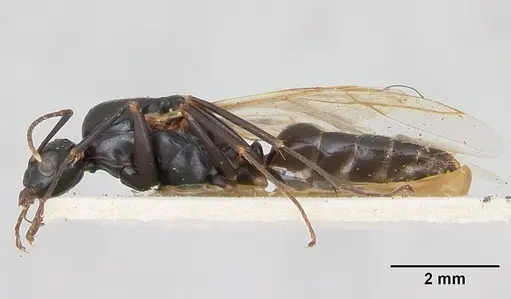
Camponotus fallax exhibits a clear seasonal flight window. Peak flight activity is concentrated in May, with the overall period spanning April to June.
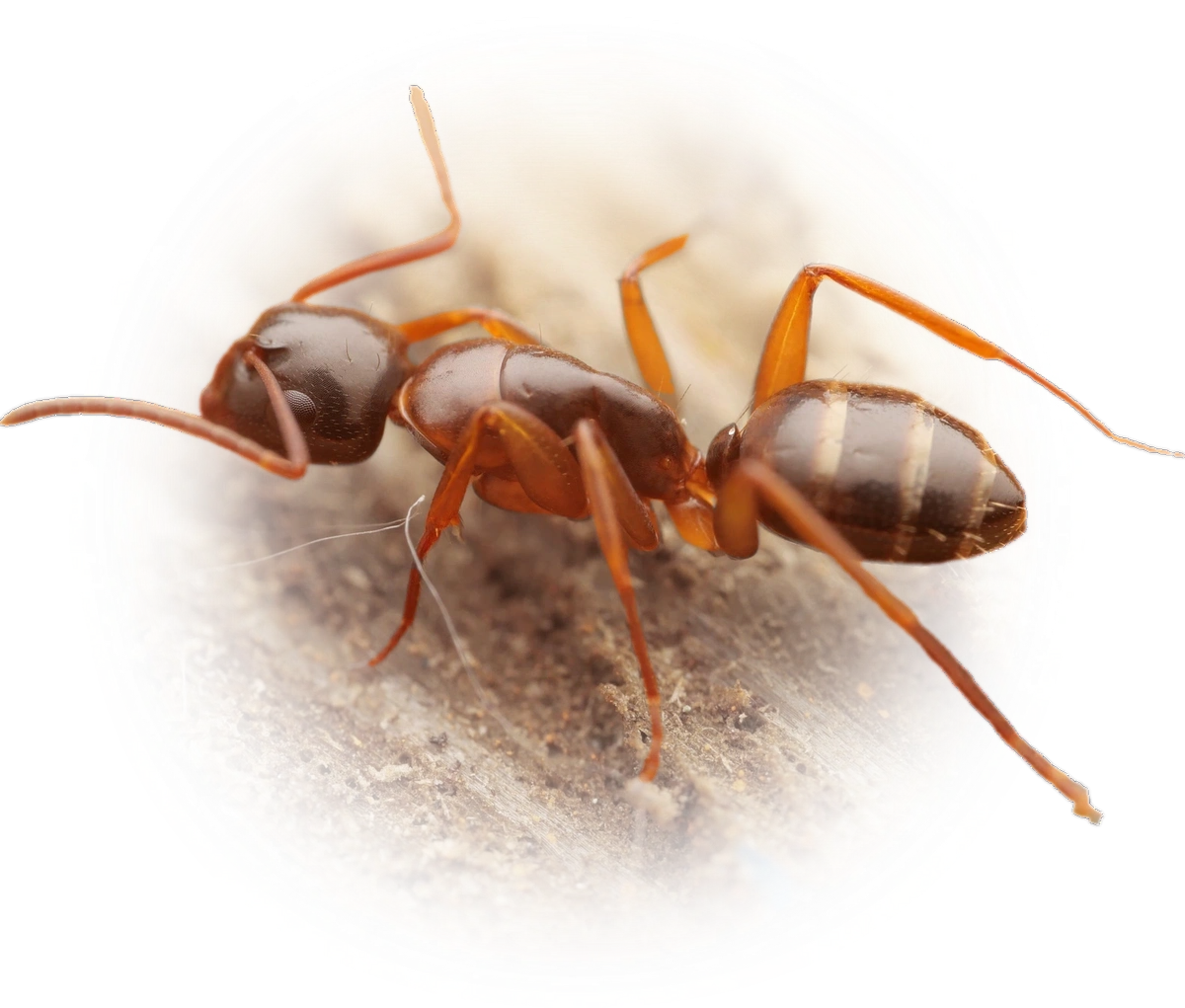
Camponotus fallax
- Scientific Name
- Camponotus fallax
- Subgenus
- Myrmentoma
- Tribe
- Camponotini
- Subfamily
- Formicinae
- Author
- Nylander, 1856
- Distribution
- Found in 15 countries
- Nuptial Flight
- from April to June, peaking in May
AI Identifiable
try →
Camponotus fallax Overview
Camponotus fallax is an ant species of the genus Camponotus. It is primarily documented in 15 countries , including Austria, Switzerland, Czechia. Detailed taxonomic data and occurrence records can be further explored via authoritative databases such as AntWeb or the Global Biodiversity Information Facility (GBIF).
The nuptial flight of Camponotus fallax is a significant biological event, typically occurring from April to June, peaking in May. During this time, winged queens and males leave the nest to mate and establish new colonies.
Camponotus fallax
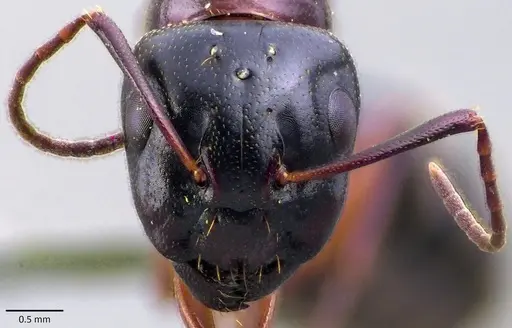
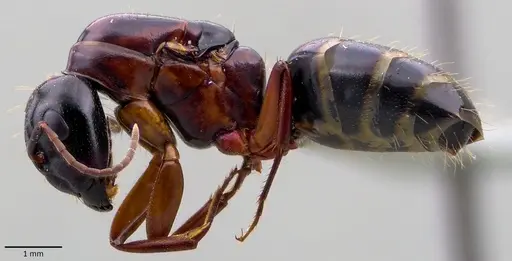
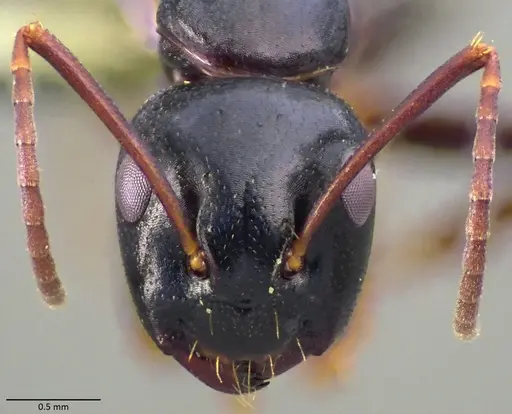
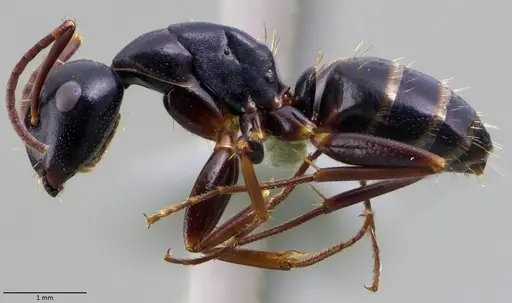
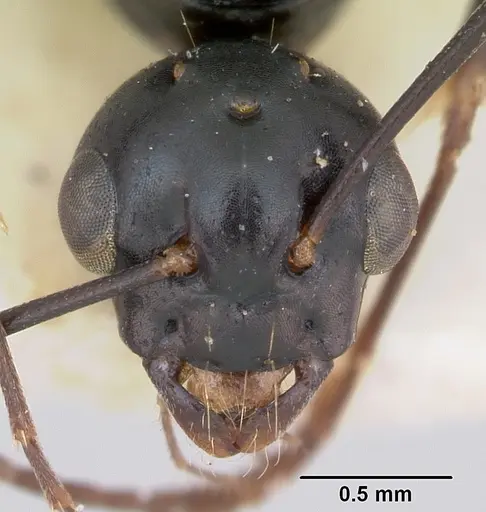
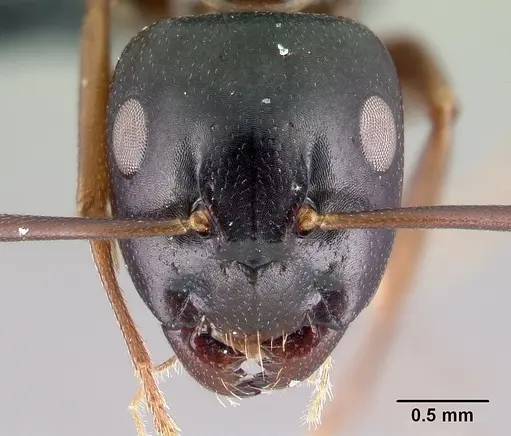
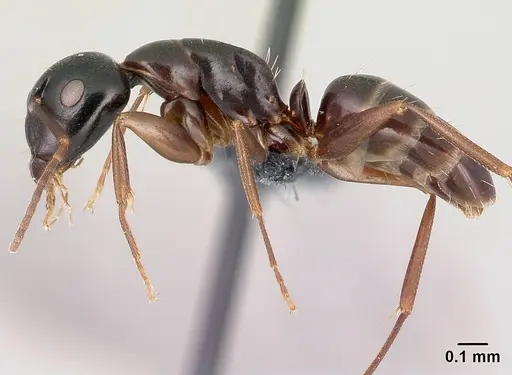
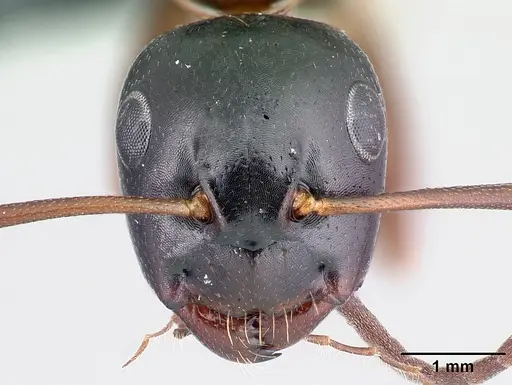
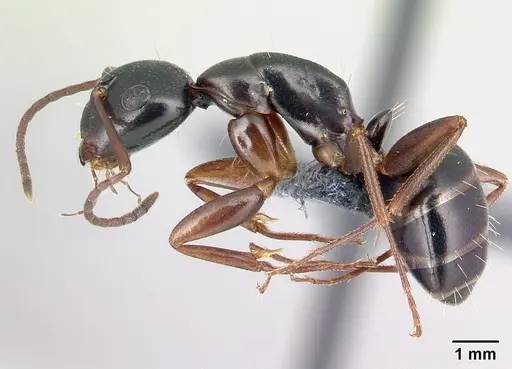
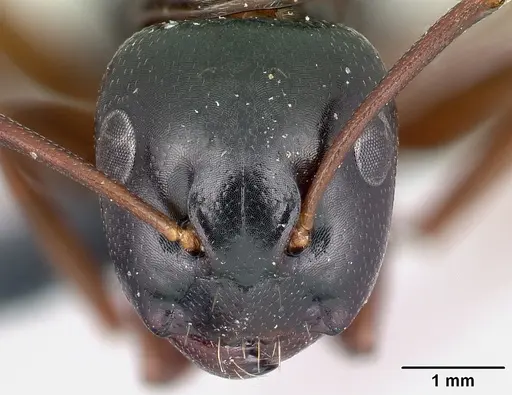
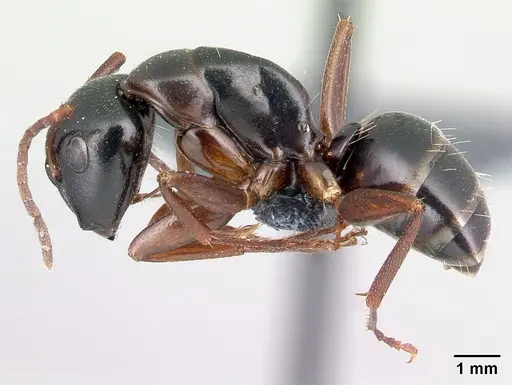
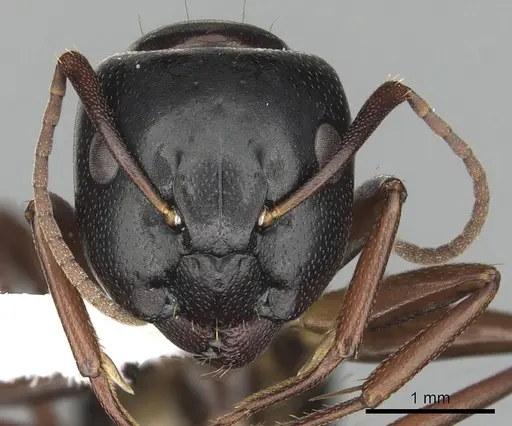
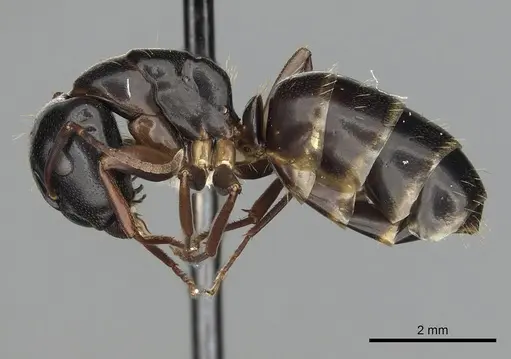
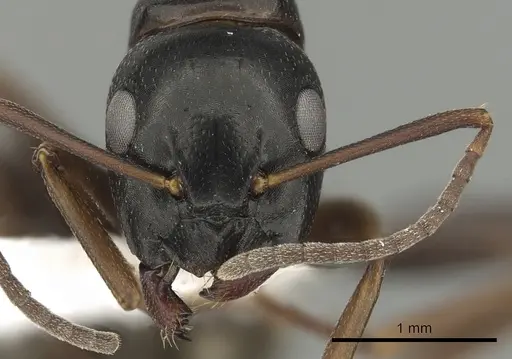
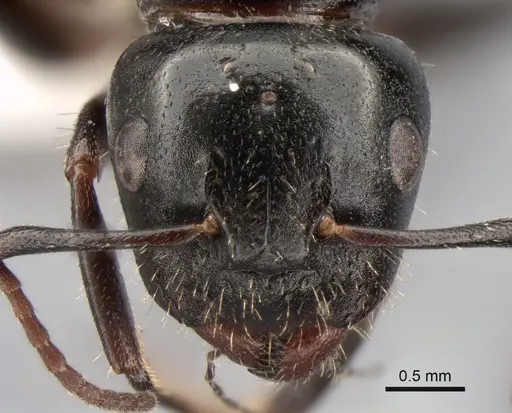
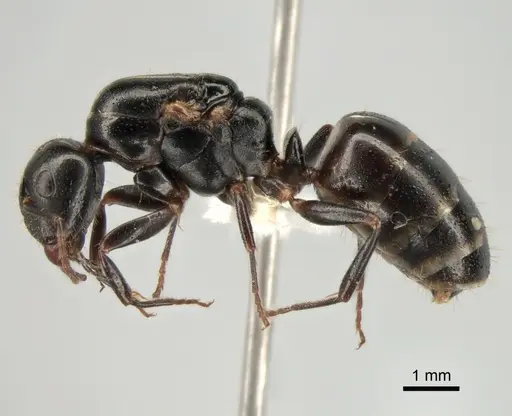
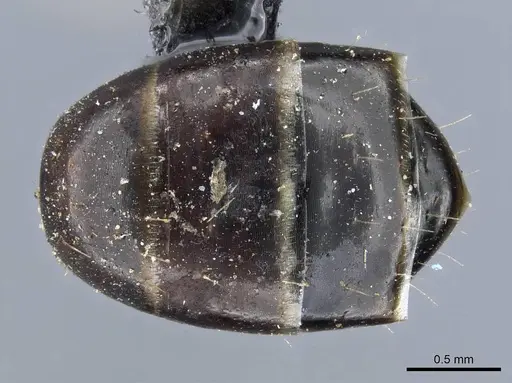
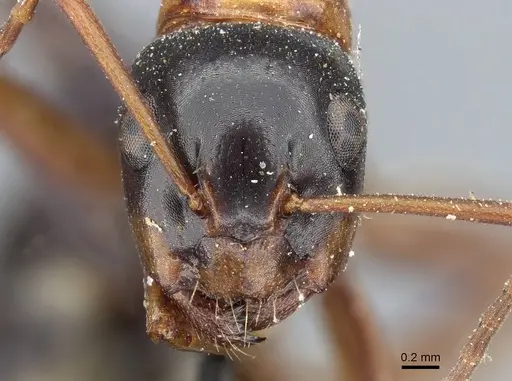
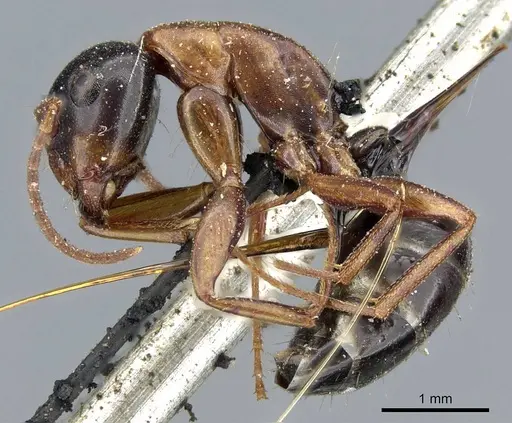
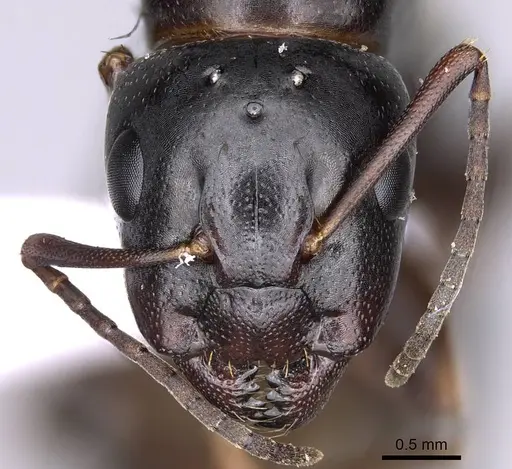
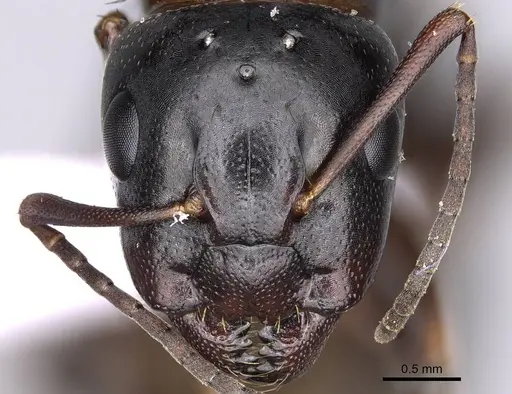
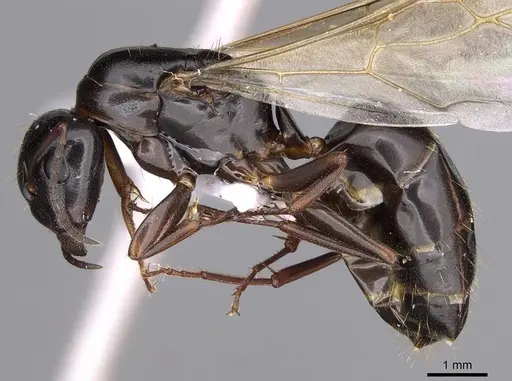
Camponotus fallax is a medium-sized carpenter ant native to Europe and parts of Asia. Workers measure 4-9mm and are highly polymorphic, meaning you can have both smaller workers and larger major workers in the same colony. Their coloration varies geographically, northern populations tend to be nearly black while southern populations show more reddish-brown on the thorax. This species is arboreal, meaning they live and forage in trees rather than on the ground. They nest in dead wood, hollow branches, and sometimes wooden structures like fences or building timbers. Colonies are small, typically containing fewer than 100 workers, making them one of the smaller carpenter ant species. Workers are nocturnal and forage mainly at night, hunting small arthropods and tending aphids for honeydew.
Quick Summary
- Difficulty: Medium
- Origin & Habitat: Native to central and southern Europe, from Portugal east to Ukraine and from southern Sweden to Morocco. They inhabit light, warm deciduous forests, old parks, and orchards. In the wild they nest in dead branches and trunks of trees, particularly oaks, or in wooden structures [1][2].
- Colony Type: Monogyne, colonies have a single queen. They form small colonies with typically fewer than 100 workers, rarely exceeding 500 [3][4].
- Colony: Monogyne
- Founding: Claustral
- Size & Growth:
- Queen: 8-10mm [3]
- Worker: 4-9mm [5]
- Colony: Up to 500 workers, typically under 100 [3][4]
- Growth: Moderate
- Development: 6-8 weeks at optimal temperature (estimated based on Camponotus genus patterns) (Development time is typical for Camponotus species, queens are claustral and seal themselves in to raise the first brood alone)
- Antkeeping:
- Temperature: Keep at 20-24°C. They are a warmth-loving species and need a warm, stable temperature for proper brood development [2]. A heating cable on one side of the nest creates a gentle gradient.
- Humidity: Moderate to high humidity. In the wild they inhabit dead wood which should be kept moist but not waterlogged. Provide a water tube for drinking and maintain substrate moisture.
- Diapause: Yes, they require a winter rest period. In their native range, nuptial flights occur in May-June, and colonies experience winter dormancy. Keep them at 5-10°C for 2-3 months during winter.
- Nesting: Arboreal setup works best, they naturally nest in dead wood and hollow branches. Y-tong (AAC) nests with wood or cork inserts simulate their natural environment well. They can also be kept in naturalistic setups with dead branches or in plaster nests with added wood material.
- Behavior: Workers are shy and non-aggressive, they are considered subordinate in ant communities and typically avoid conflict with other species. They are nocturnal, foraging mainly at night. Workers forage singly rather than in groups, hunting small arthropods and collecting honeydew from aphids. They are excellent climbers and will readily traverse bark and branches. Escape risk is moderate, they are not particularly small but can climb smooth surfaces, so standard barriers work well.
- Common Issues: small colony size means slow growth, don't expect rapid population explosion, nocturnal foraging means you may not see much activity during the day, they are sensitive to disturbance, shaking or moving the nest can cause stress, wild-caught colonies may be difficult to establish and may have parasites, their arboreal nature means they need climbing structures in the outworld
Nuptial Flight Activity Analysis 208 observations
Flight Activity by Hour 208 observations
Camponotus fallax nuptial flight activity peaks around 16:00 during the afternoon. Activity is spread across a 13-hour window (10:00–22:00). A secondary activity peak occurs around 13:00. Times may be influenced by human observation patterns.
Housing and Nest Setup
Camponotus fallax is an arboreal species that naturally nests in dead wood, hollow branches, and tree cavities. In captivity, the best setup mimics this with a Y-tong (AAC) nest that includes wood or cork inserts where they can create galleries. Alternatively, a naturalistic setup with dead branches, cork pieces, or a wooden formicarium works well. They prefer narrow chambers that mimic tree hollows rather than large open spaces. The outworld should include climbing structures like branches, cork bark, or mesh since they naturally forage on tree trunks. A test tube setup can work for founding colonies, but they will need a proper nest with wood material as the colony grows. [2][5][3]
Feeding and Diet
In the wild, Camponotus fallax workers are opportunistic feeders that primarily hunt small arthropods and collect honeydew from aphids. They are considered both zoophagous (predatory) and trophobiont (honeydew feeders). In captivity, offer a varied diet: protein sources like fruit flies, small crickets, mealworms, and other small insects should be provided regularly. Sugar sources like honey water or sugar water are readily accepted since they tend aphids in the wild. Feed protein 2-3 times per week and keep a sugar source available at all times. Remove uneaten prey after 24 hours to prevent mold. [3]
Temperature and Seasonal Care
These ants require warm conditions, aim for 20-24°C in the nest area. They are thermophilic (warmth-loving) and thrive in temperatures that mimic their natural habitat in warm, light forests. A heating cable placed on one side of the nest can create a temperature gradient, allowing the ants to choose their preferred zone. During winter, they require a diapause (hibernation) period of 2-3 months at 5-10°C. This mimics their natural seasonal cycle and is important for the colony's long-term health. Reduce feeding during diapause and keep them in a cool, dark location like an unheated garage or basement. [2][1][4]
Behavior and Colony Dynamics
Camponotus fallax colonies are small and slow-growing compared to many other carpenter ants. A mature colony typically has fewer than 100 workers, with some sources noting maximum sizes around 500. Workers are nocturnal and shy, they forage mainly at night and are not aggressive toward other ants or humans. They are considered subordinate species in ant communities and will typically retreat rather than fight. The colony structure is monogyne with a single queen. Major workers (larger soldiers) develop as the colony grows and help with defense and processing tough food. The queen is claustral, she seals herself in a chamber and raises the first brood alone without foraging. [3][4]
Finding and Establishing a Colony
In the wild, these ants are difficult to find because they nest high in tree branches and are mainly nocturnal. Their small colony size also makes them less conspicuous. If you find a colony, it will likely be in a dead branch, hollow trunk, or wooden structure. The best approach for antkeepers is usually to find a dealate (winged) queen after nuptial flights in May-June, or to purchase from a reputable breeder. Wild colonies can be challenging to establish and may carry parasites. When collecting a queen, look for dealate females in warm, light forest areas or near old trees. The founding chamber should be dark and quiet, queens typically seal themselves in and begin laying eggs within days. [4][5]
Frequently Asked Questions
How long does it take for Camponotus fallax to raise first workers?
First workers (nanitics) typically appear in 6-8 weeks after the queen lays eggs, assuming optimal temperature around 22-24°C. This is typical for Camponotus species, the claustral queen seals herself in and raises the brood alone using stored energy reserves.
Are Camponotus fallax good for beginners?
They are considered intermediate difficulty. While not as challenging as some exotic species, they have specific needs: they require warm temperatures, a winter diapause, arboreal-style housing with wood, and they are nocturnal so activity is limited to evening hours. Their small colony size also means slower growth than more common species.
How big do Camponotus fallax colonies get?
Colonies remain relatively small compared to other carpenter ants. Maximum size is around 500 workers, but typical mature colonies have only 50-100 workers. This makes them suitable for smaller enclosures.
What do I feed Camponotus fallax?
They need a balanced diet of protein and sugar. Offer small insects like fruit flies, pinhead crickets, or mealworms 2-3 times per week. Keep a constant supply of sugar water or honey water. They also readily accept honeydew substitutes in captivity.
Do Camponotus fallax need hibernation?
Yes, they require a winter diapause. In their native European habitat, they experience cold winters and this rest period is important for colony health. Keep them at 5-10°C for 2-3 months during winter, reducing but not eliminating food.
When do Camponotus fallax have nuptial flights?
Nuptial flights occur in May and June in the wild. Reproductives (alates) emerge during this time for mating. If you're looking to catch a queen, late spring to early summer is the season.
Can I keep Camponotus fallax in a test tube?
Test tubes work for founding colonies, but they will eventually need a proper nest with wood material. They are arboreal and prefer nesting in wood or cork, so transfer to a Y-tong or naturalistic setup once the colony reaches 15-20 workers.
Why are my Camponotus fallax not active during the day?
This is normal, they are nocturnal ants. In the wild, they forage mainly at night and rest during the day. You will see most activity in the evening and early morning hours.
Are Camponotus fallax aggressive?
No, they are considered shy and subordinate. They avoid conflict with other ant species and are not aggressive toward keepers. If threatened, they are more likely to retreat than to bite.
References

This caresheet is licensed under CC BY-SA 4.0 .
ANTWEB1041833
View on AntWeb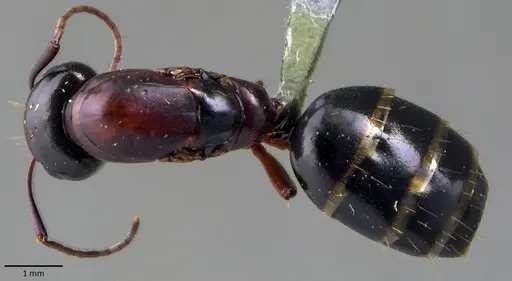
ANTWEB1060054
View on AntWeb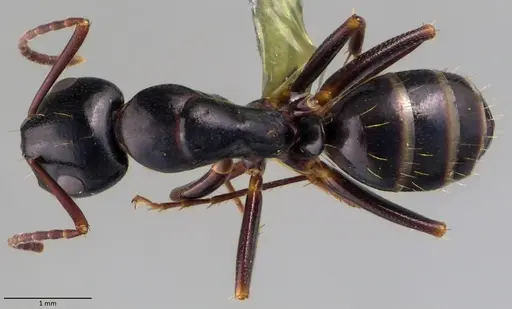
CASENT0103341
View on AntWeb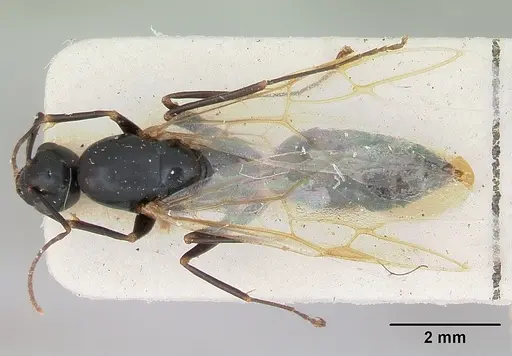
CASENT0179607
View on AntWeb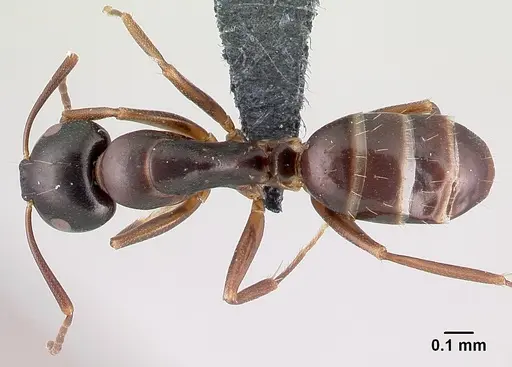
CASENT0179935
View on AntWeb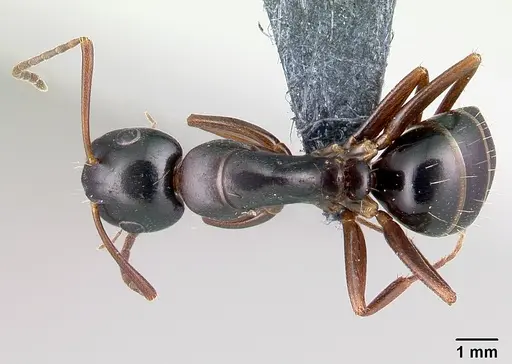
CASENT0179936
View on AntWeb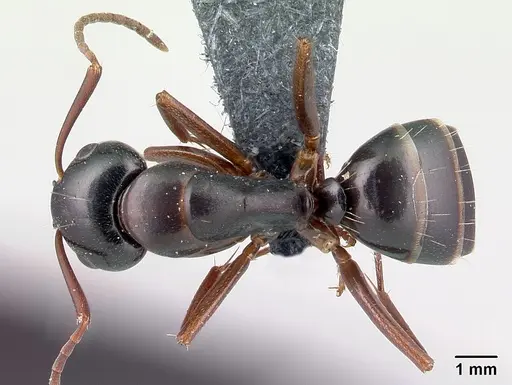
CASENT0249975
View on AntWeb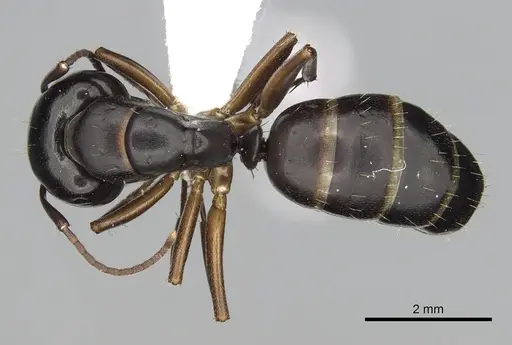
CASENT0249976
View on AntWeb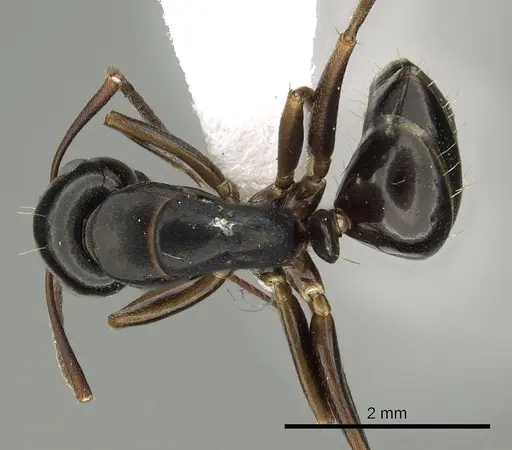
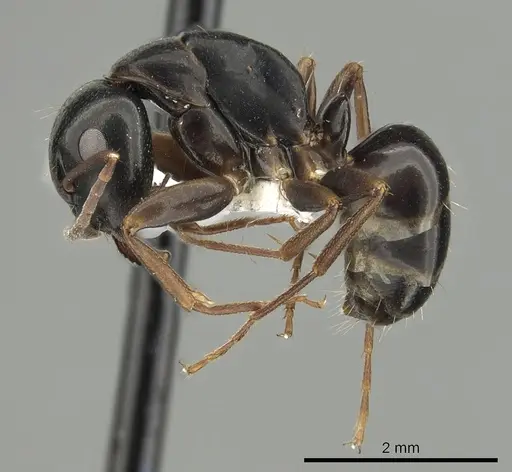
CASENT0882004
View on AntWeb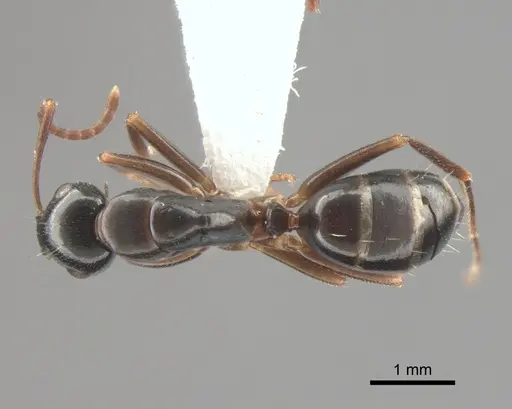
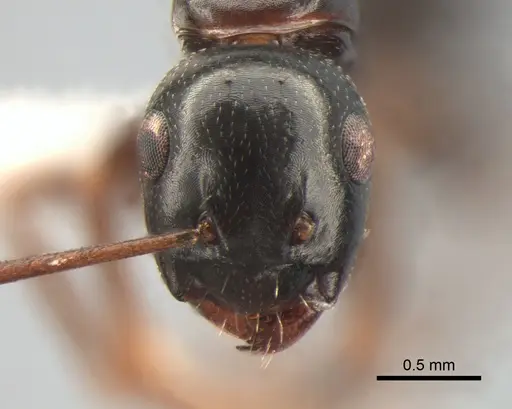
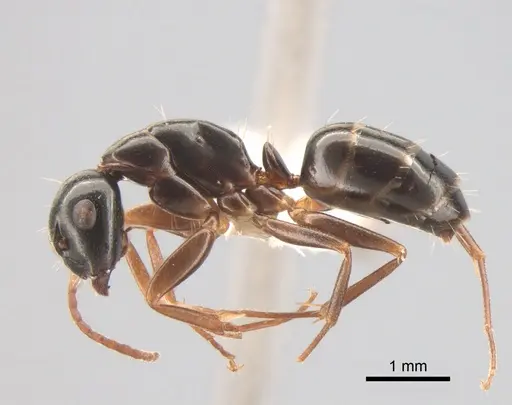
CASENT0882033
View on AntWeb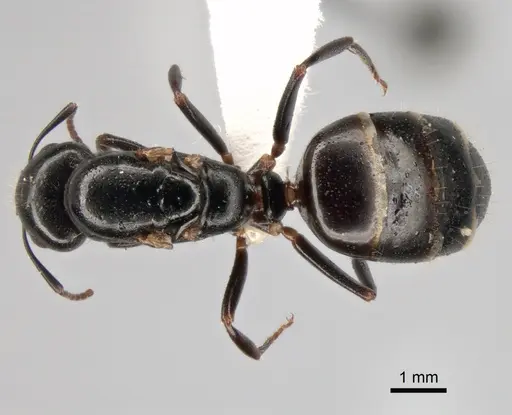
CASENT0905398
View on AntWeb
CASENT0914261
View on AntWeb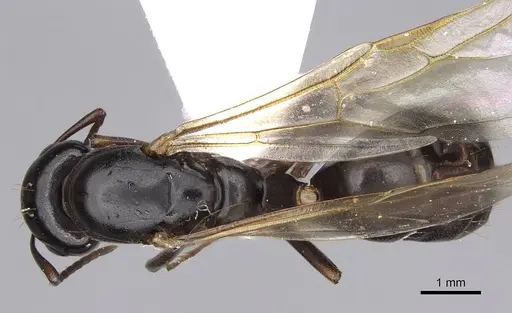
Literature
Loading...Loading products...