
Camponotus subbarbatus exhibits a clear seasonal flight window. Peak flight activity is concentrated in May, with the overall period spanning April to June.
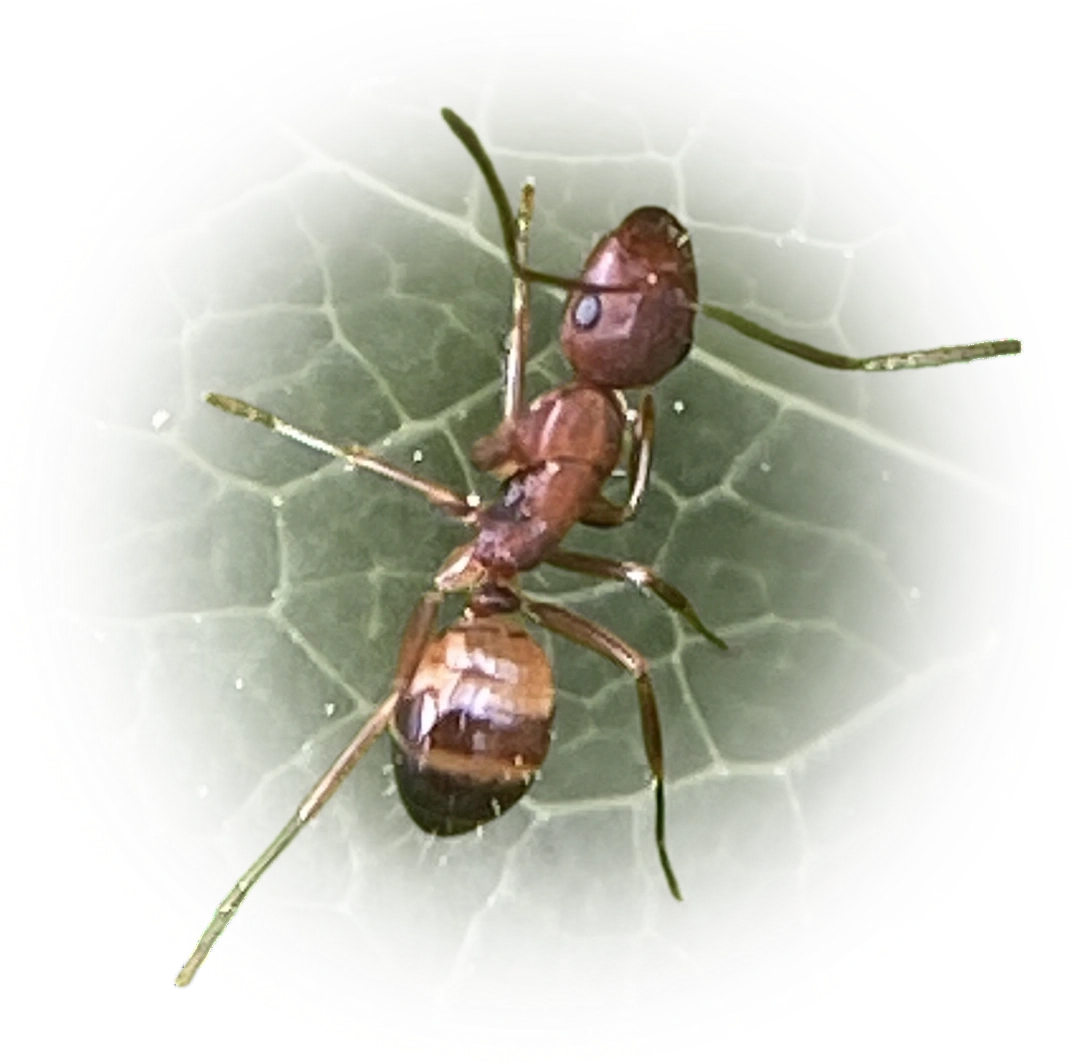
Camponotus subbarbatus
- Scientific Name
- Camponotus subbarbatus
- Subgenus
- Myrmentoma
- Tribe
- Camponotini
- Subfamily
- Formicinae
- Author
- Emery, 1893
- Common Name
- Bearded Carpenter ant
- Distribution
- Found in 1 countries
- Nuptial Flight
- from April to June, peaking in May
AI Identifiable
try →
Camponotus subbarbatus Overview
Camponotus subbarbatus (commonly known as the Bearded Carpenter ant) is an ant species of the genus Camponotus. It is primarily documented in 1 countries , including United States of America. Detailed taxonomic data and occurrence records can be further explored via authoritative databases such as AntWeb or the Global Biodiversity Information Facility (GBIF).
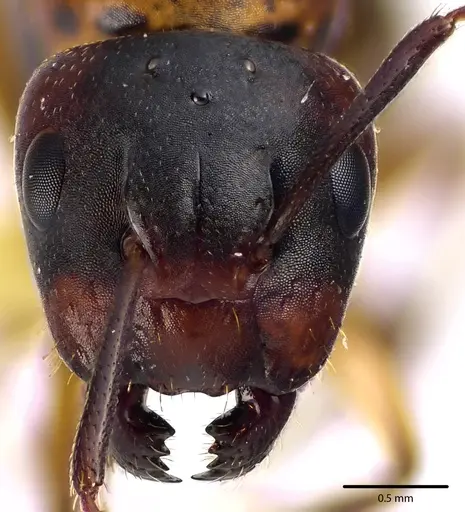
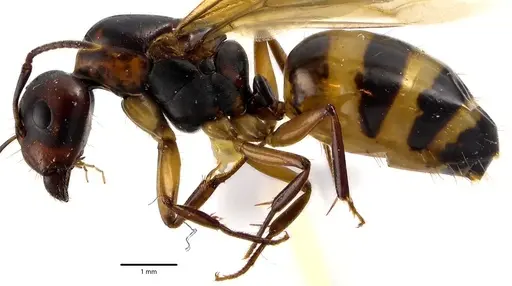
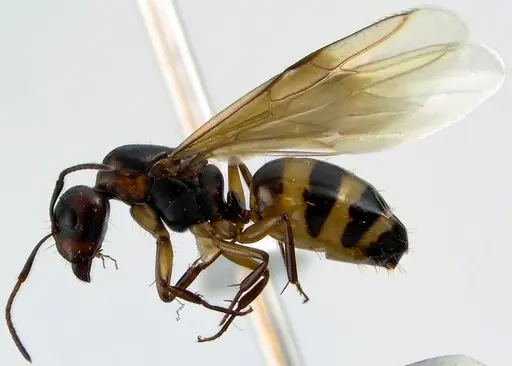
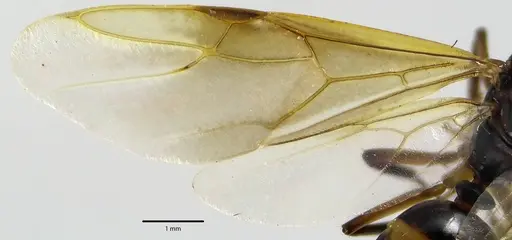
The nuptial flight of Camponotus subbarbatus is a significant biological event, typically occurring from April to June, peaking in May. During this time, winged queens and males leave the nest to mate and establish new colonies.
Camponotus subbarbatus - "Bearded Carpenter ant"
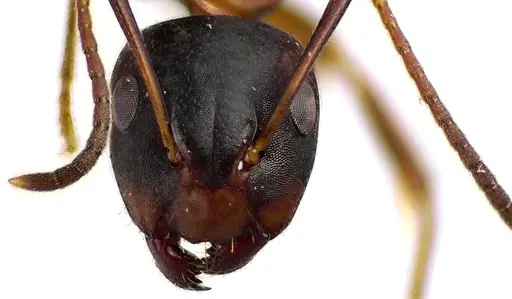
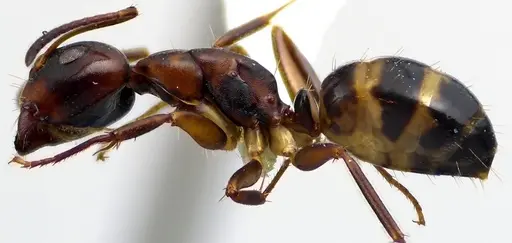
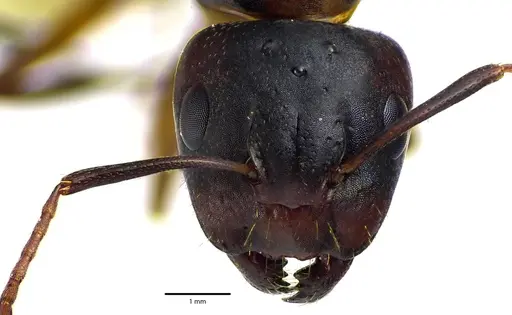
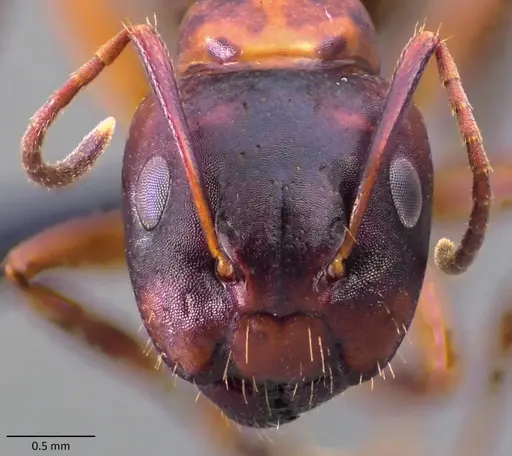
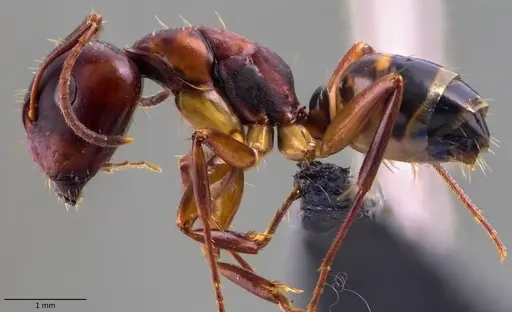
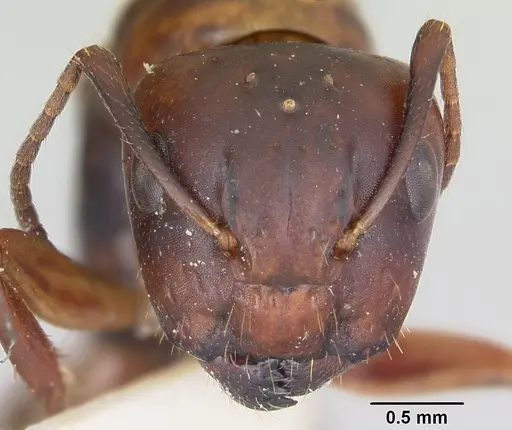
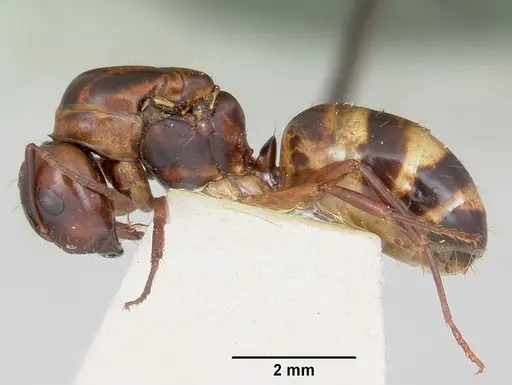
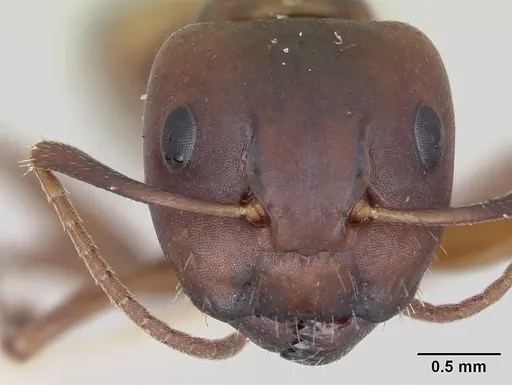
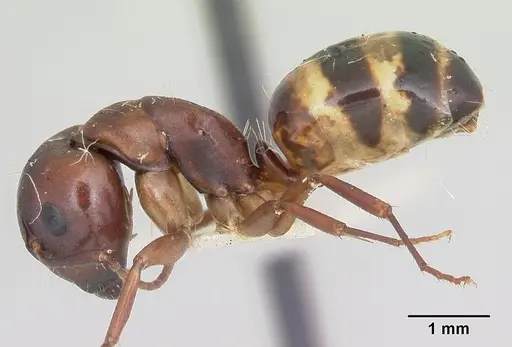
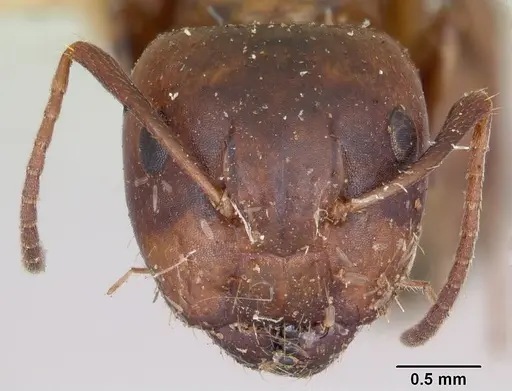
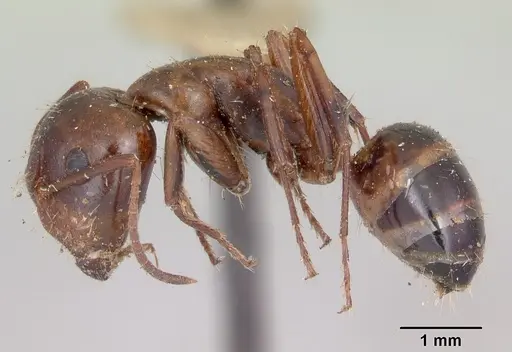
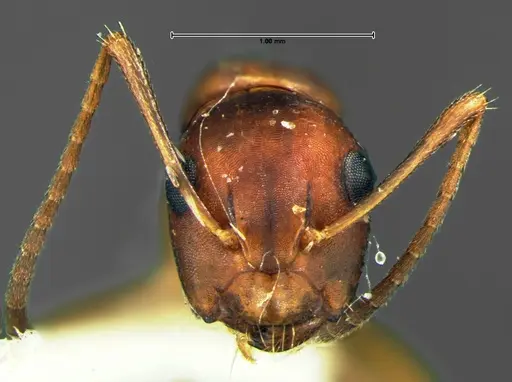
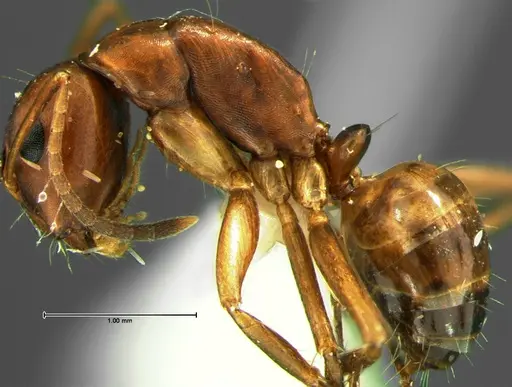
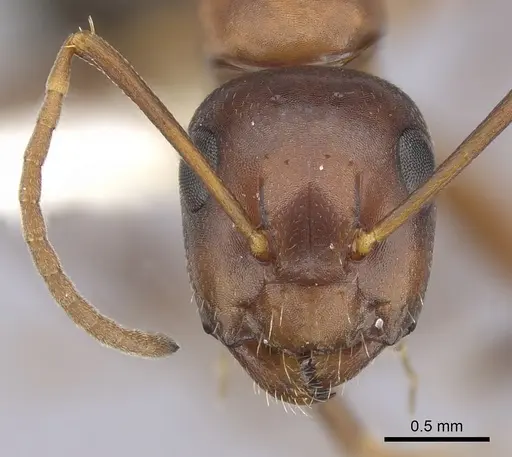
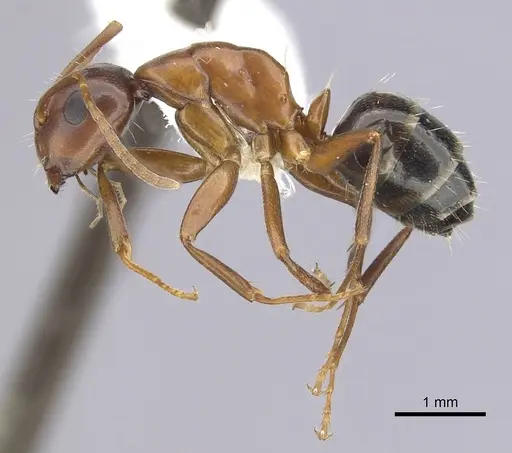
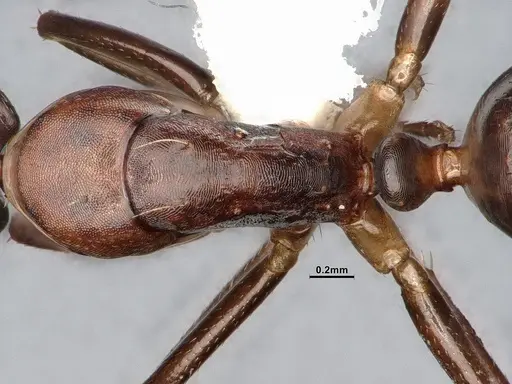
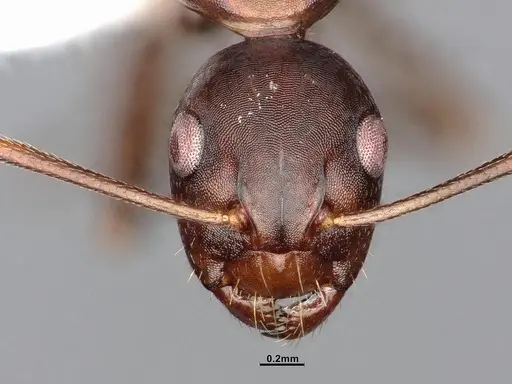
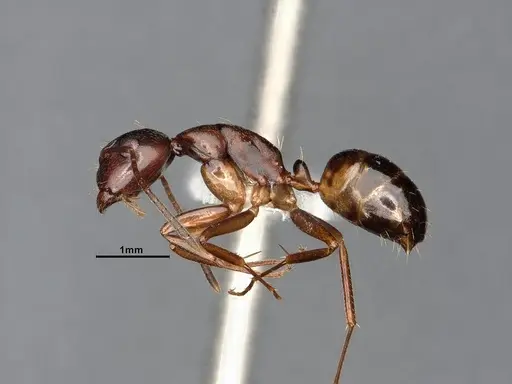
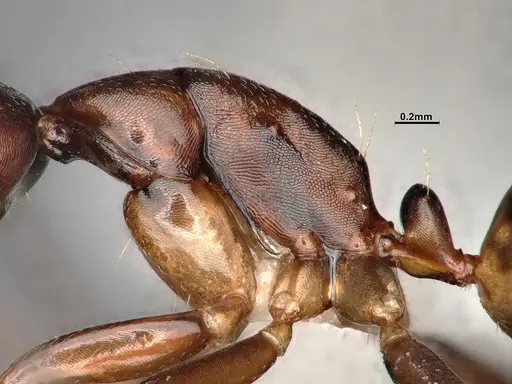
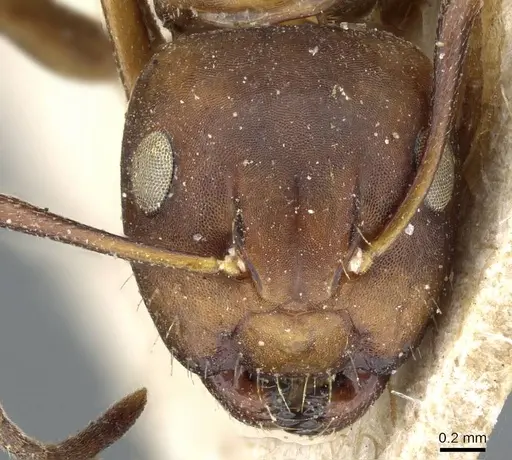
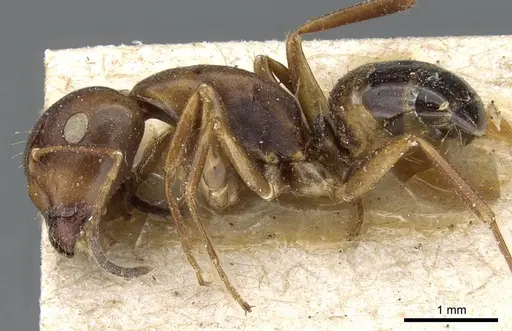
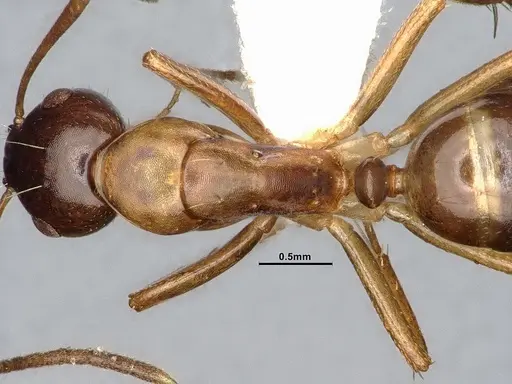
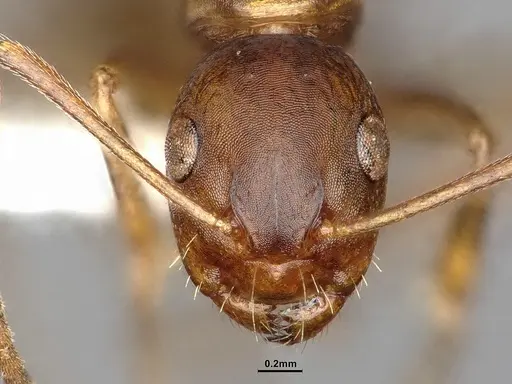
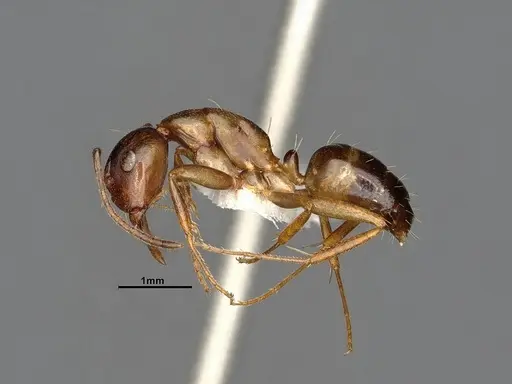
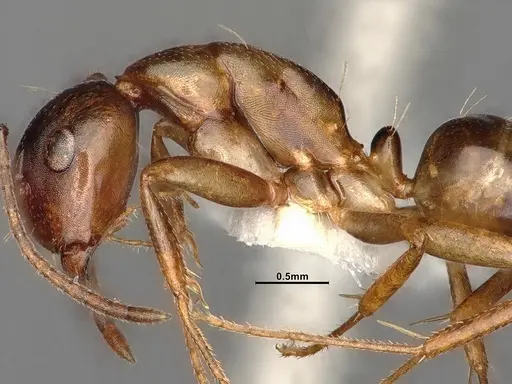
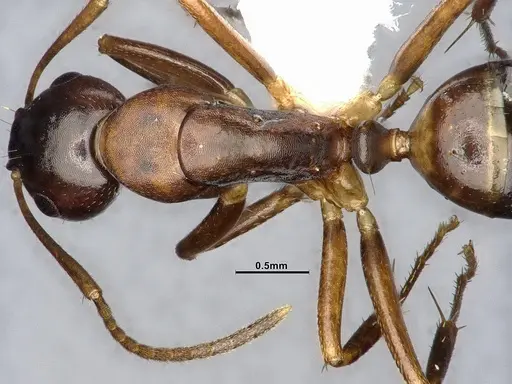
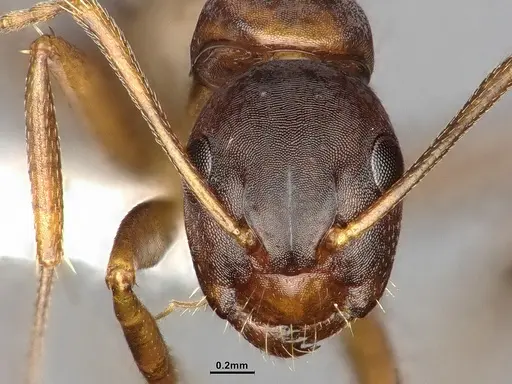
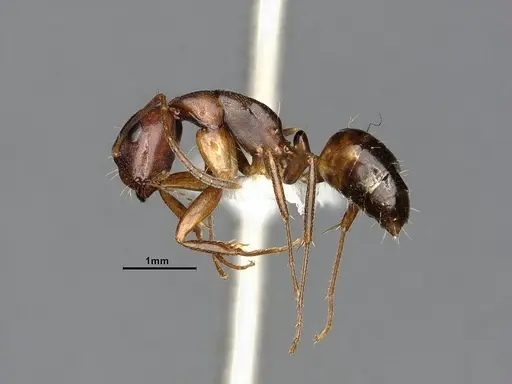
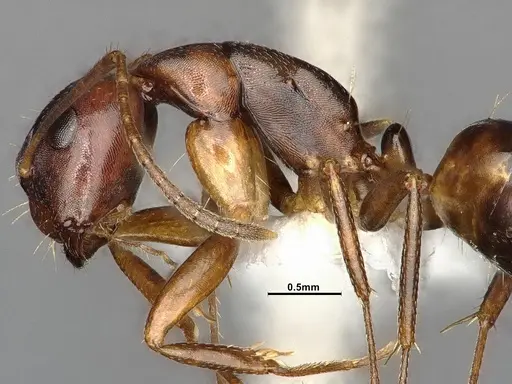
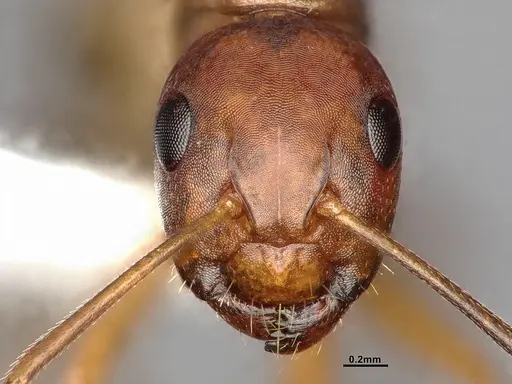
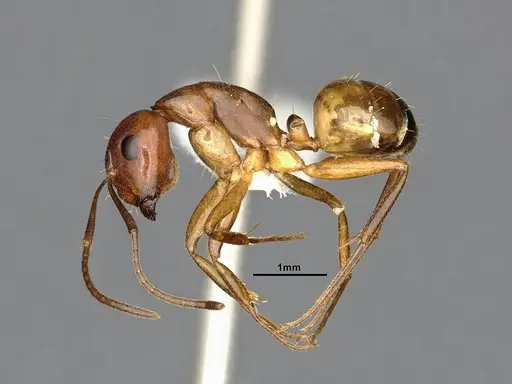
Camponotus subbarbatus is a small carpenter ant native to the eastern United States. Workers measure 3.5-6.5mm and display a distinctive bicolored appearance with an orangish-red head, alitrunk, legs, and petiole, contrasting with a gaster that has reddish first segment and transverse dark brownish-black stripes on subsequent segments [1]. This species belongs to the Formicinae subfamily and is known for its strongly polymorphic worker caste, meaning you may see both major and minor workers in a single colony [2]. They nest in rotting wood including logs, stumps, twigs, and occasionally in hickory nuts or acorns [1][3][4].
What makes this species interesting is its association with aphids, like other Formicinae ants, they tend aphids for honeydew and have been documented with the aphid Drepanaphis nigricans [5]. They foragers actively on foliage, bushes, and through leaf litter, and readily come to protein baits like tuna [1][4]. Colonies tend to stay relatively small compared to other carpenter ants, making them manageable for antkeepers.
Quick Summary
- Difficulty: Easy
- Origin & Habitat: Eastern United States, from New England south to Georgia and Mississippi, west to Michigan, Ohio, Illinois, Iowa, and Kansas. Found in rich mixed and deciduous forests, oak savanna, and shaded wooded areas [1][4][3].
- Colony Type: Monogyne, single queen colonies. Strongly polymorphic worker caste with distinct major and minor workers [2].
- Colony: Monogyne
- Founding: Claustral
- Size & Growth:
- Queen: Estimated 7-9mm based on genus patterns
- Worker: 3.5-6.5mm [1]
- Colony: Small colonies, likely under 500 workers based on typical Camponotus patterns and colony observations [4]
- Growth: Moderate
- Development: 6-8 weeks at optimal temperature (estimated based on typical Camponotus development) (Development time inferred from genus patterns, actual timing may vary based on temperature conditions)
- Antkeeping:
- Temperature: Keep around 20-24°C. They tolerate a range from roughly 18-26°C based on their temperate forest origin. Provide a gentle gradient if possible.
- Humidity: Moderate to high. These forest-dwelling ants prefer damp nest substrate similar to rotting wood conditions, keep the nest material moist but not waterlogged.
- Diapause: Yes, as a temperate species they need a winter rest period. Reduce temperature to around 10-15°C for 2-3 months during winter.
- Nesting: Y-tong or plaster nests work well. They naturally nest in rotting wood, so provide damp nest material they can tunnel into. Test tubes with water reservoirs are also suitable for founding colonies.
- Behavior: Generally peaceful and non-aggressive. Workers forage on foliage and ground, readily accepting protein baits like tuna and honeydew from aphids. They are not known to be particularly defensive or prone to biting. Escape risk is moderate, their small to medium size means standard barrier precautions are sufficient.
- Common Issues: small colony size means slow growth, beginners may lose patience, colonies often fail during hibernation if kept too wet or at wrong temperature, wild-caught colonies may have parasites that kill them in captivity, test tubes can flood if water reservoirs are too large for small colonies, they need damp wood conditions, too dry causes desiccation
Nuptial Flight Activity Analysis 275 observations
Flight Activity by Hour 275 observations
Camponotus subbarbatus nuptial flight activity peaks around 16:00 during the afternoon. Activity is spread across a 16-hour window (08:00–23:00). A secondary activity peak occurs around 12:00. Times may be influenced by human observation patterns.
Housing and Nest Setup
Camponotus subbarbatus does well in standard antkeeping setups. For founding colonies, a test tube setup works perfectly, fill a test tube with water, plug with cotton, and place the queen in a dark area. The queen will seal herself into a chamber and remain there until her first workers emerge. Once you have 10-20 workers, you can move them to a Y-tong (acrylic) nest or a plaster formicarium. Since they naturally nest in rotting wood, a plaster or acrylic nest with some damp substrate works well. Avoid completely dry conditions, these forest ants need moisture. A small outworld for foraging allows you to feed them protein and sugar without disturbing the nest. [1][4]
Feeding and Diet
These ants are opportunistic feeders that accept a variety of foods. In captivity, they readily take protein sources like mealworms, small crickets, and tuna, they are known to eagerly come to tuna bait in the wild [1][4]. They also tend aphids for honeydew, so sugar water or honey is appreciated. Feed them protein 2-3 times per week and keep a constant sugar source available. Remove uneaten protein after 24-48 hours to prevent mold. Workers forage on foliage and through leaf litter in the wild, so they are active hunters that will take live prey if offered.
Temperature and Seasonal Care
Keep your colony at room temperature, ideally around 20-24°C. They can tolerate temperatures from roughly 18-26°C. As a temperate species native to the eastern United States, they require a winter dormancy period. In autumn, gradually reduce the temperature to around 10-15°C and maintain this for 2-3 months. During hibernation, keep the nest slightly moist but not wet, and avoid disturbing the colony. Return them to normal temperatures in spring. This rest period is important for colony health and may trigger reproductive alate production. [4]
Behavior and Colony Dynamics
This species forms monogyne colonies with a single queen. They have strongly polymorphic workers, you'll see both major workers (larger with more developed mandibles) and minor workers (smaller and more numerous) [2]. Colonies tend to stay relatively small compared to other carpenter ants like Camponotus pennsylvanicus. Workers are active foragers that will search both on the ground and on vegetation. They are not particularly aggressive or defensive, making them easy to handle. The distinctive striped gaster pattern helps identify this species, the dark transverse bands on an otherwise reddish abdomen are characteristic.
Growth and Development
Colony growth is moderate rather than fast. The queen lays eggs after mating, and these develop through larval and pupal stages before emerging as workers. First workers (nanitics) are typically smaller than normal workers. Based on typical Camponotus development, expect 6-8 weeks from egg to first worker at optimal temperature. Colonies remain small, likely under 500 workers even at maturity. Female alates (new queens) appear mid-May to early June, while male alates appear early June to early August in the wild [4]. This timing suggests nuptial flights occur during summer months.
Frequently Asked Questions
How long does it take for Camponotus subbarbatus to produce first workers?
Expect 6-8 weeks from egg to first worker at optimal temperature (around 20-24°C). This is typical for Camponotus species, though exact timing depends on temperature conditions in your setup.
Can I keep multiple Camponotus subbarbatus queens together?
No. This species is monogyne, meaning colonies have a single queen. Combining unrelated queens will likely result in fighting. Only introduce a queen to an established colony if you are attempting pleometrosis (multiple queens founding together), which has not been documented for this species.
What do Camponotus subbarbatus eat?
They accept protein like mealworms, small crickets, and tuna. They also consume sugar sources like honey water or sugar water, and will tend aphids for honeydew. Feed protein 2-3 times weekly with constant sugar access.
Are Camponotus subbarbatus good for beginners?
Yes, they are considered easy to keep. They are forgiving of minor temperature and humidity variations, accept a wide variety of foods, and form manageable small colonies. Their distinctive appearance also makes them interesting to observe.
Do Camponotus subbarbatus need hibernation?
Yes. As a temperate species native to the eastern United States, they require a winter dormancy period. Reduce temperature to 10-15°C for 2-3 months during winter. This helps maintain colony health and may trigger alate production.
When do Camponotus subbarbatus have nuptial flights?
Female alates (new queens) appear mid-May to early June, while male alates appear early June to early August in the wild [4]. This suggests summer nuptial flights.
How big do Camponotus subbarbatus colonies get?
Colonies remain relatively small compared to other carpenter ants, likely under 500 workers even at maturity. They are described as having small to moderate colony sizes in the wild.
What size are Camponotus subbarbatus workers?
Workers range from 3.5-6.5mm in length. This species has strongly polymorphic workers, meaning you will see both larger major workers and smaller minor workers in the same colony.
References

This caresheet is licensed under CC BY-SA 4.0 .
ANTWEB1041631
View on AntWeb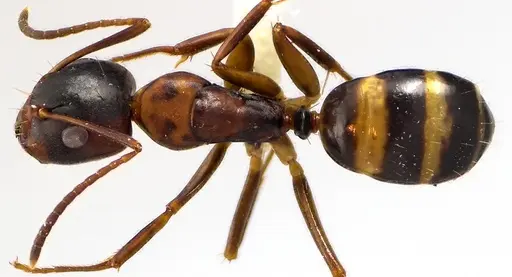
ANTWEB1041642
View on AntWeb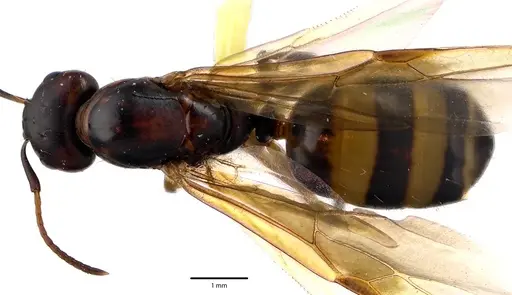
ANTWEB1041643
View on AntWeb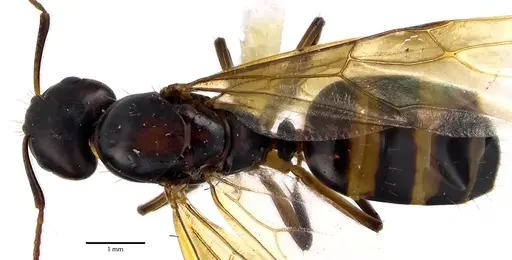
ANTWEB1060080
View on AntWeb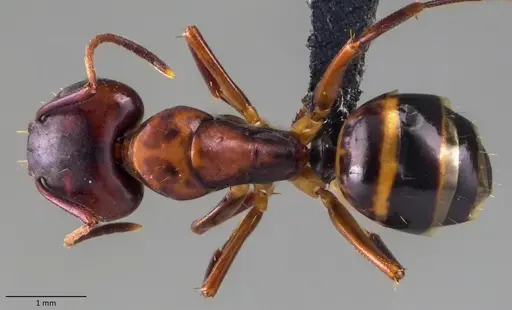
CASENT0103351
View on AntWeb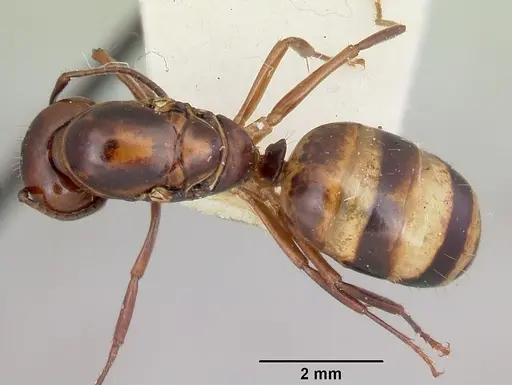
CASENT0103352
View on AntWeb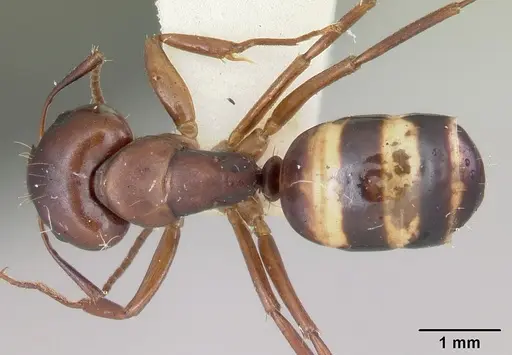
CASENT0103353
View on AntWeb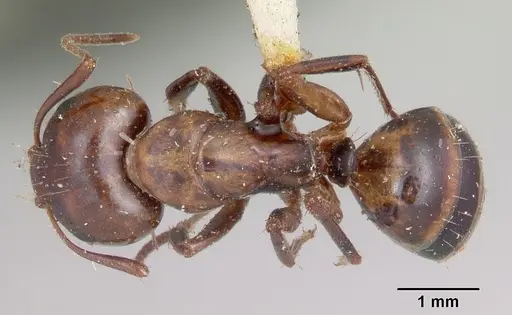
CASENT0105679
View on AntWeb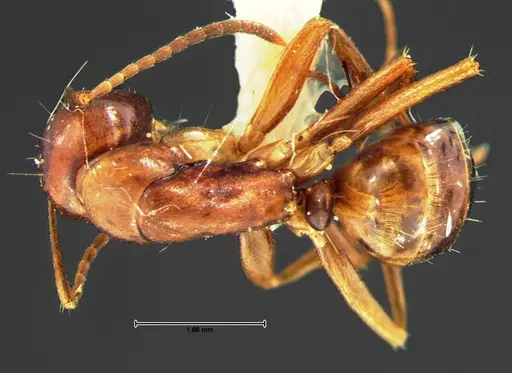
CASENT0249371
View on AntWeb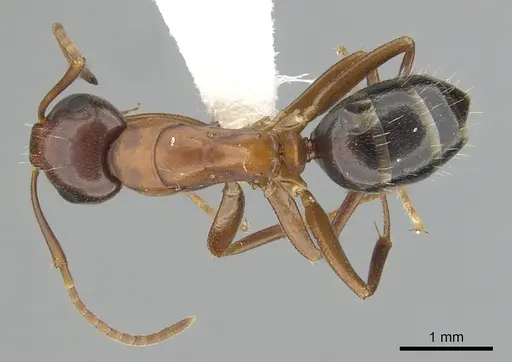
CASENT0653623
View on AntWeb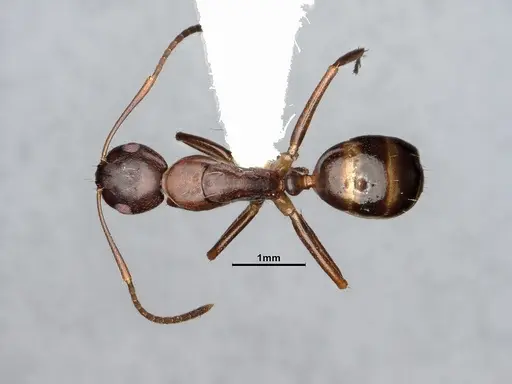
CASENT0905405
View on AntWeb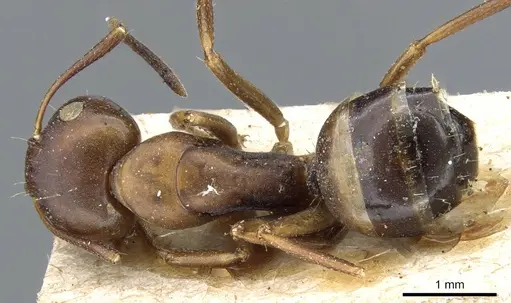
MEM212768
View on AntWeb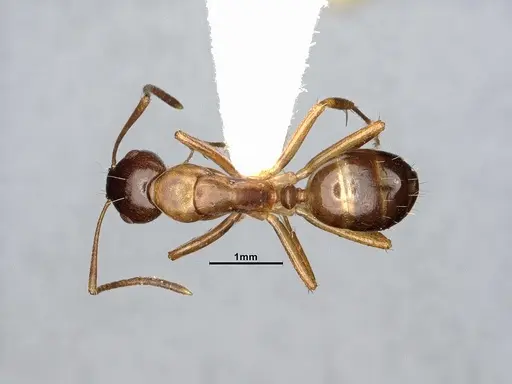
MEM290586
View on AntWeb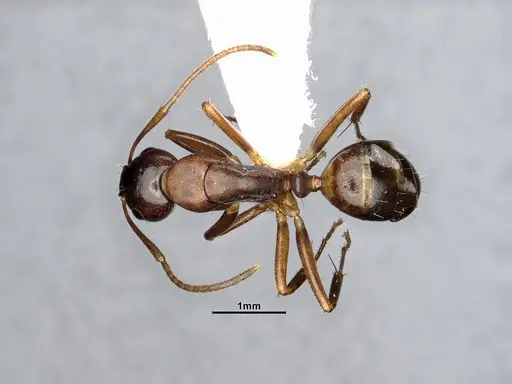
MEM290590
View on AntWeb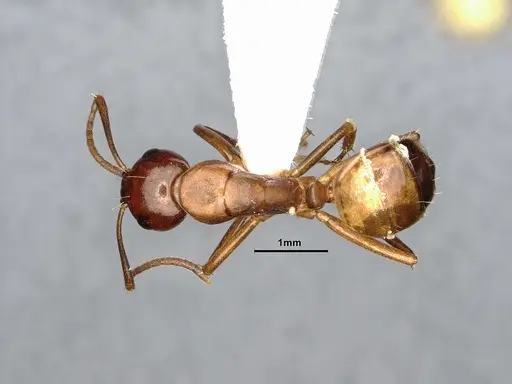
Literature
Loading...Loading products...