

Camponotus stefani
- Scientific Name
- Camponotus stefani
- Tribe
- Camponotini
- Subfamily
- Formicinae
- Author
- McArthur, 2007
- Distribution
- Found in 1 countries
Camponotus stefani Overview
Camponotus stefani is an ant species of the genus Camponotus. It is primarily documented in 1 countries , including Australia. Detailed taxonomic data and occurrence records can be further explored via authoritative databases such as AntWeb or the Global Biodiversity Information Facility (GBIF).
Camponotus stefani
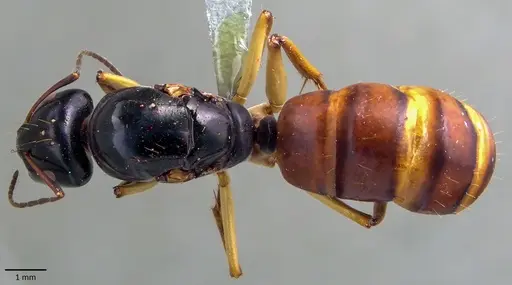
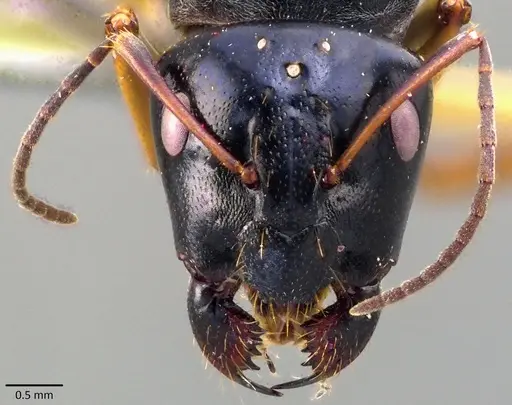
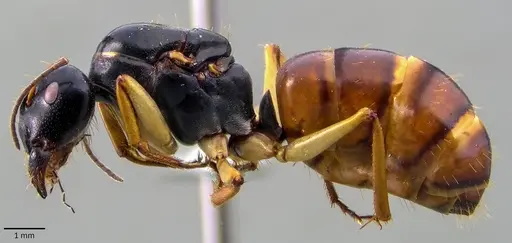
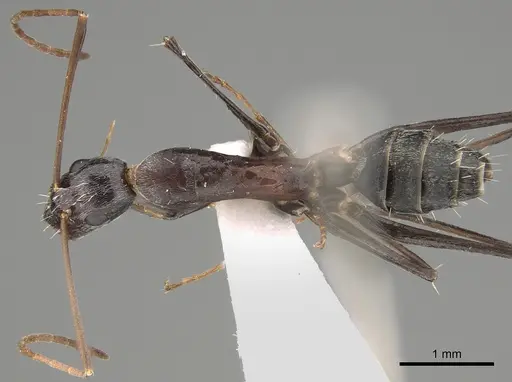
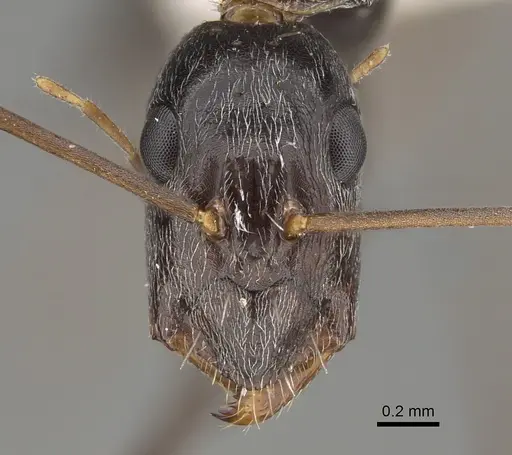
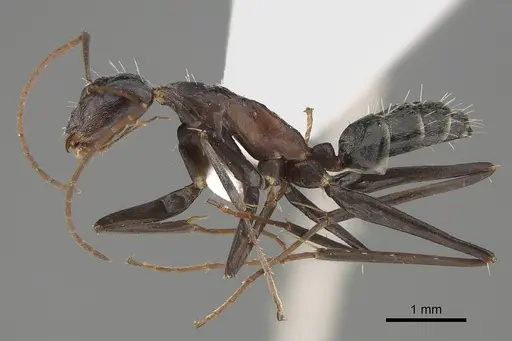
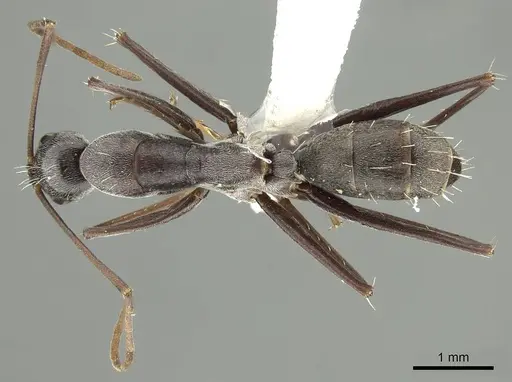
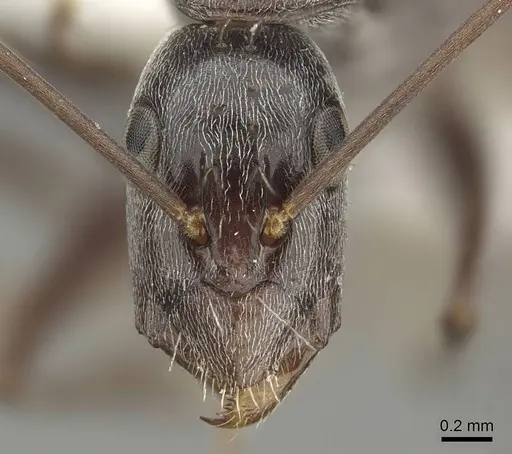
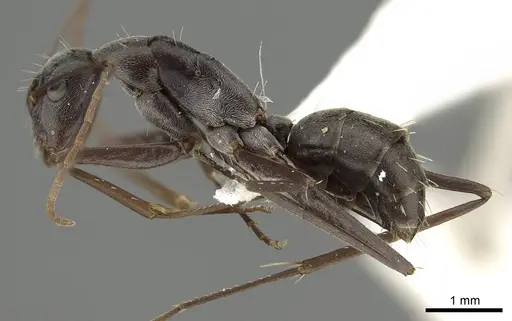
Camponotus stefani is an Australian carpenter ant species described in 2007. Workers are dimorphic, meaning there are large major workers and smaller minor workers, but no intermediate medium workers [1]. Colour varies from black to red, even among workers from the same nest, with legs slightly lighter than the body [1]. This species is named after the late Stefan Schödl in recognition of his contribution to myrmecology [1]. It is closely related to Camponotus extensus, which can be distinguished by having short setae on its scape raised to about 45° [1]. The most notable aspect of this species is its adaptation to Australian conditions, it nests in clay-rich soil and forages actively on trees during the day, making it a visually active and engaging species to observe in captivity.
Quick Summary
- Difficulty: Medium
- Origin & Habitat: Camponotus stefani is found across southeastern Australia, including South Australia (Adelaide, Jamestown, Arkaroola, and numerous other locations), the Australian Capital Territory, New South Wales, and Victoria [1]. It is common in Adelaide parklands and nests in soil with high clay content. The nest entrance is a small circular hole scarcely larger than a major worker's head [1]. Workers are frequently seen foraging on trees during daytime hours [1]. This species inhabits temperate to warm-temperate regions of Australia.
- Colony Type: Colony structure is not explicitly documented in available research. Based on typical Camponotus genus patterns, this species is likely monogyne (single-queen colonies), though multi-queen colonies have not been documented. Workers are dimorphic with major and minor castes but no medium workers [1].
- Colony: Monogyne
- Founding: Claustral
- Size & Growth:
- Queen: Estimated 12-15mm based on genus patterns, queen size has not been directly documented for this species
- Worker: Major workers: approximately 8-10mm, minor workers: approximately 5-7mm based on morphometric data [1]
- Colony: Estimated moderate-sized colonies up to several thousand workers based on typical Camponotus growth patterns
- Growth: Moderate, Camponotus species typically grow at a moderate pace, with first workers (nanitics) appearing in 6-8 weeks under optimal conditions
- Development: 6-8 weeks estimated based on typical Camponotus development at 24-26°C (Development time is inferred from genus patterns since specific data for this species is not available. Nanitics (first workers) are typically smaller than normal workers and develop faster.)
- Antkeeping:
- Temperature: Keep nest area at 22-26°C. Based on their Australian distribution in temperate South Australia and Victoria, they can tolerate a range from roughly 18°C up to about 28°C. A gentle temperature gradient allows workers to self-regulate
- Humidity: Moderate humidity around 50-60%. As ground-nesting ants in clay soil, they prefer substrate that holds some moisture but drains well. Allow the nest substrate to dry partially between water additions rather than keeping it constantly wet
- Diapause: Likely yes, based on temperate Australian distribution, colonies probably benefit from a mild winter rest period (diapause) around 10-15°C for 2-3 months during winter months
- Nesting: Y-tong (AAC) nests work well for this species. The chambers should be appropriately sized for their medium size, not too large, not too small. Plaster or acrylic nests are also suitable. As ground-nesting ants, they do well with a layer of substrate they can tunnel into
- Behavior: Workers are active foragers, frequently seen climbing trees in search of honeydew and insects during daylight hours [1]. They are not particularly aggressive but will defend their nest if threatened. As medium-sized ants, they have a moderate bite but are not considered dangerous to humans. Escape prevention should be standard, they are not tiny escape artists but can squeeze through small gaps. They are active and engaging to watch, making them a rewarding species for keepers who enjoy observing foraging behavior.
- Common Issues: colonies may grow slowly initially, patience is required during the founding phase, test tube setups can dry out quickly in dry climates, monitor moisture levels regularly, wild-caught colonies may carry parasites that affect captive survival, temperature fluctuations can stress colonies, avoid placing nests near windows or heating/cooling vents, overfeeding can lead to mold problems, remove uneaten food promptly
Nest Preferences and Setup
Camponotus stefani is a ground-nesting species that naturally nests in soil with high clay content [1]. The nest entrance is a small circular hole scarcely larger than a major worker's head [1]. In captivity, Y-tong (AAC) nests work exceptionally well for this species. The chambers should be appropriately sized for their medium body size, large enough for the colony to move through comfortably but not excessively spacious. Plaster nests or acrylic formicaria are also suitable alternatives. Many keepers successfull use a setup with a small chamber connected to a larger outworld area. Because they are ground-nesting, providing some soil or substrate in part of the setup mimics their natural environment and gives them opportunities to tunnel. Ensure the nest has adequate humidity control, these ants prefer substrate that holds moisture but is not waterlogged.
Feeding and Diet
As with other Camponotus species, C. stefani is omnivorous. In the wild, workers frequently forage on trees [1], likely collecting honeydew from aphids and scale insects, as well as hunting small insects. In captivity, offer a varied diet: sugar water or honey should be available constantly, as carpenter ants have high sugar requirements. For protein, offer small insects like fruit flies, small crickets, or mealworms. Some keepers report success with protein jelly or other prepared ant foods. Feed protein sources 2-3 times per week, and remove any uneaten prey within 24 hours to prevent mold. Fresh water should always be available. These ants are active foragers, so they typically consume food quickly when hungry.
Temperature and Seasonal Care
Based on their distribution across temperate South Australia and Victoria, C. stefani prefers moderate temperatures. Keep the nest area at 22-26°C for optimal colony development and activity. They can tolerate temperatures as low as 18°C and as high as 28°C, but prolonged exposure to extremes should be avoided. A temperature gradient across the nest allows workers to choose their preferred zone. During winter months (roughly June-August in the Southern Hemisphere), consider providing a mild diapause period at 10-15°C for 2-3 months. This mimics their natural seasonal cycle and may improve colony health and longevity. Do not feed during diapause, keep them cool and dark with minimal disturbance. Room temperature is often adequate during the active season if your home stays in the 20-26°C range. [1]
Behavior and Colony Dynamics
This species is notably active, with workers frequently observed foraging on trees during daylight hours [1]. They are dimorphic, meaning the colony contains large major workers and smaller minor workers, but no intermediate medium workers [1]. Major workers are significantly larger and often serve as soldiers or foragers, while minor workers handle brood care and inside-nest tasks. Colonies grow at a moderate pace, the first workers (nanitics) typically appear 6-8 weeks after the queen lays eggs, but growth accelerates once the colony establishes a worker population. Workers are not particularly aggressive but will defend the nest if threatened. They have a moderate bite but are not considered dangerous to humans. The colony will become more active and visible as it grows, with workers patrolling the outworld in search of food.
Frequently Asked Questions
How long does it take for Camponotus stefani to produce first workers?
Expect first workers (nanitics) to appear in approximately 6-8 weeks under optimal conditions at 24-26°C. This is typical for Camponotus species, though specific development time for this species has not been directly documented.
What do Camponotus stefani ants eat?
They are omnivorous. Offer sugar water or honey constantly, and protein sources like small insects (fruit flies, small crickets, mealworms) 2-3 times per week. Remove uneaten food promptly to prevent mold.
What temperature do Camponotus stefani need?
Keep the nest at 22-26°C. They can tolerate 18-28°C but perform best in the middle of this range. A temperature gradient allows workers to self-regulate.
Do Camponotus stefani need hibernation?
Based on their temperate Australian distribution, a mild winter rest (diapause) at 10-15°C for 2-3 months is likely beneficial. This mimics their natural seasonal cycle.
How big do Camponotus stefani colonies get?
Mature colonies likely reach several thousand workers, which is typical for Camponotus species. Growth is moderate, expect 6-12 months to reach 50-100 workers, with faster growth thereafter.
Can I keep multiple Camponotus stefani queens together?
This has not been documented for this species. Based on typical Camponotus behavior, single-queen colonies are most common. Combining unrelated queens is not recommended as they typically fight.
What type of nest is best for Camponotus stefani?
Y-tong (AAC) nests work well. They are ground-nesting ants that prefer some soil or substrate to tunnel into. Plaster or acrylic nests are also suitable alternatives.
Are Camponotus stefani good for beginners?
They are rated as medium difficulty. They are more active and engaging than some species but require standard antkeeping care. Beginners should be prepared for moderate growth rates and the need for patience during founding.
Why is my Camponotus stefani colony dying?
Common causes include: temperature fluctuations (avoid placing near windows or vents), improper humidity (too wet causes flooding, too dry causes desiccation), mold from overfeeding, or parasites from wild-caught colonies. Review each parameter and adjust accordingly.
References

This caresheet is licensed under CC BY-SA 4.0 .
Literature
Loading...Loading products...