

Camponotus extensus
- Scientific Name
- Camponotus extensus
- Subgenus
- Tanaemyrmex
- Tribe
- Camponotini
- Subfamily
- Formicinae
- Author
- Mayr, 1876
- Distribution
- Found in 1 countries
Camponotus extensus Overview
Camponotus extensus is an ant species of the genus Camponotus. It is primarily documented in 1 countries , including Australia. Detailed taxonomic data and occurrence records can be further explored via authoritative databases such as AntWeb or the Global Biodiversity Information Facility (GBIF).
Camponotus extensus
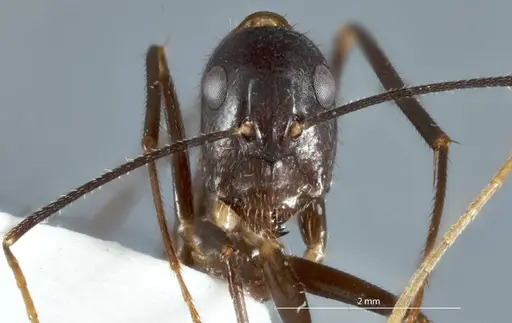
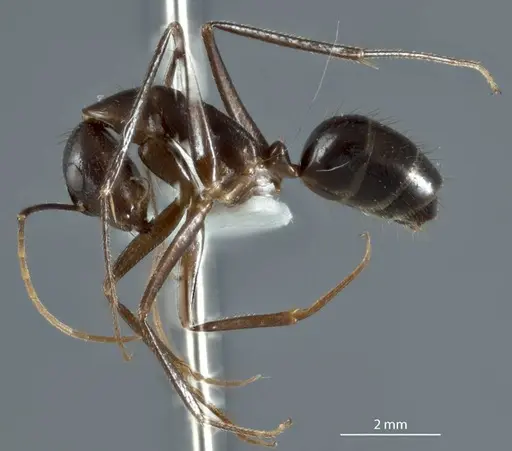
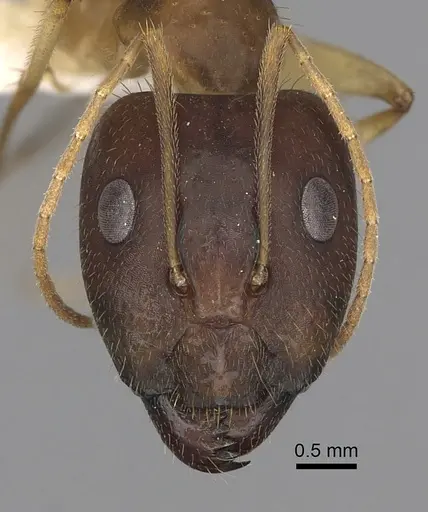
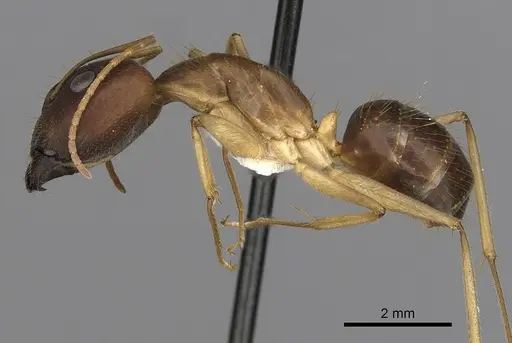
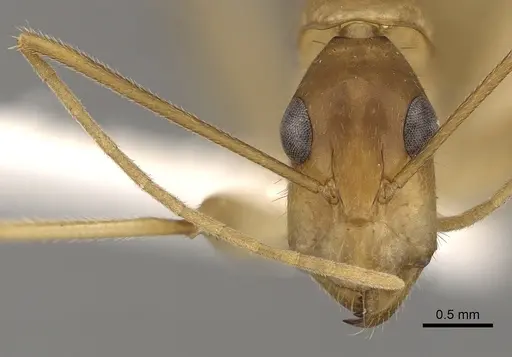
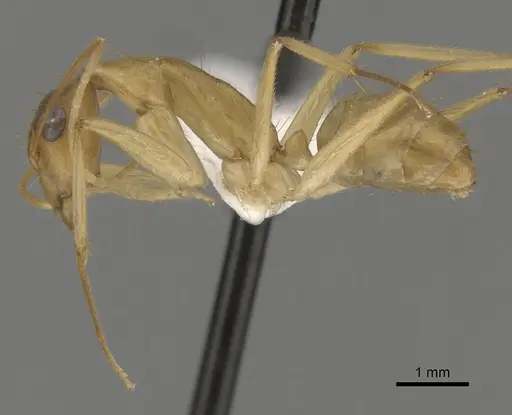
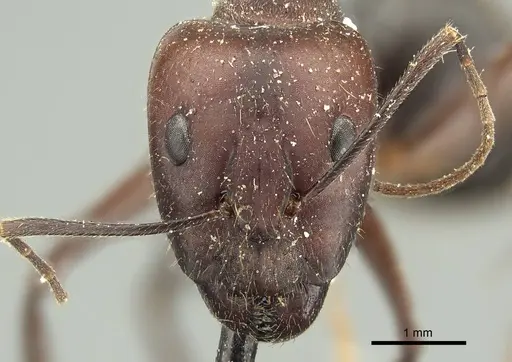
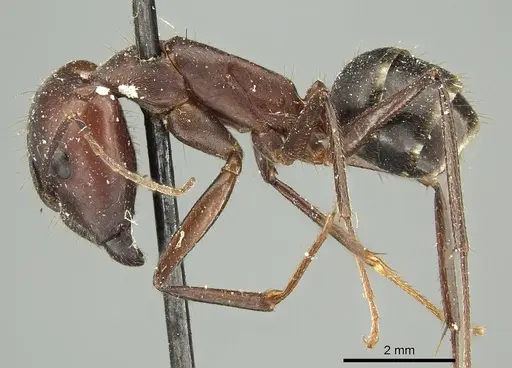
Camponotus extensus is a large Australian carpenter ant in the Camponotus maculatus species complex. Workers measure 7-9mm with a strong size dimorphism between major and minor workers, you'll typically see either large majors or small minors, with few medium workers in between [1]. The head and gaster are dusky black, and the species has moderate erect hairs on the gaster with short, obliquely-erect hairs on the tibiae. These ants are mostly nocturnal and nest at honey bait in their native Queensland, Australia habitat [2]. A distinctive feature is the occipital carina (a ridge on the back of the head) present in minor workers but absent in majors [1].
Quick Summary
- Difficulty: Medium
- Origin & Habitat: Native to Queensland, Australia. Found across the Australasian region in tropical to subtropical climates [3]. In the wild, they nest in various cavities and are often attracted to sweet baits.
- Colony Type: Likely single-queen (monogyne) colonies based on typical Camponotus patterns. No specific multi-queen documentation found for this species.
- Colony: Monogyne
- Founding: Claustral
- Size & Growth:
- Queen: Estimated 12-15mm based on genus patterns for large Camponotus species
- Worker: 7-9mm [1]
- Colony: Likely several thousand workers at maturity based on typical Camponotus colony development
- Growth: Moderate, typical for large carpenter ants
- Development: Estimated 6-8 weeks at optimal temperature based on Camponotus genus data (Large Camponotus species typically take 6-8 weeks for complete development. First workers (nanitics) are smaller than normal workers.)
- Antkeeping:
- Temperature: Keep around 24-28°C. As an Australian species from Queensland, they prefer warm conditions. A heating cable on one side of the nest creates a suitable gradient [1].
- Humidity: Moderate humidity around 50-60%. These ants are not overly humidity-dependent but should have access to some moisture. A water test tube connected to the nest provides drinking water.
- Diapause: Unknown for this specific species. Queensland has mild winters, so a reduced activity period may be beneficial but is not strictly required. Consider a cool period around 15-18°C for 2-3 months if the colony shows reduced activity.
- Nesting: Y-tong (AAC) nests work well for their size. Large test tube setups work for founding colonies. They prefer tight-fitting chambers. Given their nocturnal nature and tendency to nest in cavities, they do well in formicariums with multiple connected chambers.
- Behavior: These ants are mostly nocturnal in the wild, meaning they're more active in evening and night hours in captivity [2]. They are not particularly aggressive but will defend their nest if threatened. Major workers have strong mandibles for their size. Escape prevention should be moderate, they're large enough that standard barriers work well, but they can climb smooth surfaces. They are attracted to sweet foods (honey bait) and will readily accept sugar water. When disturbed by bright light, they quickly scatter [1].
- Common Issues: colonies may struggle if kept too cold, maintain warm temperatures, nocturnal activity pattern may concern keepers who expect daytime activity, large size requires appropriately sized formicarium chambers, wild-caught colonies may have parasites that affect captive survival, queen mortality during founding is possible, claustral queens seal themselves in and rely on stored fat
Housing and Nest Setup
For founding colonies, use a standard test tube setup with a water reservoir. The queen will seal herself into a dark chamber and remain there while raising her first brood. Once you have 20+ workers, you can move to a Y-tong (AAC) formicarium or a large test tube setup. These ants need chambers large enough for their majors to move through comfortably. Because they're nocturnal, they appreciate darker nesting areas, avoid placing the nest in direct bright light. A connected outworld for foraging allows them to venture out for food. Escape prevention should include fluon on rim edges and a barrier strip, though their large size makes them less likely to escape than tiny ants. [1]
Feeding and Diet
Camponotus extensus is attracted to sweet foods, honey water and sugar water are readily accepted. They also need protein sources like mealworms, crickets, or other insects. In the wild, they're known to nest at honey bait [2], showing their strong preference for sugars. Feed sugar water constantly (refresh every few days) and offer protein prey 2-3 times per week. Remove uneaten prey after 24-48 hours to prevent mold. Fresh fruit can also be offered occasionally. Make sure they always have access to clean water.
Temperature and Heating
As an Australian species from Queensland, Camponotus extensus prefers warmer temperatures. Keep the nest area at 24-28°C for optimal brood development. You can use a heating cable placed on top of the nest (never underneath where it would dry out the substrate) to create a gentle warmth gradient. Room temperature may be sufficient if your home stays in the low-mid 20s°C. If workers cluster near the warm side, the temperature is good. If they avoid the heated area, reduce heat. Cold temperatures will slow or stop brood development and can weaken the colony. [1]
Colony Development
The colony starts with a claustral queen who seals herself in and does not leave to forage. She relies on stored fat reserves to survive until her first workers emerge. This founding period typically takes 6-8 weeks. The first workers (nanitics) are smaller than normal workers but will begin foraging for food. After that, the colony grows steadily as more workers hatch. Major workers develop as the colony matures, these large workers have distinctively tapered heads and are specialized for defense and seed processing. A mature colony can reach several thousand workers. Growth is moderate, expect several years to reach a large colony. [1]
Behavior and Activity
These ants are primarily nocturnal in the wild, meaning they're most active during evening and night hours [2]. In captivity, you may see them adjusting their activity patterns to match feeding schedules and ambient light. They are not aggressive toward keepers but will bite if handled roughly or if their nest is threatened. When disturbed by bright light (like a torch), they quickly scatter, this is a documented escape behavior [1]. They are good climbers and can scale smooth surfaces, so use appropriate barriers. The presence of both major and minor workers creates an interesting dynamic where majors handle tougher tasks.
Frequently Asked Questions
How long does it take for Camponotus extensus to produce first workers?
Expect 6-8 weeks from egg to first worker at optimal temperature (24-28°C). The claustral queen seals herself in and raises the first brood alone using stored fat reserves.
What do Camponotus extensus ants eat?
They accept sugar water and honey readily (they're attracted to sweet baits in the wild). Feed protein sources like mealworms, crickets, or other insects 2-3 times per week. They also need constant access to water.
Are Camponotus extensus good for beginners?
They are medium difficulty, not the easiest but not challenging either. Their nocturnal nature and specific temperature needs may require some attention. They're rewarding ants with large majors and interesting behavior.
What temperature do Camponotus extensus need?
Keep them at 24-28°C. As Queensland (Australia) natives, they prefer warm conditions. A heating cable on the nest can help maintain warmth, especially in cooler climates.
Do Camponotus extensus need hibernation?
Not strictly required, Queensland has mild winters. However, a cool period (15-18°C) for 2-3 months during winter months may benefit the colony if they show reduced activity. This is optional rather than mandatory.
How big do Camponotus extensus colonies get?
Mature colonies can reach several thousand workers. The strong dimorphism means you'll see distinct large majors and small minors working together.
When should I move Camponotus extensus to a formicarium?
Keep them in a test tube or small setup until you have 15-25 workers. Once the colony is established and growing steadily, you can move them to a Y-tong or larger formicarium with appropriately sized chambers.
Why is my Camponotus extensus colony not active during the day?
This is normal, they're primarily nocturnal in the wild. You may see more activity in evening hours or when the room is darker. Their activity pattern is not a sign of problems.
Can I keep multiple Camponotus extensus queens together?
Not recommended. Camponotus are typically single-queen colonies. Combining unrelated foundresses has not been documented for this species and would likely result in aggression.
References

This caresheet is licensed under CC BY-SA 4.0 .
ANTWEB1041238
View on AntWeb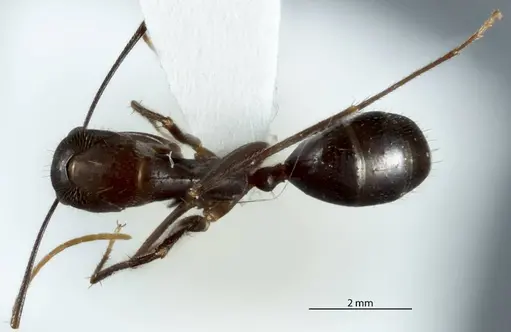
CASENT0280219
View on AntWeb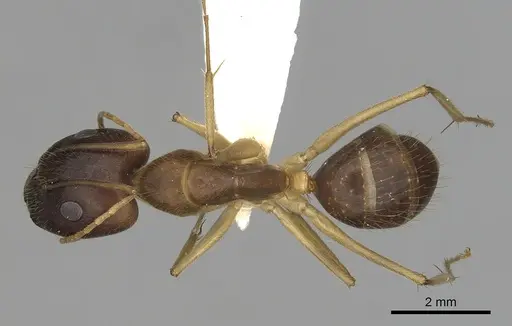
CASENT0280220
View on AntWeb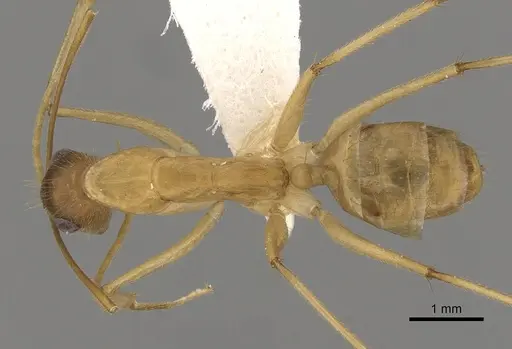
CASENT0887739
View on AntWeb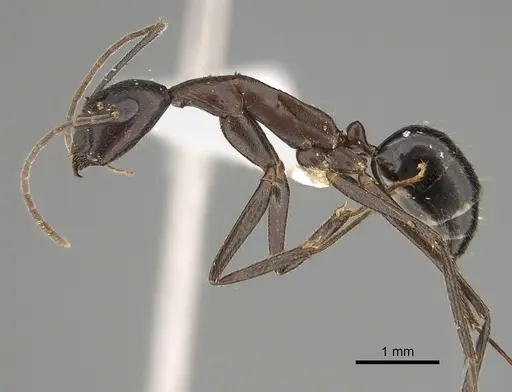
CASENT0915758
View on AntWeb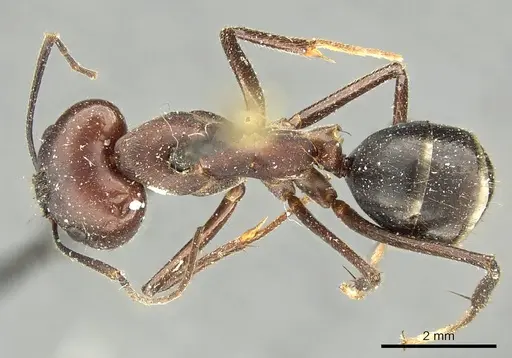
Literature
Loading...Loading products...