

Camponotus sphenocephalus
- Scientific Name
- Camponotus sphenocephalus
- Subgenus
- Myrmostenus
- Tribe
- Camponotini
- Subfamily
- Formicinae
- Author
- Emery, 1911
- Distribution
- Found in 1 countries
Camponotus sphenocephalus Overview
Camponotus sphenocephalus is an ant species of the genus Camponotus. It is primarily documented in 1 countries , including Peru. Detailed taxonomic data and occurrence records can be further explored via authoritative databases such as AntWeb or the Global Biodiversity Information Facility (GBIF).
Camponotus sphenocephalus
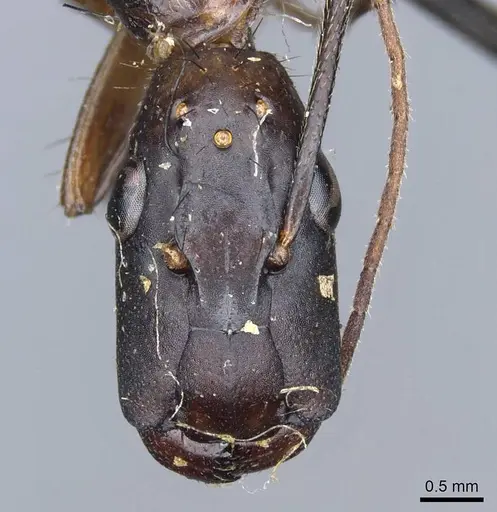
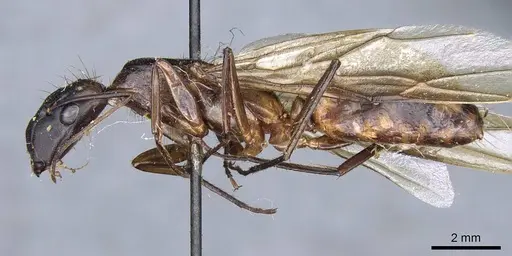
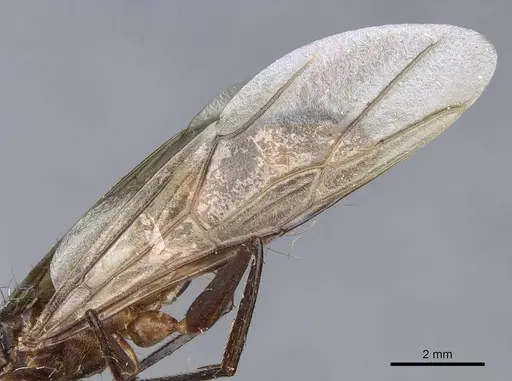
Camponotus sphenocephalus is a medium-sized carpenter ant native to Peru, where it inhabits moist tropical forests in the Rio Tambopata Reserve area. Queens measure approximately 3.5-3.7mm in head length with a strongly punctate, posteriorly-narrowed head that gives them a distinctive wedge-shaped appearance. The species belongs to the subgenus Myrmostenus and is most closely related to Colobopsis longipilis and Camponotus postangulatus. Workers have the typical Camponotus body plan with a convex clypeus and well-developed median carina. This ant is known only from Peru, making it a relatively rare species in the antkeeping hobby [1][2].
What makes this species unusual is its limited distribution, it's endemic to Peru and hasn't been widely introduced elsewhere. The strongly sculptured head with dense punctures helps distinguish it from related species. As a tropical forest ant, it likely prefers warm, humid conditions similar to other Neotropical Camponotus species [2].
Quick Summary
- Difficulty: Medium
- Origin & Habitat: Peru, moist tropical forest in the Rio Tamboata Reserve region. Known only from the Neotropical region of Peru [1][2].
- Colony Type: Single-queen colonies (monogyne) based on typical Camponotus patterns. Colony structure for this specific species has not been directly documented.
- Colony: Monogyne
- Founding: Claustral
- Size & Growth:
- Queen: Head length 3.51-3.66mm, estimated total ~12-14mm [2]
- Worker: Estimated 6-10mm based on genus patterns
- Colony: Unknown for this species, likely several hundred workers based on typical Camponotus colony sizes
- Growth: Moderate, based on typical Camponotus development patterns
- Development: Estimated 6-10 weeks at optimal temperature based on related Camponotus species (Development time inferred from genus-level data, specific timing for this species unconfirmed)
- Antkeeping:
- Temperature: Keep at 24-28°C (warm tropical conditions). A gentle gradient allowing cooler areas around 22°C is recommended. Use a heating cable on one side of the nest if room temperature falls below this range.
- Humidity: High humidity, aim for 70-80%. This species comes from moist tropical forest, so keep the nest substrate consistently damp but not waterlogged. Provide a water tube for drinking access.
- Diapause: Unlikely, as a tropical species from Peru, they probably don't require a true hibernation. However, a slight cool-down period (around 18-20°C) during winter months may be beneficial to simulate seasonal slowdown.
- Nesting: In captivity, Y-tong (AAC) nests or plaster nests work well for this species. They prefer tight, dark chambers. As a forest species, they likely nest in rotting wood or under bark in the wild, provide nesting media that can hold moisture.
- Behavior: Generally calm and not aggressive, typical Camponotus temperament. Workers are moderately active foragers, likely hunting for honeydew and small insects in the wild. Escape prevention should be moderate, while not among the smallest ants, they can still climb smooth surfaces. Use standard barrier methods like fluon on test tube rims.
- Common Issues: tropical species may struggle in cool, dry environments, keep them warm and humid, colonies grow slowly during winter even without true diapause, don't panic if activity drops, limited availability means wild-caught colonies may have been stressed during collection, specific dietary preferences are unknown, start with standard ant foods and observe what they accept, high humidity requirements can lead to mold problems if ventilation is poor
Nest Preferences and Housing
Camponotus sphenocephalus is a tropical forest ant that in the wild likely nests in rotting wood, under bark, or in similar protected microhabitats with stable humidity. In captivity, Y-tong (acrylic) nests work well because they allow you to control humidity precisely. Plaster nests are another good option as they hold moisture effectively. Test tube setups can work for founding colonies but may need upgrading as the colony grows. The key is providing dark, tight-fitting chambers that the ants can seal themselves into. Avoid dry, airy setups, this species needs consistent moisture. A water tube connected to the nest helps maintain humidity and provides drinking water. [2]
Feeding and Diet
Like other Camponotus species, C. sphenocephalus is omnivorous. They likely tend aphids and scale insects for honeydew in the wild, plus hunt small insects for protein. In captivity, offer a varied diet: sugar water or honey as an energy source, and protein sources like mealworms, small crickets, or other insects. Start with standard ant foods and watch what they accept, tropical species can sometimes be picky. Feed protein 2-3 times per week and keep sugar water available constantly. Remove uneaten prey after 24-48 hours to prevent mold.
Temperature and Seasonal Care
This is a tropical species, so warmth is essential. Keep the nest area at 24-28°C during the active season. A heating cable placed on top of the nest (never underneath, which can dry out the nest) creates a gentle temperature gradient. Room temperature alone may be insufficient in cooler climates. During winter, you can allow temperatures to drop slightly to around 20-22°C, this simulates the dry season slowdown they might experience in their native Peru. True hibernation is not required, but a cooler period helps maintain natural cycles. Avoid temperatures below 18°C for extended periods.
Behavior and Colony Dynamics
Camponotus sphenocephalus has the typical calm temperament of carpenter ants. Workers are moderately active and will forage for food both day and night. They don't have powerful stings, though they may bite if threatened. The colony will grow gradually, expect the first major worker batches several months after founding. As the colony expands, you'll see more activity at the outworld. The queen is long-lived, as is typical for Camponotus, so this species can potentially thrive for many years with proper care. Colonies likely reach several hundred workers over time.
Frequently Asked Questions
How long does it take for Camponotus sphenocephalus to produce first workers?
Based on typical Camponotus development, expect first workers (nanitics) around 6-10 weeks after the queen lays eggs, assuming temperatures around 24-26°C. This is an estimate since specific development timing for this species hasn't been documented.
What temperature do Camponotus sphenocephalus ants need?
Keep them warm at 24-28°C during the active season. A slight drop to around 20-22°C in winter is acceptable. This is a tropical species that needs consistent warmth to thrive.
How big do Camponotus sphenocephalus colonies get?
Colony size hasn't been documented specifically, but based on typical Camponotus patterns, expect several hundred workers at maturity. Growth is moderate, this isn't a fast-growing species.
Can I keep multiple Camponotus sphenocephalus queens together?
This species is likely monogyne (single queen). Combining unrelated queens is not recommended as they will likely fight. If you obtain a colony, assume it has one queen.
What do Camponotus sphenocephalus eat?
They're omnivorous like most carpenter ants. Offer sugar water or honey for energy, plus protein sources like mealworms, small crickets, or other insects. Remove uneaten prey promptly.
Is Camponotus sphenocephalus good for beginners?
This is a medium-difficulty species. They're more challenging than common temperate ants because they need warm, humid conditions year-round. If you have experience with other Camponotus species, this one is manageable.
Do Camponotus sphenocephalus need hibernation?
Probably not a true hibernation, they're a tropical species from Peru. A slight cool-down to 20-22°C in winter may help simulate seasonal cycles, but don't force them into cold dormancy.
When should I move Camponotus sphenocephalus to a formicarium?
Wait until the colony has at least 20-30 workers before moving from a test tube setup. Make sure the formicarium provides appropriate humidity and dark nesting chambers. Moving too early can stress the colony.
Why is my Camponotus sphenocephalus colony not growing?
Check three things: temperature (should be 24-28°C), humidity (should be consistently damp but not wet), and food. If conditions are good and they're still struggling, the queen may be infertile or the colony may be stressed from recent collection.
References

This caresheet is licensed under CC BY-SA 4.0 .
CASENT0905510
View on AntWeb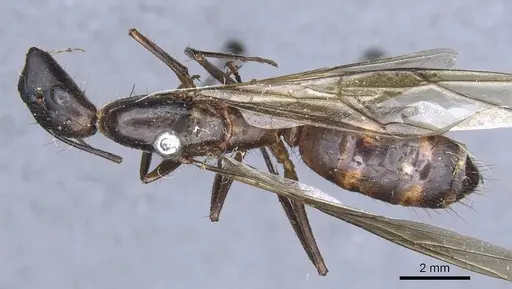
Literature
Loading...Loading products...