

Camponotus postangulatus
- Scientific Name
- Camponotus postangulatus
- Subgenus
- Myrmostenus
- Tribe
- Camponotini
- Subfamily
- Formicinae
- Author
- Emery, 1911
- Distribution
- Found in 0 countries
Camponotus postangulatus Overview
Camponotus postangulatus is an ant species of the genus Camponotus. It is primarily documented in 0 countries . Detailed taxonomic data and occurrence records can be further explored via authoritative databases such as AntWeb or the Global Biodiversity Information Facility (GBIF).
Camponotus postangulatus
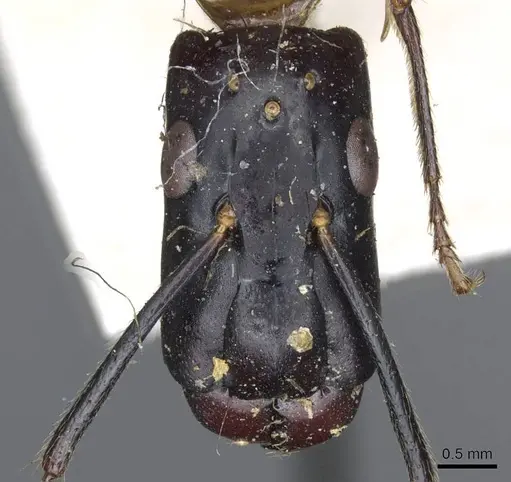
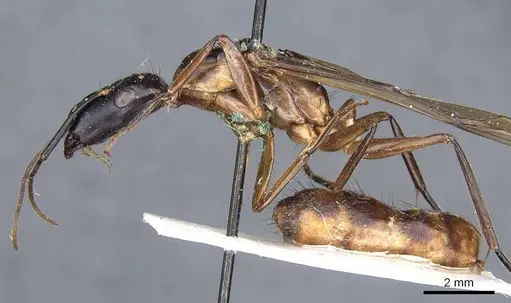
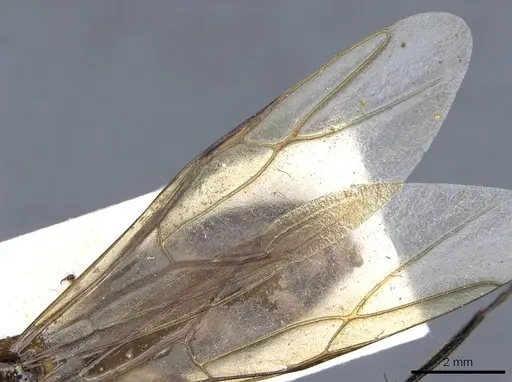
Camponotus postangulatus is a rare ant species from the Myrmostenus subgenus, known only from a single queen specimen collected in Peru [1]. The queen measures approximately 3.6mm in head length with distinctive strongly convex clypeus and well-developed occipital angles at the back of the head [2]. This species is closely related to Colobopsis longipilis but can be distinguished by its unique head structure. Unfortunately, no workers, colony samples, or biological observations have ever been documented, the queen described by Emery in 1911 remains the only known specimen [2]. This makes C. postangulatus one of the least known ant species in cultivation, with essentially no captive breeding history.
Quick Summary
- Difficulty: Expert
- Origin & Habitat: Central Peru (Pachitea region), Neotropical zone [1][2]
- Colony Type: Unconfirmed, only known from a single queen specimen, no colony data exists
- Size & Growth:
- Queen: 3.62mm head length (HL) [2]
- Worker: Unknown, no worker specimens have been described
- Colony: Unknown, no colony observations exist
- Growth: Unknown
- Development: Unknown, no breeding or development data exists for this species (All development timelines are estimates based on typical Camponotus genus patterns, as this species has never been bred in captivity)
- Antkeeping:
- Temperature: Estimated 22-26°C based on typical Camponotus requirements and Peru's tropical climate. Provide a temperature gradient so ants can self-regulate.
- Humidity: Estimated 50-70%, aim for moderate humidity with some drier areas available. Mist occasionally and keep substrate lightly moist.
- Diapause: Unknown, no seasonal data exists. Related tropical Camponotus species typically do not require hibernation, but this is unconfirmed for this specific species.
- Nesting: No natural nesting observations exist. Based on Myrmostenus subgenus preferences and related species, they likely prefer nesting in rotting wood or soil cavities. In captivity, a Y-tong (AAC) nest or plaster nest with narrow chambers works well for Camponotus species.
- Behavior: Completely unstudied, no behavioral observations exist for this species. Based on genus-level inference, they are likely moderate-sized Camponotus ants with typical carpenter ant behavior: moderately aggressive, foragers that likely tend honeydew and hunt small insects. Escape risk is moderate given the queen's 3.6mm size, standard escape prevention measures recommended.
- Common Issues: this species has never been documented in the antkeeping hobby, no established care protocols exist, no workers have ever been described, making colony establishment from wild-caught queens impossible to verify, related species suggest claustral founding, but this is unconfirmed for postangulatus, obtaining this species is extremely difficult as it is only known from a single historical specimen, without any biological data, keepers must rely entirely on genus-level estimates for all care parameters
Species Overview and Identification
Camponotus postangulatus belongs to the Myrmostenus subgenus of Camponotus, a group of ants found primarily in South America. The species was originally described by Emery in 1911 from a single queen collected in Peru's Pachitea region. It was initially classified as a variety of Colobopsis longipilis but was elevated to species status by Mackay in 1997 based on distinctive morphological differences [2]. The key identifying features include strongly convex clypeus with a well-developed carina, well-differentiated occipital angles at the back of the head, and the absence of erect hairs on the ventral surface of the head, features that separate it from the similar C. longipilis [2]. The queen measures approximately 3.62mm in head length, making it a moderately sized ant [2].
Distribution and Habitat
This species is known only from Peru, specifically the Pachitea region in central Peru [1][2]. No additional specimens have been collected since the original description, suggesting either extreme rarity or very localized distribution. The type locality falls within the Neotropical zone, suggesting a preference for tropical or subtropical conditions. No information exists about their specific microhabitat preferences, nesting sites, or elevation range, all of this would be speculative based on related species.
Current State of Knowledge
Camponotus postangulatus represents one of the most poorly documented ant species in the Formicidae family. The entire scientific knowledge base consists of a single queen specimen described nearly a century ago, no workers, no males, no colony samples, and absolutely no biological or ecological observations have ever been published [2]. This means every aspect of their behavior, diet, colony structure, development timeline, and care requirements is completely unknown. For antkeepers, this presents a unique challenge: there are no established protocols, no success stories to learn from, and no way to verify if care approaches are appropriate. Any husbandry advice must be treated as highly experimental and based primarily on inference from related Camponotus species.
Inferred Care Guidelines
Since no species-specific care data exists, keepers must rely on genus-level information for Camponotus ants. Based on typical Camponotus patterns, the queen likely seals herself in a chamber during founding (claustral founding) and survives on stored fat reserves until her first workers emerge. Temperature should be kept in the 22-26°C range with a gentle gradient. Humidity around 50-70% with occasional misting is appropriate. Feeding would likely follow typical Camponotus diet: sugar sources (honey, sugar water) and protein (insects, mealworms). However, these are all estimates, the actual requirements of this species could differ significantly. Start with conservative parameters and observe colony behavior to adjust.
Availability and Acquisition
Camponotus postangulatus is essentially unavailable in the antkeeping hobby. The species is known only from a single historical specimen, and no additional field collections have been documented. It is not listed in commercial ant vendor catalogs, and no captive breeding lines exist. This is not a species that hobbyists can realistically obtain or attempt to keep. For those interested in rare and unusual species, more accessible options exist within the Camponotus genus that have established care protocols and available stock. This caresheet exists primarily as documentation of what is known about this mysterious species. [2]
Frequently Asked Questions
Can I keep Camponotus postangulatus in captivity?
No, this species is essentially unavailable in the antkeeping hobby. It is known only from a single queen specimen collected in Peru over 100 years ago, and no additional specimens or breeding stock have ever been documented. No established care protocols exist, and no source for obtaining this species is known.
How long do Camponotus postangulatus workers live?
Unknown, no workers have ever been described for this species, so no lifespan data exists. Typical Camponotus workers live several months to a few years, but this is purely speculative for C. postangulatus.
What do Camponotus postangulatus eat?
Unknown, no feeding observations exist for this species. Based on typical Camponotus diet, they likely accept sugar sources (honey, sugar water) and protein (insects), but this is entirely inferred, not confirmed.
Are Camponotus postangulatus queens hard to find?
This species is only known from a single historical queen specimen from Peru. No recent collections have been documented, suggesting either extreme rarity or that the species has never been successfully located again since the original discovery.
Do Camponotus postangulatus need hibernation?
Unknown, no seasonal data exists for this species. As a tropical Peruvian species, they likely do not require hibernation, but this is unconfirmed.
How big do Camponotus postangulatus colonies get?
Unknown, no colony size data exists. Most Camponotus colonies reach hundreds to thousands of workers, but C. postangulatus may have completely different colony dynamics given its extreme rarity.
What temperature is best for Camponotus postangulatus?
Estimated 22-26°C based on typical Camponotus requirements and Peru's tropical climate. No species-specific temperature data exists, this is a starting point based on genus-level inference.
Is Camponotus postangulatus a good species for beginners?
No. This species is not only extremely difficult or impossible to obtain, but also completely lacks any established care protocols. It is documented only from a single historical specimen with no biological information. No beginner should attempt this species.
How long does it take for Camponotus postangulatus to develop from egg to worker?
Unknown, no development data exists for this species. Typical Camponotus species take 6-10 weeks from egg to first worker at optimal temperature, but this is genus-level inference, not species-specific data.
Can I keep multiple Camponotus postangulatus queens together?
Unknown, no colony structure data exists for this species. Camponotus is typically monogyne (single queen), but some species are polygynous. Without any biological observations, this cannot be determined.
References

This caresheet is licensed under CC BY-SA 4.0 .
CASENT0905509
View on AntWeb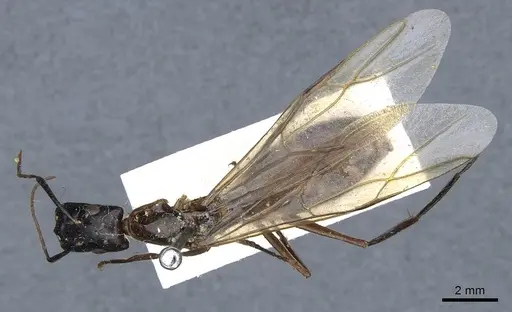
Literature
Loading...Loading products...