

Camponotus simpsoni
- Scientific Name
- Camponotus simpsoni
- Tribe
- Camponotini
- Subfamily
- Formicinae
- Author
- McArthur, 2003
- Distribution
- Found in 1 countries
Camponotus simpsoni Overview
Camponotus simpsoni is an ant species of the genus Camponotus. It is primarily documented in 1 countries , including Australia. Detailed taxonomic data and occurrence records can be further explored via authoritative databases such as AntWeb or the Global Biodiversity Information Facility (GBIF).
Camponotus simpsoni
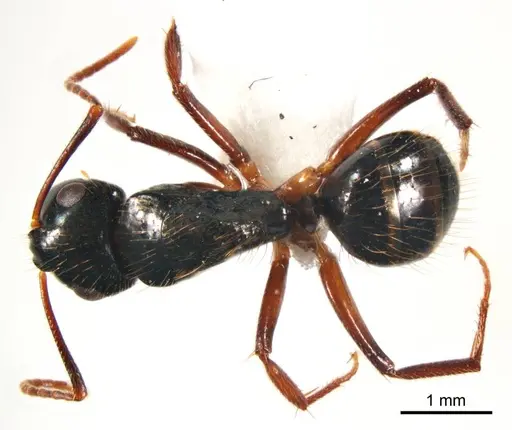
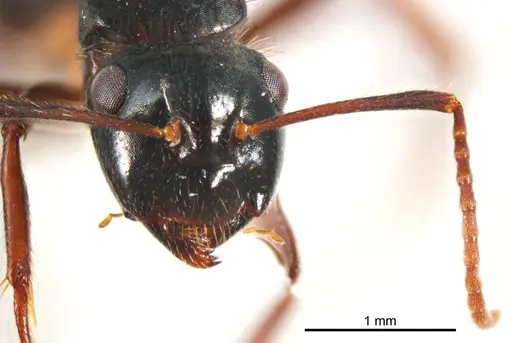
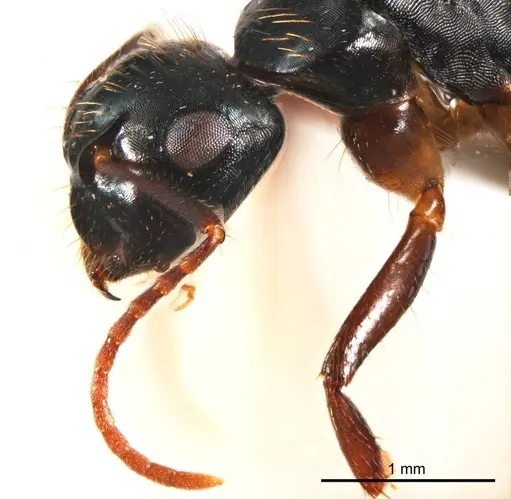
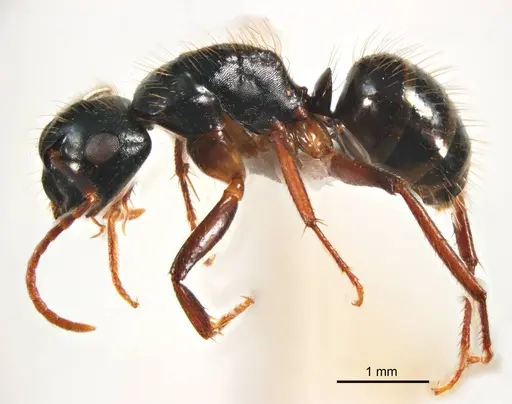
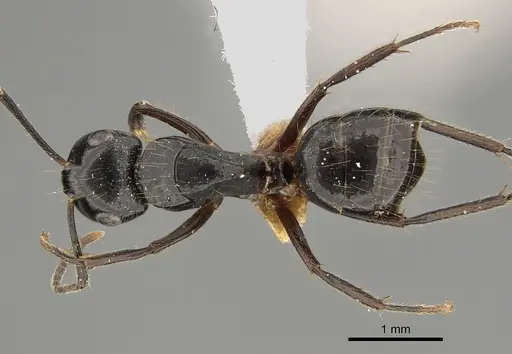
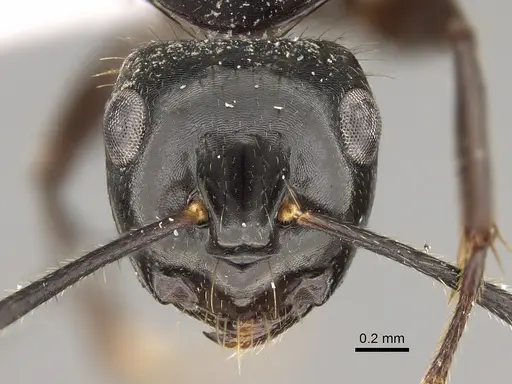
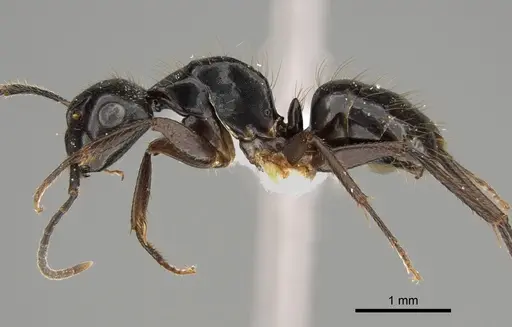
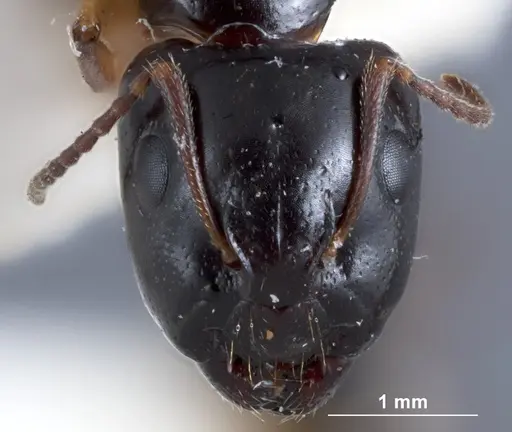
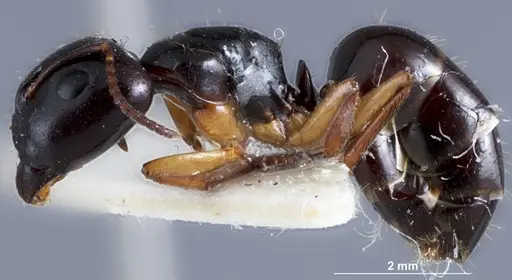
Camponotus simpsoni is a recently described carpenter ant species from Western Australia, first identified in 2003. Workers are black with lighter-colored legs, and the species shows distinct major and minor worker castes. Majors have heads with straight, parallel sides and a clypeus with two prominent teeth, while minors have a high, blunt node and an evenly convex mesosoma. The species is distinguished from its close relative Camponotus lownei by having fewer and shorter erect setae (bristles) across all body parts, particularly lacking long erect setae on the underside of the head [1][2]. This ground-nesting ant has been documented in multiple surveys across Western Australia, including Barrow Island [3].
Quick Summary
- Difficulty: Medium
- Origin & Habitat: Western Australia, Australia. This species nests in the ground across arid and semi-arid regions of southwestern Australia [4].
- Colony Type: Single-queen (monogyne) colonies typical for Camponotus. Colony size reaches moderate numbers of workers [4].
- Colony: Monogyne
- Founding: Claustral
- Size & Growth:
- Queen: Estimated 12-16mm based on Camponotus genus patterns, direct measurements not documented
- Worker: Majors 8-12mm, minors 5-8mm [2]
- Colony: Likely several hundred workers based on typical Camponotus colony development
- Growth: Moderate, Camponotus species typically grow steadily but not rapidly
- Development: Estimated 6-10 weeks based on typical Camponotus development at optimal temperature (Development time inferred from genus patterns, specific data for this species unavailable)
- Antkeeping:
- Temperature: Keep at 22-26°C. Provide a temperature gradient allowing workers to choose their preferred warmth. Room temperature is often suitable within this range.
- Humidity: Low to moderate. These ants come from arid to semi-arid regions of Western Australia, so keep the nest substrate relatively dry with occasional moist areas for brood. Avoid constant dampness.
- Diapause: Yes, a winter rest period of 8-12 weeks at 10-15°C is recommended, mimicking their natural seasonal cycle in temperate regions.
- Nesting: Ground-nesting species. A naturalistic setup with soil or sand substrate works well. Y-tong (AAC) or plaster nests with dry to moderately humid chambers are also suitable. Provide a deep substrate layer for potential burrowing.
- Behavior: Workers are moderately active and forage for sugar sources and protein. Like other Camponotus, they may tend aphids for honeydew. Majors can deliver a moderately painful bite if threatened, though they are not particularly aggressive. Escape prevention should be moderate, these are medium-sized ants but can climb smooth surfaces. A standard barrier like fluon on rim edges works well.
- Common Issues: colonies may struggle if kept too humid, ensure good ventilation and avoid waterlogged substrates, hibernation failure is common, ensure proper cooling period of 8-12 weeks at 10-15°C, slow growth can frustrate beginners, Camponotus take time to establish, be patient with founding colonies, queen loss during founding is possible, claustral queens seal themselves in and may fail if disturbed or stressed, wild-caught colonies may carry parasites, quarantine and monitor new colonies carefully
Nest Preferences and Housing
Camponotus simpsoni is a ground-nesting species that naturally burrows into soil or uses existing cavities in the ground. In captivity, you can house them in several ways. A naturalistic setup with a deep soil/sand mixture allows them to excavate their own tunnels, which many keepers find rewarding to observe. Alternatively, Y-tong (AAC) nests work well, choose one with chambers sized appropriately for their medium size. Plaster nests are another option, but keep the moisture level lower than you would for tropical species since this is an arid-region ant. The outworld should include a water tube and feeding area. Escape prevention is straightforward, these ants are not exceptional climbers like some Camponotus, but standard barriers on the rim of the nest will prevent escapes. [3][4]
Feeding and Diet
Like other carpenter ants, Camponotus simpsoni is omnivorous with a preference for sugar sources. Offer sugar water, honey, or diluted maple syrup as a constant energy source. For protein, provide insects like fruit flies, small crickets, mealworms, or other appropriately sized prey. In the wild, these ants forage for nectar and honeydew from aphids and scale insects, so they will readily accept sweet liquids. Feed protein sources 2-3 times per week, and keep sugar water available at all times. Remove uneaten prey after 24-48 hours to prevent mold. Growing colonies will consume more protein, while established colonies may focus more on sugars. Observe your colony's preferences and adjust accordingly. [4]
Temperature and Seasonal Care
Maintain nest temperatures between 22-26°C with a slight gradient so workers can regulate their own exposure to warmth. Room temperature often falls within this range. During the active summer months, they will be most productive at the warmer end of this range. In winter, a diapause (hibernation) period is essential for this temperate species. Reduce temperatures to 10-15°C for 8-12 weeks, typically from late autumn through winter. During diapause, reduce food offerings significantly, the colony will be much less active. Do not feed during the deepest part of the hibernation period. After hibernation, gradually warm the colony back to room temperature and resume normal feeding. This seasonal cycle helps maintain colony health and triggers reproductive behavior in spring. [4]
Colony Founding and Development
Newly mated queens will found colonies claustrally, they seal themselves into a small chamber and raise the first brood using stored fat reserves. This means you should not disturb a founding queen or offer food during this phase. The queen will lay eggs, and after several weeks (typically 4-8 weeks depending on temperature), the first workers (nanitics) will emerge. These initial workers are smaller than mature workers but will begin foraging for the colony. After the first workers arrive, you can begin offering small amounts of sugar water and protein. The colony will grow slowly at first, with workers gradually increasing in size as the colony establishes. Major workers (larger individuals) will appear as the colony matures. Be patient, Camponotus colonies can take several months to a year to become established, but once they do, growth accelerates. [4]
Behavior and Temperament
Camponotus simpsoni workers are moderately active and will forage throughout the nest and outworld. They are not particularly aggressive toward keepers but can defend the nest if threatened. The major workers can deliver a noticeable bite if handled roughly, though they are generally docile. Workers communicate through chemical trails and will recruit nestmates to food discoveries. The colony will establish defined foraging patterns. Unlike some tropical Camponotus that are extremely prolific, this species maintains moderate colony sizes. Workers vary significantly in size, with majors serving as the 'soldiers' and foragers for larger prey items, while minors handle most daily tasks. Observe your colony's behavior patterns to understand their rhythms and preferences. [4]
Frequently Asked Questions
How long does it take for Camponotus simpsoni to have first workers?
First workers (nanitics) typically appear 6-10 weeks after the queen lays eggs, assuming temperatures around 24°C. This is typical for Camponotus species. The exact timing depends on temperature, warmer conditions speed development slightly, while cooler temperatures slow it down.
What temperature do Camponotus simpsoni need?
Keep them at 22-26°C with a slight gradient. Room temperature is often suitable. They benefit from a warm spot around 25°C for optimal brood development, with cooler areas available for regulation.
Do Camponotus simpsoni need hibernation?
Yes, a winter diapause of 8-12 weeks at 10-15°C is recommended. This mimics their natural seasonal cycle in Western Australia and helps maintain colony health. Reduce feeding during this period and avoid disturbing the colony.
How big do Camponotus simpsoni colonies get?
Colonies likely reach several hundred workers based on typical Camponotus patterns. This is a moderate-sized carpenter ant, not as prolific as some tropical species, but colonies can still become substantial over several years.
What do I feed Camponotus simpsoni?
Offer sugar water, honey, or maple syrup constantly for energy. For protein, provide insects like fruit flies, small crickets, or mealworms 2-3 times per week. Remove uneaten prey after 24-48 hours.
Is Camponotus simpsoni good for beginners?
This species is rated as medium difficulty. They are more forgiving than some exotic tropical species because they tolerate lower humidity and have straightforward temperature needs. However, their slower growth and hibernation requirements make them better suited for keepers who have already kept a founding colony successfully.
When should I move Camponotus simpsoni to a formicarium?
Wait until the colony has at least 20-30 workers and is actively foraging before considering a formicarium. For the first few months, a simple test tube setup or small outworld is sufficient. Moving too early can stress the colony. A naturalistic setup or Y-tong nest works well once the colony is established.
Can I keep multiple Camponotus simpsoni queens together?
No, this is a monogyne (single-queen) species. Multiple unrelated queens will fight. Only keep one queen per colony. If you find multiple queens in the wild, they are likely from different colonies.
Why is my Camponotus simpsoni colony not growing?
Several factors could be at play: temperatures may be too low (below 20°C slows development significantly), humidity may be too high (they prefer drier conditions), or the queen may be stressed. Ensure proper conditions and avoid disturbing the colony. Also verify the queen is still alive and laying eggs.
References

This caresheet is licensed under CC BY-SA 4.0 .
Literature
Loading...Loading products...