

Camponotus lownei
- Scientific Name
- Camponotus lownei
- Subgenus
- Thlipsepinotus
- Tribe
- Camponotini
- Subfamily
- Formicinae
- Author
- Forel, 1895
- Distribution
- Found in 1 countries
Camponotus lownei Overview
Camponotus lownei is an ant species of the genus Camponotus. It is primarily documented in 1 countries , including Australia. Detailed taxonomic data and occurrence records can be further explored via authoritative databases such as AntWeb or the Global Biodiversity Information Facility (GBIF).
Camponotus lownei
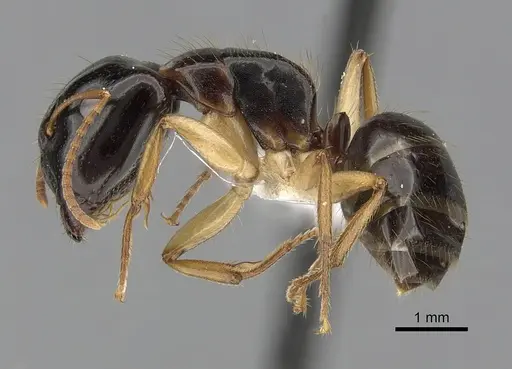
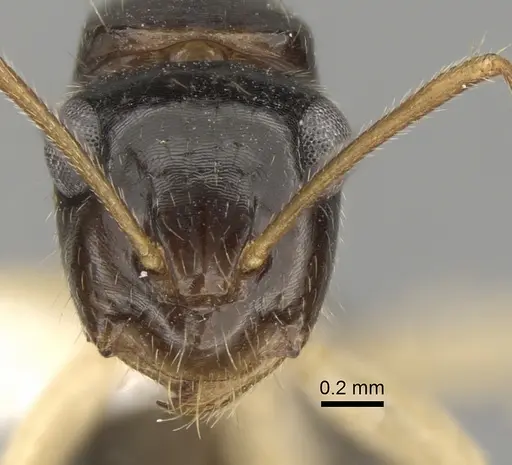
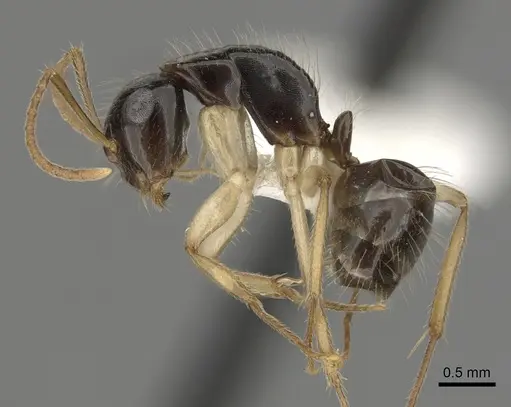
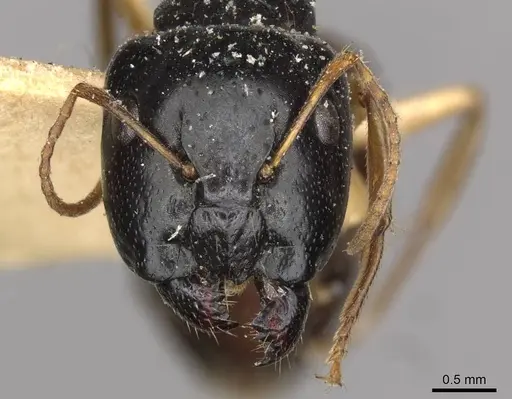
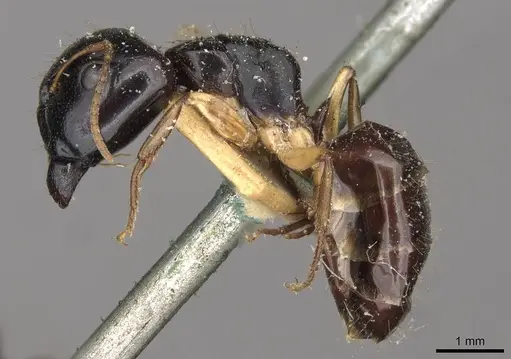
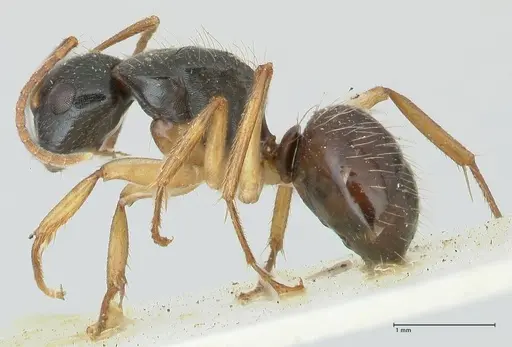
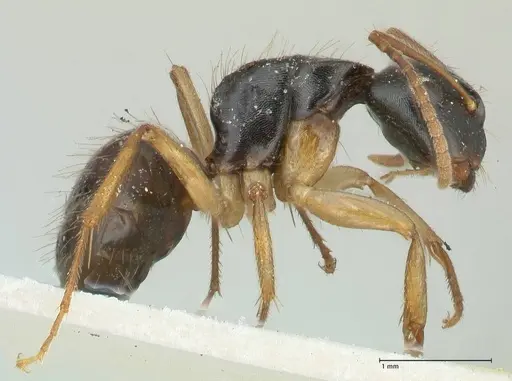
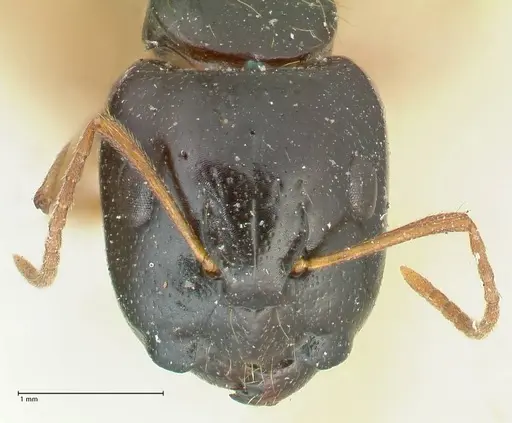
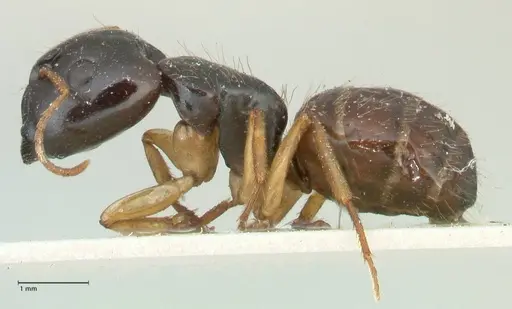
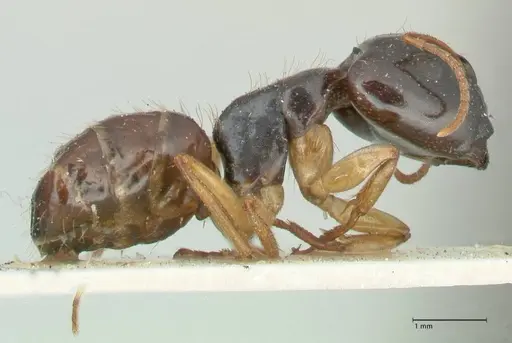
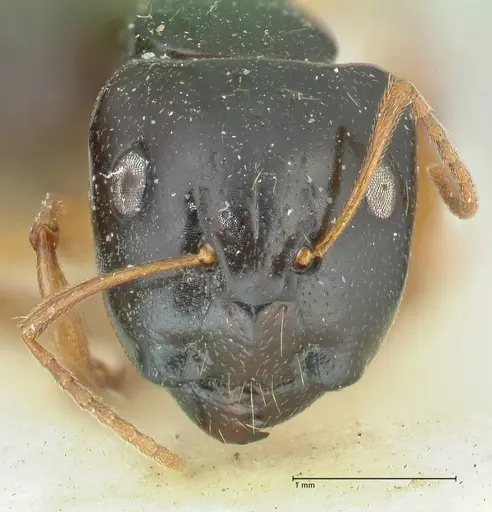
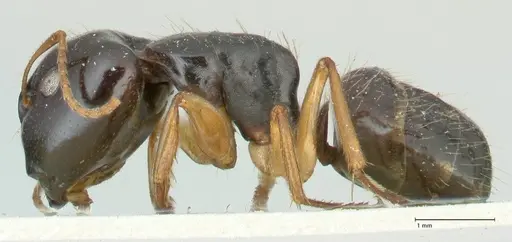
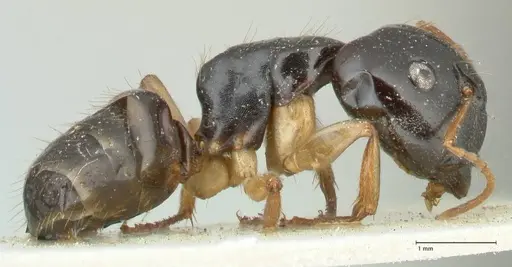
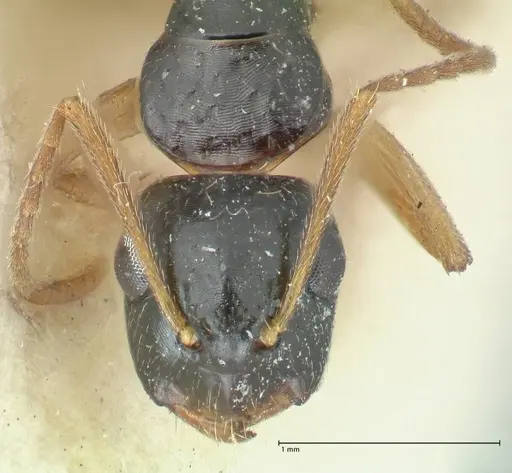
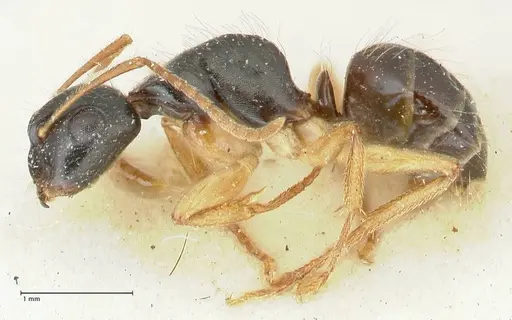
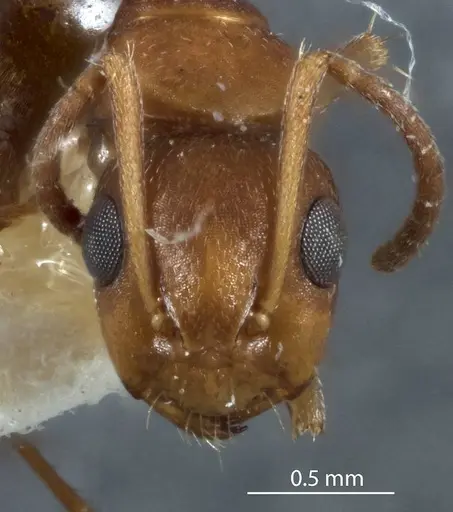
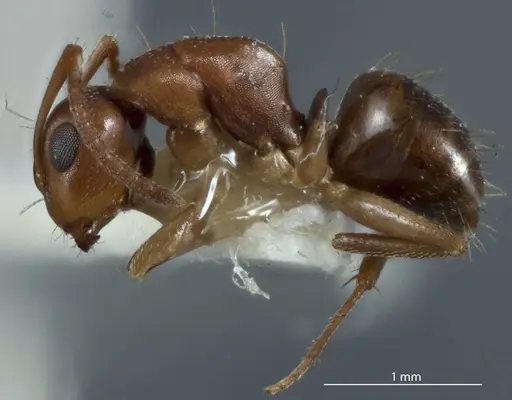
Camponotus lownei is a small to medium-sized carpenter ant native to Australia, found throughout NSW, SA and WA. Major workers measure 7.5-8mm while minor workers are notably smaller at 4.7-5mm, giving them a compact appearance. The species has a distinctive appearance with a black body, light yellow limbs and abdominal segments, and reddish-yellow antennae and tarsi. The head is nearly square with a strong indentation at the back, and the thorax is short and rapidly narrows toward the rear. This ant belongs to the Camponotini tribe and is known to host Blochmannia bacteria, a nutritional symbiosis acquired through tending sap-feeding insects. The species is ubiquitous and common in almost all non-urban environments across its range [1]. A notable trait of this species is its timidity, when disturbed, workers readily seek refuge in leaf litter rather than engaging, making them a peaceful addition to an ant collection [1].
Quick Summary
- Difficulty: Easy
- Origin & Habitat: Australia (New South Wales, South Australia, Western Australia), found in non-urban environments, likely forested areas [1]
- Colony Type: Single-queen colonies (monogyne) based on typical Camponotus patterns. Colony structure is inferred from genus patterns as specific data for this species is limited.
- Colony: Monogyne
- Founding: Claustral
- Size & Growth:
- Queen: Unknown, not described in available literature. Estimated 10-12mm based on typical Camponotus queen size.
- Worker: Major: 7.5-8mm, Minor: 4.7-5mm [2]
- Colony: Unknown, estimated moderate (several hundred workers) based on typical Camponotus colony sizes
- Growth: Moderate, based on typical Camponotus development patterns
- Development: 6-8 weeks (estimated based on typical Camponotus development at optimal temperature) (Development time is estimated from genus-level data. Camponotus species typically take 6-8 weeks from egg to first worker at warm temperatures (around 24-26°C).)
- Antkeeping:
- Temperature: Keep at 24-28°C. As an Australian species from temperate regions, they prefer warm conditions but not extreme heat. A temperature gradient allowing them to choose their preferred spot is ideal.
- Humidity: Moderate humidity (50-60%). They prefer dry to moderately humid conditions typical of Australian non-urban environments. Provide a water tube for drinking water.
- Diapause: Yes, Australian temperate species require a winter rest period. Keep at 10-15°C for 2-3 months during winter (May-August in Northern Hemisphere).
- Nesting: In captivity, they do well in Y-tong (AAC) nests, plaster nests, or test tube setups. They are not wood-nesting (carpenter ant) in the destructive sense, they likely nest in pre-existing cavities in soil or under stones in the wild. Provide dark, quiet nesting areas.
- Behavior: Timid and non-aggressive. When disturbed, workers quickly retreat into the nest or seek shelter in litter rather than defend [1]. They are probably nocturnal or crepuscular based on their behavior patterns [1]. Workers are small but not particularly known for escaping, standard escape prevention (Fluon barriers) is sufficient. They tend sap-feeding insects for honeydew and likely forage at night. They show moderate activity levels and are peaceful toward keepers.
- Common Issues: colonies may be slow to establish, patience is needed during the founding stage, timid nature means they may stay hidden during daytime observations, winter diapause is essential, skipping hibernation can weaken or kill the colony, small minor workers may have trouble with larger prey items, cut prey to appropriate sizes
Housing and Nest Setup
Camponotus lownei does well in various captive setups. Y-tong (AAC) nests work excellently, the porous surface helps maintain appropriate humidity while providing dark chambers for the colony. Plaster nests are another good option, as they allow you to control moisture levels. A simple test tube setup with a water reservoir also works for founding colonies. For the outworld, use a standard formicarium with a foraging area. Since they are likely nocturnal or crepuscular, provide some shaded areas in the outworld where they can forage comfortably. A thin layer of substrate (soil or sand) in the foraging area gives them something to walk on. They are not aggressive chewers, so acrylic setups work fine. Use standard escape prevention with Fluon on the edges of the outworld. [1]
Feeding and Diet
Like other Camponotus species, C. lownei is omnivorous with a preference for sugar sources. They will readily accept sugar water, honey, or diluted maple syrup. For protein, offer small insects like fruit flies, small crickets, mealworms, or waxworms. Since minor workers are quite small (4.7-5mm), cut larger prey into smaller pieces. They likely tend sap-feeding insects in the wild (they host Blochmannia bacteria from this behavior), so sugar sources are important [3]. Feed protein 2-3 times per week and keep a constant sugar water supply. Remove uneaten prey after 24 hours to prevent mold.
Temperature and Seasonal Care
Maintain temperatures between 24-28°C for optimal colony growth. They can tolerate room temperature (20-24°C) but development will be slower. A small heating cable on one side of the nest creates a gradient allowing the ants to choose their preferred temperature. As an Australian species, they require a winter diapause period. During winter (roughly November-February in the Southern Hemisphere, or May-August if simulating Australian seasons), reduce temperature to 10-15°C and stop feeding. If you keep them at room temperature in a climate-controlled building, you may need to artificially induce hibernation by moving them to a cooler location. Do not feed during diapause but ensure water is available. [1]
Behavior and Observation
This is a timid, peaceful species that prefers to flee rather than fight [1]. When you open the nest or disturb them, workers will quickly retreat rather than swarm out defensively. This makes them less exciting to observe than some aggressive species, but they are still fascinating to watch. They are probably nocturnal or crepuscular, meaning you may see more activity in the evening or early morning [1]. Workers are small but not particularly prone to escaping, standard escape prevention measures are adequate. The colony will establish a foraging pattern once they settle in, and you can watch them carry protein back to the nest or tend to their sugar water. Their timid nature means they may not emerge immediately when you observe, so be patient.
Colony Development
Like all Camponotus species, the founding queen will seal herself into a claustral chamber and raise her first brood alone using stored fat reserves. The first workers (nanitics) will be smaller than normal workers. After the first workers emerge, the colony enters a growth phase. Expect slow but steady growth through the first year. Camponotus colonies can live for many years, queens can live 15+ years in captivity. Growth rate is moderate, you can expect the colony to reach 50-100 workers in the first year under good conditions, then accelerate. The major workers (7.5-8mm) will appear as the colony grows larger. Do not disturb the founding queen unnecessarily during the founding stage.
Frequently Asked Questions
How long does it take for Camponotus lownei to produce first workers?
First workers typically appear in 6-8 weeks after the queen lays eggs, assuming temperatures around 24-28°C. This is typical for Camponotus species. The first workers will be smaller (nanitics) and the colony will grow slowly at first.
What temperature do Camponotus lownei need?
Keep them at 24-28°C for optimal growth. They can tolerate 20-24°C but development will be slower. A temperature gradient is ideal so they can choose their preferred spot.
Do Camponotus lownei need hibernation?
Yes, as an Australian species they require a winter rest period. Keep them at 10-15°C for 2-3 months, typically during winter. Reduce feeding but ensure water is available. Skipping hibernation can weaken or kill the colony over time.
Can I keep multiple Camponotus lownei queens together?
No. Camponotus species are typically monogyne (single queen). Combining unrelated queens is not recommended and typically results in fighting. Only keep one queen per colony.
What do Camponotus lownei eat?
They are omnivorous. Offer constant sugar water, honey, or diluted maple syrup. For protein, provide small insects like fruit flies, small crickets, or mealworms. Cut larger prey into small pieces since minor workers are only 4.7-5mm.
Are Camponotus lownei good for beginners?
Yes, they are considered easy to keep. They are tolerant of minor husbandry mistakes, not aggressive, and don't require elaborate setups. Their timid nature means less defensive behavior to manage. The main requirements are warm temperatures, sugar feeding, and winter diapause.
How big do Camponotus lownei colonies get?
Colony size is not well documented, but based on typical Camponotus patterns, they likely reach several hundred workers over several years. The queen can live 15+ years, so colonies can grow quite large with patience.
When should I move Camponotus lownei to a formicarium?
Keep them in a test tube or small setup until the colony reaches at least 20-30 workers. Once the test tube becomes crowded or the water reservoir runs low, transfer to a larger nest like a Y-tong or plaster formicarium.
Why are my Camponotus lownei hiding all the time?
This is normal behavior, they are timid and probably nocturnal or crepuscular [1]. You will see more activity in the evening or early morning. They may also stay in the nest during bright daylight hours. This is not a problem, just their natural behavior.
References

This caresheet is licensed under CC BY-SA 4.0 .
CASENT0280215
View on AntWeb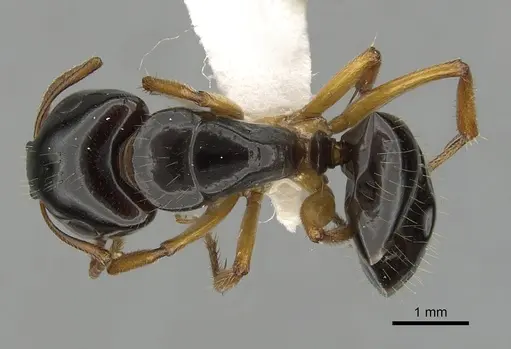
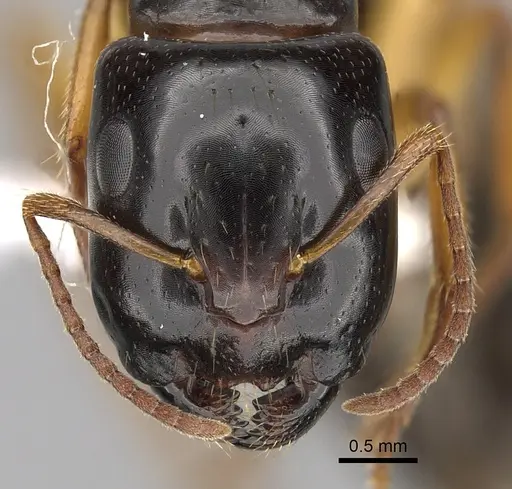
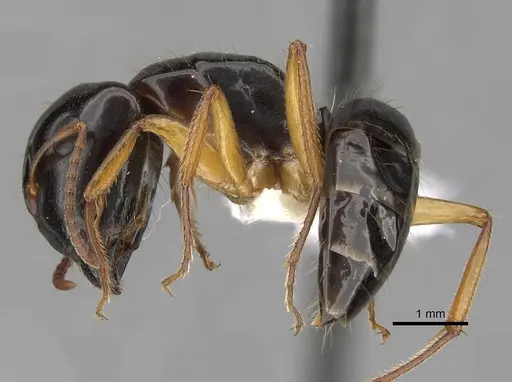
CASENT0280216
View on AntWeb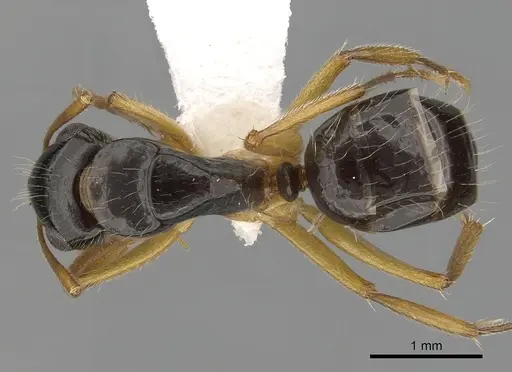
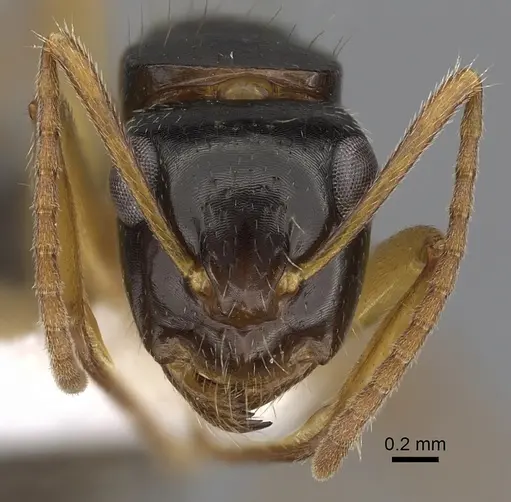
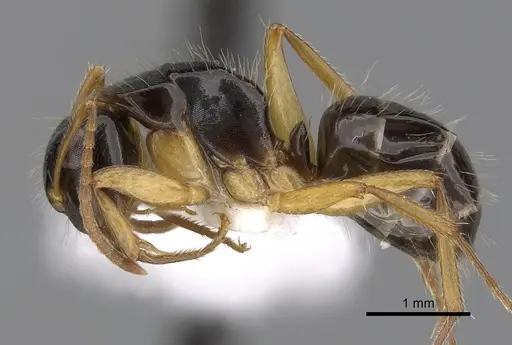
CASENT0280227
View on AntWeb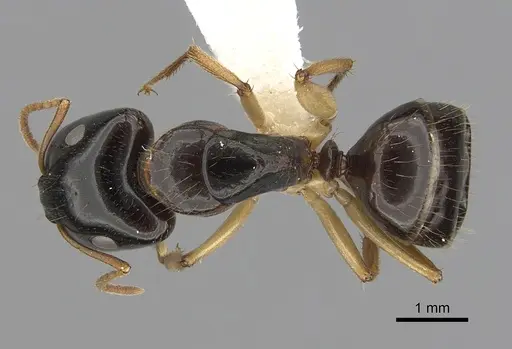
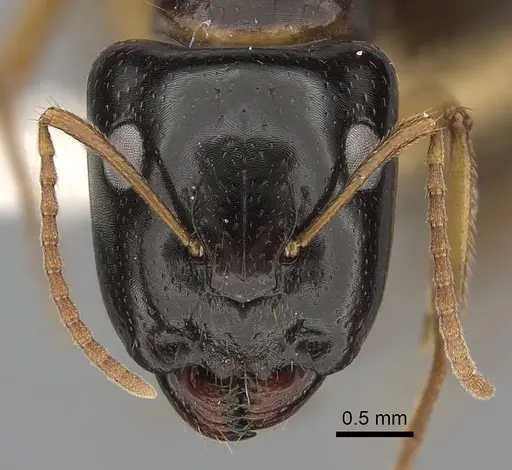
CASENT0280228
View on AntWeb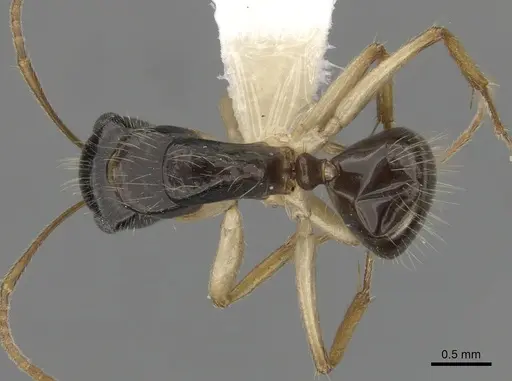
CASENT0910389
View on AntWeb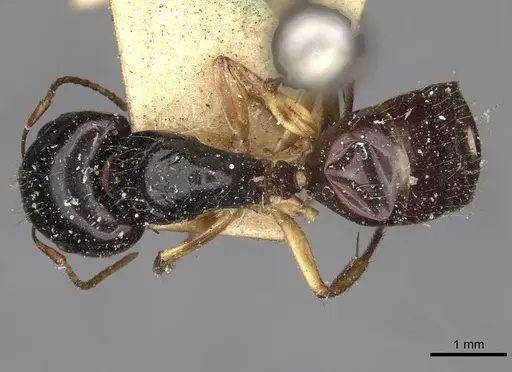
CASENT0910390
View on AntWeb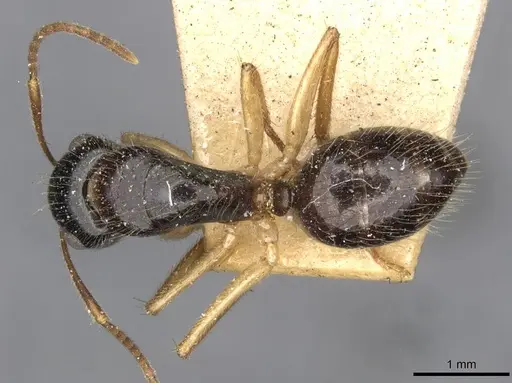
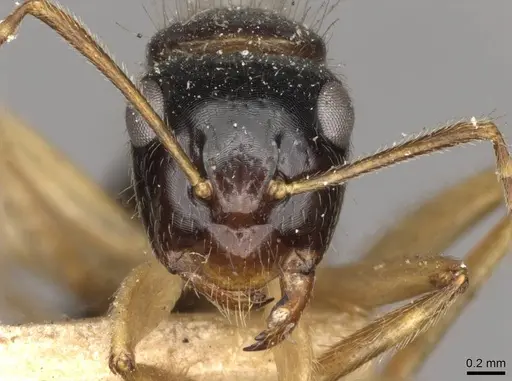
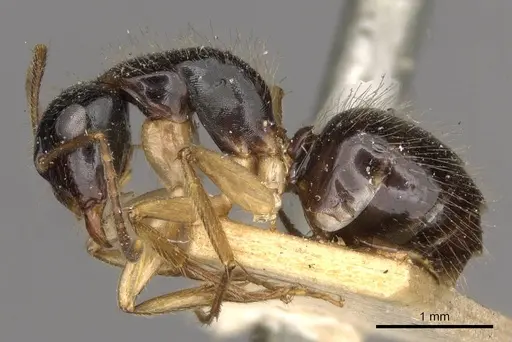
FOCOL2246
View on AntWeb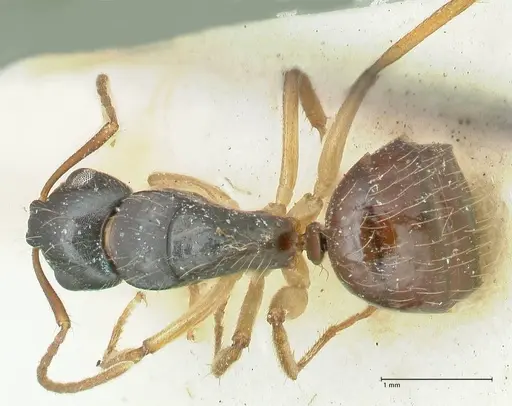
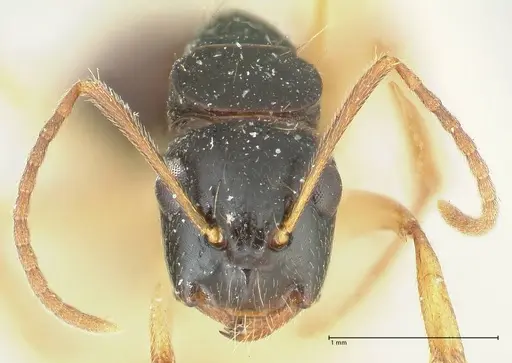
FOCOL2247
View on AntWeb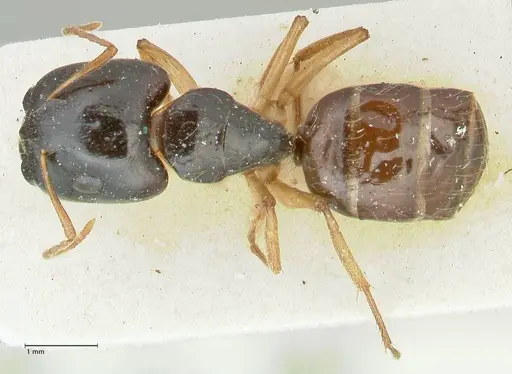
FOCOL2248
View on AntWeb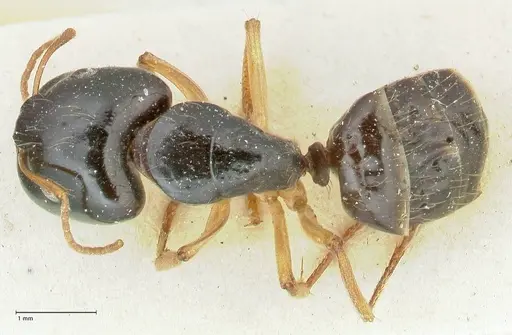
FOCOL2249
View on AntWeb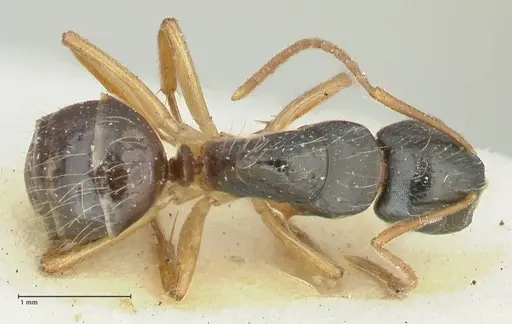
JDM32-001253
View on AntWeb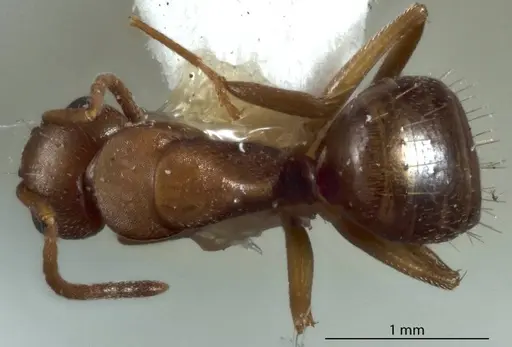
Literature
Loading...Loading products...