

Camponotus sexpunctatus
- Scientific Name
- Camponotus sexpunctatus
- Subgenus
- Tanaemyrmex
- Tribe
- Camponotini
- Subfamily
- Formicinae
- Author
- Forel, 1894
- Common Name
- Eastern Sugar Ant
- Distribution
- Found in 5 countries
Camponotus sexpunctatus Overview
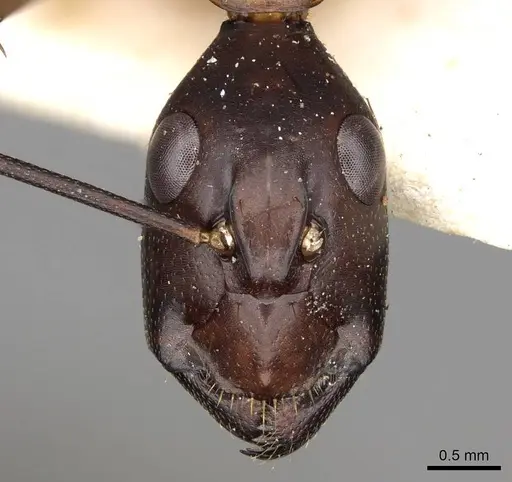
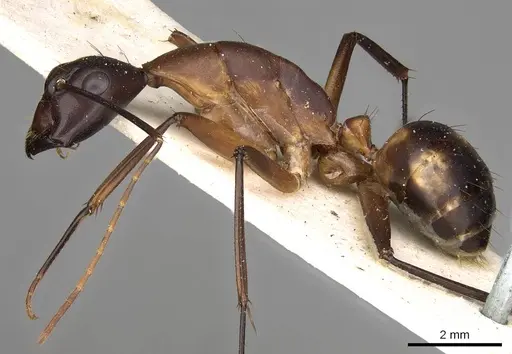
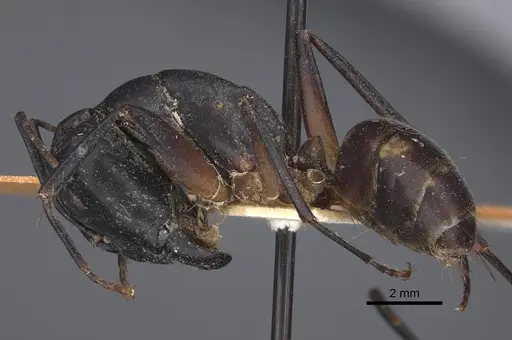
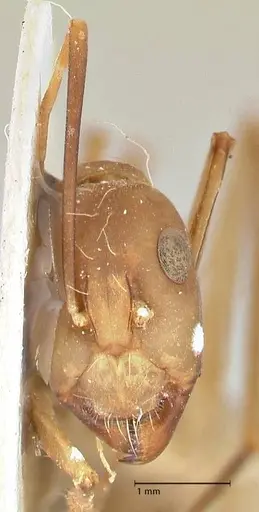
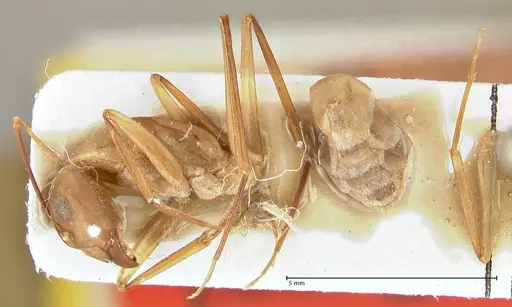
Camponotus sexpunctatus (commonly known as the Eastern Sugar Ant) is an ant species of the genus Camponotus. It is primarily documented in 5 countries , including Mozambique, Eswatini, South Africa. Detailed taxonomic data and occurrence records can be further explored via authoritative databases such as AntWeb or the Global Biodiversity Information Facility (GBIF).
Camponotus sexpunctatus - "Eastern Sugar Ant"
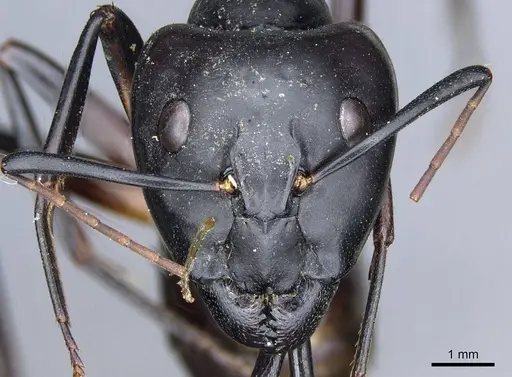
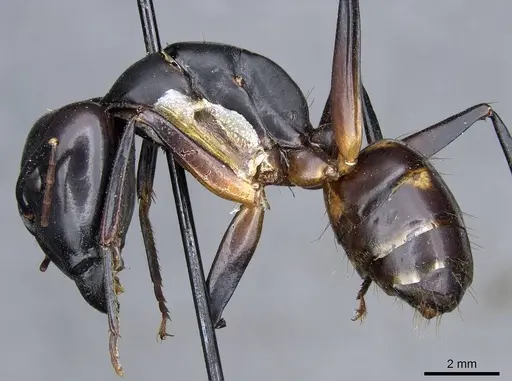
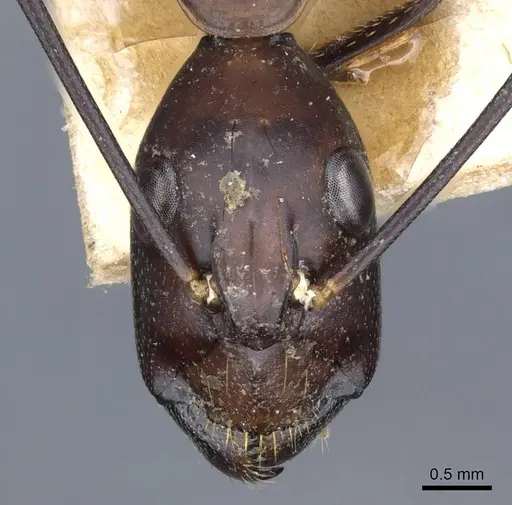
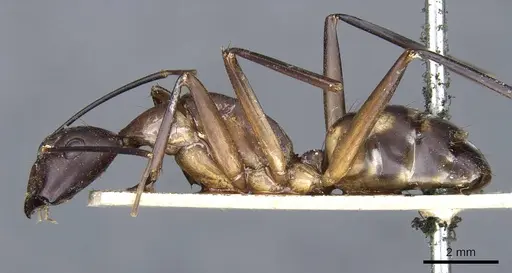
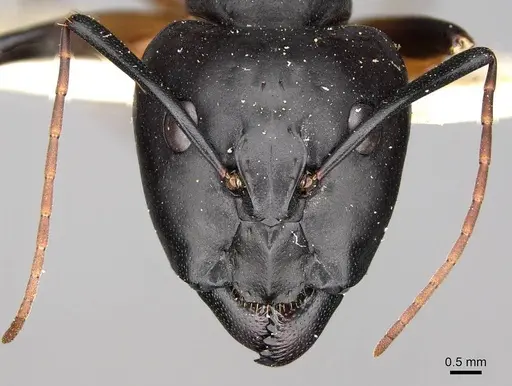
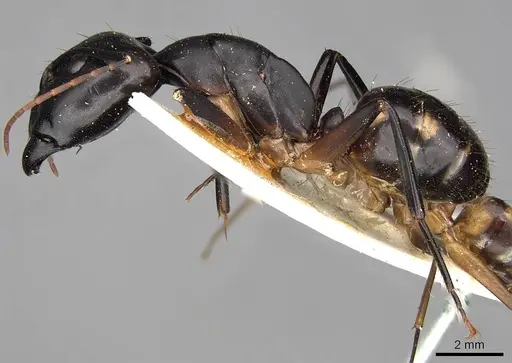
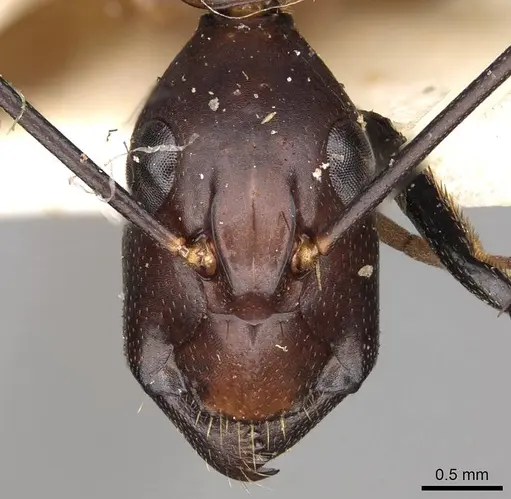
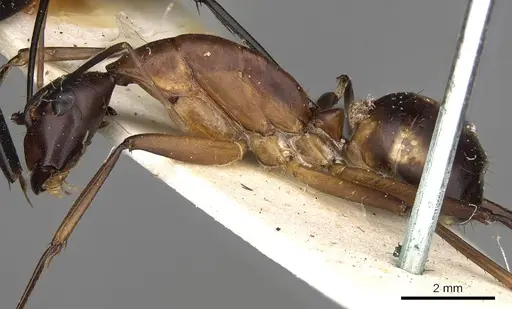
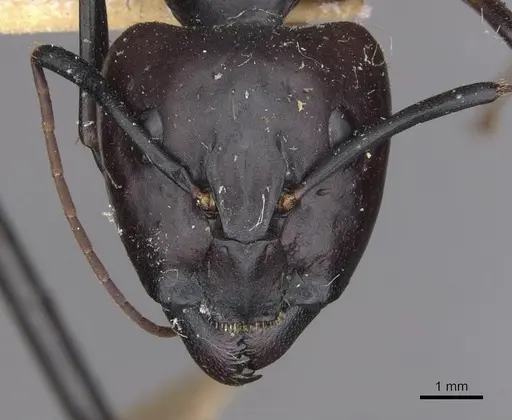
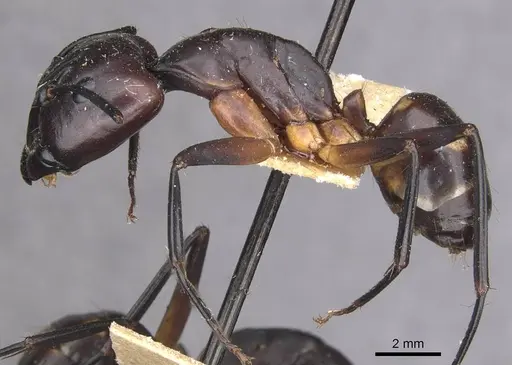
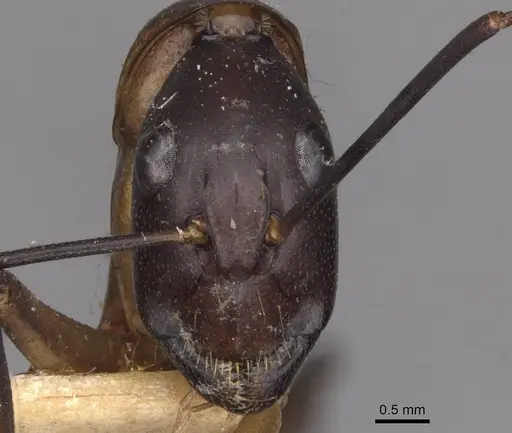
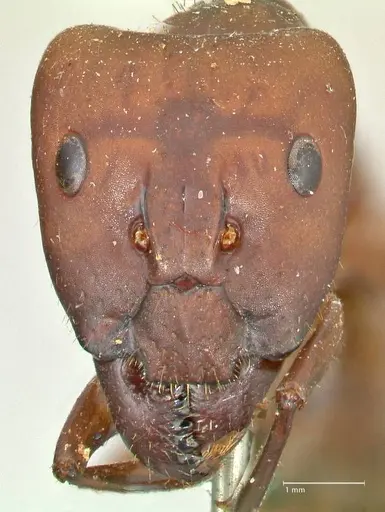
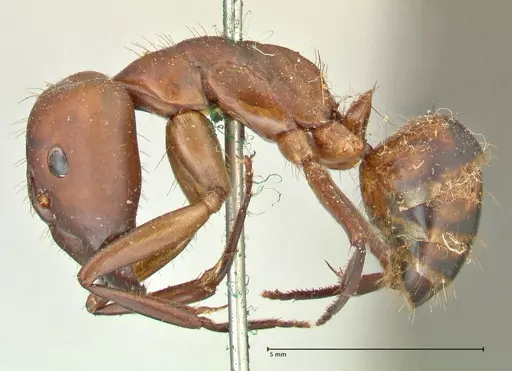
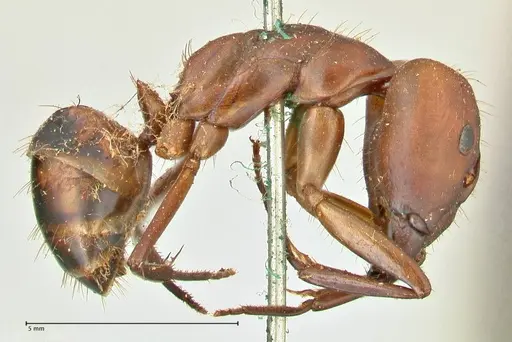
Camponotus sexpunctatus is a medium-sized carpenter ant species native to East Africa, found in Mozambique, Kenya, and Tanzania [1][2]. Originally described as a subspecies of Camponotus maculatus, it was later recognized as a distinct species. These ants belong to the Formicinae subfamily and are part of the Tanaemyrmex subgenus. Workers are typically reddish-brown to dark brown with a glossy appearance, characteristic of many Camponotus species. The species was first described by Forel in 1894 from specimens collected at Delagoa Bay in Mozambique.
As a Camponotus species, these ants are expected to show typical carpenter ant behaviors including nesting in wood cavities and maintaining moderate-sized colonies. The species occupies a tropical to subtropical range in East Africa, suggesting they prefer warmer temperatures and moderate humidity. While specific behavioral studies are lacking for this species, the genus Camponotus is well-known for being relatively docile compared to some other ant genera, with workers that are primarily active at night.
Quick Summary
- Difficulty: Medium
- Origin & Habitat: East Africa, found in Mozambique, Kenya, and Tanzania [1][2]. Based on the tropical distribution, they likely inhabit savanna and forest edge habitats where they nest in rotting wood or under bark.
- Colony Type: Likely monogyne (single queen colonies) based on typical Camponotus patterns. The species was originally classified as a subspecies of C. maculatus, which is known to form single-queen colonies.
- Colony: Monogyne
- Founding: Claustral
- Size & Growth:
- Queen: Estimated 12-15mm based on typical Camponotus queen size range [3]
- Worker: Estimated 6-10mm for minor workers,10-14mm for major workers based on genus patterns [3]
- Colony: Estimated up to 500-1000 workers based on typical Camponotus colony sizes [3]
- Growth: Moderate, Camponotus species typically take 6-10 weeks from egg to first worker [3]
- Development: 6-10 weeks at optimal temperature (around 24-28°C) based on typical Camponotus development [3] (Development time is inferred from genus patterns as species-specific data is not available. Higher temperatures within the safe range may accelerate development.)
- Antkeeping:
- Temperature: Keep at 24-28°C (warm room temperature). A heating cable on one side of the nest can create a gentle gradient. Based on their East African tropical distribution, they prefer warm conditions [3].
- Humidity: Moderate humidity around 50-70%. Keep the nest substrate slightly moist but allow some drying areas. Mist occasionally and provide a water source. These ants are adaptable to varying humidity levels [3].
- Diapause: Unlikely to require true hibernation given their tropical origin. However, they may show reduced activity during cooler periods. If your room temperature drops significantly in winter, consider reducing feeding and lowering temperatures slightly to 18-20°C for a few months.
- Nesting: In captivity, they do well in Y-tong (AAC) nests, plaster nests, or naturalistic setups with wood pieces. They prefer tight, dark chambers but will adapt to various nest types. Provide nesting chambers scaled to colony size, start small for founding colonies and expand as the colony grows [3].
- Behavior: Camponotus sexpunctatus is expected to be relatively docile with moderate aggression levels, typical of the genus. Workers are primarily nocturnal or crepuscular, foraging for sugar sources and protein. They likely have a moderate escape risk due to their medium size, they can climb smooth surfaces but are not as adept at escaping as smaller species. Major workers (soldiers) may defend the colony and assist with breaking larger food items. They probably use chemical trails for foraging recruitment [3].
- Common Issues: colonies may fail if temperatures drop too low, keep warm and avoid cold drafts, overfeeding can lead to mold problems in the nest, remove uneaten food promptly, queens may abandon founding chambers if disturbed too frequently during claustral founding, wild-caught colonies may carry parasites, quarantine and observe new colonies carefully, medium size means they can squeeze through small gaps, check lid seals regularly
Nest Preferences
In the wild, Camponotus sexpunctatus likely nests in rotting wood, under bark, or in soil cavities, typical nesting sites for East African Camponotus species. They prefer dark, enclosed spaces with stable humidity. For captive care, a Y-tong (AAC) nest works excellently as it provides the dark, tight chambers these ants prefer. Plaster nests with built-in water channels are also suitable and help maintain humidity. Naturalistic setups with cork or wood pieces can mimic their natural environment and make for an attractive display. When starting a colony from a queen, use a small test tube setup with a water reservoir, the queen will seal herself into a dark chamber and remain there until her first workers emerge. As the colony grows, you can transfer to a larger nest. Avoid exposing the nest to direct sunlight, as this can cause temperature fluctuations and drying. [3]
Feeding and Diet
Like most Camponotus species, C. sexpunctatus is omnivorous with a preference for sugar sources. Provide a constant supply of sugar water (1:1 ratio) or honey diluted with water. They will also accept protein from dead insects such as mealworms, crickets, and fruit flies. In the wild, they likely forage for honeydew from aphids and scale insects, so they may also accept small amounts of fruit. Feed protein prey 2-3 times per week, adjusting based on colony size, a small colony needs only small portions while mature colonies can handle larger prey items. Remove any uneaten prey after 24-48 hours to prevent mold. Some keepers report that Camponotus ants prefer slightly warmed protein prey, but this is not required. Fresh water should always be available. [3]
Temperature and Care
As an East African species, Camponotus sexpunctatus thrives at warm temperatures in the range of 24-28°C. Room temperature in most homes (20-24°C) is generally acceptable, but they will be more active and develop faster when kept warmer. A heating cable placed on top of the nest can provide gentle warmth and create a temperature gradient that allows the ants to regulate their own exposure. Be careful not to overheat, temperatures above 35°C can be lethal. During winter, if your room temperature drops significantly, you can reduce feeding and allow the colony to slow down slightly, but true hibernation is not necessary for this tropical species. Maintain moderate humidity by misting the outworld occasionally and ensuring the nest substrate doesn't dry out completely. A water test tube in the outworld also provides drinking water and helps maintain humidity. [3]
Behavior and Temperament
Camponotus sexpunctatus is expected to be relatively docile compared to some other ant genera. Workers are likely to be moderately active, with major workers (soldiers) sometimes emerging to defend the colony or help process larger food items. The species probably shows crepuscular or nocturnal foraging patterns, which means they may be most active during evening and night hours. When threatened, they may raise their abdomen in a defensive display but are unlikely to bite aggressively. Foraging recruitment likely occurs through chemical trails, when one worker finds food, it leaves a scent trail for others to follow. Major workers can be quite impressive in size and make for an attractive display. They are medium-sized ants with good climbing abilities but are not extreme escape artists like some tiny species. Standard escape prevention measures (fluon barriers, tight-fitting lids) should be sufficient. [3]
Colony Founding
Like other Camponotus species, C. sexpunctatus likely practices claustral founding. The queen seals herself into a small chamber, typically in soil or a pre-existing cavity, and does not leave to forage during the founding period. She survives entirely on her stored fat reserves and metabolic energy while laying eggs and raising the first brood. This process typically takes 6-10 weeks, depending on temperature. The first workers (nanitics) are usually smaller than normal workers but will begin foraging once they emerge. During this critical period, the queen is vulnerable to disturbance, avoid shaking or moving the founding setup. Once workers emerge, you can begin offering tiny amounts of sugar water and small protein items near the nest entrance, but the colony will continue relying on the queen's reserves for some time. Many keepers recommend waiting several weeks after worker emergence before attempting any transfer or major disturbance. [3]
Frequently Asked Questions
How long does it take for Camponotus sexpunctatus to produce first workers?
Expect 6-10 weeks from egg to first worker at optimal temperature (around 24-28°C). This is typical for Camponotus species. The exact timing depends on temperature, warmer conditions speed up development while cooler temperatures slow it down.
What do Camponotus sexpunctatus ants eat?
They are omnivorous with a preference for sugar. Provide constant access to sugar water (1:1 ratio) or diluted honey. Feed protein sources like mealworms, crickets, or fruit flies 2-3 times per week. Remove uneaten prey after 24-48 hours to prevent mold.
Do Camponotus sexpunctatus ants need hibernation?
No, true hibernation is not necessary. As a tropical East African species, they prefer warm conditions year-round. If room temperature drops significantly in winter, you can reduce feeding and slightly lower temperatures (to around 18-20°C) for a few months, but this is optional rather than required.
What temperature is best for Camponotus sexpunctatus?
Keep them at 24-28°C for optimal activity and development. Room temperature (20-24°C) is acceptable but will result in slower growth. A heating cable on the nest can provide warmth and create a gradient. Avoid temperatures above 35°C.
Are Camponotus sexpunctatus good for beginners?
They are moderate difficulty, more forgiving than some tropical species but requiring more attention than common temperate ants. They are relatively docile and adaptable, making them a good intermediate species once you understand basic antkeeping. The main challenges are providing warm temperatures and waiting through the slow founding period.
How big do Camponotus sexpunctatus colonies get?
Based on typical Camponotus patterns, colonies likely reach 500-1000 workers at maturity. Growth is moderate, expect several months to reach 50 workers, then faster expansion as the colony establishes a strong worker base.
When should I move my colony to a formicarium?
Wait until the colony has 30-50 workers before transferring from a test tube setup to a larger nest. Moving too early can stress the colony. Make sure the new nest has appropriately sized chambers, too large a space can cause stress.
Can I keep multiple Camponotus sexpunctatus queens together?
This species is likely monogyne (single queen). Combining unrelated queens is not recommended as they will likely fight. If you capture a founding queen, keep her alone in an isolated setup until workers emerge.
What type of nest is best for Camponotus sexpunctatus?
Y-tong (AAC) nests, plaster nests with water channels, or naturalistic setups with cork and wood all work well. They prefer dark chambers with moderate humidity. Avoid very dry setups or exposure to direct sunlight.
References

This caresheet is licensed under CC BY-SA 4.0 .
CASENT0905797
View on AntWeb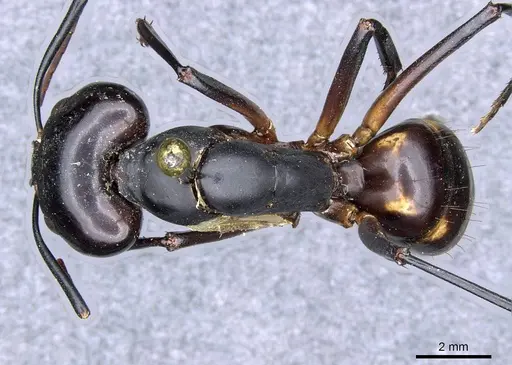
CASENT0905798
View on AntWeb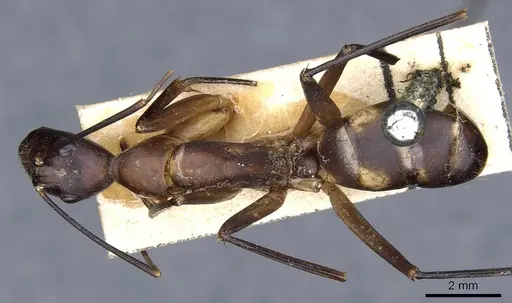
CASENT0906898
View on AntWeb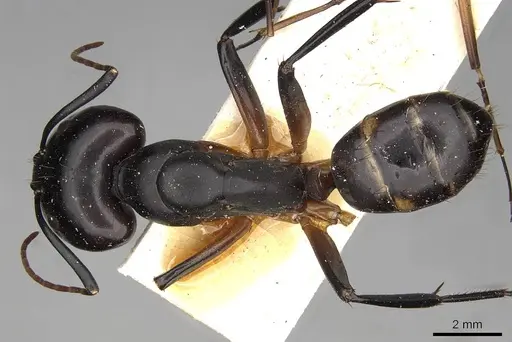
CASENT0906899
View on AntWeb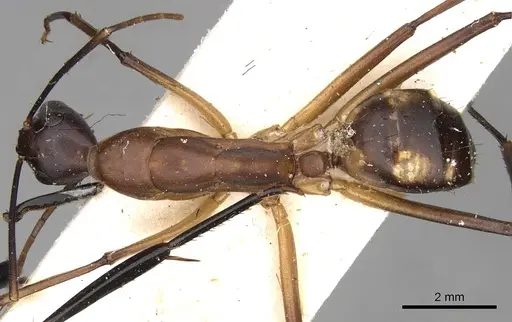
CASENT0906900
View on AntWeb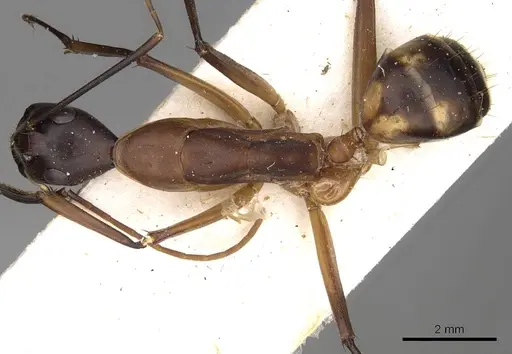
CASENT0910077
View on AntWeb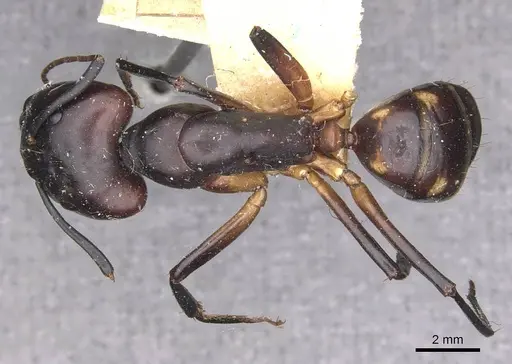
CASENT0910078
View on AntWeb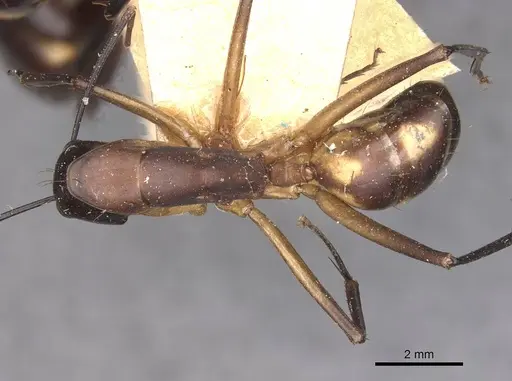
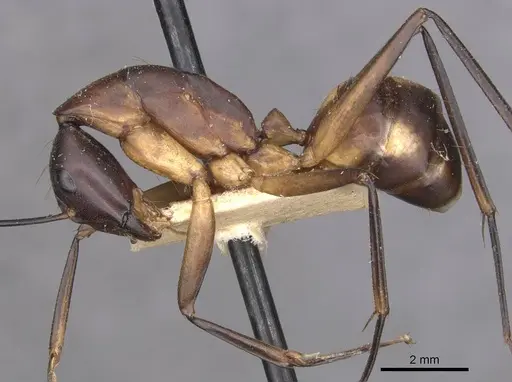
CASENT0917852
View on AntWeb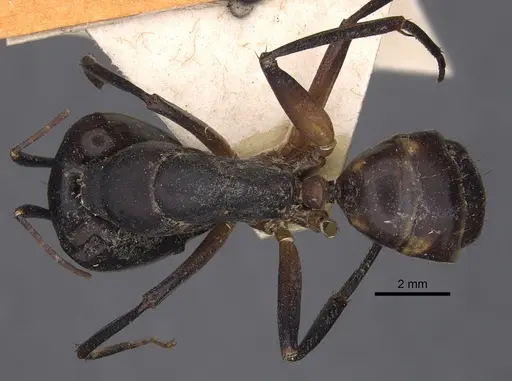
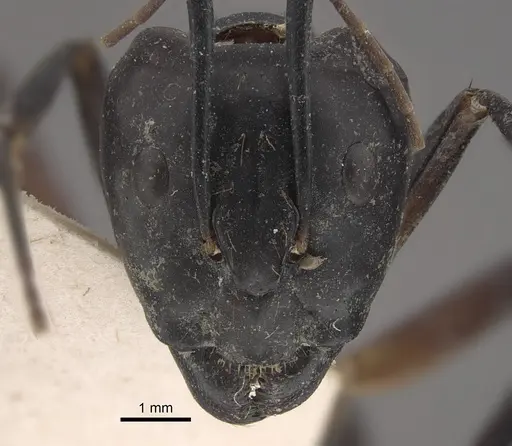
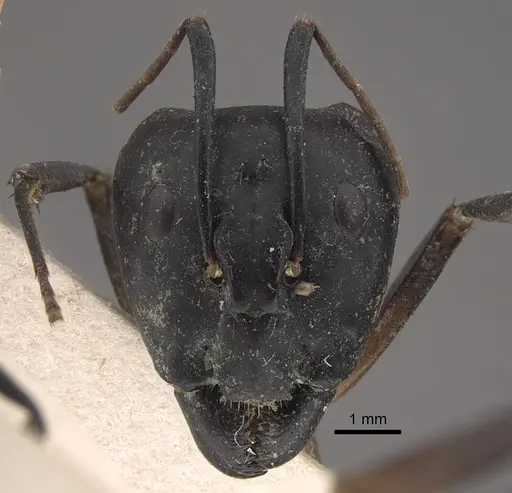
FOCOL2369
View on AntWeb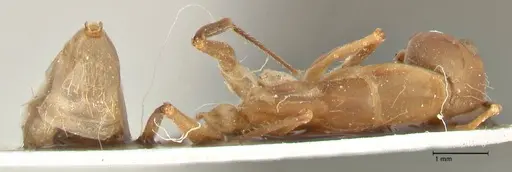
FOCOL2376
View on AntWeb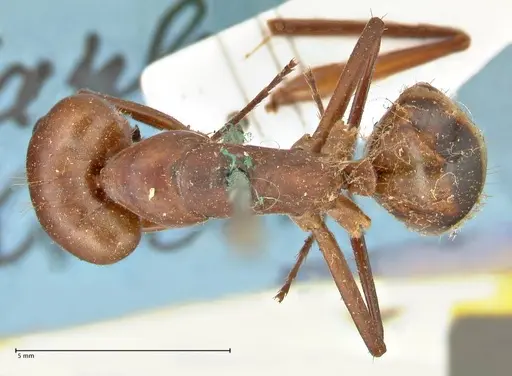
Literature
Loading...Loading products...