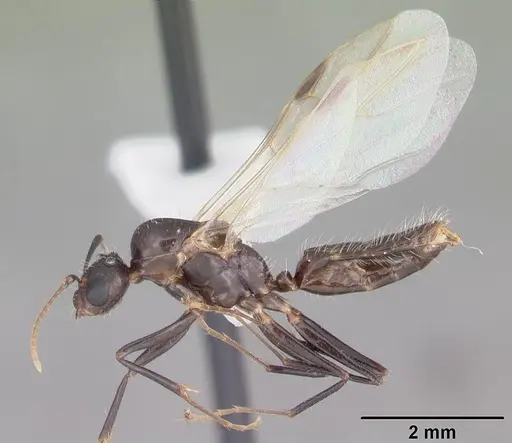
Camponotus sexguttatus shows a May to July flight window. Peak activity occurs in June, with nuptial flights distributed across 3 months.
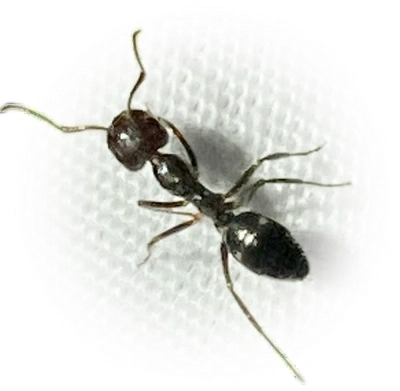
Camponotus sexguttatus
- Scientific Name
- Camponotus sexguttatus
- Subgenus
- Myrmosphincta
- Tribe
- Camponotini
- Subfamily
- Formicinae
- Author
- Fabricius, 1793
- Common Name
- Neotropical Carpenter Ant
- Distribution
- Found in 19 countries
- Nuptial Flight
- from May to July, peaking in June
AI Identifiable
try →
Camponotus sexguttatus Overview
Camponotus sexguttatus (commonly known as the Neotropical Carpenter Ant) is an ant species of the genus Camponotus. It is primarily documented in 19 countries , including Antigua and Barbuda, Anguilla, Barbados. Detailed taxonomic data and occurrence records can be further explored via authoritative databases such as AntWeb or the Global Biodiversity Information Facility (GBIF).
The nuptial flight of Camponotus sexguttatus is a significant biological event, typically occurring from May to July, peaking in June. During this time, winged queens and males leave the nest to mate and establish new colonies.
Camponotus sexguttatus - "Neotropical Carpenter Ant"
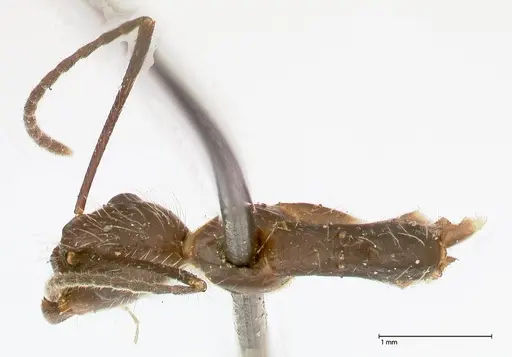
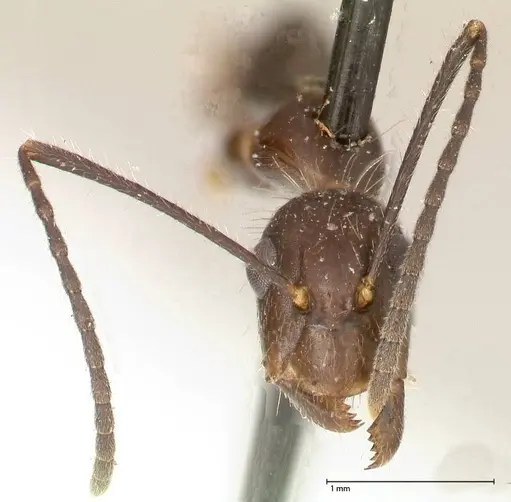
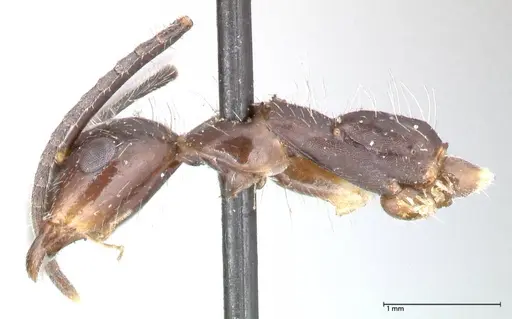
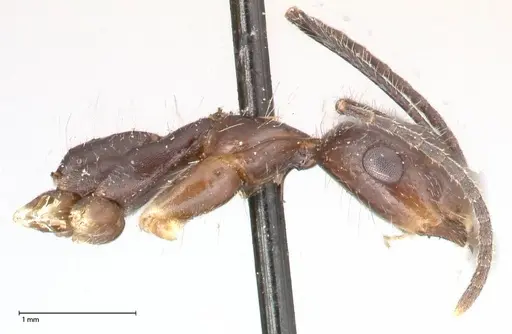
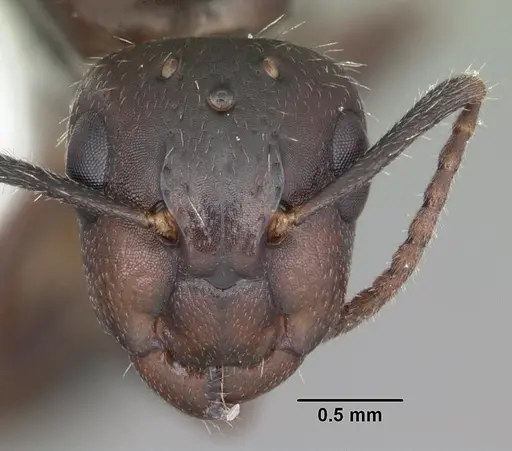
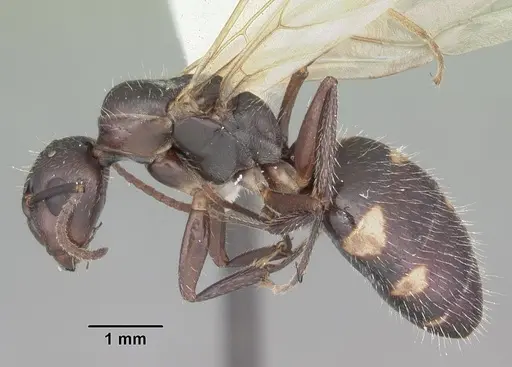
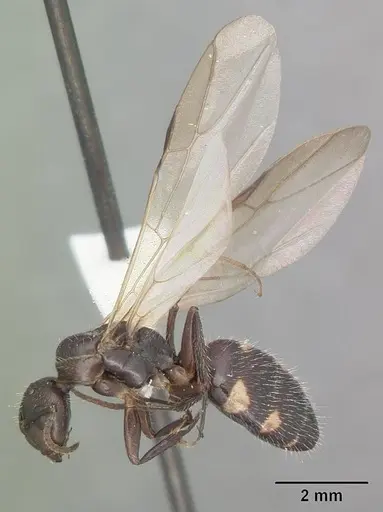
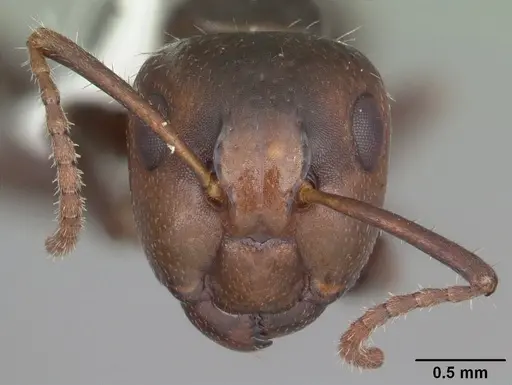
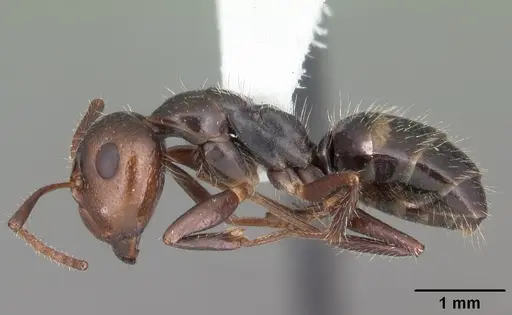
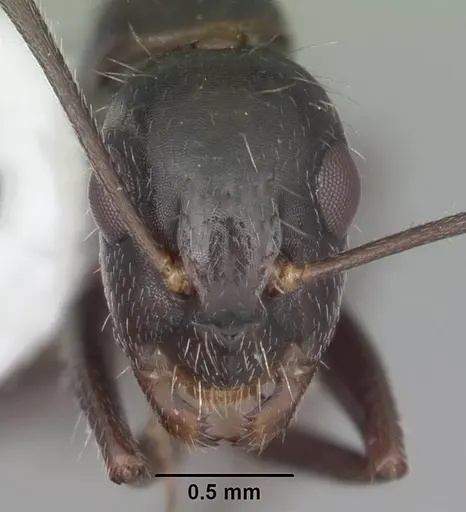
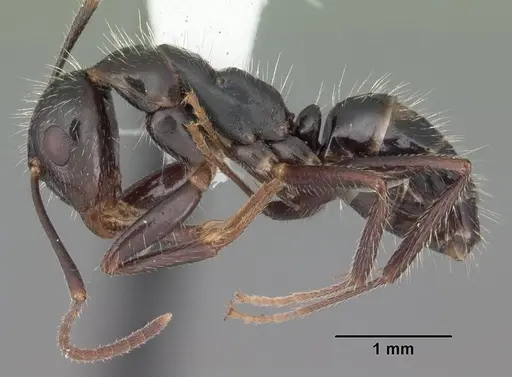
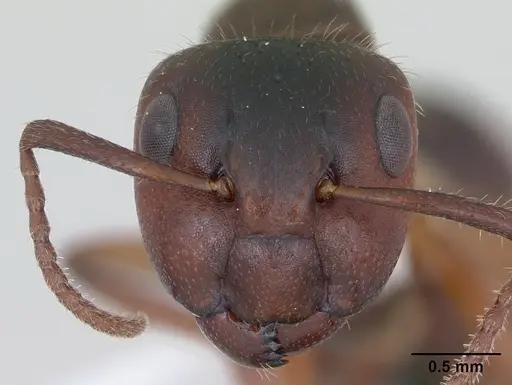
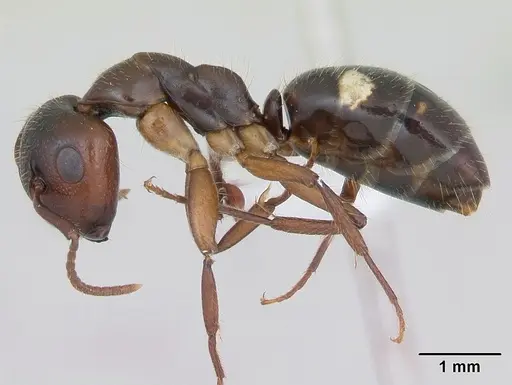
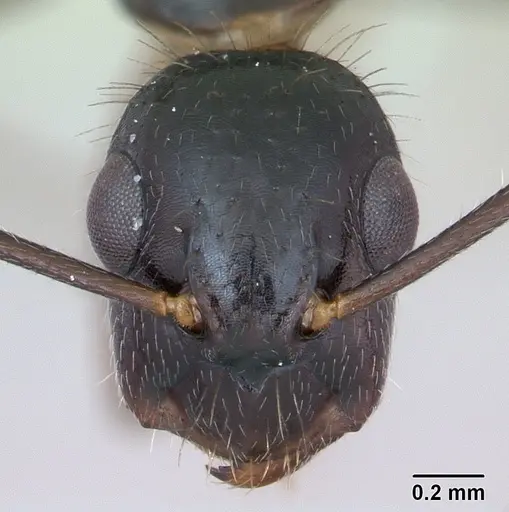
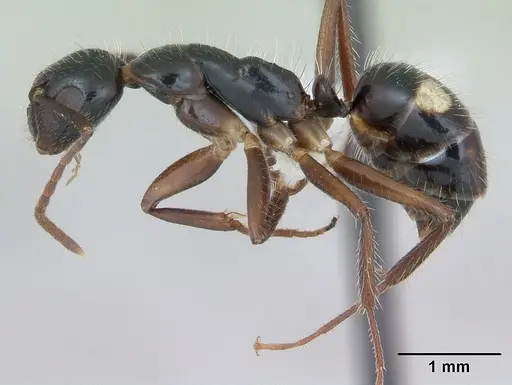
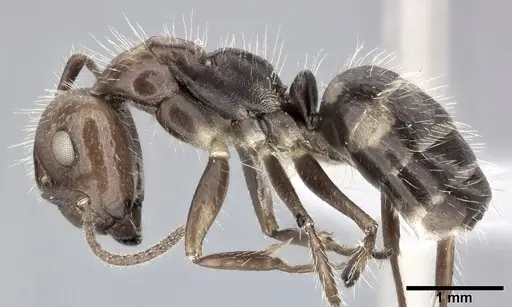
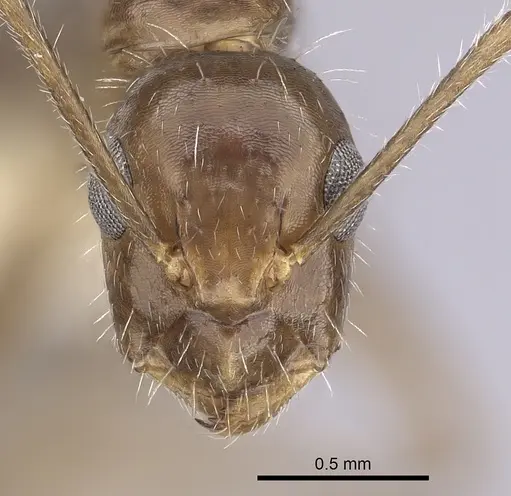
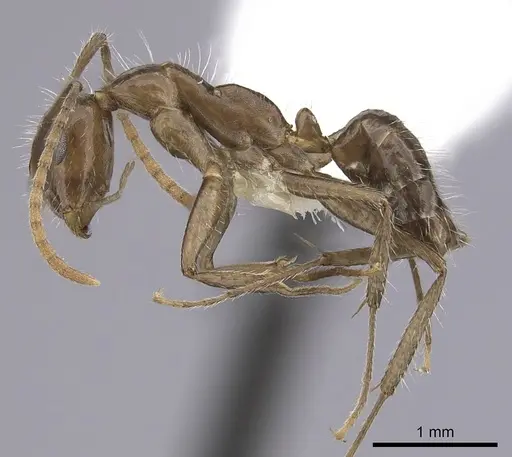
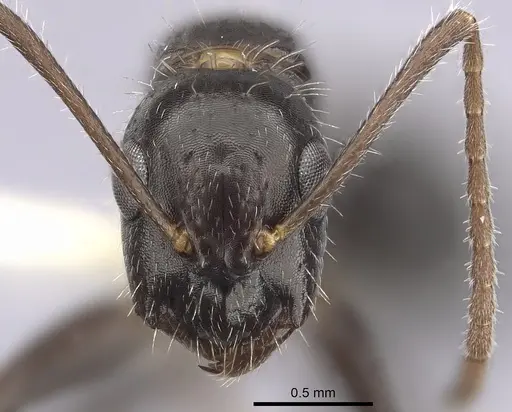
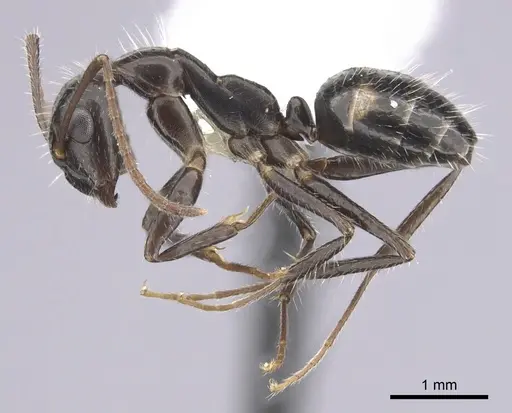
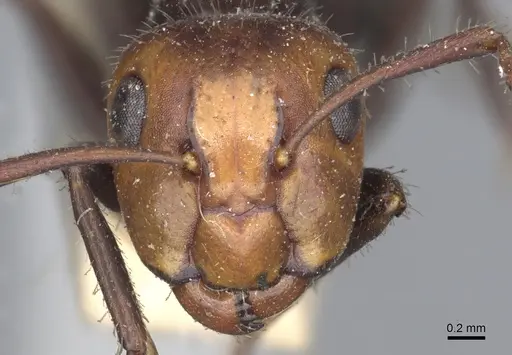
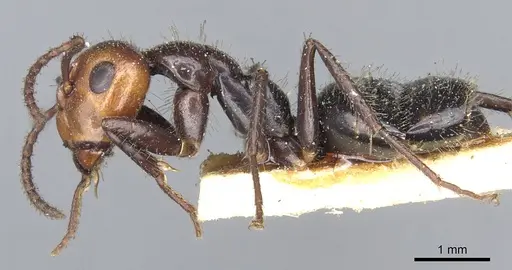
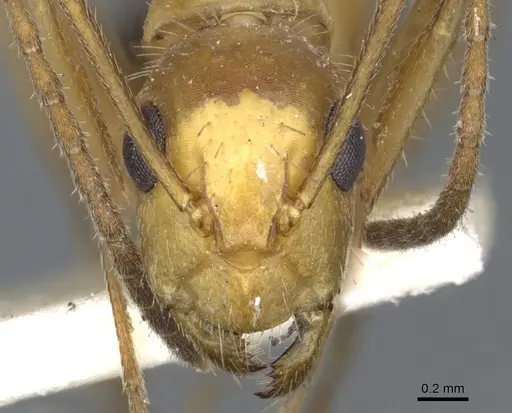
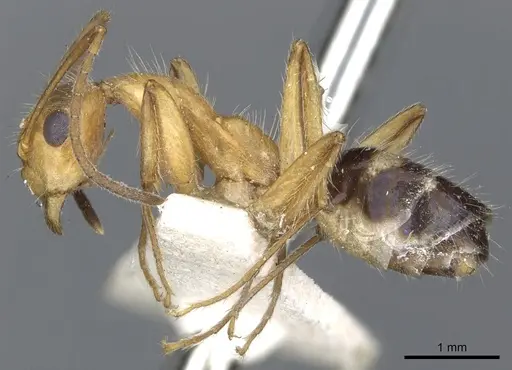
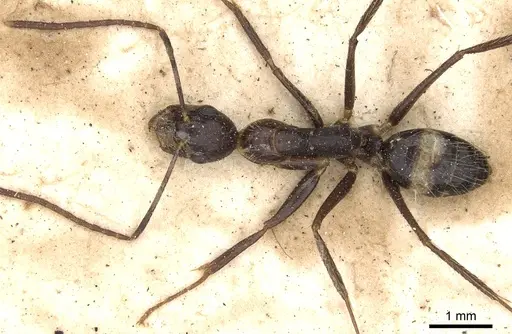
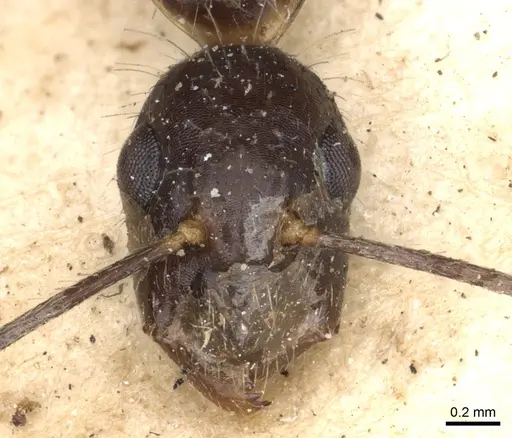
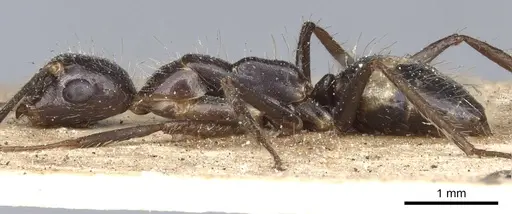
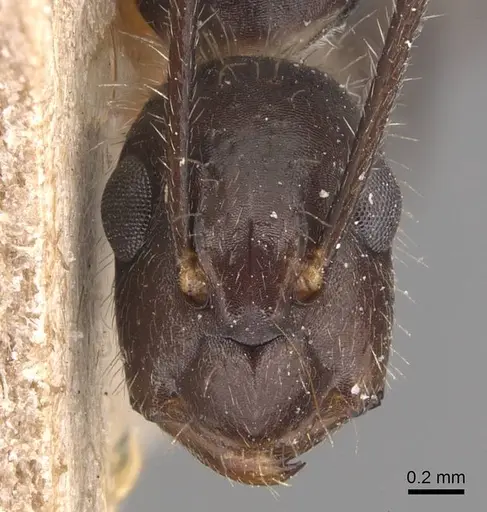
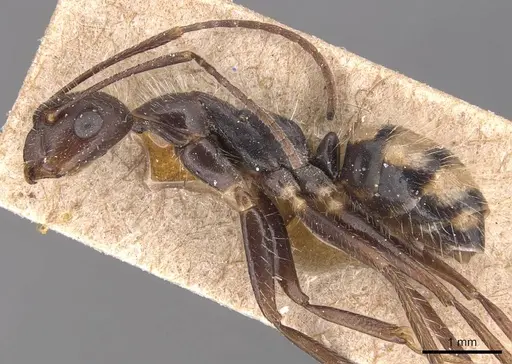
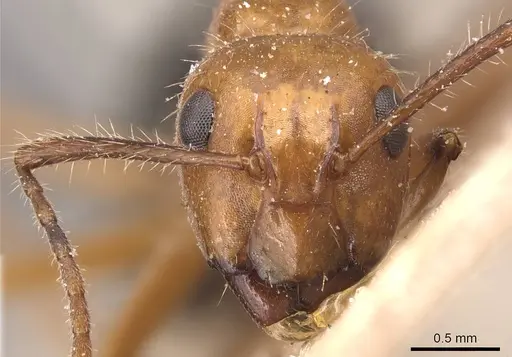
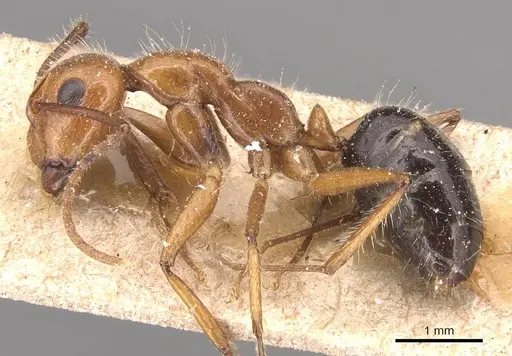
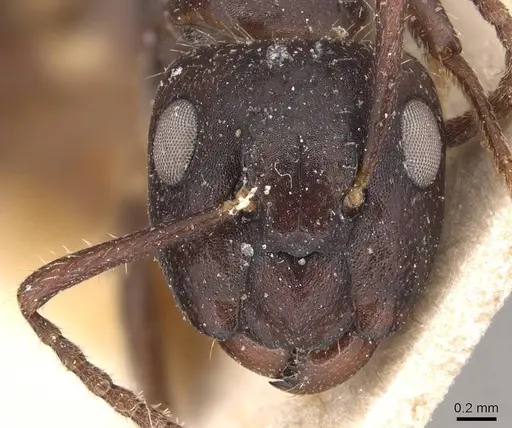
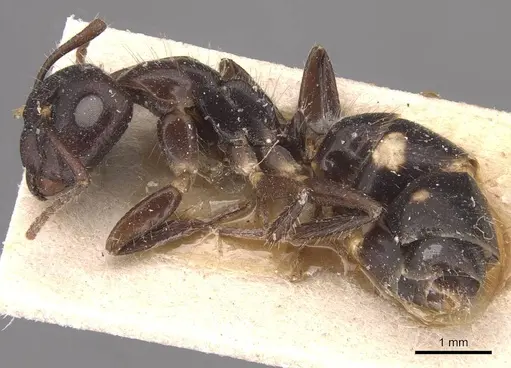
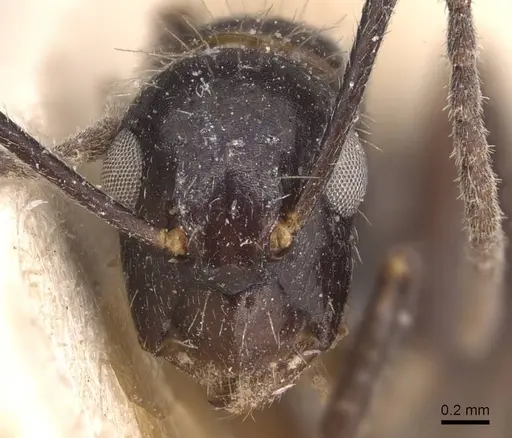
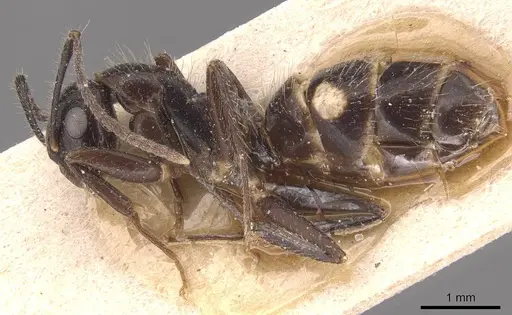
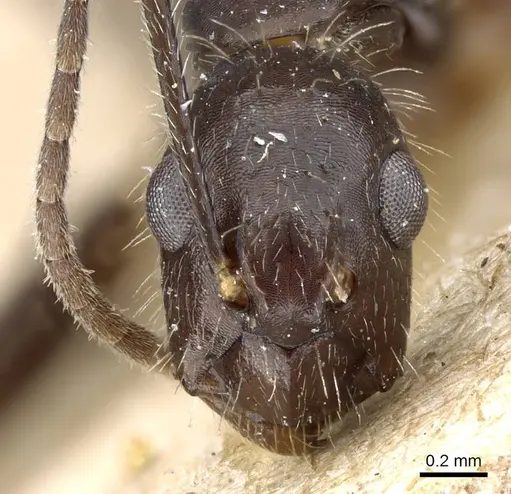
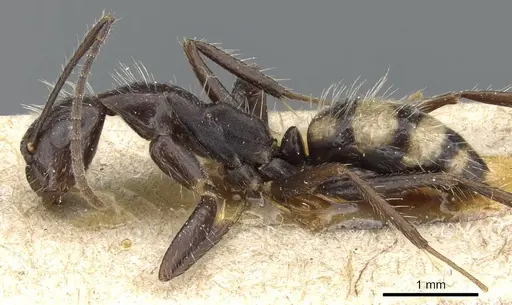
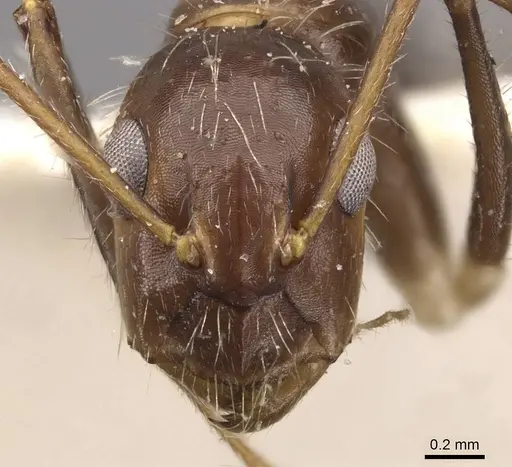
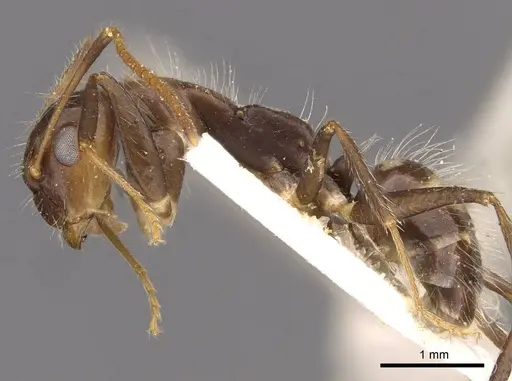
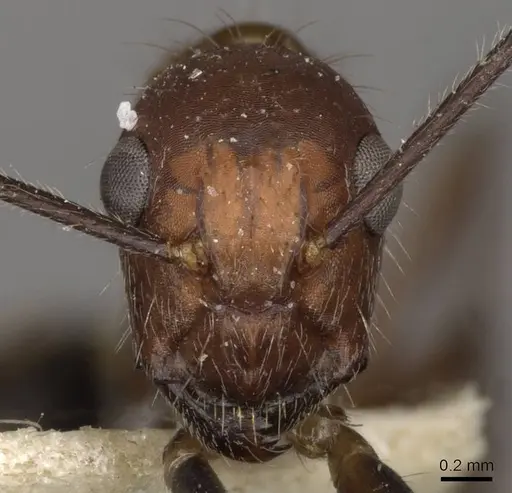
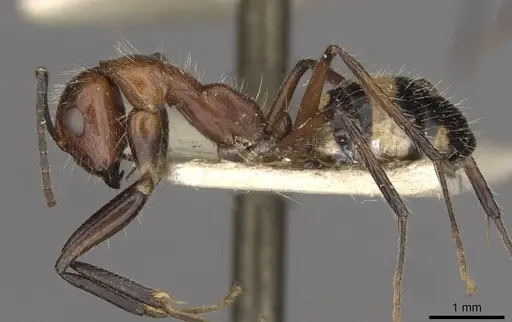
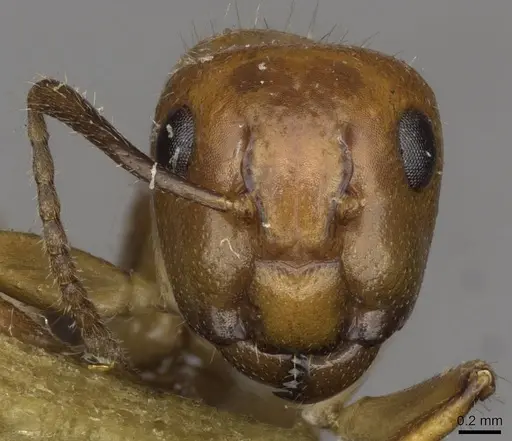
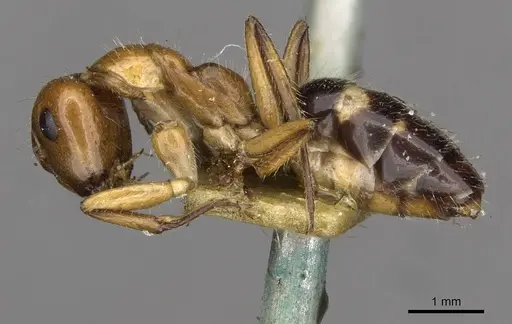
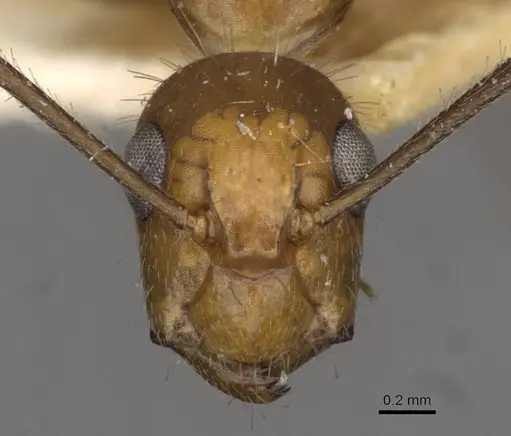
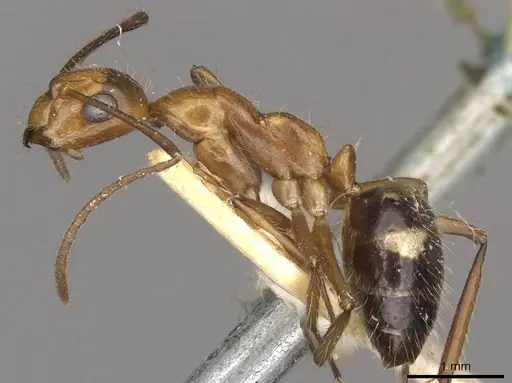
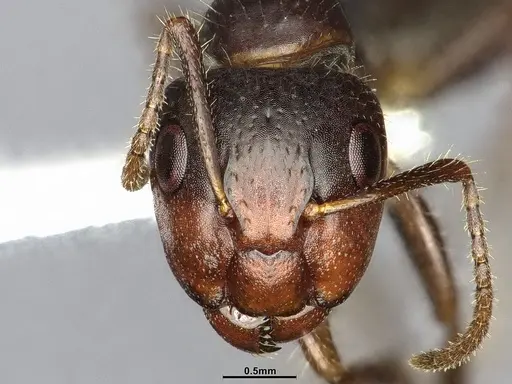
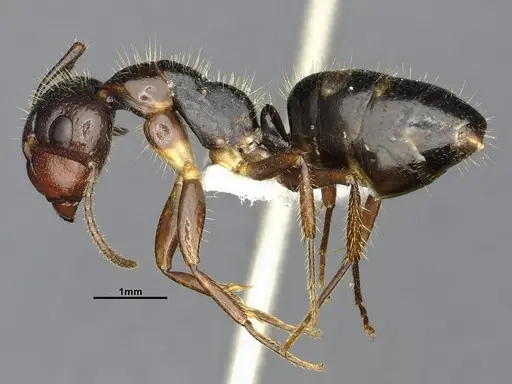
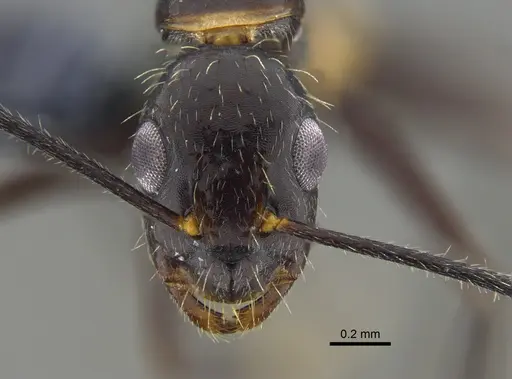
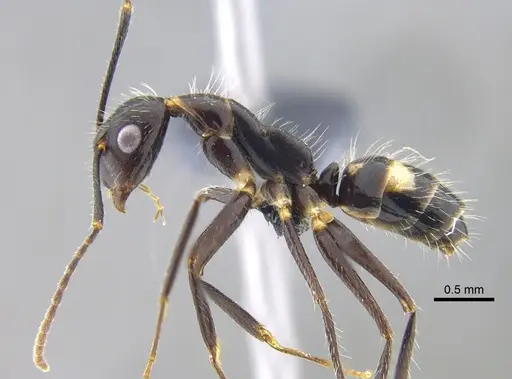
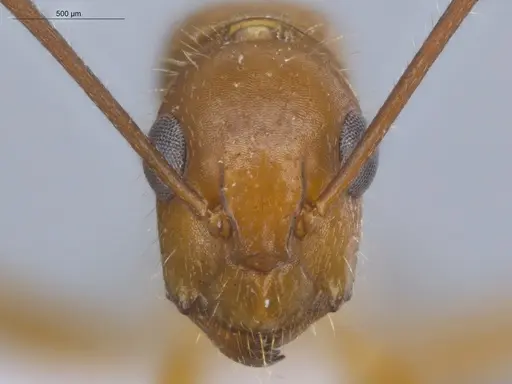
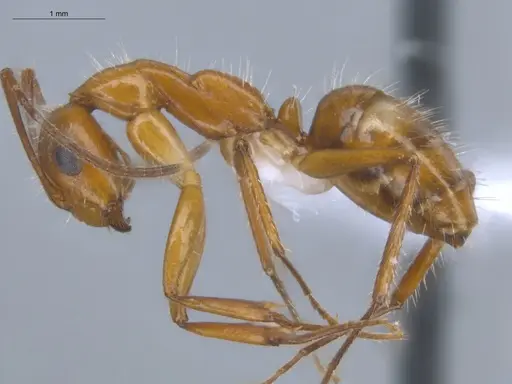
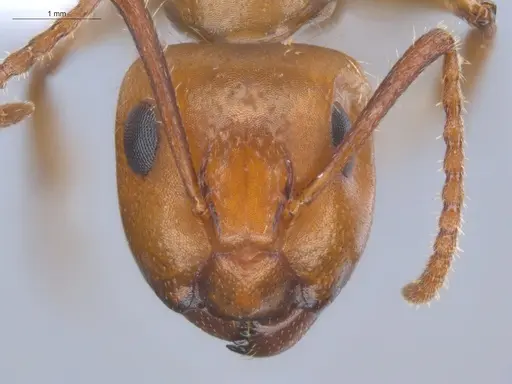
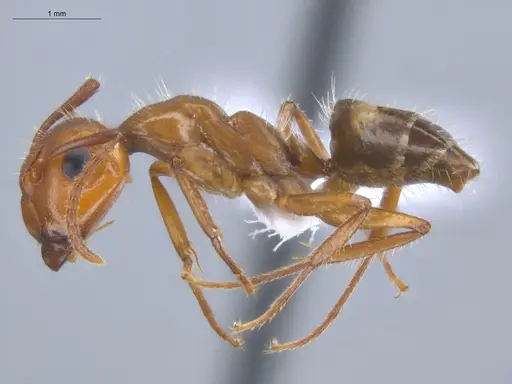
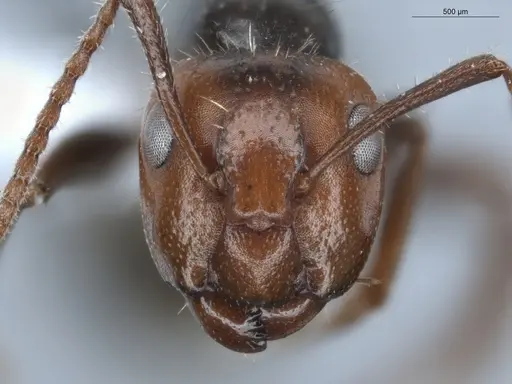
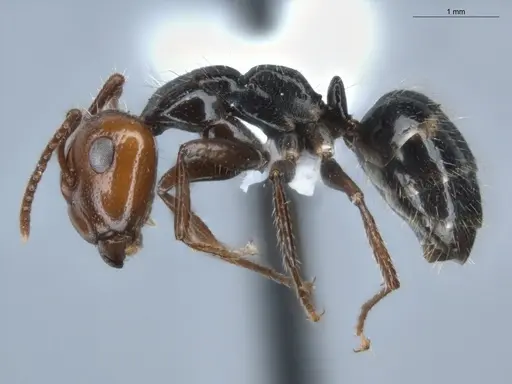
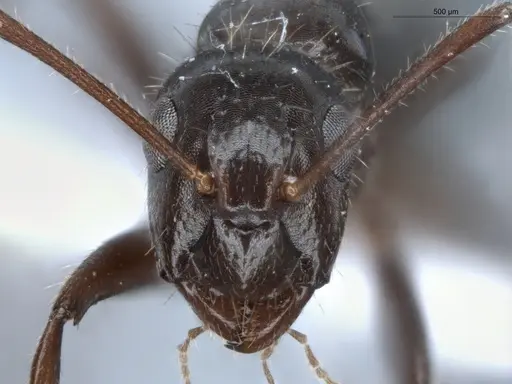
Camponotus sexguttatus is a widespread carpenter ant found throughout tropical America, from Argentina through Central America to Nicaragua, plus the Caribbean islands. Workers are highly variable in color, they can be completely black, brown, or bicolored with a red head and mesosoma and black abdomen. The abdomen typically has distinctive yellow or pale spots on each segment, which is how it got its name (sexguttatus means 'six-spotted'). Majors are larger at around 6-6.5mm while minor workers are smaller at 4-5mm [1]. This species belongs to the subgenus Myrmosphincta and is known for nesting in very small, temporary spaces like hollow twigs, under bark, or in dead wood [2].
What makes this species stand out is its remarkable flexibility in nesting habits. Unlike many carpenter ants that prefer established wood, these ants will nest in almost any small cavity they find, from hollow twigs and plant stems to bromeliads and even the gaps in coarse carton nests they build themselves. They're also polygynous, meaning colonies can have multiple queens working together. This species has spread beyond its native range and is now established in Florida and Hawaii [3].
Quick Summary
- Difficulty: Easy
- Origin & Habitat: Native range spans from Argentina through Central America to Nicaragua, plus the Caribbean islands. It has also become established in Florida (Dade and Broward counties) and Hawaii. This is a highly adaptable species found in disturbed areas, edge habitats, grasslands, and tropical forests across the neotropics [AntWiki][4].
- Colony Type: Polygynous, colonies contain multiple queens working together. This is one of the better-documented polygynous Camponotus species in the Caribbean [5][6]. Small colonies in very ephemeral nest sites are typical [AntWiki].
- Size & Growth:
- Queen: Estimated 7-9mm based on genus patterns
- Worker: Majors 6-6.5mm, media workers ~4.7mm, minors 4-5mm [1]
- Colony: Small to moderate colonies, likely a few hundred workers based on the 'not very populous' nesting observations [2]
- Growth: Moderate, inferred from typical Camponotus development
- Development: Estimated 6-8 weeks at optimal temperature based on genus patterns for tropical Camponotus species (Development is likely faster than temperate Camponotus due to their tropical origin)
- Antkeeping:
- Temperature: Keep at 24-28°C. This is a tropical species native to warm climates, so they do best with consistent warmth. A heating cable on one side of the nest can create a gradient if your room temperature runs cooler [7].
- Humidity: Moderate humidity around 50-70%. These ants are adaptable and can handle varying moisture levels since they're found in everything from dry savannas to bromeliad habitats. Keep the nest substrate slightly moist but allow some drying between waterings.
- Diapause: No, as a tropical species, they do not require hibernation. Keep them warm year-round.
- Nesting: These ants are cavity nesters that do well in test tubes or Y-tong setups with narrow chambers. In the wild they nest in hollow twigs, dead wood, under bark, and sometimes in plant stems like bromeliads or rolled leaves. Provide nest chambers scaled to their size, they prefer cozy spaces.
- Behavior: These are relatively calm carpenter ants that are not particularly aggressive. Workers forage both on the ground and in low vegetation, and they're known to forage at night in some parts of their range. They form foraging trails that can cover relatively large areas. They have a varied diet including honeydew, nectar, and insects, they're predators of the banana weevil (Cosmopolites sordidus) which makes them useful in agricultural settings [8]. Escape risk is moderate, they're not particularly small but use standard escape prevention. They are preyed upon by army ants, which is natural history worth knowing if you keep other ant species.
- Common Issues: colonies are polygynous so you may find multiple queens, this is normal for this species and they generally coexist peacefully, small colony size means they may seem slow to grow, patience is key with this species, they nest in very small cavities in the wild so they may prefer tighter nest spaces than larger carpenter ants, tropical species, keep them warm and avoid cold temperatures, they can be preyed upon by army ants if housed near other ant colonies, this species is established in Florida and Hawaii, never release colonies outside their native range
Nuptial Flight Activity Analysis 86 observations
Flight Activity by Hour 86 observations
Camponotus sexguttatus nuptial flight activity peaks around 21:00 during the night. Activity is spread across a 24-hour window (00:00–23:00). A secondary activity peak occurs around 23:00. Times may be influenced by human observation patterns.
Housing and Nest Preferences
Camponotus sexguttatus does well in standard ant keeping setups. Test tubes work perfectly for founding colonies, the small cavity mimics the hollow twigs and plant stems they naturally nest in. As the colony grows, you can move them to a Y-tong nest with chambers scaled to their size. These ants prefer cozy, snug spaces rather than large open areas, which matches their natural history of nesting in twigs and small cavities. A small outworld for foraging is sufficient, they don't need massive space. Since they're found in such varied habitats in the wild (from bromeliads to dead wood to grass stems), they're not picky about nest material. Just ensure there's a water tube for humidity and avoid completely drying out the nest.
Feeding and Diet
Like most carpenter ants, C. sexguttatus is omnivorous. They accept sugar sources readily (honey water, sugar water) and need regular protein in the form of insects. In the wild they're known predators of the banana weevil (Cosmopolites sordidus), so they clearly have a predatory side [8]. They also forage on nectar and honeydew from aphids. Feed them a varied diet: offer protein (small crickets, mealworms, fruit flies) 2-3 times per week, and keep a constant sugar source available. They're not particularly aggressive hunters but will take down small insects. Since they're tropical, they stay active year-round and will continue eating during winter if kept warm.
Temperature and Seasonal Care
As a tropical species native to Central and South America and the Caribbean, C. sexguttatus needs warm conditions. Keep the nest area at 24-28°C. They can tolerate higher temperatures (up to 45°C for short periods based on Puerto Rico data) but prefer stable warmth [7]. There's no diapause requirement, they don't hibernate. If your room temperature is below 24°C, use a heating cable on one side of the nest to create a warm gradient. Avoid temperatures below 20°C for extended periods. These ants are found in such a wide range (Argentina to Nicaragua, Caribbean islands) that they're quite adaptable, but warmth is key to keeping them active and growing.
Colony Structure and Multiple Queens
This is one of the few well-documented polygynous Camponotus species, colonies naturally have multiple queens [5][6]. This is normal and you shouldn't try to remove queens unless you're specifically trying to establish a single-queen colony (which isn't typical for this species). The queens coexist and all contribute to egg-laying, which helps the colony grow faster than single-queen species. When collecting from the wild or acquiring a colony, expect to find multiple queens. This also means colonies can reach moderate sizes more quickly than species with only one queen. The colony size remains relatively small compared to some other carpenter ants, but multiple egg-layers speed up the process.
Growth and Development
Camponotus sexguttatus colonies grow at a moderate pace. As a tropical species, development is likely faster than temperate carpenter ants, expect around 6-8 weeks from egg to first worker at optimal temperature (24-28°C). The first workers (nanitics) will be smaller than normal workers. Colonies remain relatively small in the wild (described as 'not very populous' in historical observations), so don't expect the massive colonies you might get from species like Camponotus pennsylvanicus. A well-established colony might reach a few hundred workers. Growth is steady but not explosive, patience is key with this species.
Frequently Asked Questions
Can I keep multiple queens together in one colony of Camponotus sexguttatus?
Yes, this is normal for this species. C. sexguttatus is polygynous, meaning colonies naturally have multiple queens. Queens coexist peacefully and all contribute to egg production. You don't need to separate them, a multi-queen colony is the natural state for this species.
How long does it take for first workers to emerge?
Expect around 6-8 weeks from egg to first worker at optimal temperature (24-28°C). This is faster than temperate Camponotus species due to their tropical origin. The first workers will be smaller (nanitics) but the colony will grow steadily from there.
What do Camponotus sexguttatus eat?
They're omnivorous like most carpenter ants. Offer protein (small insects like fruit flies, pinhead crickets, mealworms) 2-3 times per week, and keep a constant sugar source (honey water or sugar water). In the wild they're known predators of banana weevils, so they have a predatory side.
Do these ants need hibernation or diapause?
No, they're a tropical species and do not require hibernation. Keep them warm year-round at 24-28°C. They remain active throughout the year in their native tropical habitat.
Are Camponotus sexguttatus good for beginners?
Yes, they're a good beginner species. They're adaptable, relatively calm, and don't require special hibernation care. The main things to remember are keeping them warm, providing protein regularly, and accepting that colonies stay relatively small compared to other carpenter ants.
What size nest do they need?
They prefer smaller, snugger spaces that mimic their natural nesting in hollow twigs and small cavities. Start with a test tube for founding colonies, then move to a small Y-tong nest as they grow. They don't need large spaces, tight chambers work better than large open areas.
How big do colonies get?
Colonies stay relatively small to moderate, typically a few hundred workers. Historical observations describe their nests as 'not very populous' compared to other carpenter ants. Multiple queens help growth, but the species naturally maintains smaller colonies.
Why are my ants dying outside the nest?
If workers are dying outside the nest, check your temperature first, they need warmth (24-28°C). Also ensure they have protein available regularly. Sick ants leaving the nest is normal behavior (self-exclusion), but mass deaths usually indicate husbandry issues. Make sure humidity is adequate and there's no mold or contamination in the nest.

This caresheet is licensed under CC BY-SA 4.0 .
CASENT0103705
View on AntWeb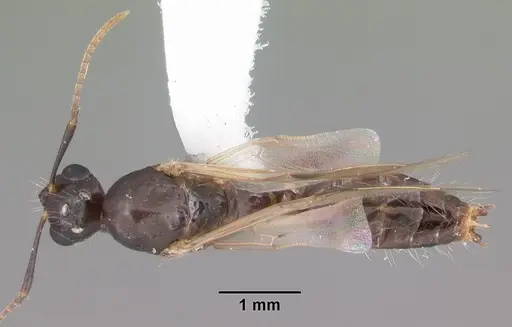
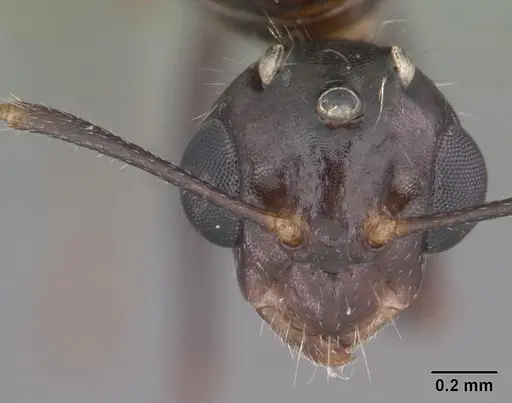
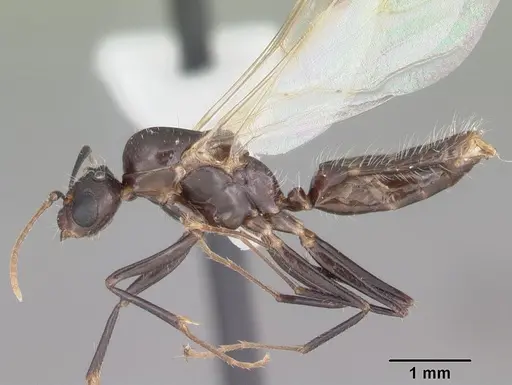
CASENT0103708
View on AntWeb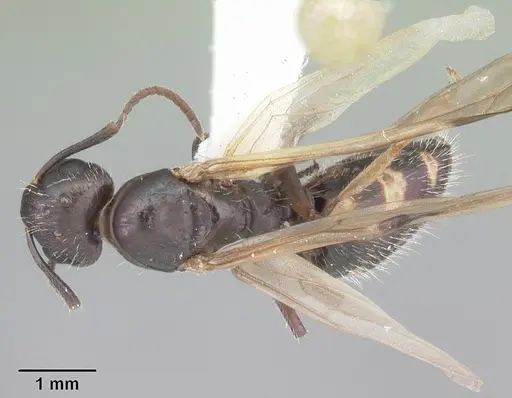
CASENT0103709
View on AntWeb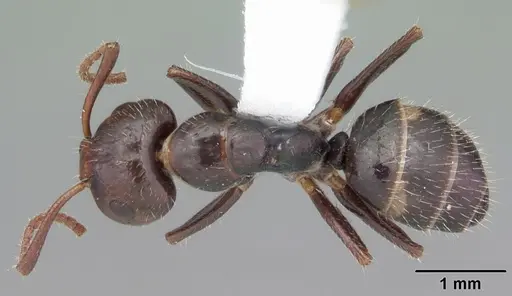
CASENT0103710
View on AntWeb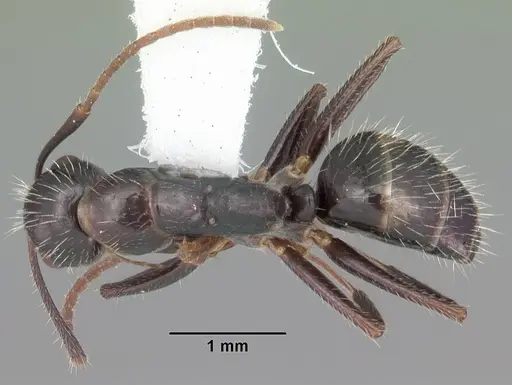
CASENT0173451
View on AntWeb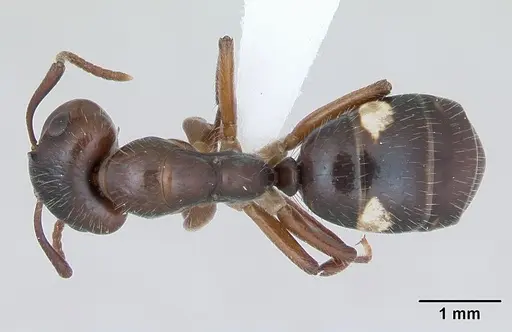
CASENT0173452
View on AntWeb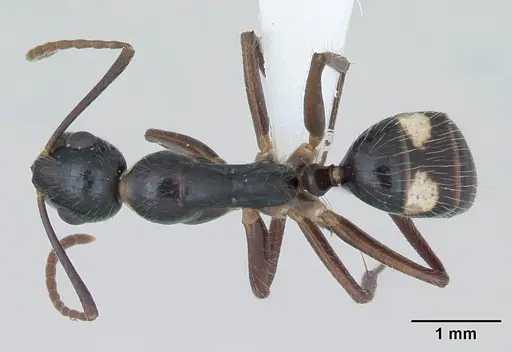
CASENT0246661
View on AntWeb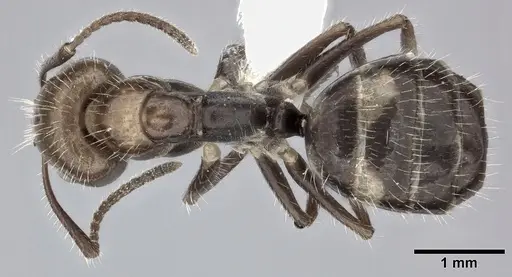
CASENT0249404
View on AntWeb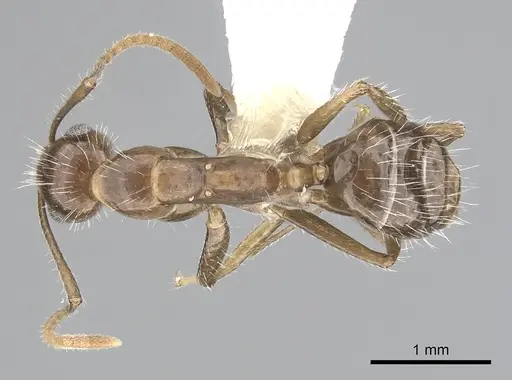
CASENT0249405
View on AntWeb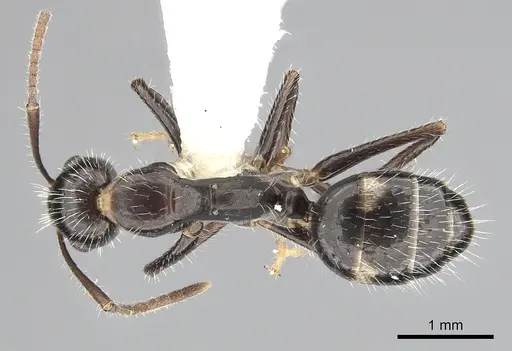
CASENT0903629
View on AntWeb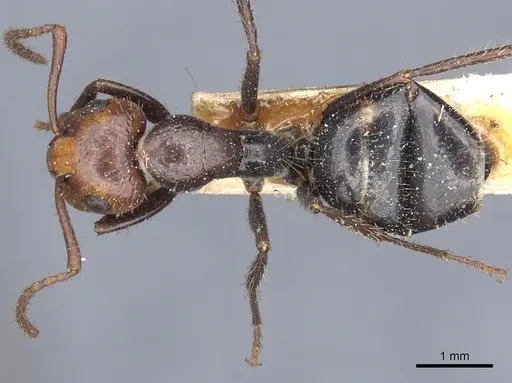
CASENT0903633
View on AntWeb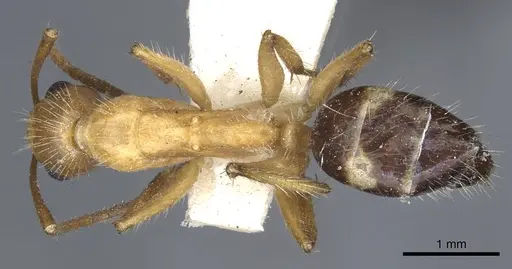
CASENT0903635
View on AntWeb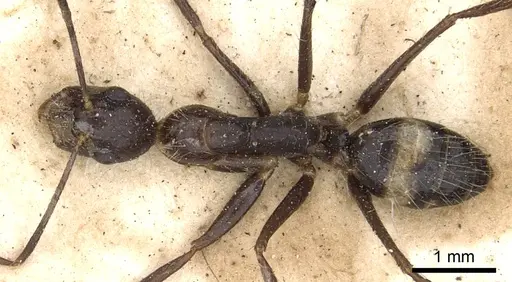
CASENT0905473
View on AntWeb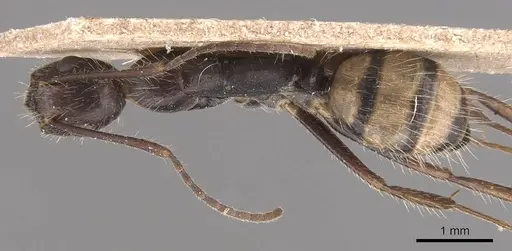
CASENT0905474
View on AntWeb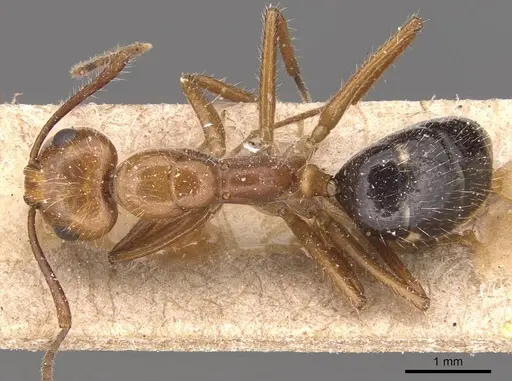
CASENT0905475
View on AntWeb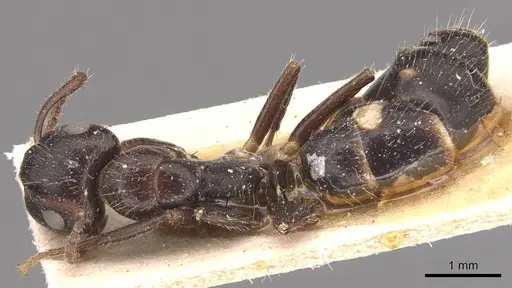
CASENT0905476
View on AntWeb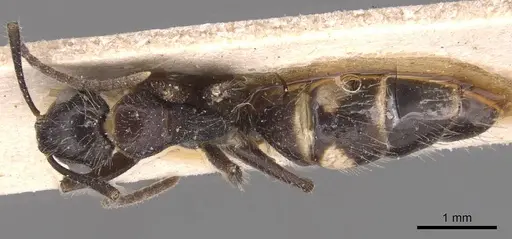
CASENT0905809
View on AntWeb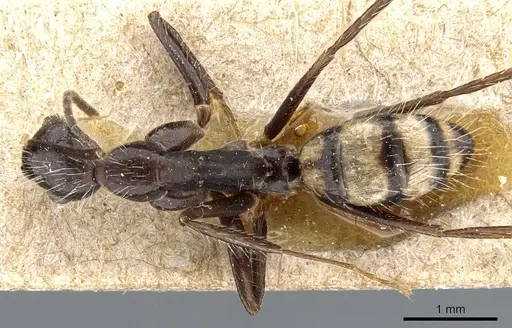
CASENT0907589
View on AntWeb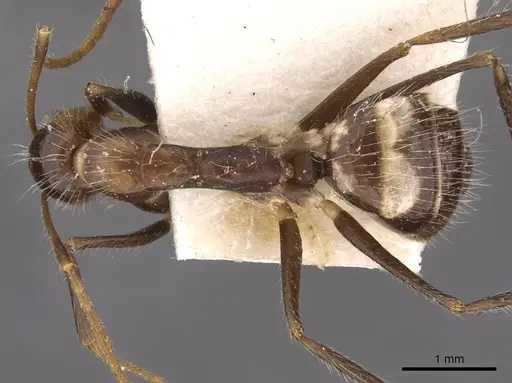
CASENT0910616
View on AntWeb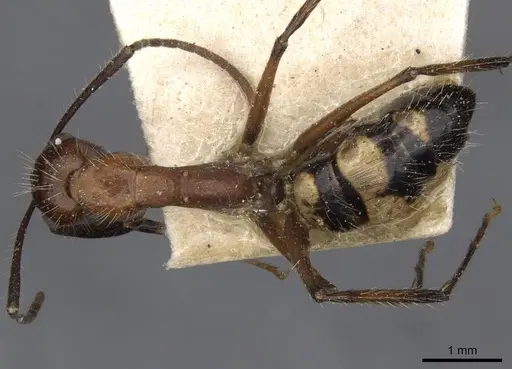
CASENT0910617
View on AntWeb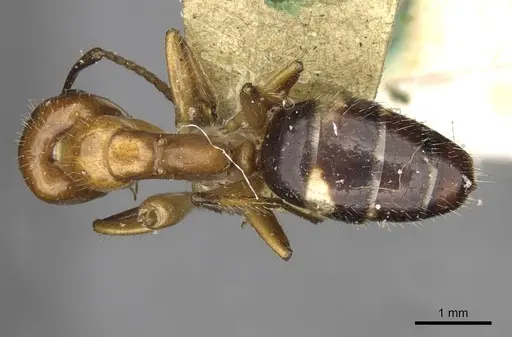
CASENT0910618
View on AntWeb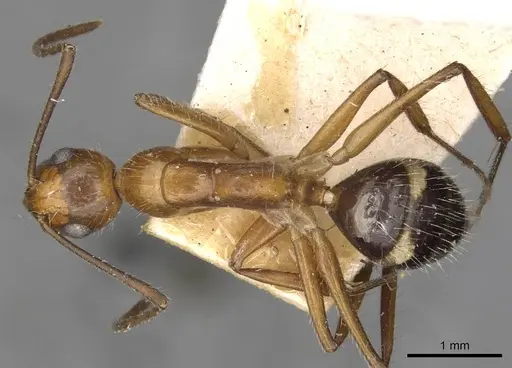
CASENT4032251
View on AntWeb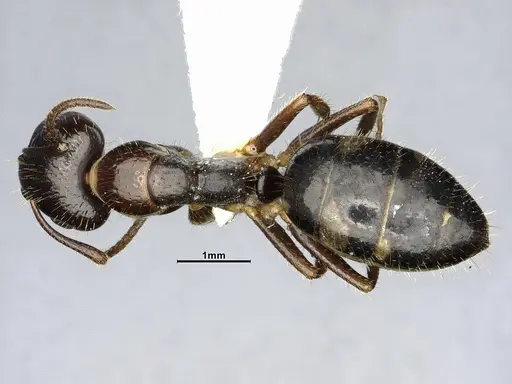
CBUMAGENT42007
View on AntWeb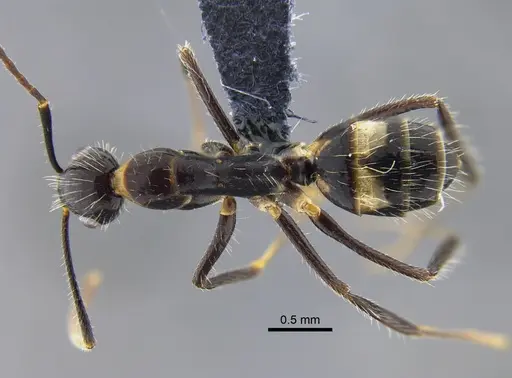
ECOFOG-BOUM-0539-04
View on AntWeb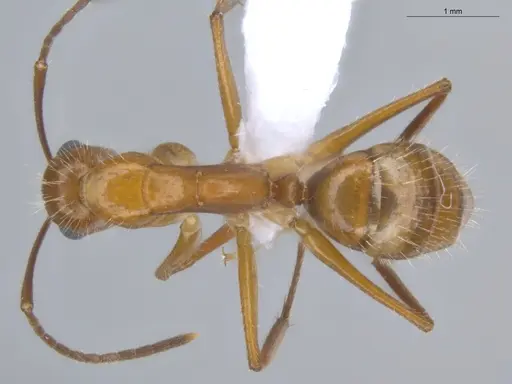
ECOFOG-BOUM-0584-03
View on AntWeb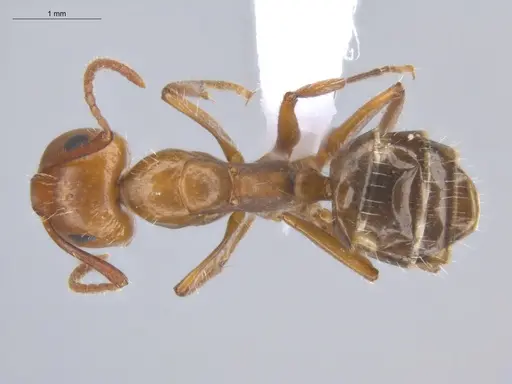
ECOFOG-BUG-0116-01
View on AntWeb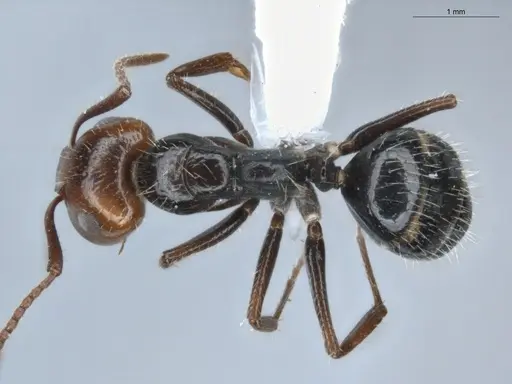
ECOFOG-BUG-0116-02
View on AntWeb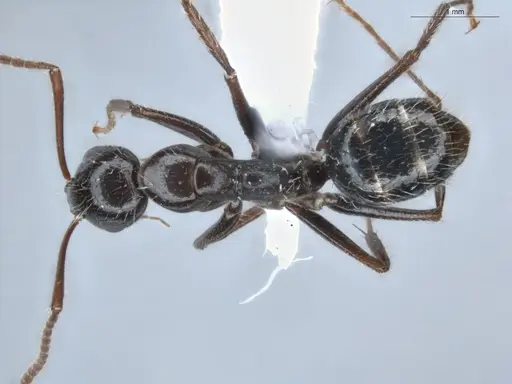
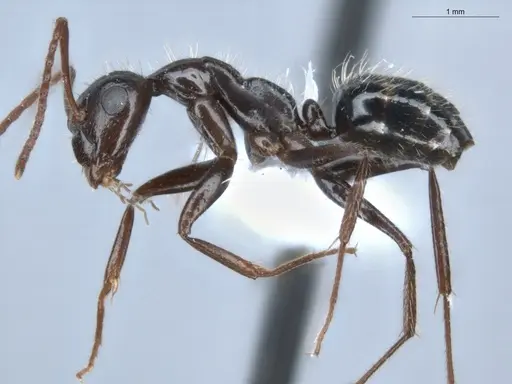
FOCOL0567
View on AntWeb