
Camponotus semitestaceus shows a August to October flight window. Peak activity occurs in August, with nuptial flights distributed across 3 months.

Camponotus semitestaceus
- Scientific Name
- Camponotus semitestaceus
- Subgenus
- Tanaemyrmex
- Tribe
- Camponotini
- Subfamily
- Formicinae
- Author
- Snelling, 1970
- Common Name
- Brick Carpenter Ant
- Distribution
- Found in 2 countries
- Nuptial Flight
- from August to October, peaking in August
AI Identifiable
try →
Camponotus semitestaceus Overview
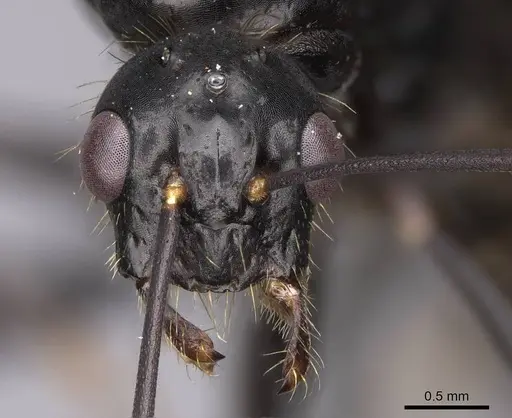
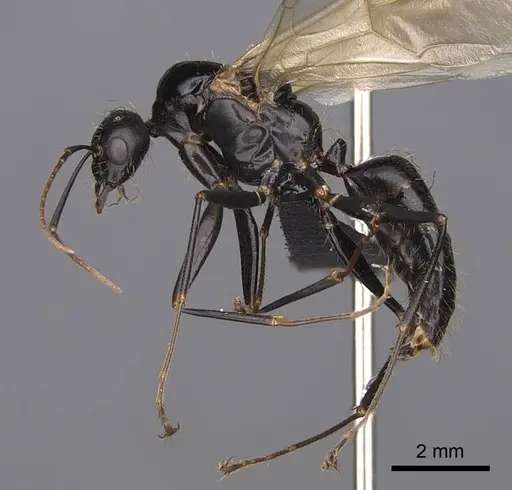
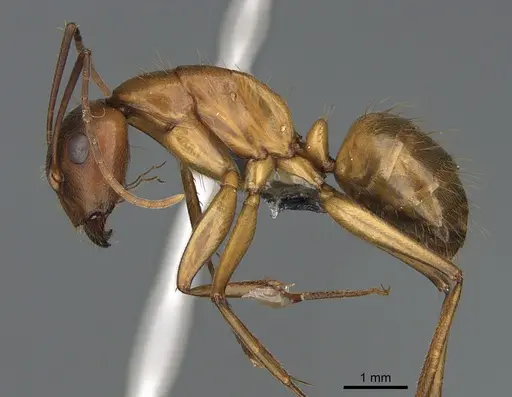
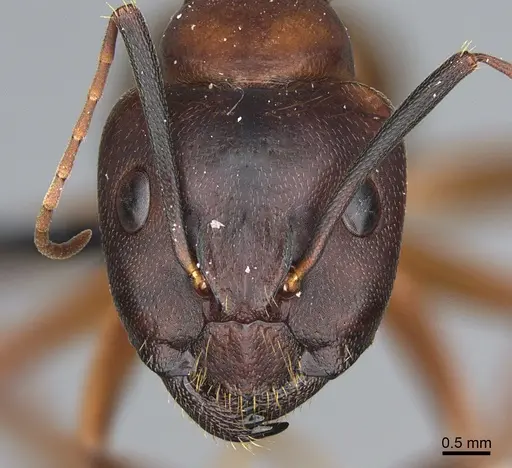
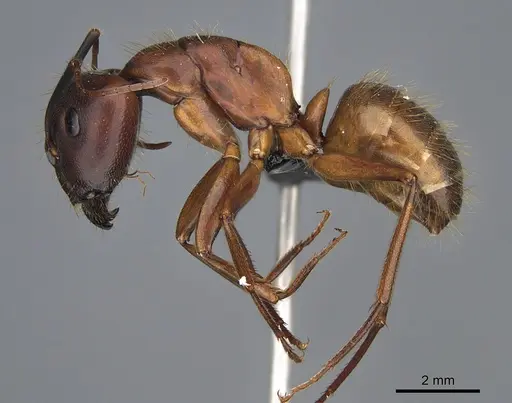
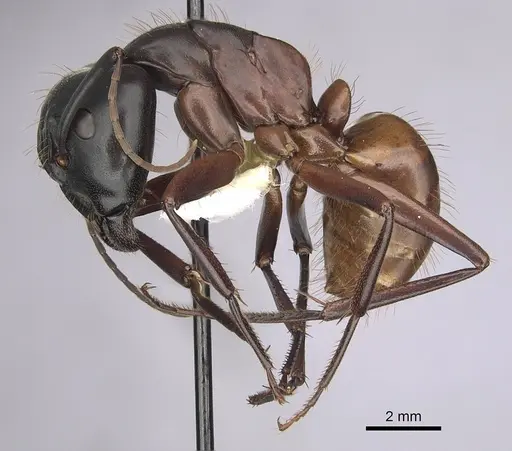
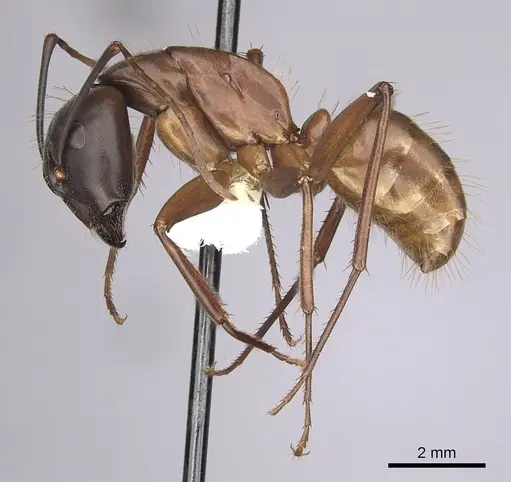
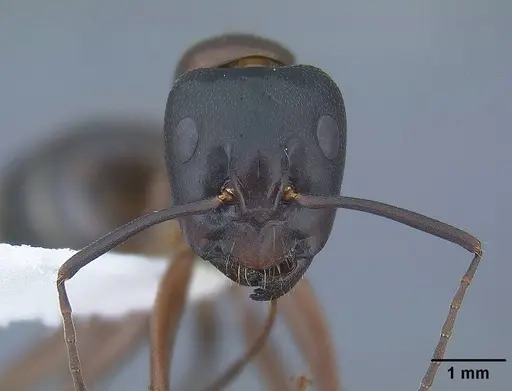
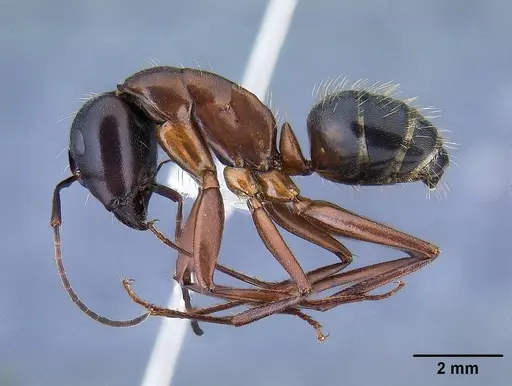
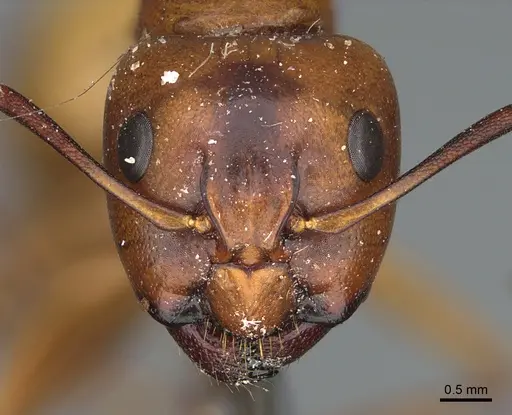
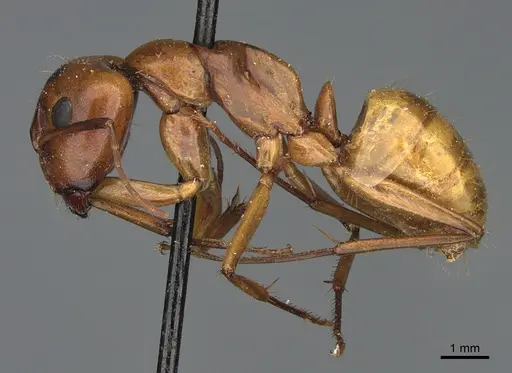
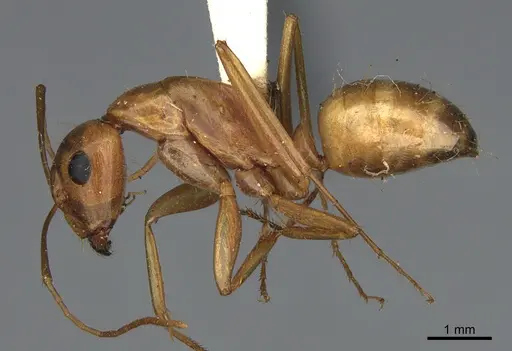
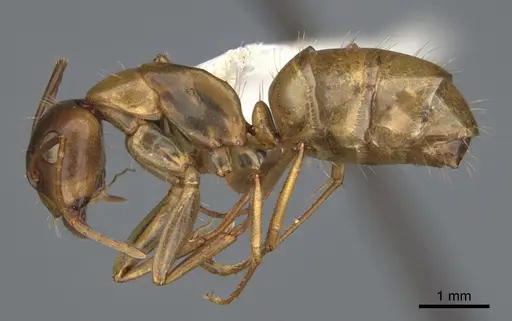
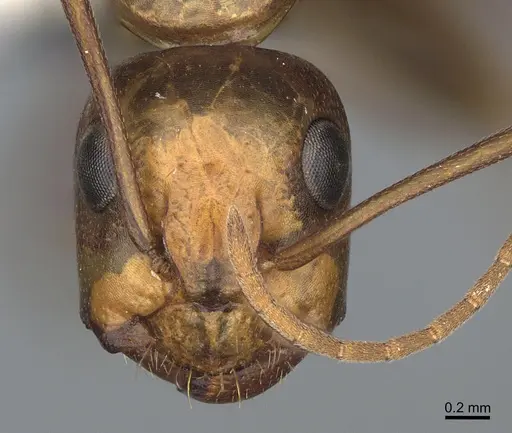
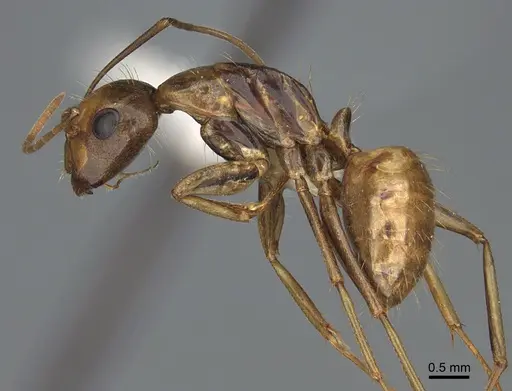
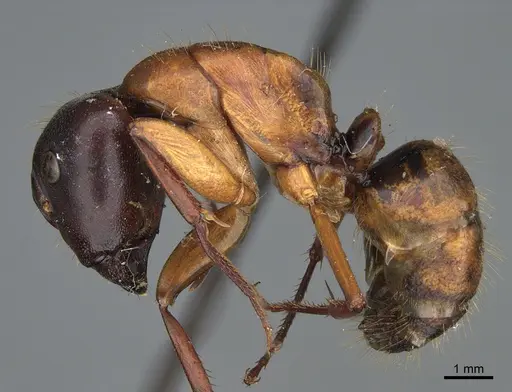
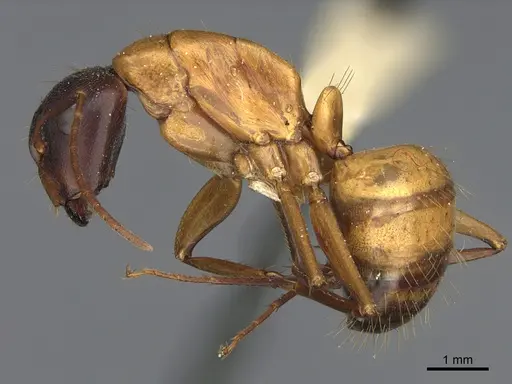
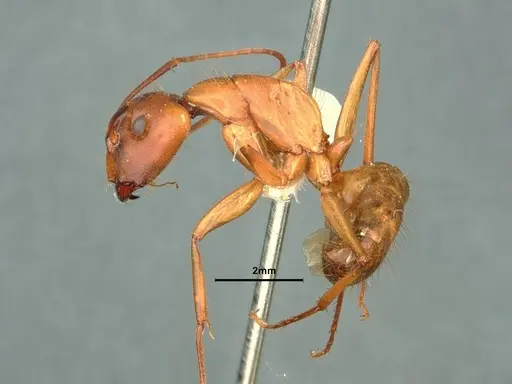
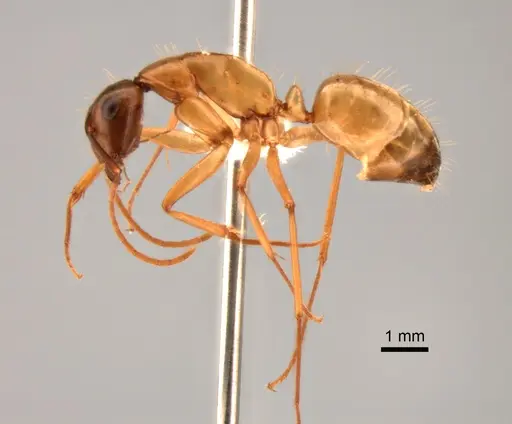
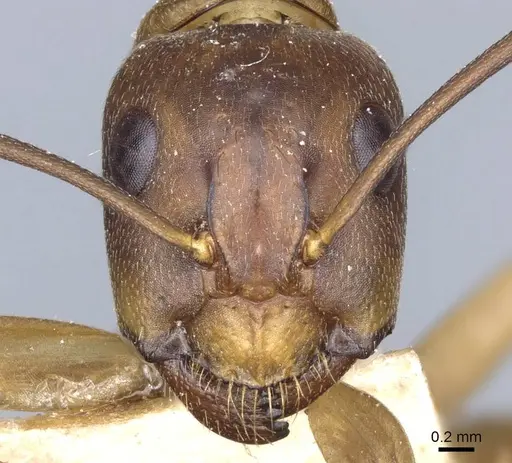
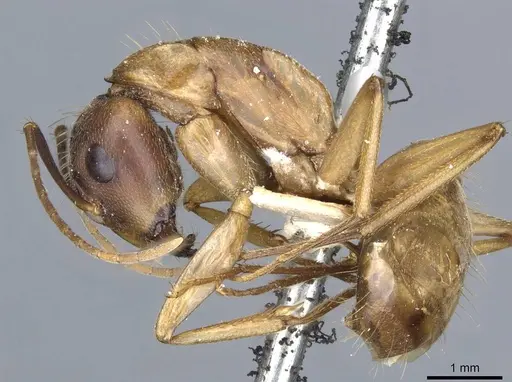
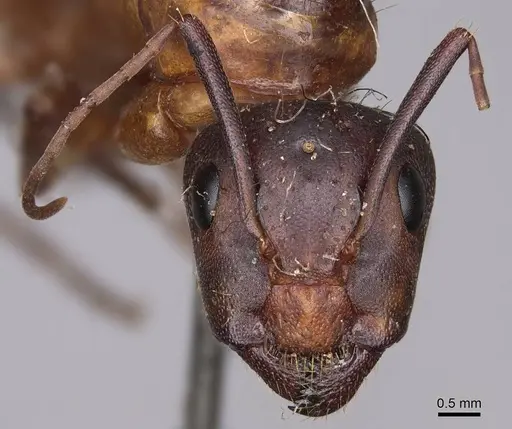
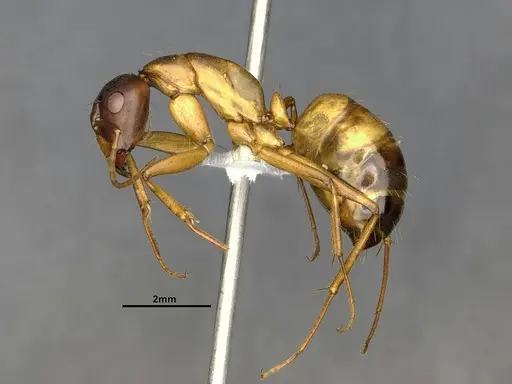
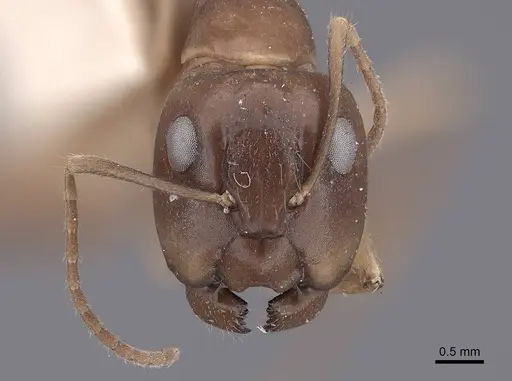
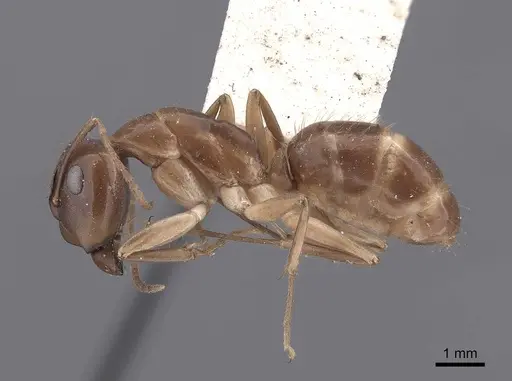
Camponotus semitestaceus (commonly known as the Brick Carpenter Ant) is an ant species of the genus Camponotus. It is primarily documented in 2 countries , including Mexico, United States of America. Detailed taxonomic data and occurrence records can be further explored via authoritative databases such as AntWeb or the Global Biodiversity Information Facility (GBIF).
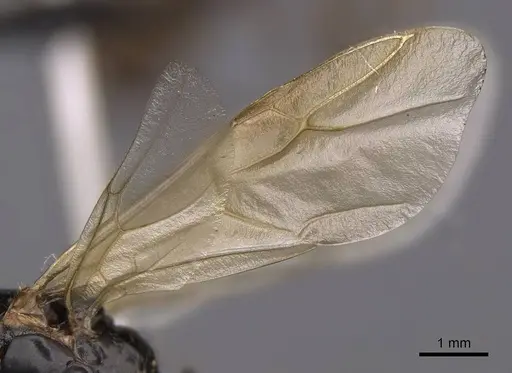
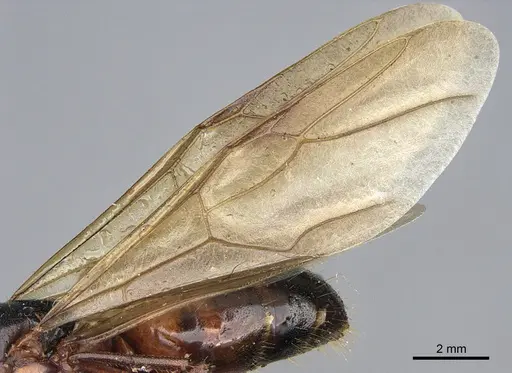
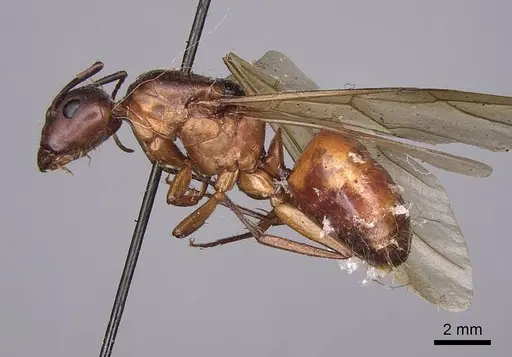
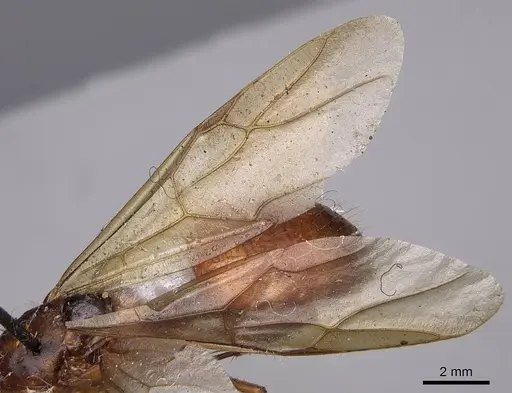
The nuptial flight of Camponotus semitestaceus is a significant biological event, typically occurring from August to October, peaking in August. During this time, winged queens and males leave the nest to mate and establish new colonies.
Camponotus semitestaceus - "Brick Carpenter Ant"
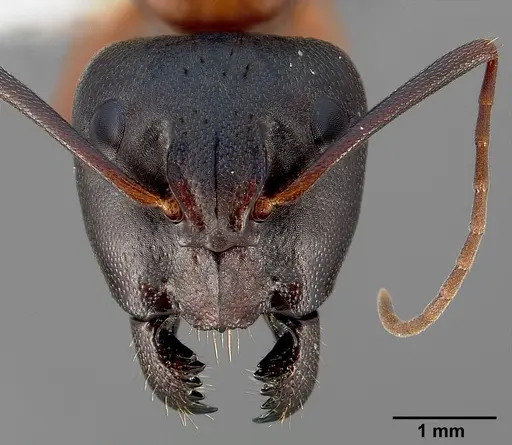
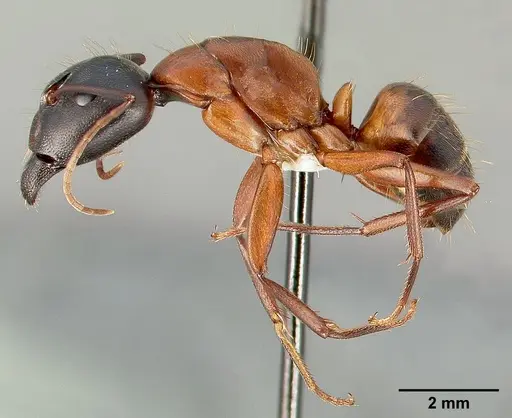
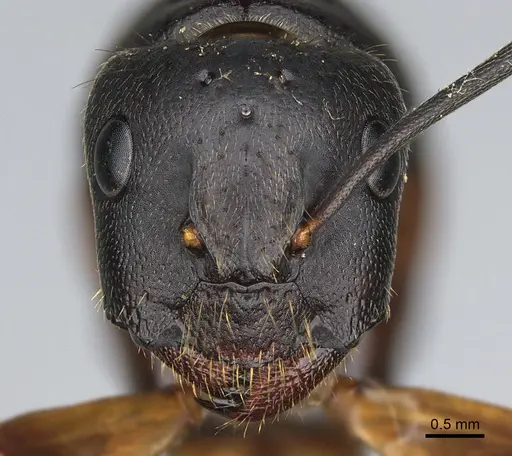
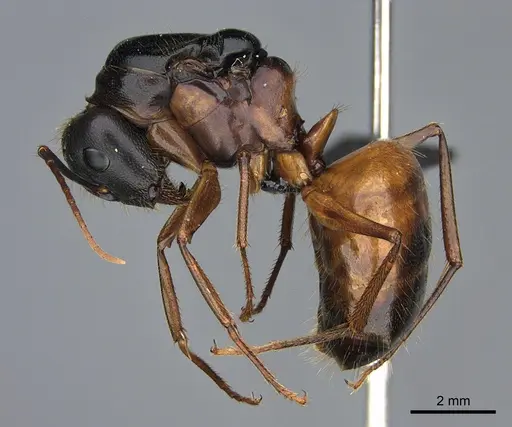
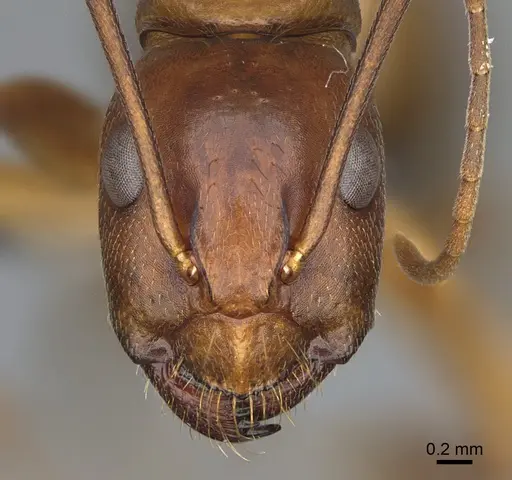
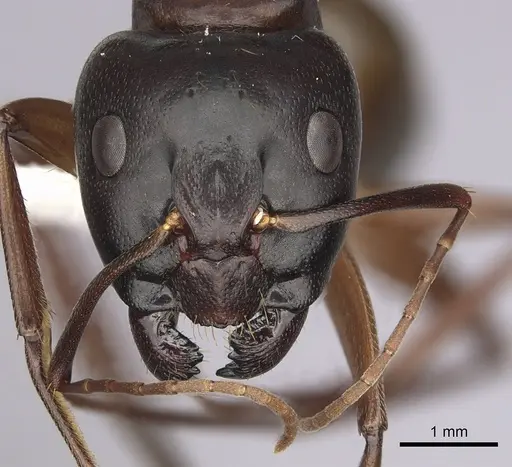
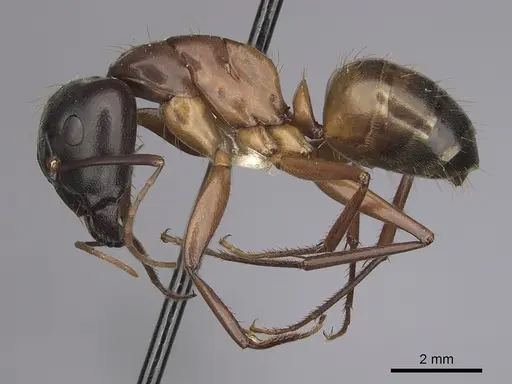
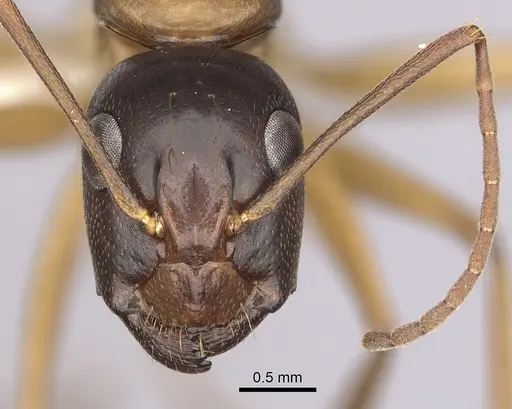
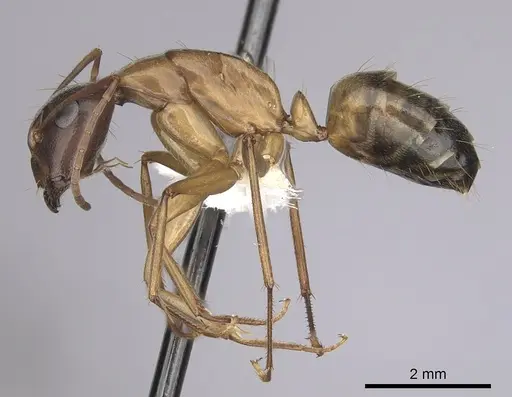
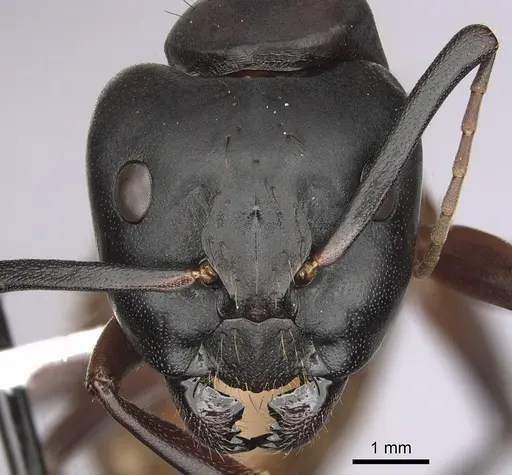
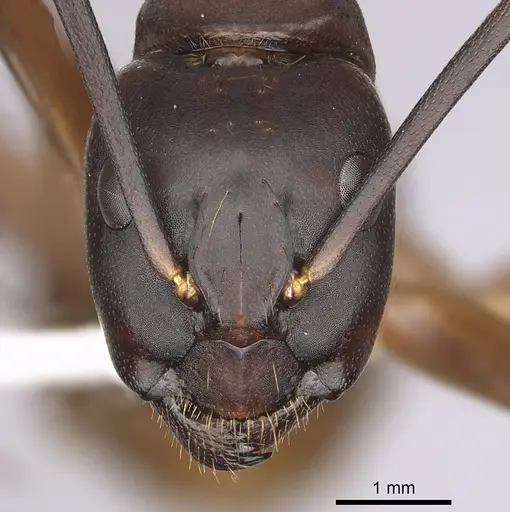
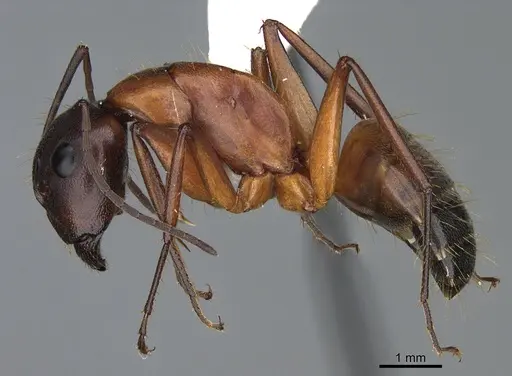
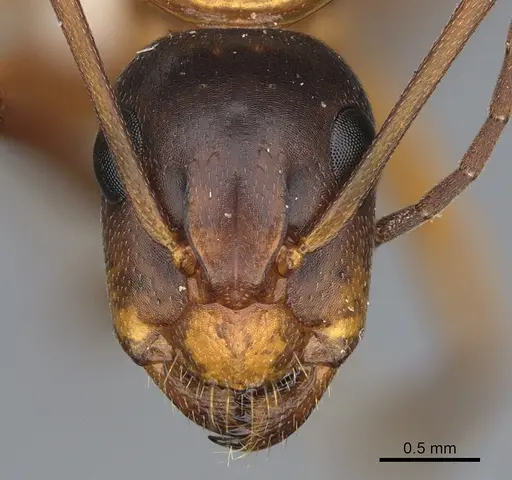
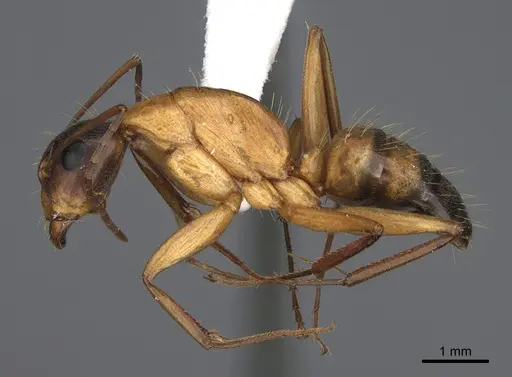
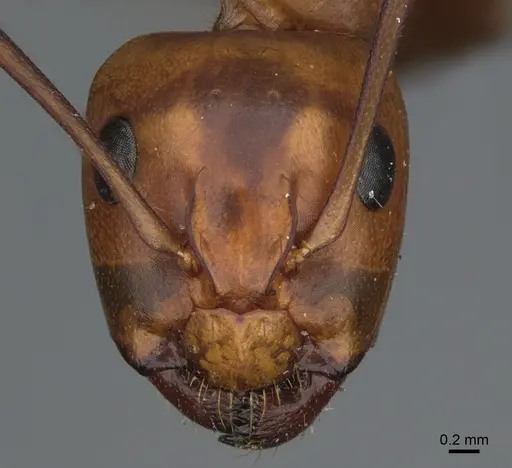
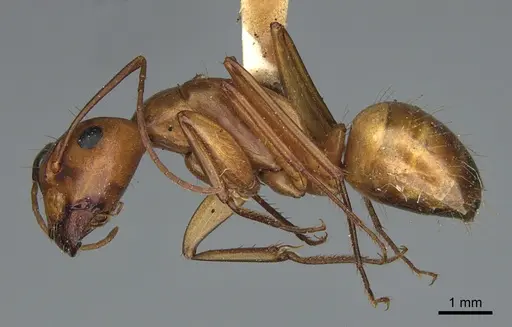
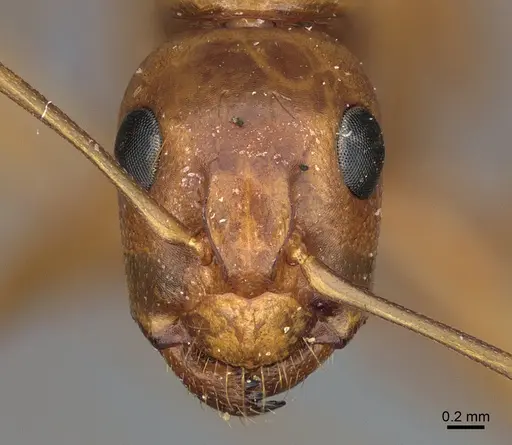
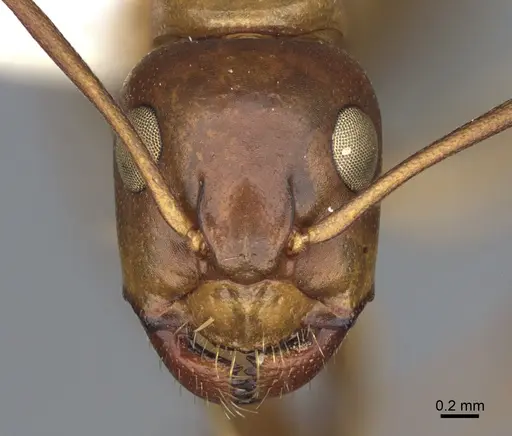
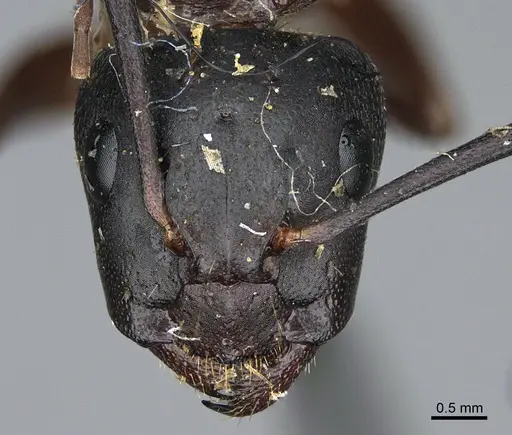
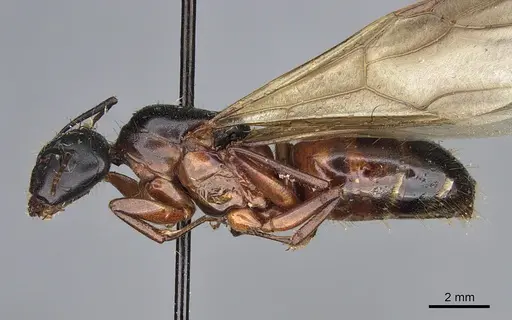
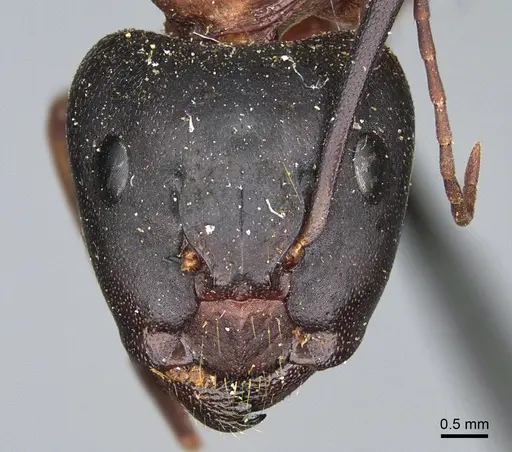
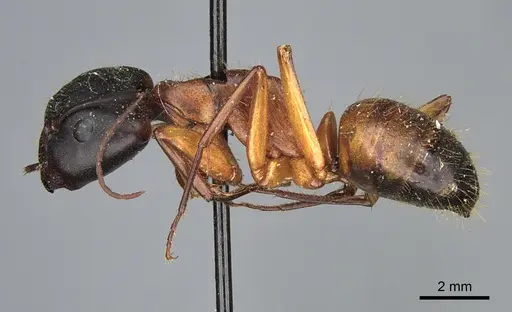
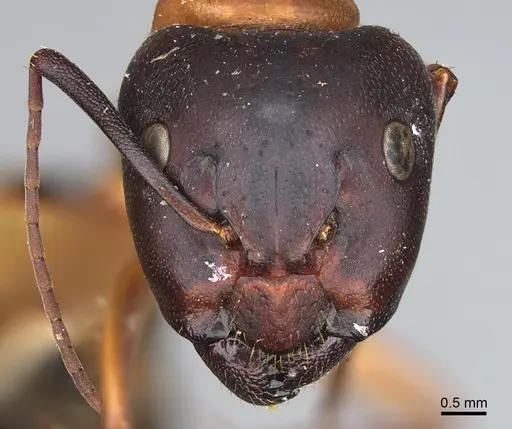
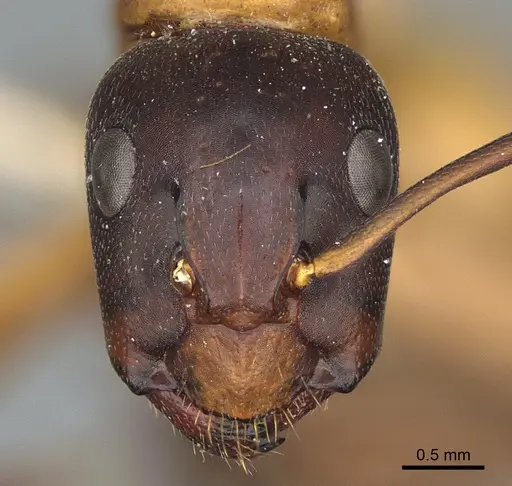
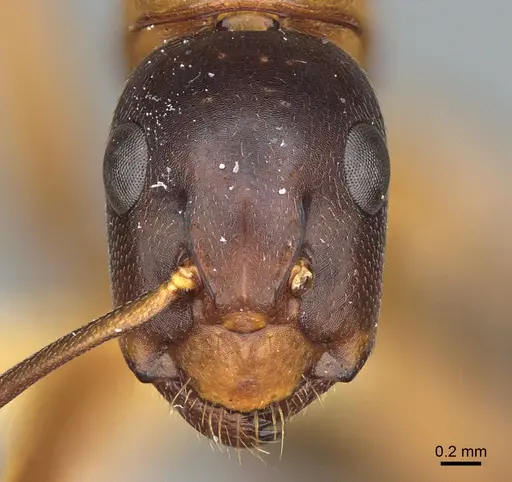
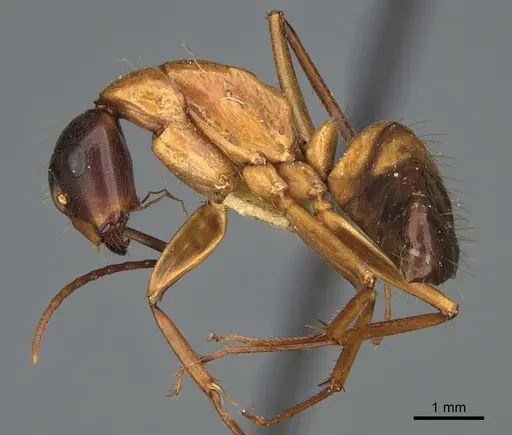
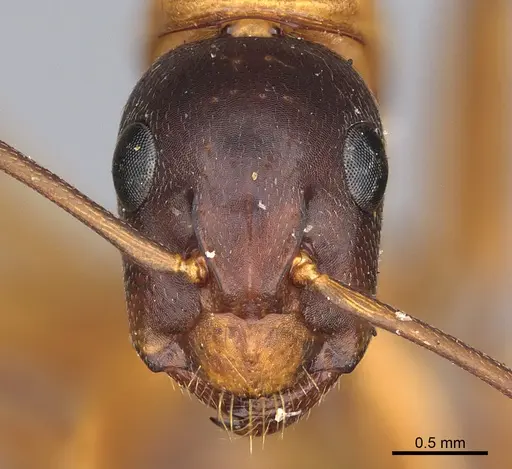
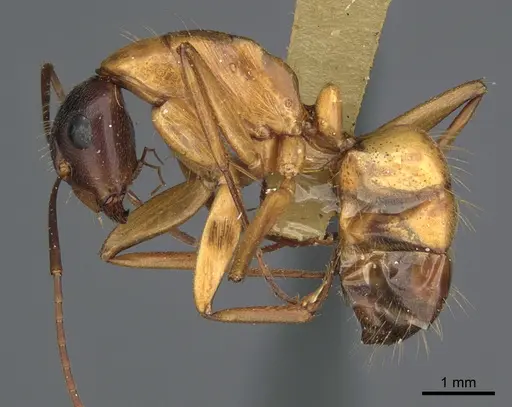
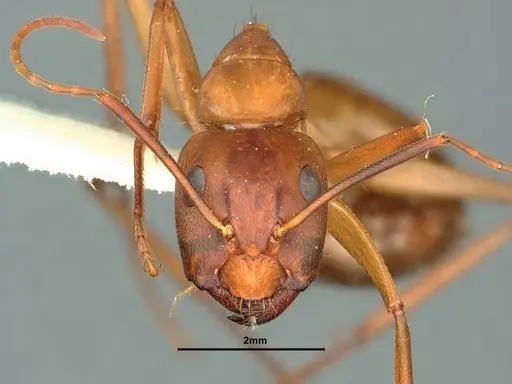
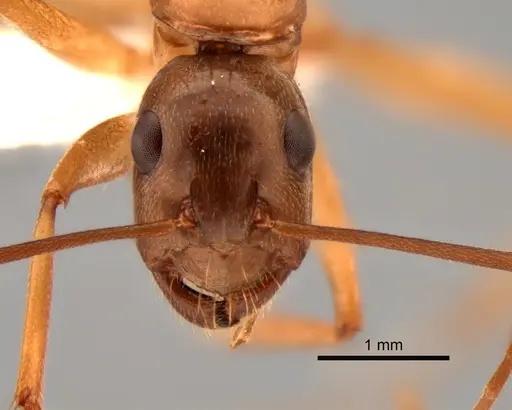
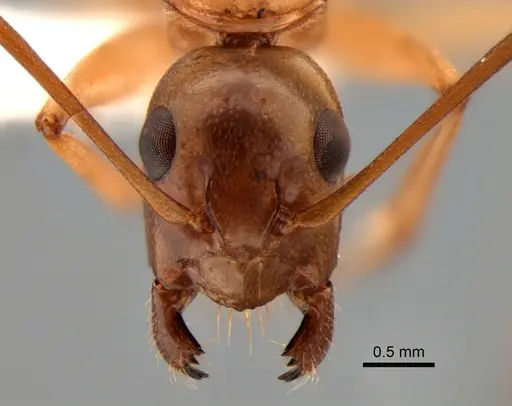
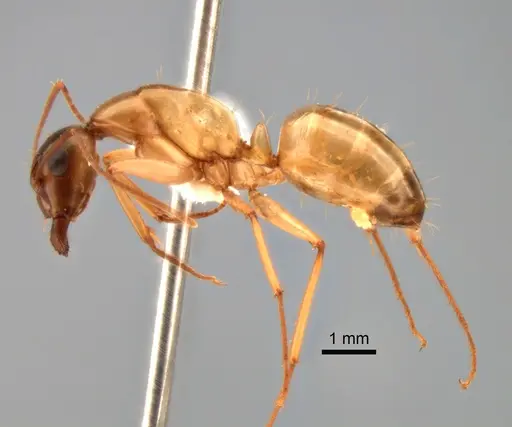
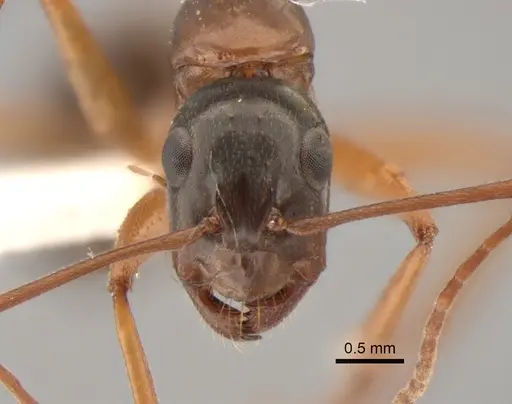
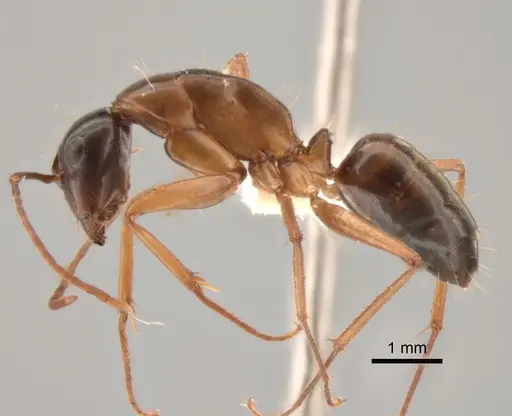
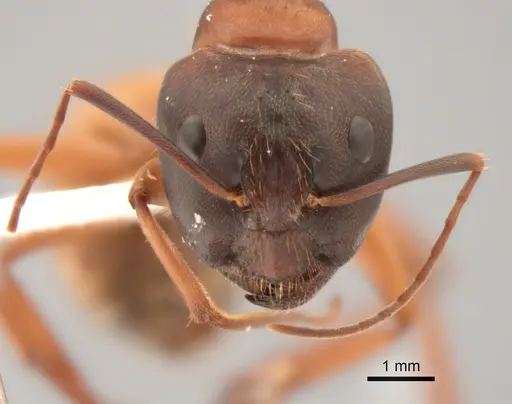
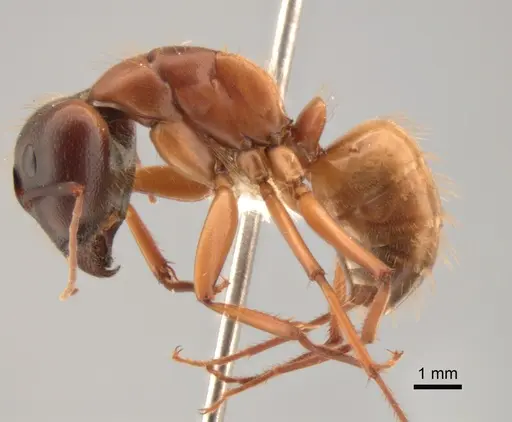
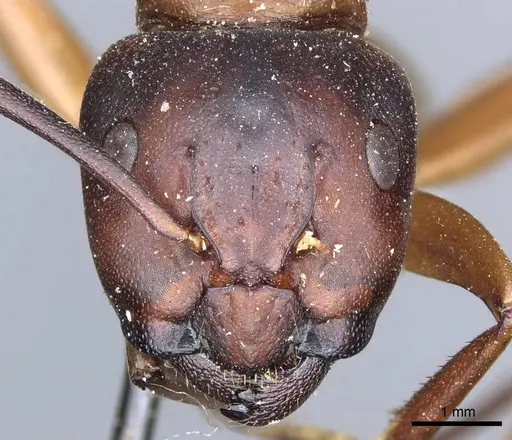
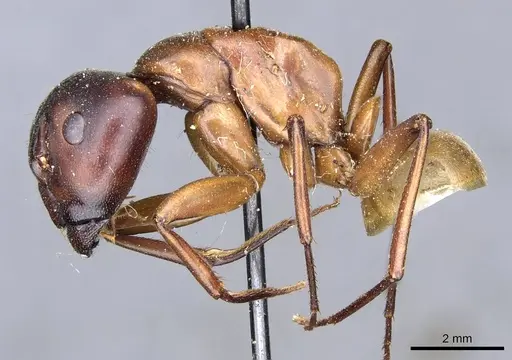
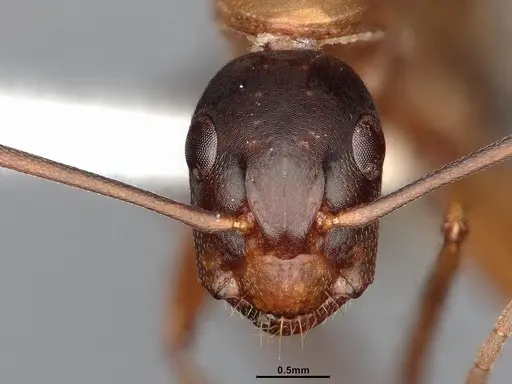
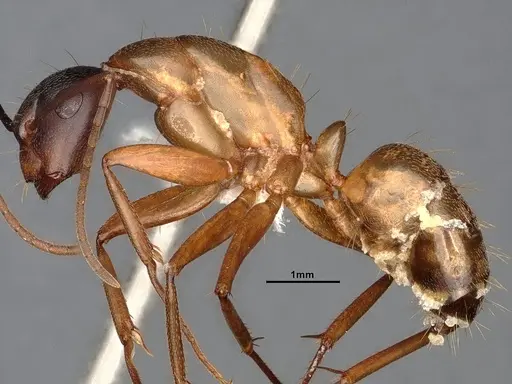
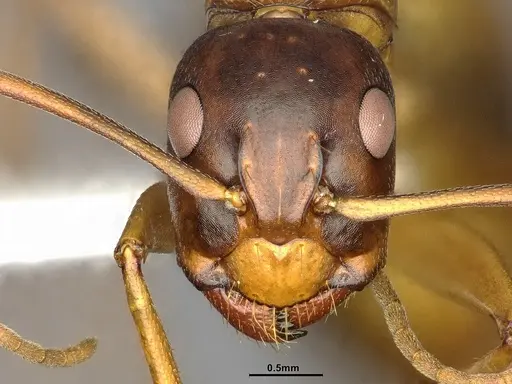
Camponotus semitestaceus is a medium-sized carpenter ant native to the western United States and northern Mexico. Workers are polymorphic, meaning they come in different sizes, minor workers are smaller and do most of the foraging, while major workers have larger heads and defend the colony. This species builds nests under stones or in soil, often marked by a small mound of excavated earth that can reach 30cm in diameter. They can also nest in rotten wood, buildings, and fence posts. Colonies can reach impressive sizes with many major workers [1].
What makes C. semitestaceus interesting is its nocturnal lifestyle, workers primarily forage at night or during cooler parts of the day, which is unusual among carpenter ants. They tend sap-feeding insects like aphids and scale insects for honeydew, and have a symbiotic relationship with Blochmannia bacteria that helps them process the nutrients from this diet [2]. This species is also notable for being a habitat generalist found across diverse environments from pinyon-juniper forests to grasslands, and from sea level to over 7,000 feet elevation [3][4].
Quick Summary
- Difficulty: Easy
- Origin & Habitat: Western United States (west to Oklahoma) and northern Mexico. Found in pinyon-juniper forests, chaparral, grasslands, and oak woodlands from 3,000-7,700 ft elevation [1][3].
- Colony Type: Large colonies with multiple majors. Likely monogyne (single queen) based on typical Camponotus patterns, though polygyny has not been specifically documented for this species.
- Colony: Monogyne
- Founding: Claustral
- Size & Growth:
- Queen: Estimated 15-18mm based on Camponotus genus
- Worker: 5-12mm (polymorphic, minors 5-7mm, majors 10-12mm)
- Colony: Several thousand workers at maturity
- Growth: Moderate
- Development: 6-10 weeks at optimal temperature based on typical Camponotus development (Development time depends on temperature, warmer conditions speed up development, cooler slows it down)
- Antkeeping:
- Temperature: Keep nest area at 20-24°C. They tolerate a wide range and are found from sea level to 7,000ft, so room temperature works well. A gentle heat gradient allows them to choose their preferred spot.
- Humidity: Moderate humidity around 50-60%. Nest under stones in nature suggests they prefer somewhat dry conditions. Provide a water tube but avoid overly wet setups [1][3].
- Diapause: Yes, they are native to temperate regions with cold winters. Provide a winter rest period at 10-15°C for 2-3 months.
- Nesting: They nest under stones or in soil in the wild, so a Y-tong (AAC) or plaster nest works well. They also accept rotting wood, so a naturalistic setup with wood pieces is suitable. Avoid very humid conditions that can cause mold [1].
- Behavior: These ants are nocturnal and relatively docile compared to some carpenter ants. Workers are active at night and during cooler daytime hours, which means they may be less visible during typical viewing hours. They are not aggressive and rarely sting. Major workers can deliver a mild sting if handled roughly. They are moderate escape artists, use standard barriers but no special escape prevention needed beyond typical measures [5][1].
- Common Issues: colonies may be slow to establish, patience is needed during the founding phase, nocturnal activity means you may not see much movement during normal daytime hours, they need protein foods regularly, sugar alone is not sufficient, winter diapause is required or colony health may decline over time, Argentine ants can outcompete them, keep separate from invasive species
Nuptial Flight Activity Analysis 51 observations
Flight Activity by Hour 51 observations
Camponotus semitestaceus nuptial flight activity peaks around 11:00 during the late morning to early afternoon. Activity is spread across a 24-hour window (00:00–23:00). A secondary activity peak occurs around 21:00. Times may be influenced by human observation patterns.
Nest Preferences and Setup
In the wild, Camponotus semitestaceus nests under stones or in soil, often creating a small mound of excavated earth. They also nest in rotten wood, buildings, and fence posts [1]. For captive care, a Y-tong (AAC) nest or plaster nest works well since these provide the dry to moderately humid conditions they prefer. Avoid overly damp setups, these ants are from relatively dry western habitats and can develop mold problems in wet conditions. A naturalistic setup with soil and flat stones can also work, but watch for mold. Provide a water tube connected to the nest for humidity, but don't saturate the substrate. They do not need high humidity like tropical species [3].
Feeding and Diet
Like all carpenter ants, C. semitestaceus is omnivorous. They need protein (insects) regularly and will accept sugar sources. In field tests, they showed strong preference for cookie crumbs (especially Pecan sandies) and tuna over honey [6]. Feed them protein sources like mealworms, small crickets, or other insects 2-3 times per week. Provide sugar water, honey, or diluted jam constantly, they will take it but it's not their primary food since they get carbohydrates from tending aphids. They also tend Homoptera in the wild, so they may show interest in sweet liquids that mimic honeydew [1][6].
Temperature and Seasonal Care
This species tolerates a wide temperature range since it's found from low elevations to over 7,000 feet in the western US [3]. Keep the nest area at 20-24°C for optimal brood development. Room temperature (around 20-22°C) is usually suitable. They can tolerate cooler conditions, which makes them easier to keep than tropical species. A heat gradient is beneficial, let the ants choose their preferred temperature zone within the nest. For winter, provide a diapause period at 10-15°C for 2-3 months. This mimics their natural seasonal cycle and helps maintain colony health long-term. Simply moving them to an unheated garage or basement during winter months works well.
Behavior and Colony Dynamics
Camponotus semitestaceus is notably nocturnal, workers primarily forage at night or during cooler parts of the day [5]. This is different from many carpenter ants that are active during the day. They are relatively docile and not prone to biting or stinging unless provoked. Colonies are polymorphic with distinct minor and major workers, majors have larger heads and are used for defense and processing tough food items. They tend Homoptera (aphids and scale insects) for honeydew, which is part of why they have the Blochmannia symbiotic bacteria that helps them digest nitrogen from their diet [2]. Nest density can be very high in good habitat areas, suggesting they can form dense populations where conditions are favorable [1].
Dealing with Invasive Ants
One important consideration for C. semitestaceus is competition with the invasive Argentine ant (Linepithema humile). Research shows this native species is negatively affected by Argentine ant invasions in California [7]. In direct competition, Argentine ants displaced C. semitestaceus from baits in 59% of encounters and fought with them in 64% of encounters [8]. However, in later experiments, C. semitestaceus was sometimes able to displace Argentine ants, suggesting the relationship is complex [8]. If you keep other ant species, keep this one well-separated from Argentine ants and other invasive species. In the wild, C. semitestaceus is often found in areas where Argentine ants are absent or rare [9].
Frequently Asked Questions
How long does it take for Camponotus semitestaceus to produce first workers?
Expect 6-10 weeks from egg to first worker (nanitics) at room temperature. This is typical for Camponotus species. The exact time depends on temperature, warmer conditions speed development, cooler slows it. Founding colonies need patience as the queen raises her first brood alone.
Can I keep Camponotus semitestaceus in a test tube?
Yes, test tubes work well for founding colonies. Use a standard test tube setup with a water reservoir sealed with cotton. Keep it in a dark, quiet location during founding. Once the colony reaches 20-30 workers, consider moving to a proper nest like a Y-tong or plaster formicarium.
What do Camponotus semitestaceus eat?
They need a balanced diet of protein and sugar. Feed protein (mealworms, small crickets, other insects) 2-3 times per week. Provide sugar water, honey, or diluted jam constantly. They also enjoy protein-rich foods like tuna, in tests they preferred tuna and cookie crumbs over honey [6].
Do Camponotus semitestaceus need hibernation?
Yes, they benefit from a winter rest period. Since they're native to temperate regions with cold winters, provide 2-3 months at 10-15°C during winter. This helps maintain colony health and mimics their natural seasonal cycle. A cool basement or garage works well.
Are Camponotus semitestaceus good for beginners?
Yes, they are one of the easier carpenter ant species to keep. They are docile, tolerate a wide range of conditions, and don't require high humidity. Their main challenges are their nocturnal habits (less activity to observe) and the need for winter diapause. They're harder to find in the antkeeping hobby than some species but not difficult to care for once obtained.
How big do Camponotus semitestaceus colonies get?
Colonies can reach several thousand workers at maturity. They are large colonies with many major workers, typical of carpenter ants. Growth is moderate, expect a few years to reach maximum size. They have high nest density in good habitat, indicating they can form dense, successful populations [1].
When do Camponotus semitestaceus have nuptial flights?
Reproductives (alates) have been found in nests in September in New Mexico [1]. This suggests late summer to early fall flights in most of their range. If you're keeping this species, plan for potential alate production in late summer. Mated queens will seek dark, quiet places to found new colonies [1].
Why are my Camponotus semitestaceus not foraging during the day?
This is normal! C. semitestaceus is nocturnal, workers primarily forage at night or during cooler parts of the day [5]. Check on them in the evening or morning to see activity. They may also be more active during cooler weather. This is not a problem, just their natural behavior [5].
References

This caresheet is licensed under CC BY-SA 4.0 .
CASENT0005352
View on AntWeb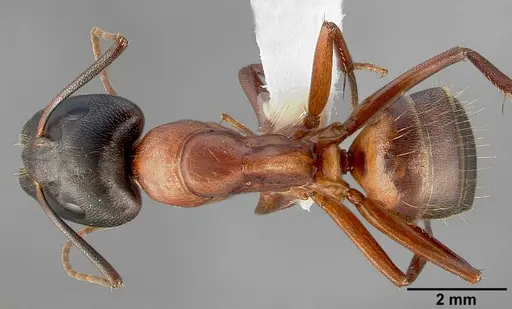
CASENT0053021
View on AntWeb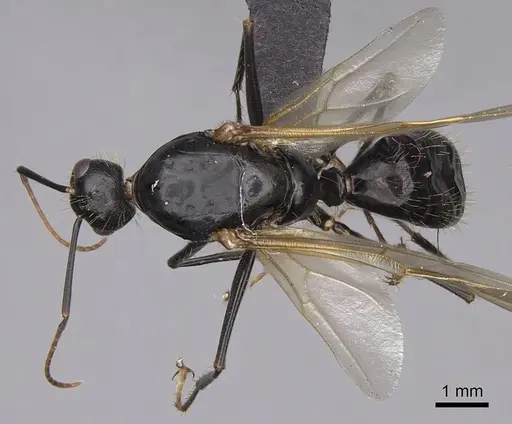
CASENT0066376
View on AntWeb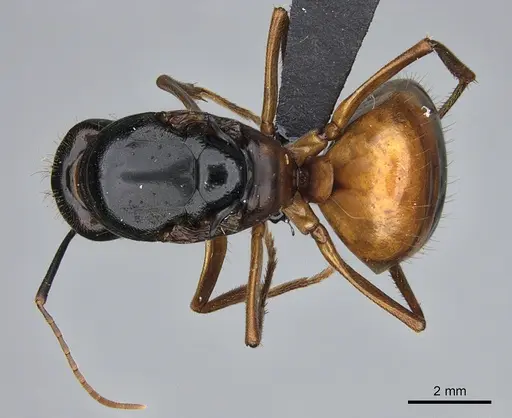
CASENT0066378
View on AntWeb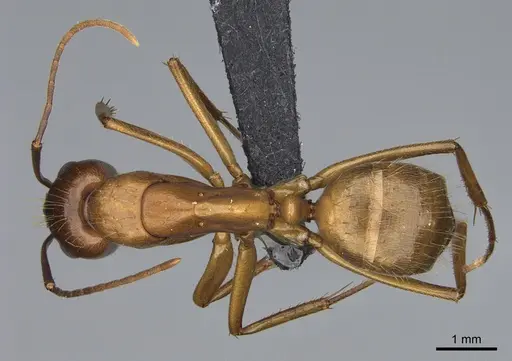
CASENT0066541
View on AntWeb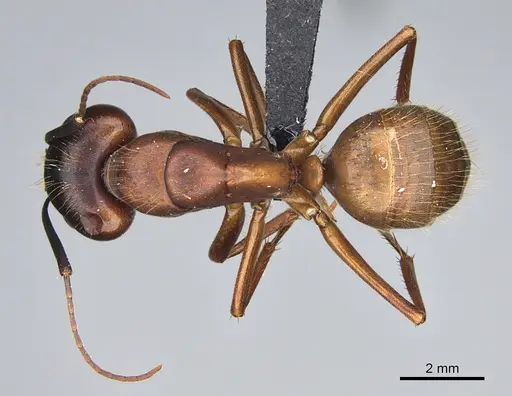
CASENT0280037
View on AntWeb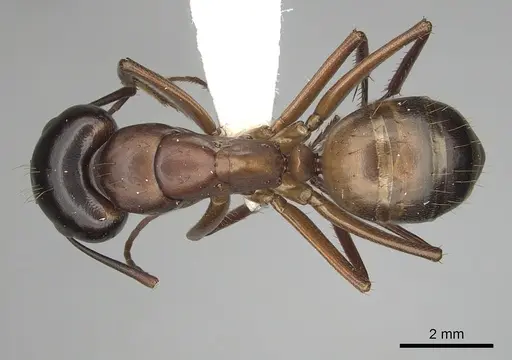
CASENT0280038
View on AntWeb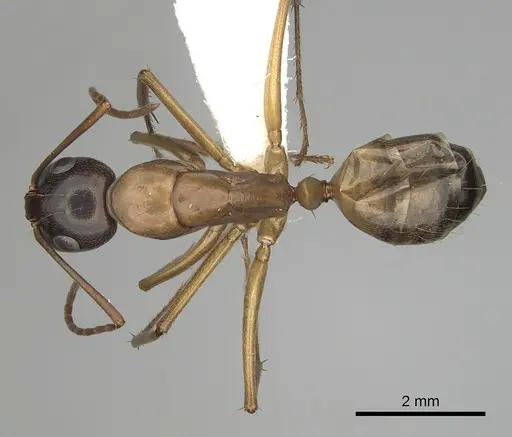
CASENT0280039
View on AntWeb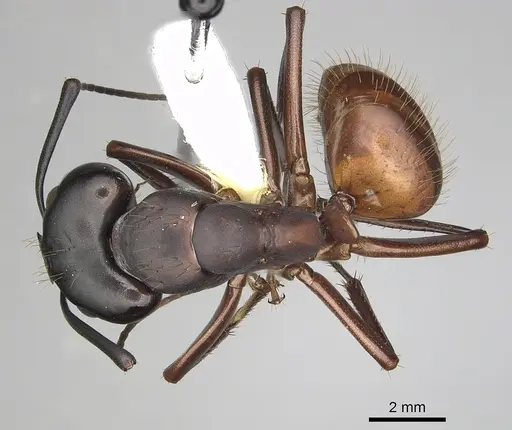
CASENT0280040
View on AntWeb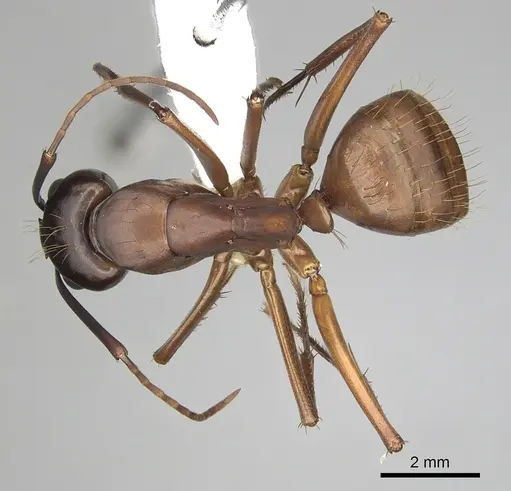
CASENT0761104
View on AntWeb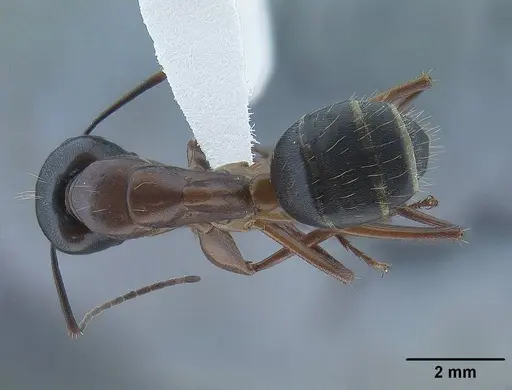
CASENT0840892
View on AntWeb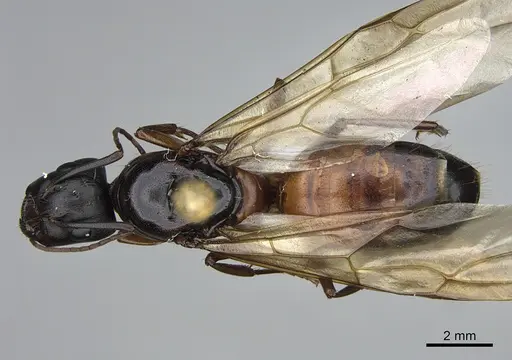
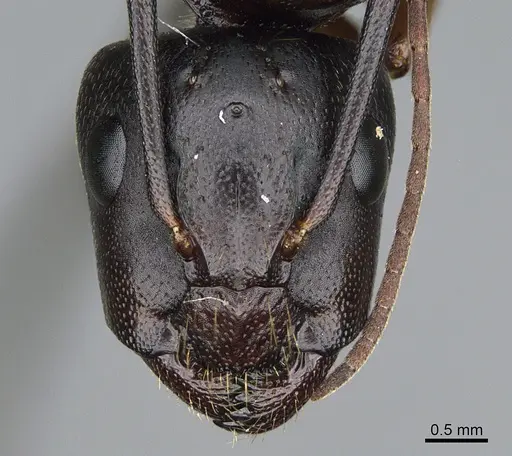
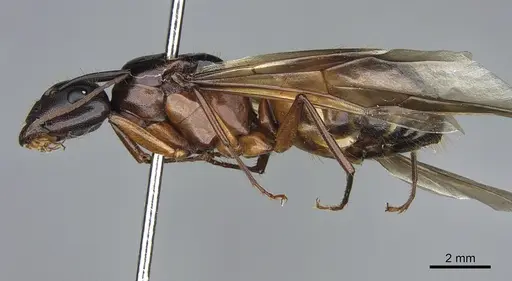
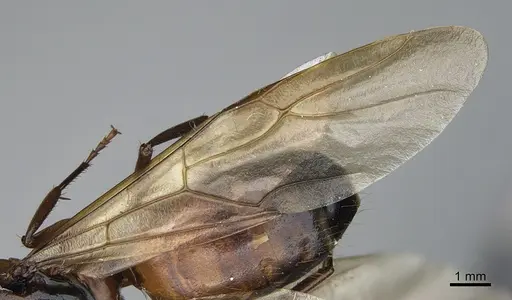
CASENT0840893
View on AntWeb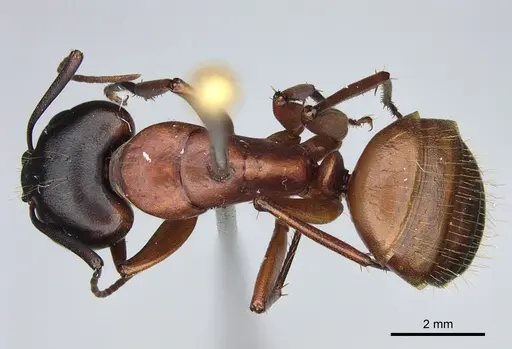
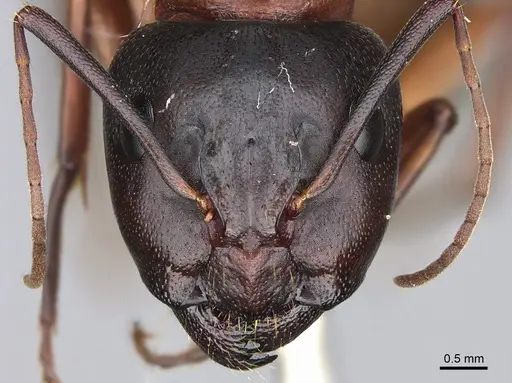
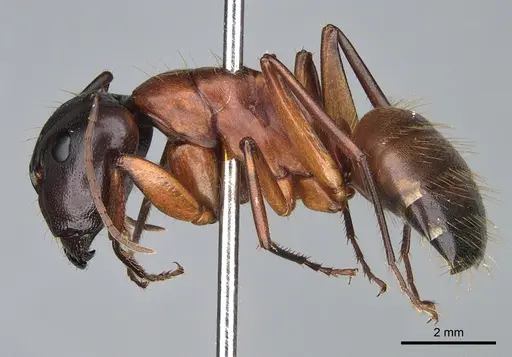
CASENT0840894
View on AntWeb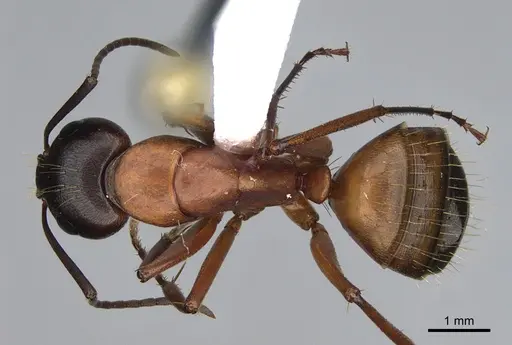
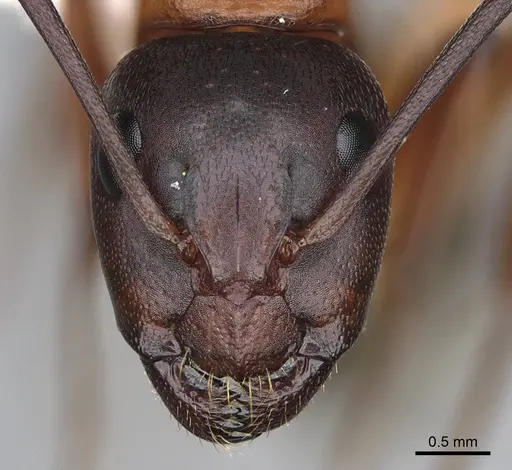
CASENT0840895
View on AntWeb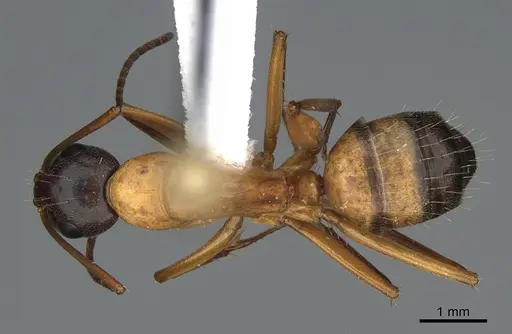
CASENT0840902
View on AntWeb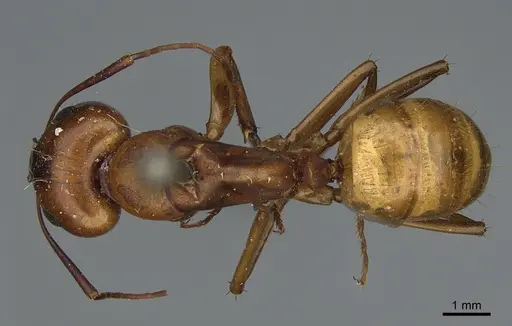
CASENT0840903
View on AntWeb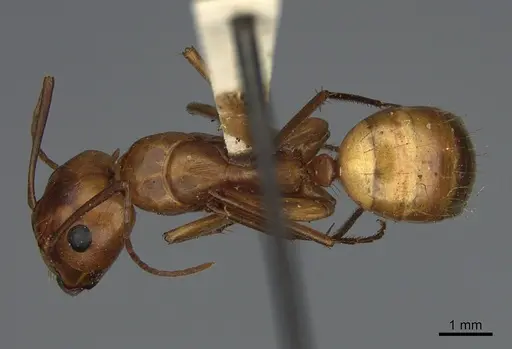
CASENT0840904
View on AntWeb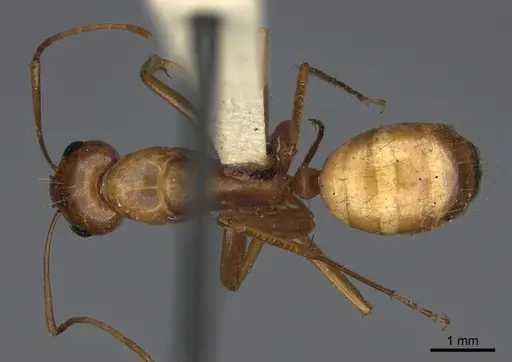
CASENT0840905
View on AntWeb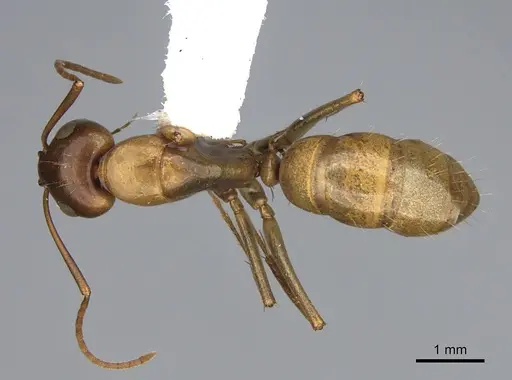
CASENT0840906
View on AntWeb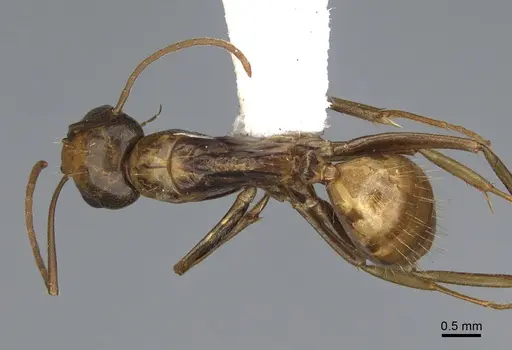
CASENT0840907
View on AntWeb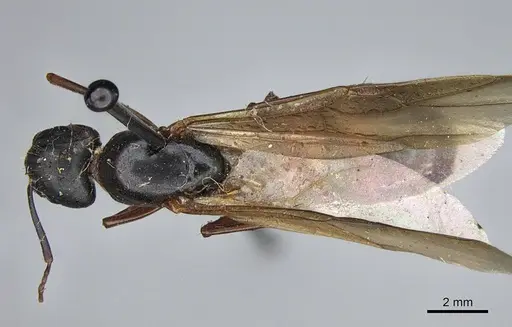
CASENT0840909
View on AntWeb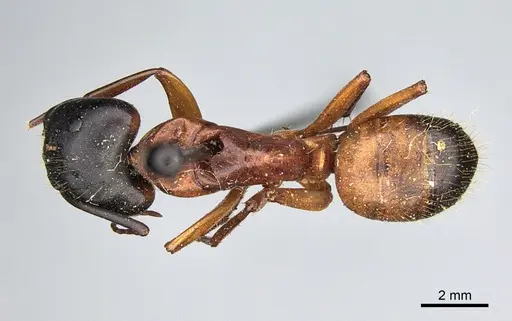
CASENT0840911
View on AntWeb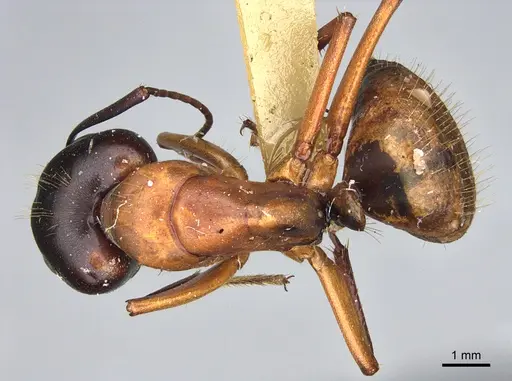
CASENT0840916
View on AntWeb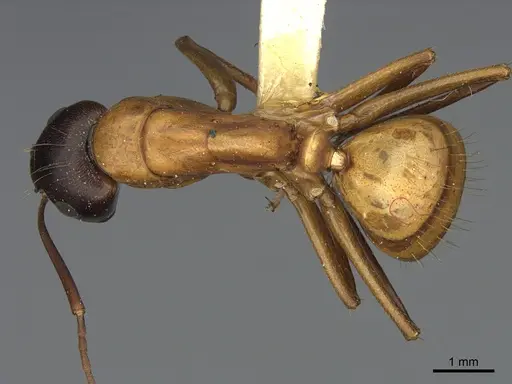
CASENT0840919
View on AntWeb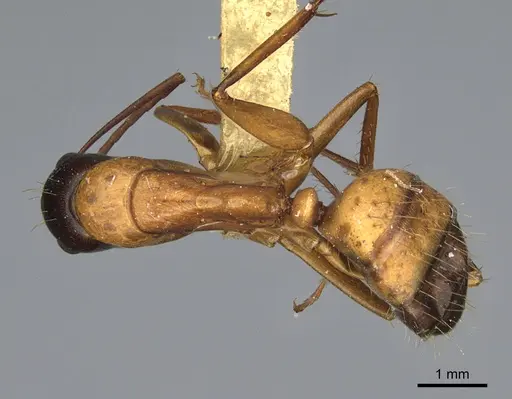
CASENT0840920
View on AntWeb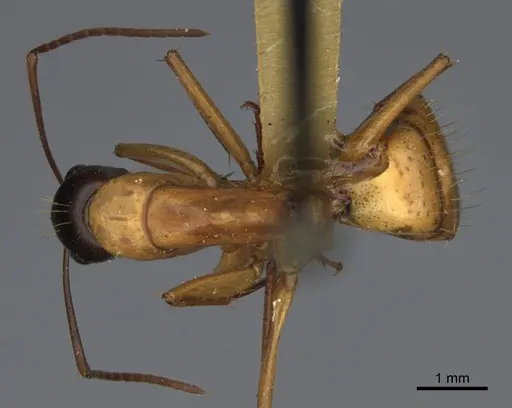
CASENT0882213
View on AntWeb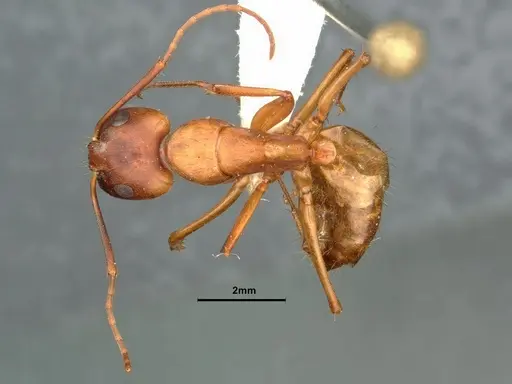
CASENT0882268
View on AntWeb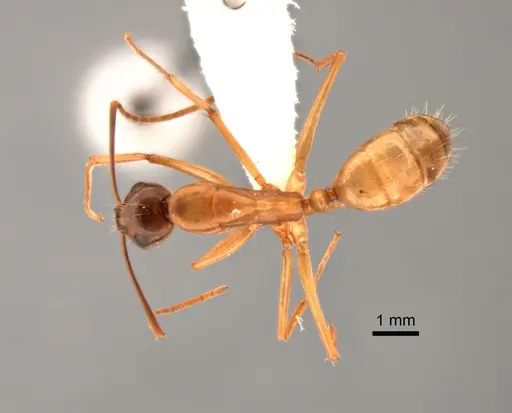
CASENT0882275
View on AntWeb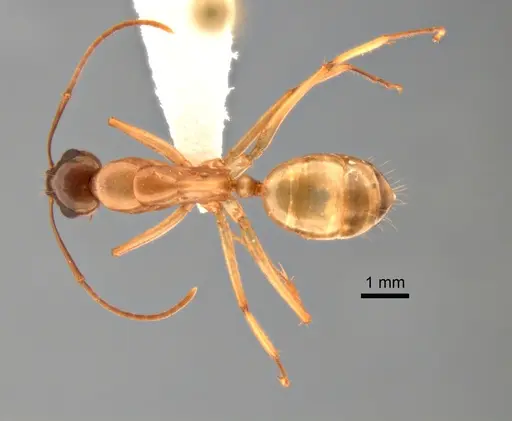
CASENT0882281
View on AntWeb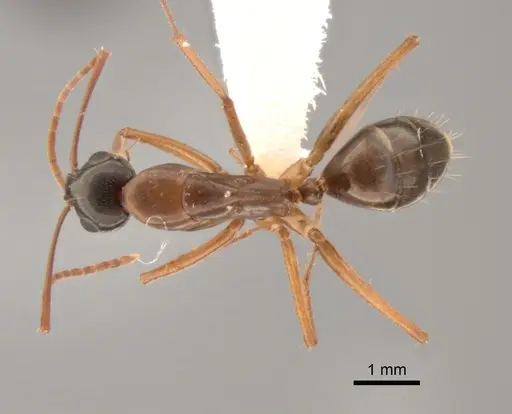
CASENT0882294
View on AntWeb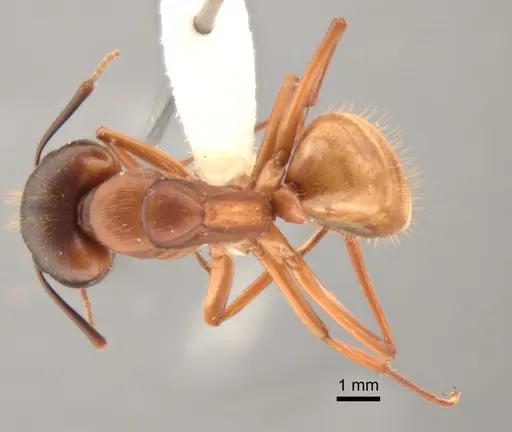
CASENT0905196
View on AntWeb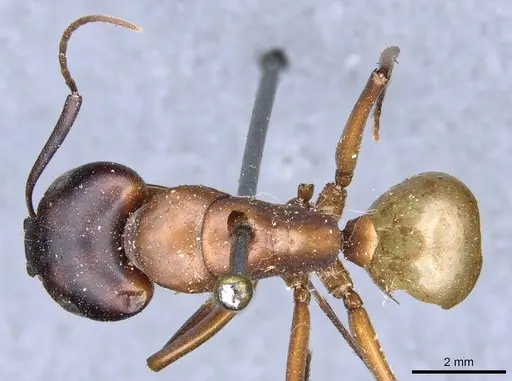
CASENT0905197
View on AntWeb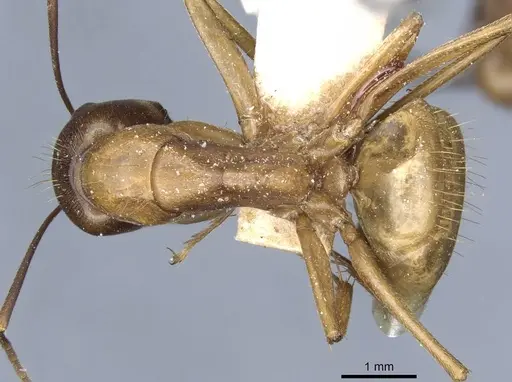
CASENT0923038
View on AntWeb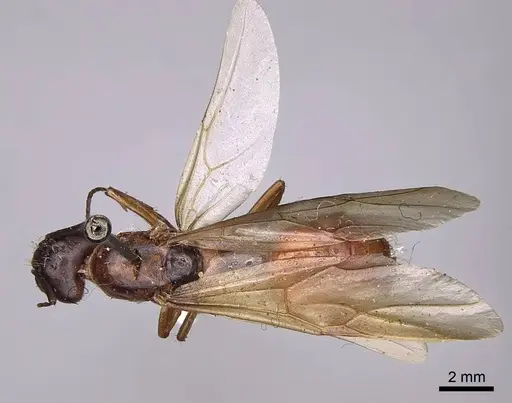
CASENT4031393
View on AntWeb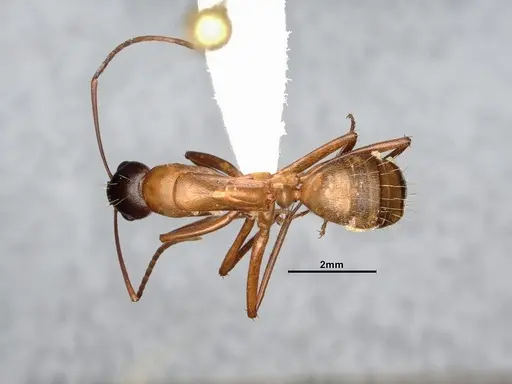
CASENT4031394
View on AntWeb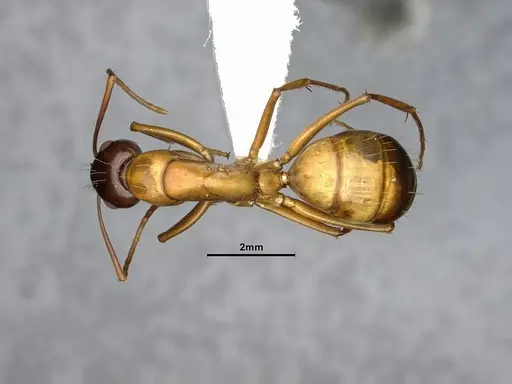
FMNHINS0000062298
View on AntWeb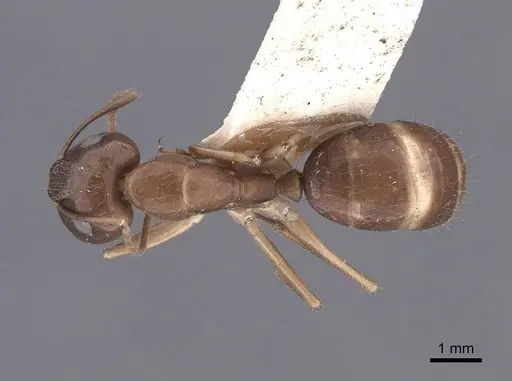
Literature
Loading...Loading products...