

Camponotus scratius
- Scientific Name
- Camponotus scratius
- Subgenus
- Thlipsepinotus
- Tribe
- Camponotini
- Subfamily
- Formicinae
- Author
- Forel, 1907
- Distribution
- Found in 1 countries
Camponotus scratius Overview
Camponotus scratius is an ant species of the genus Camponotus. It is primarily documented in 1 countries , including Australia. Detailed taxonomic data and occurrence records can be further explored via authoritative databases such as AntWeb or the Global Biodiversity Information Facility (GBIF).
Camponotus scratius
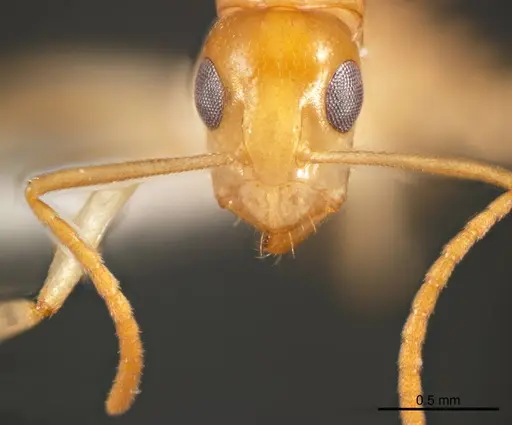
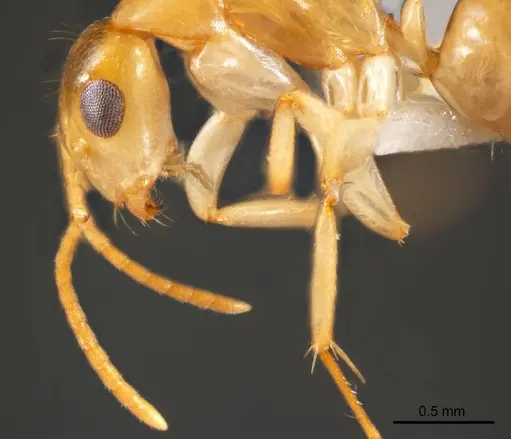
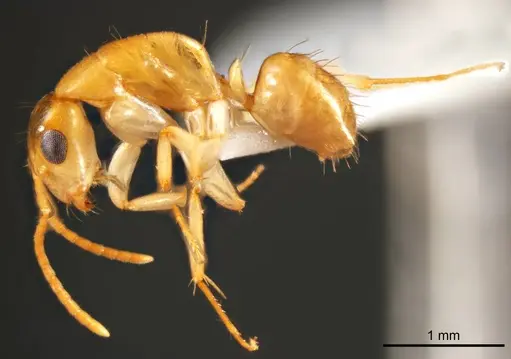
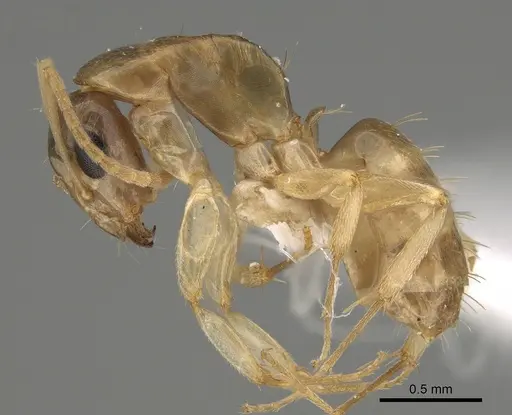
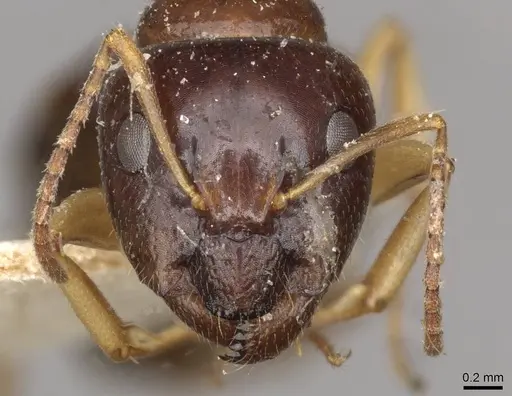
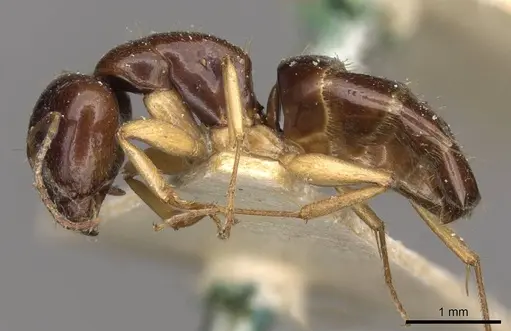
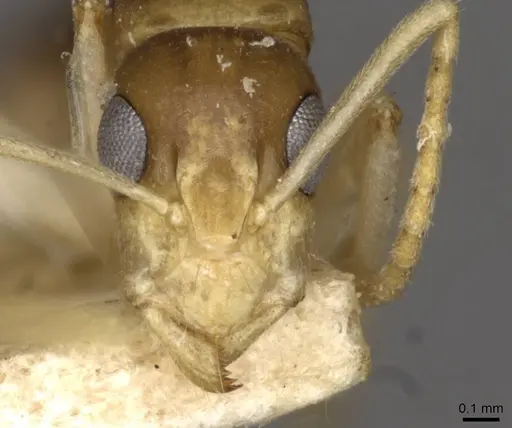
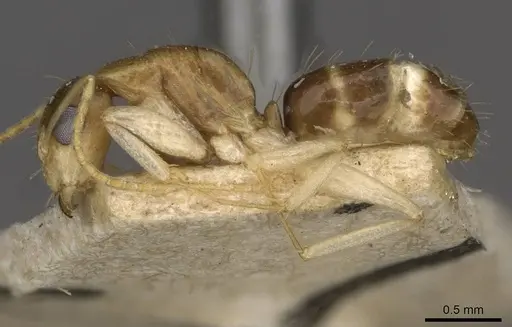
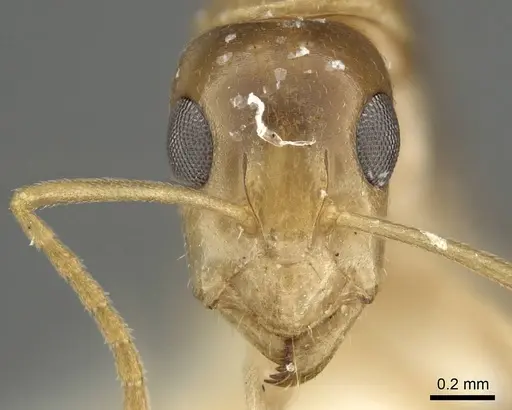
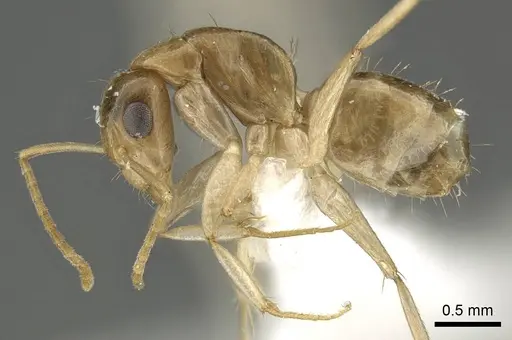
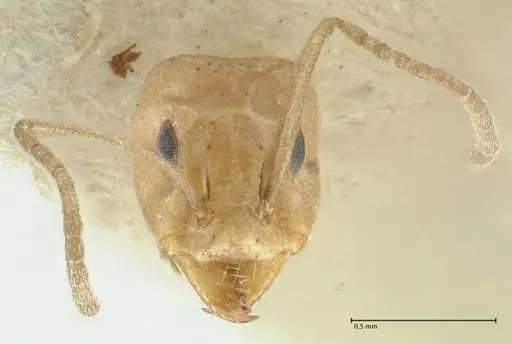
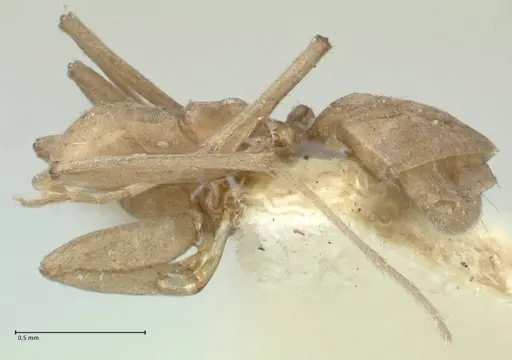
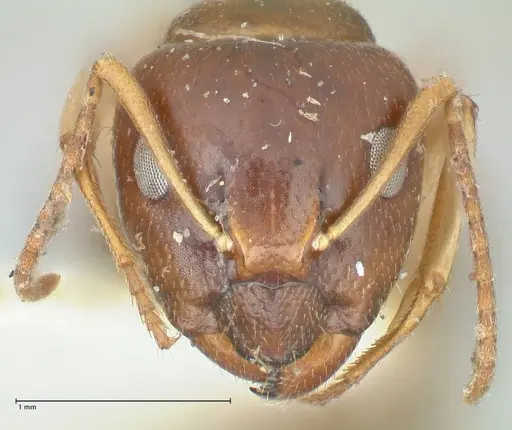
Camponotus scratius is a tiny Australian carpenter ant species native to Western Australia. Major workers measure 5.3-6.5mm while minor workers are remarkably small at just 2.8-3.1mm, making them among the smallest Camponotus species in Australia [1]. The species is easily confused with the similar Camponotus insipidus, but can be distinguished by the presence of setae (bristles) on the underside of the head capsule in C. scratius [1]. Workers are primarily yellow to yellowish-brown in color, with ground-nesting habits [2]. This species has a wide coastal distribution in Western Australia and can also be found in inland sand-plain regions east of Kalgoorlie [1].
Quick Summary
- Difficulty: Easy
- Origin & Habitat: Western Australia, coastal regions and inland sand-plain country. Found rarely more than a few kilometres from the coast in the lower south-west, but also present in drier inland areas [1]. Ground-nesting species [2].
- Colony Type: Single-queen colonies (monogyne), typical for Camponotus species. Colony structure is unconfirmed for this specific species but follows standard Camponotus patterns.
- Colony: Monogyne
- Founding: Claustral
- Size & Growth:
- Queen: 7.5mm [3]
- Worker: Major: 5.3-6.5mm, Minor: 2.8-3.1mm [3]. Minor workers are among the smallest Camponotus in Australia, with head width as low as 0.6mm [4][2].
- Colony: Unknown, likely moderate colony size typical of small Camponotus species. Estimated 500-2000 workers based on genus patterns.
- Growth: Moderate, typical for small Camponotus species
- Development: Estimated 6-8 weeks at optimal temperature based on typical Camponotus development. (Development time is estimated from related species, specific data for C. scratius is not available.)
- Antkeeping:
- Temperature: Keep at 22-26°C. Western Australia has a Mediterranean climate with mild winters and warm to hot summers. Provide a gentle temperature gradient allowing workers to self-regulate. Room temperature in most homes should suffice, with optional heating cable on one side of the nest if needed.
- Humidity: Moderate humidity is suitable. As a coastal species, they prefer conditions that aren't too dry. Keep nest substrate lightly moist but not waterlogged. Provide a water test tube as a constant moisture source.
- Diapause: Likely not required. Western Australia doesn't experience harsh winters, and this species is active year-round in its native range. Some reduction in activity during cooler months may occur.
- Nesting: Ground-nesting species [2]. Y-tong (AAC) nests or plaster nests work well. Provide soil or sand as substrate if using a naturalistic setup. Small chamber dimensions suit their tiny size.
- Behavior: Generally calm and non-aggressive for a Camponotus species. Workers are small but active foragers. They are ground-nesting and will readily forage for protein and sugar sources. Escape prevention should be considered given their small size, minor workers at just 2.8mm can potentially squeeze through small gaps. They are not known to be particularly aggressive or to have a painful sting.
- Common Issues: tiny size means escapes are possible through fine gaps, use tight-fitting lids and fine mesh barriers, slow growth compared to larger ant species may frustrate beginners, colonies may be sensitive to invasive fire ants (Wasmannia auropunctata), keep away from infected areas [4], overheating is more dangerous than cold, avoid direct sunlight or heating elements that can cause desiccation, test tube setups work but monitor for flooding, their small size makes them vulnerable to water issues
Housing and Nest Setup
Camponotus scratius is a ground-nesting species that does well in Y-tong (AAC) nests or plaster formicariums. Their tiny size, minor workers are only 2.8-3.1mm, means you should use narrow chambers and passages scaled to their body size. A test tube setup works well for founding colonies, but ensure the cotton plug is packed tightly to prevent escapes. For a naturalistic setup, use a soil or sand-filled container that allows them to dig their own chambers. Provide a water test tube connected to the nest area for humidity. Escape prevention is important, these tiny ants can squeeze through surprisingly small gaps, so use fine mesh on any ventilation holes and ensure all lids fit tightly. [2][1]
Feeding and Diet
Like other Camponotus species, C. scratius is omnivorous and will accept both protein and sugar sources. Offer sugar water, honey, or diluted maple syrup as a constant carbohydrate source. For protein, provide small insects like fruit flies, small mealworms, or cricket pieces. Given their tiny size, prey items should be appropriately scaled, very small insects or crushed arthropods work best. Feed protein 2-3 times per week, removing any uneaten prey after 24 hours. Fresh water should always be available. [3]
Temperature and Seasonal Care
This Western Australian species prefers warm conditions but doesn't require extreme heat. Keep the nest area at 22-26°C for optimal brood development. A temperature gradient is ideal, allow workers to move between warmer and cooler areas of the nest. In their native coastal habitat, temperatures are mild year-round, so they don't need a true hibernation. However, you may notice reduced activity during cooler winter months if your room temperature drops significantly. Avoid placing the nest in direct sunlight or near heating devices that could cause overheating and drying out. [1]
Colony Development
C. scratius is a small species with correspondingly moderate growth rates. A newly mated queen will lay eggs after sealing herself in a claustral chamber, living off her stored fat reserves until the first workers (nanitics) emerge. These first workers are typically smaller than normal minor workers. Expect 6-8 weeks from egg to first worker at optimal temperature, though this is estimated from typical Camponotus patterns rather than specific studies of this species. Colonies grow gradually over several months to years, eventually reaching several hundred to a few thousand workers. The major workers (larger soldiers) develop as the colony matures and typically appear once the colony reaches several hundred workers. [2][4]
Identification Tips
Camponotus scratius can be distinguished from the similar C. insipidus (formerly C. claripes minimus) by examining the underside of the head capsule. C. scratius has visible setae (bristles) on the venter of the head, while C. insipidus lacks these hairs [1]. Major workers measure 5.3-6.5mm while minor workers are much smaller at 2.8-3.1mm [3]. The species is a member of the C. gibbinotus group and has yellow to yellowish-brown coloration [2]. This is one of the smallest Camponotus species in Australia, with overall length of minor workers as low as 3mm.
Frequently Asked Questions
How long does it take for Camponotus scratius to get first workers?
Expect 6-8 weeks from egg to first worker at optimal temperature (22-26°C). This is estimated from typical Camponotus development patterns, as specific timing for this species hasn't been documented.
Can I keep Camponotus scratius in a test tube?
Yes, test tubes work well for founding colonies. Ensure the cotton is packed tightly, these tiny ants can escape through surprisingly small gaps. Add a water reservoir connected to the test tube for humidity.
What do Camponotus scratius ants eat?
They are omnivorous. Offer sugar water, honey, or maple syrup for carbohydrates. For protein, provide small insects like fruit flies, small mealworms, or cricket pieces scaled to their tiny size.
Are Camponotus scratius good for beginners?
Yes, this species is rated as easy to keep. They are small, docile, and don't have complex temperature or humidity requirements. The main challenges are their tiny size (escape prevention) and moderately slow growth.
How big do Camponotus scratius colonies get?
Colony size is estimated at 500-2000 workers based on similar small Camponotus species. Major workers develop as the colony matures, appearing once the colony reaches several hundred workers.
Do Camponotus scratius need hibernation?
Likely no true hibernation is required. As a Western Australian species from a Mediterranean climate, they are active year-round. You may see reduced activity in cooler months, but no special winter treatment is needed.
When should I move Camponotus scratius to a formicarium?
Move them when the colony reaches 50-100 workers or when the test tube becomes cramped. Their small size means you can use a smaller formicarium than you'd need for larger ant species.
How do I identify Camponotus scratius?
Look for the presence of setae (bristles) on the underside of the head capsule, this distinguishes them from the similar C. insipidus which lacks these hairs. Minor workers are very small (2.8-3.1mm) and yellow in color.
Can I keep multiple Camponotus scratius queens together?
Not recommended. This species is likely monogyne (single-queen). Combining unrelated queens hasn't been documented and typically leads to fighting. Start with one queen per colony.
References

This caresheet is licensed under CC BY-SA 4.0 .
ANTWEB1008621
View on AntWeb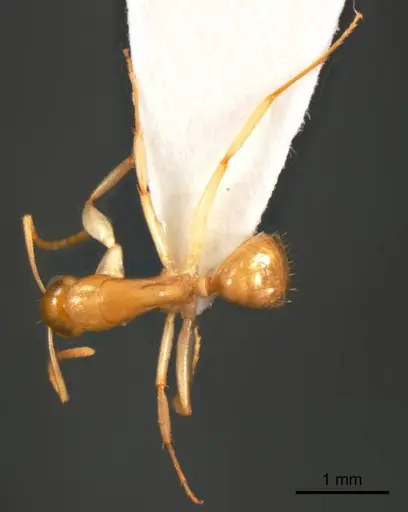
CASENT0887721
View on AntWeb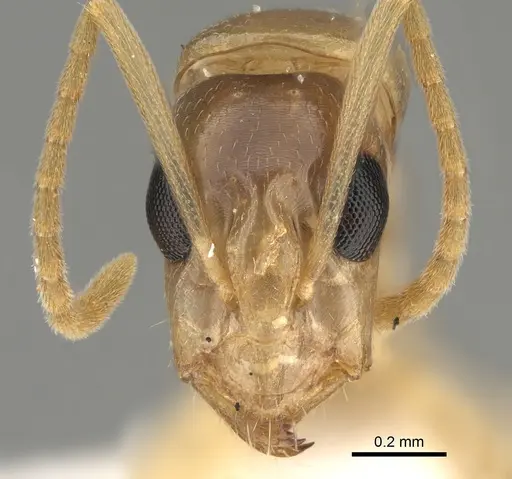
CASENT0910399
View on AntWeb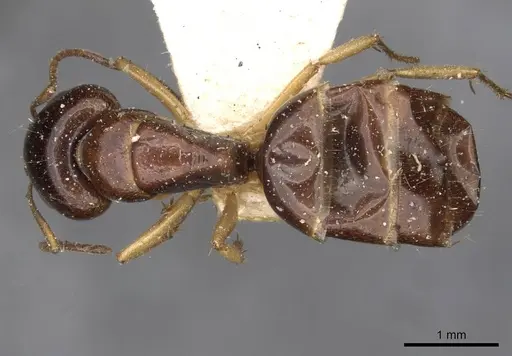
CASENT0910400
View on AntWeb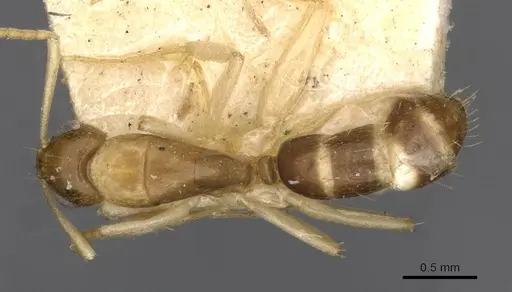
CASENT0915770
View on AntWeb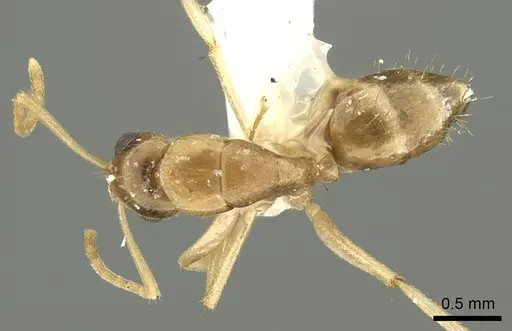
FOCOL2252
View on AntWeb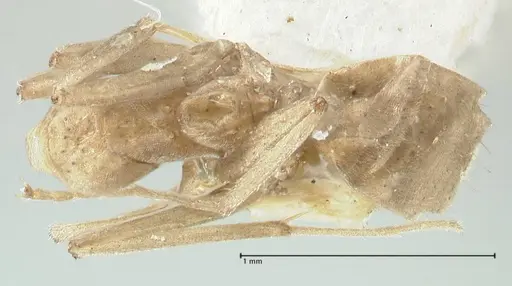
FOCOL2253
View on AntWeb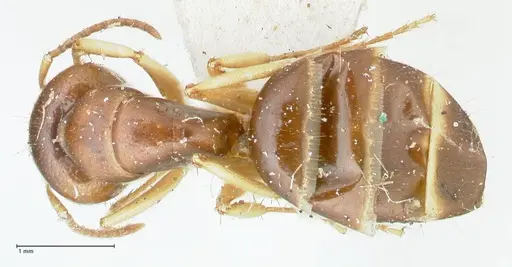
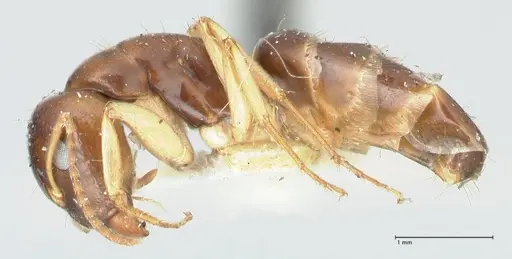
FOCOL2254
View on AntWeb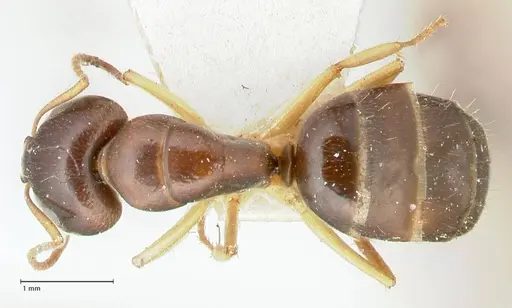
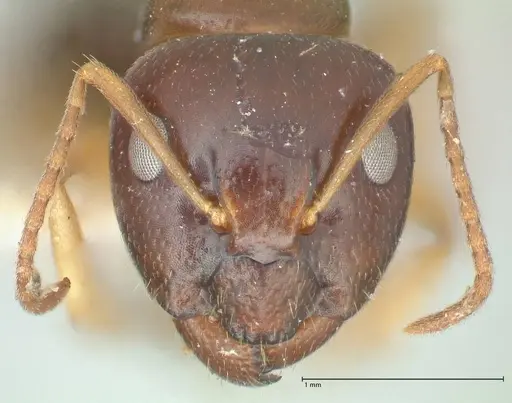
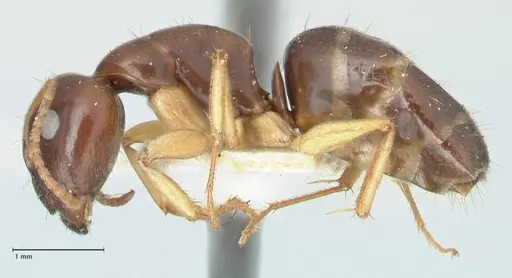
Literature
Loading...Loading products...