

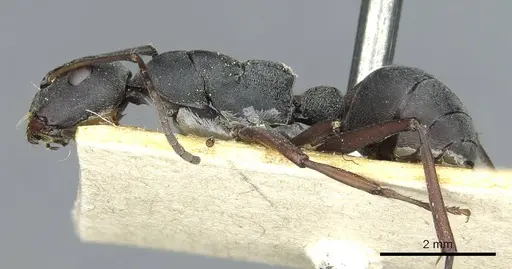
Camponotus sankisianus
- Scientific Name
- Camponotus sankisianus
- Subgenus
- Orthonotomyrmex
- Tribe
- Camponotini
- Subfamily
- Formicinae
- Author
- Forel, 1913
- Distribution
- Found in 1 countries
Camponotus sankisianus Overview
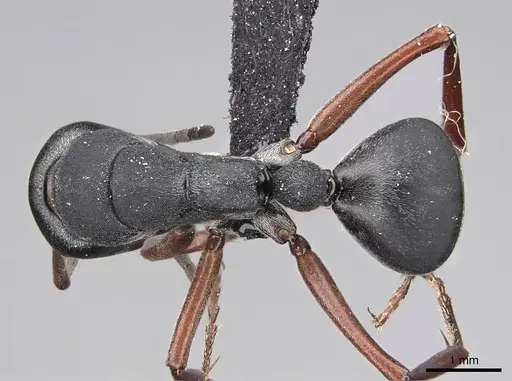
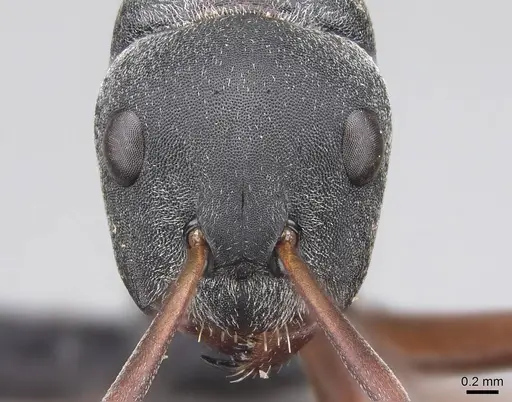
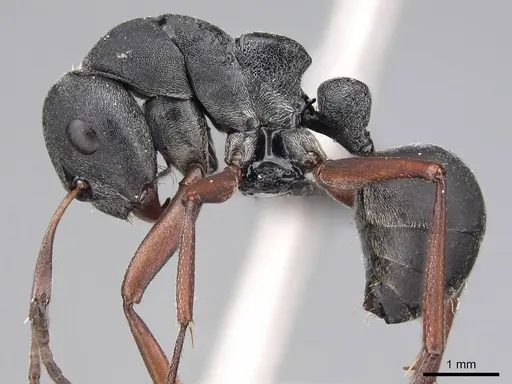
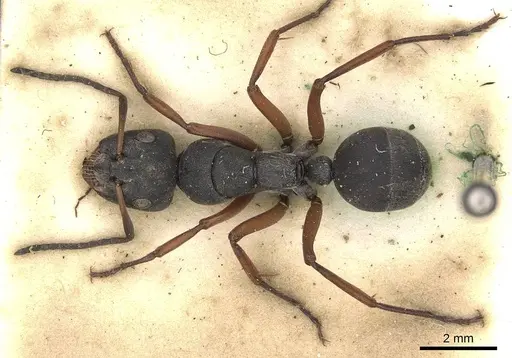
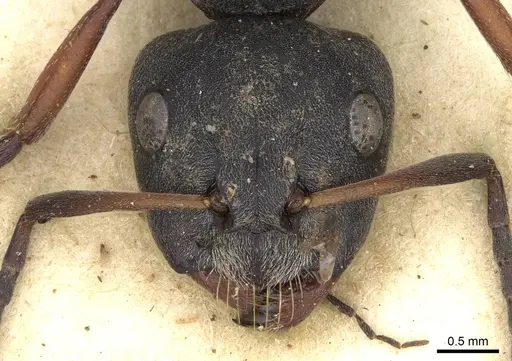
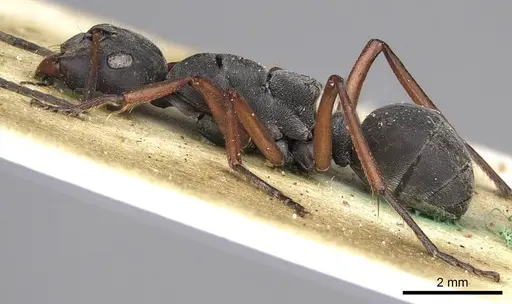
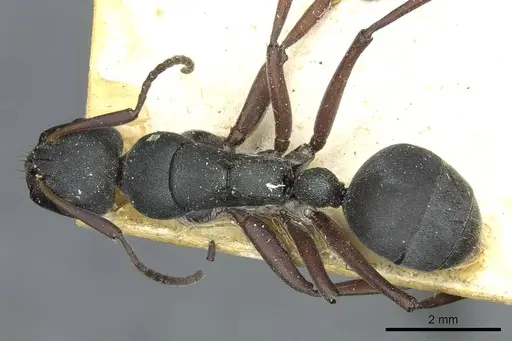
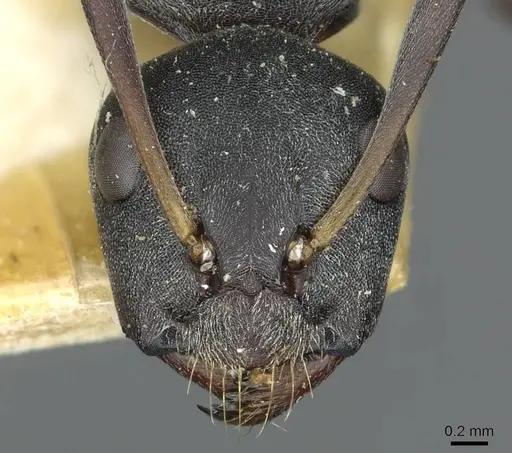
Camponotus sankisianus is an ant species of the genus Camponotus. It is primarily documented in 1 countries , including Zambia. Detailed taxonomic data and occurrence records can be further explored via authoritative databases such as AntWeb or the Global Biodiversity Information Facility (GBIF).
Camponotus sankisianus
Camponotus sankisianus is a carpenter ant species native to the Democratic Republic of Congo in Central Africa. Workers are polymorphic, meaning they come in different sizes, smaller minor workers and larger major workers that serve as soldiers or foragers. The genus Camponotus is known for its ability to nest in wood, though many species also nest in soil or under stones. This species was documented in the early 20th century with references from 1913-1946,but detailed biological studies are lacking [1]. As a tropical African species, it likely prefers warmer conditions compared to temperate Camponotus species.
Quick Summary
- Difficulty: Medium
- Origin & Habitat: Democratic Republic of Congo, Central Africa. The species has been recorded in historical provinces BC, HK, and HL based on early 20th century collections [1]. Likely inhabits tropical forest environments or savanna regions.
- Colony Type: Likely monogyne (single queen colony) based on typical Camponotus patterns. Some Camponotus species can be polygyne, but this has not been documented for C. sankisianus.
- Colony: Monogyne
- Founding: Claustral
- Size & Growth:
- Queen: Estimated 12-16mm based on typical Camponotus queen size range
- Worker: Estimated 5-12mm (polymorphic minor to major workers)
- Colony: Unknown for this species, likely several hundred workers based on genus patterns
- Growth: Moderate
- Development: Estimated 6-10 weeks based on typical Camponotus development at optimal temperature (Development time is estimated from genus-level data since species-specific research is unavailable. Warmer temperatures within the suitable range may accelerate development.)
- Antkeeping:
- Temperature: Keep at 24-28°C based on tropical African origin. A slight gradient allowing workers to self-regulate is ideal. Room temperature (22-25°C) is likely suitable.
- Humidity: Moderate humidity around 50-60% is appropriate. Carpenter ants are generally more tolerant of drier conditions than rainforest species. Provide a water source.
- Diapause: Unlikely to require true hibernation given tropical origin. May show reduced activity during cooler periods.
- Nesting: Y-tong (acrylic) nests work well for Camponotus. Provide wood or wooden structures if they show nesting preferences. Test tubes are suitable for founding colonies.
- Behavior: Typical carpenter ant behavior, workers are active foragers, both day and night. They are generally not aggressive toward keepers but will defend their nest. Major workers can deliver a mild sting if provoked. Escape risk is moderate, standard barriers like Fluon work well for this size class. They communicate through chemical trails and may form persistent foraging routes.
- Common Issues: limited species-specific information makes precise care recommendations difficult, tropical species may be sensitive to temperatures below 20°C, wild-caught colonies may have parasites or diseases from their native habitat, slow establishment phase during claustral founding, patience is required, queen mortality during founding is possible, this is normal in antkeeping
Nest Preferences
Camponotus sankisianus will likely accept standard antkeeping setups including Y-tong (acrylic) nests, test tubes for founding colonies, and naturalistic setups with wood or soil. In the wild, many Camponotus species nest in rotting wood or under stones, so providing some wood material or bark can encourage natural behavior. However, they are not strict wood-nesters like some Camponotus species, and will readily use acrylic or plaster nests. For founding colonies, a simple test tube setup with a water reservoir works well. Once the colony reaches 20-30 workers, you can consider moving to a formicarium.
Feeding and Diet
Like most Camponotus species, C. sankisianus likely accepts a varied diet including sugar sources (honey water, sugar water) and protein (insects, mealworms, crickets). Carpenter ants are omnivorous and will collect honeydew from aphids if available. Feed protein 2-3 times per week and provide sugar water constantly. Remove uneaten prey after 24-48 hours to prevent mold. Given the tropical origin, they may have slightly higher protein requirements than temperate species.
Temperature and Care
As a species from the Democratic Republic of Congo, C. sankisianus prefers warmer conditions than many common pet ants. Keep the nest area at 24-28°C. A heating cable on one side of the nest can create a temperature gradient, allowing workers to self-regulate by moving between warmer and cooler areas. Avoid temperatures below 20°C for extended periods. Room temperature in most homes (22-25°C) should be acceptable, but monitor colony activity, if workers seem sluggish, consider adding gentle heating.
Behavior and Temperament
Camponotus sankisianus displays typical carpenter ant behavior with polymorphic workers. Major workers (soldiers) are larger and may defend the colony or help process larger prey. Workers are nocturnal foragers in many Camponotus species, though this may vary. They communicate using chemical pheromones and will establish foraging trails to food sources. They are not typically aggressive toward keepers but will bite or sting if the nest is threatened. Escape prevention using standard barriers like Fluon on test tube rims or formicarium edges is effective for this size class.
Frequently Asked Questions
How long does it take for Camponotus sankisianus to produce first workers?
Based on typical Camponotus development, expect first workers (nanitics) approximately 6-10 weeks after the queen lays eggs, assuming optimal temperature around 24-28°C. The exact timeline is unconfirmed for this species.
What do Camponotus sankisianus ants eat?
They are omnivorous like most carpenter ants. Offer sugar water or honey regularly, and protein sources like mealworms, crickets, or other insects 2-3 times per week.
What temperature is best for keeping Camponotus sankisianus?
Keep them warm at 24-28°C. They are a tropical species and prefer temperatures above 20°C. Room temperature (22-25°C) is acceptable, but warmer is better for growth.
Is Camponotus sankisianus good for beginners?
This species is rated Medium difficulty primarily because species-specific care information is limited. If you have experience with other Camponotus species, you should do well. For complete beginners, starting with better-documented species like Camponotus floridanus or Camponotus pennsylvanicus may be easier.
How big do Camponotus sankisianus colonies get?
Colony size is unconfirmed for this species, but based on typical Camponotus patterns, expect several hundred workers at maturity. Growth is moderate, colonies establish slowly but accelerate once nanitics arrive.
Do Camponotus sankisianus need hibernation?
No, hibernation is not required. As a tropical African species, they do not experience cold winters in their native habitat. They may show reduced activity during cooler periods but do not need a diapause period.
Can I keep multiple Camponotus sankisianus queens together?
This has not been documented for this species. Most Camponotus are monogyne (single queen), and combining unrelated queens is generally not recommended unless you have specific evidence the species tolerates it.
When should I move Camponotus sankisianus from a test tube to a formicarium?
Move them once the colony reaches 30-50 workers and the test tube water reservoir is running low or the space becomes cramped. Make sure the formicarium has appropriate humidity and a suitable nest chamber size.
Why is my Camponotus sankisianus colony not growing?
Common causes include temperatures below optimal (below 24°C), insufficient protein in the diet, or stress from frequent disturbances. Also ensure the queen is still laying eggs and that humidity levels are appropriate. Patience is key during the founding phase.
References

This caresheet is licensed under CC BY-SA 4.0 .
Literature
Loading...Loading products...