

Camponotus rapax
- Scientific Name
- Camponotus rapax
- Subgenus
- Tanaemyrmex
- Tribe
- Camponotini
- Subfamily
- Formicinae
- Author
- Fabricius, 1804
- Distribution
- Found in 6 countries
Camponotus rapax Overview
Camponotus rapax is an ant species of the genus Camponotus. It is primarily documented in 6 countries , including Brazil, Colombia, Ecuador. Detailed taxonomic data and occurrence records can be further explored via authoritative databases such as AntWeb or the Global Biodiversity Information Facility (GBIF).
Camponotus rapax
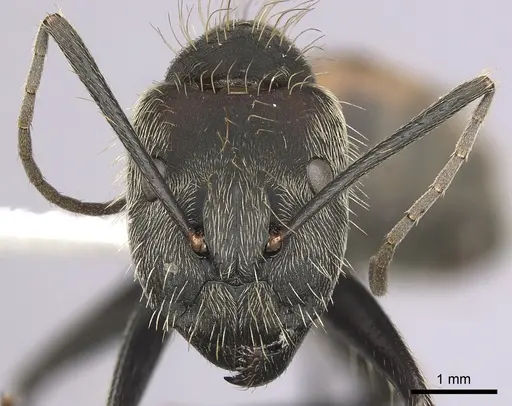
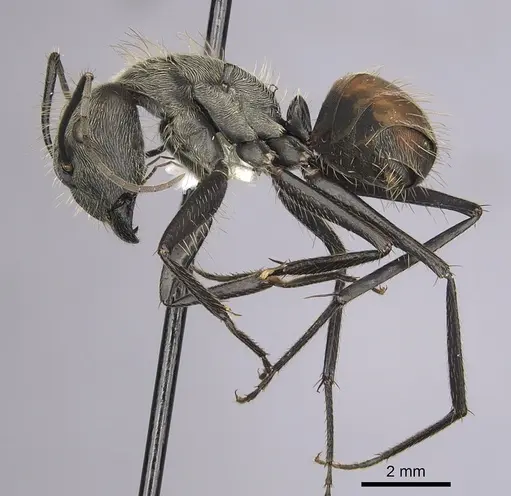
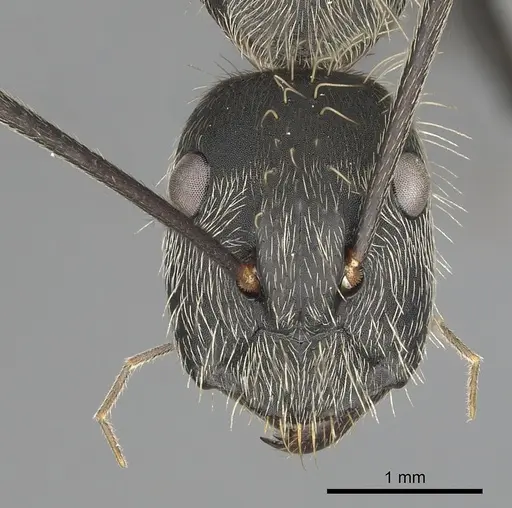
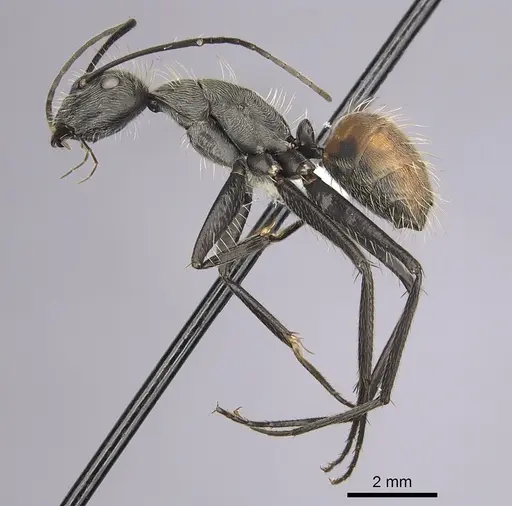
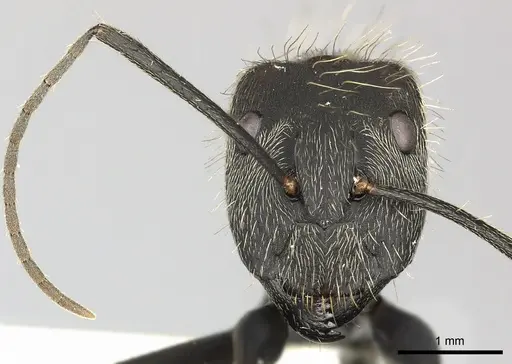
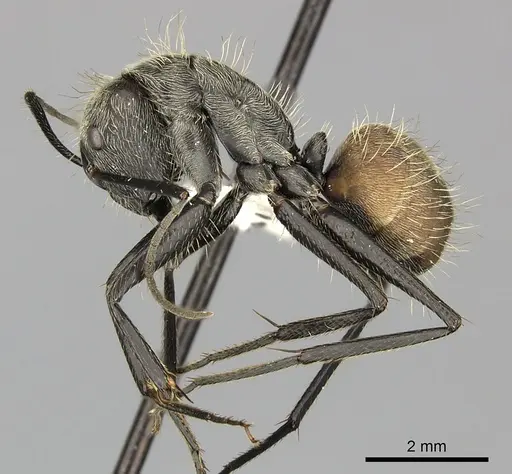
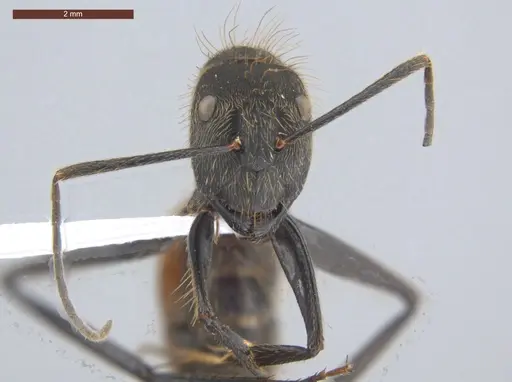
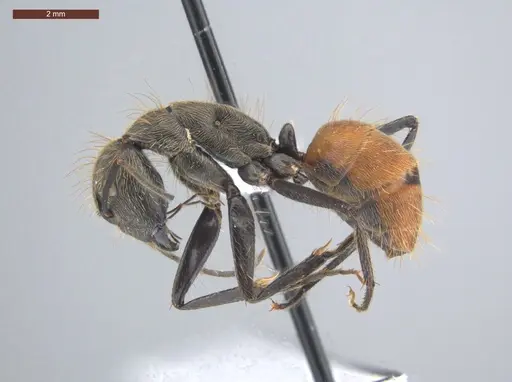
Camponotus rapax is a striking Amazonian ant species easily recognized by its distinctive coloration: the head and mesosoma are black, while the gaster ranges from brown to orange, often marked with black transverse bands at the end of each abdominal segment. The body is covered in abundant orange erect hairs and golden appressed pubescence, making it one of the most visually unique ants in the Colombian and broader Amazonian region. Workers are moderate-sized for a Camponotus species, typically measuring 6-10mm. This species belongs to the subgenus Myrmaphaenus and is commonly found throughout the Amazon Basin, from Peru and Ecuador east to Brazil and the Guianas [1].
These ants are known to be notably more aggressive than other Camponotus species in the region, which is unusual for a genus not typically considered highly aggressive. They form small colonies nesting in old branches and rotting wood in rainforest habitats. While common in the Amazon region, their biology remains poorly studied, and they are considered non-dominant in ant mosaics, typically occupying sub-dominant positions in tree-based communities [2][3].
Quick Summary
- Difficulty: Medium
- Origin & Habitat: Native to the Amazon Basin in South America. Found across Brazil, Colombia, Ecuador, French Guiana, Guyana, Peru, and Suriname. Inhabits terra firme forests, transition forests between forest fragments and riparian areas, and liana forests. Typically nests in old branches and rotting wood in rainforest habitats [4][1][5].
- Colony Type: Small colony structure. Colonies nest in old branches and typically remain relatively modest in size compared to some other Camponotus species. The exact colony structure (monogyne vs polygyne) has not been documented in scientific literature.
- Founding: Claustral
- Size & Growth:
- Queen: Estimated 12-16mm based on typical Camponotus queen size, direct measurements not available in literature
- Worker: 6-10mm based on measured specimens from Amazonian populations [6][1]
- Colony: Small to moderate, colonies consist of a few hundred workers at most based on observations of small colonies in old branches [3]
- Growth: Moderate, based on typical Camponotus development patterns
- Development: Estimated 8-12 weeks at optimal tropical temperatures based on genus-level Camponotus data (Development time is estimated from related Camponotus species as specific development data for C. rapax is not available. Warm tropical temperatures (24-28°C) will likely accelerate development.)
- Antkeeping:
- Temperature: Keep at 24-28°C. As a tropical Amazonian species, they require warm, stable temperatures consistent with their rainforest origin. A gentle gradient allowing workers to self-regulate is beneficial [7].
- Humidity: High humidity (70-85%) is essential. These ants come from damp rainforest environments in the Amazon Basin. Keep the nest substrate consistently moist but not waterlogged, with some drier areas available for the ants to self-regulate [4][5].
- Diapause: No, as a tropical species from the Amazon Basin, they do not require hibernation or diapause. Maintain consistent warm temperatures year-round.
- Nesting: Best kept in a naturalistic setup or Y-tong/plaster nest that can maintain humidity. They naturally nest in old branches and rotting wood, so provide nest materials that mimic these conditions. Acrylic nests work well if humidity is maintained. Avoid dry, arid setups.
- Behavior: These ants are notably more aggressive than typical Camponotus species, they will readily defend their nest and can deliver a painful sting. Workers are active foragers that search for food both in the canopy and on the ground. They are arboreal by nature, nesting in elevated locations like old branches, but will forage across the forest floor. Escape prevention is important as workers can climb glass and smooth surfaces effectively. Their small colony size and arboreal nesting mean they are less likely to produce massive worker numbers than some other Camponotus [2][3].
- Common Issues: tropical temperature requirements mean colonies can struggle if kept in cool rooms or air-conditioned spaces, small colony size means slower growth compared to more common temperate species, patience is required, high humidity needs can lead to mold problems if ventilation is inadequate, aggressive temperament and functional sting means they are not ideal for handling or for keepers wanting a docile observation colony, limited availability in the antkeeping hobby means founding colonies may be difficult to obtain
Natural History and Identification
Camponotus rapax is one of the most visually striking ants in the Amazon region. Workers display a distinctive two-tone coloration: the head and mesosoma (the middle body section) are jet black, while the gaster (the rear portion of the abdomen) ranges from brown to orange. Each abdominal segment typically has a black transverse band at its tip, creating a banded appearance. The body is covered in abundant orange erect hairs and golden appressed pubescence that gives the ant a somewhat fuzzy appearance under close inspection [1].
This species belongs to the subgenus Myrmaphaenus and can be confused with Camponotus sericeiventris, which is black with a golden gaster. The key difference is that C. rapax lacks the spines on the pronotum that C. sericeiventris possesses. The species is common throughout the Amazon Basin but remains poorly studied in terms of its specific biology and behavior [1].
Nesting Preferences
In the wild, Camponotus rapax nests in small cavities within old branches and rotting wood in rainforest environments. They are arboreal by nature, typically establishing colonies in elevated positions rather than in ground nests. This contrasts with some other Camponotus species that commonly nest in soil or under stones [3].
For captive care, a naturalistic setup with wood or cork pieces works well to mimic their natural nesting preferences. Y-tong (acrylic) nests or plaster nests are also suitable, provided humidity can be maintained at appropriate levels. The key is providing a nest chamber that mimics the small cavity spaces they naturally use in old branches. Avoid completely dry setups, these ants need moisture to thrive [7][4].
Feeding and Diet
Like other Camponotus species, C. rapax is an omnivore that accepts both carbohydrates and protein sources. In their natural Amazonian habitat, they likely forage for honeydew from aphids and scale insects, as well as hunting small insects and scavenging on dead prey. Workers are active foragers that search both arboreal and ground-level routes [2].
In captivity, offer a consistent source of sugar water or honey, and provide protein sources such as mealworms, crickets, or other small insects. Feed protein 2-3 times per week, and keep sugar water available at all times. Given their small colony size, offer appropriately sized prey items, smaller insects are more likely to be accepted than large ones.
Temperature and Care
As a tropical species from the Amazon Basin, Camponotus rapax requires warm, stable temperatures in captivity. Maintain nest temperatures between 24-28°C, avoiding any prolonged drops below 22°C. Unlike temperate ant species, they do not require any cooling period or hibernation, year-round warm conditions are essential [7].
Room temperature is often insufficient in air-conditioned spaces, so consider using a heating cable or heating mat on one side of the nest to maintain appropriate temperatures. Place the heating element on top of the nest to avoid evaporating moisture from the water reservoir. Monitor colony activity, if workers consistently cluster near the heat source, temperatures may be too cool, if they avoid the heated area entirely, reduce heat output.
Behavior and Temperament
Camponotus rapax is notably more aggressive than typical Camponotus species, this is an unusual trait for a genus not generally known for aggression. Workers will readily defend their nest and are capable of delivering a painful sting. This makes them better suited for keepers who prefer observing natural behavior rather than handling their ants [2].
Colonies remain relatively small compared to many other Camponotus species, typically consisting of a few hundred workers at most. They are arboreal nesters but foragers are active both in the canopy and on the forest floor. Workers are effective climbers and can escape through small gaps, use standard escape prevention measures like Fluon on rim edges. Their sub-dominant position in natural ant communities means they are not aggressive toward other ant species in a territorial sense, but will defend vigorously against perceived threats to the nest [3][2].
Frequently Asked Questions
Are Camponotus rapax ants good for beginners?
Camponotus rapax is rated as medium difficulty and is not ideal for complete beginners. While they are relatively hardy once established, they have specific requirements, high humidity, warm tropical temperatures, and no hibernation, that can be challenging for new antkeepers. Additionally, their aggressive temperament and functional sting may be intimidating for those wanting a hands-off observation species. Beginners might have better success with more common, docile species first.
How long does it take for Camponotus rapax to produce first workers?
Based on typical Camponotus development patterns, expect 8-12 weeks from egg to first worker (nanitic) at optimal temperatures of 24-28°C. This is an estimate since specific development data for C. rapax is not available in scientific literature. The first workers will be smaller than mature workers and may take several more weeks to develop into full-sized foragers.
What do Camponotus rapax ants eat?
They are omnivores that accept both sugar and protein sources. Offer sugar water or honey continuously as a carbohydrate source. For protein, provide small insects like fruit flies, pinhead crickets, or mealworms 2-3 times per week. Adjust feeding based on colony size, smaller colonies need less food.
Do Camponotus rapax ants need hibernation?
No, as a tropical Amazonian species they do not require hibernation or any cooling period. Maintain warm temperatures (24-28°C) year-round. Prolonged temperatures below 22°C can be harmful to the colony.
How big do Camponotus rapax colonies get?
Based on available data showing small colonies in old branches, maximum colony size is likely a few hundred workers rather than the thousands seen in some other Camponotus species. They are not considered a highly populous species.
What temperature do Camponotus rapax ants need?
Keep nest temperatures between 24-28°C. This tropical species requires warm, stable conditions consistent with their Amazonian rainforest origin. Use a heating cable or mat if your room temperature falls below this range.
Can I keep multiple Camponotus rapax queens together?
The colony structure of this species has not been documented in scientific literature. Based on typical Camponotus behavior, they are likely monogyne (single-queen colonies). Combining unrelated queens is not recommended without specific evidence that they can coexist.
What humidity do Camponotus rapax ants need?
High humidity (70-85%) is essential. These ants come from damp rainforest environments in the Amazon Basin. Keep the nest substrate consistently moist but not waterlogged. A water tube or reservoir for humidity is recommended.
When should I move Camponotus rapax to a formicarium?
Move them when the founding chamber becomes too small or the colony reaches 20-30 workers. Since they nest in wood/branches naturally, a Y-tong or plaster nest with good humidity retention works well. Ensure the new nest can maintain the high humidity they require.
References

This caresheet is licensed under CC BY-SA 4.0 .
CASENT0280053
View on AntWeb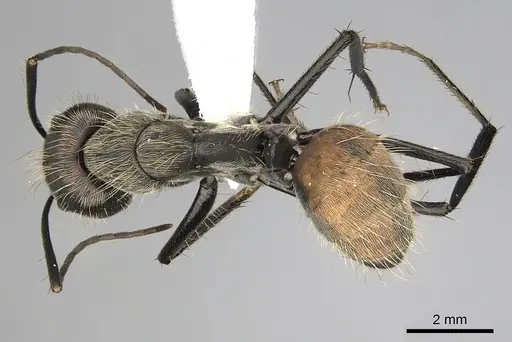
CASENT0280054
View on AntWeb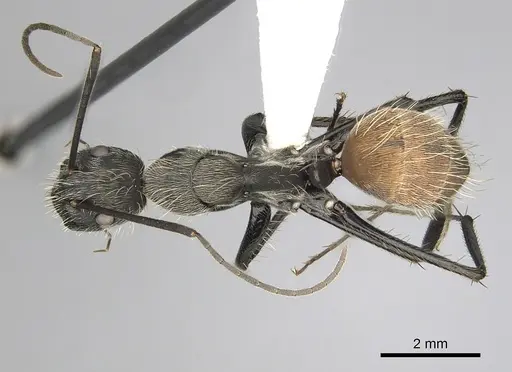
CASENT0619238
View on AntWeb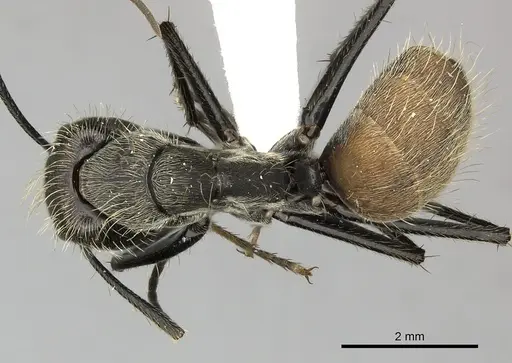
ECOFOG-IT14-1030-35
View on AntWeb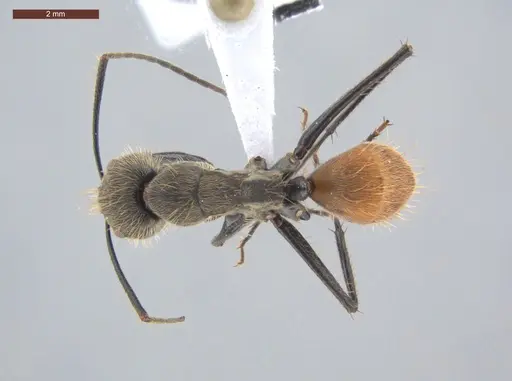
Literature
Loading...Loading products...