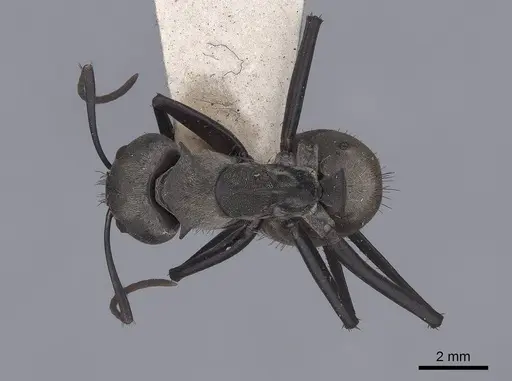
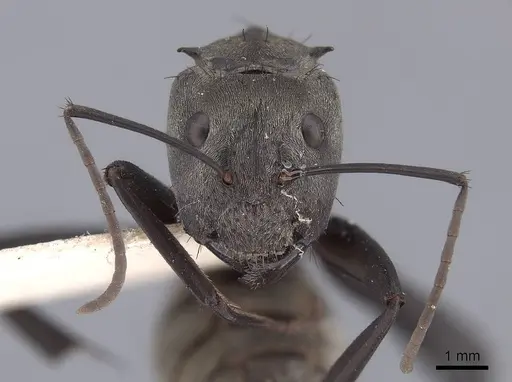
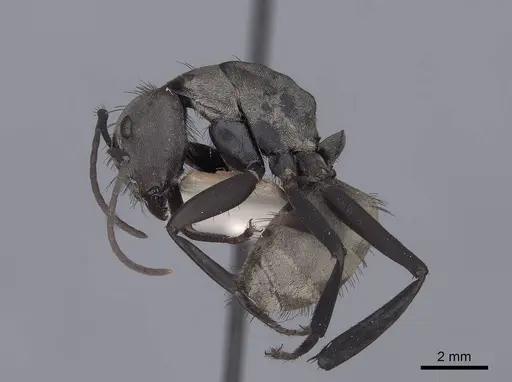
Camponotus sericeiventris exhibits a clear seasonal flight window. Peak flight activity is concentrated in November, with the overall period spanning June to December.
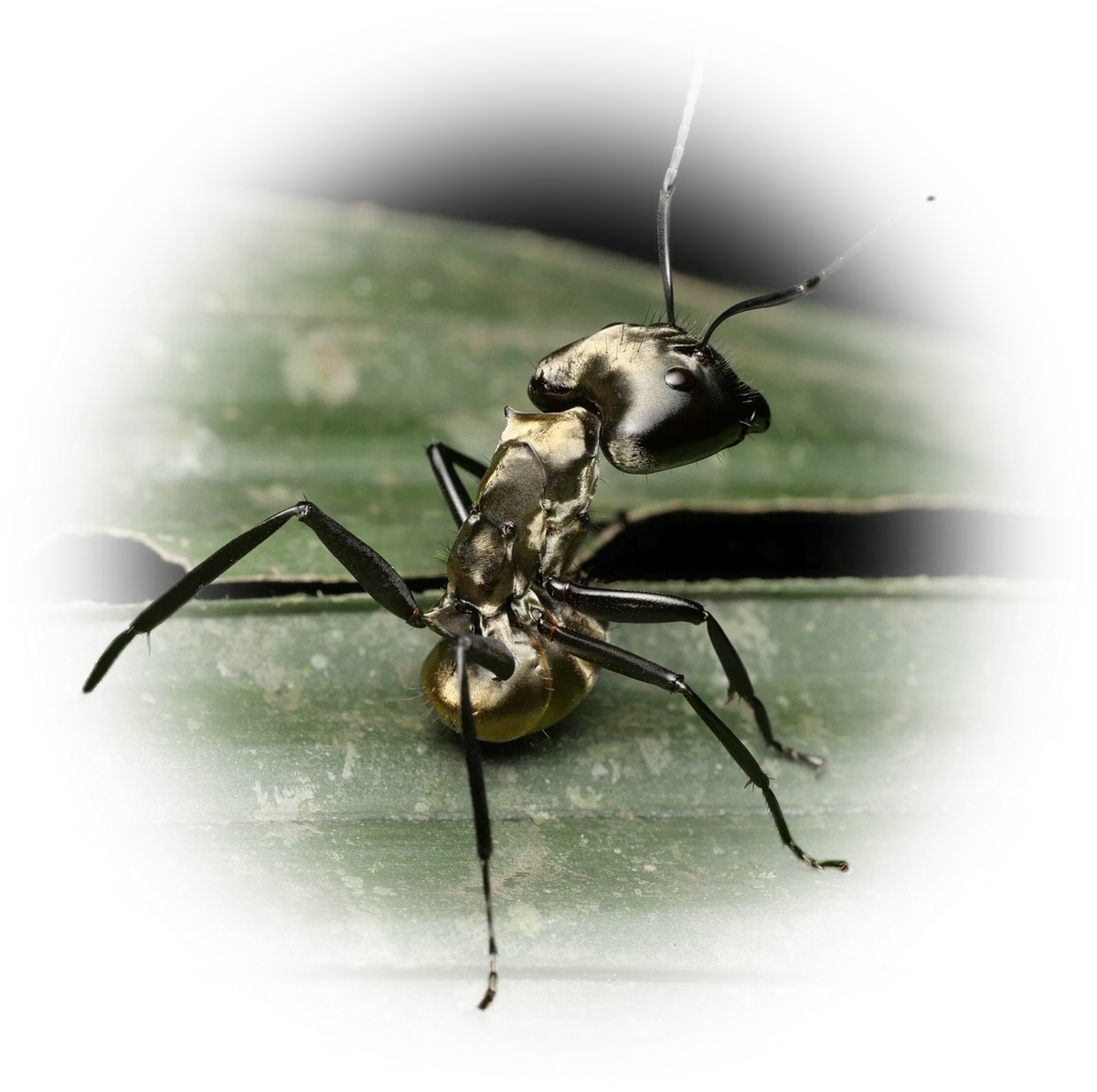
Camponotus sericeiventris
- Scientific Name
- Camponotus sericeiventris
- Subgenus
- Myrmepomis
- Tribe
- Camponotini
- Subfamily
- Formicinae
- Author
- Guérin-Méneville, 1838
- Common Name
- Shimmering Golden Sugar ant
- Distribution
- Found in 12 countries
- Nuptial Flight
- from June to December, peaking in November
AI Identifiable
try →
Camponotus sericeiventris Overview
Camponotus sericeiventris (commonly known as the Shimmering Golden Sugar ant) is an ant species of the genus Camponotus. It is primarily documented in 12 countries , including Argentina, Brazil, Belize. Detailed taxonomic data and occurrence records can be further explored via authoritative databases such as AntWeb or the Global Biodiversity Information Facility (GBIF).
The nuptial flight of Camponotus sericeiventris is a significant biological event, typically occurring from June to December, peaking in November. During this time, winged queens and males leave the nest to mate and establish new colonies.
Camponotus sericeiventris - "Shimmering Golden Sugar ant"
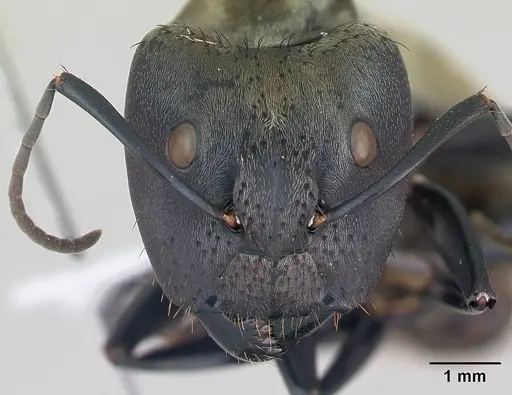
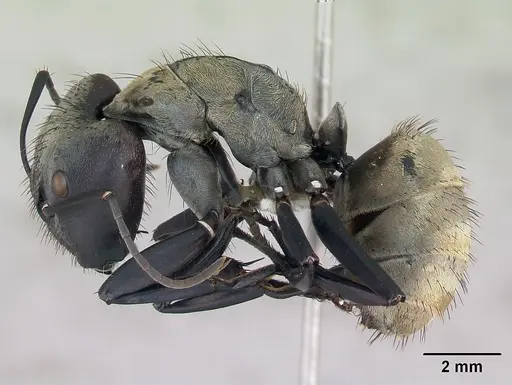
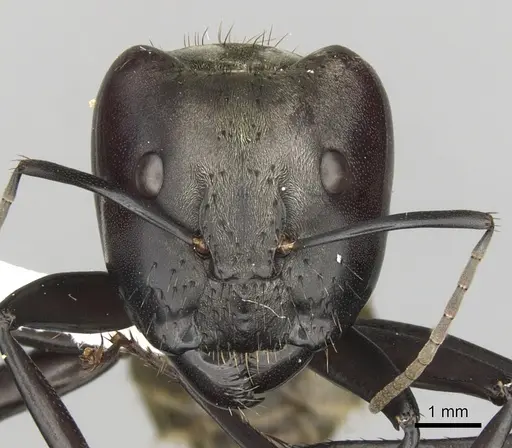
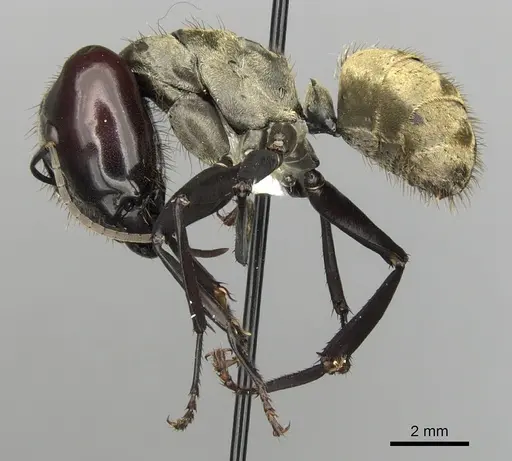
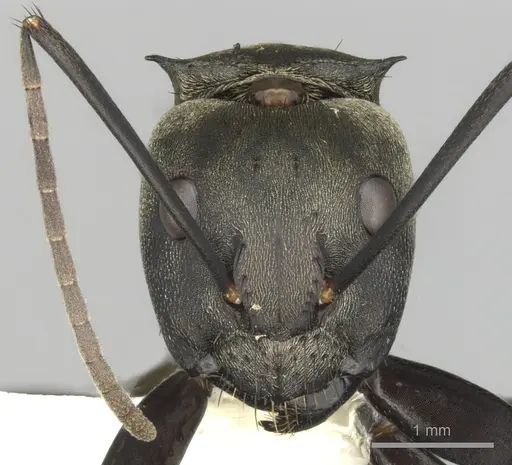
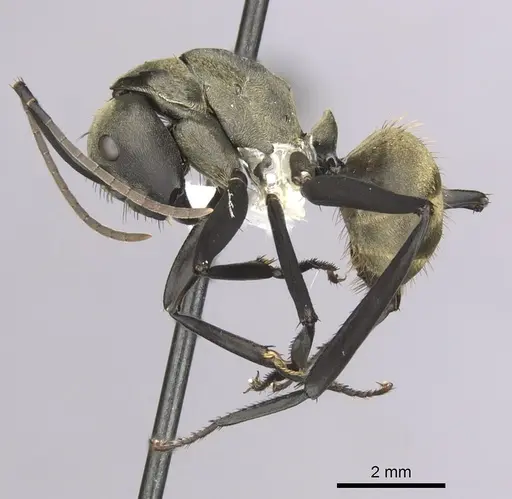
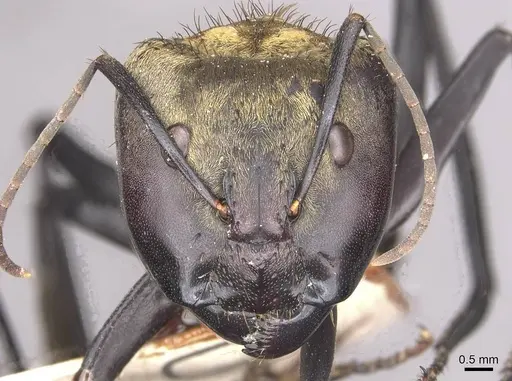
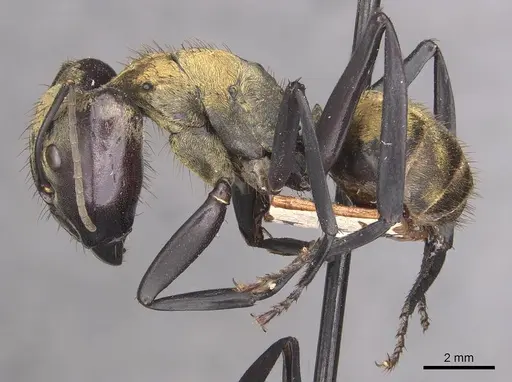
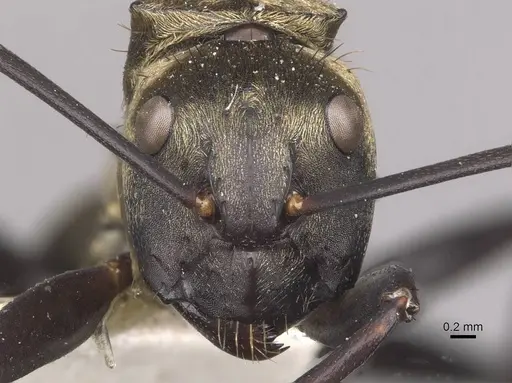
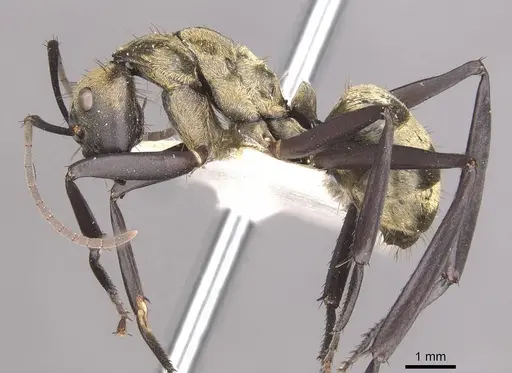
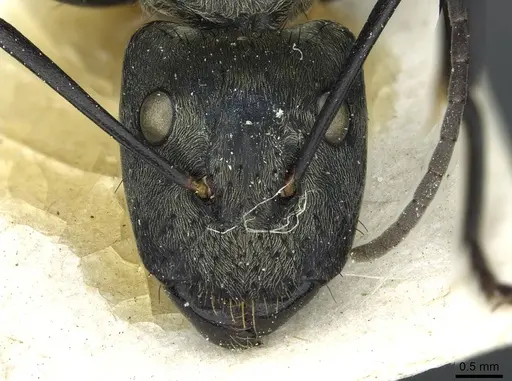
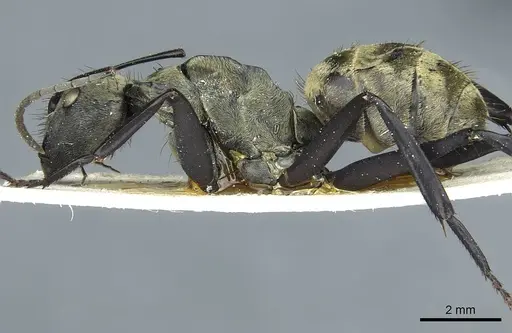
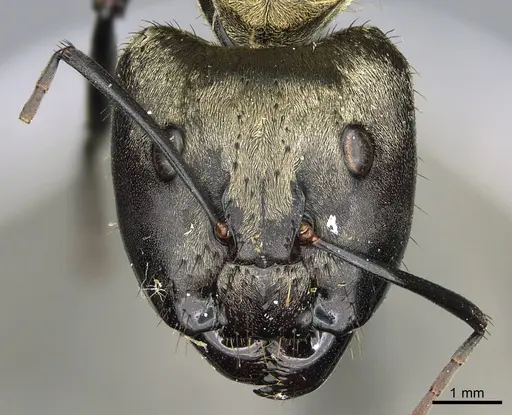
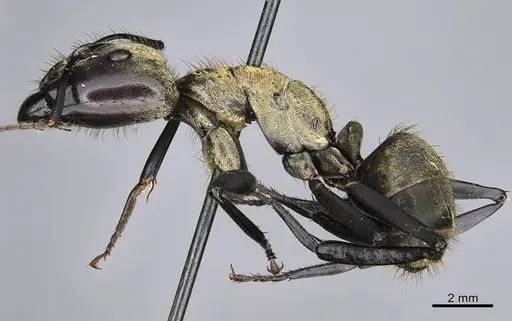
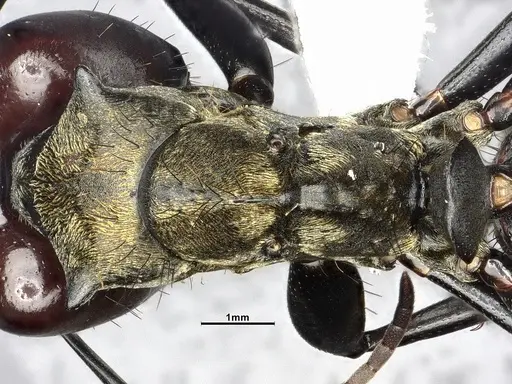
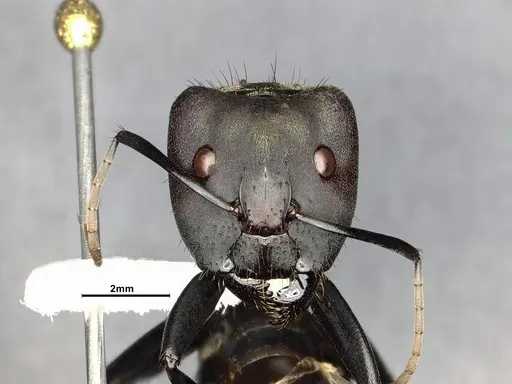
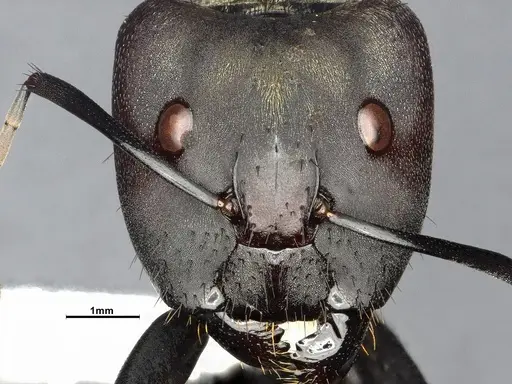
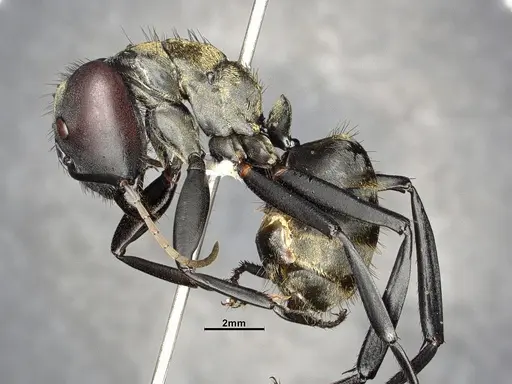
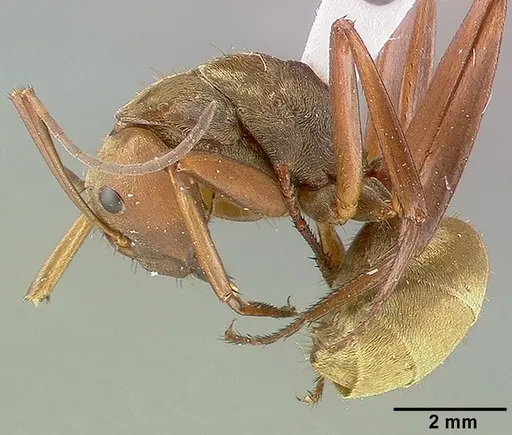
Camponotus sericeiventris is a large carpenter ant found across the Neotropical region from Mexico to Argentina [1]. Workers measure 7-16.5 mm and queens 17-19 mm, with a golden sheen from dense recumbent hairs and pronounced spines on the pronotum [2]. This species is arboreal, typically nesting in living trees in tropical forests [1]. One notable feature is its remarkable disease resistance despite lacking metapleural glands, achieved through intensive self-grooming [3]. It is also a known host for the zombie-ant fungus Ophiocordyceps unilateralis [4].
Quick Summary
- Difficulty: Medium
- Origin & Habitat: Neotropical region from Mexico to Argentina, found in tropical forests, secondary Atlantic forest, cerrado, and urban areas [1][2]. Nests in living trees in tropical forests [1].
- Colony Type: Polydomous, nests in multiple connected locations [5]. Colony structure is likely monogyne based on typical Camponotus patterns, but specific documentation is limited.
- Size & Growth:
- Antkeeping:
- Temperature: Keep warm, roughly 24-28°C, as this is a tropical species.
- Humidity: Keep nest substrate consistently moist but not waterlogged, reflecting their tropical forest habitat [1].
- Diapause: No, tropical species do not require hibernation.
- Nesting: Arboreal nesting preference, use Y-tong or plaster nests that mimic tree cavities [1].
- Behavior: These ants are diurnal and active foragers. They are generalist omnivores, feeding on extrafloral nectar, honeydew, and small prey. Workers forage solitarily or in small groups, covering areas up to 138 m² in the wild [6]. They are aggressive defenders of food sources and can swim strongly [7]. Escape prevention is important due to their climbing ability.
- Common Issues: colonies can be slow to establish, patience needed during founding phase., polydomous nesting means they may establish secondary chambers away from primary nest., zombie-ant fungus (Ophiocordyceps) is a known pathogen, monitor colony health [4]., large size requires spacious formicarium with proper chamber dimensions., aggressive when defending food sources, can displace other ant species in multi-species setups.
Nuptial Flight Activity Analysis 154 observations
Flight Activity by Hour 154 observations
Camponotus sericeiventris nuptial flight activity peaks around 11:00 during the late morning to early afternoon. Activity is spread across a 12-hour window (08:00–19:00). Times may be influenced by human observation patterns.
Housing and Nest Preferences
Camponotus sericeiventris is an arboreal species that naturally nests in tree cavities [1]. In captivity, they do well in Y-tong (AAC) nests or plaster formicariums that provide dark, humid chambers. The nest should have chambers sized appropriately for their large workers. Because they are polydomous, providing extra chambers can promote natural behavior [5]. A test tube setup works for founding colonies, but they will need to be moved to a proper formicarium once the colony reaches 20-30 workers. Ensure the outworld is spacious enough for their active foraging.
Feeding and Diet
These are generalist omnivores with a diverse diet. They readily accept sugar sources, research shows they require around 16% sucrose concentration for feeding [8]. Offer sugar water, honey, or diluted syrup regularly. For protein, provide small insects like fruit flies or mealworms. They are known visitors of extrafloral nectaries in the wild [9]. In captivity, you can offer small amounts of ripe fruit or seeds occasionally. Feed them protein 2-3 times per week and keep sugar water constantly available.
Temperature and Care
As a tropical species, Camponotus sericeiventris thrives at warm temperatures. Keep the nest area at roughly 24-28°C for optimal brood development. Use a heating cable on one side of the nest to create a temperature gradient, allowing the colony to self-regulate. Room temperature in most homes is acceptable, but warmer conditions will accelerate growth. They do not require hibernation due to their tropical origin.
Behavior and Temperament
This is an active, diurnal species with distinctive golden hairs. Workers are aggressive defenders of food sources and will actively displace other ant species from resources. They forage solitarily or in small groups, using trail pheromones for recruitment [10]. Foragers can travel up to 10 meters from their nests in the wild [6]. Despite lacking metapleural glands, they show remarkable disease resistance through intensive self-grooming [3]. They are strong swimmers and can traverse water surfaces [7].
Colony Development
Colony growth follows typical Camponotus patterns. The queen raises the first brood alone, and first workers are smaller than mature workers. Development from egg to worker takes approximately 6-10 weeks at optimal temperature, though this is estimated from genus-level data. Colonies can eventually reach several thousand workers. The polydomous nesting behavior means established colonies may establish satellite chambers, this is normal.
Health and Disease
One significant concern is susceptibility to Ophiocordyceps unilateralis, the zombie-ant fungus. While incidence in the wild is relatively low [4], infected ants exhibit characteristic 'death-grip' behavior. In captivity, maintain good ventilation and avoid overly humid conditions to minimize fungal risks. Their excellent self-grooming behavior provides natural disease resistance [3]. Monitor for signs of infection and isolate affected individuals immediately.
Frequently Asked Questions
How long does it take for Camponotus sericeiventris to have first workers?
Expect first workers in approximately 6-10 weeks after the queen lays eggs, assuming optimal temperatures around 24-28°C. This is an estimate based on typical Camponotus development patterns.
Can I keep Camponotus sericeiventris in a test tube?
Test tubes work well for founding colonies. Keep the cotton moist and wrap the tube in darkness. Once the colony reaches 20-30 workers, transfer to a proper formicarium with larger chambers.
What do Camponotus sericeiventris ants eat?
They are omnivores. Offer sugar water, honey, or diluted syrup as a constant carbohydrate source. For protein, provide small insects like fruit flies or mealworms 2-3 times per week. They also enjoy extrafloral nectar.
Are Camponotus sericeiventris good for beginners?
They are rated as medium difficulty. They are more challenging than beginner species but rewarding due to their large size and active behavior.
Do Camponotus sericeiventris need hibernation?
No, they do not require hibernation. Being a tropical species, they remain active year-round.
How big do Camponotus sericeiventris colonies get?
Colony size data is unavailable from research, but they are polydomous and may establish multiple nest sites.
Why is my Camponotus sericeiventris colony dying?
Common issues include poor humidity control, temperatures outside their range, insufficient protein, or fungal infection. Check care guidelines and remove affected individuals if zombie-ant fungus is suspected.
When should I move Camponotus sericeiventris to a formicarium?
Move them once the colony reaches 20-30 workers or when the test tube becomes cramped. They need space for foraging and brood development.
Report an Issue
The current care sheet is based fully on literature. See inconsistencies, or something that's incorrect? Please , it will be resolved after review from an admin. Contributing to the blogs tab also helps providing information, to make us be able to further improve the caresheets. Thank you for your support!
References

This caresheet is licensed under CC BY-SA 4.0 .
CASENT0173450
View on AntWeb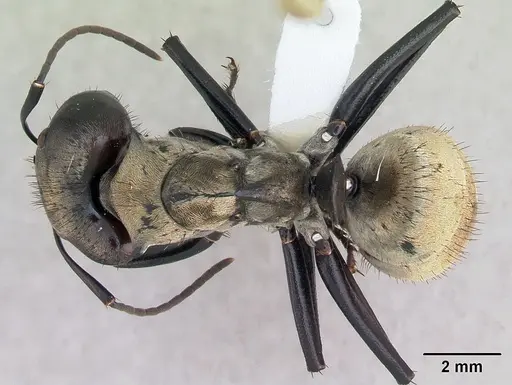
CASENT0280162
View on AntWeb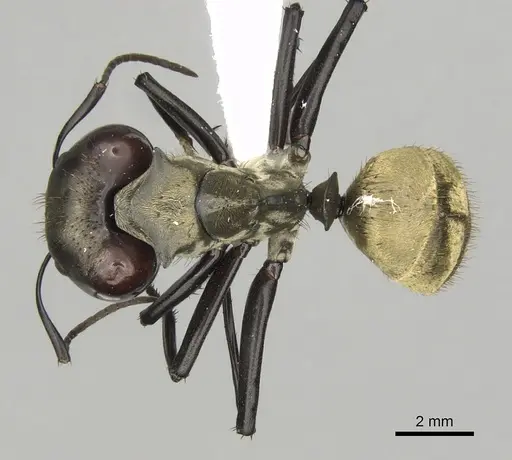
CASENT0280163
View on AntWeb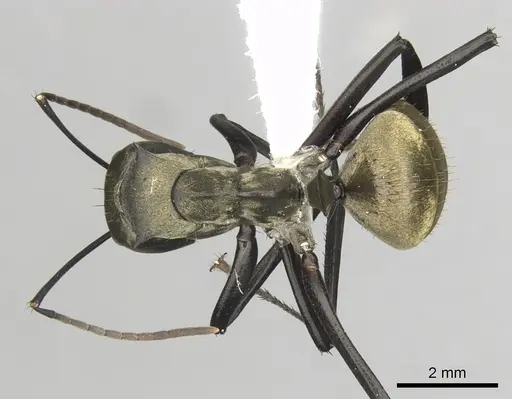
CASENT0910752
View on AntWeb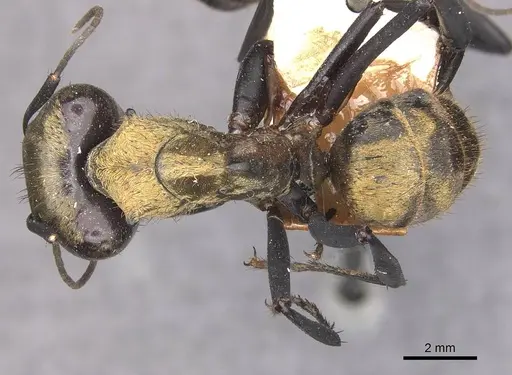
CASENT0910753
View on AntWeb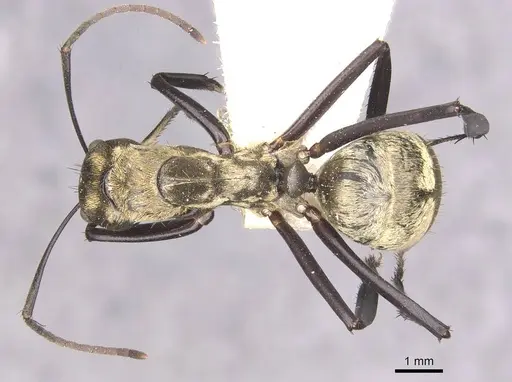
CASENT0911705
View on AntWeb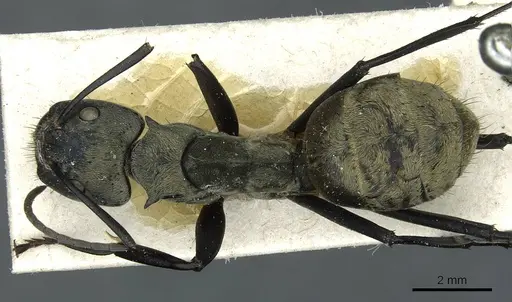
CASENT0923640
View on AntWeb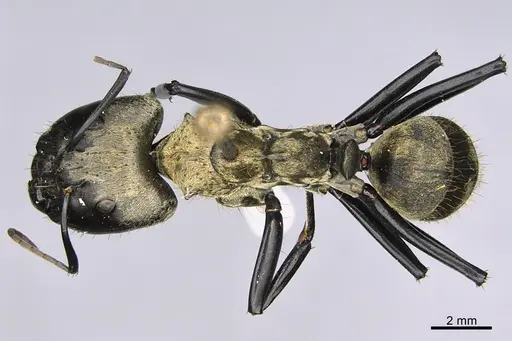
CASENT4032250
View on AntWeb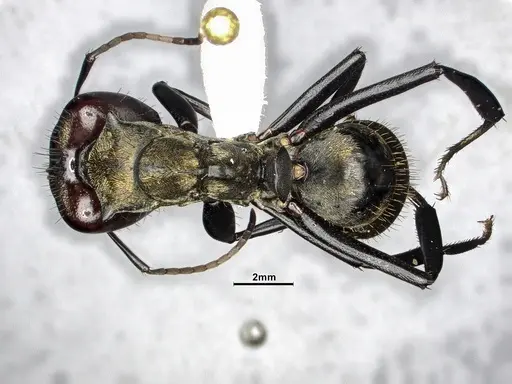
CASTYPE04255
View on AntWeb
FMNHINS0000045940
View on AntWeb