

Camponotus ramulorum
- Scientific Name
- Camponotus ramulorum
- Subgenus
- Tanaemyrmex
- Tribe
- Camponotini
- Subfamily
- Formicinae
- Author
- Wheeler, 1905
- Distribution
- Found in 2 countries
Camponotus ramulorum Overview
Camponotus ramulorum is an ant species of the genus Camponotus. It is primarily documented in 2 countries , including Bahamas, Cuba. Detailed taxonomic data and occurrence records can be further explored via authoritative databases such as AntWeb or the Global Biodiversity Information Facility (GBIF).
Camponotus ramulorum
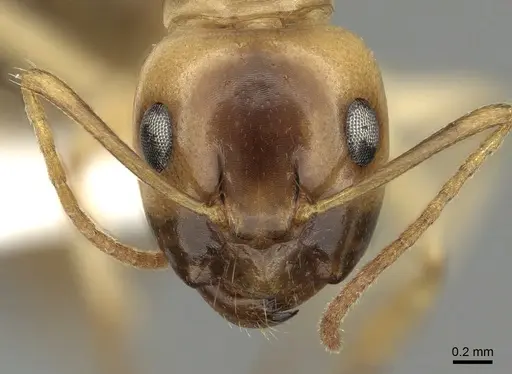
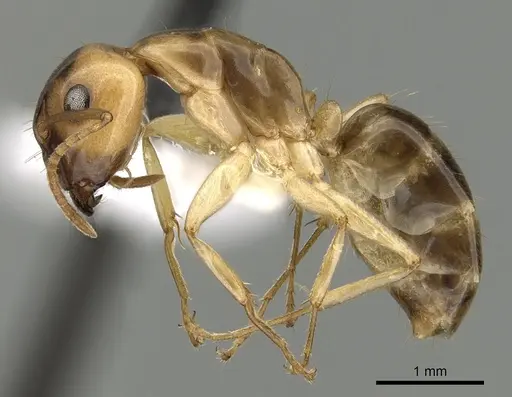
Camponotus ramulorum is a Caribbean species of carpenter ant known from the Bahamas, Cuba, and Puerto Rico. Workers come in two sizes: majors measure 6-7.5mm while minors are slightly smaller at 5-6mm. Queens are notably large at 12-13mm. The species has a distinctive yellow to yellowish-brown coloration with dark brown to black markings on the head and a broad dark band across each abdominal segment. This ant belongs to the maculatus group and is nocturnal, meaning it's most active at night. Unlike many Camponotus species that form massive colonies, C. ramulorum naturally forms small colonies in hollow twigs and branches of trees and bushes, as well as between the leaves of Tillandsia air plants.
Quick Summary
- Difficulty: Medium
- Origin & Habitat: Native to the Caribbean islands of the Bahamas, Cuba, and Puerto Rico. In the wild, these ants nest in hollow twigs and small branches of trees and bushes, as well as in the leaf axils of Tillandsia air plants in tropical coastal areas and coppices [1]. The species prefers humid, shaded microhabitats in the tropical environment.
- Colony Type: Single-queen colonies (monogyne). Colonies remain small even at maturity, typically containing only a few dozen to perhaps a couple hundred workers, much smaller than most common Camponotus species.
- Colony: Monogyne
- Founding: Claustral
- Size & Growth:
- Queen: 12-13 mm [1]
- Worker: Major: 6-7.5 mm, Minor: 5-6 mm [1]
- Colony: Small, likely under 200 workers based on natural nesting in twigs
- Growth: Moderate, typical for tropical Camponotus
- Development: Estimated 6-8 weeks at optimal temperature based on typical Camponotus development (Development time is estimated from related Camponotus species since specific data for C. ramulorum is not available)
- Antkeeping:
- Temperature: Keep at 24-28°C. Being a tropical Caribbean species, they need warm conditions year-round. A heating cable on one side of the nest creates a suitable gradient.
- Humidity: Moderate to high humidity (60-80%). Their natural habitat in tropical islands is humid, so keep the nest substrate slightly moist but not waterlogged. Provide a water tube for drinking.
- Diapause: No, as a tropical species, they do not require hibernation. Keep temperatures consistent year-round.
- Nesting: These ants naturally nest in small cavities like hollow twigs and branches. In captivity, they do well in Y-tong (AAC) nests, acrylic nests with narrow chambers, or small naturalistic setups with twigs/branches. Avoid large, open spaces, they prefer tight, enclosed chambers scaled to their colony size.
- Behavior: Nocturnal, they become most active after dark, so expect peak activity in the evening and night hours. Workers are moderate in size and not particularly aggressive, though they can defend their nest if threatened. They have the typical Camponotus ability to bite, though their bite is mild for their size. Escape risk is moderate, they're not tiny ants but can squeeze through small gaps. Use standard barrier methods like Fluon on test tube rims. They are foragers that will scavenge and collect honeydew and small insects.
- Common Issues: small colony size means slow population growth, don't expect rapid expansion, tropical species is sensitive to temperature drops, keep them warm, nocturnal activity pattern may disappoint keepers expecting daytime activity, limited availability in the antkeeping hobby, finding a colony may be difficult, wild-caught colonies may have parasites or be stressed from relocation
Housing and Nest Setup
Camponotus ramulorum is well-suited to Y-tong (AAC) nests or small acrylic formicaria. The key is providing appropriately sized chambers, these ants naturally nest in narrow twigs and small branches, so tight-fitting chambers work better than large open spaces. A test tube setup works well for founding colonies. For established colonies, use nests with chambers roughly 5-10mm in height with narrow connecting tunnels. Because they're nocturnal, placing the nest in a location with natural day/night light cycles will help maintain their natural activity patterns. They do best in a humid setup with a water tube providing constant access to fresh water. [1]
Feeding and Diet
Like other Camponotus species, C. ramulorum is omnivorous. Workers will collect sugar sources including honey water, sugar water, and honeydew. They also need protein from insects, offer small crickets, mealworms, fruit flies, or other appropriately sized arthropods. Feed protein prey 2-3 times per week and keep a sugar source available at all times. Since colonies remain small, adjust food portions accordingly, a few small prey items per feeding is sufficient. Remove uneaten prey after 24-48 hours to prevent mold. [1]
Temperature and Seasonal Care
Being a tropical Caribbean species, C. ramulorum requires warm temperatures year-round. Maintain nest temperatures between 24-28°C (75-82°F). A small heating cable placed on one side of the nest can create a temperature gradient, allowing ants to self-regulate. Room temperature in heated homes is often adequate, but monitor with a thermometer. Unlike temperate species, they do not require a winter diapause period. Consistent warmth year-round is essential, temperatures below 20°C for extended periods can be harmful. The humidity should remain moderate to high (60-80%) to mimic their tropical island habitat. [1]
Colony Development and Growth
This species forms small colonies naturally, so don't expect the massive worker populations typical of species like Camponotus floridanus or Camponotus pennsylvanicus. A mature colony might reach 100-200 workers. Growth is moderate, claustral founding takes several weeks, then the first nanitic workers emerge. After that, population increases steadily but slowly compared to faster-growing species. Patience is key with this species. Queens are large (12-13mm) and can produce workers over many years, similar to other long-lived Camponotus queens. [1]
Behavior Notes
C. ramulorum is nocturnal, meaning you'll see most activity in the evening and night hours. Workers are moderately sized and generally non-aggressive toward keepers. They have the typical Camponotus bite, which is noticeable but not severe for their size. The species is a forager and will send workers out to collect food. Their small colony size and nocturnal habits make them an interesting observation species, though they won't provide the dramatic worker swarms seen in larger carpenter ant species. [1]
Frequently Asked Questions
How long does it take for Camponotus ramulorum to produce first workers?
Based on typical Camponotus development, expect first workers (nanitics) approximately 6-8 weeks after the queen lays eggs, assuming optimal temperatures around 26°C. The exact timeline may vary, and this species hasn't been specifically studied for development times.
Can I keep Camponotus ramulorum in a test tube?
Yes, test tubes work well for founding colonies. Use a standard test tube setup with a water reservoir at one end, secured with cotton. The queen will seal herself in and raise her first brood inside the tube. Once the colony reaches 20-30 workers, consider moving to a small formicarium or Y-tong nest.
How big do Camponotus ramulorum colonies get?
Colonies remain relatively small compared to many other Camponotus species. Based on their natural nesting in small twigs, a mature colony likely reaches 100-200 workers. This is a small-colony species.
Are Camponotus ramulorum good for beginners?
This species is rated Medium difficulty. While not as challenging as some exotic species, they do require specific conditions (warm temperatures, no hibernation, appropriate nest size) that beginners should understand. Their small colony size and nocturnal habits may also not be ideal for keepers wanting active daytime viewing.
Do Camponotus ramulorum need hibernation?
No, they do not require hibernation. As a tropical Caribbean species, they need consistent warmth year-round. Keep temperatures between 24-28°C and avoid exposing them to cool temperatures for extended periods.
What should I feed Camponotus ramulorum?
Offer a balanced diet of protein and sugar. Good options include small crickets, mealworms, fruit flies, or other small insects for protein, and honey water, sugar water, or honey for carbohydrates. Provide protein 2-3 times per week and keep sugar water available at all times.
When should I move my colony to a formicarium?
Move from test tube to a small nest (Y-tong or acrylic) when the colony reaches roughly 20-40 workers. The key is providing appropriately sized chambers, avoid large formicaria designed for big colonies. Small naturalistic setups or Y-tong nests with narrow chambers work well.
Why is my Camponotus ramulorum colony not growing fast?
This species naturally forms small colonies and has moderate growth rates. Don't expect rapid expansion. Ensure proper temperature (24-28°C), adequate feeding, and appropriate humidity. If the colony is healthy but slow, this is normal for the species.
References

This caresheet is licensed under CC BY-SA 4.0 .
CASENT0249347
View on AntWeb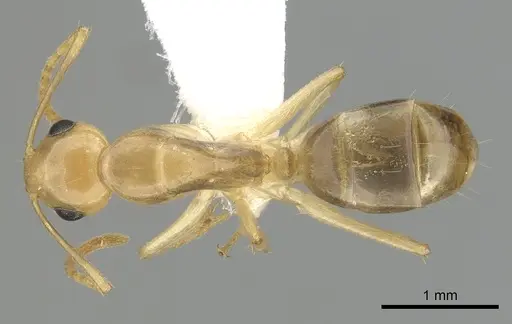
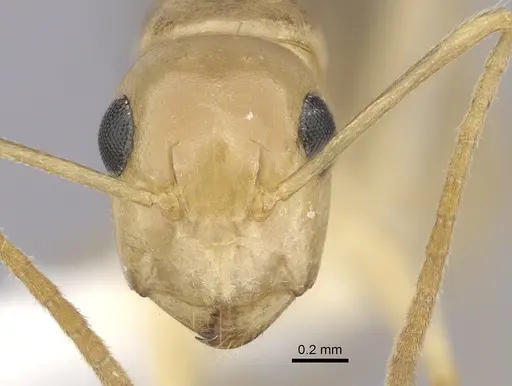
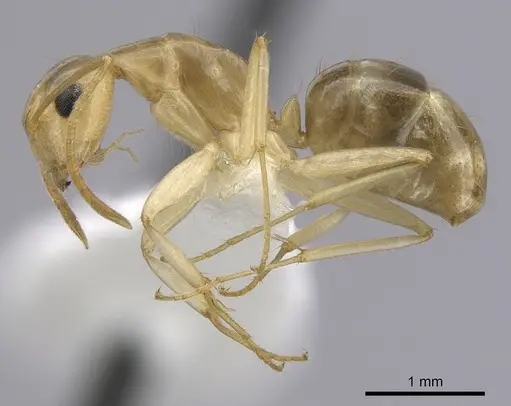
CASENT0249348
View on AntWeb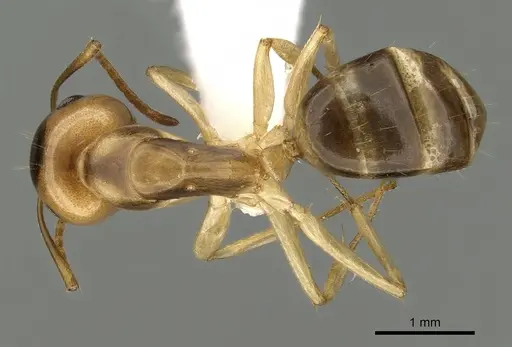
Literature
Loading...Loading products...