

Camponotus pullatus
- Scientific Name
- Camponotus pullatus
- Subgenus
- Tanaemyrmex
- Tribe
- Camponotini
- Subfamily
- Formicinae
- Author
- Mayr, 1866
- Distribution
- Found in 1 countries
Camponotus pullatus Overview
Camponotus pullatus is an ant species of the genus Camponotus. It is primarily documented in 1 countries , including Mexico. Detailed taxonomic data and occurrence records can be further explored via authoritative databases such as AntWeb or the Global Biodiversity Information Facility (GBIF).
Camponotus pullatus
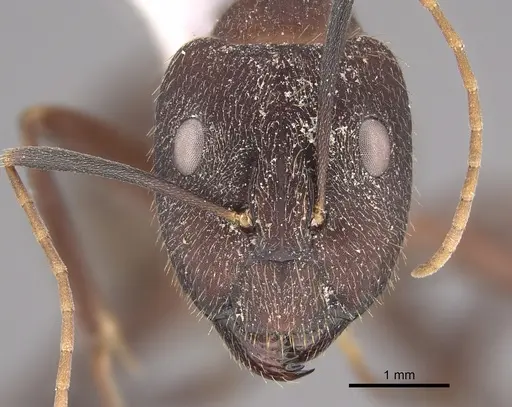
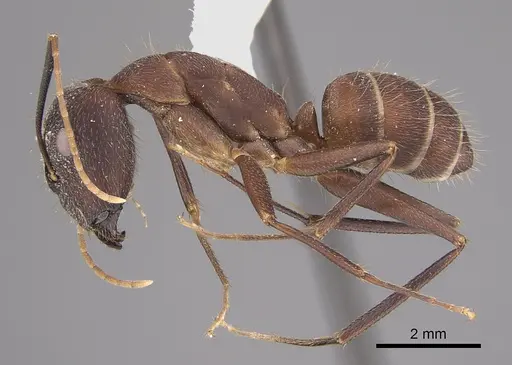
Camponotus pullatus is a large carpenter ant native to Mexico and Guatemala. Workers measure 7.5-9mm and have a distinctive appearance: nearly black and opaque body with dark chestnut mandibles, brown antennae and legs, and notably yellowish margins on their abdominal segments [1]. The body is covered with abundant yellowish erect hairs, giving them a somewhat fuzzy appearance [1]. This species belongs to the maculatus species complex and is closely related to Camponotus rufipes [2][1]. In the wild, they inhabit seasonally dry tropical regions of central Mexico, where they nest in trees and forested areas [3].
Quick Summary
- Difficulty: Medium
- Origin & Habitat: Mexico and Guatemala, found in seasonally dry tropical regions of central Mexico (Guerrero, Morelos, Sinaloa, Nuevo León, San Luis Potosí, Veracruz) and Guatemala [4][5][2]. They inhabit forested areas and isolated trees.
- Colony Type: Single-queen colonies (typical for Camponotus genus). Colony size reaches several hundred workers based on typical maculatus complex patterns.
- Colony: Monogyne
- Founding: Claustral
- Size & Growth:
- Queen: Estimated 12-15mm based on genus patterns for maculatus complex
- Worker: 7.5-9mm [1]
- Colony: Estimated several hundred workers based on related species in maculatus complex
- Growth: Moderate, typical for larger Camponotus species
- Development: 8-12 weeks at optimal temperature (typical for Camponotus) (Development time is estimated based on genus patterns, direct measurements for this species are unconfirmed)
- Antkeeping:
- Temperature: Keep at 22-26°C. Being from tropical Mexico, they prefer warm conditions with a gentle gradient. A heating cable on one side of the nest creates appropriate temperature variation.
- Humidity: Moderate humidity around 50-60%. Their natural habitat is seasonally dry tropical forest, so avoid overly damp conditions. Provide a water tube for drinking.
- Diapause: No, being from tropical Mexico/Guatemala, they do not require hibernation. Keep warm year-round.
- Nesting: Arboreal nester, in captivity they do well in Y-tong (AAC) nests or plaster nests with horizontal chambers. Provide bark or wood pieces if using a naturalistic setup. They prefer tight-fitting chambers scaled to their size.
- Behavior: Typical carpenter ant temperament, generally calm and not overly aggressive. Workers are active foragers, primarily at night. They are not known to be escape artists despite their large size, but standard barrier precautions still apply. They likely forage for honeydew and small insects, following typical Camponotus diet patterns.
- Common Issues: colonies may stall if kept too cold, maintain warm temperatures year-round, wild-caught queens may have parasites that cause colony failure, arboreal nesting means they need appropriate vertical space and climbing structures, large size requires appropriately sized prey items, they may struggle with very small insects, test tube setups work for founding but colonies need to move to proper nests once they reach 20+ workers
Housing and Nest Setup
Camponotus pullatus does well in Y-tong (AAC) nests or plaster formicariums designed for larger carpenter ants. The chambers should be appropriately sized, not too tight for their 7-9mm workers, but not excessively large either. A naturalistic setup with pieces of bark or wood works well since they are arboreal nesters in the wild. Provide a connected outworld for foraging. A water tube should always be available for drinking. Since they come from seasonally dry tropical regions, avoid overly humid or damp nest conditions, good ventilation is important. [3][2]
Feeding and Diet
Like most Camponotus species, these ants are omnivorous. They feed on honeydew from aphids and scale insects in the wild, plus small insects and other protein sources. In captivity, offer sugar water or honey constantly, they will readily accept it. For protein, provide appropriately sized insects such as mealworms, small crickets, or other feeder insects. Feed protein 2-3 times per week, and keep sugar sources available at all times. Remove uneaten prey after 24-48 hours to prevent mold.
Temperature and Seasonal Care
Being from tropical Mexico and Guatemala, Camponotus pullatus prefers warm conditions year-round. Keep the nest area at 22-26°C. A heating cable placed on one side of the nest creates a gentle temperature gradient that allows the ants to regulate their own temperature by moving between warmer and cooler areas. Unlike temperate species, they do not require hibernation or a winter cool-down period. Maintaining consistent warmth is important for colony growth and brood development. Avoid temperatures below 20°C for extended periods. [5][3]
Colony Development
A newly mated queen will seal herself in a chamber (claustral founding) and lay eggs without leaving to forage. She lives entirely on her stored fat reserves while raising the first brood. The first workers, called nanitics, are typically smaller than mature workers. After the nanitics emerge, the colony enters a growth phase. Based on typical Camponotus development, expect 8-12 weeks from egg to first worker at optimal temperature. Growth is moderate, larger Camponotus species tend to develop more slowly than smaller ants. Colonies can reach several hundred workers over several years.
Behavior and Temperament
Camponotus pullatus has a typical carpenter ant temperament, generally calm and manageable in captivity. Workers are primarily nocturnal foragers, though they may activity during the day as well. They are not particularly aggressive and rarely bite unless directly threatened. Their large size (7-9mm workers) makes them easy to observe. They are not known escape artists, but standard barrier precautions (Fluon on rim edges) are still recommended. In the wild, they nest in trees and forested areas, so they appreciate having climbing structures and vertical space in captivity. [2][3]
Frequently Asked Questions
How long does it take for Camponotus pullatus to have first workers?
Expect 8-12 weeks from egg to first worker at optimal temperature (22-26°C). This is typical for larger Camponotus species. The queen seals herself in during founding and raises the first brood alone.
What temperature do Camponotus pullatus ants need?
Keep them at 22-26°C. Being from tropical Mexico and Guatemala, they prefer warm conditions year-round with no hibernation required. A heating cable on part of the nest creates a beneficial gradient.
Are Camponotus pullatus good for beginners?
They are rated as medium difficulty. While not the easiest species, they are manageable for keepers with some experience. Their large size makes them easy to observe, and their colony growth is steady rather than explosive.
How big do Camponotus pullatus colonies get?
Based on related species in the maculatus complex, colonies likely reach several hundred workers over 2-4 years. They are not supercolonial and typically have a single queen.
Do Camponotus pullatus need hibernation?
No. Being from tropical Mexico and Guatemala, they do not require hibernation. Keep them warm year-round at 22-26°C for optimal growth.
What type of nest is best for Camponotus pullatus?
Y-tong (AAC) nests or plaster formicariums work well. They are arboreal nesters, so a naturalistic setup with bark or wood pieces is also appropriate. Provide adequate ventilation since they come from seasonally dry habitats.
Where is Camponotus pullatus found in the wild?
They are native to Mexico and Guatemala, specifically the seasonally dry tropical regions of central Mexico (states including Guerrero, Morelos, Sinaloa, Nuevo León, San Luis Potosí, and Veracruz) and Guatemala.
Can I keep multiple Camponotus pullatus queens together?
No. Camponotus pullatus is monogyne, colonies have a single queen. Combining unrelated queens is not recommended and would likely result in fighting.
References

This caresheet is licensed under CC BY-SA 4.0 .
CASENT0915800
View on AntWeb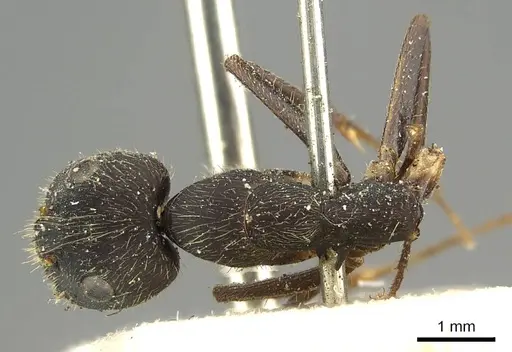
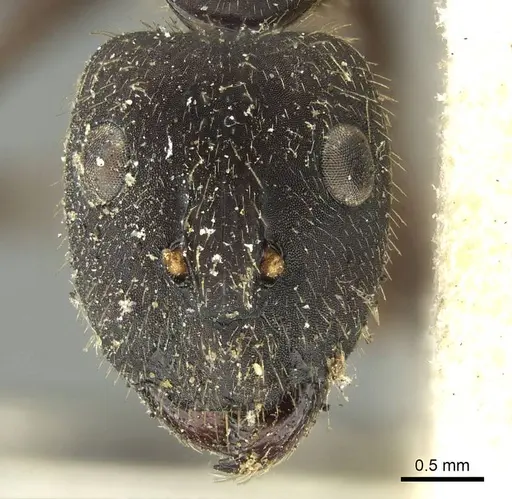
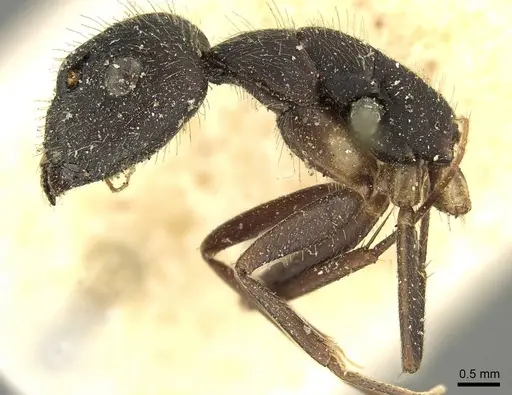
CASENT0923546
View on AntWeb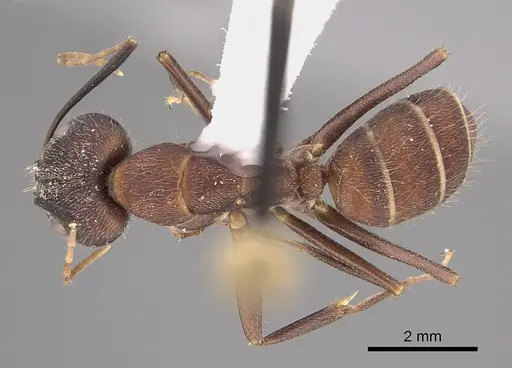
Literature
Loading...Loading products...