

Camponotus pudorosus
- Scientific Name
- Camponotus pudorosus
- Subgenus
- Tanaemyrmex
- Tribe
- Camponotini
- Subfamily
- Formicinae
- Author
- Emery, 1925
- Distribution
- Found in 2 countries
Camponotus pudorosus Overview
Camponotus pudorosus is an ant species of the genus Camponotus. It is primarily documented in 2 countries , including Mexico, United States of America. Detailed taxonomic data and occurrence records can be further explored via authoritative databases such as AntWeb or the Global Biodiversity Information Facility (GBIF).
Camponotus pudorosus
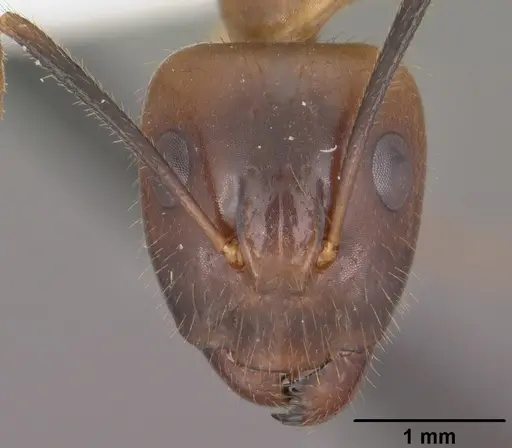
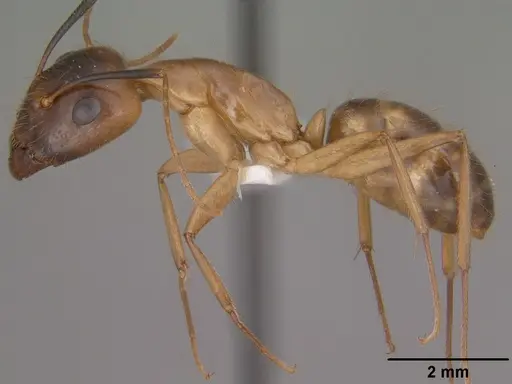
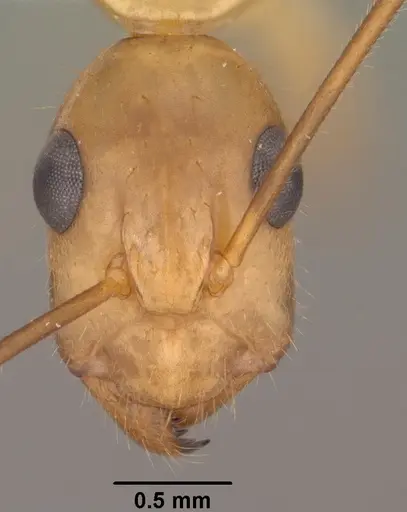
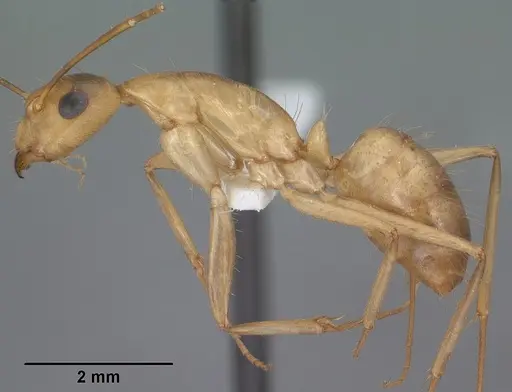
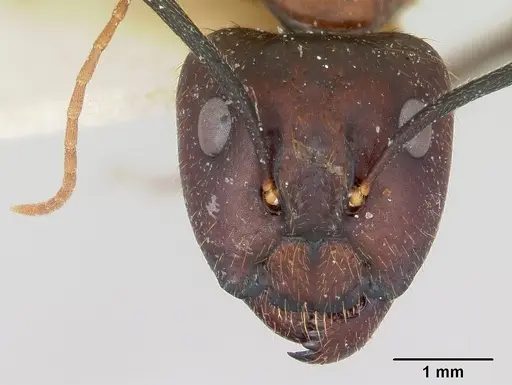
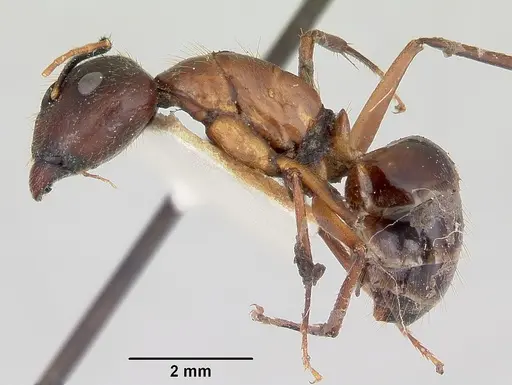
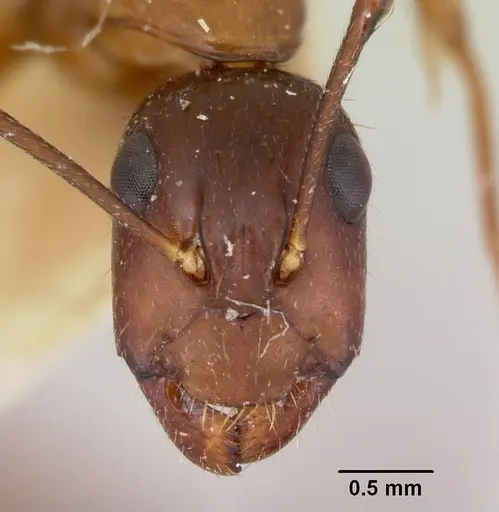
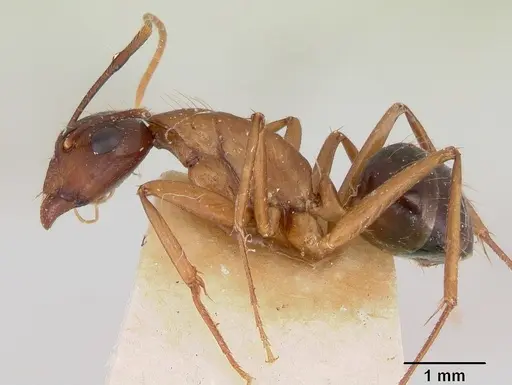
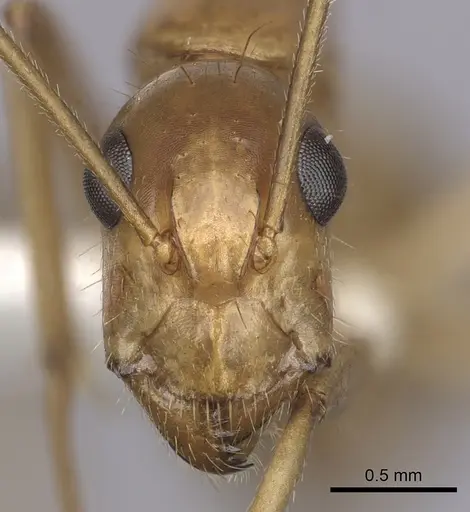
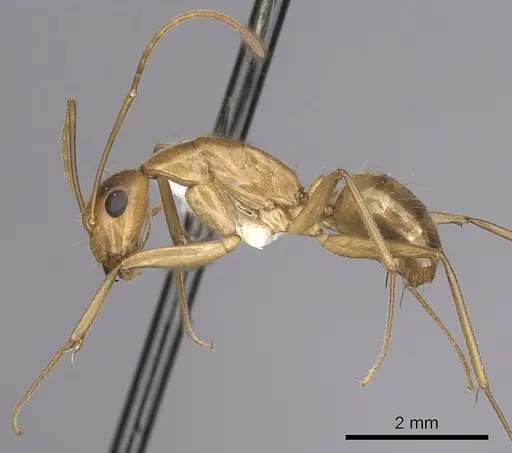
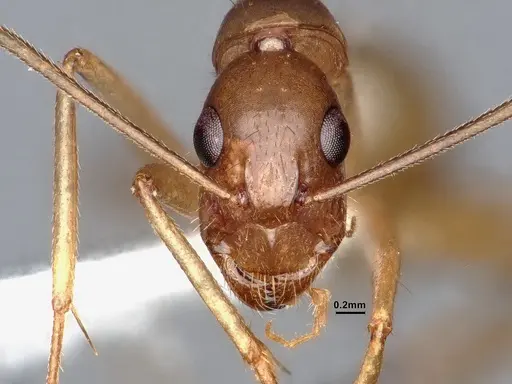
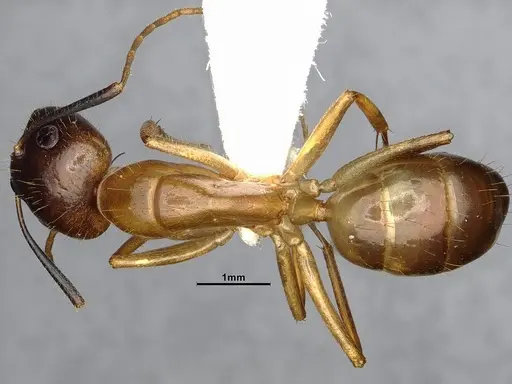
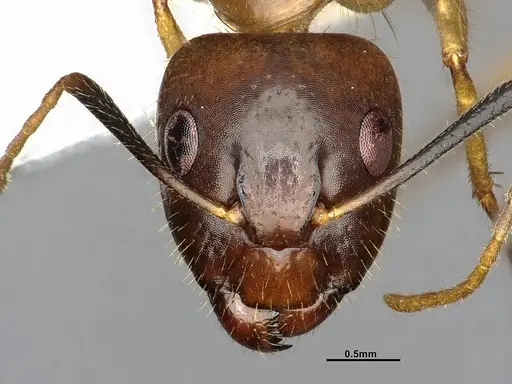
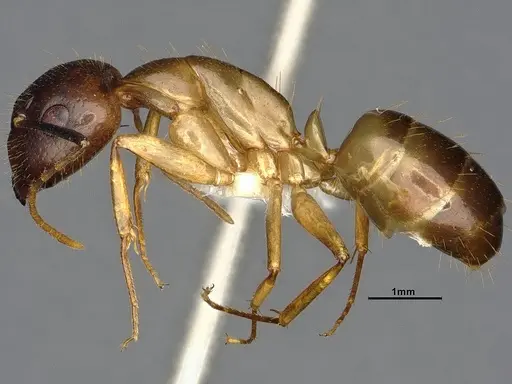
Camponotus pudorosus is a medium-sized ant belonging to the Camponotus festinatus species complex. Major workers measure 2.10-2.40mm in head length, while minor workers are smaller at 1.45-1.85mm. Queens are the largest caste at 2.20-2.55mm head length. This species has a distinctive appearance with notably hairy (pilosity) antennal scapes, both major and minor workers have abundant long setae along their antennae, which helps distinguish them from similar species like C. festinatus. The head is shinier and less strongly sculptured than its close relative C. festinatus [1].
This ground-nesting species ranges from central Mexico north through Arizona, with documented populations in the Mexican states of Hidalgo, Jalisco, and Michoacán, and across multiple mountain ranges in Arizona including the Chiricahua, Huachuca, Santa Catalina, and Santa Rita mountains [1][2]. As a Camponotus species, they are typical ground nesters that excavate chambers under stones or in soil, making them well-suited to naturalistic setups that mimic their natural nesting preferences.
Quick Summary
- Difficulty: Easy
- Origin & Habitat: Ground-nesting ant native to central Mexico and southern Arizona, USA. Found in mountainous regions at various elevations in the Mexican states of Hidalgo, Jalisco, and Michoacán, and throughout southeastern Arizona's sky island mountain ranges [1][2][3].
- Colony Type: Single-queen (monogyne) colonies typical of most Camponotus species. Queens seal themselves in during claustral founding and raise their first workers alone using stored fat reserves.
- Colony: Monogyne
- Founding: Claustral
- Size & Growth:
- Queen: 2.20-2.55mm head length [1]
- Worker: Major workers: 2.10-2.40mm, Minor workers: 1.45-1.85mm [1]
- Colony: Colony size estimates based on similar Camponotus species, likely reaches several hundred workers over time
- Growth: Moderate, typical Camponotus development timeline
- Development: 6-8 weeks based on typical Camponotus genus patterns (Development time varies with temperature, warmer conditions within acceptable range speeds development)
- Antkeeping:
- Temperature: Keep nest area around 22-26°C. This species comes from the warm climate of Arizona and central Mexico, so they prefer temperatures in the low-to-mid 20s°C. A heating cable on one side of the nest can create a gentle gradient if room temperature is below this range.
- Humidity: Moderate humidity is appropriate. Keep the nest substrate lightly moist but not waterlogged. These ground-nesting ants from arid-to-semi-arid regions tolerate drier conditions better than rainforest species. Allow portions of the nest to dry out between waterings.
- Diapause: Yes, Arizona and Mexican populations experience seasonal temperature changes. Provide a winter rest period at 10-15°C for 2-3 months during winter months, reducing feeding frequency.
- Nesting: Ground-nesting species that does well in naturalistic setups with soil or plaster nests. Provide a layer of compactable substrate they can excavate. Y-tong (AAC) nests also work well, especially with some damp soil in the outworld. They prefer dark, secure nesting chambers.
- Behavior: Typical Camponotus temperament, generally calm and not aggressive toward keepers. Workers are moderately active foragers that search for honeydew, nectar, and small insects. They are not particularly aggressive defenders but will protect their nest if threatened. Escape risk is moderate, these are medium-sized ants but still capable of climbing smooth surfaces. Use standard barrier methods like fluon on test tube rims.
- Common Issues: colonies may fail if kept too cold, maintain appropriate temperature range, overwatering can lead to mold problems in nest chambers, newly founded colonies are vulnerable, ensure queen has dark, quiet location, escape prevention should be maintained even though they are not strong climbers, slow initial growth during claustral founding phase can concern beginners, be patient
Nest Preferences
Camponotus pudorosus is a ground-nesting species that naturally excavates chambers under stones or in soil [1]. In captivity, they do well in naturalistic setups with a compactable substrate like sand-clay mix that allows them to dig their own tunnels. Y-tong (acrylic and cotton) nests are also excellent choices, particularly when paired with a damp soil section in the outworld that allows them to maintain humidity preferences. The nest should be dark, these ants prefer secure, dim locations and will often nest in the darkest areas available. Provide multiple chambers connected by narrow tunnels to mimic their natural underground architecture.
Feeding and Diet
Like other Camponotus species, C. pudorosus is an omnivore that accepts a variety of foods. Their diet in nature consists of honeydew from aphids and scale insects, nectar from flowers, and small insects they can capture or scavenge. In captivity, offer sugar sources like honey water or sugar water regularly, this should be available at all times for established colonies. For protein, provide small insects like fruit flies, small crickets, mealworms, or waxworms. Feed protein sources 2-3 times per week, adjusting based on colony size. Remove uneaten prey after 24-48 hours to prevent mold. During founding, the queen does not need food, she relies entirely on stored fat reserves until her first workers emerge.
Temperature and Seasonal Care
This species originates from the warm climates of Arizona and central Mexico, so they prefer temperatures in the 22-26°C range. Maintain the nest area within this range for optimal brood development. During summer months, room temperature is often sufficient, but you may need a heating cable or heating mat during cooler periods. Place any heating element on top of the nest, not underneath, to avoid drying out the substrate too quickly. In winter, provide a diapause (hibernation) period of 2-3 months at 10-15°C. This mimics their natural seasonal cycle and helps maintain colony health. Reduce feeding frequency during diapause and keep the nest slightly cooler. [1]
Behavior and Colony Development
Camponotus pudorosus exhibits typical Camponotus behavior, workers are moderately active, foraging both on the ground and in low vegetation. They are not particularly aggressive but will defend their nest if threatened. Major workers (larger workers with larger heads) typically handle nest defense and breaking apart larger food items, while minor workers handle foraging and brood care. Colony growth is initially slow during the claustral founding phase when the queen is sealed in her chamber raising her first brood. Once the first workers (nanitics) emerge, the colony typically accelerates growth. Expect 6-8 weeks from egg to first worker under optimal conditions. [1]
Frequently Asked Questions
How long does it take for Camponotus pudorosus to produce first workers?
Expect 6-8 weeks from egg to first worker under optimal temperature conditions (22-26°C). This is typical for Camponotus species. The queen seals herself in during founding and raises her first brood alone using stored fat reserves, this is called claustral founding.
Can I keep Camponotus pudorosus in a test tube?
Yes, test tubes work well for founding colonies. Use a standard test tube setup with a water reservoir sealed with cotton. Place the tube in a dark, quiet location and avoid disturbing the queen during the founding phase. Once the colony reaches 20-30 workers, consider moving them to a larger formicarium or naturalistic setup.
What temperature do Camponotus pudorosus ants need?
Keep them at 22-26°C. This species comes from the warm climates of Arizona and central Mexico, so they prefer low-to-mid 20s°C. A heating cable on one side of the nest can create a gradient if needed.
What do Camponotus pudorosus eat?
They are omnivores. Offer sugar water or honey water constantly for the workers. For protein, feed small insects like fruit flies, small crickets, or mealworms 2-3 times per week. They also accept fruit and will scavenge dead insects.
Do Camponotus pudorosus need hibernation?
Yes, provide a winter rest period (diapause) of 2-3 months at 10-15°C during winter. This mimics their natural seasonal cycle in Arizona and Mexico. Reduce feeding frequency during this period.
How big do Camponotus pudorosus colonies get?
Based on typical Camponotus development, colonies can reach several hundred workers over time. Major workers are notably larger than minors, with distinct size polymorphism between worker castes.
Is Camponotus pudorosus good for beginners?
Yes, this is a good species for beginners. They are relatively easy to care for, tolerate some variation in conditions, and are not aggressive. The main challenges are providing appropriate temperature and being patient through the slow founding phase.
When should I move my colony to a formicarium?
Move them when the test tube becomes crowded or when you see 20-30 workers. Camponotus pudorosus is a ground-nesting species, so a naturalistic setup with excavatable substrate or a Y-tong nest works well.
Why is my queen not laying eggs?
Queens may delay egg-laying if stressed, too cold, or too disturbed. Ensure the founding setup is in a dark, quiet location at 22-26°C. Do not expose the queen to light or vibrations. Some queens take weeks to begin laying after being caught.
References

This caresheet is licensed under CC BY-SA 4.0 .
CASENT0102790
View on AntWeb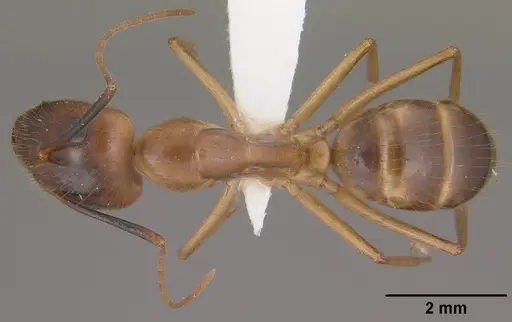
CASENT0102791
View on AntWeb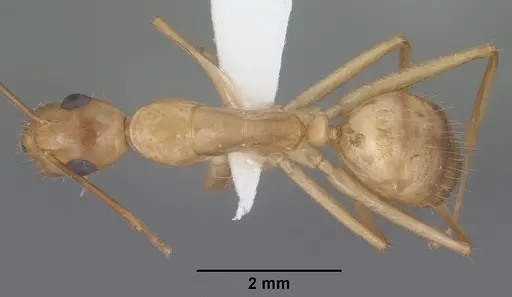
CASENT0103420
View on AntWeb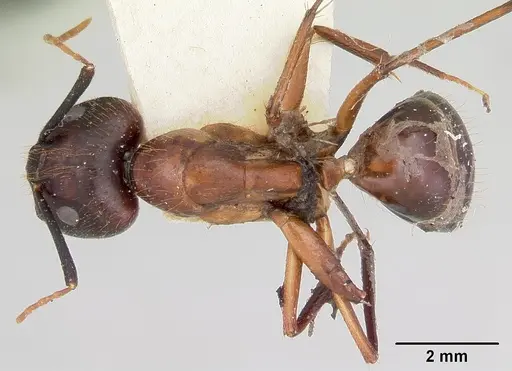
CASENT0103421
View on AntWeb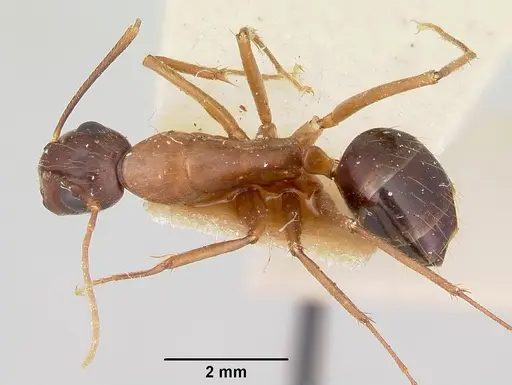
CASENT0280031
View on AntWeb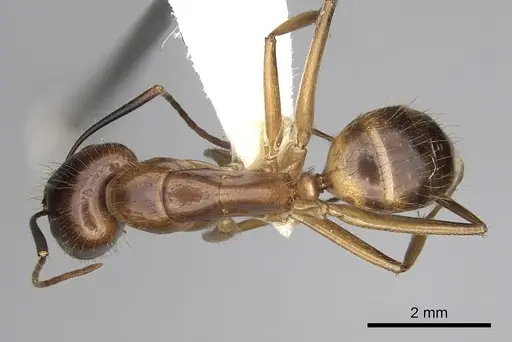
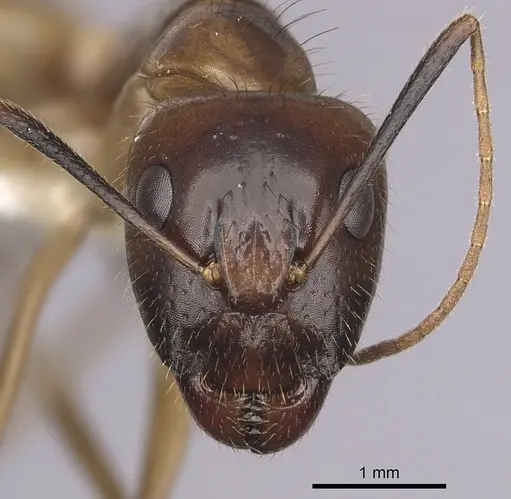
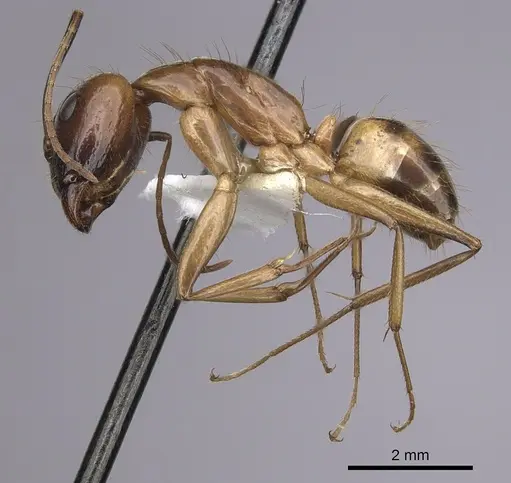
CASENT0280032
View on AntWeb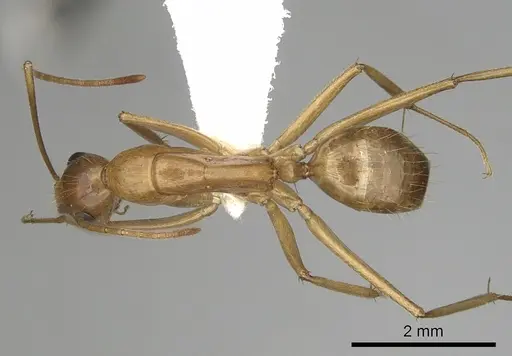
CASENT0884416
View on AntWeb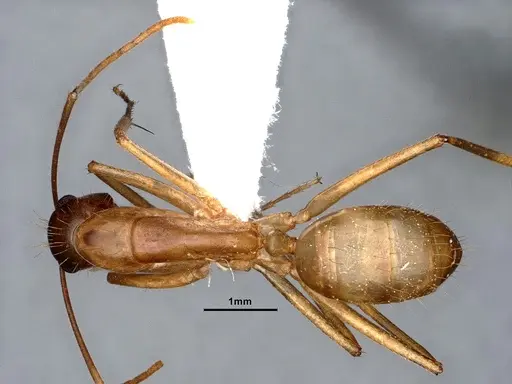
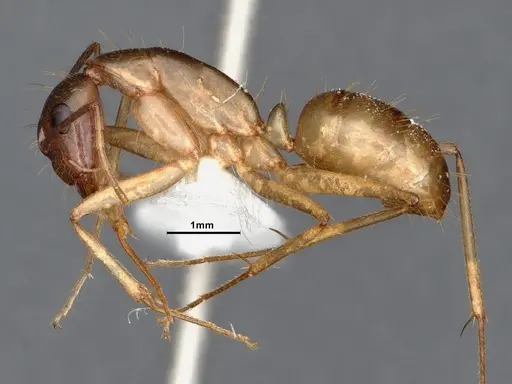
CASENT0884417
View on AntWeb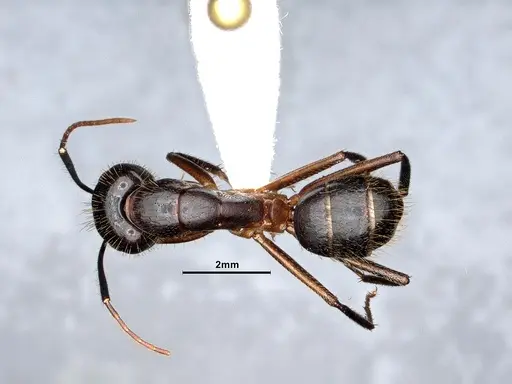
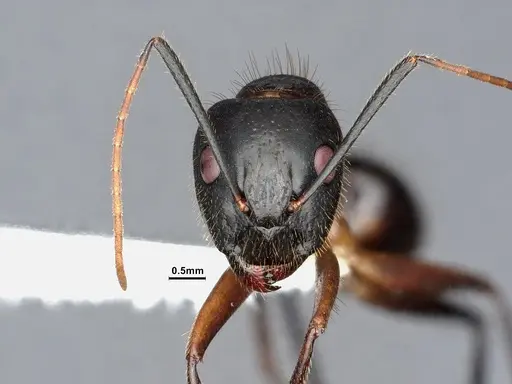
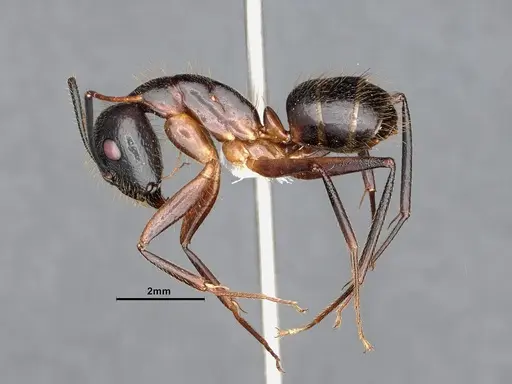
CASENT4031440
View on AntWeb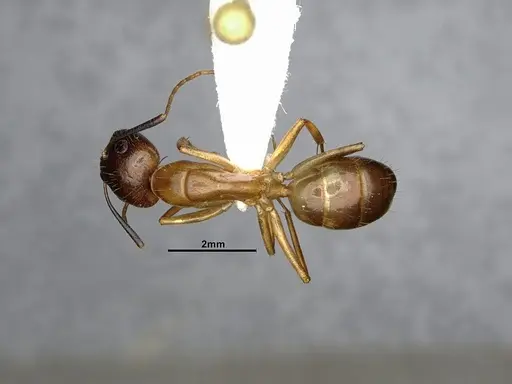
Literature
Loading...Loading products...