

Camponotus pompeius
- Scientific Name
- Camponotus pompeius
- Subgenus
- Tanaemyrmex
- Tribe
- Camponotini
- Subfamily
- Formicinae
- Author
- Forel, 1886
- Distribution
- Found in 5 countries
Camponotus pompeius Overview
Camponotus pompeius is an ant species of the genus Camponotus. It is primarily documented in 5 countries , including Gabon, Equatorial Guinea, Kenya. Detailed taxonomic data and occurrence records can be further explored via authoritative databases such as AntWeb or the Global Biodiversity Information Facility (GBIF).
Camponotus pompeius
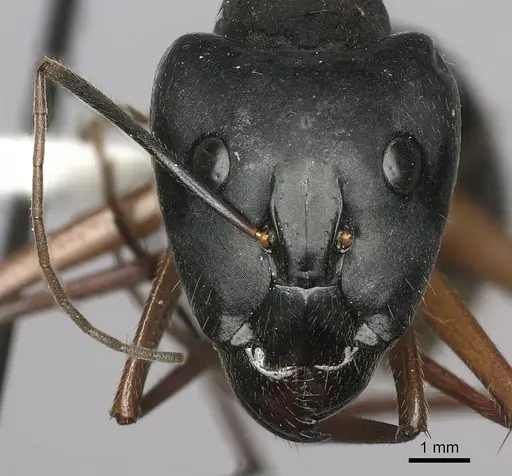
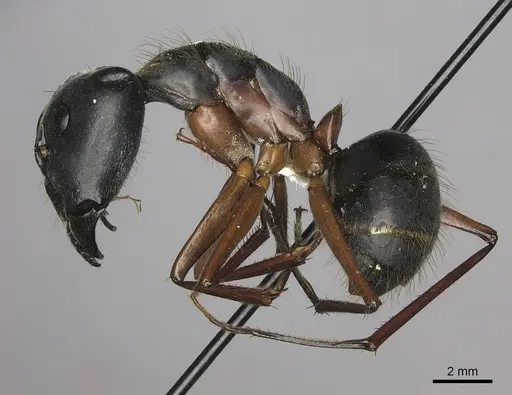
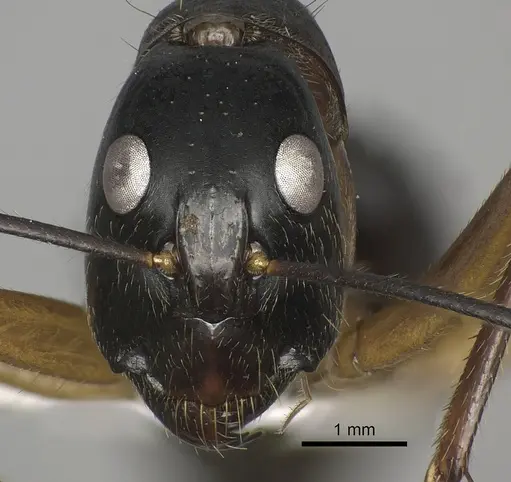
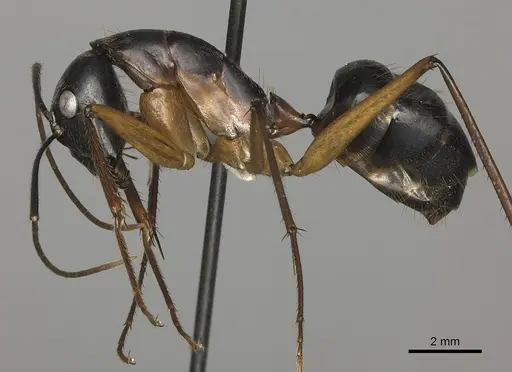
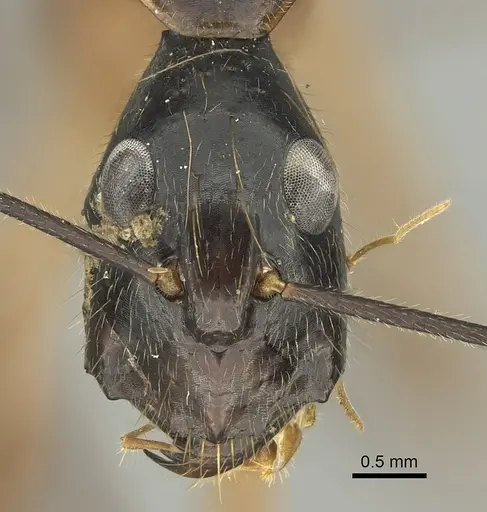
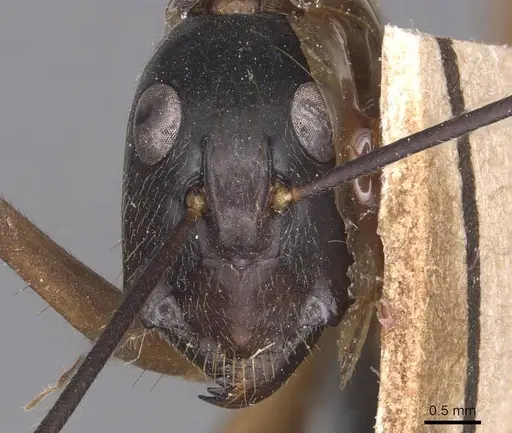
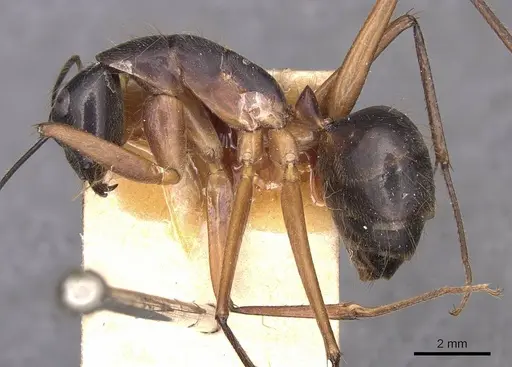
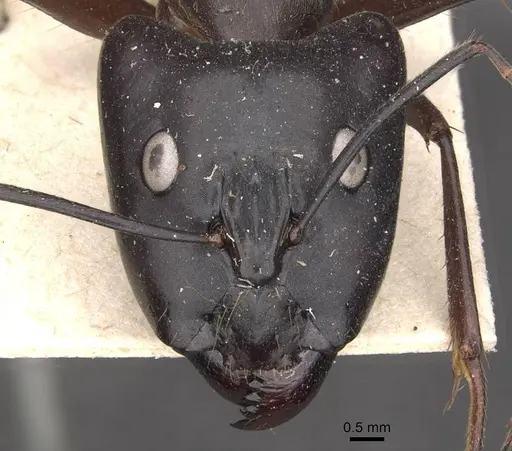
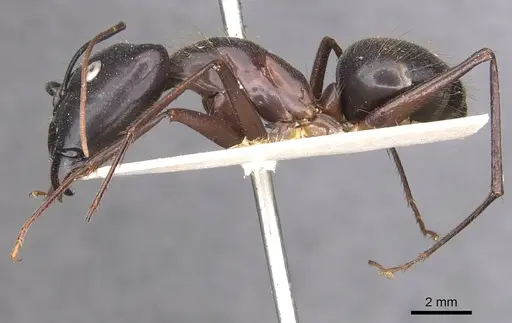
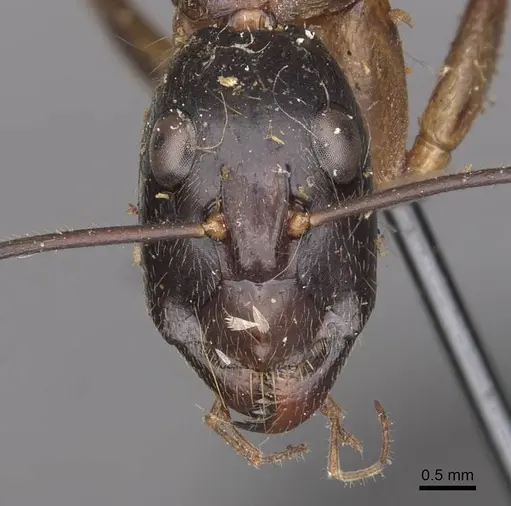
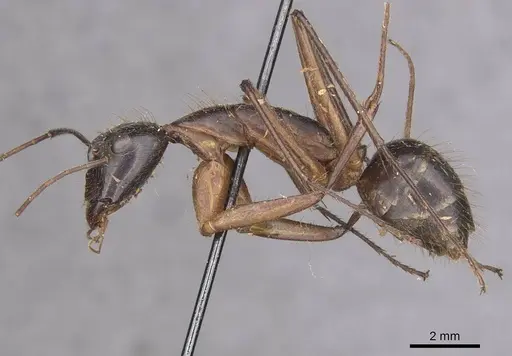
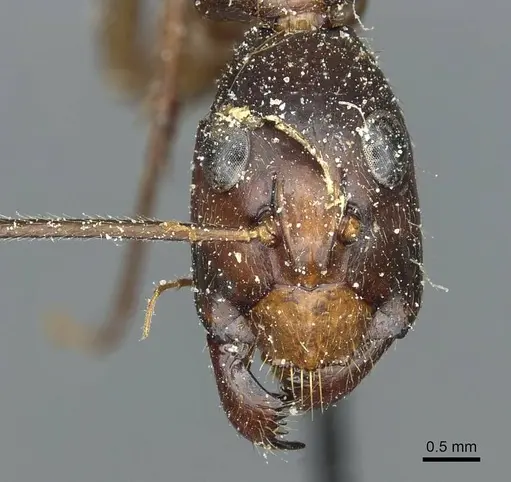
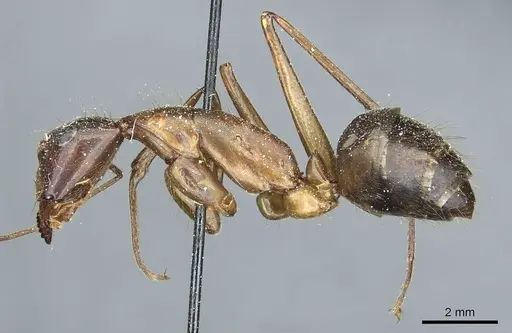
Camponotus pompeius is a medium-to-large African ant species belonging to the subgenus Tanaemyrmex. Workers measure approximately 5-12mm, with major workers being significantly larger than minors. The species has a dark reddish-brown to black coloration, typical of many Camponotus species. This ant is found across central and eastern Africa, including countries such as Cameroon, Democratic Republic of Congo, Gabon, Kenya, Togo, and Uganda [1]. The species was originally described as a subspecies of Camponotus maculatus before being raised to full species status in 1910 [1]. Four subspecies have been described: C. p. cassius, C. p. iota, C. p. marius, and the nominal form [1].
Quick Summary
- Difficulty: Medium
- Origin & Habitat: This species is native to the Afrotropical region, found in central and eastern African countries including Cameroon, Democratic Republic of Congo, Gabon, Kenya, Togo, Uganda, and recently documented in Rwanda [2][3][1]. In the wild, they nest in soil, under stones, and in rotting wood in tropical forest and savanna habitats.
- Colony Type: Single-queen colonies (monogyne) are typical for this species, based on typical Camponotus colony structure patterns.
- Colony: Monogyne
- Founding: Claustral
- Size & Growth:
- Queen: Approximately 12-15mm (estimated from genus patterns)
- Worker: 5-12mm, minors 5-7mm, majors 10-12mm [1]
- Colony: Likely reaches several thousand workers at maturity based on typical Camponotus growth patterns
- Growth: Moderate
- Development: 6-8 weeks at optimal temperature (estimated from typical Camponotus development) (Development time is temperature-dependent, warmer conditions accelerate growth. First workers (nanitics) are smaller than normal workers.)
- Antkeeping:
- Temperature: Keep nest area at 24-28°C with a slight gradient. A heating cable on one side of the nest can create the warm zone they prefer. Based on typical Camponotus requirements for tropical species.
- Humidity: Maintain moderate humidity around 50-70%. Keep the nest substrate slightly moist but allow some drying areas. Regular misting of the outworld helps maintain appropriate conditions.
- Diapause: No true hibernation required, this is a tropical species. However, slight temperature reduction during winter months (down to around 20-22°C) may slow activity naturally.
- Nesting: Y-tong (AAC) nests work well for this species, or plaster nests with chambers sized appropriately for their medium-to-large size. They also do well in naturalistic setups with soil and flat stones for cover. Avoid overly wet conditions that can cause mold.
- Behavior: These ants are generally docile and not aggressive toward keepers. They are moderate foragers and will readily accept sugar water, honey, and protein sources like insects. Major workers have larger heads and can handle bigger prey items. Escape prevention should be moderate, they are not tiny ants but can still squeeze through small gaps if determined. They are primarily nocturnal or crepuscular foragers in the wild.
- Common Issues: colonies may decline if kept too cold, maintain warm temperatures year-round, mold can become a problem if the nest is too wet, ensure proper ventilation and allow drying periods, wild-caught colonies may have parasites that cause decline in captivity, slow founding phase means colonies need patience, queens may take months before first workers appear, major workers can be aggressive defenders of the colony when threatened
Nest Preferences and Housing
Camponotus pompeius does well in Y-tong (acrylic) nests with properly sized chambers. The chambers should be large enough for the majors to move through comfortably but not so large that the colony feels exposed. Plaster nests also work well and help maintain stable humidity. For a founding colony, a simple test tube setup with a water reservoir works until the colony reaches 20-30 workers, then transfer to a proper nest. These ants prefer dark, secure nesting areas and will often choose the most sheltered chambers. In naturalistic setups, provide a layer of soil or sand substrate with flat stones or pieces of wood as cover.
Feeding and Diet
Like most Camponotus species, C. pompeius is omnivorous and accepts a wide variety of foods. Sugar sources are essential, they readily take sugar water, honey, and maple syrup. For protein, offer small insects like fruit flies, mealworms, small crickets, and other arthropods. Major workers can handle larger prey items than minors. Feed protein 2-3 times per week, and keep sugar water available at all times. Remove uneaten prey after 24-48 hours to prevent mold. These ants are not specialized predators and will scavenge rather than hunt actively.
Temperature and Seasonal Care
As a tropical African species, C. pompeius prefers warm conditions. Keep the nest area at 24-28°C for optimal brood development. A heating cable placed on top of the nest (never underneath to avoid drying) can provide warmth. Room temperature may be sufficient if your home is naturally warm, but most keepers find supplemental heat beneficial. Unlike temperate species, they do not require a true hibernation period. During winter, you can allow temperatures to drop slightly to around 20-22°C, which may reduce activity but is not harmful. Avoid cold drafts and sudden temperature fluctuations.
Behavior and Colony Dynamics
This species forms single-queen colonies that grow progressively over time. Colonies are not aggressive toward keepers but major workers will defend the nest if threatened. Workers are polymorphic, with distinct minor and major castes. Majors have enlarged heads and mandibles for defensive tasks and processing larger food items. The colony will expand gradually, expect the founding phase to last several months before the first workers (nanitics) appear. Once established, growth becomes more steady. Workers are primarily active during evening and nighttime hours, though they will forage during the day if food is available.
Health and Common Problems
The main threats to captive colonies include temperature stress from being kept too cold, mold from excessive moisture, and parasite infections from wild-caught specimens. Monitor for signs of colony decline such as reduced foraging, dead brood, or workers appearing outside the nest excessively. If mold appears, reduce humidity and clean the affected area. Parasites like mites can be problematic, Quarantine new colonies before introducing them to existing setups. Also be aware that in the wild, these ants are preyed upon by various toad species in central Africa [4].
Growth and Development
Colony development follows typical Camponotus patterns. The claustral queen seals herself in a chamber and does not leave to forage during founding. She relies entirely on stored fat reserves and metabolic activity to produce eggs and raise the first brood. Eggs develop through larval and pupal stages before emerging as nanitic workers, which are smaller than normal workers. The timeline from egg to worker is approximately 6-8 weeks at optimal temperature. After the first workers emerge, the queen continues laying eggs while workers take over foraging and brood care duties. Growth rate is moderate, colonies typically reach several hundred workers within the first year or two under good conditions.
Frequently Asked Questions
How long does it take for Camponotus pompeius to have first workers?
First workers typically appear within 6-8 weeks after the queen lays eggs, assuming optimal temperature around 26°C. The claustral queen seals herself in and raises the first brood alone, so this founding phase requires patience.
What do Camponotus pompeius ants eat?
They are omnivorous and accept sugar water, honey, and various insects. Keep sugar water available at all times and offer protein (insects) 2-3 times per week. Major workers can handle larger prey than minors.
Do Camponotus pompeius ants need hibernation?
No, this is a tropical African species and does not require hibernation. However, slight temperature reduction in winter (around 20-22°C) is acceptable and may naturally slow colony activity.
What temperature is best for Camponotus pompeius?
Keep nest temperatures between 24-28°C. A heating cable on top of the nest can provide warmth. Avoid temperatures below 20°C for extended periods.
How big do Camponotus pompeius colonies get?
Based on typical Camponotus patterns, colonies likely reach several thousand workers at full maturity. Growth is moderate over several years.
Are Camponotus pompeius good for beginners?
This species is rated as medium difficulty. While not as challenging as some exotic species, the long founding phase and temperature requirements make some experience beneficial. Beginners should be prepared for the patience required during colony establishment.
When should I move my Camponotus pompeius colony to a formicarium?
Move the colony when it reaches around 20-30 workers and the test tube setup becomes crowded. A Y-tong or plaster nest with appropriately sized chambers works well for this medium-to-large species.
Can I keep multiple Camponotus pompeius queens together?
This species is monogyne, meaning single-queen colonies are typical. Combining unrelated queens is not recommended as they likely will fight.
Why is my Camponotus pompeius colony declining?
Common causes include temperatures that are too low, excessive humidity causing mold, parasite infections, or insufficient food. Check that temperatures are in the 24-28°C range and that sugar water is always available.
References

This caresheet is licensed under CC BY-SA 4.0 .
CASENT0235229
View on AntWeb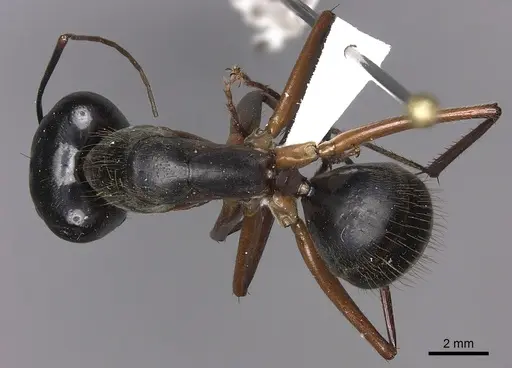
CASENT0235230
View on AntWeb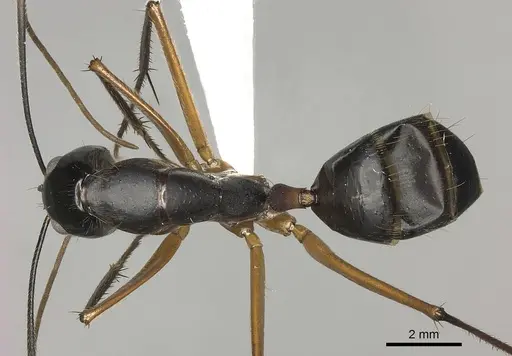
CASENT0235231
View on AntWeb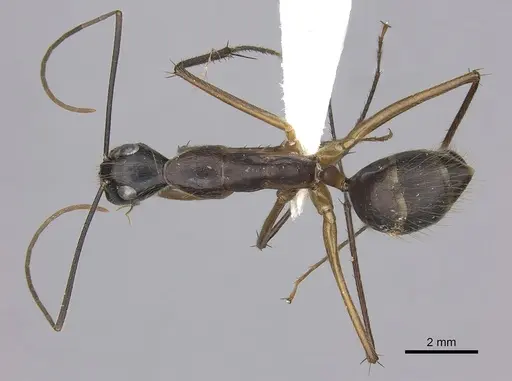
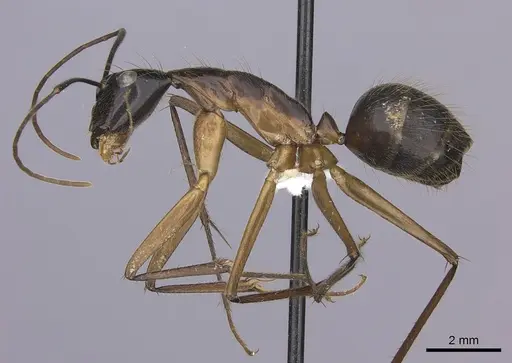
CASENT0316921
View on AntWeb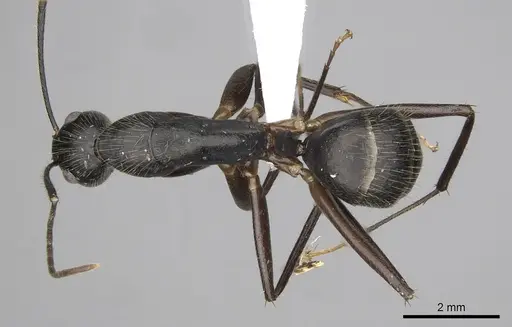
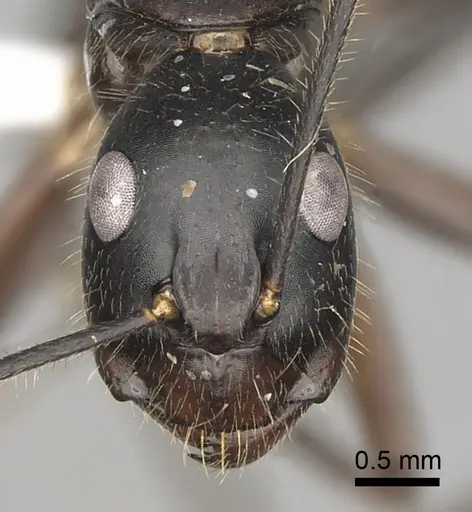
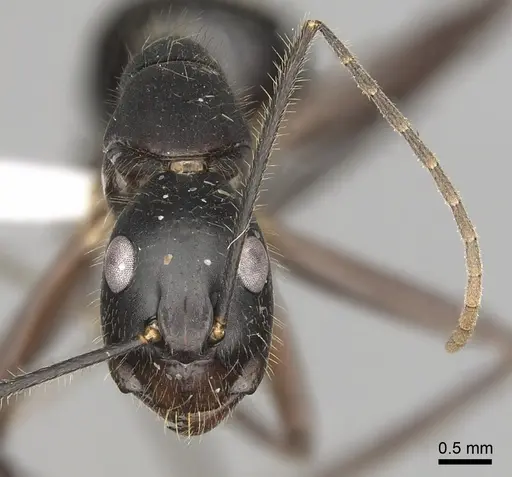
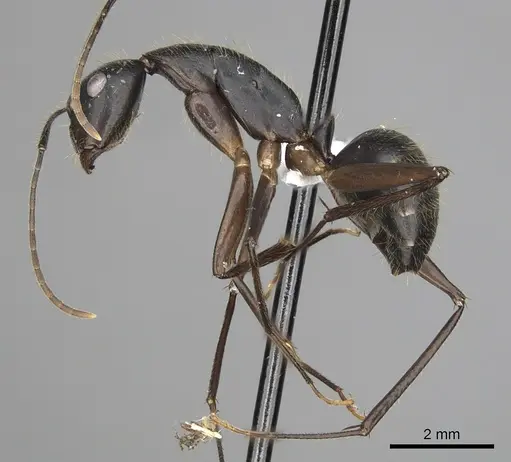
CASENT0316925
View on AntWeb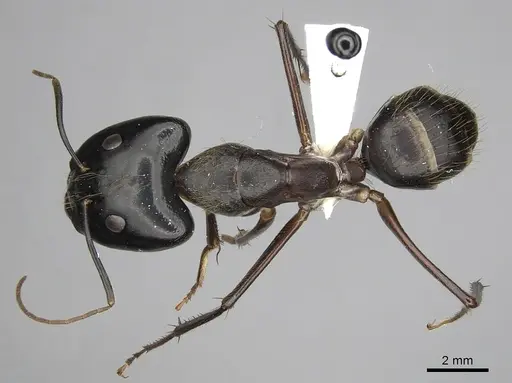
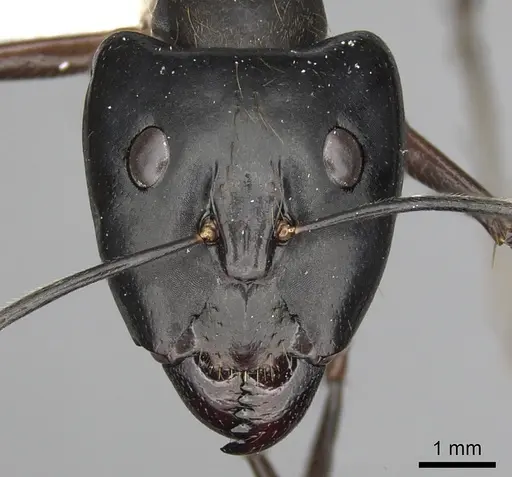
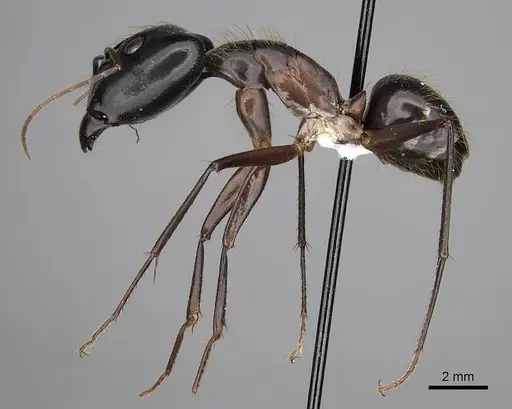
CASENT0905240
View on AntWeb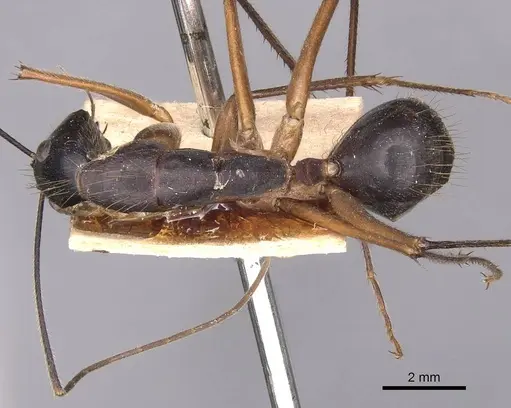
CASENT0910074
View on AntWeb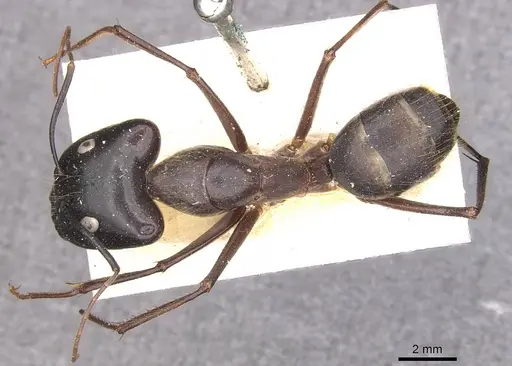
CASENT0910075
View on AntWeb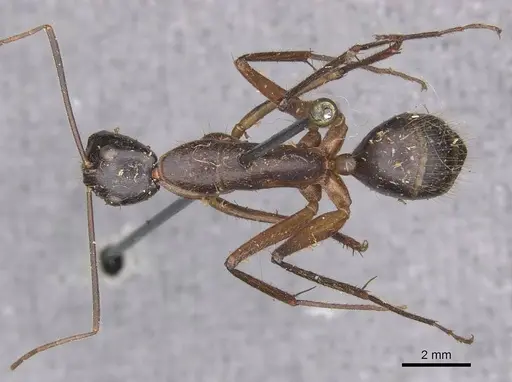
CASENT0912015
View on AntWeb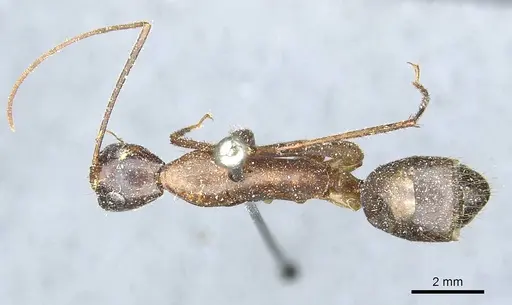
Literature
Loading...Loading products...