

Camponotus planus
- Scientific Name
- Camponotus planus
- Subgenus
- Myrmocladoecus
- Tribe
- Camponotini
- Subfamily
- Formicinae
- Author
- Smith, 1877
- Distribution
- Found in 1 countries
Camponotus planus Overview
Camponotus planus is an ant species of the genus Camponotus. It is primarily documented in 1 countries , including Ecuador. Detailed taxonomic data and occurrence records can be further explored via authoritative databases such as AntWeb or the Global Biodiversity Information Facility (GBIF).
Camponotus planus
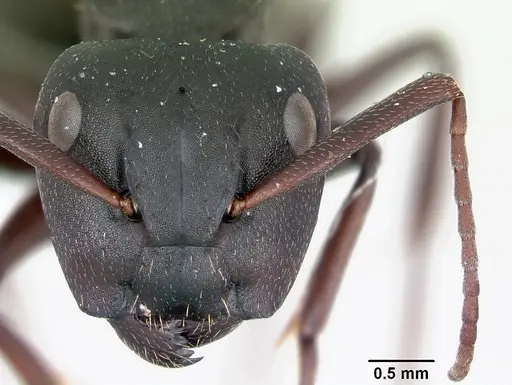
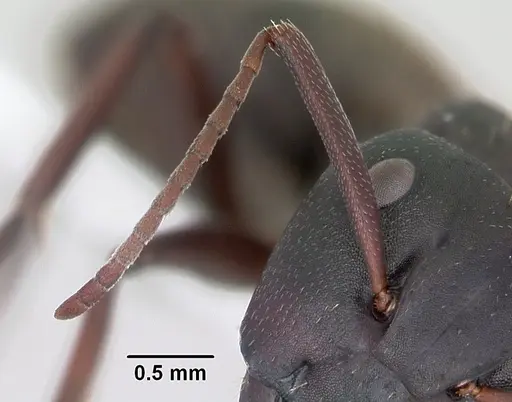
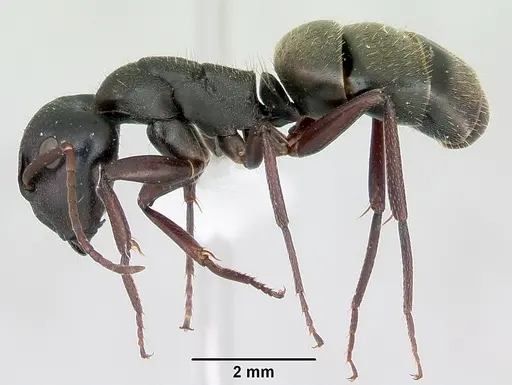
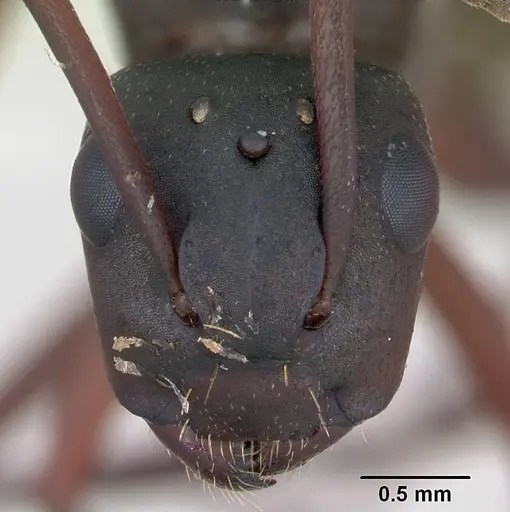
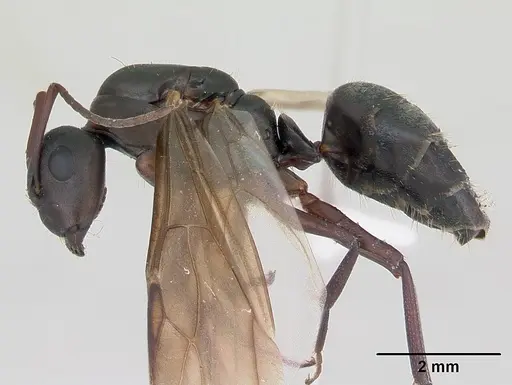
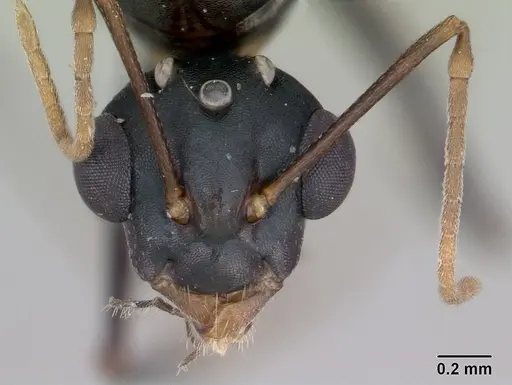
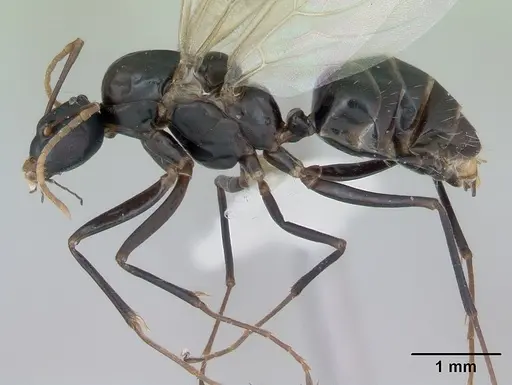
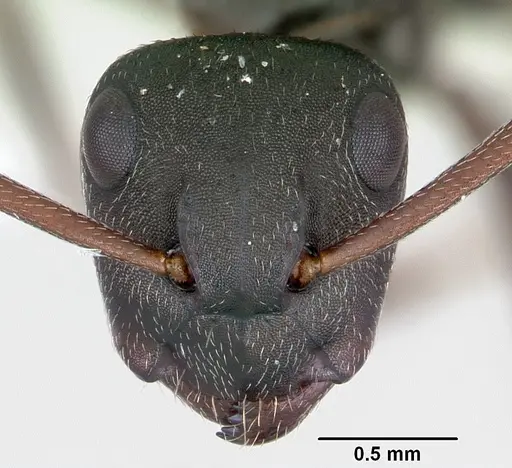
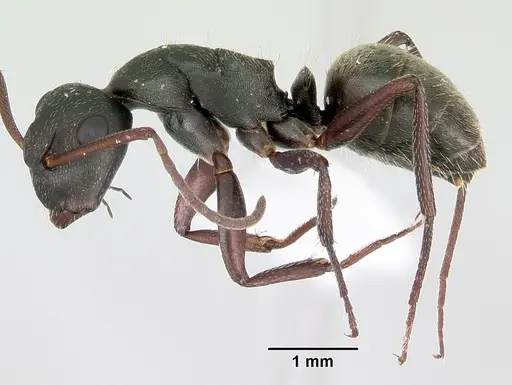
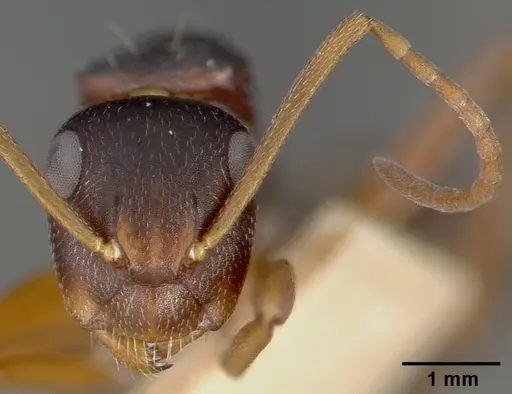
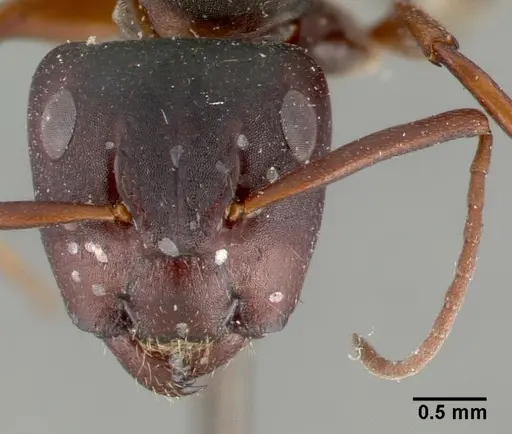
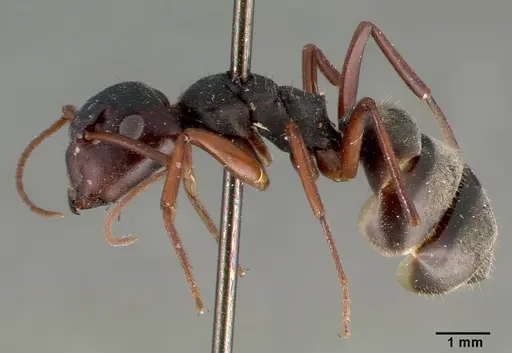
Camponotus planus is a medium-sized carpenter ant endemic to the Galapagos Islands. Workers measure 5-9mm with a distinctive dark brown to black coloration and lighter appendages. This species is diurnal, meaning it forages during the day unlike many ant species that are active at night. Originally collected by Charles Darwin in 1835,C. planus has been recorded across 17 islands in the Galapagos archipelago, making it one of the most widespread native ant species in the islands [1]. They nest in diverse locations including tree roots, shrub bases, Opuntia cactus, under rocks, and in rotting wood or dry branches [1].
Quick Summary
- Difficulty: Easy
- Origin & Habitat: Galapagos Islands (Ecuador), endemic species found across 17+ islands including Santa Cruz, Floreana, Isabela, San Cristóbal, and others. Inhabits littoral zones, mangrove patches, and dry coastal areas. Not common in humid highland zones [1].
- Colony Type: Single-queen (monogyne) colonies, colony structure appears to be monogyne based on typical Camponotus patterns, though detailed studies are limited.
- Colony: Monogyne
- Founding: Claustral
- Size & Growth:
- Queen: 10-12mm estimated (based on genus Camponotus patterns)
- Worker: 5-9mm [1]
- Colony: Estimated several hundred workers based on typical Camponotus colony sizes
- Growth: Moderate, development timeline follows typical Camponotus patterns of 6-10 weeks from egg to first worker
- Development: 6-10 weeks (estimated based on genus-level Camponotus data) (Development time varies with temperature, warmer conditions accelerate development. First workers (nanitics) are typically smaller than normal workers.)
- Antkeeping:
- Temperature: Keep at 24-28°C. Being a tropical island species from the Galapagos, they prefer warm conditions. A temperature gradient allows them to regulate [1].
- Humidity: Moderate, they inhabit coastal zones and mangroves but also dry areas. Aim for 50-70% humidity with some dry areas in the outworld. Keep nest substrate slightly moist but not waterlogged [1].
- Diapause: No true hibernation, being a tropical species from the Galapagos, they do not require cold-induced diapause. However, activity decreases during the cooler season (June-November) [1]. Reduce feeding and slightly lower temperature during this period.
- Nesting: Provide a nest with multiple chambers, they naturally nest in rotting wood, under rocks, and in root systems. Y-tong (AAC), plaster, or naturalistic setups with rotting wood work well. Ensure the nest has tight-fitting connections to the outworld.
- Behavior: Diurnal and active foragers, workers search for food during daylight hours. They are quick to react when their nest is disturbed, showing active defense behavior [1]. Workers feed on extrafloral nectaries, flower nectar, and tend mealy bugs for honeydew [1]. They are not aggressive toward humans but will defend their nest. Escape risk is moderate, use standard barrier methods. They are a moderate-sized Camponotus, so standard escape prevention is adequate.
- Common Issues: invasive species competition, Wasmannia auropunctata negatively impacts this species in the wild, so keep colonies isolated from other ant species [3], seasonal activity changes, expect reduced activity during cooler months (June-November), this is normal not a problem [1], overheating risk, being from a tropical island, they can overheat if kept too warm, monitor for stress signs, humidity balance, too wet causes mold, too dry causes desication, provide gradient, queen loss during founding, claustral queens may fail if disturbed, minimize founding chamber vibrations
Housing and Nest Setup
Camponotus planus does well in standard formicarium setups. They naturally nest in rotting wood, under rocks, and in root systems, so provide a nest with multiple chambers of varying sizes [1]. Y-tong (AAC) nests, plaster nests, or naturalistic setups with rotting wood pieces all work well. The nest should have chambers sized appropriately for their worker size (5-9mm). Connect the nest to an outworld using tubing. Since they are diurnal foragers, place the setup in an area with natural light cycles. Ensure the nest has some damp substrate (like soil or plaster) to maintain humidity, but also provide dry areas in the outworld. A water test tube connected to the nest helps maintain humidity.
Feeding and Diet
In the wild, Camponotus planus workers feed on extrafloral nectaries of plants, flower nectar, and honeydew from mealy bugs they tend [2]. They are opportunistic foragers. In captivity, offer a varied diet: sugar water or honey as an energy source (always available), and protein sources like mealworms, small crickets, or other insects 2-3 times per week. They will also accept fruit occasionally. Since they are diurnal, offer food during daylight hours when workers are most active. Remove uneaten prey after 24-48 hours to prevent mold. Fresh water should always be available.
Temperature and Seasonal Care
As a Galapagos endemic, Camponotus planus prefers warm tropical conditions. Keep the nest area at 24-28°C during the active season. They are most active during the hot-rainy season (December-May) when mating flights occur [1]. During the cooler season (June-November), reduce feeding frequency and slightly lower temperatures, this mimics their natural seasonal cycle. They do not require true hibernation or diapause like temperate species. Avoid temperatures above 32°C as this can stress the colony. Use a low-wattage heating mat on one side of the nest to create a temperature gradient if room temperature is below 24°C.
Colony Growth and Development
Camponotus planus follows typical carpenter ant development patterns. A claustral queen seals herself in a chamber and raises the first brood alone using stored fat reserves. The first workers (nanitics) emerge smaller than normal workers and begin foraging to feed the growing colony. Colony growth is moderate, expect 6-10 weeks from egg to first worker at optimal temperature (around 26°C). Growth rate increases with regular feeding and warm temperatures. A healthy colony may reach several hundred workers over 1-2 years. Males and queens are produced in large numbers during the hot-rainy season for nuptial flights [1].
Behavior and Defense
This is a diurnal species, workers actively forage during daylight hours unlike many ant species that are nocturnal [1]. They are quick to react when their nest is disturbed, showing active defensive behavior. Workers will emerge in force to protect the colony from perceived threats. They are not typically aggressive toward humans but will bite if handled roughly. Their defense is primarily through biting and formic acid spray, not stinging. In the wild, they face predation from animals like T. stolzmanni and competition from invasive Wasmannia auropunctata [1][3]. In captivity, keep them isolated from other ant species to prevent competition and potential disease transmission.
Frequently Asked Questions
How long does it take for Camponotus planus to produce first workers?
Expect 6-10 weeks from egg to first worker at optimal temperature (around 26°C). This varies based on temperature, warmer conditions speed up development while cooler temperatures slow it down.
Can I keep multiple Camponotus planus queens together?
Not recommended. This species appears to be monogyne (single-queen). Combining unrelated queens has not been documented and queens will likely fight.
What temperature is best for Camponotus planus?
Keep them at 24-28°C. Being from the tropical Galapagos Islands, they prefer warm conditions but avoid temperatures above 32°C.
Do Camponotus planus need hibernation?
No. As a tropical island species, they do not require true hibernation. However, they are less active during the cooler season (June-November) so reduce feeding and slightly lower temperatures during this time.
What do Camponotus planus eat?
They are omnivores. Feed sugar water or honey constantly, and protein (insects like mealworms) 2-3 times per week. They also visit flowers and tend mealy bugs for honeydew in the wild.
Are Camponotus planus good for beginners?
Yes, they are considered easy to keep. They are relatively hardy, do not require hibernation, and accept a wide variety of foods. Their moderate size makes them easy to observe.
How big do Camponotus planus colonies get?
Estimated several hundred workers based on typical Camponotus colony sizes. They are not supercolony formers.
When do Camponotus planus have nuptial flights?
Males and queens are most abundant during the hot-rainy season (December-May), especially near the coast where nuptial flights occur [1].
Why is my Camponotus planus colony less active?
This is normal during the cooler season (June-November) when they reduce activity [1]. Check that temperature is adequate and queen is still alive. If it's during the active season, check for stress factors like poor nutrition or disturbance.
References

This caresheet is licensed under CC BY-SA 4.0 .
CASENT0173218
View on AntWeb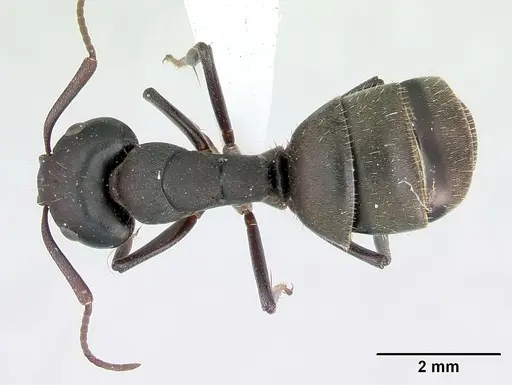
CASENT0173219
View on AntWeb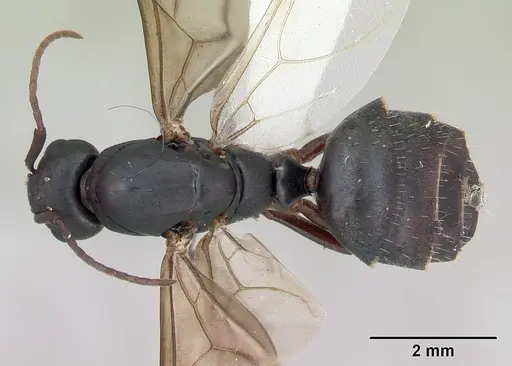
CASENT0173220
View on AntWeb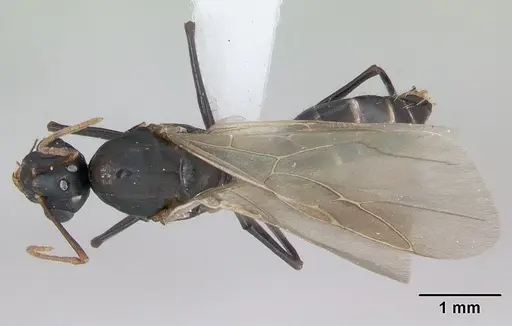
CASENT0173221
View on AntWeb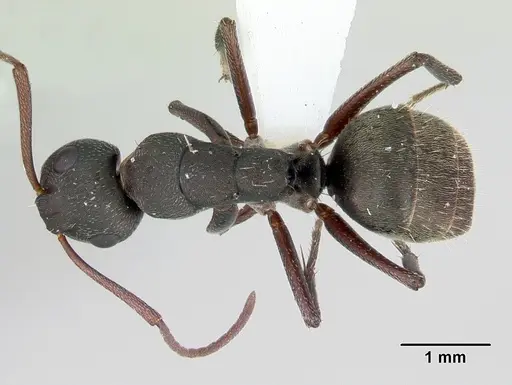
CASENT0217685
View on AntWeb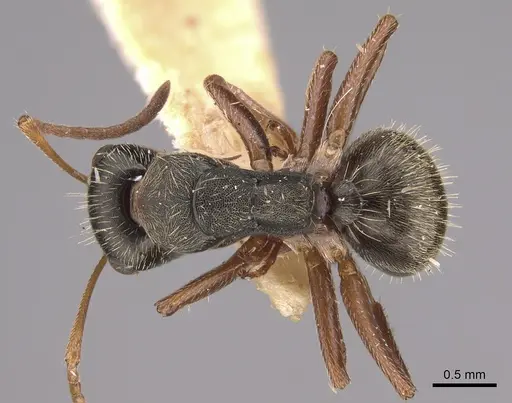
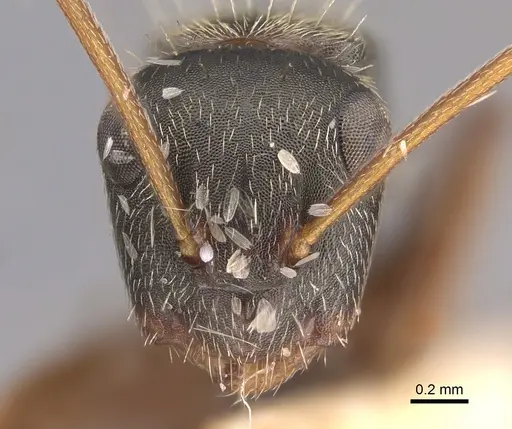
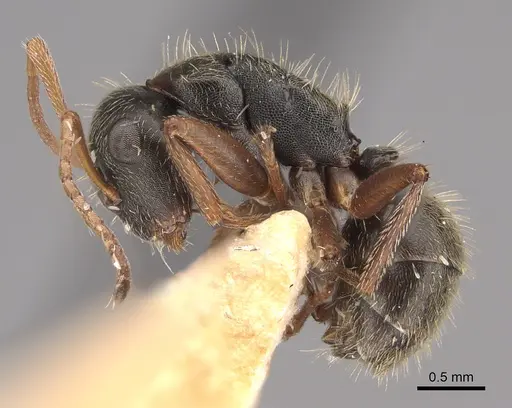
CASENT0903646
View on AntWeb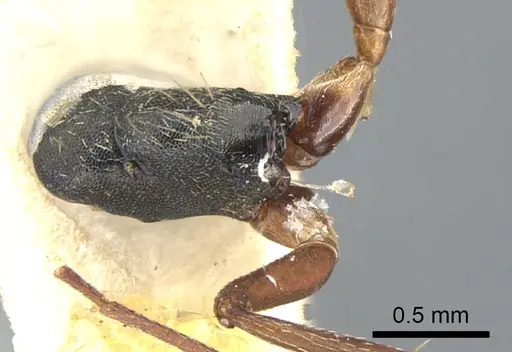
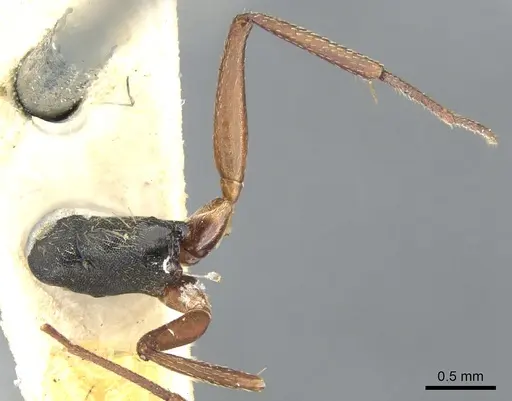
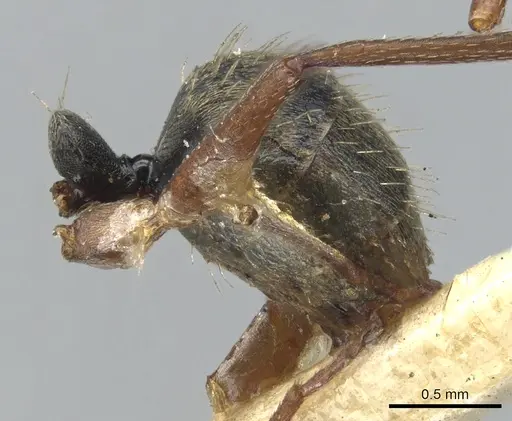
CASENT0905531
View on AntWeb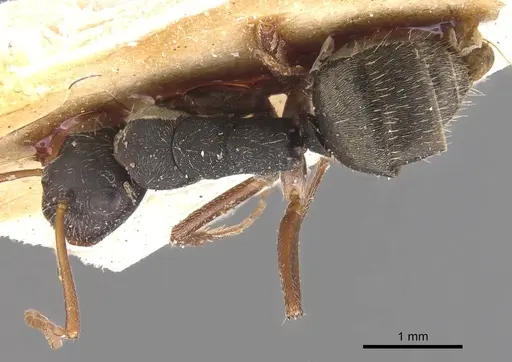
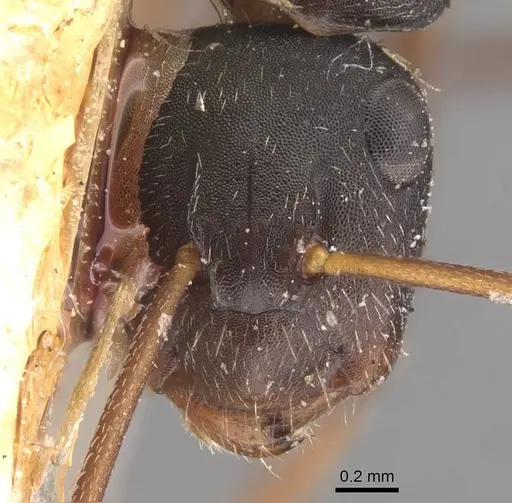
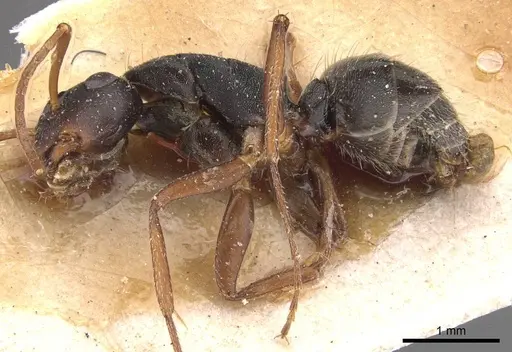
CASTYPE00455-01
View on AntWeb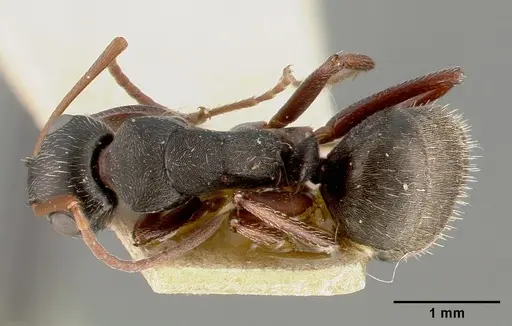


CASTYPE00455-02
View on AntWeb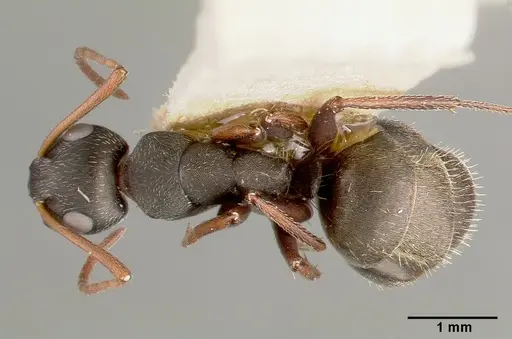


CASTYPE00455-03
View on AntWeb

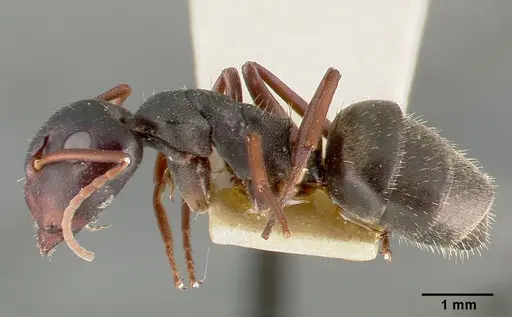
CASTYPE00456-01
View on AntWeb

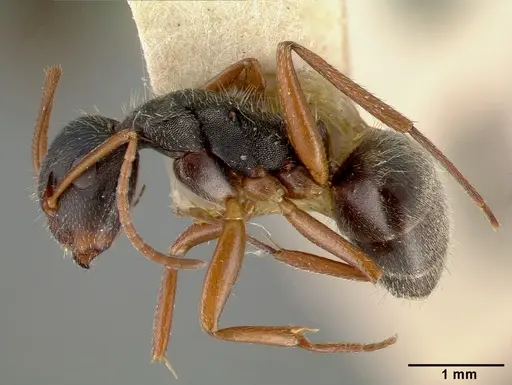
CASTYPE00456-02
View on AntWeb

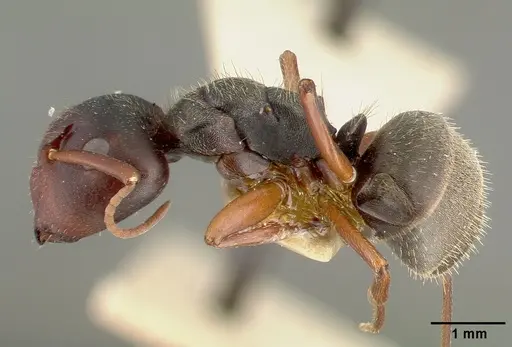
CASTYPE00456-03
View on AntWeb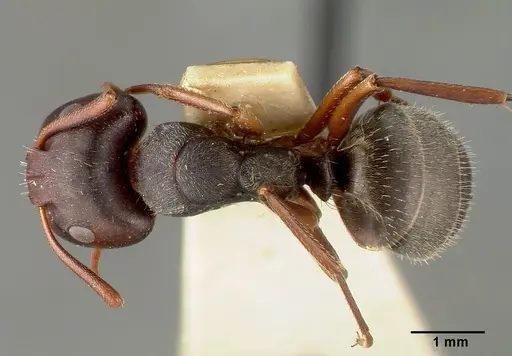
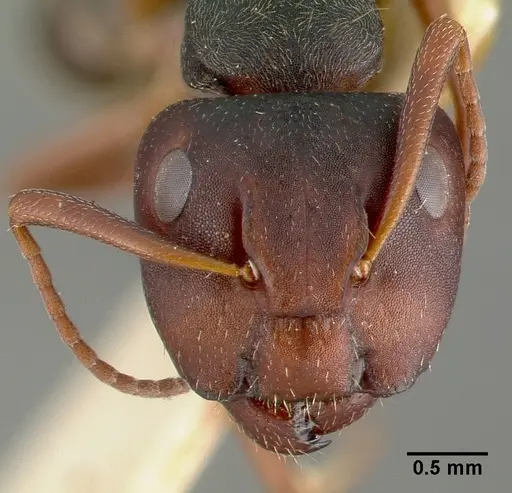

CASTYPE00457-01
View on AntWeb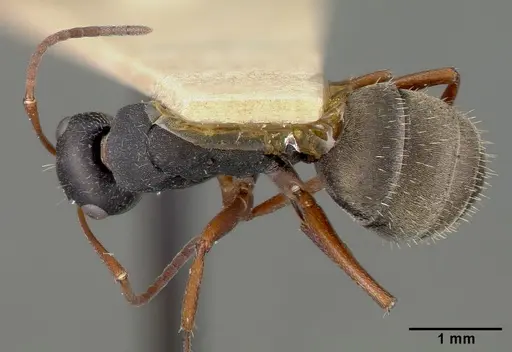

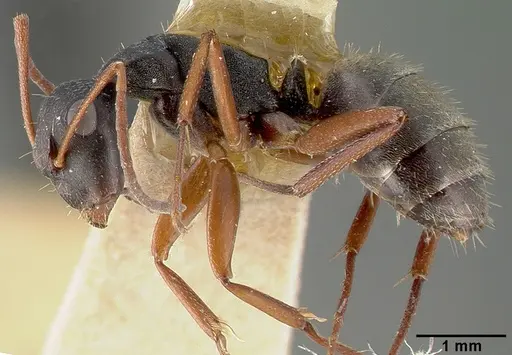
CASTYPE00457-02
View on AntWeb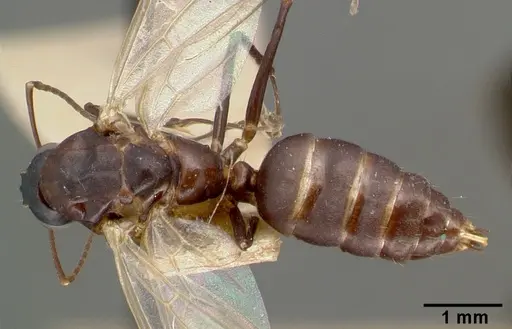


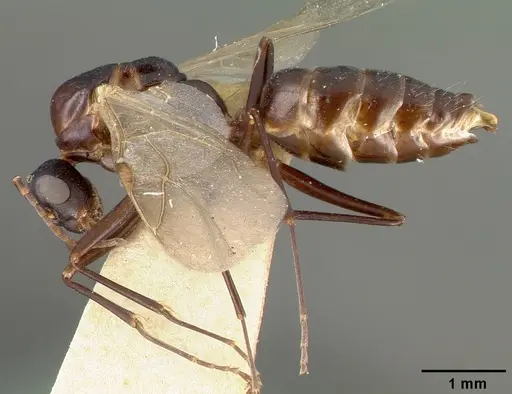
CASTYPE00457-03
View on AntWeb

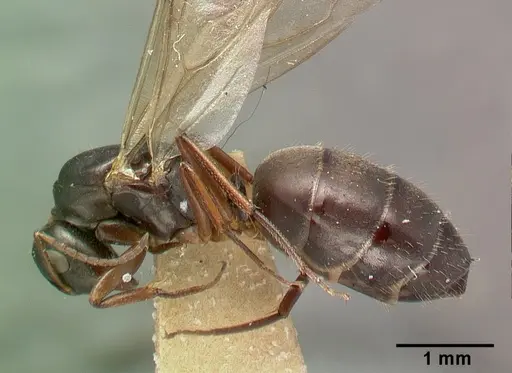
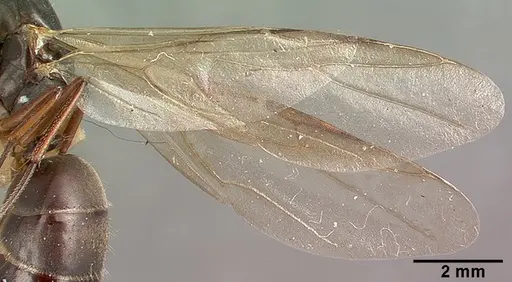
CASTYPE00458-01
View on AntWeb

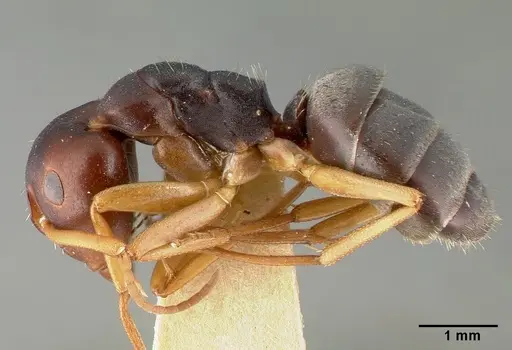
CASTYPE00458-02
View on AntWeb

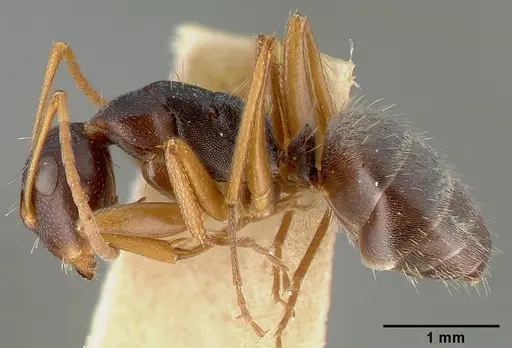
CASTYPE00458-03
View on AntWeb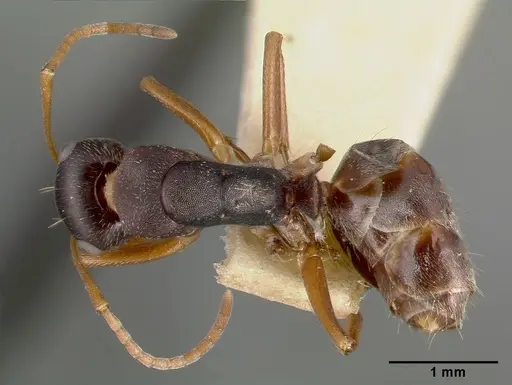

CASTYPE00459
View on AntWeb
CASTYPE00460-01
View on AntWeb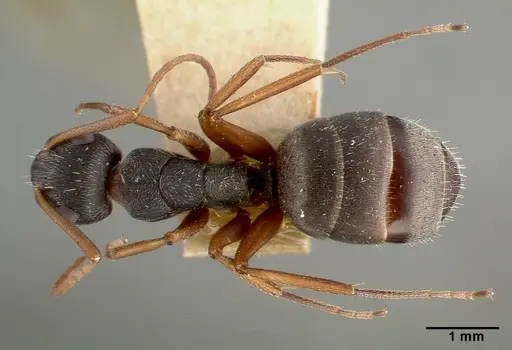

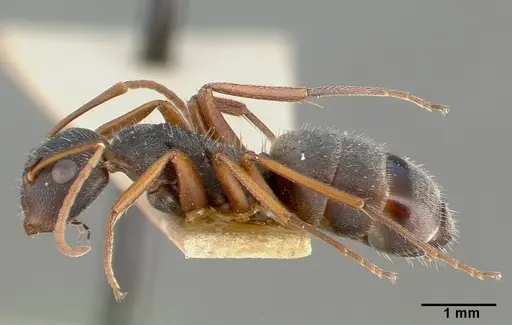
CASTYPE00460-02
View on AntWeb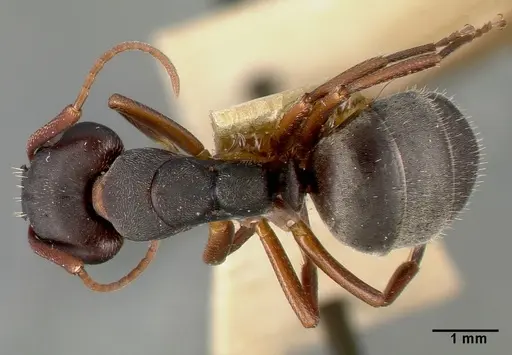

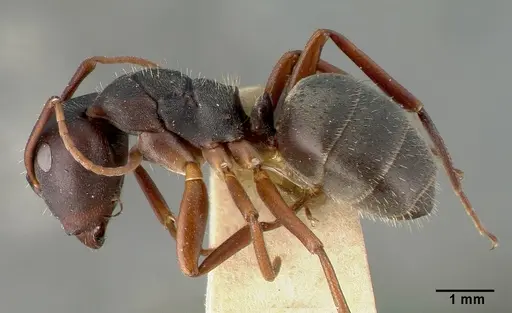
CASTYPE00460-03
View on AntWeb
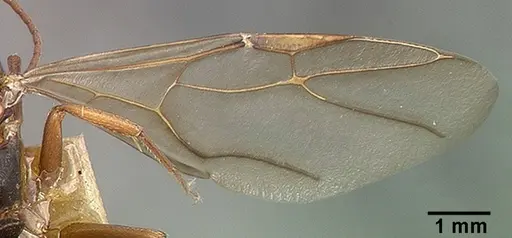
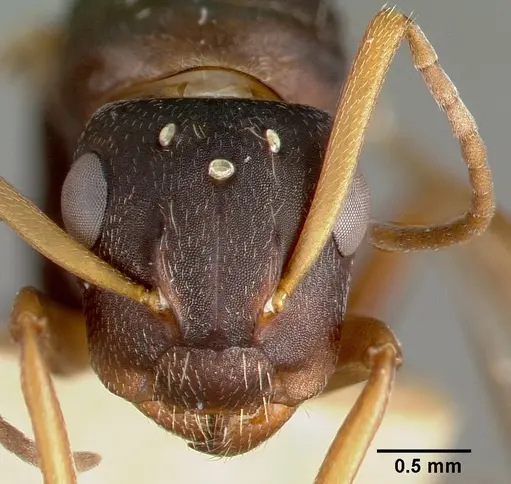

CASTYPE03690
View on AntWeb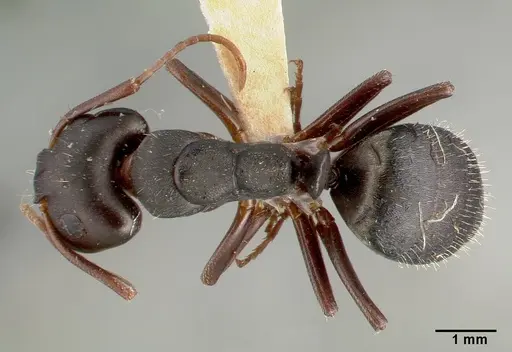


Literature
Loading...Loading products...