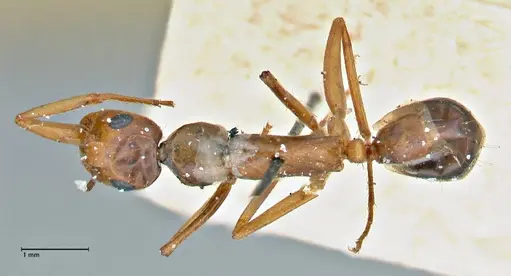
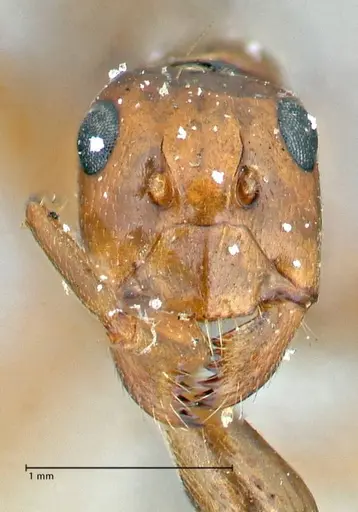
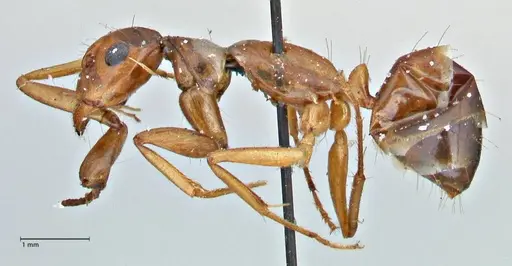
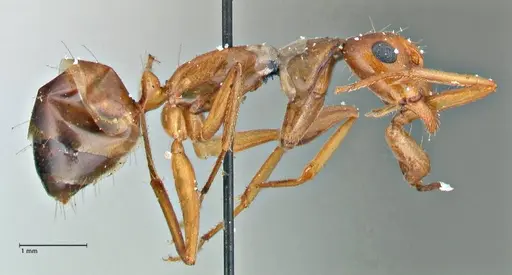
Camponotus pilicornis shows a August to October flight window. Peak activity occurs in August, with nuptial flights distributed across 3 months.
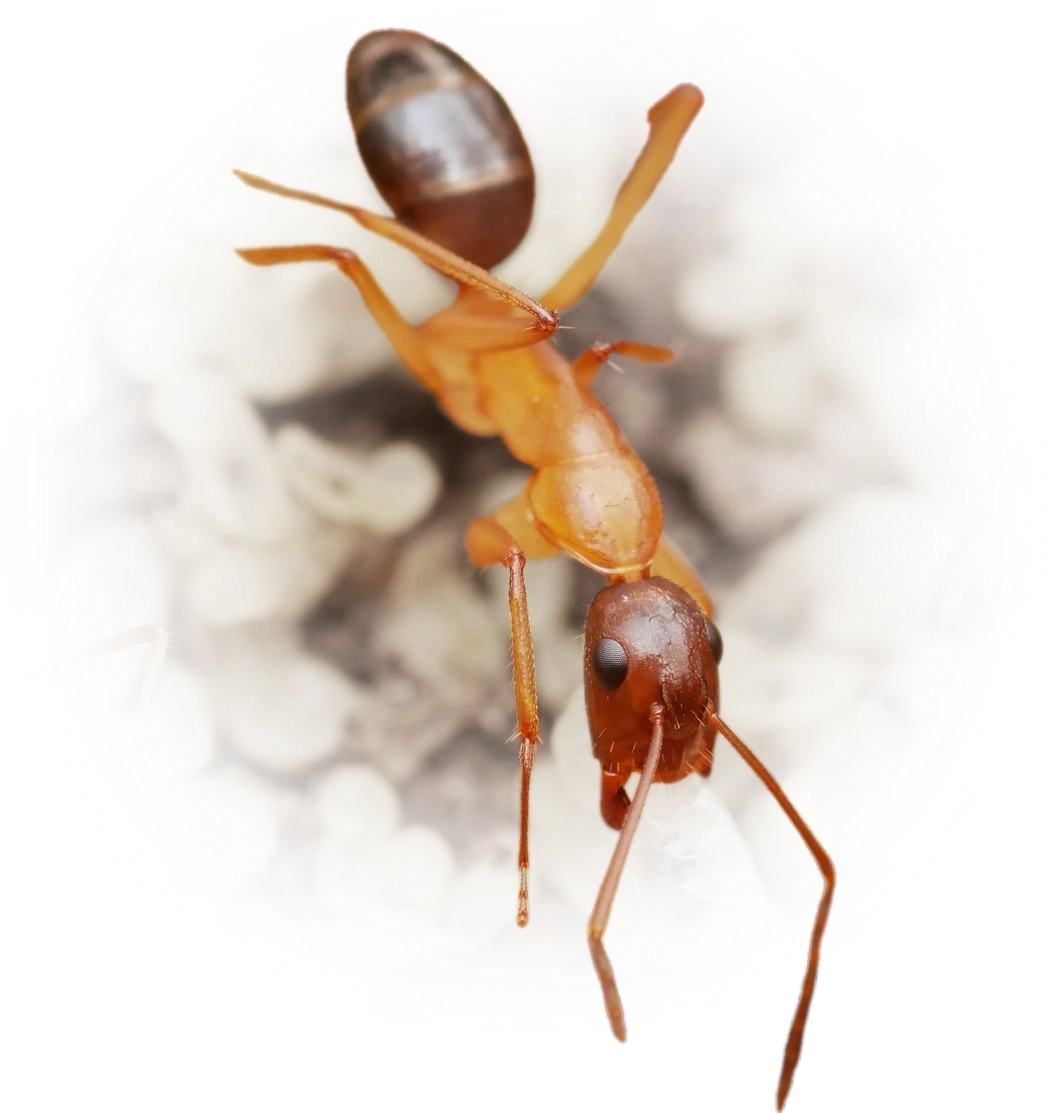
Camponotus pilicornis
- Scientific Name
- Camponotus pilicornis
- Subgenus
- Tanaemyrmex
- Tribe
- Camponotini
- Subfamily
- Formicinae
- Author
- Roger, 1859
- Distribution
- Found in 5 countries
- Nuptial Flight
- from August to October, peaking in August
AI Identifiable
try →
Camponotus pilicornis Overview
Camponotus pilicornis is an ant species of the genus Camponotus. It is primarily documented in 5 countries , including Bulgaria, Spain, France. Detailed taxonomic data and occurrence records can be further explored via authoritative databases such as AntWeb or the Global Biodiversity Information Facility (GBIF).
The nuptial flight of Camponotus pilicornis is a significant biological event, typically occurring from August to October, peaking in August. During this time, winged queens and males leave the nest to mate and establish new colonies.
Camponotus pilicornis
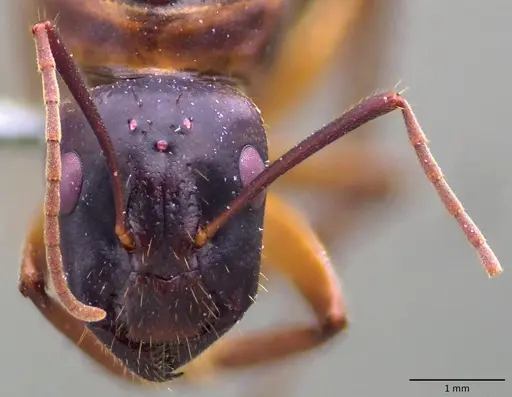
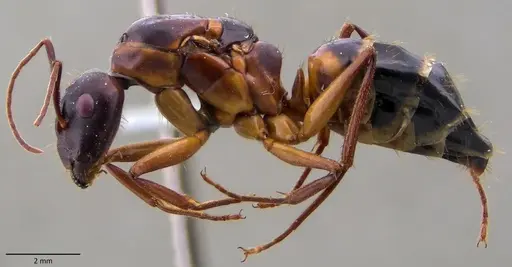
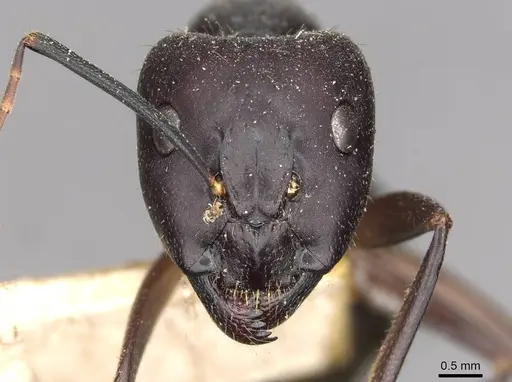
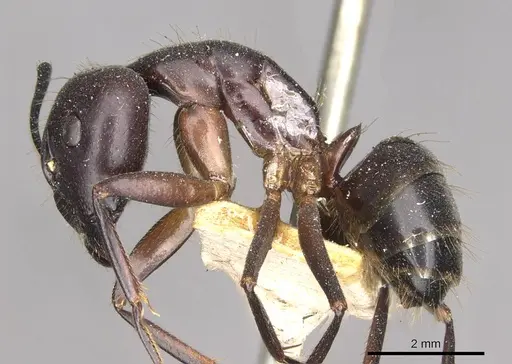
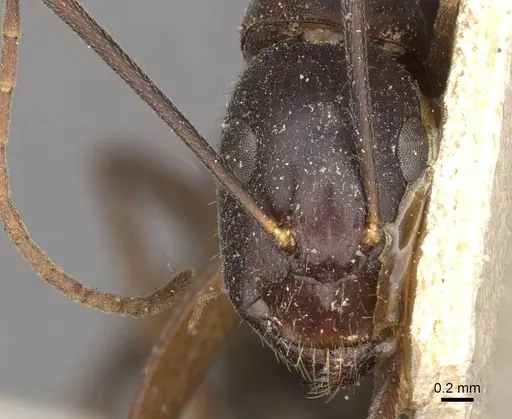
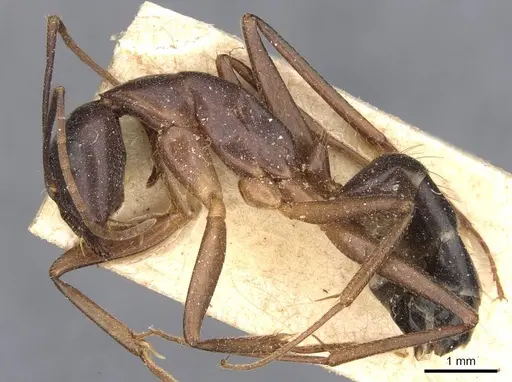
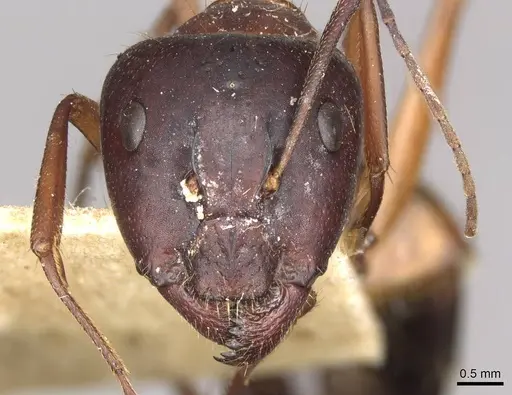
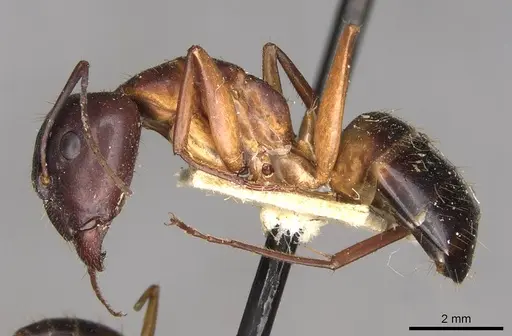
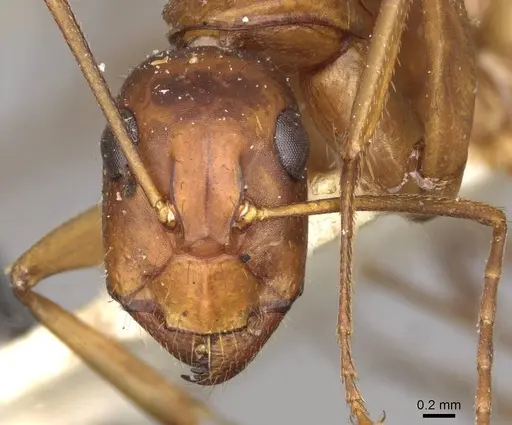
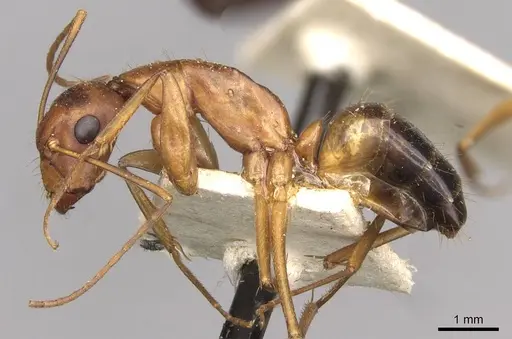
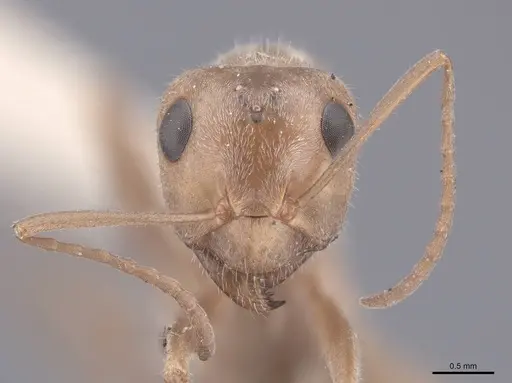
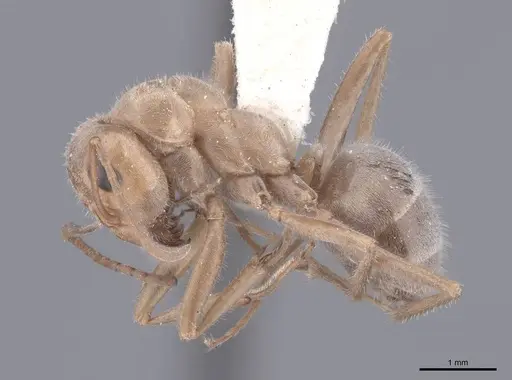
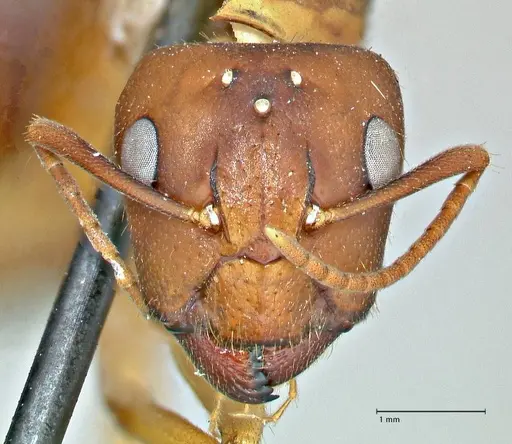
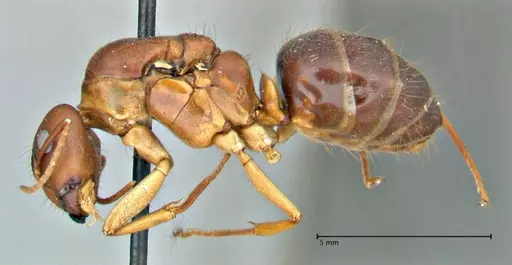
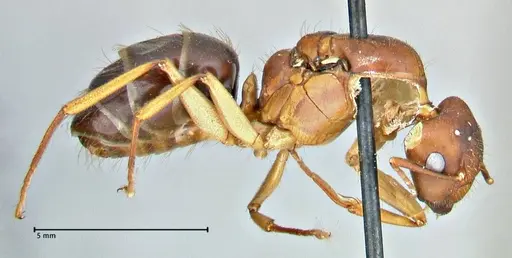
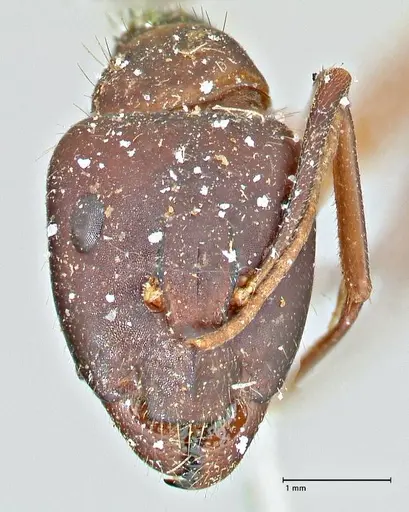
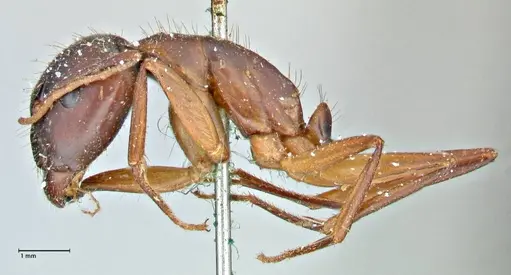
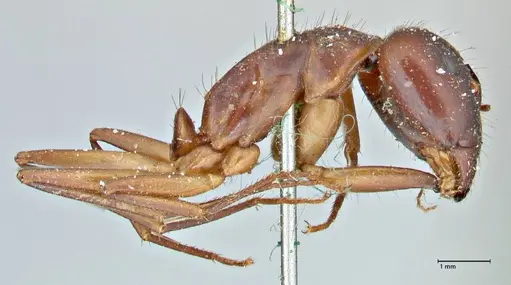
Camponotus pilicornis is a large carpenter ant endemic to the Iberian Peninsula and surrounding Mediterranean regions. Workers are robust and dark-colored, typically measuring 6-10mm. This species is distinctly nocturnal, unlike most ants that forage during the day, these ants become active at twilight and remain so throughout the night. They nest under stones in open woodland and forested areas, with colonies typically containing a single queen. Their most unusual trait is their strong association with trees and shrubs, where they climb to feed on honeydew from aphids and scale insects, making them a common sight in pine forests across Spain and Portugal.
Quick Summary
- Difficulty: Easy
- Origin & Habitat: Iberian Peninsula (Spain, Portugal), southern France, Italy, Sicily, and western Balkans. Found in Mediterranean forests, pine woodlands, and scrubland at elevations from 590-1,442 meters [1]. Prefers basal vegetation zones and open sunny areas with Mediterranean vegetation [2][3]. This is a boskophilic (forest-dwelling) species that nests in soil near tree bases and forages in trees [4][5][6].
- Colony Type: Monogynous (single-queen colonies). Colonies are relatively small, with queens measuring 8-10mm and workers being notably large for a Camponotus species [7][8].
- Size & Growth:
- Queen: 8-10mm [8]
- Worker: 6-10mm, inferred from Camponotus genus patterns
- Colony: up to 500 workers based on field observations and related species
- Growth: Moderate, typical for Camponotus genus
- Development: 6-8 weeks, inferred from typical Camponotus development patterns (Development follows standard Camponotus patterns with claustral founding. Queen seals herself in and raises first brood alone using stored fat reserves.)
- Antkeeping:
- Temperature: Keep at room temperature (18-24°C). This species is notably cool-tolerant and avoids heat, they are the least thermophilic species in studies, meaning they avoid high temperatures rather than seek them [9][10]. Additional heating is not necessary and may stress them.
- Humidity: Moderate humidity is fine. They nest under stones in natural habitats, which suggests they tolerate drier conditions than many ants. Provide a water tube as usual, but don't overdo the moisture.
- Diapause: Yes, as a Mediterranean species, they benefit from a winter rest period. Provide 2-3 months at 10-15°C during winter months [7]. This mimics their natural seasonal cycle.
- Nesting: Y-tong (AAC) nests work well, or a naturalistic setup with stones over soil. They nest under stones in the wild, so a formicarium with a stone or compact chambers mimics their natural setup. Test tube setups are also suitable for founding colonies [7][11][12].
- Behavior: These ants are calm and not aggressive toward keepers. Their most notable trait is their strict nocturnal activity, workers begin foraging at dusk and remain active through the night. They are arboreal foragers, climbing trees and shrubs to reach honeydew-producing insects. They use group recruitment, sending several workers to food sources together [9]. They are not escape artists but use standard escape prevention. As a Formicinae ant, they can bite and spray formic acid from their acidopore, but they are not aggressive and rarely bother keepers.
- Common Issues: colonies may appear inactive during daytime hours, this is normal, they are nocturnal, as a large species, they need more space as colonies grow, upgrade to larger formicarium in time, they avoid heat, don't place nest near heating elements or in direct sunlight, wild-caught colonies may carry Laboulbenia camponoti fungus, monitor for unusual growths on exoskeleton [15][16], slow founding phase, claustral queens need patience during the first few months
Nuptial Flight Activity Analysis 54 observations
Flight Activity by Hour 54 observations
Camponotus pilicornis nuptial flight activity peaks around 22:00 during the night. Activity is spread across a 24-hour window (00:00–23:00). Times may be influenced by human observation patterns.
Housing and Nest Preferences
Camponotus pilicornis adapts well to various captive setups. In the wild, they nest under stones in open woodland and forest edges, often at the base of trees [7][11][12]. For captivity, a Y-tong (AAC) nest provides excellent visibility and easy maintenance. Alternatively, a naturalistic setup with flat stones placed over moist soil mimics their natural nesting sites. Test tubes work perfectly fine for founding colonies, the queen seals herself into a chamber and stays there until her first workers emerge. Given their large worker size, ensure chambers are appropriately sized. They do not require high humidity like tropical species, so standard formicarium conditions work well.
Feeding and Diet
These ants are primarily nectarivorous and honeydew feeders in the wild. They climb trees and shrubs to tend aphids and scale insects, collecting the sugary honeydew these insects produce [13][7][5]. In captivity, offer sugar water, honey, or diluted maple syrup as a constant energy source. For protein, they accept typical ant prey: fruit flies, small crickets, mealworms, and other small insects. They are not specialized predators, their workers mainly hunt small invertebrates on the ground or in low vegetation. Feed protein prey 2-3 times per week and keep sugar water available at all times. Unlike some ants, they do not collect seeds, so no seed mixes are needed.
Temperature and Seasonal Care
This species stands out as one of the least thermophilic ants, they actively avoid high temperatures and are most active at moderate temperatures [9][10]. In studies, peak foraging activity occurs around 1930 hours (7:30 PM) in May and shifts to around 0400 hours (4 AM) in July and August as temperatures change [9]. Keep them at room temperature (18-24°C) without additional heating. They do not need heat lamps or heating cables, in fact, excessive heat may stress them. During winter, provide a diapause period at 10-15°C for 2-3 months [7]. This mimics their natural Mediterranean seasonal cycle and supports healthy colony development.
Nocturnal Behavior and Activity Patterns
Camponotus pilicornis is strictly nocturnal, this is one of their most distinctive traits. In field studies, 99-100% of their activity occurs at night [14][10]. Workers begin emerging at twilight and continue foraging through the night, returning to the nest before dawn. This temporal separation reduces competition with other ant species like Camponotus lateralis, which is largely diurnal, they share the same trees but occupy different time niches [9]. For keepers, this means you won't see much activity during the day. Plan feeding and observation sessions for evening hours. Their nocturnal lifestyle also explains why they are least affected by Argentine ant invasion in Doñana, the invasive species is diurnal.
Colony Development and Growth
As a claustral species, the queen seals herself into a founding chamber and relies entirely on her stored fat reserves to survive and raise the first brood. This founding phase takes 6-8 weeks at room temperature before the first workers (nanitics) emerge. The initial workers are smaller but quickly grow as the colony expands. Growth rate is moderate, typical for the Camponotus genus. Colonies remain relatively small compared to some supercolonial species, likely reaching several hundred workers in mature colonies. The single-queen colony structure means colonies grow from one founding queen rather than through queen adoption. [7]
Ecological Relationships
In the wild, Camponotus pilicornis plays important ecological roles. They are known hosts for the ectoparasitic fungus Laboulbenia camponoti, which grows on their exoskeleton [15][16]. They also serve as hosts for lycaenid butterfly larvae, including species like Maculinea alcon/rebeli, Glaucopsyche alexis, and Plebejus hespericus, these butterflies have mutualistic relationships with ants where the caterpillars are tended for honeydew [17][18]. Additionally, they can serve as host for the parasitic ant Camponotus universitatis, which lives in their nests [19][20]. These relationships are natural and typically don't affect captive colonies unless the ants are collected from the wild.
Frequently Asked Questions
Why are my Camponotus pilicornis ants only active at night?
This is completely normal, Camponotus pilicornis is a strictly nocturnal species. In the wild, nearly 100% of their foraging activity occurs at night [14][10]. They begin emerging at twilight and remain active through the night. Don't worry if they seem inactive during the day, they're just waiting for evening.
Do Camponotus pilicornis ants need heat?
No, they actually avoid heat and are one of the least thermophilic species in studies [9][10]. Keep them at normal room temperature (18-24°C). Additional heating is not only unnecessary but may stress them. They naturally inhabit Mediterranean regions but prefer moderate temperatures.
What do Camponotus pilicornis eat?
They are primarily nectarivorous and honeydew feeders. Offer sugar water, honey, or maple syrup constantly. For protein, feed small insects like fruit flies, small crickets, or mealworms 2-3 times weekly. They are not specialized predators and readily accept typical ant prey [13][7].
How long does it take for the first workers to emerge?
As a claustral species, the queen seals herself in and raises the first brood alone. This typically takes 6-8 weeks at room temperature, inferred from typical Camponotus development patterns. Be patient during founding, the queen uses stored fat reserves and doesn't need food during this phase.
Are Camponotus pilicornis good for beginners?
Yes, they are considered an easy species to keep. They are calm, not aggressive, and adapt well to captive conditions. Their main requirements are simple: moderate temperature, standard humidity, and typical ant food. The main thing to remember is their nocturnal schedule.
Do Camponotus pilicornis need hibernation?
Yes, as a Mediterranean species, they benefit from a winter rest period. Provide 2-3 months at 10-15°C during winter [7]. This diapause period mimics their natural seasonal cycle and supports healthy colony development.
How big do Camponotus pilicornis colonies get?
Based on field observations and related species, colonies can reach up to 500 workers. They are a monogynous species (single queen), so growth comes from one founding queen rather than multiple.
Can I keep multiple Camponotus pilicornis queens together?
No, this is a monogynous species with single-queen colonies [7]. Multiple unrelated queens will fight. Only keep one queen per colony.
Why are my ants not foraging during the day?
This is their natural behavior, Camponotus pilicornis is strictly nocturnal [14][10]. They become active at dusk and forage through the night. If you want to observe activity, check on them in the evening or at night.
Report an Issue
The current care sheet is based fully on literature. See inconsistencies, or something that's incorrect? Please , it will be resolved after review from an admin. Contributing to the blogs tab also helps providing information, to make us be able to further improve the caresheets. Thank you for your support!
References

This caresheet is licensed under CC BY-SA 4.0 .
ANTWEB1060143
View on AntWeb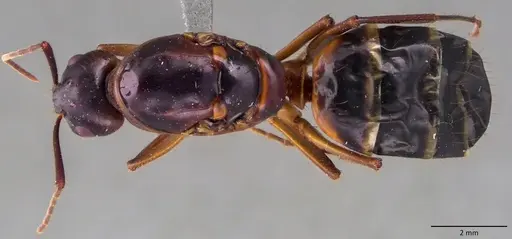
CASENT0249993
View on AntWeb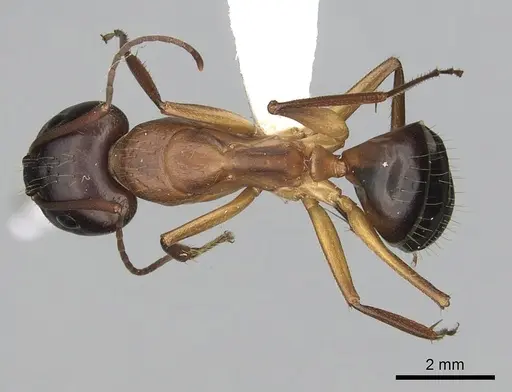
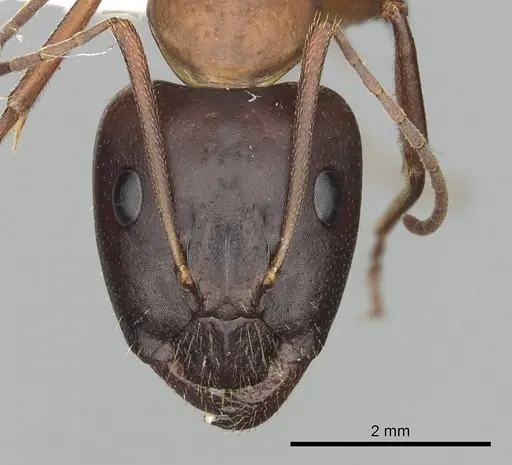
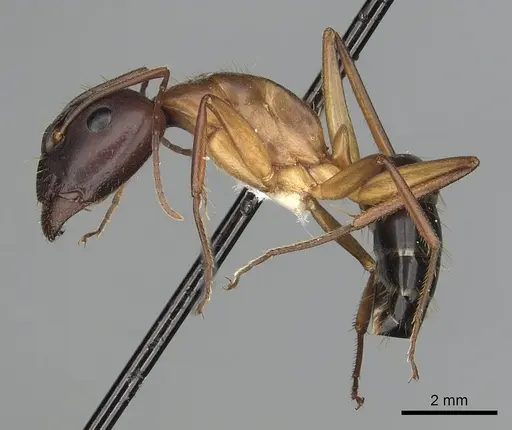
CASENT0249994
View on AntWeb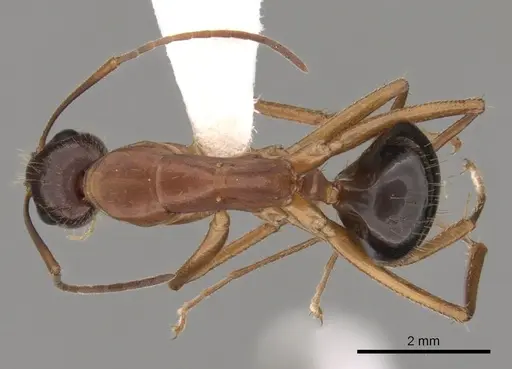
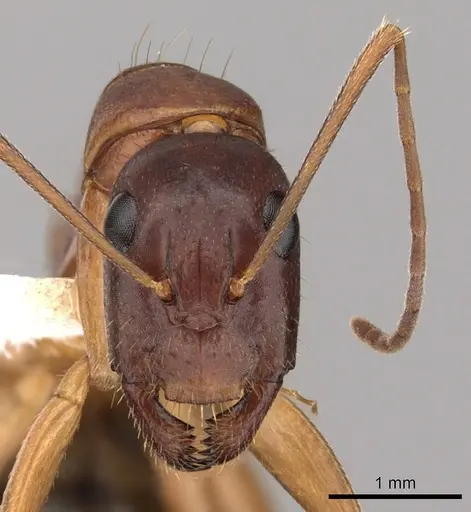
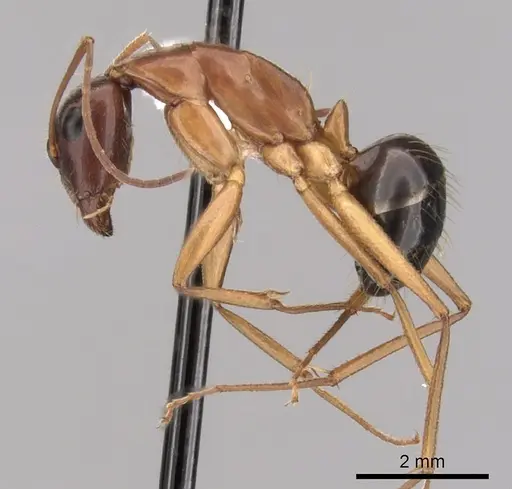
CASENT0906062
View on AntWeb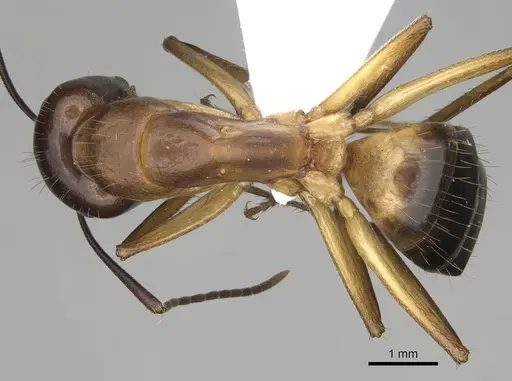
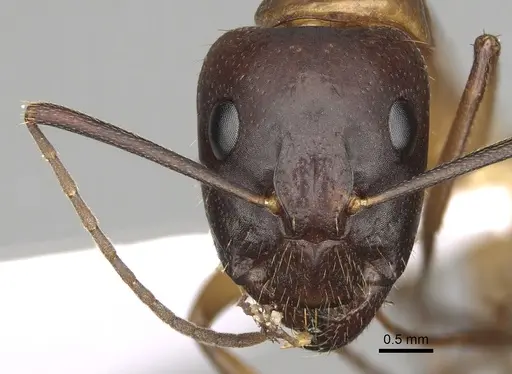
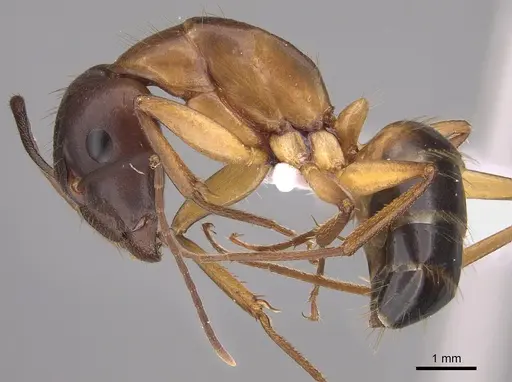
CASENT0906063
View on AntWeb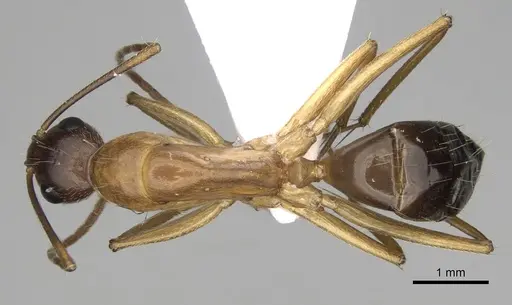
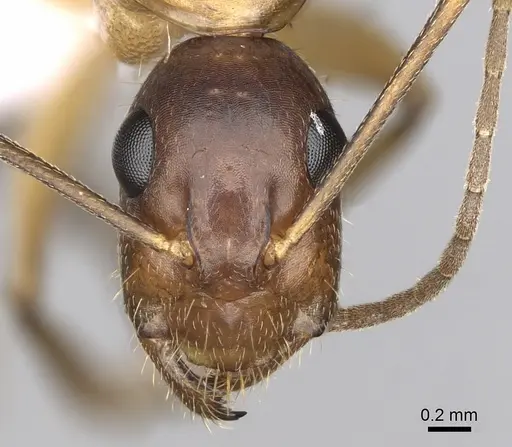
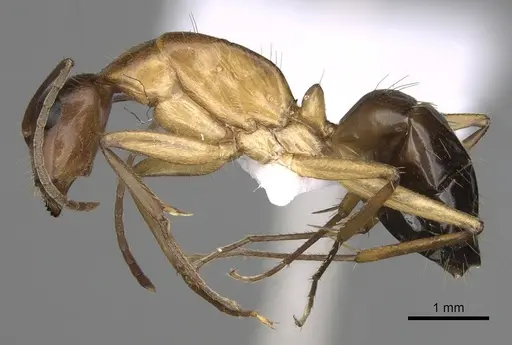
CASENT0910278
View on AntWeb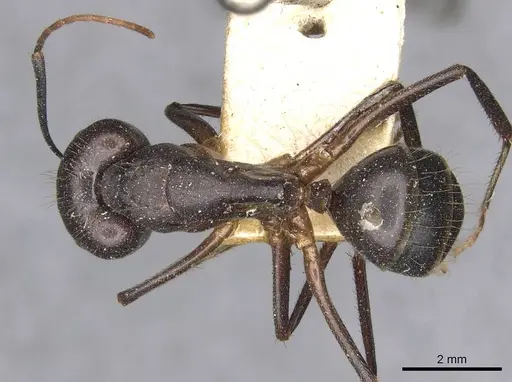
CASENT0910279
View on AntWeb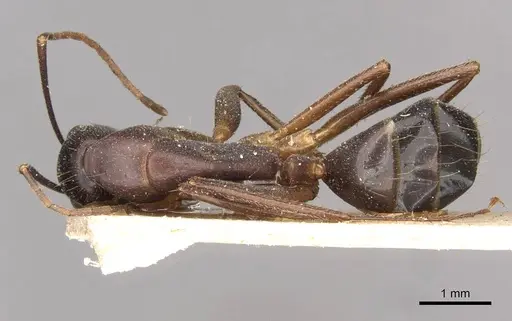
CASENT0910280
View on AntWeb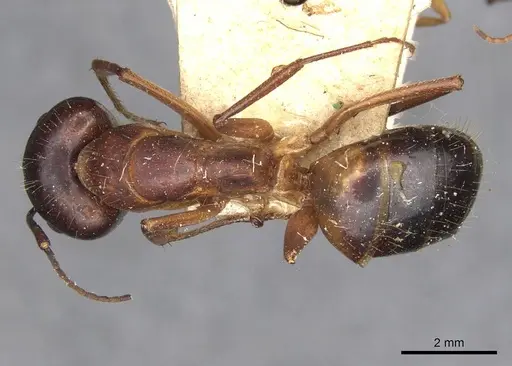
CASENT0910281
View on AntWeb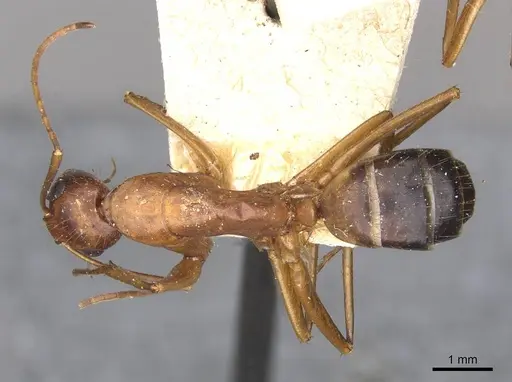
FMNHINS0000046392
View on AntWeb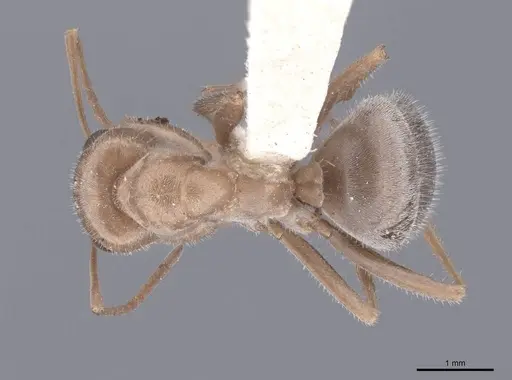
FOCOL2911
View on AntWeb
FOCOL2912
View on AntWeb
FOCOL2913
View on AntWeb