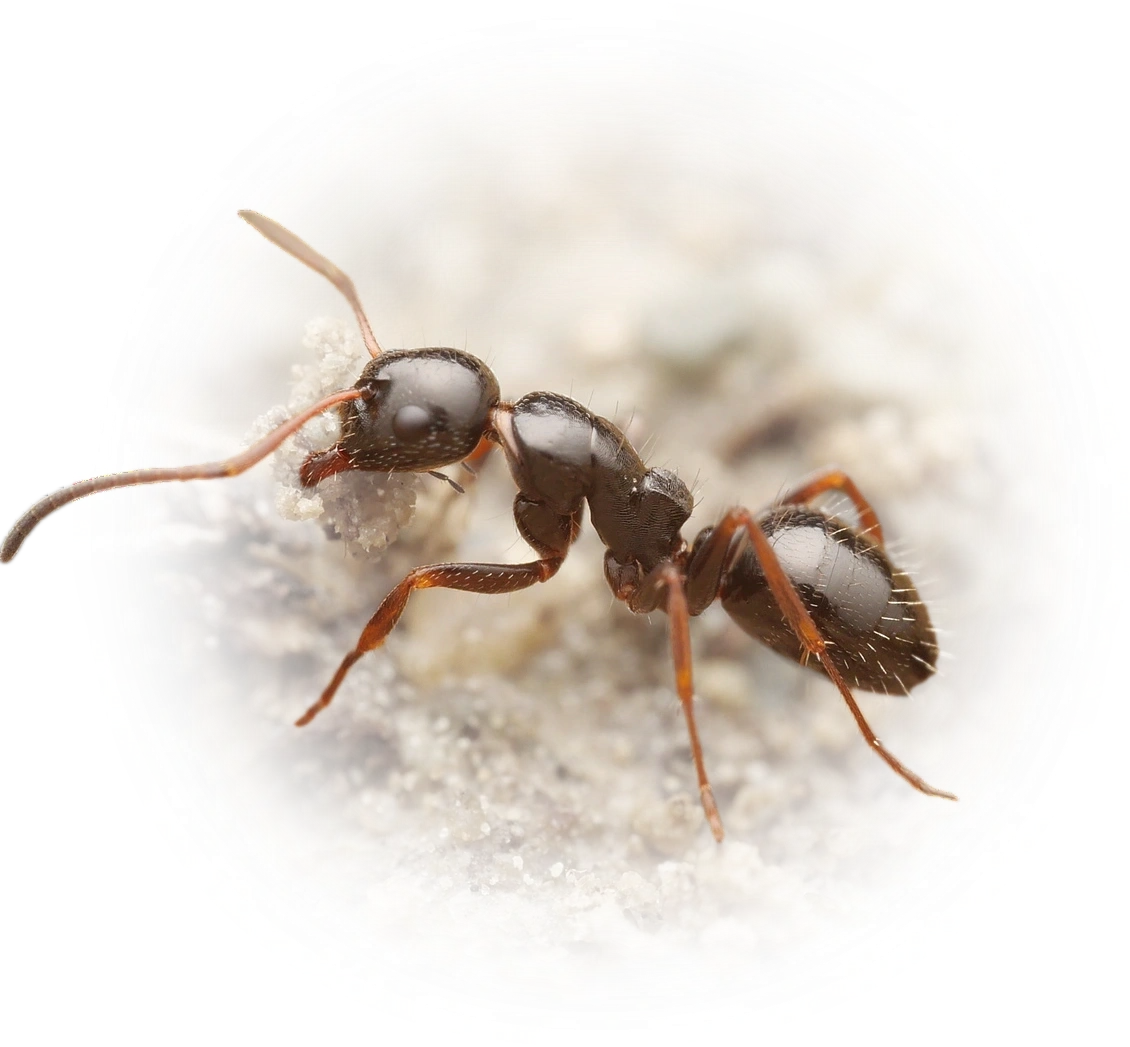

Camponotus piceus
- Scientific Name
- Camponotus piceus
- Subgenus
- Myrmentoma
- Tribe
- Camponotini
- Subfamily
- Formicinae
- Author
- Leach, 1825
- Distribution
- Found in 13 countries
Camponotus piceus Overview
Camponotus piceus is an ant species of the genus Camponotus. It is primarily documented in 13 countries , including Bulgaria, Switzerland, Spain. Detailed taxonomic data and occurrence records can be further explored via authoritative databases such as AntWeb or the Global Biodiversity Information Facility (GBIF).
Camponotus piceus
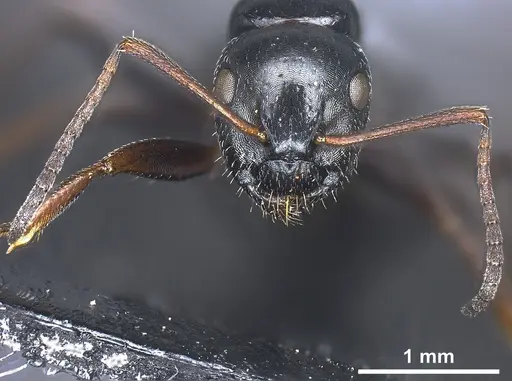
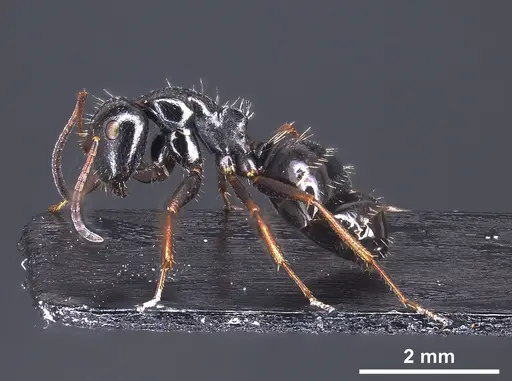
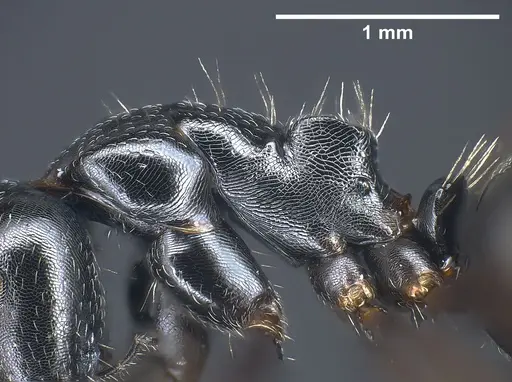
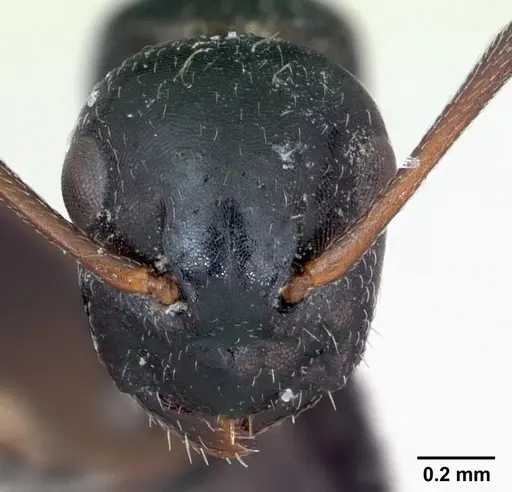
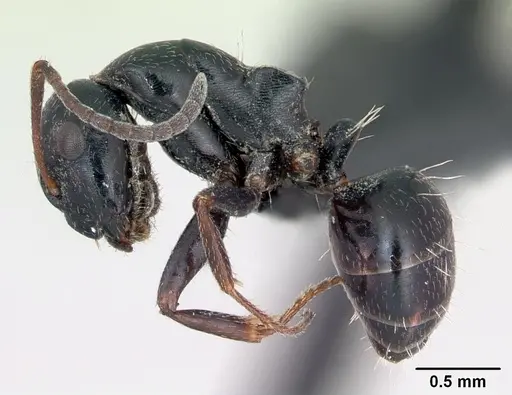
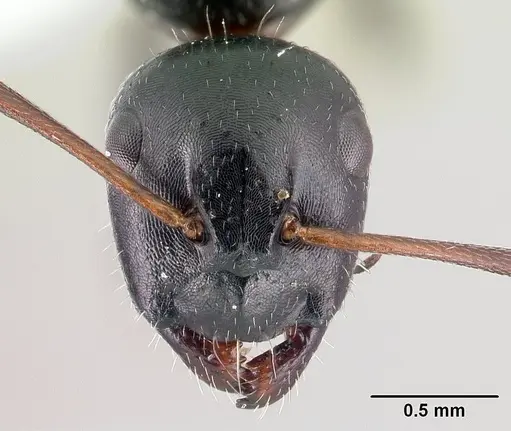
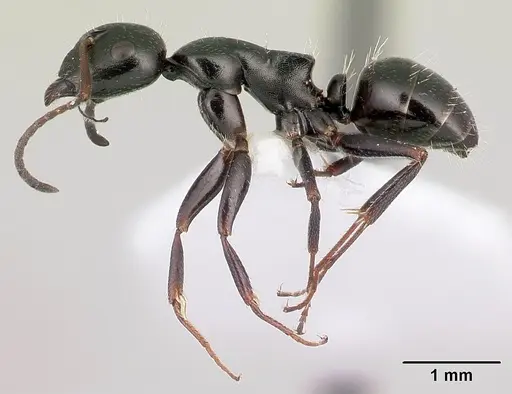
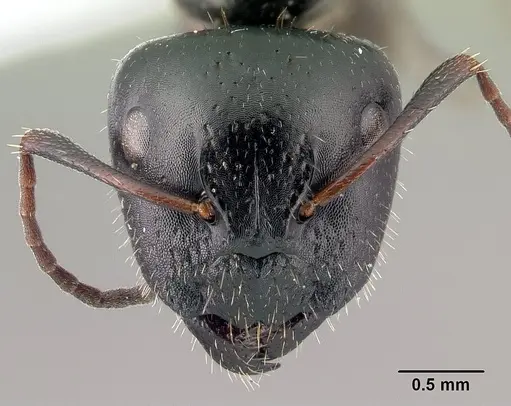
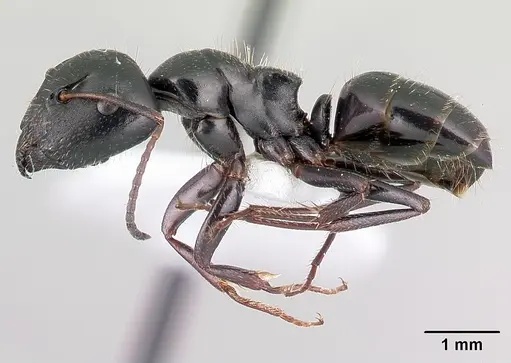
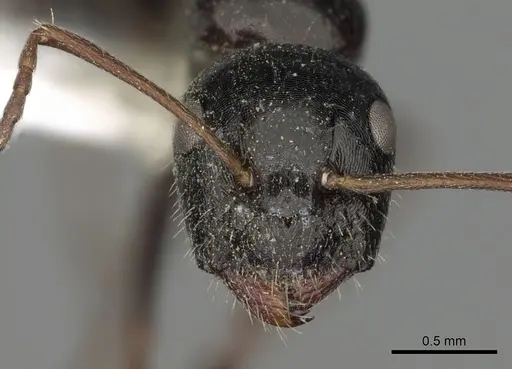
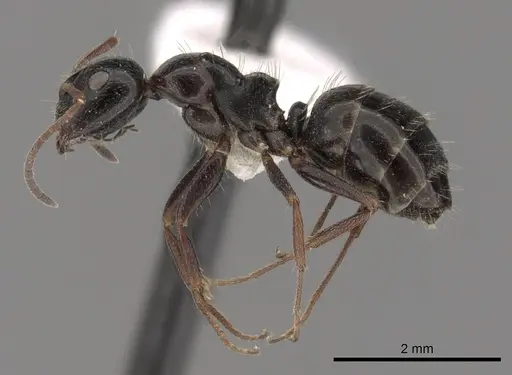
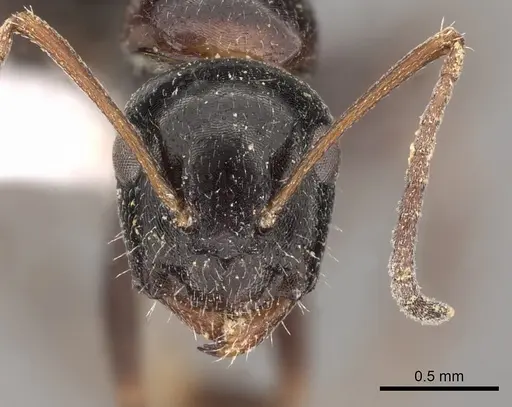
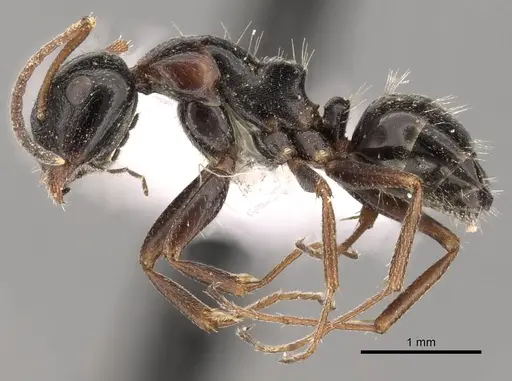
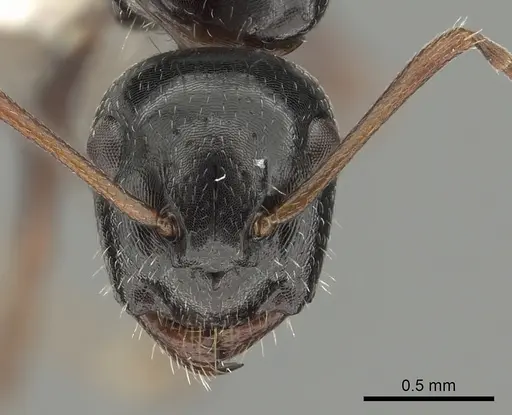
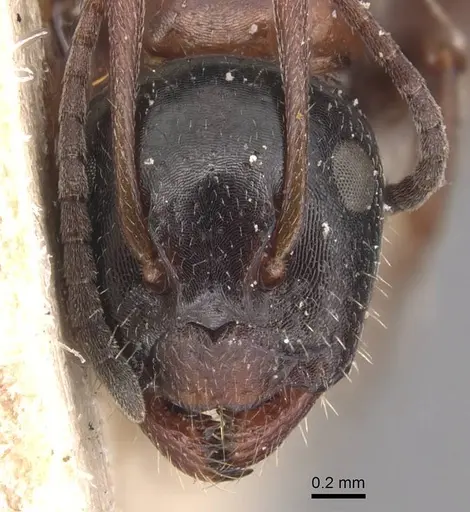
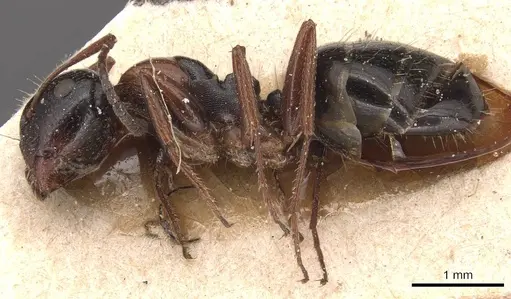
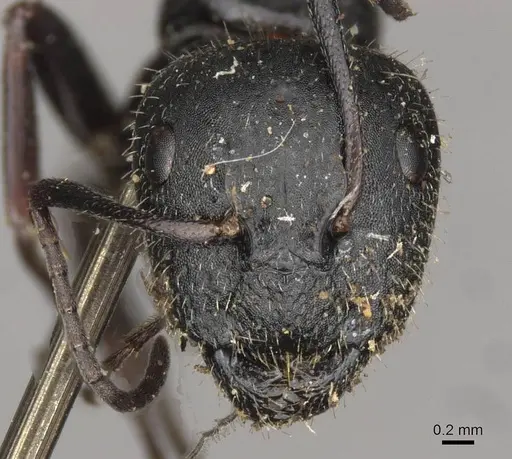
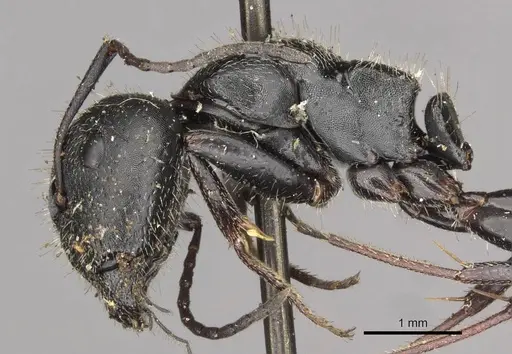
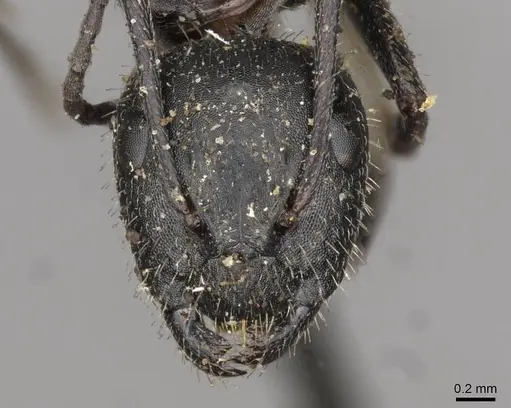
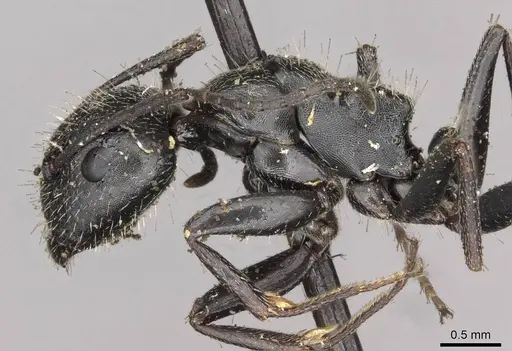
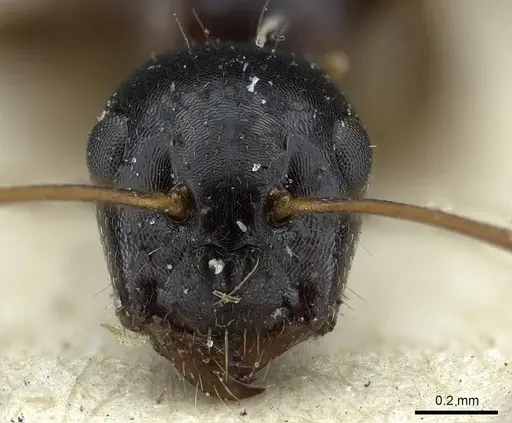
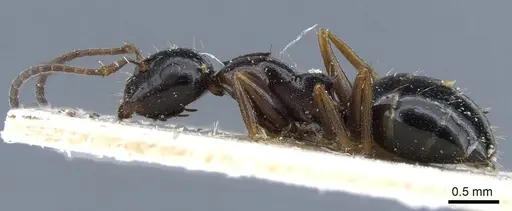
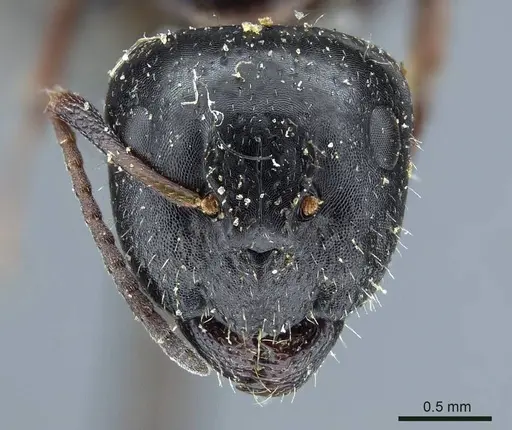
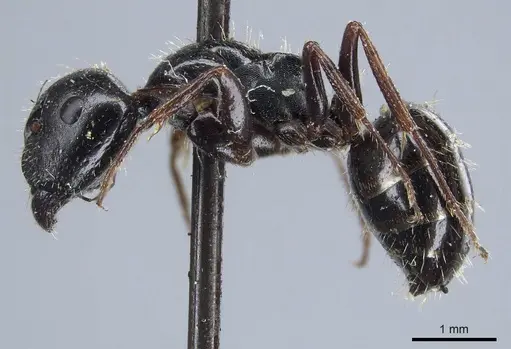
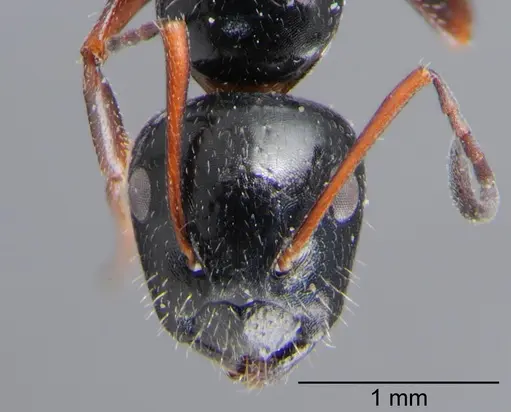
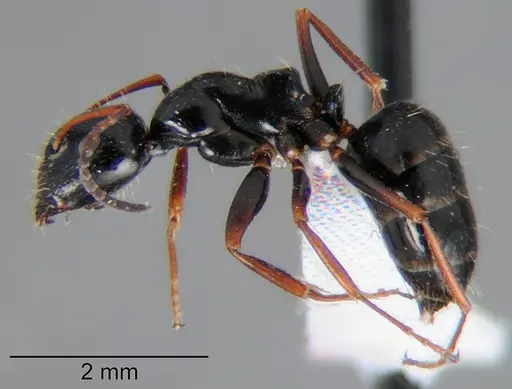
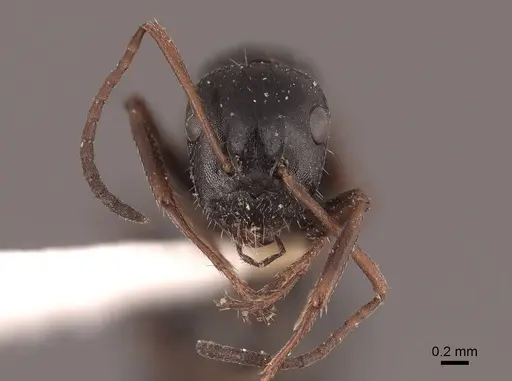
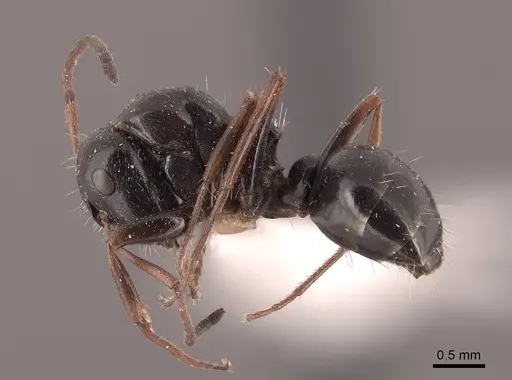
Camponotus piceus is a medium-sized to large ant belonging to the Camponotus lateralis species group. Workers are highly polymorphic, meaning they come in different sizes, minor workers measure around 4mm while major workers can reach 6-7mm [1]. The body is mostly black with a distinctive yellowish or reddish band on the pronotum (the middle body section), and the antennae are often yellowish at the base [1]. This species is widely distributed across southern and central Europe, North Africa, and parts of Asia Minor [2]. It prefers dry, warm habitats like grasslands and rocky slopes, nesting in the soil or under stones [3]. Unlike some related species, C. piceus is primarily nectarivorous, feeding heavily on aphid honeydew and flower nectar rather than actively hunting prey [4].
Quick Summary
- Difficulty: Medium
- Origin & Habitat: Native to southern and central Europe, North Africa, Asia Minor, Lebanon, Iran, Caucasus, and northern Kazakhstan. This is a xerothermophilous species, meaning it loves warm, dry conditions, found mainly in open, dry grasslands and on sunny rocky slopes [3][2]. In Greece, it's common in habitats with deciduous shrubs and trees, from stream valleys to mountain pastures up to 1450m elevation [1].
- Colony Type: Monogynous, colonies have a single queen. Workers are highly polymorphic with distinct minor, media, and major castes [2]. Colonies typically reach several hundred workers but queen fecundity is relatively low, with usually fewer than 100 workers alive at once [5].
- Colony: Monogyne
- Founding: Claustral, Pleometrosis
- Size & Growth:
- Queen: Estimated 8-10mm based on related species in the lateralis group
- Worker: 3-7mm (minor workers 3-4mm, major workers 5-7mm) [5][1]
- Colony: Up to several hundred workers, typically under 100 workers simultaneously [5]
- Growth: Slow
- Development: Approximately 10-12 weeks (70-80 days) from egg to first worker at optimal temperature [6] (Development from queen-laid eggs takes about 72-82 days average. Worker-laid eggs take longer, around 92-102 days. This is slower than many common Camponotus species [6])
- Antkeeping:
- Temperature: Keep nest area at 24-28°C. This species is highly thermophilic, workers become inactive below 20°C and completely stop at 7°C [5]. They can tolerate temperatures up to 44°C critical thermal maximum, with peak activity around 30°C [7]. A heating cable on one side of the nest creates a useful gradient.
- Humidity: Low to moderate. As a xerothermophilous species, they prefer dry conditions. Keep substrate moderately dry, damp but not waterlogged. Provide a small water tube but don't over-moisten the nest.
- Diapause: Yes, requires winter dormancy. In Central Europe, they become inactive from mid-October to end of March [4]. Keep at 5-10°C in a cool, dark place during winter (fridge or unheated garage).
- Nesting: Y-tong (AAC) nests work well, or a plaster nest with dry conditions. They naturally nest under stones or in soil, so provide appropriate substrate. Avoid overly humid setups.
- Behavior: Generally peaceful and non-aggressive. They avoid conflict with most species and will retreat from stronger competitors like Lasius niger [4]. However, they can be territorial toward closely related species like Camponotus lateralis, with documented aggressive interactions between colonies [4]. Workers are diurnal and primarily nectarivorous, feeding on aphid honeydew and flower nectar. They rarely actively hunt live prey, instead they scavenge dead insects and collect honeydew [4]. Major workers mainly serve as nest defenders and for recruiting to large prey items. Escape risk is moderate, they're not strong climbers but can escape if given the opportunity. Use standard escape prevention.
- Common Issues: slow colony growth, expect 3-4 months to first workers, which can frustrate beginners, cold sensitivity, colonies struggle below 20°C and can become inactive or die in cool rooms, competition weakness, they'll lose food sources to aggressive Lasius species if housed nearby, low fecundity, queens produce fewer workers than many ant species, making colonies slow to expand, winter mortality, improper hibernation (too wet or too warm) often kills colonies
Housing and Nest Setup
Camponotus piceus does well in Y-tong (AAC) nests or plaster formicariums with dry to moderately humid conditions. As a ground-nesting species that naturally lives under stones or in soil cracks, they prefer nests that simulate these conditions. Avoid overly humid setups, this species comes from dry, warm habitats and excess moisture can cause problems. A small water tube for drinking is sufficient, they get most moisture from food. Place the nest in a warm area of your setup, ideally with a temperature gradient so workers can choose their preferred temperature zone. For the outworld, use a simple container with a textured floor (sand or soil mix) that allows for easy foraging. Standard escape prevention with fluon on inner walls works well for this species. [3][4][1]
Feeding and Diet
This species is primarily nectarivorous, they love sugar sources and will readily accept sugar water, honey, or ripe fruit. They also tend aphids in captivity and will collect honeydew from them [4]. For protein, offer small pieces of dead insects (mealworms, fruit flies, crickets). Unlike many ants, C. piceus rarely actively hunts live prey, they're more scavengers than hunters [4]. When you place food near the nest, expect hesitant, careful approach behavior rather than immediate takeover. Workers will recruit nestmates for larger food items, forming temporary trails. They can function as repletes (living food storage), larger workers can store nectar in their crops. Feed sugar water constantly and protein 1-2 times per week. Remove uneaten protein within 24 hours to prevent mold.
Temperature and Seasonal Care
Temperature is critical for this species. Keep the nest area at 24-28°C for optimal brood development. Workers are active only when temperatures exceed 20°C with direct sunlight or heat [5]. Below 7°C, they become completely inactive [5]. In captivity, use a heating cable on one side of the nest to create a temperature gradient, this lets ants choose their preferred warmth. During summer, ensure the setup doesn't overheat (avoid direct sunlight in hot climates). Winter hibernation is required, from mid-October to late March, keep colonies at 5-10°C in a refrigerator or unheated garage [4]. Keep hibernation substrate slightly moist (not wet) to prevent desiccation. Bring them out gradually in spring as temperatures rise above 15°C.
Colony Development and Growth
Expect slow but steady colony growth. From founding, queen-laid eggs take approximately 10-12 weeks to develop into first workers (nanitics) [6]. Worker-laid eggs take even longer, around 13-14 weeks. This is slower than many common ant species, so patience is essential. Colonies remain small initially, don't expect rapid expansion. Mature colonies may reach several hundred workers, but queen fecundity is relatively low with typically fewer than 100 workers alive simultaneously [5]. Major workers (the largest caste) appear as the colony grows and serve primarily for nest defense and processing large prey. Nuptial flights occur from May to July in the wild, typically starting around early May when temperatures reach 20°C [4].
Behavior and Interactions
C. piceus is a peaceful, non-confrontational species. They avoid conflict with most ant species and will retreat when threatened by aggressive competitors like Lasius niger or L. emarginatus [4]. Interestingly, they show aggression specifically toward Camponotus lateralis, their close relative, with documented territorial conflicts between colonies [4]. Workers are diurnal, not crepuscular or nocturnal. They forage primarily in the herb layer and on low shrubs, using grass stems and leaves as pathways rather than crossing bare ground [4]. Major workers act as sentries and defenders, while minor workers handle most foraging. When recruiting to food, scouts lay odor trails and form temporary paths to the food source.
Frequently Asked Questions
How long does it take for Camponotus piceus to produce first workers?
Expect 10-12 weeks (about 2.5-3 months) from egg to first worker at optimal temperature. Queen-laid eggs develop faster (72-82 days average) than worker-laid eggs (92-102 days). This is slower than many common ant species, so patience is key.
Is Camponotus piceus good for beginners?
Medium difficulty, not the easiest but not among the hardest. The main challenges are slow growth (requires patience), temperature sensitivity (needs warmth), and winter hibernation requirements. They're peaceful and don't require elaborate setups, but beginners may struggle with the slow development timeline.
What do Camponotus piceus ants eat?
They're primarily nectarivorous. Offer sugar water or honey constantly, and provide protein (dead insects like mealworms or fruit flies) 1-2 times weekly. They rarely hunt live prey, focus on sugar sources and scavengeable protein. They'll also tend aphids if present.
Do Camponotus piceus ants need hibernation?
Yes, they require winter dormancy. In captivity, hibernate them from mid-October to late March at 5-10°C (a refrigerator works well). Keep the nesting material slightly moist during hibernation, not wet. This rest period is important for colony health.
What temperature do Camponotus piceus need?
Keep nest area at 24-28°C. They're highly thermophilic, workers become inactive below 20°C and stop completely around 7°C. Use a heating cable on one side of the nest to create a gradient. They can tolerate heat up to 44°C but prefer around 30°C for peak activity.
How big do Camponotus piceus colonies get?
Mature colonies reach several hundred workers, but growth is slow. Queen fecundity is relatively low, typically fewer than 100 workers alive at once. Expect 6-12 months to reach 50 workers, and several years to reach maximum size.
Can I keep multiple Camponotus piceus queens together?
Not recommended. This species is monogynous (single queen per colony). While pleometrosis (multiple queens founding together) has been observed rarely in the wild, established colonies typically have only one queen and combining unrelated queens usually leads to fighting.
Why is my Camponotus piceus colony not growing?
Check three things: 1) Temperature, are they warm enough (24-28°C)? 2) Food, are you providing constant sugar and adequate protein? 3) Queen health, is she still laying eggs? Slow growth is normal for this species, but stagnation often indicates temperature or nutrition issues.
When should I move Camponotus piceus to a formicarium?
Wait until the colony has at least 30-50 workers and the founding test tube is becoming cramped. For C. piceus, this typically takes 6-12 months. They prefer dry nests, so choose accordingly. Move them only when the colony is established, don't rush the transition.
References

This caresheet is licensed under CC BY-SA 4.0 .
ANTWEB1041244
View on AntWeb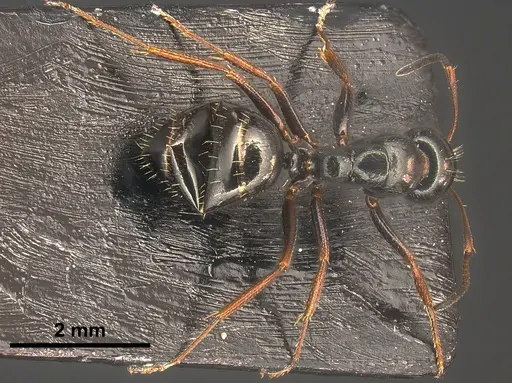
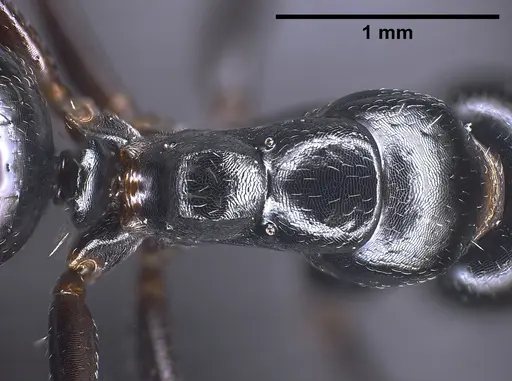
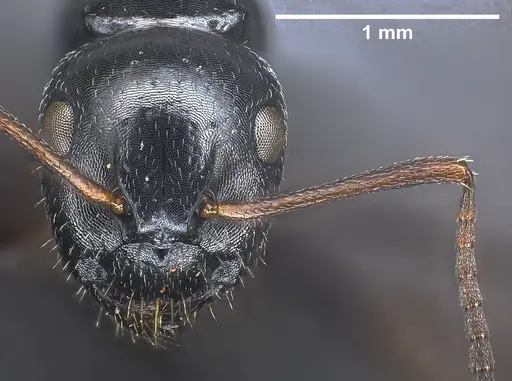
CASENT0173136
View on AntWeb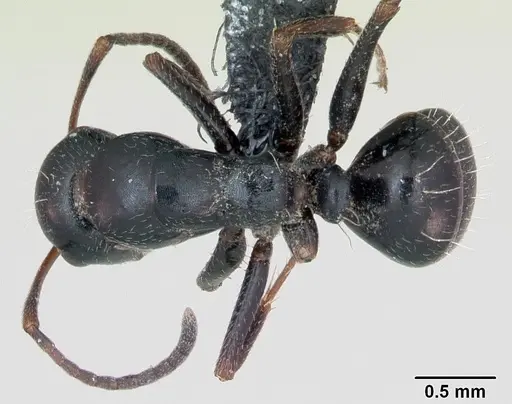
CASENT0179869
View on AntWeb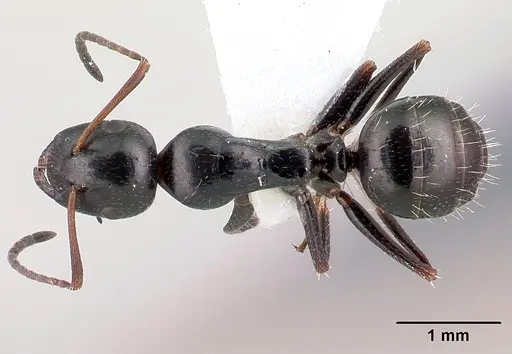
CASENT0179870
View on AntWeb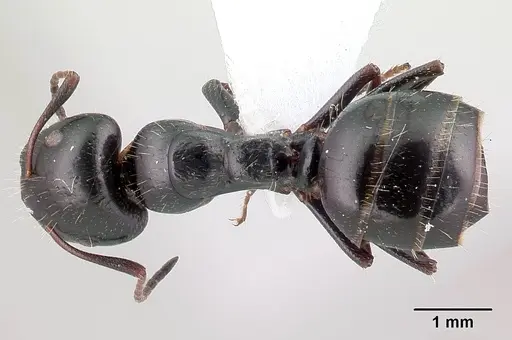
CASENT0249977
View on AntWeb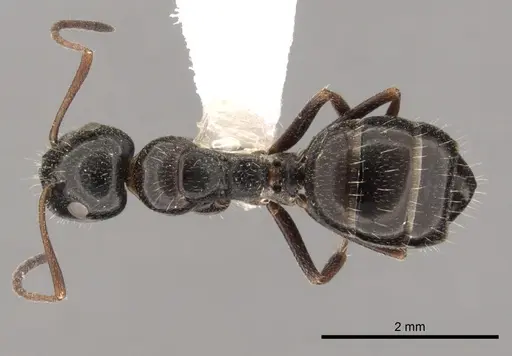
CASENT0249978
View on AntWeb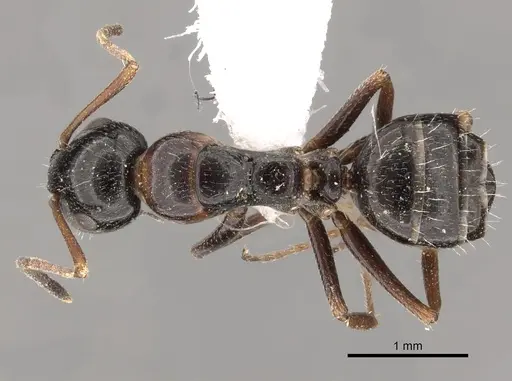
CASENT0249995
View on AntWeb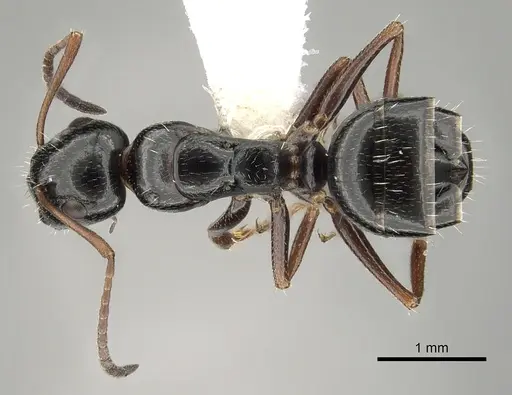
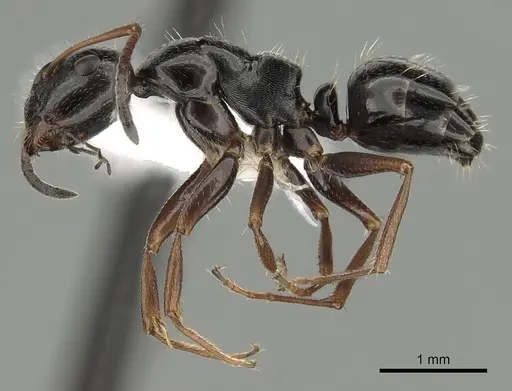
CASENT0882006
View on AntWeb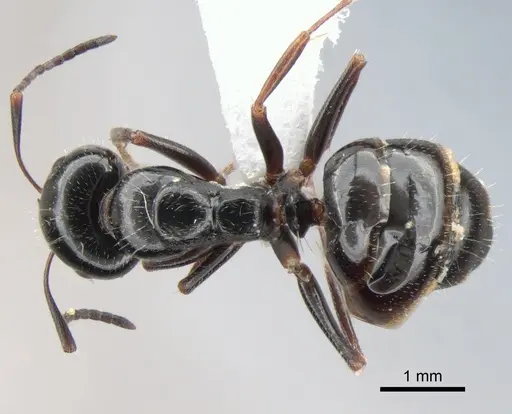
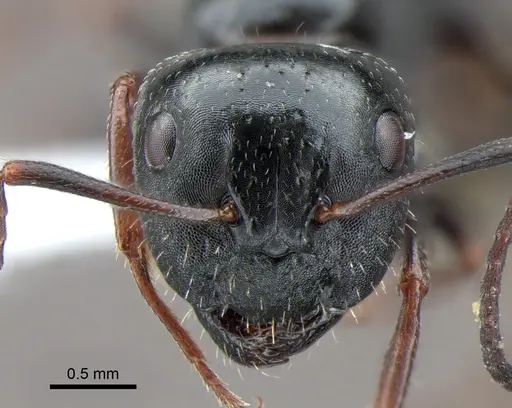
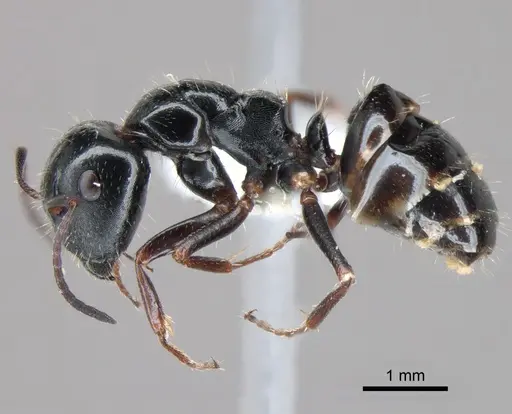
CASENT0905390
View on AntWeb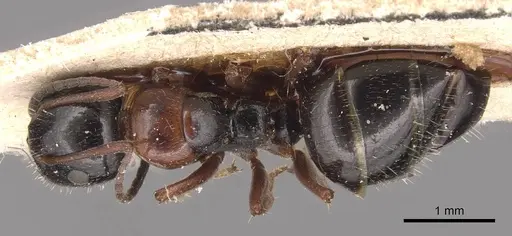
CASENT0910437
View on AntWeb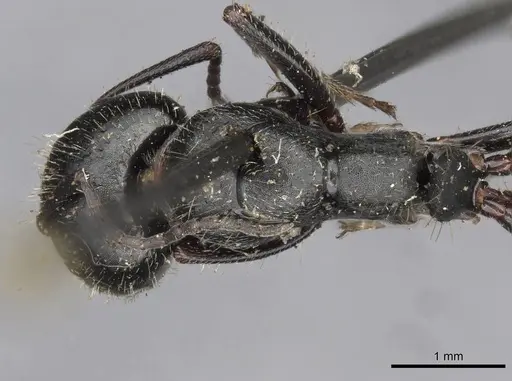
CASENT0910438
View on AntWeb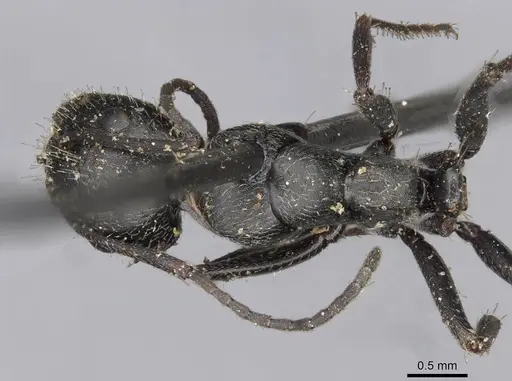
CASENT0915596
View on AntWeb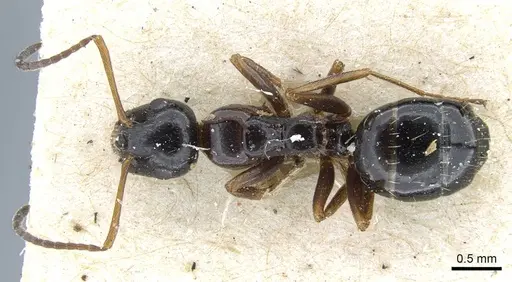
CASENT0915597
View on AntWeb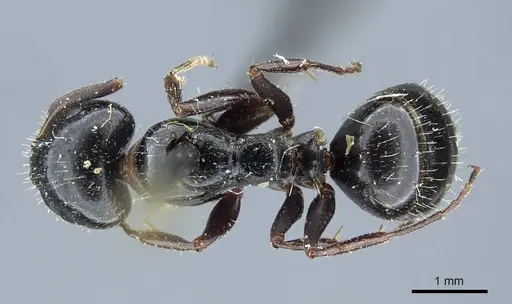
CSH000018
View on AntWeb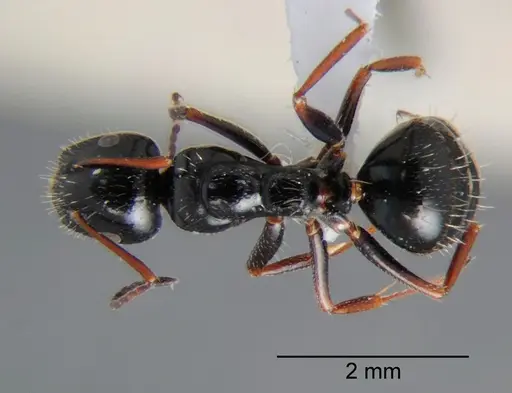
FMNHINS0000045923
View on AntWeb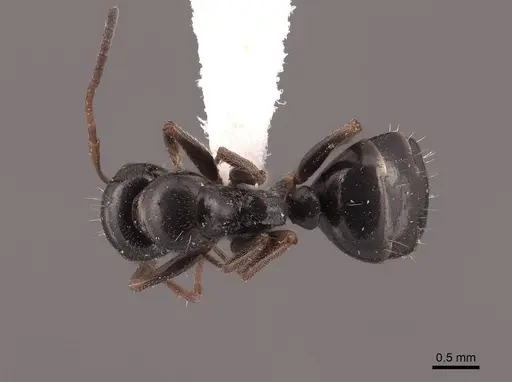
Literature
Loading...Loading products...