

Camponotus perrisii
- Scientific Name
- Camponotus perrisii
- Subgenus
- Myrmotrema
- Tribe
- Camponotini
- Subfamily
- Formicinae
- Author
- Forel, 1886
- Distribution
- Found in 4 countries
Camponotus perrisii Overview
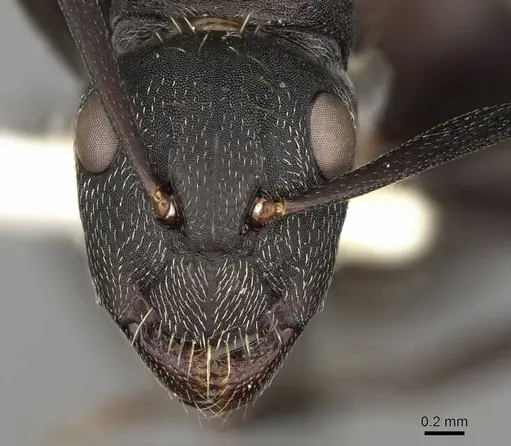
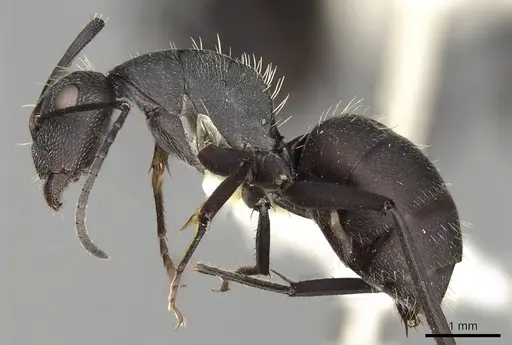
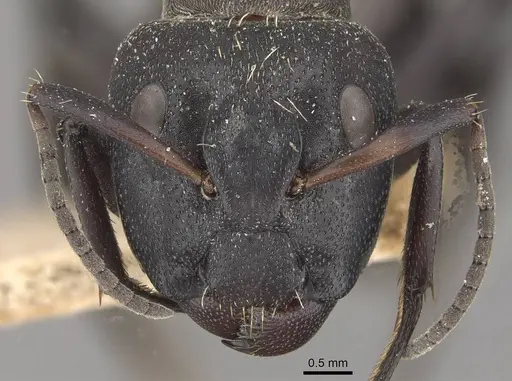
Camponotus perrisii is an ant species of the genus Camponotus. It is primarily documented in 4 countries , including Australia, Cameroon, Liberia. Detailed taxonomic data and occurrence records can be further explored via authoritative databases such as AntWeb or the Global Biodiversity Information Facility (GBIF).
Camponotus perrisii
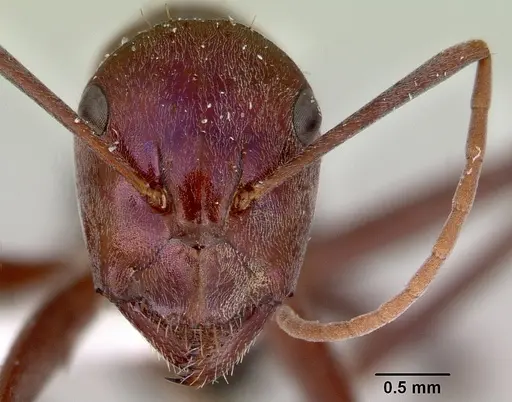
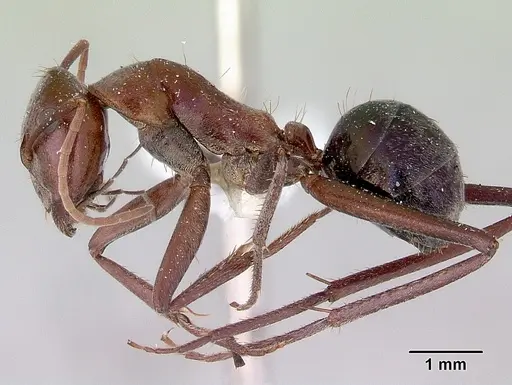
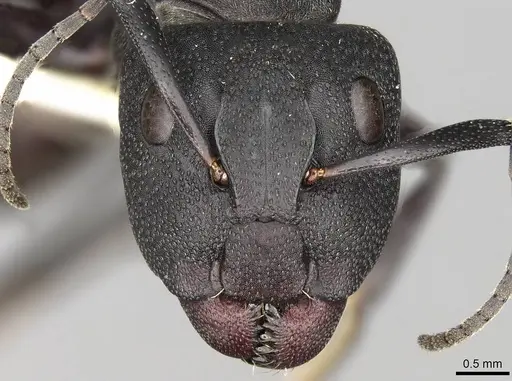
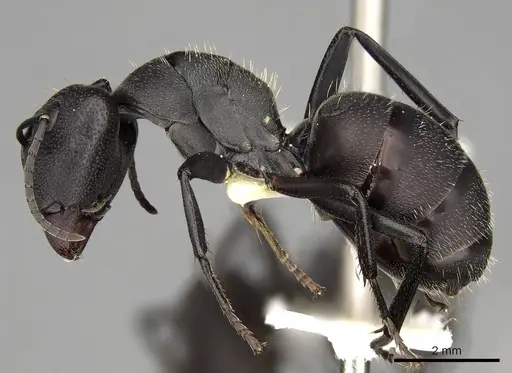
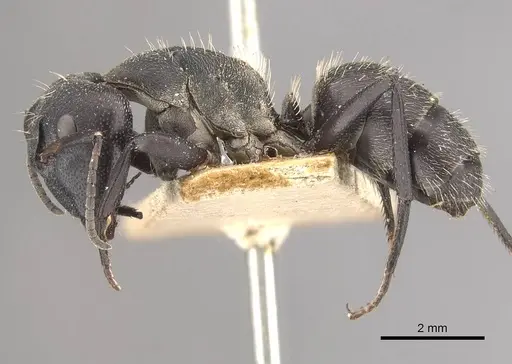
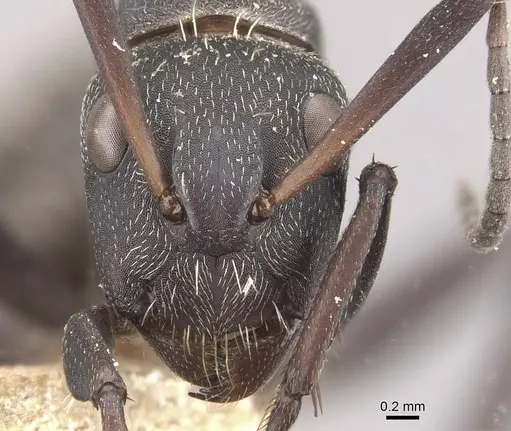
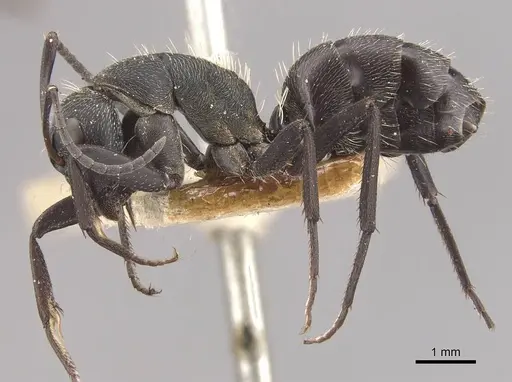
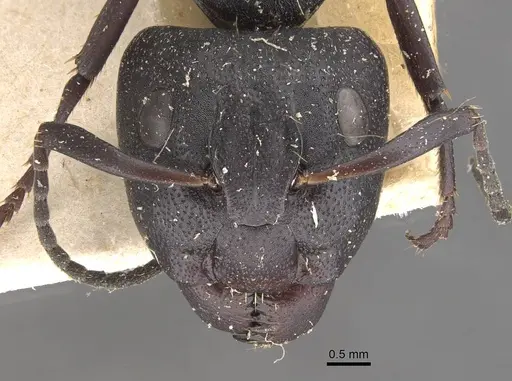
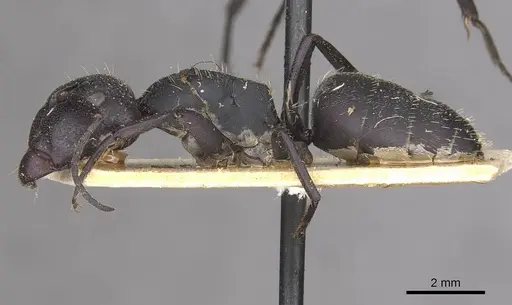
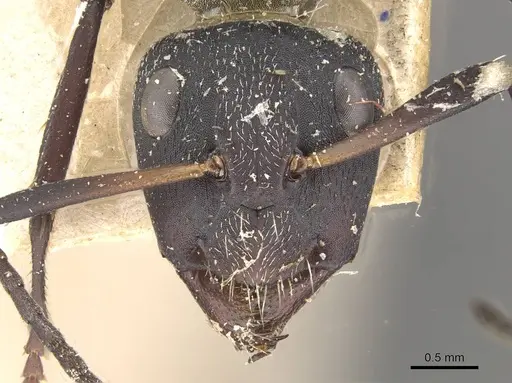
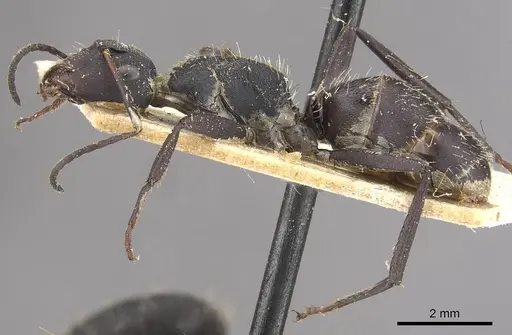
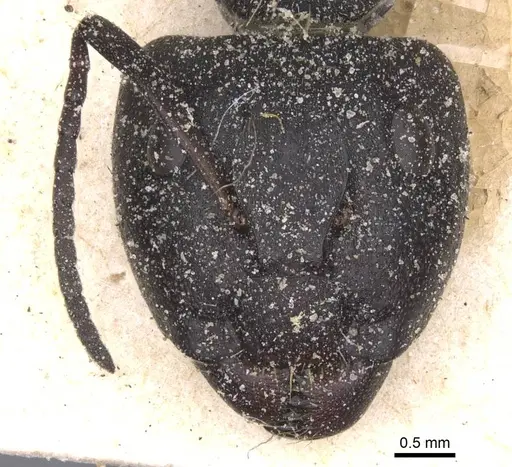
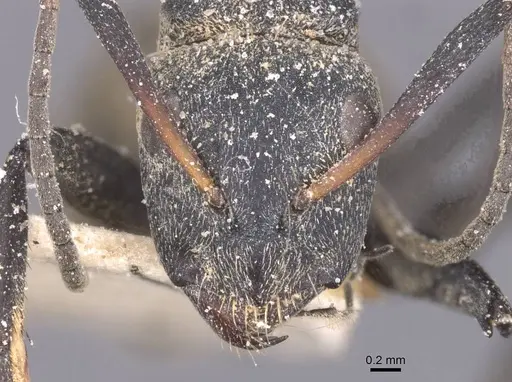
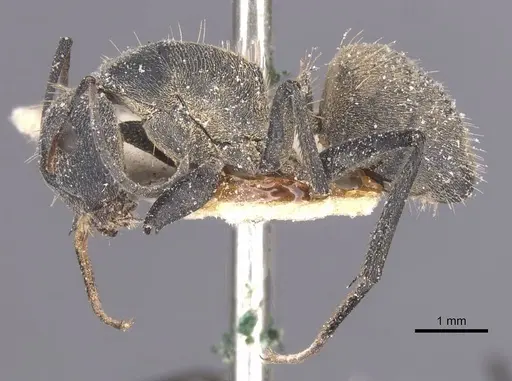
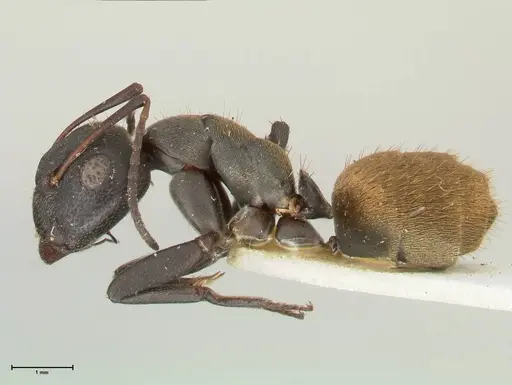
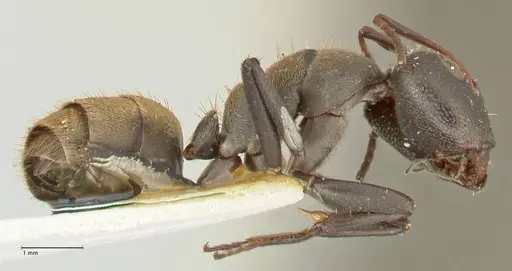
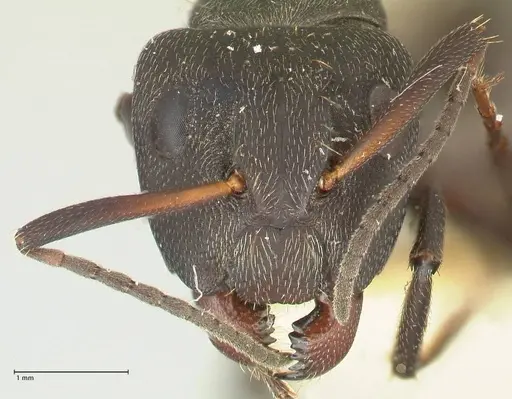
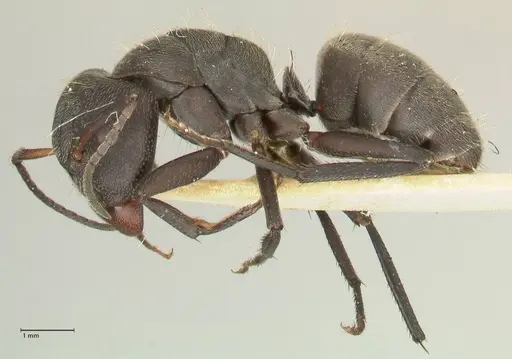
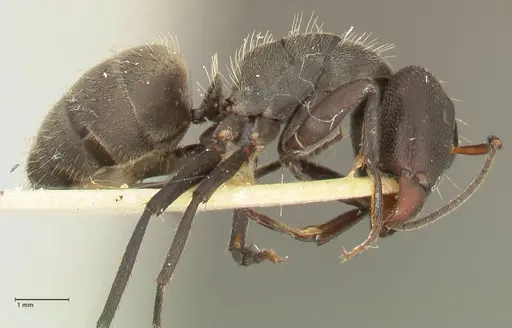
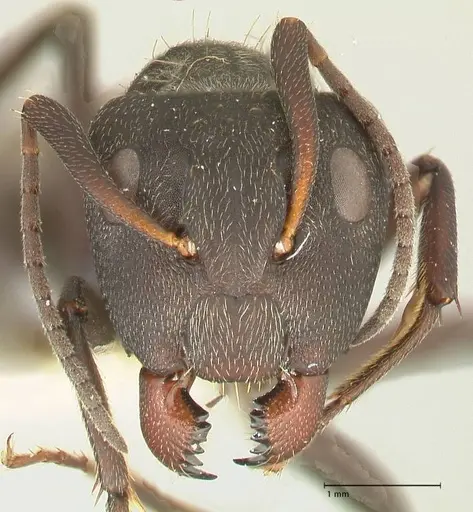
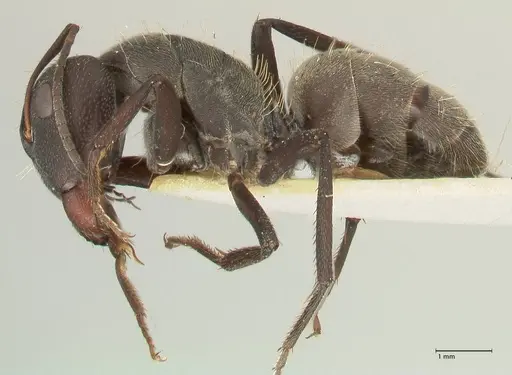
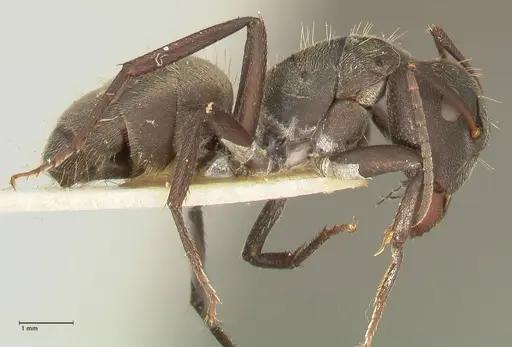
Camponotus perrisii is a carpenter ant species native to the Democratic Republic of Congo in Central Africa [1]. Like other Camponotus species, these ants have the classic carpenter ant body shape: a rounded thorax, a distinct constriction between the thorax and abdomen, and a smooth, rounded abdomen. Workers vary in size with major workers being significantly larger than minors. The genus Camponotus is known for their ability to nest in wood, excavating galleries in dead timber, hollow stems, and under bark. They are omnivorous, feeding on honeydew from aphids, insects, and sweet substances. This species represents the typical carpenter ant morphology and behavior, though specific details about its coloration and exact size ranges are not well documented in available literature.
Quick Summary
- Difficulty: Medium
- Origin & Habitat: Democratic Republic of Congo in Central Africa. Based on typical Camponotus habitat preferences in tropical regions, they likely nest in dead wood, under bark, or in hollow plant stems in forested areas.
- Colony Type: Likely monogyne (single queen colonies) based on typical Camponotus patterns, though colony structure is unconfirmed for this specific species.
- Colony: Monogyne
- Founding: Claustral
- Size & Growth:
- Queen: Estimated 12-16mm based on typical Camponotus queen size range
- Worker: Estimated 6-12mm (minor to major workers) based on genus patterns
- Colony: Likely several hundred to a few thousand workers based on typical Camponotus colony development
- Growth: Moderate, Camponotus species typically take 6-10 weeks from egg to first worker
- Development: Estimated 6-10 weeks at optimal temperature based on typical Camponotus development (Development time depends heavily on temperature, warmer conditions within acceptable range speed development)
- Antkeeping:
- Temperature: Keep around 24-28°C based on their tropical African origin. A slight gradient allowing cooler areas is beneficial.
- Humidity: Moderate to high humidity (60-80%). Carpenter ants prefer damp but not waterlogged nest conditions.
- Diapause: Unlikely, as a tropical species from DRC, they probably do not require a true hibernation period. However, a slight cool-down during winter months may be beneficial.
- Nesting: Y-tong (AAC) nests or plaster nests work well. They prefer nested in wood or wood-like materials. Provide a dark, quiet nesting area.
- Behavior: Typical carpenter ant temperament, generally calm but will defend aggressively if their nest is threatened. Workers are active foragers, both day and night. Major workers can deliver a moderately painful bite if handled roughly. Escape risk is moderate, they are not tiny ants but can squeeze through small gaps if determined. Close-fitting lids and standard barrier methods are recommended.
- Common Issues: Limited species-specific information makes precise care recommendations challenging, Tropical humidity requirements can lead to mold issues if ventilation is poor, Wild-caught colonies may carry parasites that affect captive survival, Overheating is a risk, direct sunlight or heating elements too close can kill colonies, Queens can be difficult to establish in captivity, claustral founding requires patience
Nest Preferences and Housing
Camponotus perrisii, like other carpenter ants, prefers to nest in wood or wood-like materials in captivity. Y-tong (acrylic) nests or plaster nests with carved chambers work well for this species. They prefer dark, quiet locations and will typically establish their nest chambers away from direct light. The nesting area should maintain moderate humidity (60-80%) without becoming waterlogged. Provide a water tube or moisture reservoir connected to the nest area to maintain humidity. Outworld space should allow workers to forage and dispose of debris. A test tube setup can work for founding queens, but established colonies need more space. Avoid placing the nest in direct sunlight or near heating elements that could cause overheating.
Feeding and Diet
Camponotus perrisii is omnivorous, typical of carpenter ants. They readily accept sugar sources including honey water, sugar water, and ripe fruit. Protein is essential for brood development, offer small insects like fruit flies, small mealworms, or cricket pieces. In the wild, they forage for honeydew from aphids and scale insects, plus dead or injured insects. Feed sugar water constantly (every 2-3 days) and protein prey 2-3 times per week. Remove uneaten prey after 24-48 hours to prevent mold. Growing colonies need more protein, mature colonies can be fed less frequently. Observe worker behavior, active foraging indicates hunger.
Temperature and Seasonal Care
As a tropical species from the Democratic Republic of Congo, Camponotus perrisii requires warm conditions year-round. Maintain temperatures between 24-28°C in the nest area. A heating cable on one side of the nest can create a beneficial temperature gradient, allowing ants to self-regulate. Avoid temperatures above 32°C or below 20°C for extended periods. Unlike temperate species, they do not require a true hibernation period. However, a slight reduction in temperature during winter months (down to around 20-22°C) may simulate natural seasonal patterns and promote colony health. Do not let them experience cold drafts or temperatures below 18°C.
Behavior and Colony Dynamics
Camponotus perrisii exhibits typical carpenter ant behavior. Colonies start with a single claustral queen who seals herself in a chamber and raises the first brood alone on stored fat reserves. Once the first workers (nanitics) emerge, the colony grows steadily. Major workers develop later and are responsible for defense and breaking apart larger food items. Workers are polymorphic, larger majors can crack seeds and process tough prey, while smaller minors handle most foraging and brood care. When threatened, they may bite and spray formic acid. They are primarily nocturnal foragers but will remain active in the outworld during the day if food is available.
Frequently Asked Questions
How long does it take for Camponotus perrisii to produce first workers?
Based on typical Camponotus development, expect 6-10 weeks from egg to first worker at optimal temperature (24-28°C). The exact timeline depends on temperature, warmer conditions within the acceptable range speed development, while cooler temperatures delay it.
What do Camponotus perrisii ants eat?
They are omnivorous. Offer sugar water or honey water constantly, and protein sources like small insects (fruit flies, mealworms, cricket pieces) 2-3 times per week. They will also accept fruit and other sweet substances.
Can I keep Camponotus perrisii in a test tube?
Test tubes work for founding queens, but established colonies need more space. Move to a proper nest (Y-tong, plaster, or naturalistic setup) once the colony reaches 20-30 workers or the test tube becomes crowded.
Are Camponotus perrisii good for beginners?
This species is rated Medium difficulty. While carpenter ants are generally hardy, the limited species-specific information makes care more challenging. Beginners may want to start with more common species like Camponotus floridanus or Camponotus pennsylvanicus that have established care guides.
Do Camponotus perrisii need hibernation?
As a tropical species from the DRC, they likely do not require true hibernation. A slight temperature reduction during winter months (to around 20-22°C) may be beneficial, but a full diapause is not necessary.
How big do Camponotus perrisii colonies get?
Based on typical Camponotus patterns, colonies likely reach several hundred to a few thousand workers at maturity over 2-4 years.
What temperature is best for Camponotus perrisii?
Keep nest temperatures between 24-28°C. A slight gradient allowing workers to choose cooler areas is beneficial. Avoid temperatures above 32°C or below 20°C.
Why is my Camponotus perrisii colony declining?
Common causes include: poor nutrition (insufficient protein or sugar), wrong humidity (too dry or too wet), temperature stress (too cold or overheated), mold from poor ventilation, or parasites from wild-caught colonies. Review each parameter and adjust accordingly.
When should I move my Camponotus perrisii to a formicarium?
Move from test tube to a proper nest when the colony reaches 20-30 workers or shows signs of crowding. Carpenter ants need dark, quiet nesting areas with moderate humidity. Y-tong or plaster nests work well.
References

This caresheet is licensed under CC BY-SA 4.0 .
CASENT0172161
View on AntWeb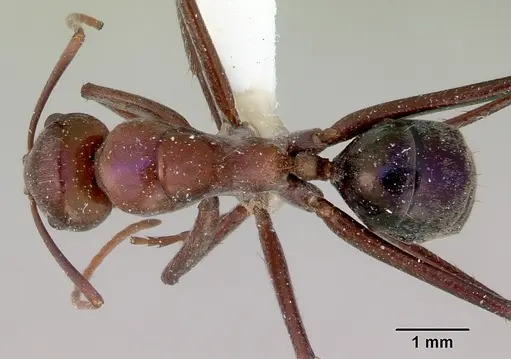
CASENT0887678
View on AntWeb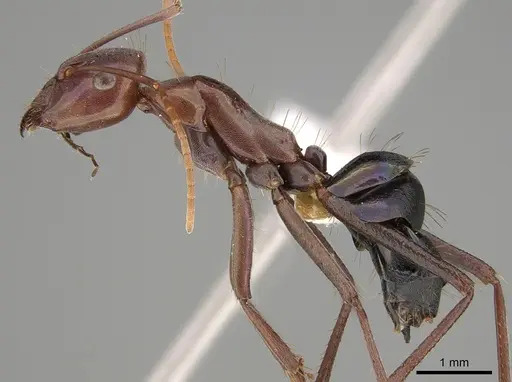
CASENT0906874
View on AntWeb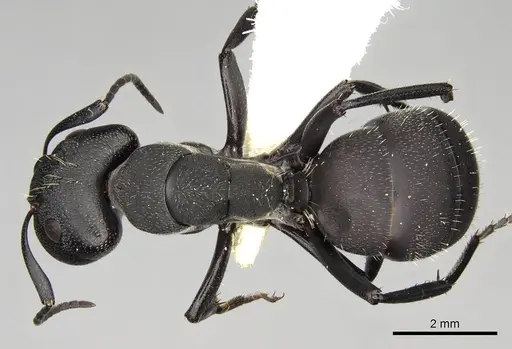
CASENT0906875
View on AntWeb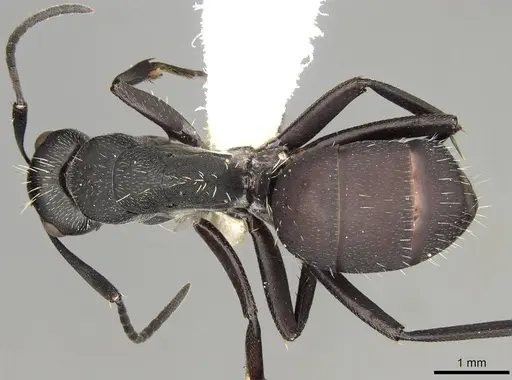
CASENT0910471
View on AntWeb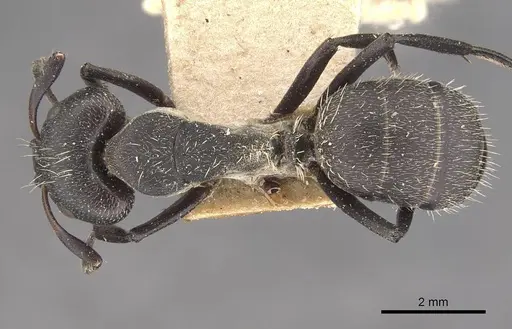
CASENT0910472
View on AntWeb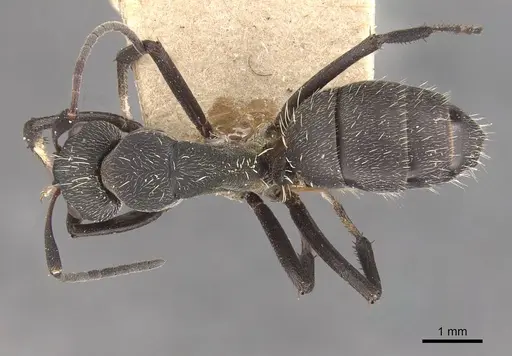
CASENT0910473
View on AntWeb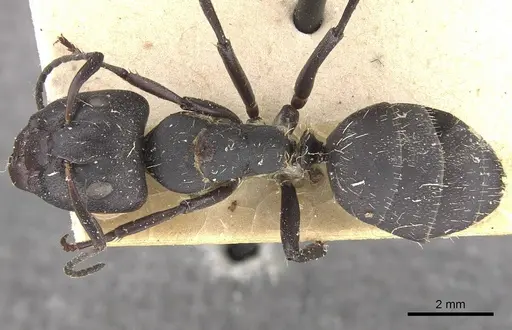
CASENT0910474
View on AntWeb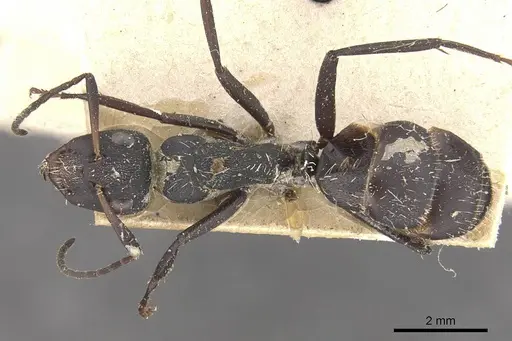
CASENT0911848
View on AntWeb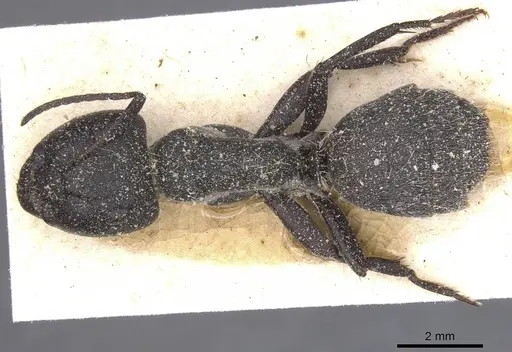
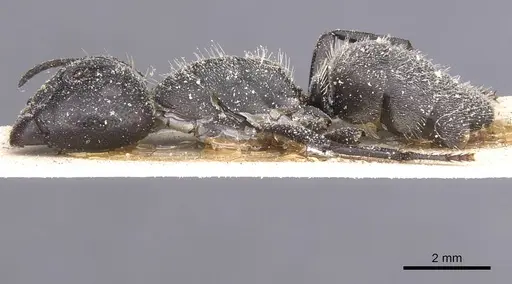
CASENT0911849
View on AntWeb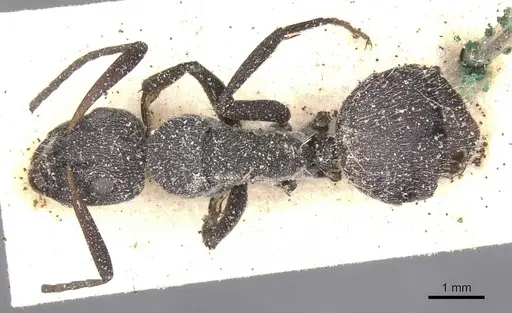
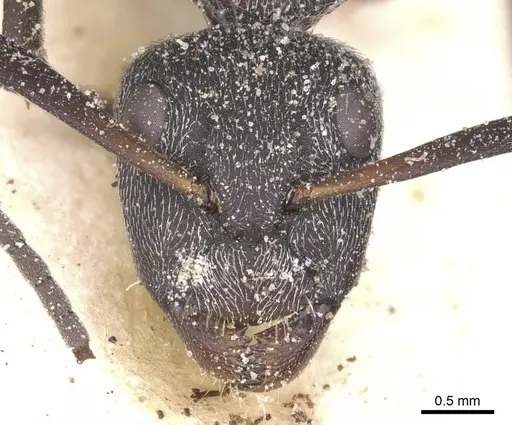
CASENT0911850
View on AntWeb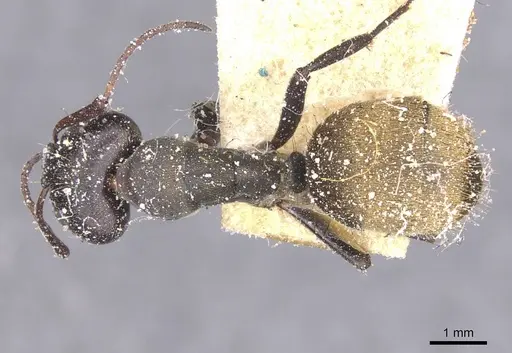
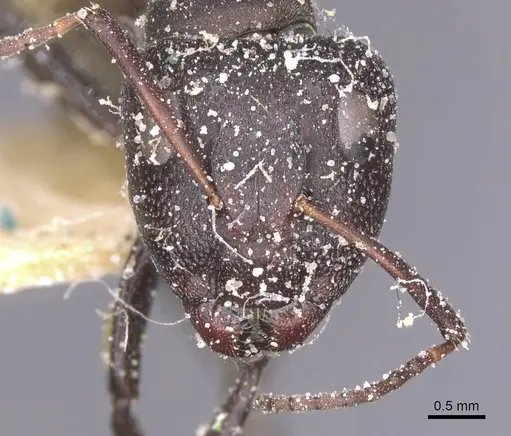
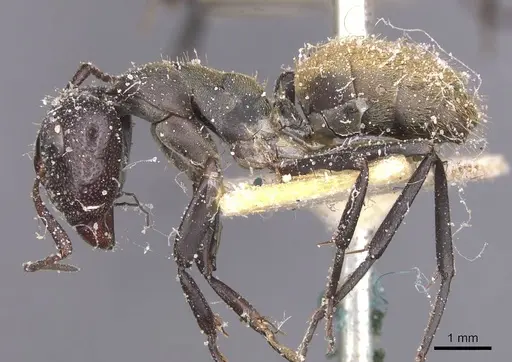
CASENT0911851
View on AntWeb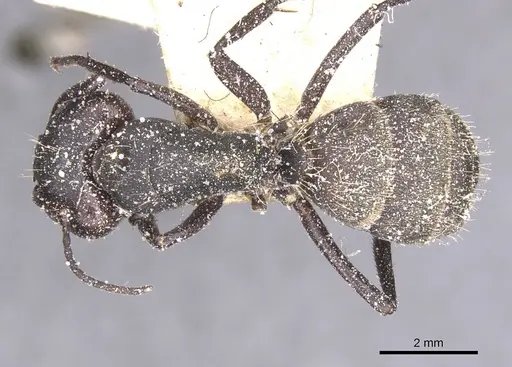
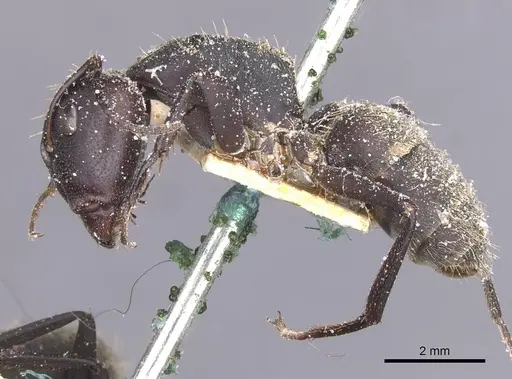
CASENT0911852
View on AntWeb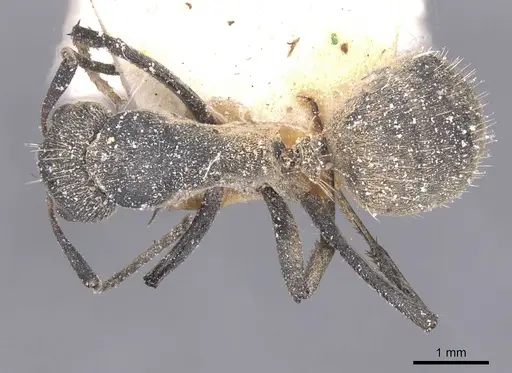
CASENT0911853
View on AntWeb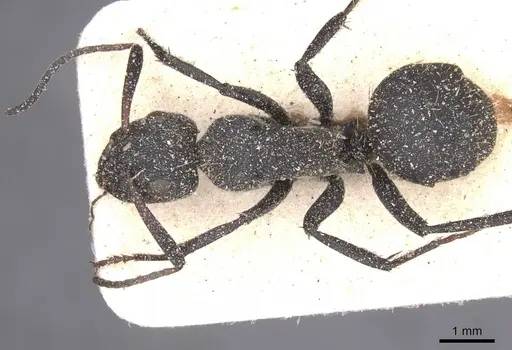
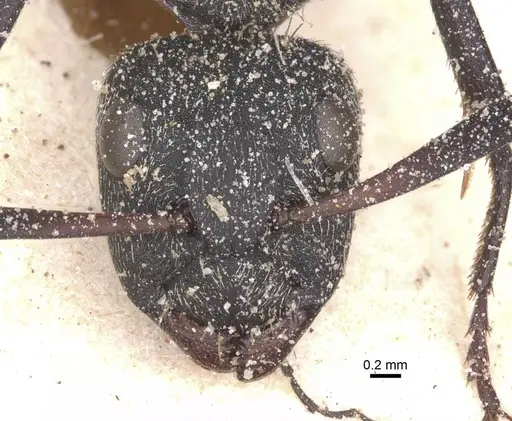
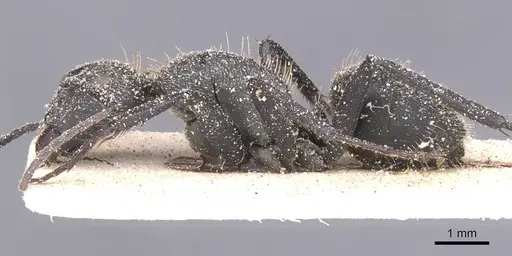
FOCOL2318
View on AntWeb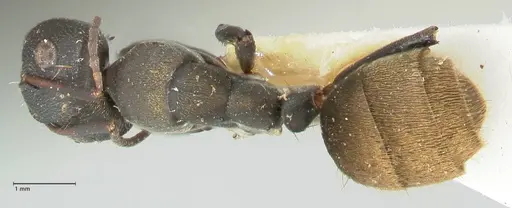
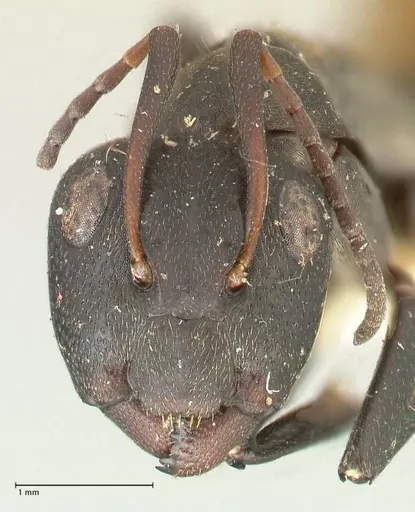
FOCOL2320
View on AntWeb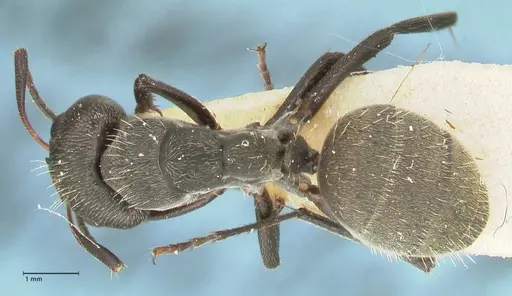
FOCOL2321
View on AntWeb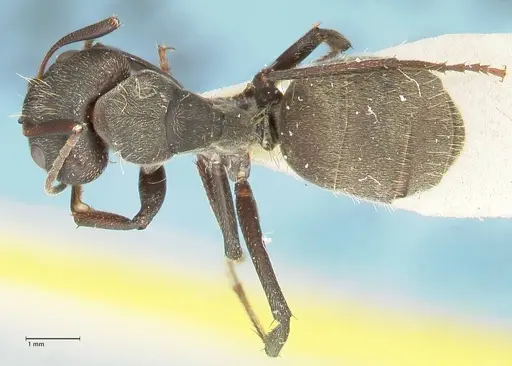
Literature
Loading...Loading products...