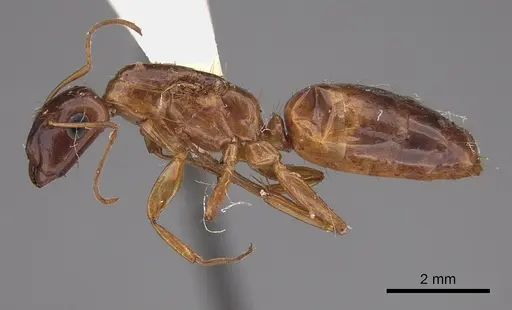
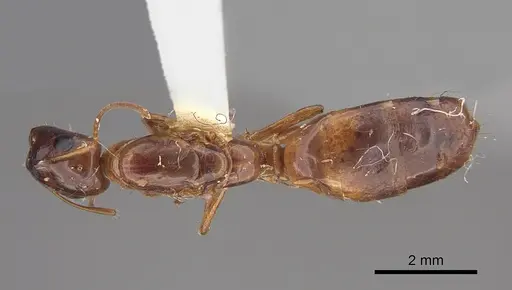
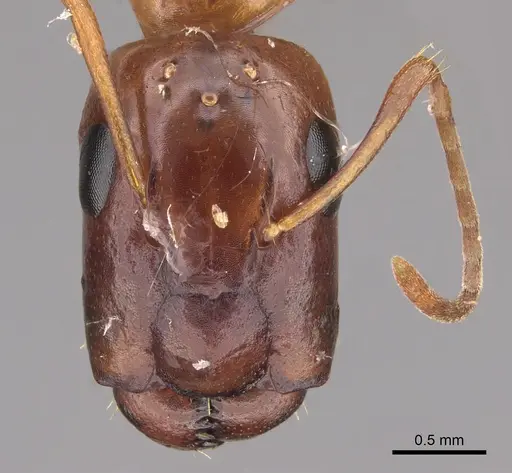
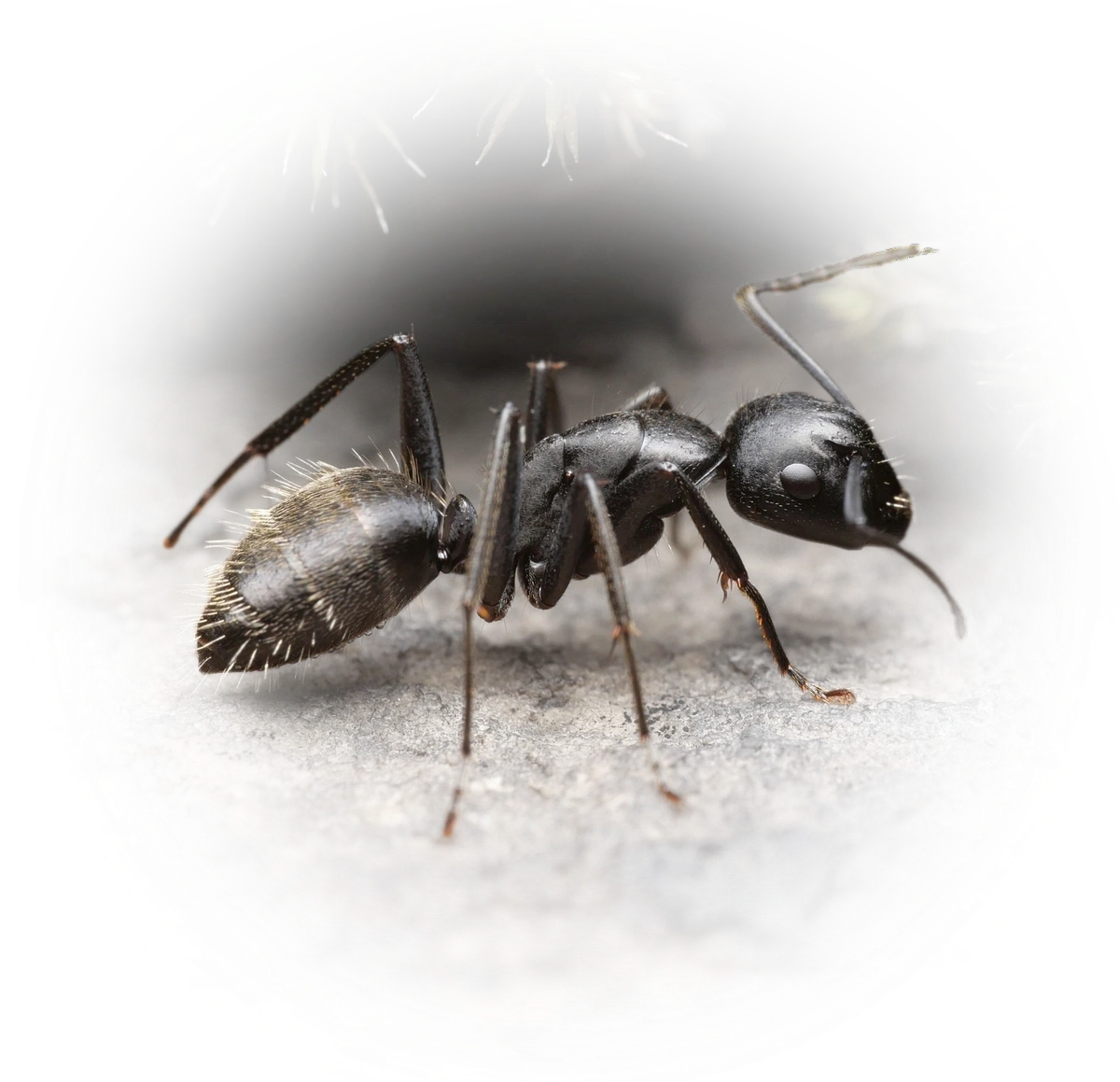
Camponotus orthocephalus - "Orthocephalus Carpenter Ant"
Dive into the world of the Orthocephalus Carpenter Ant, Camponotus orthocephalus, a truly captivating ant species hailing from the vibrant Neotropical regions. What makes these ants particularly fascinating for any ant keeper is their striking polymorphism; you'll witness a wide range of worker sizes, from nimble minor workers to formidable, large-headed majors. While their general coloration tends to be dark, the exact shades can vary, adding a subtle uniqueness to each colony. Like many carpenter ants, Camponotus orthocephalus are expert excavators, adept at building their intricate nests within rotting wood or even directly in the soil. Their diet is just as diverse, making them keen foragers for both energy-rich sugary liquids and essential insect protein, keeping their colonies bustling with activity.
- Difficulty: Medium
- Origin & Habitat: Neotropical Region (Argentina, Bolivia, Brazil, Colombia, Costa Rica, Ecuador, French Guiana, Peru) in Tropical and subtropical environments, often nesting in rotting wood, tree branches, twigs, or sometimes in the ground..
- Colony Type: Monogyne, claustral founding.
- Size & Growth:
- Queen: 14-16mm
- Worker: 5-13mm
- Colony: Large (tens of thousands). Medium (initial stages can be slow, but established colonies grow steadily) growth.
- Antkeeping:
- Temperature: Maintain a warm environment for optimal development, ideally between 24-28°C (75-82°F) with a warm spot reaching up to 30°C (86°F) to encourage brood growth. Always ensure a cooler area is available for them to retreat to if needed..
- Humidity: Keep humidity levels moderate, around 50-70%. While they are adaptable, consistent humidity helps prevent mold and keeps the nest comfortable. Providing a hydration gradient within the nest is beneficial..
- Diapause: Not required. Not specified at Not specified.
- Nesting: These ants prefer nesting in natural materials like rotting wood or cork. In captivity, they thrive in acrylic nests, Ytong (aerated concrete), or natural setups that mimic their arboreal or ground-nesting habits, as long as appropriate moisture levels can be maintained..
- Behavior: Low (defensive when provoked, can bite and spray formic acid) aggressiveness.
- Common Issues: Mold in nest, Mites, Colony stalling (often due to lack of consistent heat or protein), Overfeeding leading to waste and mold, Humidity fluctuations, Queen stress from excessive disturbance.
Getting to observe the fascinating polymorphism within an Orthocephalus Carpenter Ant colony is truly a highlight for any ant keeper. Your Camponotus orthocephalus colony won't just have one size of worker; instead, you'll see a clear distinction between the smaller, more agile minor workers who diligently manage brood care and head out on foraging expeditions, and the impressive, robust major workers. These 'majors' are essential for the colony's defense, acting as powerful soldiers. They also play a crucial role in processing larger food items, even cracking seeds with their strong mandibles, showcasing an incredible division of labor right in your very own formicarium.
When it comes to feeding your Camponotus orthocephalus, remember they're true omnivores, just like their carpenter ant cousins! Your adult workers in your colony will absolutely thrive on a consistent supply of sugary liquids. Think high-quality ant nectar or a good honey water solution – this is their main energy source for all that busy foraging and nest building. But don't forget the protein! For your queen to keep laying those precious eggs and for the brood to grow big and strong, you'll need to provide feeder insects. Small crickets, fruit flies, or even bits of mealworm are perfect, but always ensure they're pre-killed to keep your ant colony safe from harm and pesky mites.
Good news for ant keepers: Camponotus orthocephalus aren't typically aggressive towards us! However, it's wise to remember that these ants are equipped with a unique defense mechanism. While they won't sting – a common trait for ants in the Formicinae subfamily – they can deliver a surprisingly strong bite with their powerful mandibles and will readily spray formic acid to deter perceived threats. This defensive behavior is usually reserved for when they feel their nest or colony is genuinely in danger, so observing them calmly and avoiding unnecessary disturbances will keep both you and your ant colony stress-free.
Embarking on the journey of founding a Camponotus orthocephalus colony definitely calls for a good dose of patience, especially during those initial stages. Their growth, while steady, can be slower than some other ant species. A key trick to help speed up brood development and get those nanitics growing is providing a consistent heat source to one side of their formicarium, creating a beneficial temperature gradient. Most importantly, give your claustral queen plenty of peace and quiet during her founding phase; minimal disturbances are paramount for her to successfully raise her first generation of tiny worker ants.
Frequently Asked Questions
How large do Orthocephalus Carpenter Ant colonies get?
Curious about the ultimate size of your Orthocephalus Carpenter Ant colony? These fantastic carpenter ants can truly flourish, with mature colonies often boasting tens of thousands of busy workers! It's a breathtaking display of ant behavior and makes for a truly grand spectacle in your setup. Just remember, once those first nanitics arrive and the colony gets going, you'll see a nice, steady incline in their population.
What should I feed my Camponotus orthocephalus ants?
So, what's on the menu for your Camponotus orthocephalus? These carpenter ants are fantastic omnivores! Your adult workers will thrive on sugary delights like premium ant nectar or a homemade honey water solution – it’s their primary fuel for all that hard work. For your queen and the developing brood, protein is non-negotiable. Offer up small, freshly killed insects such as flightless fruit flies, tiny crickets, or even some finely chopped mealworms to keep everyone healthy and growing.
Do Camponotus orthocephalus require diapause (hibernation)?
Great news for those keeping Camponotus orthocephalus! Because these amazing ants originate from the balmy Neotropical climates, they generally do not need a diapause, or hibernation, period. Unlike their temperate cousins, you can typically maintain them at stable, warm temperatures throughout the year, ensuring continuous colony development without a seasonal slowdown.
Are Camponotus orthocephalus aggressive, and do they sting?
Many new ant keepers wonder about aggression and stings. Here's the scoop on Camponotus orthocephalus: No, these carpenter ants do not have a stinger! However, they are quite capable of delivering a noticeable bite with their strong mandibles and, characteristic of the Formicinae subfamily, they can spray formic acid for defense. Rest assured, they typically aren't aggressive towards their keepers unless they feel directly threatened, so calm handling and observation are always recommended for a harmonious antkeeping experience.
What kind of nest setup is best for Orthocephalus Carpenter Ants?
Choosing the right formicarium is key for your Orthocephalus Carpenter Ants! These fascinating ants thrive in setups that offer both excellent visibility for observation and effective moisture control. We highly recommend modern acrylic nests, Ytong (aerated concrete) setups, or even more naturalistic designs incorporating cork or rotting wood inserts. The crucial element is ensuring your chosen ant habitat provides a reliable hydration system to maintain their ideal humidity levels and keep your colony comfortable.
How fast do Camponotus orthocephalus colonies grow?
Anticipating rapid growth for your Camponotus orthocephalus colony? While they do eventually reach impressive numbers, these carpenter ants often start off at a slower pace during their initial founding stages. Don't fret if progress seems a bit gradual at first. Once that first generation of 'nanitic' workers hatches and starts contributing to the colony by foraging, you'll typically notice a much more consistent and satisfying boost in their overall growth rate!
What are the ideal temperature and humidity levels for this species?
Maintaining the perfect microclimate is essential for your Camponotus orthocephalus colony's health. In their primary nest area, target temperatures between 24-28°C (75-82°F). If you want to really kickstart brood development, consider providing a localized warm spot, perhaps touching 30°C (86°F). As for humidity, a moderate range of 50-70% is ideal. This balance prevents common issues like mold while keeping your ant habitat perfectly comfortable for your thriving ant species.
How long does it take for eggs to develop into workers in a Camponotus orthocephalus colony?
The metamorphosis from a tiny egg to a bustling worker ant is one of the coolest parts of antkeeping! For Camponotus orthocephalus, this fascinating journey typically spans about 6 to 9 weeks. Keep in mind that consistent warmth in their nest setup and a steady, protein-rich diet for the growing larvae are key factors that can positively influence this developmental timeline.
What are the different roles of the worker castes in a Camponotus orthocephalus colony?
One of the most captivating aspects of keeping Camponotus orthocephalus is observing their distinct worker castes! Thanks to their polymorphism, the colony showcases a clear division of labor. The nimble 'minor' workers are primarily your colony's scouts and foragers, diligently bringing back food and caring for the precious brood. Meanwhile, the imposing 'major' workers, with their larger heads and powerful mandibles, serve as the colony's brawn. They're excellent defenders, can process tougher food items, and even assist in excavating the harder bits of their ant habitat.
Are Camponotus orthocephalus suitable for beginner ant keepers?
For aspiring ant keepers eyeing Camponotus orthocephalus, you're looking at a truly rewarding experience, though perhaps not the most 'entry-level' species. However, if you're prepared to learn and exercise a bit of patience, their claustral queen founding, impressive large size, and the captivating sight of polymorphic workers make them an incredibly engaging ant species to keep. Just ensure you can consistently meet their temperature and dietary needs, and you'll be well on your way to a thriving Camponotus colony!