Camponotus vagus follows a consistent seasonal pattern with peak activity in May. The flight window runs from April to June, providing several months of opportunity for observations.
Camponotus vagus
- Scientific Name
- Camponotus vagus
- Tribe
- Camponotini
- Subfamily
- Formicinae
- Author
- Scopoli, 1763
- Common Name
- Hairy Carpenter Ant
- Distribution
- Found in 17 countries
- Nuptial Flight
- from April to June, peaking in May
AI Identifiable
try →
Camponotus vagus Overview
Camponotus vagus (commonly known as the Hairy Carpenter Ant) is an ant species of the genus Camponotus. It is primarily documented in 17 countries , including Austria, Bulgaria, Switzerland. Detailed taxonomic data and occurrence records can be further explored via authoritative databases such as AntWeb or the Global Biodiversity Information Facility (GBIF).
The nuptial flight of Camponotus vagus is a significant biological event, typically occurring from April to June, peaking in May. During this time, winged queens and males leave the nest to mate and establish new colonies.
Camponotus vagus - "Hairy Carpenter Ant"
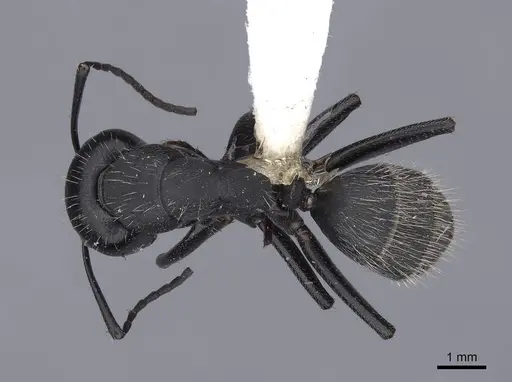
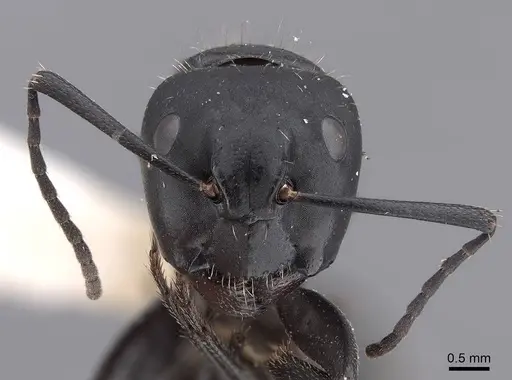
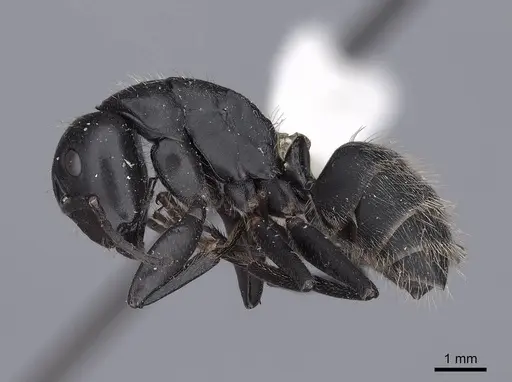
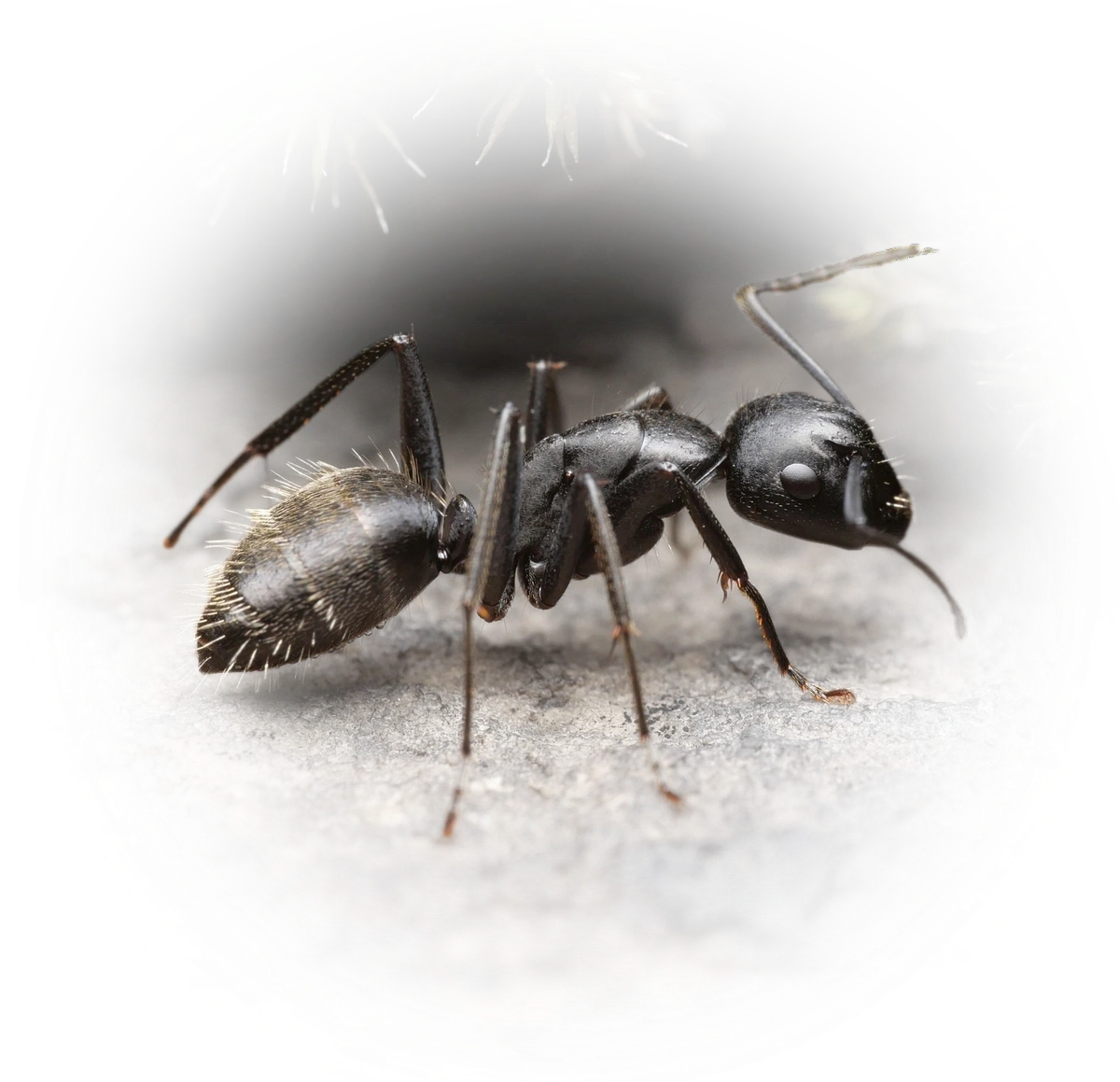
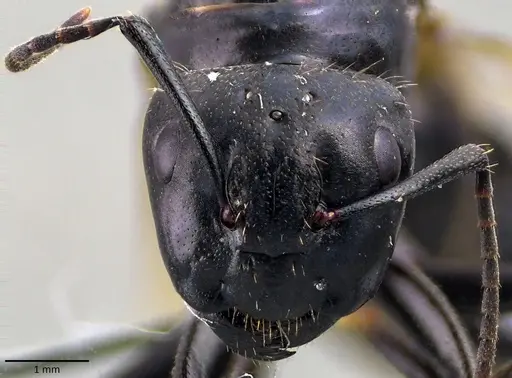
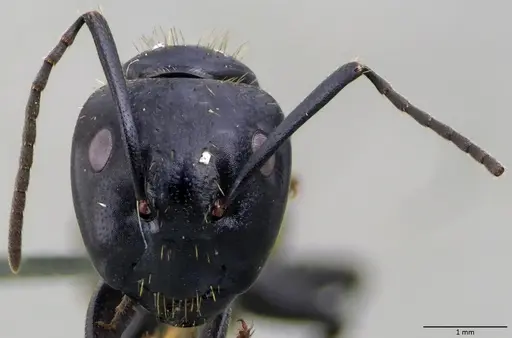
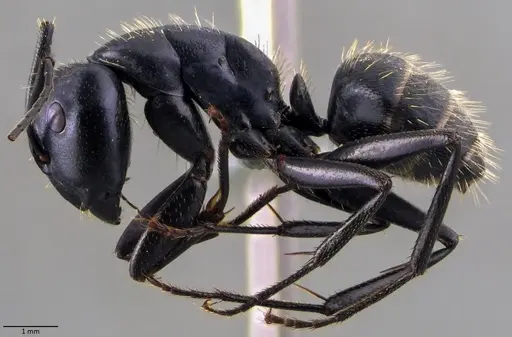
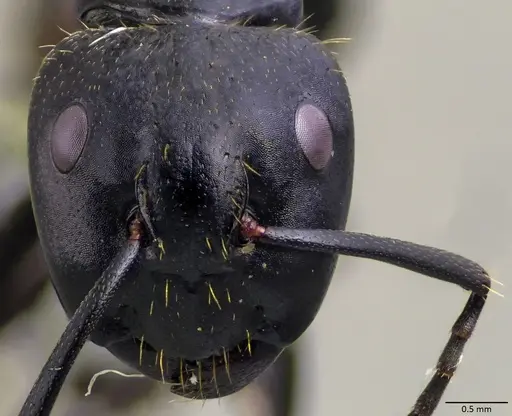
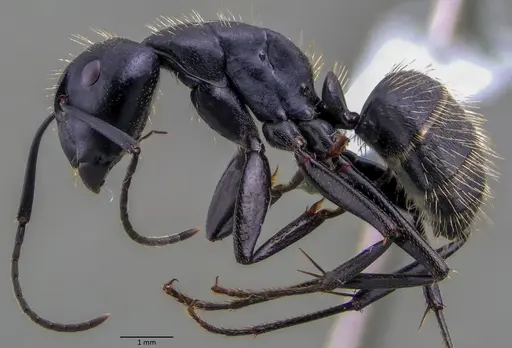
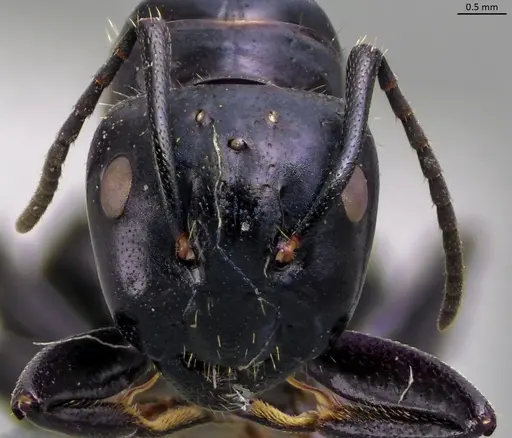
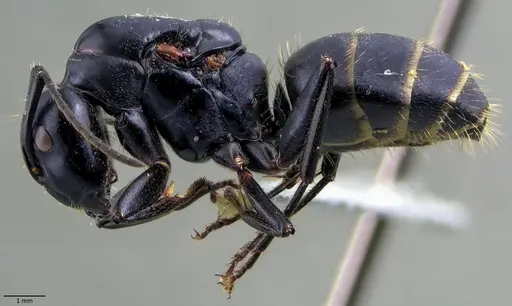
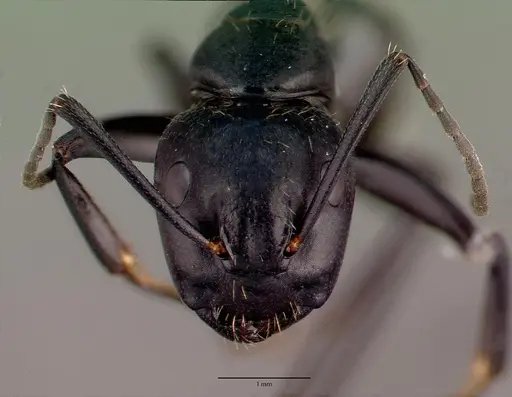
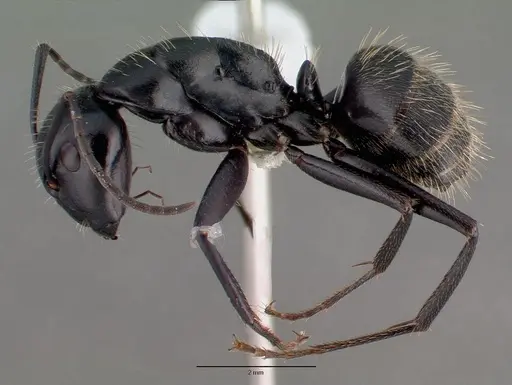
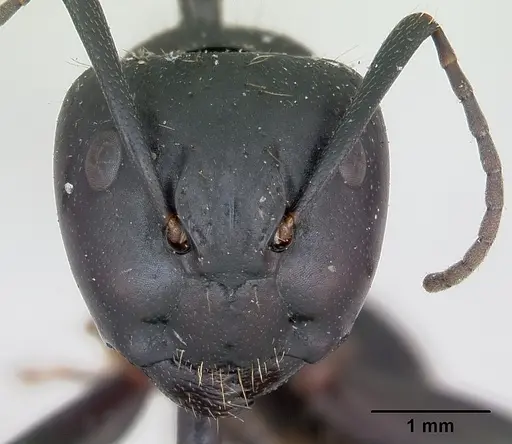
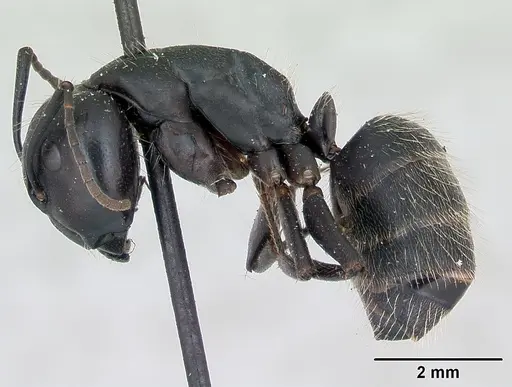
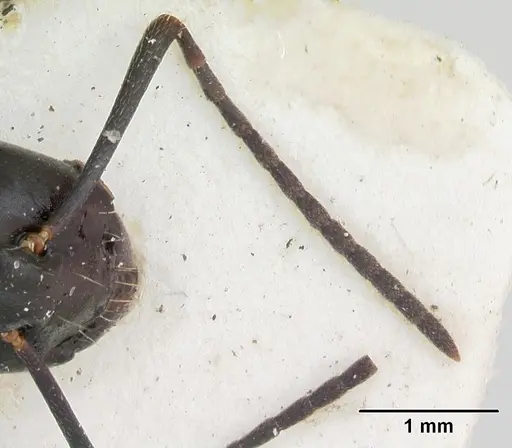
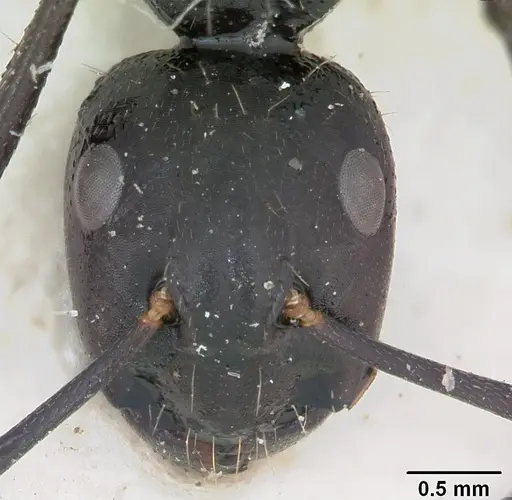
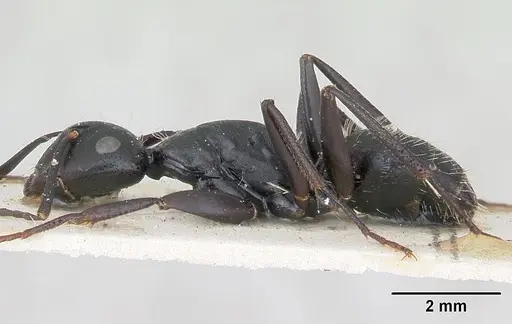
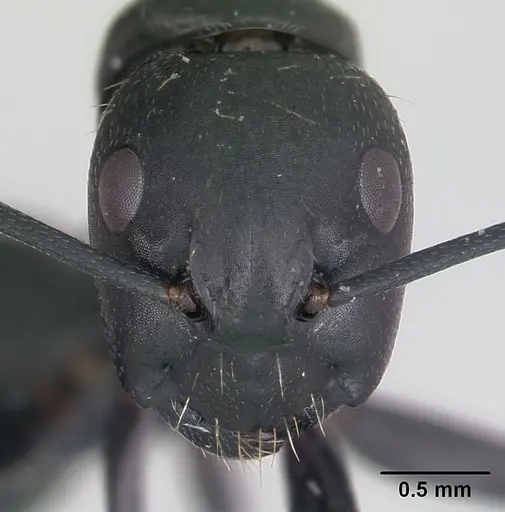
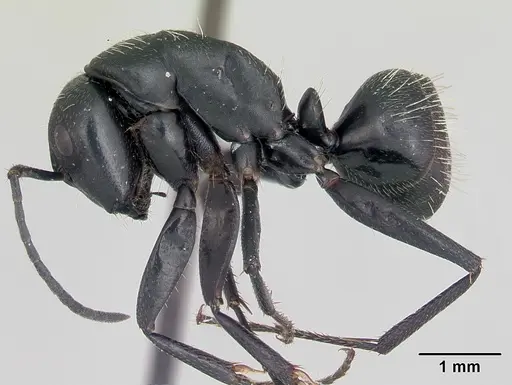
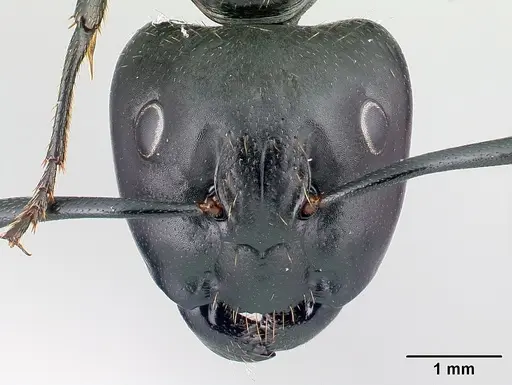
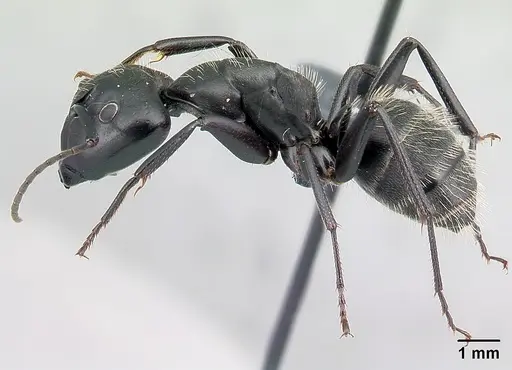
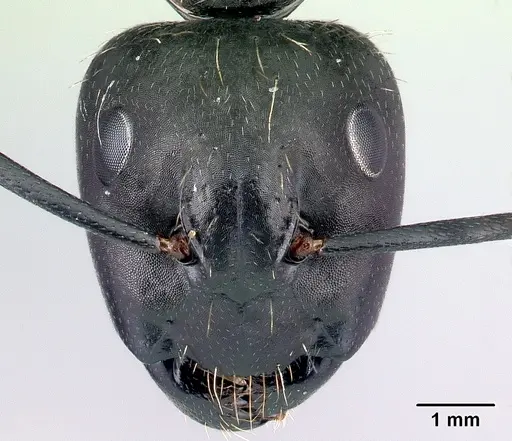
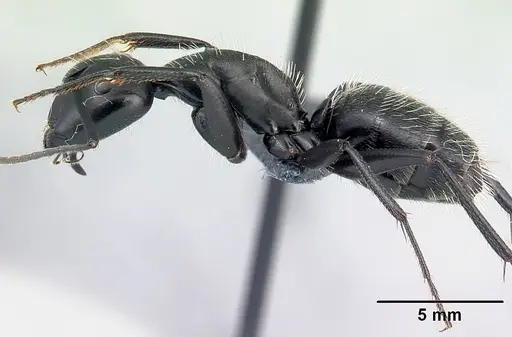
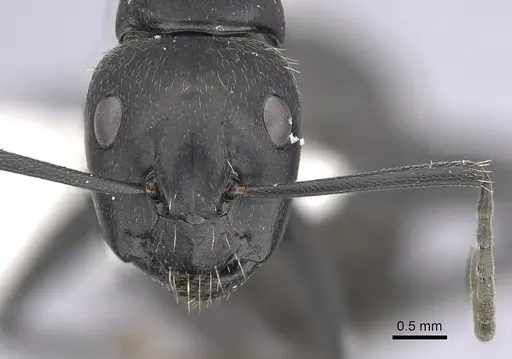
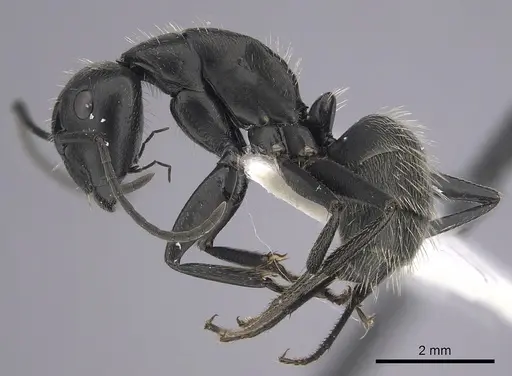
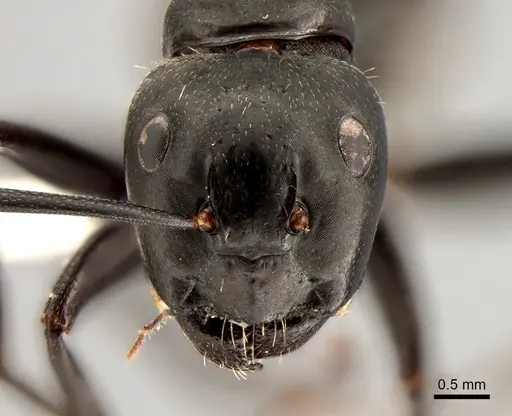
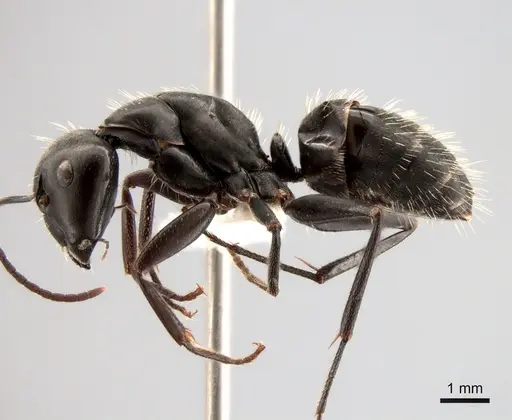
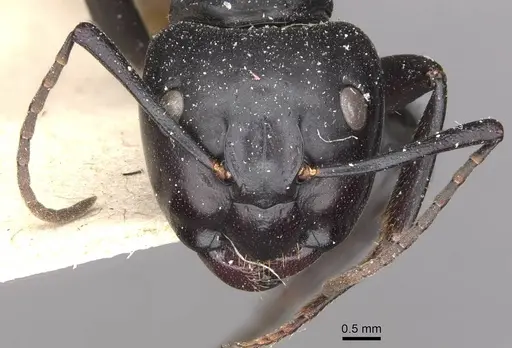
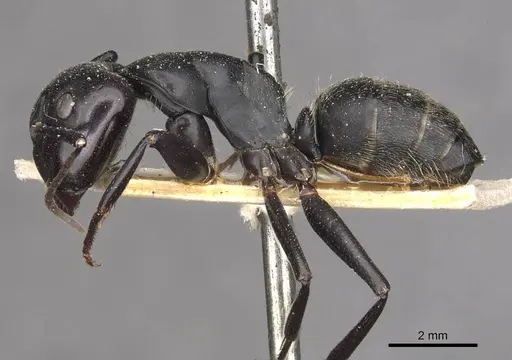
Camponotus vagus is one of the largest native ants in Europe, with workers ranging from 6-12 mm in total length. These impressive ants are completely black and covered with long, dense yellowish-white hairs that give them a distinctive fuzzy appearance. They are polymorphic, meaning the colony contains different-sized workers: small minors, medium workers, and large majors with powerful mandibles. This species is widely distributed across the Palearctic region, from southern Scandinavia to North Africa, and from Portugal east to the Altai Mountains. They inhabit warm forests and dry pine forests, preferring open sunny areas and forest edges where they nest in dead wood, stumps, and occasionally under stones. Known for their aggressive temperament and fast movement, these ants readily bite and spray formic acid when threatened and are strong competitors against other ant species.
Quick Summary
- Difficulty: Medium
- Origin & Habitat: West Palearctic region, from southern Finland and Sweden to north-western Africa, and from the Atlantic through northern Mediterranean, Asia Minor, Caucasus, to the Altai Mountains. Inhabits warm forests, dry pine forests, preferring open places and clearings. Nests built mostly in dead trees and wood stumps [1][2].
- Colony Type: Monogynous (single queen) colonies. Colonies can contain a few thousand up to 10,000 workers [3][4].
- Size & Growth:
- Queen: 14-16 mm [5]
- Worker: 6-12 mm [4][6]
- Colony: Up to 10,000 workers [4][7]
- Growth: Moderate
- Development: Development time varies with temperature, estimated 6-8 weeks at warm room temperature based on typical Camponotus patterns (First workers (nanitics) are smaller than normal workers. Warmer temperatures within the safe range accelerate development.)
- Antkeeping:
- Temperature: Keep at 20-26°C with a gentle gradient. This is a warm-loving species that thrives at room temperature or slightly above. A heating cable on one side of the nest can create the preferred temperature gradient [8].
- Humidity: Moderate humidity. Keep the nest substrate moist but not waterlogged. These ants nest in dead wood, so some dryness is tolerated. Provide a water tube as a moisture source.
- Diapause: Yes, requires winter hibernation. In their native range, colonies experience cold winters and need a rest period at 5-10°C for 3-4 months (roughly November-February). Reduce feeding and keep them cool during this period [7][9].
- Nesting: Prefers nests in dead wood. In captivity, Y-tong (AAC) nests with wood inserts, plaster nests with wood chambers, or naturalistic setups with logs/branches work well. Avoid entirely plastic or glass nests without wood texture, they need material they can grip and that mimics their natural dead wood habitat.
- Behavior: Very aggressive and territorial. Workers are fast-moving and will readily bite and spray formic acid when threatened. Major workers are deployed in inter-specific conflicts. They are primarily carnivorous, hunting insects and other small arthropods, but also collect honeydew from aphids and drink flower nectar. Workers forage individually and use trail pheromones to mark paths to food sources. They show complex trophallactic (food-sharing) behavior and communicate well within the colony [3][7]. Escape risk is moderate, their large size makes them visible but they can climb smooth surfaces, so standard barriers work well.
- Common Issues: colonies often fail during hibernation if kept too wet or too warm, ensure proper cold period, large size requires spacious setups as colonies grow, cramped nests lead to stress and abandonment, aggressive temperament means they may attack other ant colonies if housed together, wild-caught colonies may have parasites including phorid flies that can kill them in captivity, queens found claustrally may fail if disturbed during founding, keep founding chambers dark and undisturbed
Nuptial Flight Activity Analysis 630 observations
Flight Activity by Hour 630 observations
Camponotus vagus nuptial flight activity peaks around 14:00 during the afternoon. Activity is spread across a 12-hour window (09:00–20:00). A secondary activity peak occurs around 11:00. Times may be influenced by human observation patterns.
Housing and Nest Setup
Camponotus vagus is a wood-nesting species that does best in setups mimicking its natural dead wood habitat. Y-tong (AAC) nests with wood inserts work exceptionally well, the ants can grip the wood surfaces and excavate if needed. Plaster nests with wooden chambers are another excellent option. For naturalistic setups, you can use pieces of dead hardwood, branches, or cork bark arranged in a formicarium. Avoid entirely smooth plastic or glass nests, these ants struggle to grip smooth surfaces and may become stressed. The nest should be dark (they prefer dark chambers) and placed in an area with minimal vibration. Outworlds can be standard plastic or glass containers with a deep layer of substrate for foraging. Because these ants are large and active, provide ample foraging space, a small outworld quickly becomes inadequate as the colony grows. Escape prevention is straightforward due to their size, standard fluon barriers on smooth surfaces are effective. [3][8][7]
Feeding and Diet
These ants are primarily carnivorous and will readily accept a variety of protein foods. Offer insects like crickets, mealworms, roaches, and other small invertebrates. Dead insects are accepted, but live prey triggers more natural hunting behavior. They are strong predators and can take down prey significantly larger than minor workers, major workers can handle substantial prey items. Beyond protein, they also collect honeydew from aphids and will drink sugar water, honey, or nectar. In captivity, you can offer sugar water (1:3 ratio with water) or honey (diluted with a little water) as supplemental energy sources. Feed protein 2-3 times per week for growing colonies, and always remove uneaten prey after 24 hours to prevent mold. Sugar sources can be provided continuously but changed every few days. Fresh water should always be available. [7][2][4]
Temperature and Seasonal Care
Camponotus vagus is a thermophilic species that prefers warm conditions. Keep the nest area at 20-26°C, with room temperature (around 21-23°C) being ideal for most of the year. You can provide a gentle temperature gradient by placing a heating cable on one side of the nest, this allows the ants to choose their preferred temperature. However, avoid overheating, as temperatures above 30°C can be harmful. During the active season (spring through fall), they are highly active and need regular feeding. In winter, they require a proper diapause period. Reduce temperature to 5-10°C (a basement, unheated room, or refrigerator works) for 3-4 months. Stop feeding during hibernation and keep the colony dark and undisturbed. Do not skip hibernation, it is essential for colony health and triggers reproductive behavior the following season. In their native range, colonies overwinter twice as alates (winged reproductives) before swarming. [7][8][9]
Colony Development and Growth
A newly mated queen will seal herself in a claustral chamber and lay her first eggs without foraging. She relies entirely on stored fat reserves to survive and feed the first brood. After several weeks at optimal temperature, the first workers emerge, these nanitics are smaller than normal workers but the colony quickly grows as the queen produces more eggs. Colonies grow moderately, reaching a few thousand workers within a year or two under good conditions, with maximum colony size around 10,000 workers. The colony is polymorphic, with distinct minor, media, and major workers. Major workers (also called soldiers) have enlarged heads and powerful mandibles, they are deployed in territorial conflicts and can sever opponent heads with few bites. Growth rate depends on temperature, feeding frequency, and colony size. Warmer temperatures within the safe range accelerate development. A well-fed colony will grow faster, but avoid overfeeding as uneaten prey creates mold risks. [3][4][7]
Behavior and Defense
This species is known for its aggressive temperament and strong fighting capacity. When threatened, workers bite and spray formic acid from their acidopore, they lack a functional sting but their bite is painful and the formic acid causes irritation. Major workers are primarily used in inter-specific conflicts, they have been observed defeating larger Camponotus species like C. herculeanus and C. ligniperda through superior fighting ability. They prefer mandible-based combat over venom use, and can crush opponent thoraces or sever heads with few bites. Despite their aggression, they show deficiencies in communication compared to some other ants, which can affect coordinated group activities. They are not particularly territorial toward their own species and can form polydomous colonies (multiple nest sites connected by workers). Foragers work individually rather than in groups, using trail pheromones to mark paths to reliable food sources like aphid colonies. They are preyed upon by specialized spiders (Callilepis spp.) that target C. vagus almost exclusively. [7][6][9]
Common Problems and Solutions
One of the biggest issues keepers face is improper hibernation. These ants require a cold period, and colonies that are kept warm year-round often decline or fail to produce reproductives. Make sure to provide 3-4 months at 5-10°C each winter. Another common problem is inadequate space, because colonies can reach 10,000 workers, starting with a too-small setup forces premature relocations that stress the colony. Plan ahead and provide a spacious formicarium from the start. Wild-caught colonies may carry parasites (including phorid flies that parasitize this species) that can decimate captive colonies. Quarantine new colonies and monitor for signs of illness. Finally, their aggressive biting can make them difficult to handle, when cleaning or moving the colony, work slowly and use gentle smoke or air to encourage workers to retreat rather than shaking or tapping the nest. [7][8]
Frequently Asked Questions
How long does it take for Camponotus vagus to go from egg to worker?
At optimal temperatures (around 24°C), development takes approximately 6-8 weeks from egg to worker. Cooler temperatures will slow development significantly. The first workers (nanitics) are smaller than normal workers and the colony grows quickly once they emerge.
Do Camponotus vagus ants need hibernation?
Yes, they require a winter diapause period. In their native range, colonies experience cold winters and need 3-4 months at 5-10°C (roughly November-February). Skipping hibernation can lead to colony decline and prevents the production of reproductive alates. Reduce feeding, keep the colony dark and cool during this period.
What do Camponotus vagus ants eat?
They are primarily carnivorous, hunting insects and other small arthropods. Offer protein sources like crickets, mealworms, roaches, and other insects. They also collect honeydew from aphids and will drink sugar water, honey, or nectar. Feed protein 2-3 times per week and provide constant access to sugar water.
How big do Camponotus vagus colonies get?
Mature colonies can reach 10,000 workers. They are one of the largest European ant species, with workers ranging from 6-12 mm and majors being particularly impressive. Colony growth is moderate, expect a few thousand workers within the first year or two with good care.
Are Camponotus vagus ants aggressive?
Yes, they are very aggressive and territorial. Workers readily bite and spray formic acid when threatened, and major workers are deployed in inter-specific conflicts. They are known to attack and kill other ant species, including larger Camponotus species. Their bite can be painful due to their large size and powerful mandibles, but they are not dangerous to humans. Handle with care and avoid provoking them.
What is the best nest type for Camponotus vagus?
They prefer wood-based nests that mimic their natural dead wood habitat. Y-tong (AAC) nests with wood inserts, plaster nests with wooden chambers, or naturalistic setups with logs and branches work best. Avoid entirely smooth plastic or glass nests as they need surfaces they can grip.
Can I keep multiple Camponotus vagus queens together?
No. This species is monogynous, meaning colonies have a single queen. Unlike some ants that can form multi-queen colonies, C. vagus colonies will fight if multiple queens are introduced. If you find a queen, house her alone until she founds her colony.
When do Camponotus vagus nuptial flights occur?
Nuptial flights occur in summer, typically July-August in Central Europe. Winged reproductives (alates) overwinter twice before emerging, once as larvae and once as imagines. In captivity, you can encourage reproduction by ensuring proper hibernation and feeding.
Is Camponotus vagus a good species for beginners?
This species is rated as medium difficulty. While not as challenging as some exotic species, they require more space and proper hibernation than beginner-friendly species like Lasius. They are best suited for keepers who have kept at least one colony successfully and understand basic antkeeping requirements.
Report an Issue
The current care sheet is based fully on literature. See inconsistencies, or something that's incorrect? Please , it will be resolved after review from an admin. Contributing to the blogs tab also helps providing information, to make us be able to further improve the caresheets. Thank you for your support!
References

This caresheet is licensed under CC BY-SA 4.0 .
ANTWEB1041843
View on AntWeb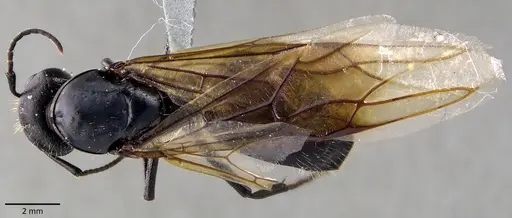

ANTWEB1060047
View on AntWeb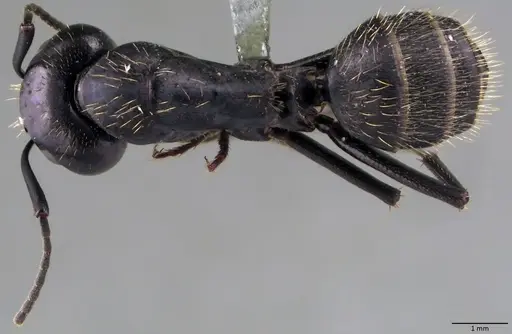
ANTWEB1060048
View on AntWeb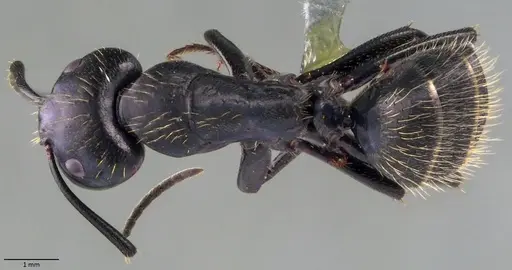
ANTWEB1060049
View on AntWeb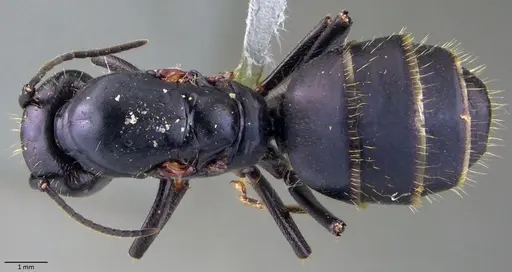
CASENT0008640
View on AntWeb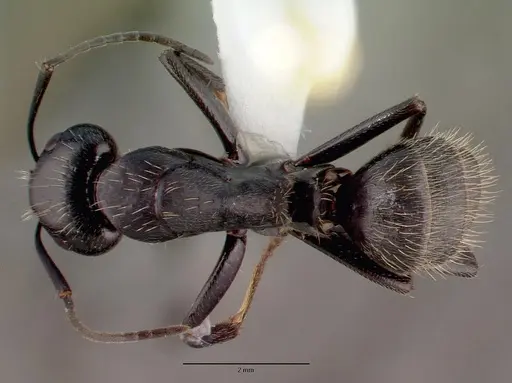
CASENT0103335
View on AntWeb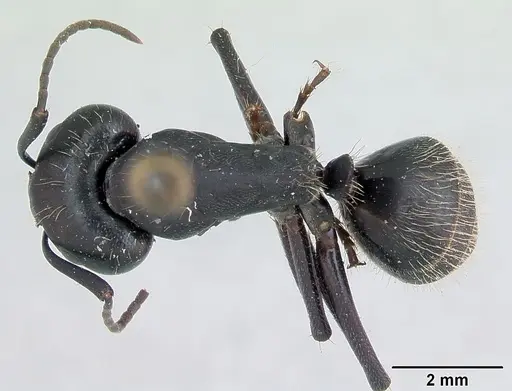
CASENT0103337
View on AntWeb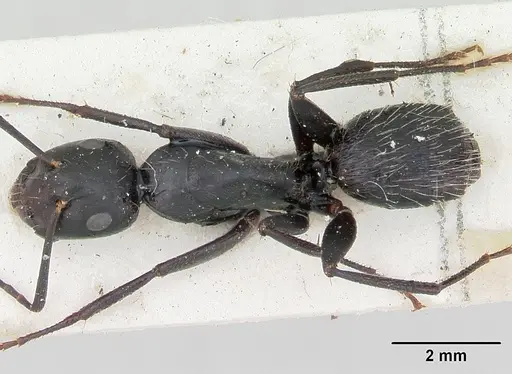
CASENT0173860
View on AntWeb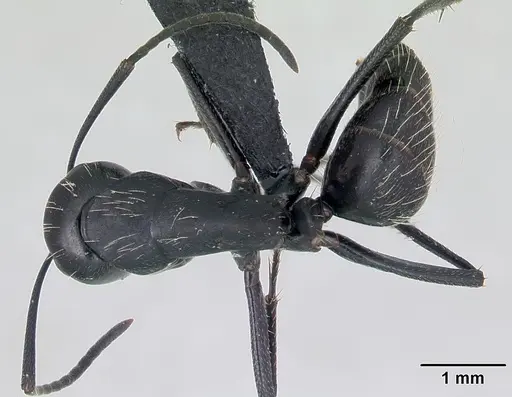
CASENT0179913
View on AntWeb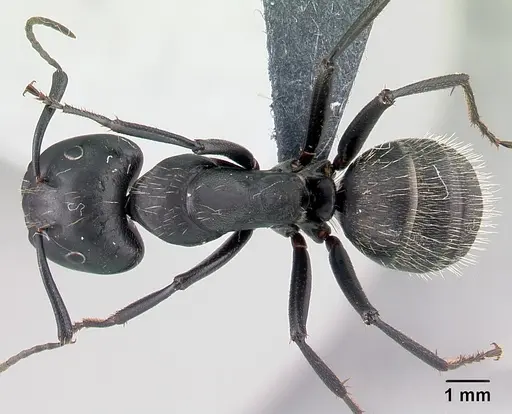
CASENT0179914
View on AntWeb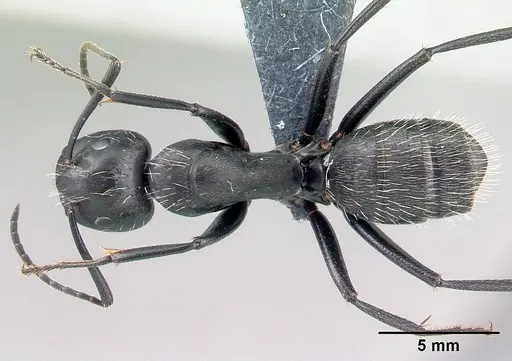
CASENT0249420
View on AntWeb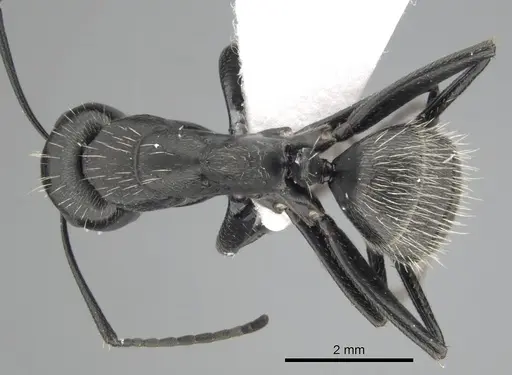
CASENT0882002
View on AntWeb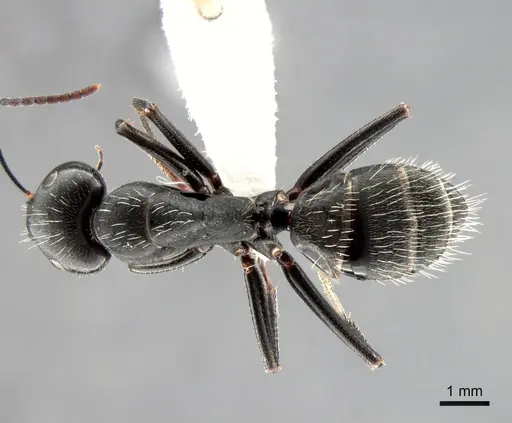
CASENT0909957
View on AntWeb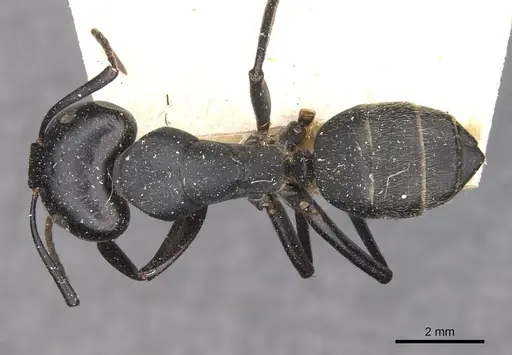
FMNHINS0000045946
View on AntWeb