

Camponotus orombe
- Scientific Name
- Camponotus orombe
- Subgenus
- Mayria
- Tribe
- Camponotini
- Subfamily
- Formicinae
- Author
- Rakotonirina <i>et al.</i>, 2016
- Distribution
- Found in 1 countries
Camponotus orombe Overview
Camponotus orombe is an ant species of the genus Camponotus. It is primarily documented in 1 countries , including Madagascar. Detailed taxonomic data and occurrence records can be further explored via authoritative databases such as AntWeb or the Global Biodiversity Information Facility (GBIF).
Camponotus orombe
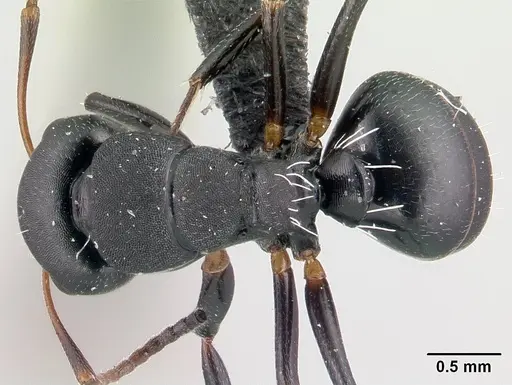
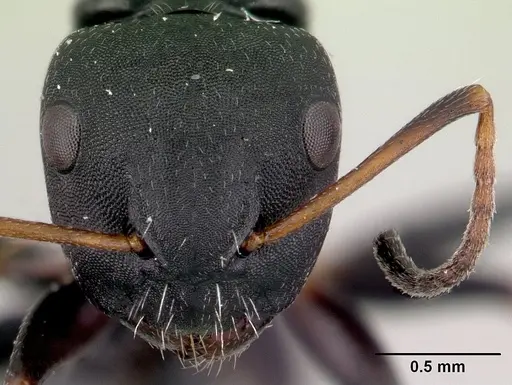
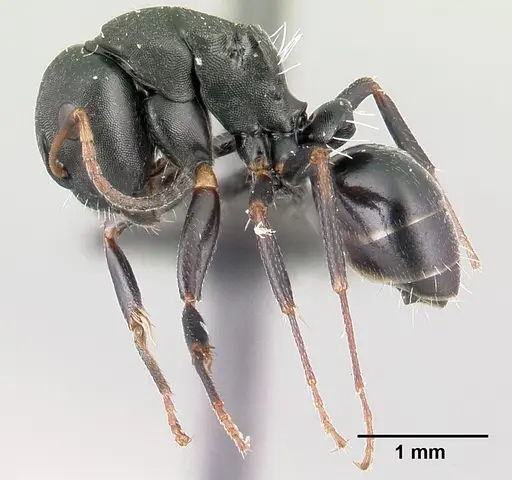
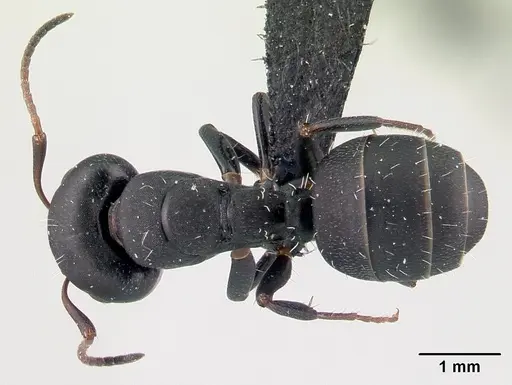
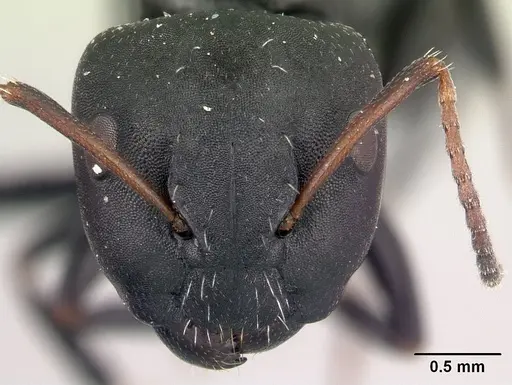
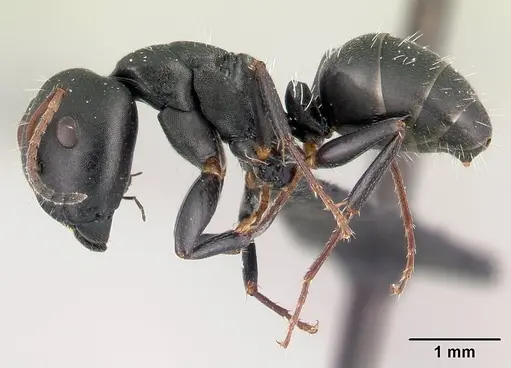
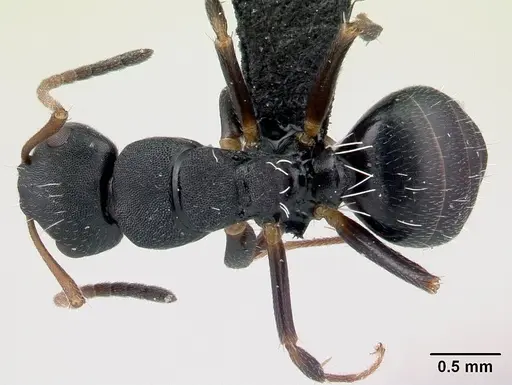
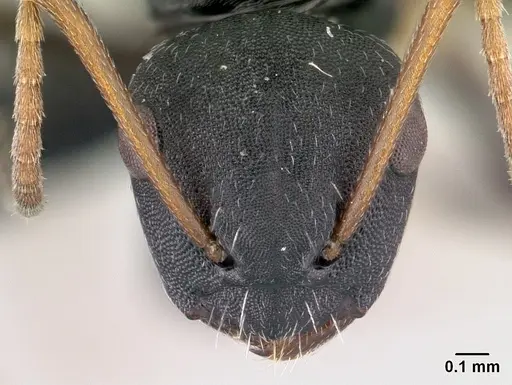
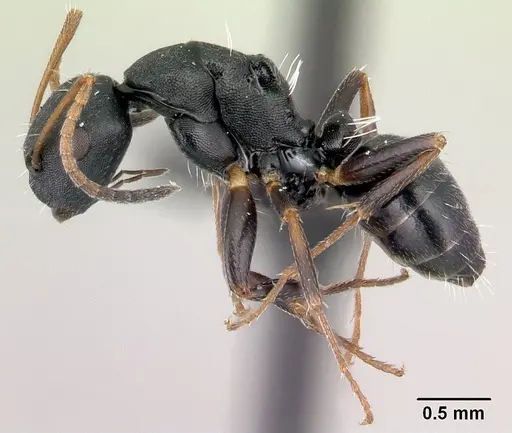
Camponotus orombe is a small to medium-sized ant from the Camponotus edmondi species group, endemic to the rainforests of southeastern Madagascar. Workers are black with distinctive yellow to light brown antennae, mandibles, and leg segments, giving them a striking two-toned appearance. Minor workers have slightly elongated heads, while major workers develop larger, more square-shaped heads. This species was only described in 2016 and is known from just a handful of specimens collected in Ivohibe Forest, making it one of the rarer ants in the hobby. They nest in dead twigs above ground and forage on low vegetation in their native rainforest habitat [1][2].
Quick Summary
- Difficulty: Medium
- Origin & Habitat: Ivohibe Forest in southeastern Madagascar,200-650m altitude in rainforest [1]. They nest in dead twigs above ground and forage on low vegetation [1].
- Colony Type: Colony structure is unconfirmed, this is a newly described species with limited field data. Based on typical Camponotus patterns, likely single-queen (monogyne) colonies, but this needs confirmation.
- Size & Growth:
- Queen: Unconfirmed, no queen specimens have been described yet. Based on related Camponotus species from Madagascar, expect queens around 12-15mm.
- Worker: Minor workers: head slightly longer than broad (CWb/CL 0.88). Major workers: head subquadrate (CWb/CL 0.98). Overall body size is small to medium, typical of the edmondi species group [1].
- Colony: Unknown, only a few workers have been collected. Related species in the edmondi group typically form colonies of several hundred workers.
- Growth: Unknown, likely moderate growth rate typical of Camponotus. Expect 6-10 weeks from egg to first worker based on genus patterns.
- Development: Estimated 6-10 weeks at tropical temperatures (24-28°C). This is based on typical Camponotus development patterns since specific data for this species is not available. (Development time is estimated from genus-level data. Actual timing may vary based on temperature and colony conditions.)
- Antkeeping:
- Temperature: Keep at 24-28°C. As a tropical rainforest species from southeastern Madagascar, they need warm, stable temperatures. Avoid temperatures below 22°C as this is outside their natural range [1].
- Humidity: High humidity required, aim for 70-85%. Their natural habitat is rainforest, and they nest in dead twigs which maintain internal humidity. Use a moist nest substrate and provide a water tube for drinking water. Mist the outworld occasionally but avoid standing water.
- Diapause: No, this is a tropical species from Madagascar and does not require hibernation. Keep them warm year-round. Do not expose to temperatures below 20°C for extended periods.
- Nesting: Use a nest that mimics their natural twig-nesting behavior. Y-tong (AAC) nests or plaster nests with narrow chambers work well. Provide dead twigs or similar materials in a naturalistic setup. They prefer tight, enclosed spaces scaled to their body size.
- Behavior: This is a relatively calm Camponotus species. Workers are moderately active foragers, searching for food on vegetation and the ground. They are not particularly aggressive but will defend their nest if threatened. Major workers can deliver a mild sting if handled roughly, though Camponotus stings are typically mild. Escape risk is moderate, they are not particularly small but can climb well. Use standard escape prevention with fluon on tube edges. They are primarily nocturnal foragers in their natural habitat, so expect most activity in the evening and night hours.
- Common Issues: limited availability, this is one of the rarest species in the hobby, with very few colonies in circulation, no established care protocols, you may need to experiment with conditions based on related species, slow colony growth is typical for newly established colonies, do not overfeed or disturb them, high humidity requirements can lead to mold problems if ventilation is poor, wild-caught colonies may have parasites or diseases since the species has not been bred in captivity extensively
Housing and Nest Setup
Camponotus orombe naturally nests in dead twigs above ground, so your setup should reflect this preference. A Y-tong (AAC) nest with narrow chambers works well, or you can use a plaster nest that holds moisture. The key is providing tight, enclosed spaces that the ants can control humidity within. For the outworld, use a standard foraging area with a water tube. Since they forage on low vegetation in the wild, you might add some fake plants or twigs for them to explore. Keep the nest area dark, these ants prefer dim conditions and will be more active when the nest is covered. A small colony can be started in a test tube setup, then moved to a proper nest once it reaches 20-30 workers. [1]
Feeding and Diet
Like other Camponotus species, C. orombe is omnivorous and will accept both sugar and protein sources. Offer sugar water, honey, or diluted maple syrup as a constant carbohydrate source. For protein, provide small insects like fruit flies, small mealworms, or cricket pieces. In the wild, they forage on vegetation, so they may prefer hunting live prey. Feed protein 2-3 times per week, removing any uneaten food after 24 hours. Fresh killed insects are often accepted better than dried. Since this is a newly kept species, be prepared to experiment with food acceptance, some colonies may show preferences that differ from related species. [1][2]
Temperature and Humidity Management
As a tropical rainforest species from southeastern Madagascar, C. orombe needs warm and humid conditions. Maintain temperatures between 24-28°C year-round. A small heating cable on one side of the nest can help maintain warmth, but avoid overheating. For humidity, aim for 70-85% in the nest area. These ants nest in dead twigs which naturally maintain internal humidity, so a moist substrate or water tube connected to the nest works well. Provide a water tube for drinking, they will use it to regulate moisture. Good ventilation is important to prevent mold, but avoid strong air currents that dry out the nest. [1]
Colony Development and Growth
This species is newly described and rarely kept, so established care protocols do not exist. Queens likely lay eggs slowly at first, with the first batch taking 6-10 weeks to develop into workers at optimal temperatures. Initial colonies will grow slowly as the queen produces her first nanitic workers. Be patient, Camponotus colonies often take several months to establish firmly. Once the first workers emerge, growth typically accelerates. Major workers develop as the colony grows, which may help with foraging and nest defense. Do not disturb the queen during the founding stage, claustral Camponotus queens should be left alone in darkness until workers emerge. [1]
Handling and Temperament
Camponotus orombe is generally calm and not particularly aggressive. Workers will flee rather than fight when disturbed, but majors can deliver a mild sting if the nest is threatened or the ant feels trapped. They are not known for painful stings like some other Camponotus species. When working with them, move slowly and avoid shaking or tilting the nest. They are moderate climbers and can escape from basic setups, so apply fluon to tube connections and use a secure outworld lid. Their nocturnal foraging tendency means you may see more activity in the evening, this is normal behavior reflecting their natural habits. [1]
Frequently Asked Questions
How long does it take for Camponotus orombe to produce first workers?
Based on typical Camponotus development, expect 6-10 weeks from egg to first worker at optimal temperatures (24-28°C). This is an estimate since this specific species has not been studied. Be patient during founding, disturbing the queen can cause her to eat eggs or abandon the nest.
What do Camponotus orombe ants eat?
They are omnivorous like other Camponotus species. Offer sugar water, honey, or maple syrup for carbohydrates. For protein, provide small insects like fruit flies, small mealworms, or cricket pieces. Feed protein 2-3 times per week and keep sugar available at all times.
Do Camponotus orombe ants need hibernation?
No. This is a tropical species from Madagascar and does not require hibernation. Keep them warm year-round at 24-28°C. Do not expose them to temperatures below 20°C for extended periods.
Are Camponotus orombe good for beginners?
This species is not ideal for beginners due to its rarity, high humidity requirements, and the fact that established care protocols do not exist. If you can find a colony, expect some experimentation. Related species like Camponotus edmondi or other common Camponotus are better choices for beginners.
How big do Camponotus orombe colonies get?
Colony size is unknown for this species since it has rarely been kept. Based on related species in the edmondi group, colonies likely reach several hundred workers. Growth is moderate, expect several months to establish and a year or more to reach larger colony sizes.
Why is Camponotus orombe so hard to find?
This species was only described in 2016 and is known from a very limited area in southeastern Madagascar. Only a few specimens have ever been collected. It is one of the rarest ants in the hobby, and colonies rarely become available. If you find one, consider it a special addition to your collection.
References

This caresheet is licensed under CC BY-SA 4.0 .
Literature
Loading...Loading products...