

Camponotus ogasawarensis
- Scientific Name
- Camponotus ogasawarensis
- Subgenus
- Myrmamblys
- Tribe
- Camponotini
- Subfamily
- Formicinae
- Author
- Terayama & Satoh, 1990
- Distribution
- Found in 1 countries
Camponotus ogasawarensis Overview
Camponotus ogasawarensis is an ant species of the genus Camponotus. It is primarily documented in 1 countries , including Japan. Detailed taxonomic data and occurrence records can be further explored via authoritative databases such as AntWeb or the Global Biodiversity Information Facility (GBIF).
Camponotus ogasawarensis
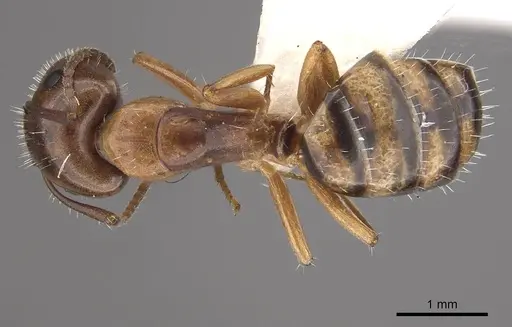
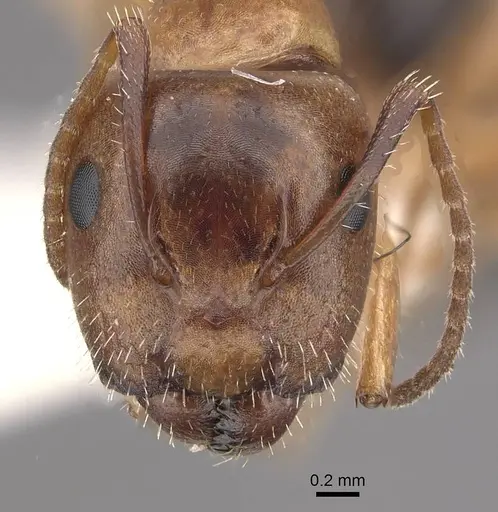
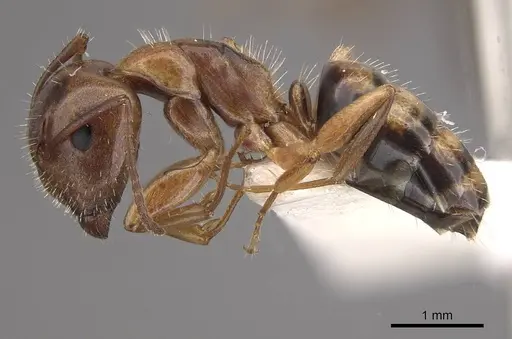
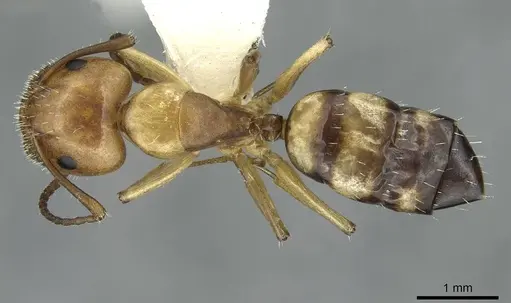
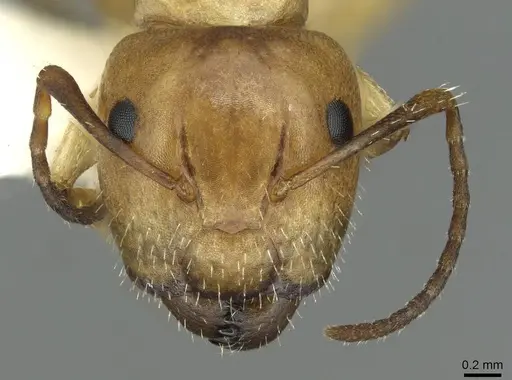
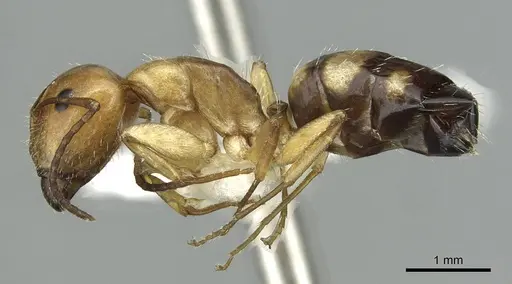
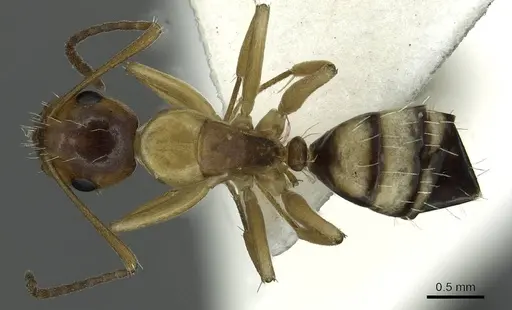
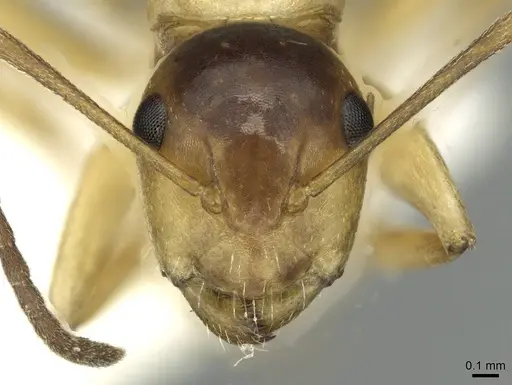
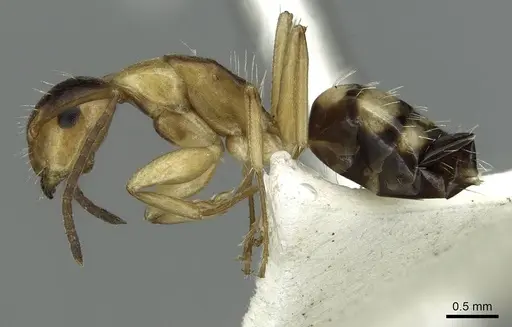
Camponotus ogasawarensis is a small to medium-sized carpenter ant native to the Ogasawara Islands (Bonin Islands) of Japan. Workers measure 4-5.5mm and have a distinctive appearance: the head, mesosoma (middle body section), and petiole are yellow, while the gaster (abdomen) is black with yellow spots or a yellow transverse band across each gastral segment [1]. This arboreal species nests in dead twigs on trees, making it unique among Japanese ants [1].
This species stands out for its island-endemic status and arboreal lifestyle. The Ogasawara Islands provide a subtropical environment, which influences their care requirements. Their small size and yellow-and-black coloring make them visually striking in a colony setup.
Quick Summary
- Difficulty: Medium
- Origin & Habitat: Ogasawara Islands (Bonin Islands), Japan, subtropical islands in the Pacific. They are arboreal, nesting in dead twigs on trees in this island environment [1].
- Colony Type: Single-queen colonies (monogyne), typical for the Camponotus genus, though not explicitly documented for this specific species.
- Colony: Monogyne
- Founding: Claustral
- Size & Growth:
- Queen: Undocumented in available literature, estimate based on genus patterns: likely 8-12mm
- Worker: 4-5.5mm [1]
- Colony: Unknown, likely several hundred workers based on typical Camponotus colony development
- Growth: Moderate, typical for Camponotus species
- Development: Estimated 6-8 weeks at optimal temperature based on genus patterns (Development time inferred from typical Camponotus development. Queens likely seal themselves in during founding (claustral) as is typical for this genus.)
- Antkeeping:
- Temperature: Keep at 22-26°C, the Ogasawara Islands are subtropical, so they prefer warmer conditions. A gentle temperature gradient allows workers to regulate their exposure.
- Humidity: Moderate humidity around 50-60%. Being arboreal twig-nesters, they prefer drier conditions than ground-nesting ants. Ensure some moisture is available but avoid overly damp nests.
- Diapause: Likely minimal or no true diapause, the Ogasawara Islands have mild year-round temperatures. However, a slight reduction in temperature during winter months may be beneficial.
- Nesting: Arboreal species that naturally nests in dead twigs. In captivity, they do well in Y-tong (AAC) nests, plaster nests with small chambers, or test tube setups with tight-fitting connections. They prefer narrow passages scaled to their worker size.
- Behavior: Generally calm and non-aggressive for a Camponotus species. Workers are active foragers that will search for honeydew and small insects. They have the typical carpenter ant ability to chew through soft materials but won't damage hard plastics or glass. Their small size (4-5.5mm) means escape prevention should be taken seriously, they can squeeze through small gaps. They are not known for stinging and pose no danger to keepers.
- Common Issues: escape prevention is critical due to their small size, use fine mesh and tight-fitting lids, arboreal nature means they need vertical space and climbing surfaces in their outworld, wild-caught colonies from the Ogasawara Islands may be difficult to acquire and require proper export permits, slow founding phase, queens may take several months to raise first workers, subtropical origin means they may struggle with temperatures below 18°C
Housing and Nest Setup
Camponotus ogasawarensis is an arboreal species that naturally nests in dead twigs on trees. In captivity, they adapt well to various nest types. Y-tong (AAC) nests work excellently because they provide the narrow chambers this species prefers. Plaster nests with appropriately sized passages are also suitable. Test tube setups can work for founding colonies, but you may need to connect multiple tubes to give them enough space as the colony grows.
Because they are arboreal, include vertical climbing structures in their outworld. Cork bark, twigs, or mesh strips angled upward will let them explore and forage naturally. The outworld should have some humidity but not be overly damp, these ants prefer conditions drier than typical ground-nesting species. [1]
Feeding and Diet
Like other Camponotus species, C. ogasawarensis is omnivorous. They feed on honeydew (a sugary substance from aphids and scale insects) and will readily accept sugar water or honey as an energy source. For protein, offer small insects like fruit flies, small crickets, or mealworms. During the founding phase, the queen does not need food, she relies on stored fat reserves. Once workers arrive, provide a constant sugar source and protein prey 2-3 times per week.
These ants are foragers and will send workers out to discover food. Place sugar water on a small platform or cotton ball in the outworld. Remove uneaten prey after 24-48 hours to prevent mold issues.
Temperature and Seasonal Care
As a subtropical island species from the Ogasawara Islands, C. ogasawarensis prefers warmer conditions than many temperate ant species. Maintain temperatures between 22-26°C in the nest area. You can create a gentle gradient by placing a heating cable on one side of the nest, this allows workers to move to warmer or cooler areas as needed.
The Ogasawara Islands experience mild year-round temperatures, so this species likely does not require a true hibernation diapause. However, a slight temperature reduction during winter months (dropping to around 18-20°C) may help simulate natural seasonal cycles and encourage colony health. Avoid temperatures below 16°C for extended periods. [1]
Behavior and Colony Dynamics
This is a relatively calm species that does not exhibit aggressive swarming or painful stinging. Workers are active and will explore their environment, making them engaging to watch. The colony will grow from a single founding queen through several nanitic (first) workers to a mature colony over time.
Major workers (soldiers) may develop in larger colonies, these have larger heads and can help with colony defense and processing tougher food items. The species shows the typical Camponotus polymorphism where workers vary in size.
Their arboreal nature means they are comfortable moving on vertical surfaces and will readily climb in the outworld. This also means they are good at escaping, ensure your setup has no gaps larger than their tiny worker size. [1]
Frequently Asked Questions
How long does it take for Camponotus ogasawarensis to produce first workers?
First workers (nanitics) typically appear in 6-8 weeks at optimal temperature (22-26°C). This is based on typical Camponotus development patterns since specific timing for this species hasn't been documented. The queen seals herself in during founding and relies on stored fat reserves until her first brood emerges.
Can I keep Camponotus ogasawarensis in a test tube?
Yes, test tubes work well for founding colonies. Use a test tube with a water reservoir at one end, separated by a cotton plug. The queen will seal herself in a chamber at the other end. As the colony grows to 20-30 workers, consider moving them to a larger nest like a Y-tong or plaster formicarium.
What do Camponotus ogasawarensis ants eat?
They are omnivorous. Provide a constant sugar source (honey water or sugar water) and protein prey like small insects (fruit flies, small crickets, mealworms) 2-3 times per week. Remove uneaten food promptly to prevent mold.
Are Camponotus ogasawarensis good for beginners?
They are rated as medium difficulty. They are more challenging than common species like Lasius niger because their subtropical origin requires warmer temperatures and they are less commonly available. However, their calm temperament and interesting arboreal behavior make them a rewarding species for intermediate antkeepers.
What temperature do Camponotus ogasawarensis need?
Keep them at 22-26°C. The Ogasawara Islands are subtropical, so they prefer warmer conditions than temperate ants. A heating cable on part of the nest can create a beneficial temperature gradient.
How big do Camponotus ogasawarensis colonies get?
Colony size is not well documented, but based on typical Camponotus patterns, colonies likely reach several hundred workers over several years. Major workers develop in established colonies.
Do Camponotus ogasawarensis need hibernation?
Probably not a true hibernation. The Ogasawara Islands have mild year-round temperatures. A slight temperature reduction in winter (to around 18-20°C) may be beneficial, but they do not require the cold diapause that temperate species need.
Why are my Camponotus ogasawarensis escaping?
Their small worker size (4-5.5mm) means they can squeeze through tiny gaps. Use fine mesh on any ventilation holes, ensure lid seals are tight, and check for any gaps where workers could escape. Escape prevention is critical for this species.
When should I move my colony to a formicarium?
Move from a test tube setup to a larger nest (Y-tong, plaster, or acrylic formicarium) when the colony reaches 20-30 workers or the test tube becomes cramped. Ensure the new nest has appropriately sized chambers, these ants prefer narrow passages.
References

This caresheet is licensed under CC BY-SA 4.0 .
Literature
Loading...Loading products...