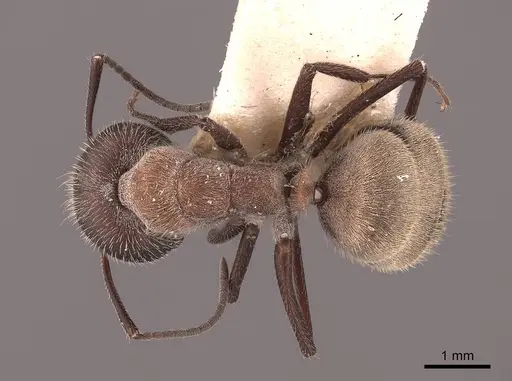
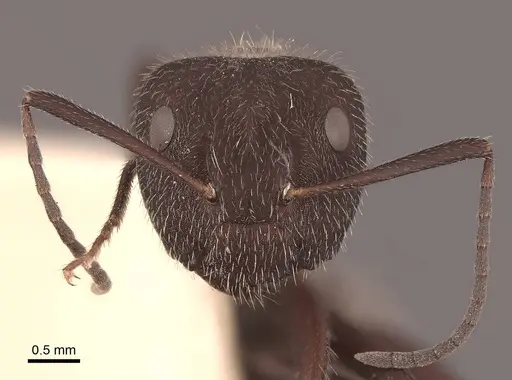
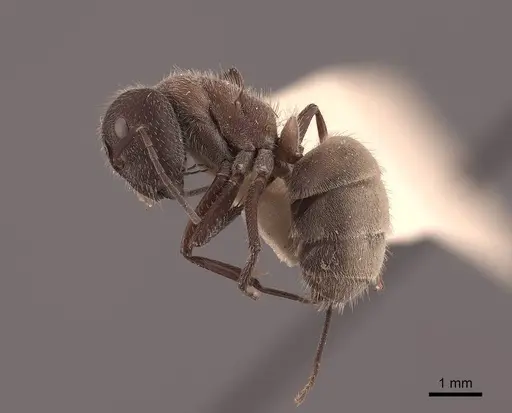
Camponotus ocreatus shows a July to August flight window. Peak activity occurs in July, with nuptial flights distributed across 2 months.
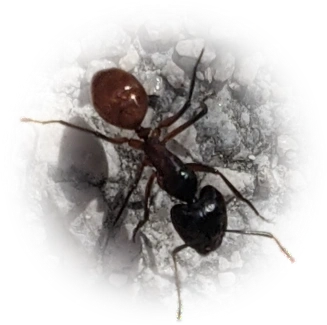
Camponotus ocreatus
- Scientific Name
- Camponotus ocreatus
- Subgenus
- Tanaemyrmex
- Tribe
- Camponotini
- Subfamily
- Formicinae
- Author
- Emery, 1893
- Distribution
- Found in 2 countries
- Nuptial Flight
- from July to August, peaking in July
AI Identifiable
try →
Camponotus ocreatus Overview
Camponotus ocreatus is an ant species of the genus Camponotus. It is primarily documented in 2 countries , including Mexico, United States of America. Detailed taxonomic data and occurrence records can be further explored via authoritative databases such as AntWeb or the Global Biodiversity Information Facility (GBIF).
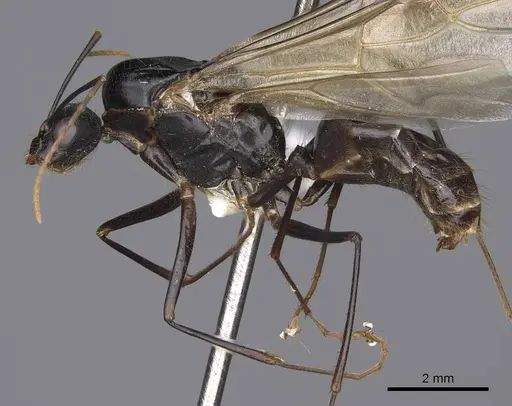
The nuptial flight of Camponotus ocreatus is a significant biological event, typically occurring from July to August, peaking in July. During this time, winged queens and males leave the nest to mate and establish new colonies.
Camponotus ocreatus
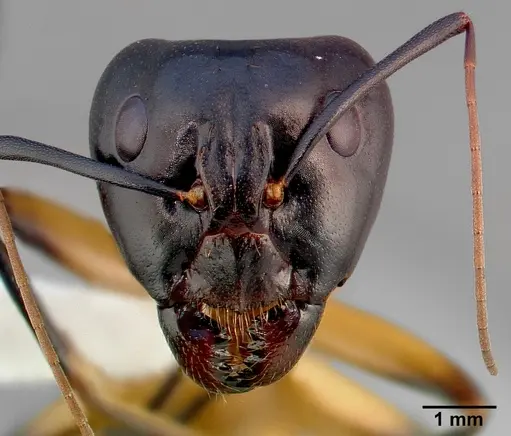
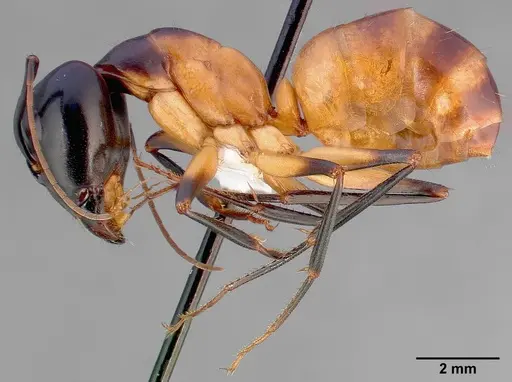
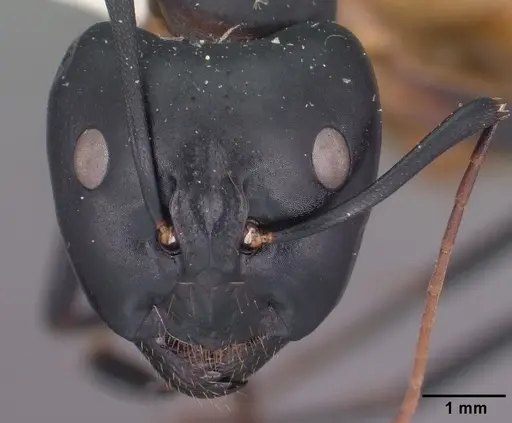
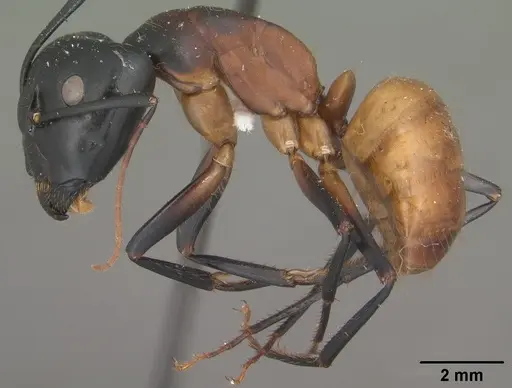
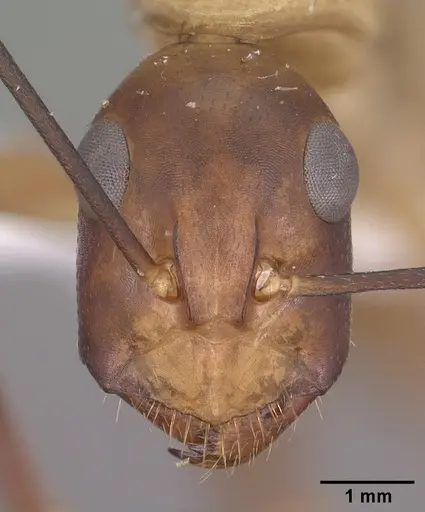
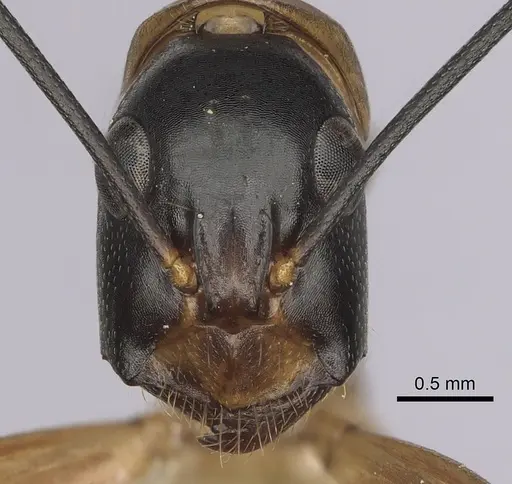
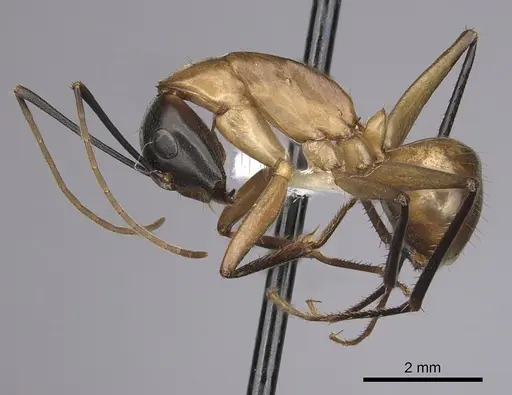
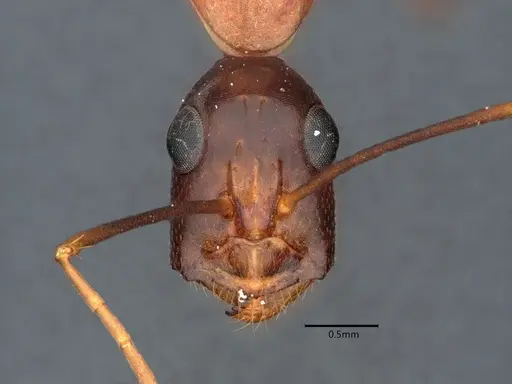
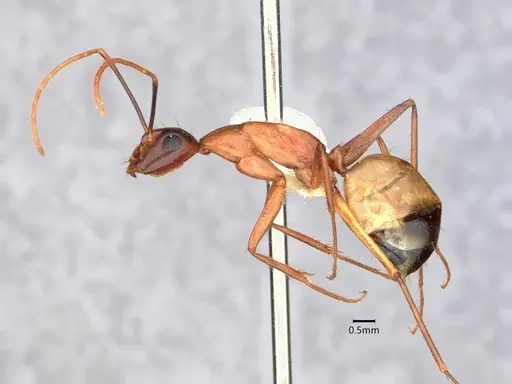
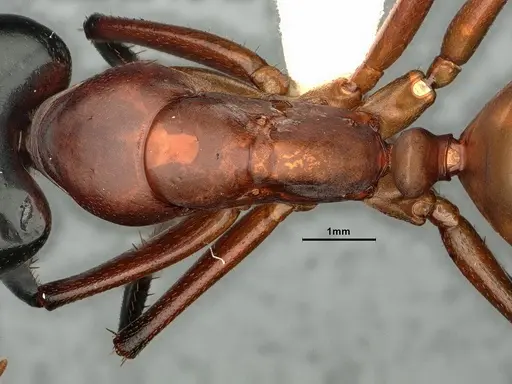
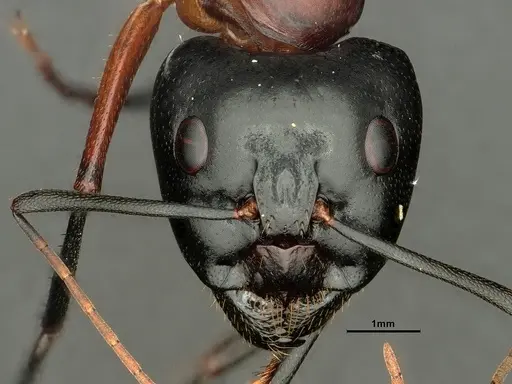
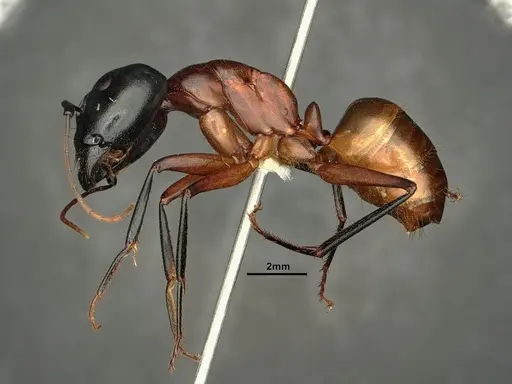
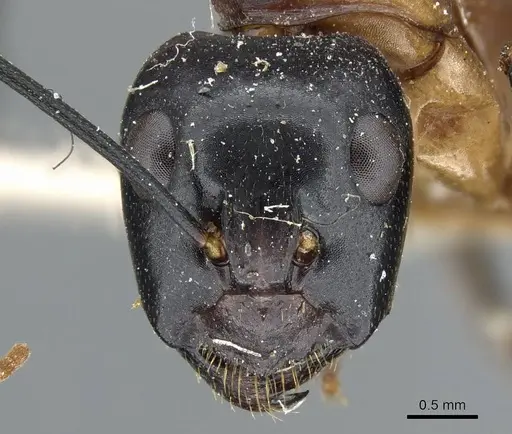
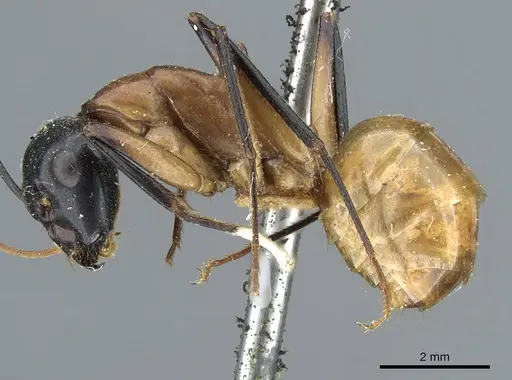
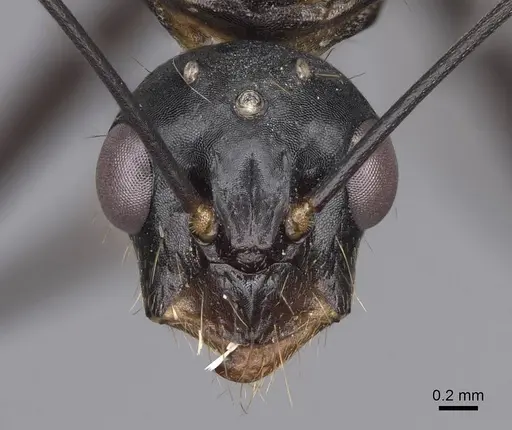
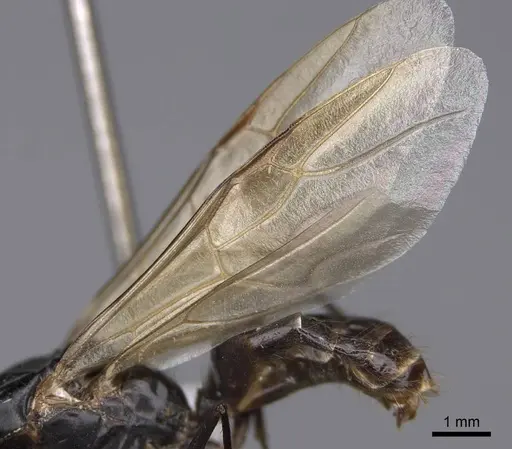
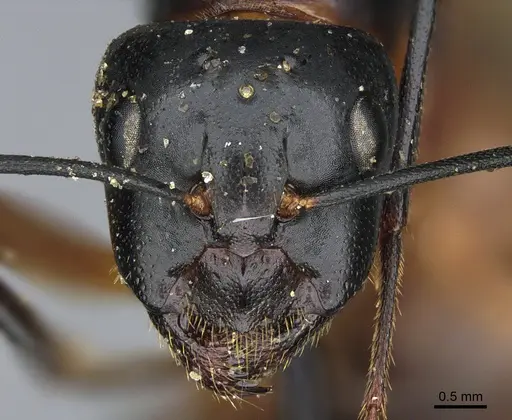
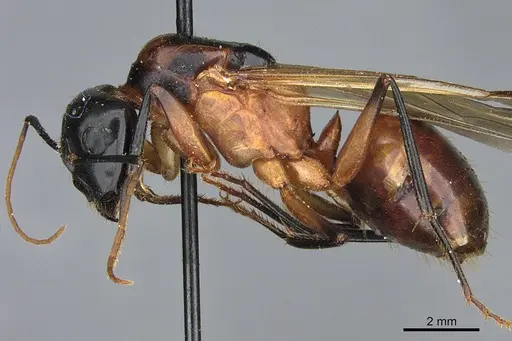
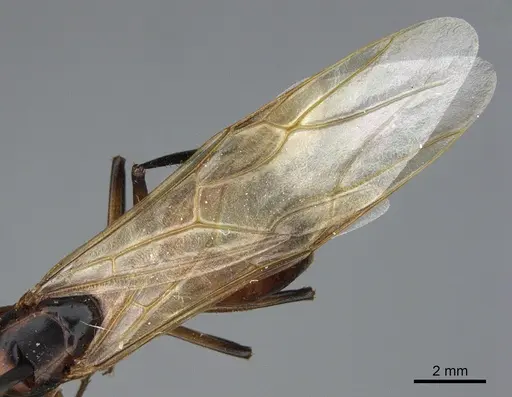
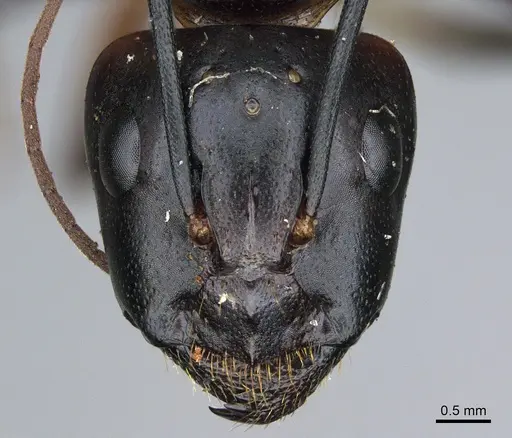
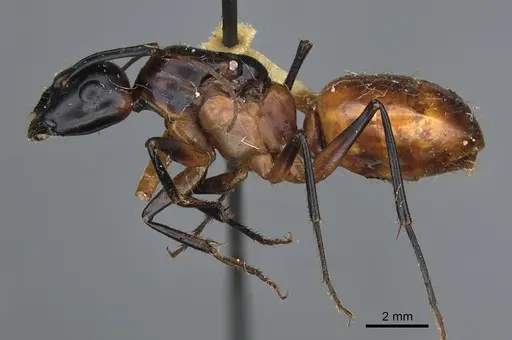
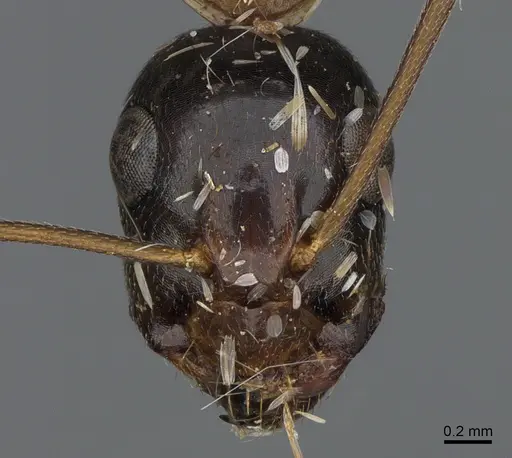
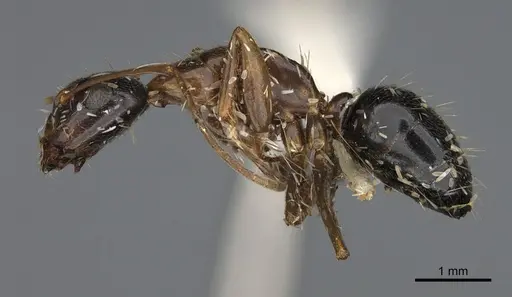
Camponotus ocreatus is a large carpenter ant species native to the southwestern United States and northern Mexico. Workers are dimorphic, with majors reaching about 12mm and minors noticeably smaller. They have a distinctive appearance with a typically black head and brownish body, smooth and shiny gaster, and long antennal scapes that extend well past the back of the head. This species belongs to the subgenus Tanaemyrmex and is closely related to Camponotus acutirostris [1][2].
These ants are primarily nocturnal foragers, active at night across their desert and woodland habitats [3][4]. They have an obligate relationship with Blochmannia bacteria, which live inside their cells and help synthesize amino acids, contributing to the ant's nutrition and size variation among workers [5]. This symbiosis has co-evolved with the Camponotini tribe for approximately 51 million years.
Quick Summary
- Difficulty: Medium
- Origin & Habitat: Native to California, Nevada, Arizona, New Mexico, Texas, and northern Mexico. Found in foothill desert areas, oak-juniper woodland, pinyon pine forests, and riparian canyons. Nests under stones in rocky loam soils on north-facing slopes in partial shade at forest edges [AntWiki][4].
- Colony Type: Monogyne, single queen colonies. Queens mate only once (monandrous), which is unusual among ants and suggests strong kin selection [6].
- Size & Growth:
- Queen: Approximately 12-14mm (estimated based on genus patterns)
- Worker: Majors: 12mm, Minors: 6-8mm [AntWiki][1]
- Colony: Several thousand workers (estimated based on related species)
- Growth: Moderate
- Development: 6-8 weeks (inferred from typical Camponotus development at warm temperatures) (Brood has been found in nests from March to July in the wild, suggesting seasonal breeding [AntWiki].)
- Antkeeping:
- Temperature: Keep nest area at 22-26°C. This species naturally occurs in warm desert and woodland habitats, so moderate heating helps. A heating cable on one side of the nest creates a temperature gradient.
- Humidity: Low to moderate. These ants naturally nest under stones in rocky, well-drained soils. Keep the nest substrate moderately moist but allow it to dry between waterings. Avoid overly damp conditions that can cause mold.
- Diapause: Yes, this species experiences winter in its native range. Provide a cool period around 10-15°C for 2-3 months during winter, mimicking their natural seasonal cycle in the southwestern US [4].
- Nesting: Y-tong (AAC) nests work well, or a naturalistic setup with stones over soil. They prefer tight chambers and narrow passages. Avoid overly humid setups, these are desert-adapted ants that prefer drier conditions than many tropical species.
- Behavior: Nocturnal foragers, they become active after dark, so observe them in the evening or use red lighting. Generally calm temperament but majors will defend the colony aggressively if threatened. They are generalist foragers, accepting both protein and sugar sources. Escape risk is moderate due to their size, standard barriers work well.
- Common Issues: nocturnal activity means you may not see much during daytime hours, colonies can be slow to establish, patience is needed during founding, overheating or excessive humidity can kill colonies faster than other issues, wild-caught colonies may carry parasites like the eucharitid wasp Orasema sp. [10], queens are monandrous so colony founding success depends on properly mated queens
Nuptial Flight Activity Analysis 82 observations
Flight Activity by Hour 82 observations
Camponotus ocreatus nuptial flight activity peaks around 20:00 during the evening. Activity is spread across a 23-hour window (01:00–23:00). Times may be influenced by human observation patterns.
Nest Preferences and Housing
Camponotus ocreatus naturally nests under stones in rocky loam soils, often on north-facing slopes where there's partial shade and protection from direct desert heat [AntWiki][4]. In captivity, they do well in Y-tong (AAC) nests with chambers scaled to their size. The key is providing well-drained conditions, these are desert-adapted ants that don't tolerate constantly damp substrate. A naturalistic setup with flat stones placed over sandy soil also works, mimicking their natural nesting sites. Avoid tall, open spaces, they prefer tight, enclosed chambers. Since they're nocturnal, placing the nest in an area where you can observe during evening hours helps you appreciate their activity patterns.
Feeding and Diet
Like other carpenter ants, C. ocreatus is a generalist feeder. They accept protein sources like mealworms, crickets, and other insects, along with sugar sources such as honey water or sugar water. In the wild, they forage nocturnally and likely scavenge and hunt for small invertebrates [3]. Feed protein prey 2-3 times per week and keep sugar water available constantly. Remove uneaten prey after 24-48 hours to prevent mold. Their Blochmannia endosymbiont helps with nutrition, particularly amino acid synthesis, but they still need a balanced diet from external food sources [5].
Temperature and Seasonal Care
Maintain nest temperatures between 22-26°C. These ants come from warm southwestern habitats where summer temperatures regularly exceed this range, so they handle heat better than cold. A small heating cable on part of the nest creates a gradient that lets ants choose their preferred temperature. During winter, provide a cool period around 10-15°C for 2-3 months, this mimics their natural seasonal cycle and helps maintain healthy colony cycles. In the wild, brood has been found from March to July, suggesting they breed during warmer months [AntWiki]. Do not attempt to breed year-round without seasonal breaks, the hibernation period is important for colony health.
Behavior and Colony Dynamics
This species is nocturnal, with workers primarily foraging after dark [3]. They have dimorphic workers, majors (soldiers) are significantly larger and have specialized brain structures with macroglomeruli for processing pheromones [7][8]. The colony is monogyne with monandrous queens (females mate only once), which is relatively rare among ants and indicates strong kin selection where workers are highly related [6]. Workers police any potential reproductive attempts from other workers, as worker reproductive totipotency has been lost in this species [6][9]. Majors defend the nest and can be recruited to help with large prey items, similar to other carpenter ants.
Health and Parasites
Be aware that C. ocreatus is a known host for the parasitic wasp Orasema sp. (eucharitid wasp), which has been documented in Arizona [10]. Wild-caught colonies may carry these parasites, which can harm or kill the colony. Quarantine and observe any wild-caught colonies before introducing them to your collection. Additionally, like all Camponotus species, they harbor Blochmannia bacteria as an obligate endosymbiont, this is normal and beneficial, not a concern for keepers [5]. The main health issues in captivity come from improper humidity (too wet causes mold, too dry causes desiccation) and temperature stress.
Frequently Asked Questions
How long does it take for Camponotus ocreatus to raise their first workers?
Expect 6-8 weeks from egg to first worker at warm temperatures (around 24-26°C). This is typical for Camponotus species. The queen is claustral, she seals herself in and raises the first brood alone without foraging.
Are Camponotus ocreatus good for beginners?
They are medium difficulty. They're harder than species like Lasius but easier than some tropical species. The main challenges are their nocturnal activity (you won't see much during the day), need for seasonal temperature cycling, and slower founding stage. If you can accommodate their evening activity and winter rest period, they make rewarding colonies.
What do I feed Camponotus ocreatus?
Offer a varied diet: protein (mealworms, crickets, other insects) 2-3 times per week and sugar water or honey water constantly. They are generalist feeders and will accept most standard ant foods.
Do Camponotus ocreatus need hibernation?
Yes. Provide a cool period around 10-15°C for 2-3 months during winter. This species naturally experiences cold winters in parts of its range (elevations in Nevada reach 7,000 ft), so the hibernation period is important for colony health.
Can I keep multiple Camponotus ocreatus queens together?
No. This species is monogyne, colonies have a single queen. Unlike some ants that can form multi-queen colonies, C. ocreatus establishes single-queen territories. Only keep one queen per colony.
Why are my Camponotus ocreatus only active at night?
This is normal behavior. C. ocreatus is nocturnal, meaning they forage and are most active after dark [3]. Use red lighting if you want to observe them without disturbing their natural rhythms, or simply enjoy their activity in the evening hours.
When should I move my colony to a formicarium?
Wait until the colony has at least 20-30 workers and is actively foraging. For Camponotus ocreatus, this typically takes 1-2 years from founding. Moving them too early can stress the colony. A test tube setup works fine for the first year or two.
How big do Camponotus ocreatus colonies get?
Based on related species, expect colonies to reach several thousand workers over several years. They are slow but persistent growers. A healthy established colony can have 2000-4000+ workers.
Why are my ants dying during hibernation?
Common causes include keeping them too wet (leads to fungal growth), temperatures that fluctuate wildly, or disturbing them too often. Keep hibernation setup stable, moderately dry, and in a dark, quiet location. Check moisture monthly but otherwise leave them alone.
Report an Issue
The current care sheet is based fully on literature. See inconsistencies, or something that's incorrect? Please , it will be resolved after review from an admin. Contributing to the blogs tab also helps providing information, to make us be able to further improve the caresheets. Thank you for your support!
References

This caresheet is licensed under CC BY-SA 4.0 .
CASENT0005348
View on AntWeb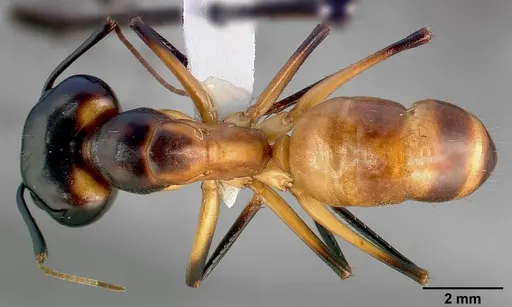
CASENT0102777
View on AntWeb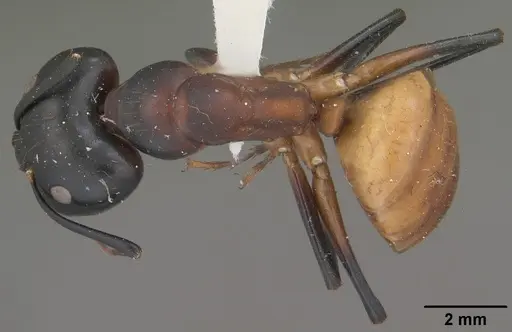
CASENT0102778
View on AntWeb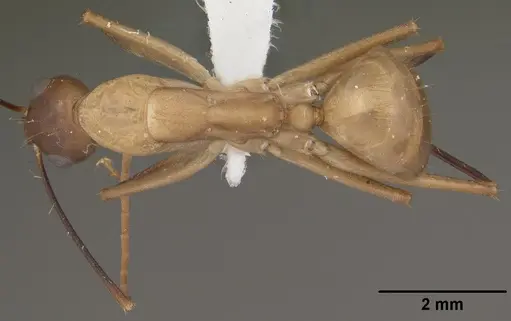
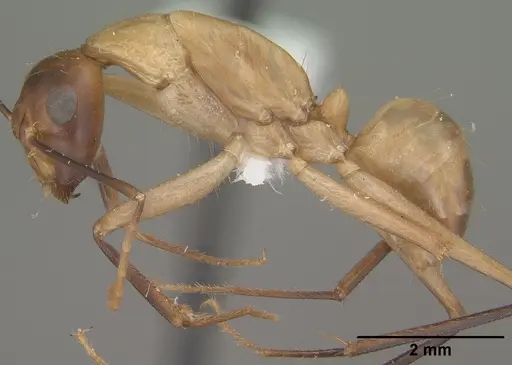
CASENT0280035
View on AntWeb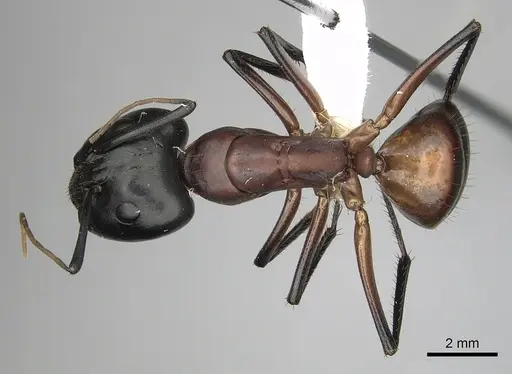
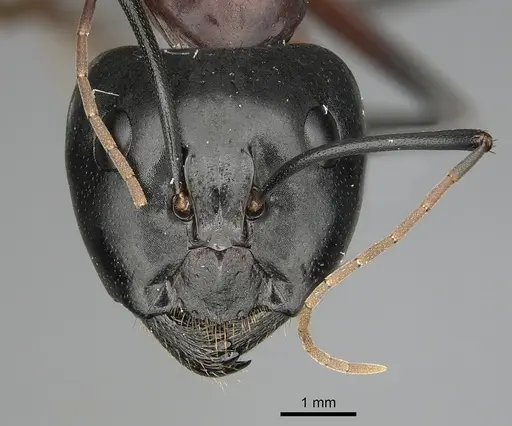
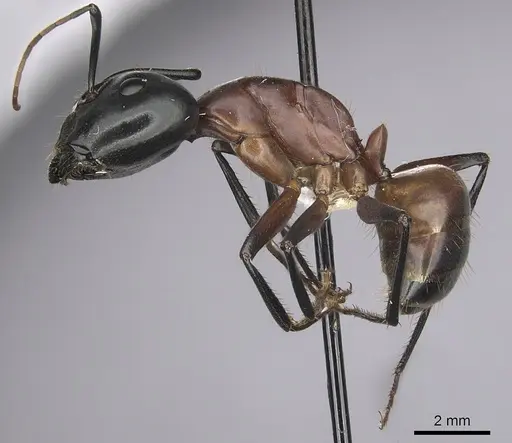
CASENT0280036
View on AntWeb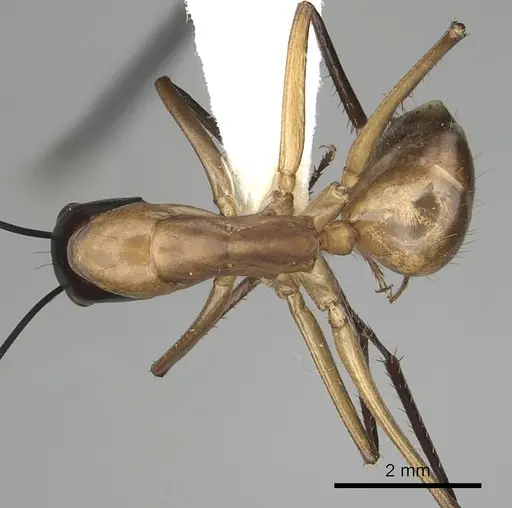
CASENT0882186
View on AntWeb
CASENT0884090
View on AntWeb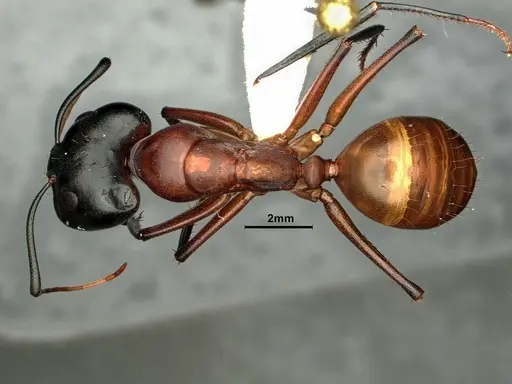
CASENT0905194
View on AntWeb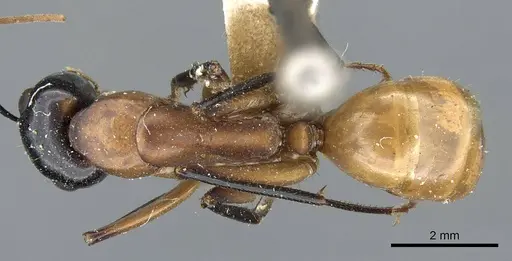
CASENT0923091
View on AntWeb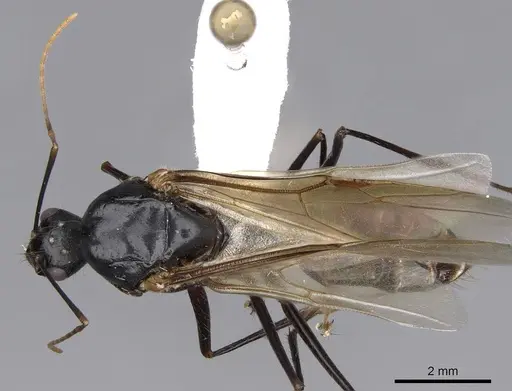
CASENT0923693
View on AntWeb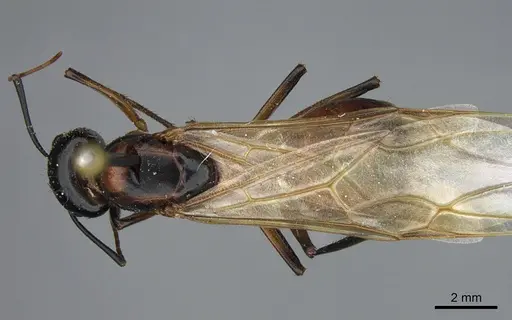
CASENT0923694
View on AntWeb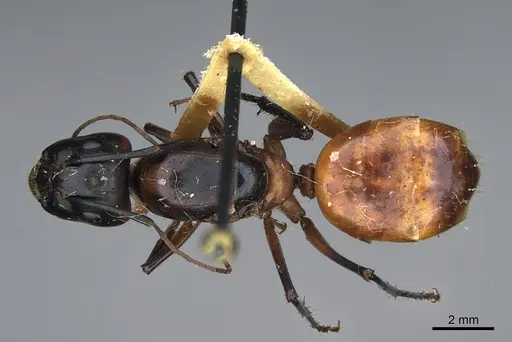
CASENT0923695
View on AntWeb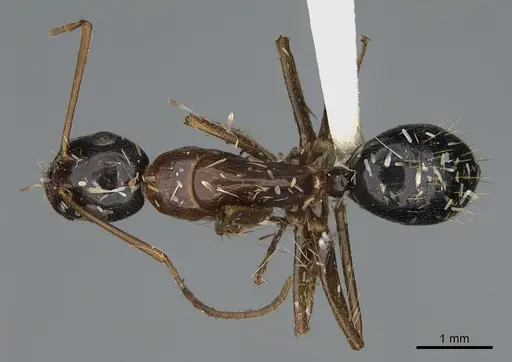
FMNHINS0000062299
View on AntWeb