

Camponotus acutirostris
- Scientific Name
- Camponotus acutirostris
- Subgenus
- Tanaemyrmex
- Tribe
- Camponotini
- Subfamily
- Formicinae
- Author
- Wheeler, 1910
- Distribution
- Found in 2 countries
Camponotus acutirostris Overview
Camponotus acutirostris is an ant species of the genus Camponotus. It is primarily documented in 2 countries , including Mexico, United States of America. Detailed taxonomic data and occurrence records can be further explored via authoritative databases such as AntWeb or the Global Biodiversity Information Facility (GBIF).
Camponotus acutirostris
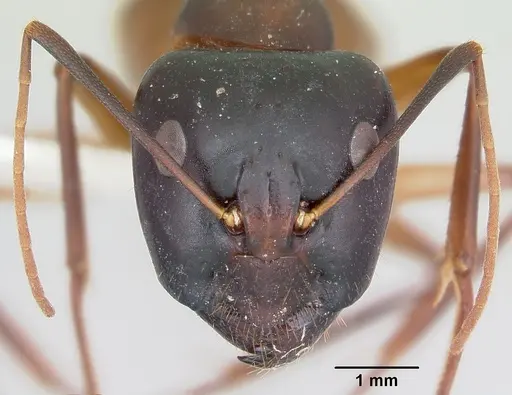
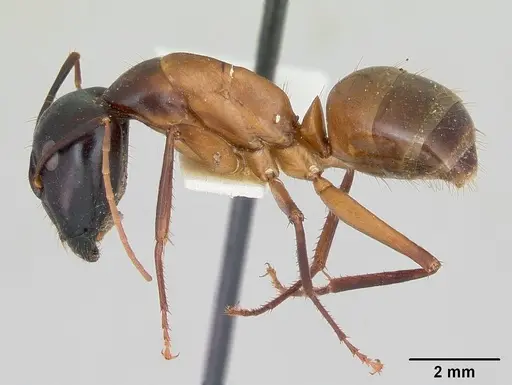
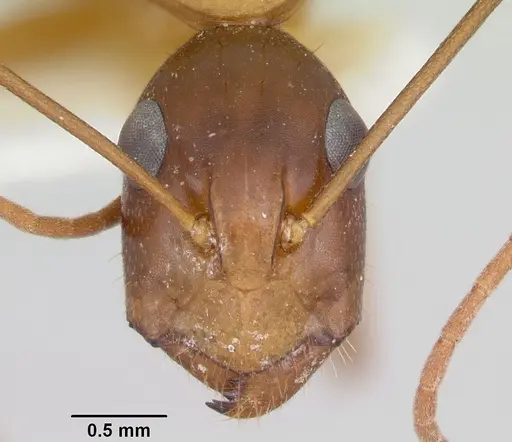
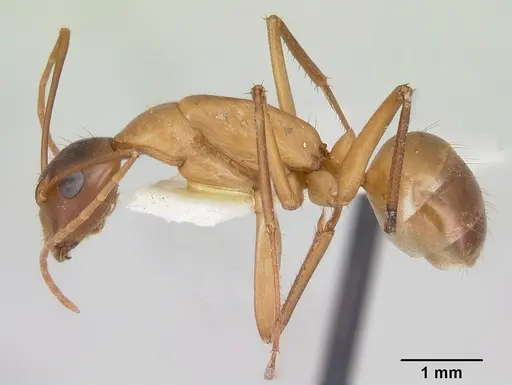
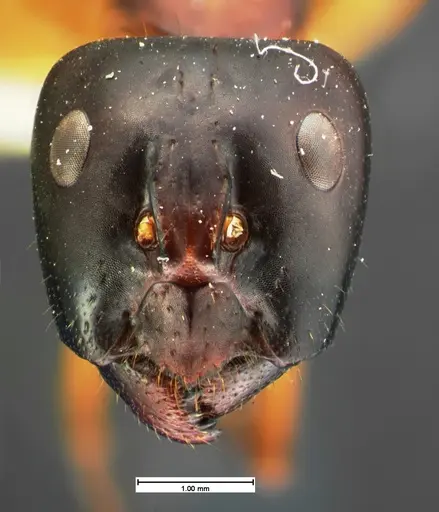
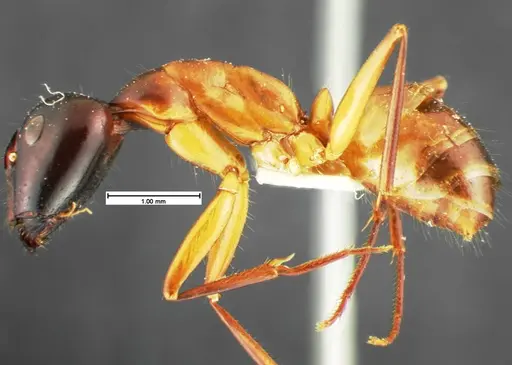
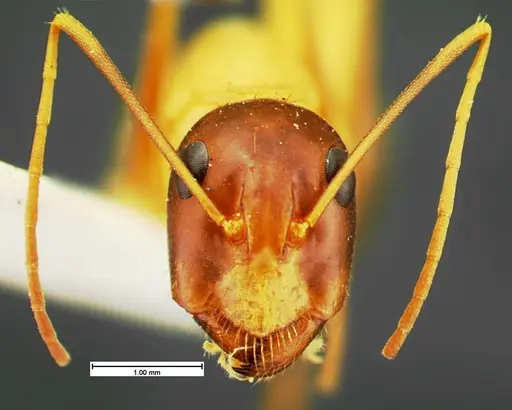
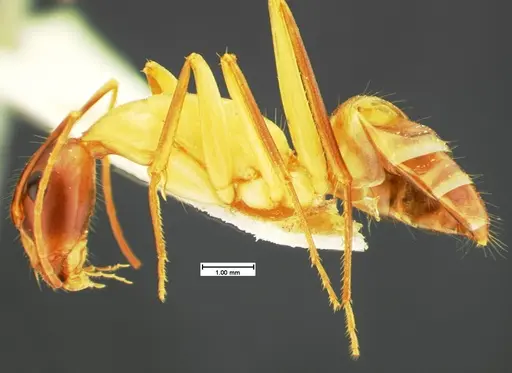
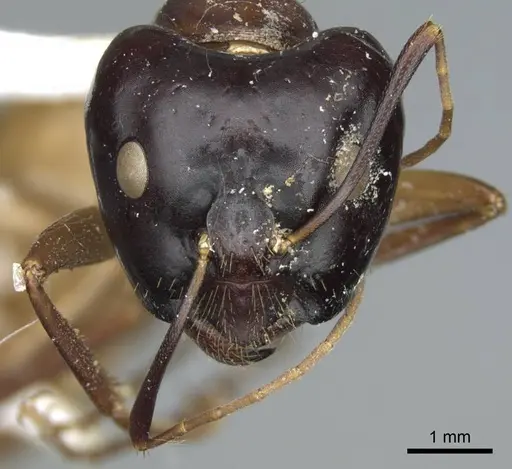
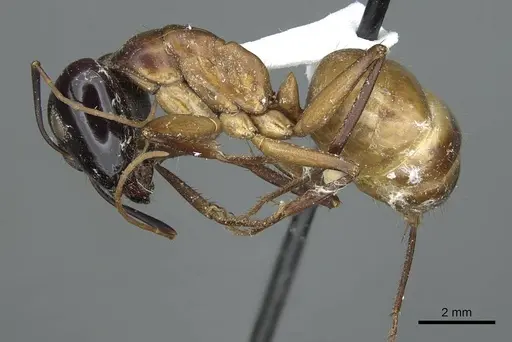
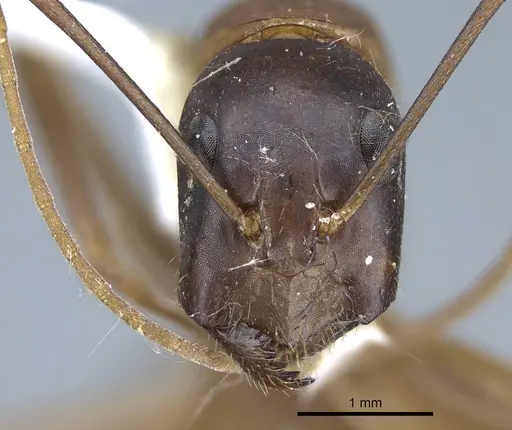
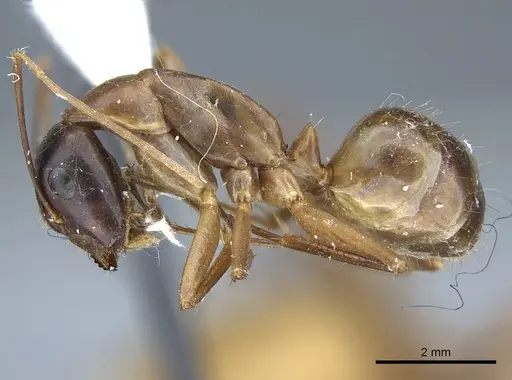
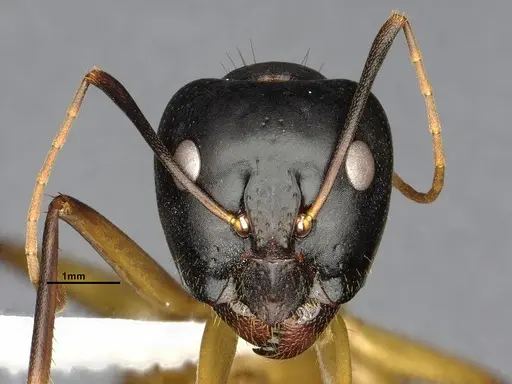
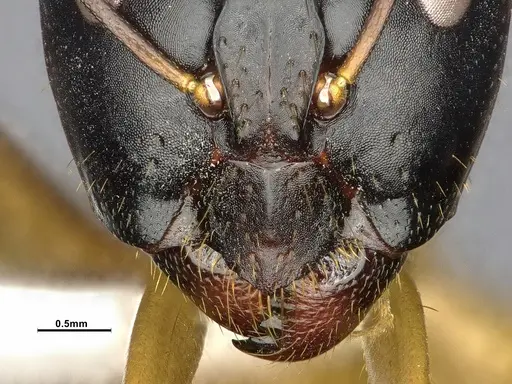
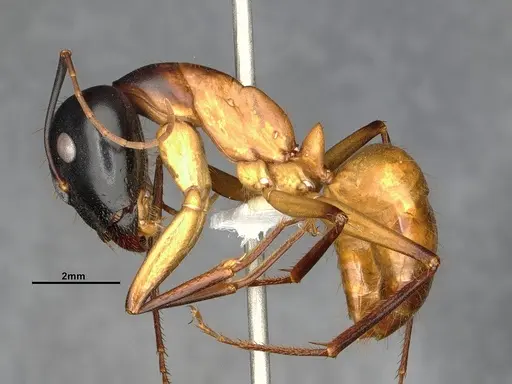
Camponotus acutirostris is a large carpenter ant native to the southwestern United States and northern Mexico. Major workers reach 12-13mm and are easily recognized by their distinctive beak-like clypeus, a sharpened, pointed projection extending from the front of the head. The head is notably wide, and majors have 10 or more erect hairs on the cheeks and malar area. Coloration is striking: majors have a black head with deep red mandibles and clypeus, while the thorax and legs are yellowish brown. Minors are smaller at 7.5-9mm and appear duller yellow overall. This species nests under stones in rocky gravel areas at elevations between 1560-2300 meters, found in pinyon-juniper forests, oak forests, and pine forests across New Mexico, Arizona, Texas, and Chihuahua, Mexico [1].
Quick Summary
- Difficulty: Medium
- Origin & Habitat: Southwestern United States (New Mexico, Arizona, Texas) and northern Mexico (Chihuahua). Found in pinyon-juniper forests, oak forests, and pine forests at 1560-2300m elevation. Nests under stones in areas of rocky gravel in mesic sites within semiarid regions [1][2][3].
- Colony Type: Single-queen colonies (monogyne), typical for Camponotus species. Queens are large at 13mm and likely claustral, sealing themselves in to raise first workers alone.
- Colony: Monogyne
- Founding: Claustral
- Size & Growth:
- Queen: 13mm [1]
- Worker: Major: 12-13mm, Minor: 7.5-9mm [1]
- Colony: Unknown for this species, but typical Camponotus colonies reach several thousand workers [1]
- Growth: Moderate, typical for large Camponotus species
- Development: 6-10 weeks (estimated based on typical Camponotus development at warm temperatures) (Brood has been found in nests during March, suggesting spring development. Development time is temperature-dependent, warmer conditions accelerate growth.)
- Antkeeping:
- Temperature: Keep nest area at 20-26°C. A heating cable on one side creates a gentle gradient. This species tolerates cooler temperatures given its high-elevation habitat, but optimal development occurs in the low-to-mid 20s°C range.
- Humidity: Moderate humidity. Their natural habitat in pinyon-juniper forests experiences variable moisture. Keep the nest substrate slightly moist but not waterlogged. Provide a water test tube as a constant moisture source.
- Diapause: Yes, this species originates from high elevations in the American Southwest with distinct seasons. Provide a winter rest period of 8-12 weeks at 5-10°C (like a refrigerator or cold garage) during winter months.
- Nesting: Test tubes work well for founding colonies. Once established, transfer to a Y-tong (AAC) or plaster formicarium with chambers scaled to their large size. They naturally nest under stones in compact soil/gravel, so provide a compact, dark nesting environment. Avoid overly humid conditions that can cause mold.
- Behavior: Typical Camponotus temperament, generally calm and not aggressive. Workers are moderately active foragers. Major workers are large and can defend the colony effectively. Escape prevention is important given their size, they can climb smooth surfaces but are not particularly adept at escaping like some smaller species. They are primarily nocturnal foragers in nature, so they may be most active in evening hours.
- Common Issues: colonies may grow slowly during the first year, patience is required, overfeeding can lead to mold in test tube setups, hibernation failure if temperatures are too warm during winter rest, major workers are large and can crush brood if handled roughly during transfers
Nest Preferences
In the wild, Camponotus acutirostris nests under stones in areas of rocky gravel at elevations between 1560-2300 meters. The nests are typically in compact soil, taking advantage of the stable temperature and moisture conditions under stones. For captive care, start with a standard test tube setup for the founding queen, fill one end with water, plug with cotton, and place the queen in the dry portion. Once the colony has 10+ workers, you can transfer to a more permanent formicarium. Y-tong (AAC) nests work well because they provide dark, compact chambers that mimic the under-stone environment. Plaster nests are another good option, as they hold humidity steadily. Avoid naturalistic setups with large open spaces, these ants prefer tight, enclosed spaces. The nest should be kept in darkness or covered to encourage the ants to use the chambers. [1]
Feeding and Diet
Like other Camponotus species, these ants are omnivorous. Queens primarily rely on stored fat reserves during claustral founding, so the founding chamber needs no food. Once workers emerge, offer a varied diet. Sugar sources are essential, a drop of sugar water (1:3 sugar to water ratio) or honey should be available constantly. For protein, offer small insects like fruit flies, mealworms, or crickets. Feed protein 2-3 times per week, adjusting based on colony size and consumption. Remove uneaten prey after 24-48 hours to prevent mold. This species is not known to be particularly specialized in diet, so standard carpenter ant feeding protocols apply. Workers will typically forage at night, so place food in the evening and check in the morning.
Temperature and Seasonal Care
Camponotus acutirostris comes from high-elevation habitats in the Southwest, so they can tolerate a range of temperatures. Keep the nest area at 20-26°C for optimal brood development. A temperature gradient is ideal, allow the ants to choose their preferred zone. During summer, room temperature is often sufficient. In winter, provide a diapause (hibernation) period of 8-12 weeks at 5-10°C. This can be achieved by moving the colony to a refrigerator or cold garage. The diapause is important for colony health and triggers reproductive cycles. Do not skip hibernation for established colonies, this can lead to stress and reduced lifespan. Brood development slows significantly below 18°C, so avoid cold drafts during the active season. [1]
Behavior and Colony Dynamics
This species exhibits typical Camponotus behavior. Colonies are peaceful and workers are not particularly aggressive toward keepers. Major workers, with their large size and distinctive beak-like clypeus, serve as the colony's defenders and can handle larger prey. Workers are moderately active and will establish foraging trails once the colony reaches moderate size. The species is not known for unusual behaviors like slave-making or temporary parasitism. Colonies grow moderately, expect the first year to focus on establishing the colony, with more rapid growth in years two and three. The queen can live for many years, and colonies can eventually reach several thousand workers. Major workers appear once the colony reaches several hundred workers. [1]
Frequently Asked Questions
How long does it take for Camponotus acutirostris to produce first workers?
Expect 6-10 weeks from egg to first worker (nanitic) at optimal temperatures (around 24-26°C). This is typical for Camponotus species. The queen will seal herself in and not leave the chamber until workers emerge.
What do Camponotus acutirostris ants eat?
They eat standard ant foods: sugar water or honey for carbohydrates, and small insects like fruit flies, mealworms, or crickets for protein. Offer sugar constantly and protein 2-3 times per week.
Do Camponotus acutirostris ants need hibernation?
Yes, they do. This species comes from high-elevation habitats in the Southwest with distinct seasons. Provide 8-12 weeks of winter rest at 5-10°C each year. This helps maintain colony health and triggers natural reproductive cycles.
How big do Camponotus acutirostris colonies get?
Colony size is not specifically documented for this species, but typical Camponotus colonies reach several thousand workers. Growth is moderate, expect 1-2 years to establish, then more rapid expansion.
What is the best nest type for Camponotus acutirostris?
Test tubes work well for founding colonies. Once established with 10+ workers, transfer to a Y-tong (AAC) or plaster formicarium. They prefer dark, compact chambers, avoid large open naturalistic setups.
Are Camponotus acutirostris good for beginners?
This species is medium difficulty. They are more forgiving than some tropical species due to their tolerance for cooler temperatures, but they require patience during the founding stage and need proper hibernation. They are not as common in the hobby as species like Camponotus pennsylvanicus, so finding a queen may be challenging.
What temperature should I keep Camponotus acutirostris at?
Keep nest temperatures between 20-26°C. The low-to-mid 20s°C range is ideal for brood development. A heating cable on one side of the nest creates a gradient so ants can choose their preferred temperature.
Where is Camponotus acutirostris found in the wild?
This species is native to the southwestern United States (New Mexico, Arizona, Texas) and northern Mexico (Chihuahua). They live in pinyon-juniper forests, oak forests, and pine forests at elevations between 1560-2300 meters, nesting under stones in rocky gravel.
When should I move my Camponotus acutirostris colony to a formicarium?
Wait until the colony has at least 10-15 workers and the test tube is becoming crowded. The outworld (foraging area) should be large enough for the colony size. For Camponotus acutirostris, this is typically 6-12 months after founding.
References

This caresheet is licensed under CC BY-SA 4.0 .
CASENT0103413
View on AntWeb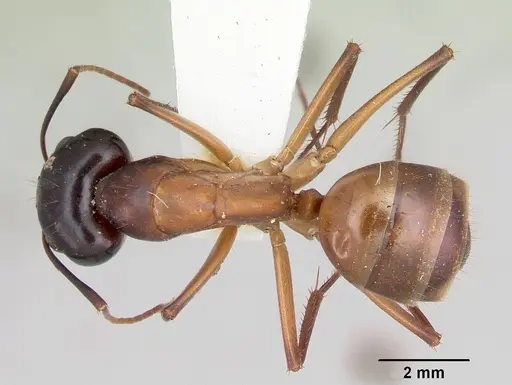
CASENT0103414
View on AntWeb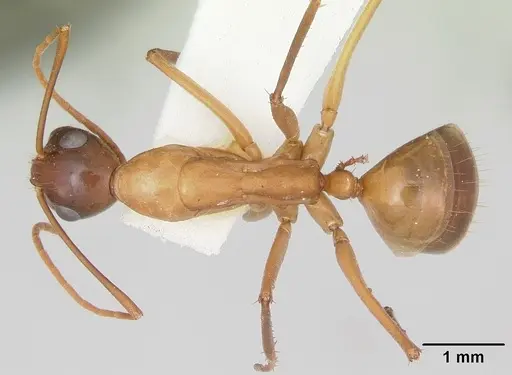
CASENT0105582
View on AntWeb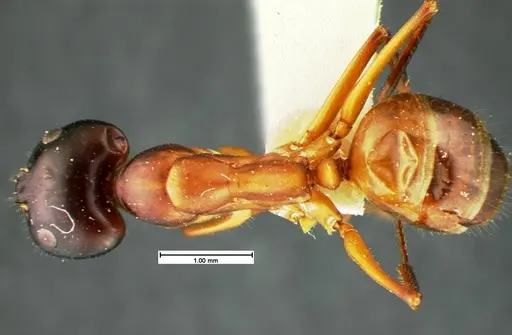
CASENT0105583
View on AntWeb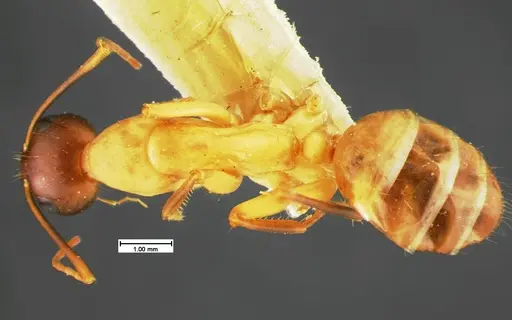
CASENT0914438
View on AntWeb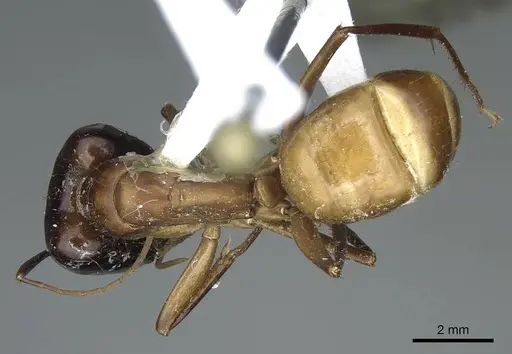
CASENT0914439
View on AntWeb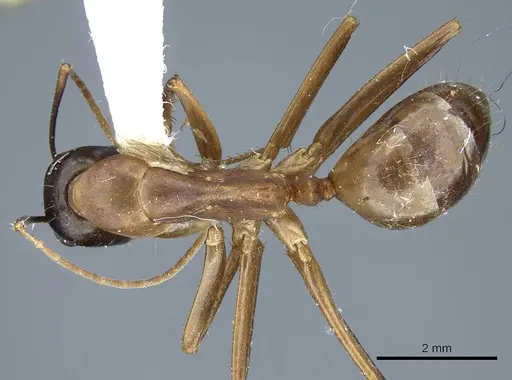
CASENT4032215
View on AntWeb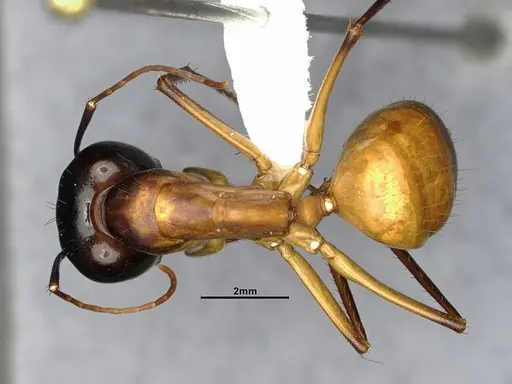
Literature
Loading...Loading products...