
Camponotus obscuripes shows a May to June flight window. Peak activity occurs in May, with nuptial flights distributed across 2 months.
Camponotus obscuripes
- Scientific Name
- Camponotus obscuripes
- Tribe
- Camponotini
- Subfamily
- Formicinae
- Author
- Mayr, 1879
- Distribution
- Found in 2 countries
- Nuptial Flight
- from May to June, peaking in May
AI Identifiable
try →
Camponotus obscuripes Overview
Camponotus obscuripes is an ant species of the genus Camponotus. It is primarily documented in 2 countries , including Japan, Korea, Republic of. Detailed taxonomic data and occurrence records can be further explored via authoritative databases such as AntWeb or the Global Biodiversity Information Facility (GBIF).
The nuptial flight of Camponotus obscuripes is a significant biological event, typically occurring from May to June, peaking in May. During this time, winged queens and males leave the nest to mate and establish new colonies.
Camponotus obscuripes
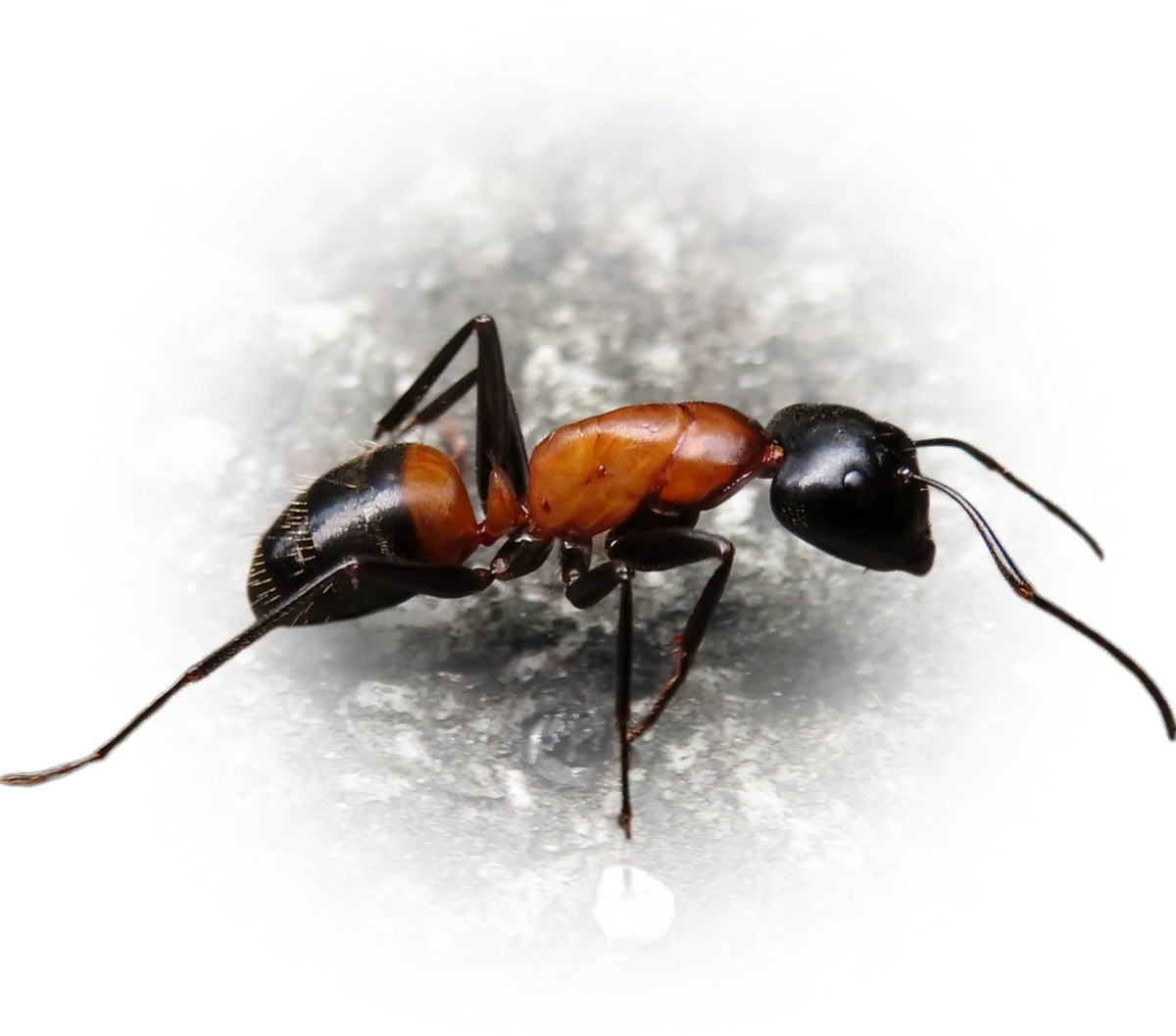
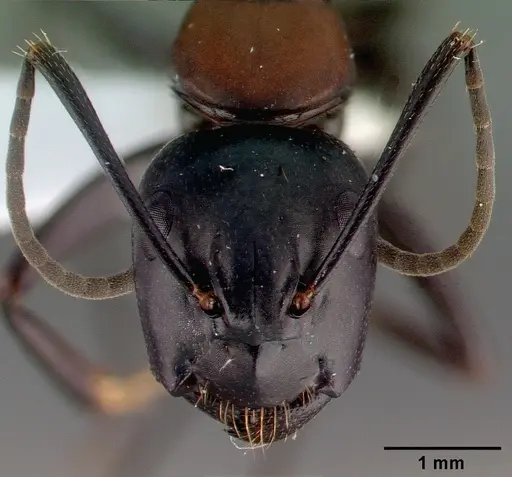
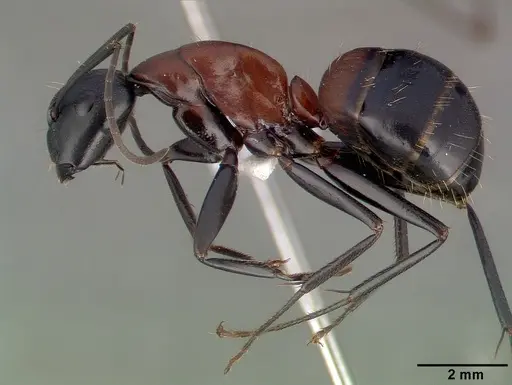
Camponotus obscuripes is a large carpenter ant native to East Asia, found across Japan, Korea, and the Russian Far East. Workers measure 7-12mm and have a distinctive bicolored appearance, the mesosoma, petiole, and base of the abdomen are red to reddish-brown while the rest of the body is black [1]. This species closely resembles Camponotus hemichlaena but can be distinguished by its red pronotum (the pronotum is black in hemichlaena) [1]. Color variation exists across populations, with high mountain populations tending to be darker than lowland ones [1].
This ant is a known host species for the socially parasitic spiny ant Polyrhachis lamellidens, which temporarily parasitizes C. obscuripes colonies [2]. It is also notable for its complex chemical communication, researchers have studied its alarm pheromone (primarily undecane) and how its brain processes these signals [3]. The species shows interesting allometric development where the first workers (nanitics) have distinctly different body proportions compared to mature workers, almost functioning as a separate caste [4].
Quick Summary
- Difficulty: Medium
- Origin & Habitat: Native to East Asia, found in Japan (Hokkaido, Honshu, Shikoku, Kyushu), Korea, and the Russian Far East (Sakhalin, Kuril Islands) [1][5]. Inhabits forested areas from lowland to mountain zones, nesting in dead portions of standing trees or rotting wood [1].
- Colony Type: Single-queen (monogyne) colonies. Free-living colonies average around 1 queen and 300 workers [2]. The species shows diphasic allometry, nanitics (first workers) have different body proportions than mature workers [4].
- Colony: Monogyne
- Founding: Claustral
- Size & Growth:
- Queen: Likely 12-15mm based on typical Camponotus genus patterns
- Worker: 7-12mm [1]
- Colony: Around 300 workers on average in wild colonies [2]
- Growth: Moderate, typical for Camponotus species
- Development: 6-8 weeks (estimated based on typical Camponotus development at warm temperatures) (Nanitics emerge with distinctly different allometric proportions compared to mature workers, they have relatively longer antennae which likely helps them communicate with larger colony members [4])
- Antkeeping:
- Temperature: Keep at 20-26°C. This is a temperate species from northern Japan that can tolerate cooler conditions but develops best in the low-to-mid 20s°C range. A heating cable on one side of the nest creates a gradient allowing ants to self-regulate.
- Humidity: Moderate humidity around 50-60%. These ants nest in rotting wood, so they prefer slightly moist nest conditions but not wet. Provide a water tube and allow the nest to dry slightly between rehydrations.
- Diapause: Yes, as a temperate species from Japan, this ant requires a winter dormancy period. Reduce temperature to 5-10°C for 3-4 months during winter (roughly November-February in the Northern Hemisphere).
- Nesting: In nature they nest in dead wood and rotting tree stumps [1][6]. In captivity, they do well in wood/plaster nests or Y-tong (AAC) formicariums. They prefer narrow chambers and appreciate having multiple connected chambers for brood sorting. Avoid overly wet substrates as they prefer moderately damp conditions.
- Behavior: This is a moderately aggressive carpenter ant. Workers are active foragers that can deliver a painful bite if threatened. They communicate heavily through chemical signals, their alarm pheromone is primarily undecane [3]. They are not particularly escape-prone compared to smaller ants, but use standard Fluon barriers as precaution. Workers are commonly found foraging in both forest and grassland habitats [7]. They attend aphids for honeydew and are known to associate with Cinara aphids on pine trees.
- Common Issues: colonies may fail if not given proper winter dormancy, this temperate species needs hibernation to trigger proper reproductive cycles, wild-caught colonies can carry parasites including Ophiocordyceps fungi (zombie ant fungus) that can infect and kill colonies [8], nanitics are smaller than typical workers and may be mistaken for a struggling colony, this is normal for the species [4], wood nests can dry out too quickly, monitor moisture levels and rehydrate before the substrate cracks, queenless fragments may be attacked by parasitic species like Polyrhachis lamellidens if kept in mixed colonies [2]
Nuptial Flight Activity Analysis 62 observations
Flight Activity by Hour 62 observations
Camponotus obscuripes nuptial flight activity peaks around 14:00 during the afternoon. Activity is spread across a 19-hour window (01:00–19:00). A secondary activity peak occurs around 09:00. Times may be influenced by human observation patterns.
Nest Preferences and Setup
Camponotus obscuripes naturally nests in dead portions of standing trees and rotting wood [1]. In captivity, they do well in wood-based formicariums, Y-tong (AAC) nests, or plaster nests that can hold some moisture. They prefer chambers scaled to their 7-12mm worker size, not too large, but enough space for the colony to organize brood. Multiple connected chambers work better than single large rooms, as this allows the ants to sort their brood and cache food. Avoid very wet substrates, these ants prefer moderately damp conditions similar to rotting wood, not saturated soil. A water tube connected to the nest helps maintain appropriate humidity without over-wetting.
Feeding and Diet
Like other carpenter ants, C. obscuripes is omnivorous. They readily accept sugar sources (honey water, sugar water) and protein foods. In the wild, they tend aphids for honeydew and are known to specifically attend Cinara laricicola aphids in pine environments. They also forage for insects and other small prey. Feed them a varied diet: offer sugar water constantly (via a cotton ball or feeder), and provide protein sources like mealworms, crickets, or other insects 2-3 times per week. Remove uneaten prey after 24-48 hours to prevent mold. Given their association with aphids in the wild, they likely have gut bacteria adapted for processing honeydew sugars, sugar sources are definitely accepted. [1]
Temperature and Seasonal Care
This is a temperate species from northern Japan that requires distinct seasonal care. Keep colonies at 20-26°C during the active season (low-to-mid 20s°C is ideal). During winter, they need a diapause period of 3-4 months at cold temperatures (5-10°C). This winter dormancy is essential for triggering proper reproductive cycles, colonies that are kept warm year-round may not produce new reproductives. You can simulate hibernation by moving the colony to a cold garage or refrigerator (not freezing) from roughly November through February. Nuptial flights occur from May to June in lowlands and until August in mountains in the wild [1], so timing your hibernation to end in late spring allows for proper mating flights.
Behavior and Defense
Workers of C. obscuripes are moderately aggressive and will defend their nest vigorously if threatened. They communicate heavily through chemical signals, their alarm pheromone is primarily undecane (over 95% of Dufour gland secretion) [3]. When alarmed, workers release this pheromone to alert nestmates and coordinate a defensive response. They can deliver a painful bite with their strong mandibles, though they are not as aggressive as some other Camponotus species. In terms of escape prevention, they are moderate risk, they are large enough that standard barriers work well, but ensure your formicarium has tight-fitting lids and apply Fluon to any exposed edges. They are primarily nocturnal foragers but will forage during the day if food is available.
Growth and Development
One of the most interesting aspects of C. obscuripes is its allometric development. The first workers (nanitics) that emerge have distinctly different body proportions compared to mature workers, specifically, they have relatively longer antennae [4]. This is thought to help them communicate with the larger queen and workers since they are so much smaller. The nanitics show different allometric slopes for multiple body measurements compared to mature workers, effectively functioning as a distinct sub-caste [4]. Development from egg to worker takes approximately 6-8 weeks at optimal temperatures, which is typical for Camponotus species. Colonies grow moderately, expect the first 10-20 workers (nanitics) to emerge over several months, then steady growth to several hundred workers over 2-3 years.
Health and Common Problems
Wild-caught colonies of C. obscuripes may carry several health risks. They are a known host for Ophiocordyceps fungi (zombie ant fungi), including Ophiocordyceps pulvinata, which can infect and kill colonies [8]. If you collect a colony from the wild, quarantine it and monitor for unusual behavior or fungal growth. Another concern is parasitism by other ants, this species is a known host for the temporary social parasite Polyrhachis lamellidens, which can invade and take over colonies [2]. Finally, as a temperate species, improper winter care is one of the most common causes of colony failure, they must have a proper dormancy period to remain healthy long-term.
Frequently Asked Questions
How long does it take for Camponotus obscuripes to produce first workers?
Expect first workers (nanitics) to emerge 6-8 weeks after the queen lays eggs, assuming temperatures around 24-26°C. The nanitics will be smaller than mature workers and have relatively longer antennae, this is normal for the species [4].
Do Camponotus obscuripes ants need hibernation?
Yes, this is essential. As a temperate species from northern Japan, C. obscuripes requires a winter dormancy period of 3-4 months at 5-10°C. Skip hibernation and your colony may fail to produce reproductives or decline over time. Reduce temperature in late fall and allow a natural spring emergence.
What do Camponotus obscuripes eat?
They are omnivorous. Offer sugar water or honey constantly, and provide protein sources like mealworms, crickets, or other insects 2-3 times weekly. They are known to attend aphids in the wild, so sugar sources are definitely accepted.
Are Camponotus obscuripes good for beginners?
They are medium difficulty, more challenging than simple species like Lasius but manageable for intermediate antkeepers. They require proper winter dormancy and can be aggressive, but their size makes them forgiving of minor husbandry mistakes. They are not recommended as a first ant but are excellent for those who have kept Lasius or similar species.
What size nest do Camponotus obscuripes need?
Use a nest with chambers scaled to their 7-12mm worker size. Y-tong (AAC), wood, or plaster nests work well. They prefer multiple connected chambers for brood sorting and do best with moderate humidity, damp but not wet, similar to rotting wood [1].
How big do Camponotus obscuripes colonies get?
Wild colonies average around 300 workers [2]. In captivity, well-maintained colonies can reach several hundred workers over 2-3 years. They are not a supercolony species, expect moderate-sized colonies rather than the thousands seen in some ants.
Can I keep multiple Camponotus obscuripes queens together?
No, this is a monogyne (single-queen) species. Multiple unrelated queens will fight. Only keep one queen per colony. If you find a queen during nuptial flights (May-June in lowlands, until August in mountains), set her up alone in a founding setup [1].
Why are my Camponotus obscuripes nanitics so small?
This is completely normal! C. obscuripes has diphasic allometry, the first workers (nanitics) emerge with distinctly different body proportions than mature workers, including relatively longer antennae [4]. This is thought to help the small nanitics communicate with the much larger queen and workers. They will produce normally-sized workers once the colony is established.
When do Camponotus obscuripes nuptial flights happen?
In the wild, nuptial flights occur from May to June in lowland areas and continue until August at higher elevations [1]. If you're keeping this species, time your colony's dormancy to end in late spring to allow for proper mating flights.
What temperature is best for Camponotus obscuripes?
Keep them at 20-26°C during the active season, with 24-26°C being ideal for growth. They can tolerate cooler temperatures (down to around 15°C) but development slows significantly. A heating cable on one side of the nest creates a gradient they can self-regulate within.
References

This caresheet is licensed under CC BY-SA 4.0 .
CASENT0008633
View on AntWeb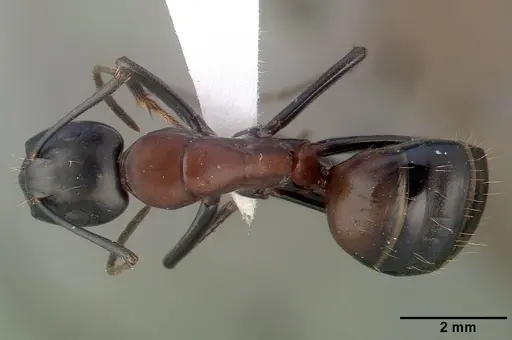
Literature
Loading...Loading products...