

Camponotus novaehollandiae
- Scientific Name
- Camponotus novaehollandiae
- Subgenus
- Tanaemyrmex
- Tribe
- Camponotini
- Subfamily
- Formicinae
- Author
- Mayr, 1870
- Distribution
- Found in 2 countries
Camponotus novaehollandiae Overview
Camponotus novaehollandiae is an ant species of the genus Camponotus. It is primarily documented in 2 countries , including Australia, Botswana. Detailed taxonomic data and occurrence records can be further explored via authoritative databases such as AntWeb or the Global Biodiversity Information Facility (GBIF).
Camponotus novaehollandiae
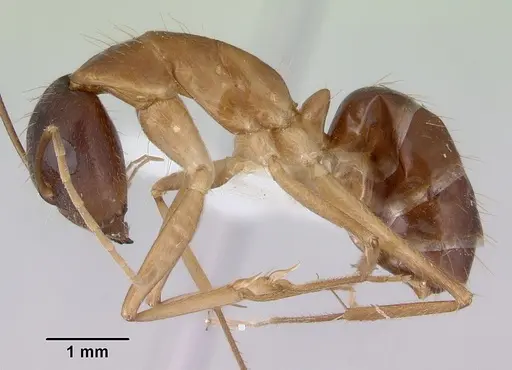
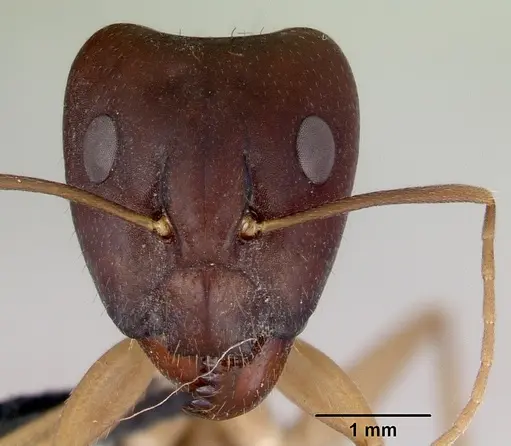
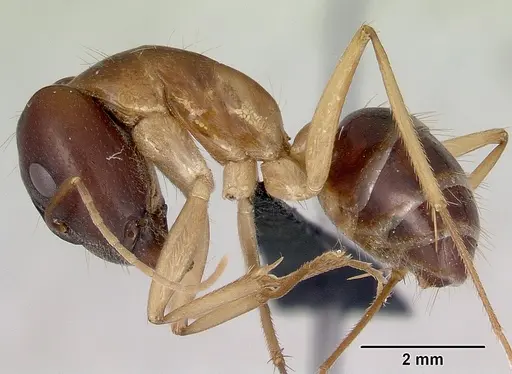
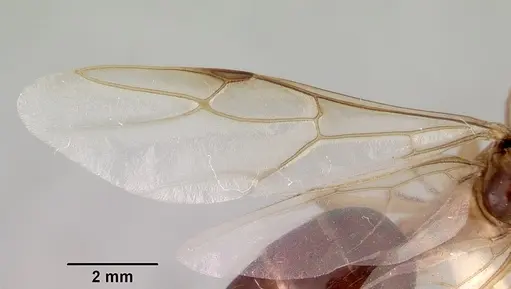
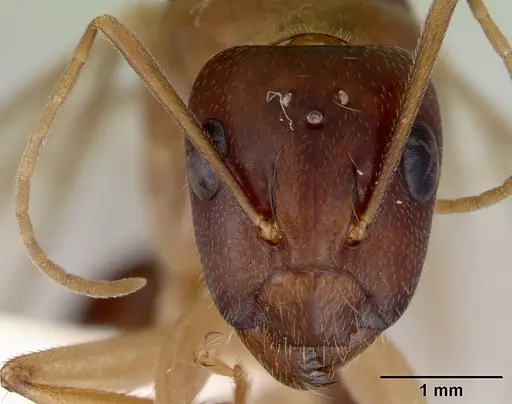
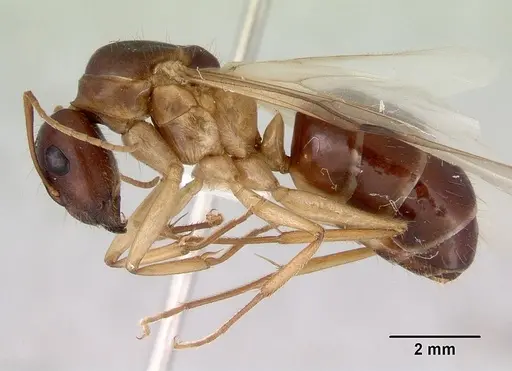
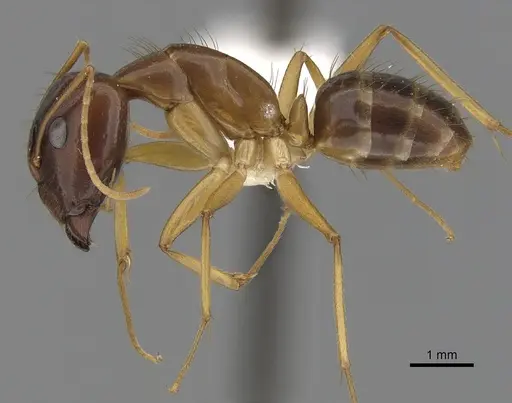
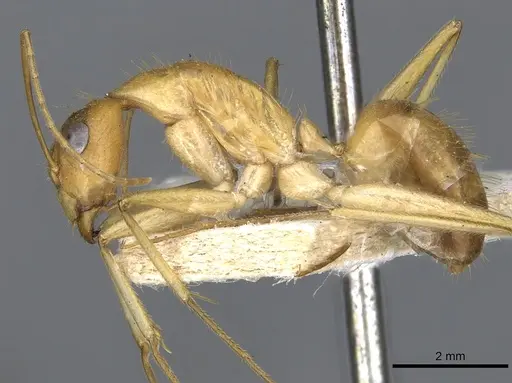
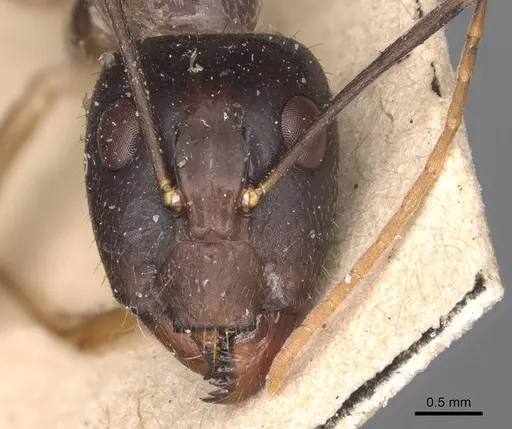
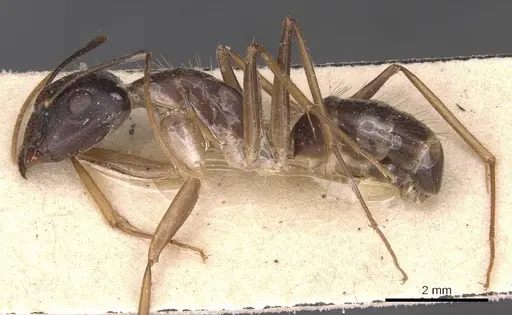
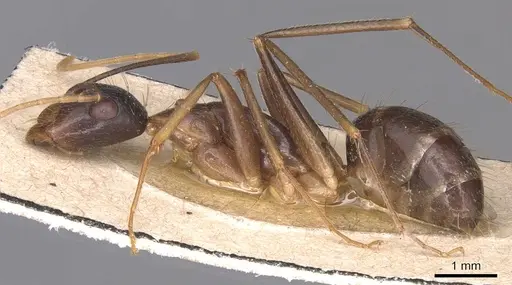
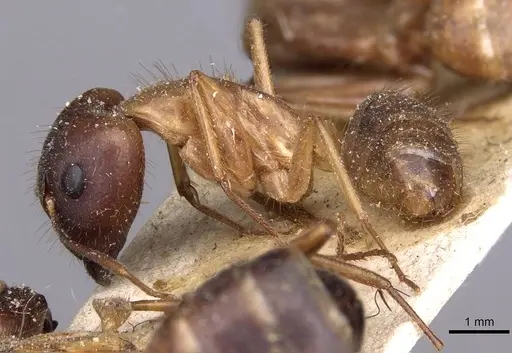
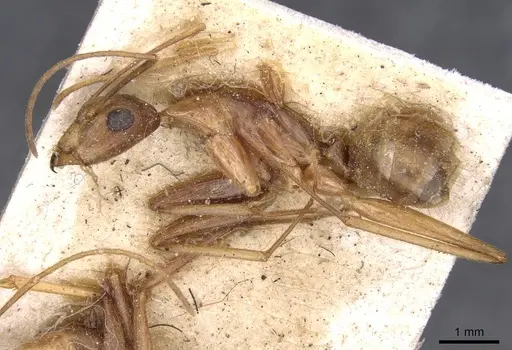
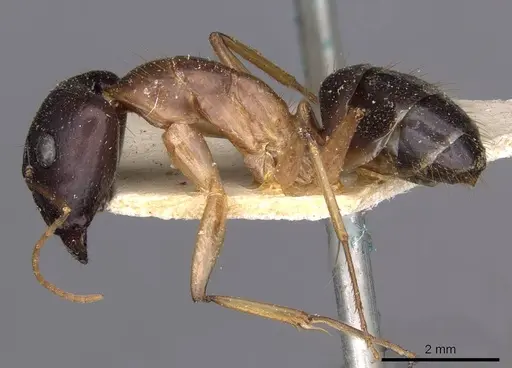
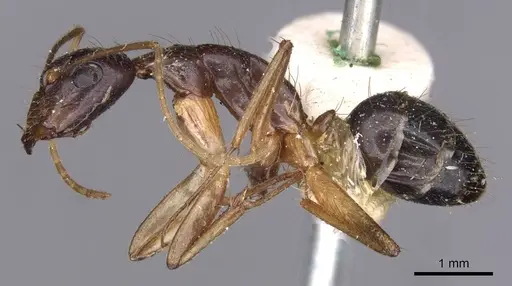
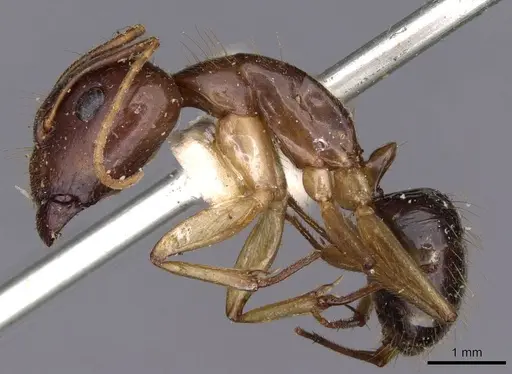
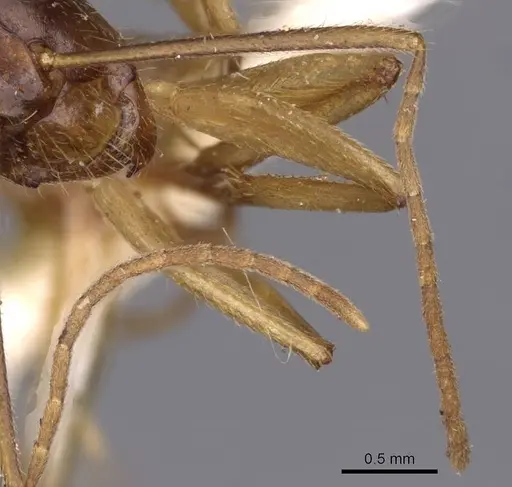
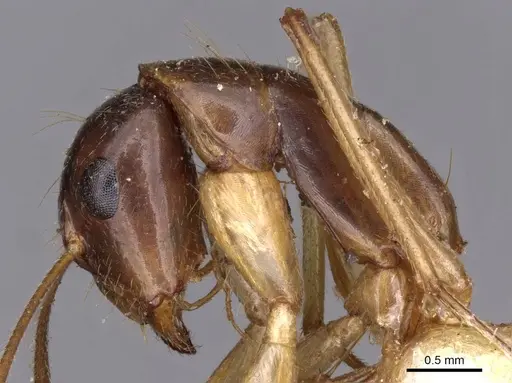
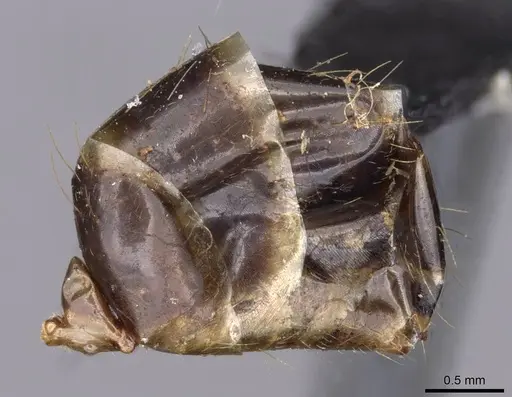
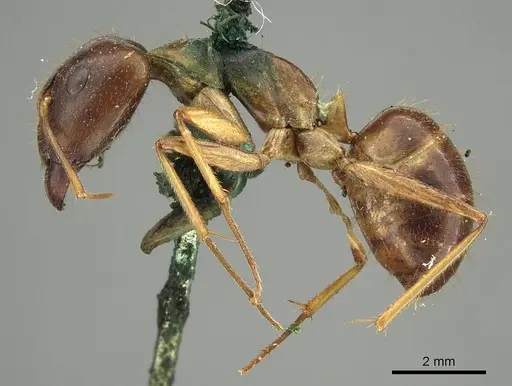
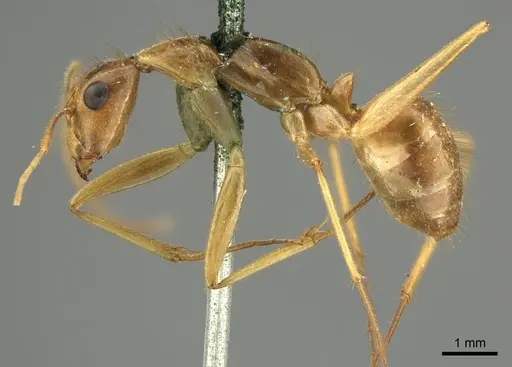
Camponotus novaehollandiae is a large, striking carpenter ant native to northern Australia and surrounding Pacific islands. Workers measure 10-13mm for majors and smaller for minors, with a distinct yellow to brownish coloration and glossy appearance [1]. This species belongs to the Camponotus maculatus species complex, characterized by strong dimorphism where workers are either major or minor with virtually no medium workers in between [1]. The species is most common in northern Australia and has spread to New Caledonia and the Solomon Islands through natural dispersal [2][3].
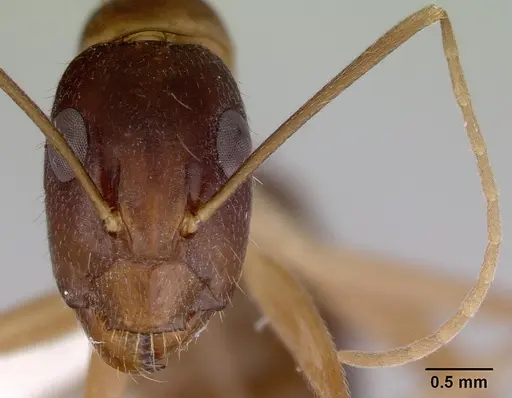
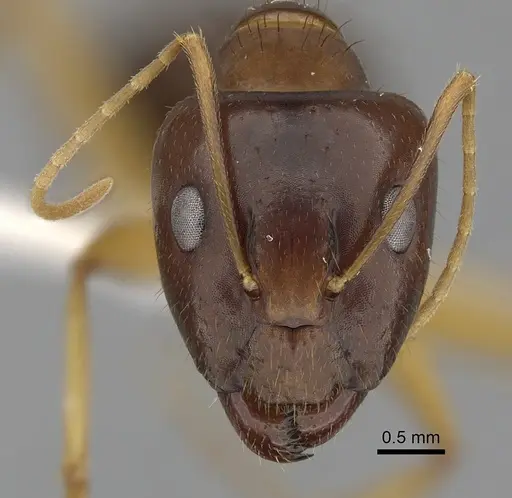
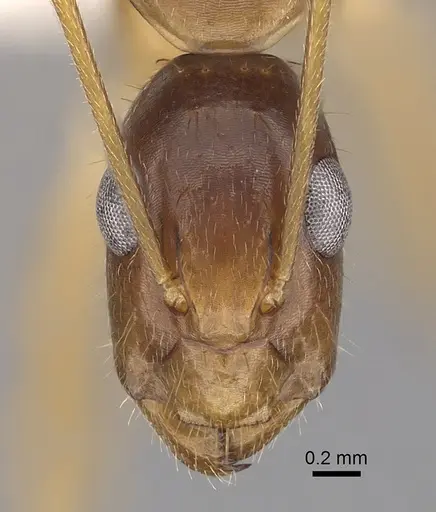
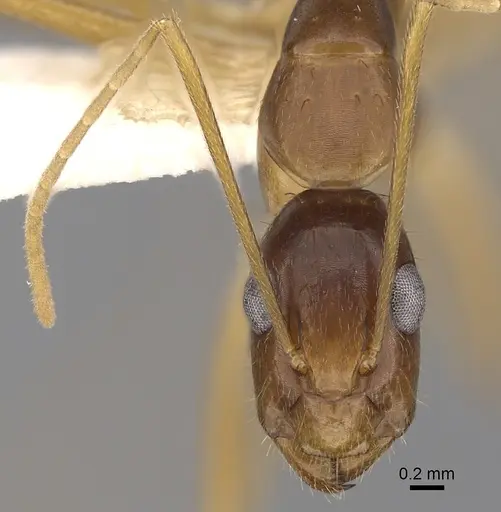
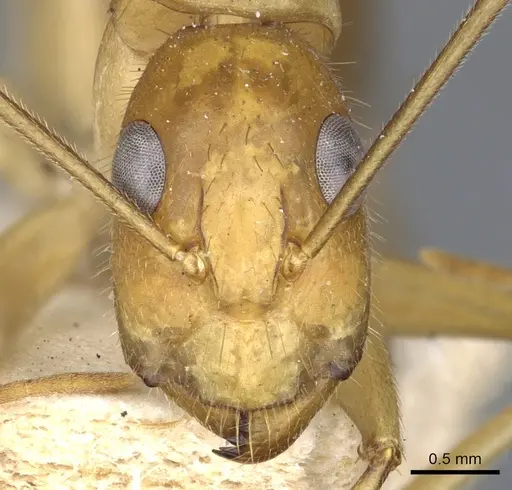
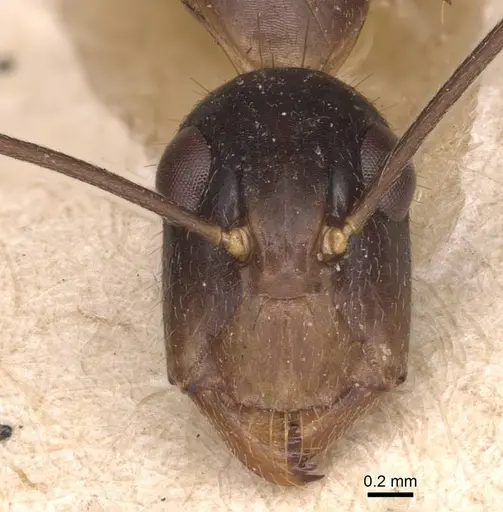
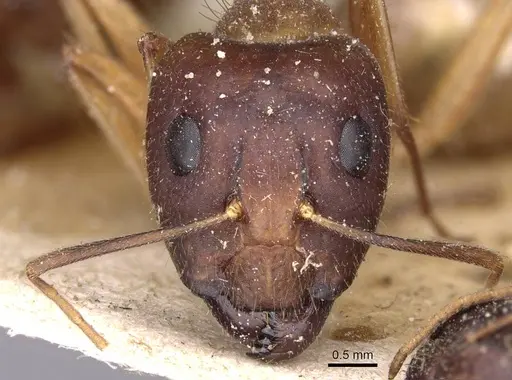
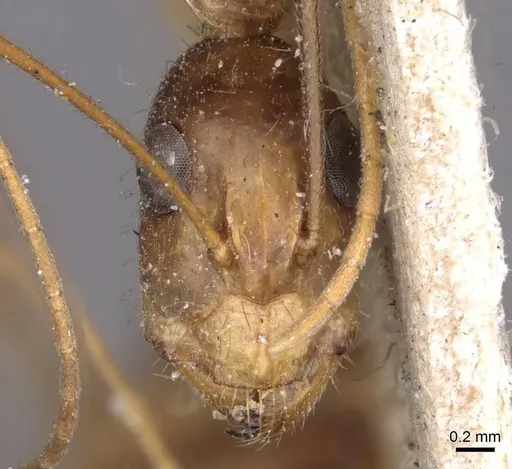
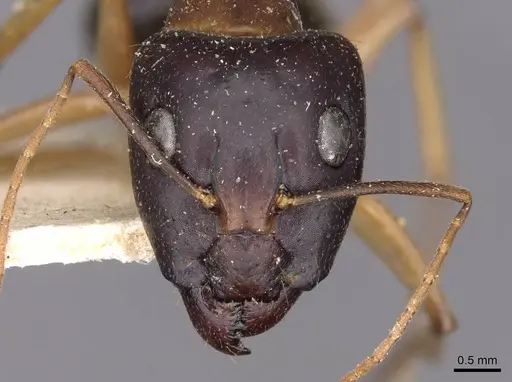
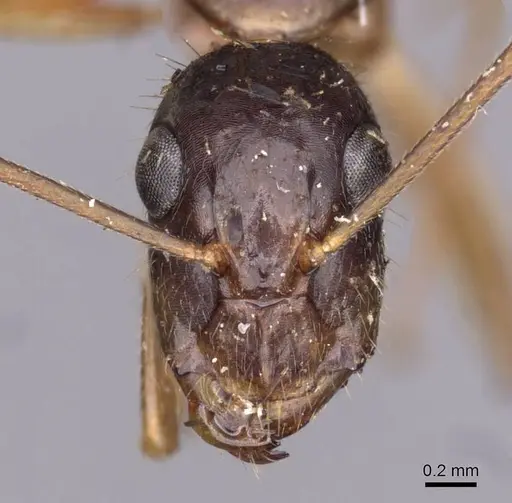
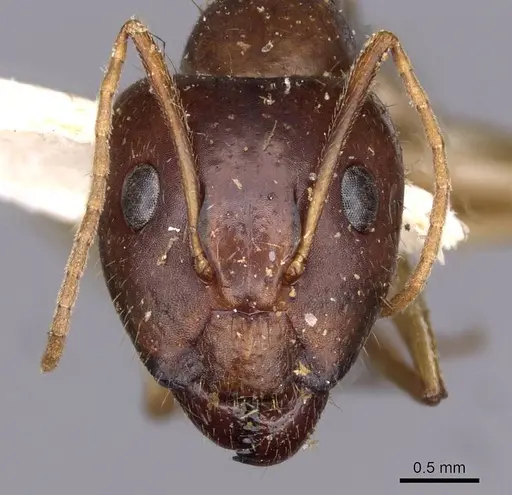
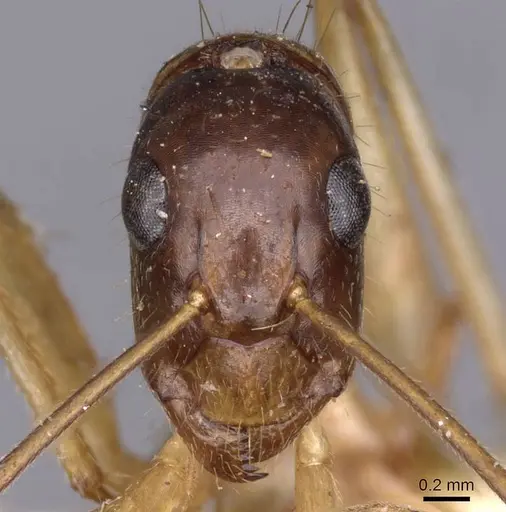
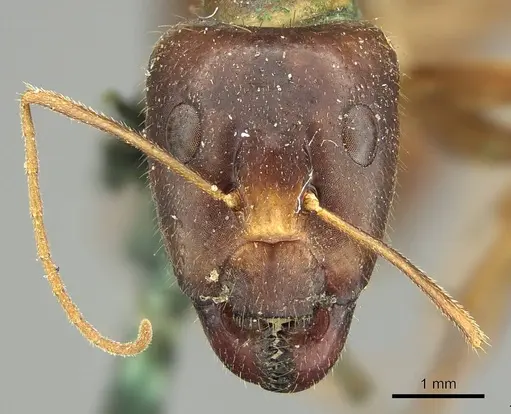
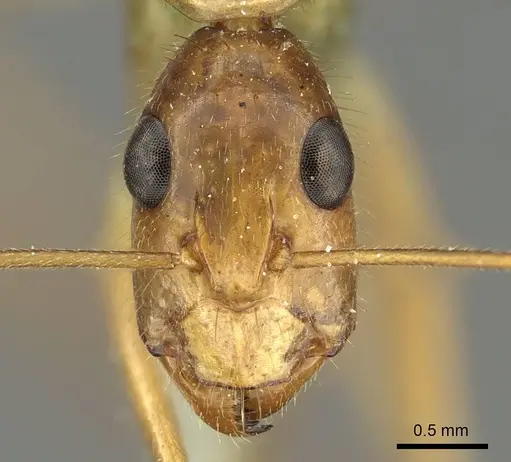
What makes this species interesting is its nocturnal lifestyle and preference for clay soil nesting. Unlike many ants that nest in sandy areas, C. novaehollandiae specifically chooses clay soil with well-hidden nest entrances [4]. They have a strong attraction to honey baits at night, making them relatively easy to observe and study after dark. The major workers have a distinctive head shape, much wider at the back than the front, while minor workers feature a unique ridge called the occipital carina on the back of their head [1].
Quick Summary
- Difficulty: Medium
- Origin & Habitat: Northern Australia (Queensland, Northern Territory, Western Australia), also found in New Caledonia and Solomon Islands [1][2]. Nests in clay soil rather than sand, with well-hidden entrances [4].
- Colony Type: Likely single-queen colonies based on typical Camponotus patterns, though colony structure has not been directly studied for this species.
- Colony: Monogyne
- Founding: Claustral
- Size & Growth:
- Queen: Approximately 12-15mm (estimated from genus patterns)
- Worker: Major workers 10-13mm, minor workers 4-7mm [4]
- Colony: Likely several thousand workers at maturity (typical for Camponotus)
- Growth: Moderate, Camponotus species typically take 6-10 weeks from egg to first worker
- Development: 6-10 weeks at optimal temperature (estimated from genus patterns) (Development time estimated from typical Camponotus development. Nanitics (first workers) will be smaller than normal workers.)
- Antkeeping:
- Temperature: Keep at 22-26°C. Australian species from warm climates, but avoid excessive heat. Room temperature is often suitable.
- Humidity: Moderate humidity around 50-60%. Clay soil nesting suggests they prefer somewhat moist substrate but not waterlogged.
- Diapause: May not require full hibernation given tropical/subtropical origin, but a cooler period (15-18°C) during winter months may benefit the colony.
- Nesting: Y-tong (AAC) nests work well for this larger species. Plaster or acrylic nests are also suitable. Provide a water tube for humidity. They prefer nesting in solid materials rather than soil in captivity.
- Behavior: Nocturnal and generally calm temperament. Major workers are large and can deliver a mild sting if provoked, though they are not particularly aggressive. Workers are attracted to sweet foods, especially honey or sugar water, particularly at night. They may be shy initially but become more active once established. Escape prevention is important due to their size and strength, ensure lids are secure.
- Common Issues: colonies may fail if kept too cold, maintain warm temperatures year-round, wild-caught colonies may carry parasites that cause problems in captivity, larger species needs more space as colony grows, upgrade nest promptly, nocturnal activity means they may be less visible during daytime hours, test tube setups work for founding but need upgrading to formicarium once colony reaches 20-30 workers
Nest Preferences and Housing
In the wild, Camponotus novaehollandiae nests in clay soil rather than sand, with carefully hidden nest entrances [4]. This is characteristic of the Camponotus maculatus species group. For captive care, Y-tong (acrylic and cork) nests work exceptionally well for this larger species, providing the dark, secure environment they prefer. Plaster nests and acrylic formicariums are also suitable options.
When setting up the nest, ensure there is a water reservoir or tube to maintain humidity. The chamber sizes should accommodate the major workers comfortably, these are substantial ants at 10-13mm. For founding colonies, a standard test tube setup with a water reservoir works fine, but plan to upgrade to a proper formicarium once the colony reaches 20-30 workers. These ants do not require soil setups in captivity, they adapt well to artificial nests.
The outworld should include some foraging space and a feeding station. Since they are nocturnal, placing the nest in a location with natural light cycles helps maintain their activity patterns.
Feeding and Diet
Camponotus novaehollandiae has a strong attraction to sweet foods, particularly honey and sugar water, especially at night [4]. This makes them relatively easy to feed, they will readily accept sugar sources. For protein, offer insects such as mealworms, crickets, or other small arthropods. As a carpenter ant, they are omnivorous and will consume both sugars and protein.
Feed sugar water or honey constantly as a carbohydrate source, they will consume this throughout the day but are most active at night. Offer protein prey 2-3 times per week, adjusting based on colony size. Remove any uneaten prey after 24-48 hours to prevent mold. The species is not particularly specialized in its diet, so standard ant feeding protocols apply.
For colonies with a queen, ensure she has access to food, claustral queens consume nutrients during founding but will accept food once workers emerge. Workers will store food in their social stomachs and share with the colony through trophallaxis.
Temperature and Seasonal Care
As an Australian species from Queensland, Northern Territory, and Western Australia, Camponotus novaehollandiae prefers warm conditions in the low-to-mid 20s Celsius. Maintain temperatures between 22-26°C for optimal colony development. Avoid temperatures below 18°C or above 30°C for extended periods.
A heating cable or mat on one side of the nest can create a temperature gradient, allowing the ants to self-regulate. Place the heating element on top of the nest rather than underneath to avoid drying out the substrate too quickly. Room temperature is often suitable for this species, especially in warmer climates.
Regarding winter dormancy, the tropical and subtropical origin of this species means they may not require a true hibernation period. However, a slight reduction in temperature during winter months (to around 15-18°C) may simulate natural seasonal changes and potentially benefit the colony. Monitor colony activity, if they remain active year-round, simply maintaining room temperature is fine. [1]
Behavior and Colony Dynamics
This species is primarily nocturnal, meaning they are most active at night when foragers search for food [4]. This behavior is consistent across the Camponotus maculatus species group. During the day, workers typically remain inside the nest, though you may see some activity.
The colony structure shows strong dimorphism, workers are either major (soldier) or minor (worker), with virtually no intermediate sizes [1]. Major workers have distinctive head morphology with the head much wider behind than in front, while minor workers feature the characteristic occipital carina (a ridge on the back of the head) [1]. This dimorphism is visually striking and makes the castes easy to distinguish.
When disturbed, these ants quickly scatter, a defensive behavior noted in the species group [4]. They are not particularly aggressive toward keepers but major workers can deliver a mild sting if they feel threatened. Overall, they are calm-tempered and suitable for observation. Escape prevention is important due to their size and strength, ensure all lids and barriers are secure.
Frequently Asked Questions
How long does it take for Camponotus novaehollandiae to produce first workers?
Expect 6-10 weeks from egg to first worker (nanitics) at optimal temperature of 22-26°C. This is typical for Camponotus species. The queen will seal herself in a chamber and raise the first brood alone using stored fat reserves.
What do Camponotus novaehollandiae ants eat?
They are omnivorous with a strong preference for sweet foods. Offer sugar water or honey constantly, and protein (insects like mealworms or crickets) 2-3 times per week. They are particularly attracted to honey baits at night.
Are Camponotus novaehollandiae good for beginners?
This species is rated as medium difficulty. They are larger and more visible than many ant species, which makes them rewarding to watch. However, their nocturnal habits and specific temperature needs may require some adjustment. They are not aggressive but can sting.
Do Camponotus novaehollandiae need hibernation?
Full hibernation is not required due to their tropical/subtropical origin. However, a cooler period during winter (15-18°C) may be beneficial. If your colony remains active year-round, simply maintaining stable room temperature is acceptable.
What size nest do I need for Camponotus novaehollandiae?
Start with a test tube setup for the founding queen. Once the colony reaches 20-30 workers, upgrade to a Y-tong, plaster, or acrylic formicarium. These are larger ants that need appropriately sized chambers.
How big do Camponotus novaehollandiae colonies get?
Mature colonies likely reach several thousand workers, which is typical for Camponotus species. The strong dimorphism means you'll see distinct major and minor workers rather than a size continuum.
Can I keep multiple Camponotus novaehollandiae queens together?
Not recommended. Camponotus species are typically single-queen (monogyne) colonies. Combining unrelated queens has not been documented for this species and would likely result in fighting.
Why are my Camponotus novaehollandiae ants dying?
Common causes include: temperatures too cold (below 18°C), excessive humidity causing mold, poor escape prevention allowing escapes, or parasites from wild-caught colonies. Ensure proper temperature, ventilation, and consider if the colony was wild-caught.
When should I move my Camponotus novaehollandiae to a formicarium?
Move from test tube to formicarium when the colony reaches 20-30 workers or when the test tube water supply runs low. Having a proper nest ready before this point helps prevent stress on the colony.
Is Camponotus novaehollandiae invasive anywhere?
The species is native to Australia, New Caledonia, and the Solomon Islands. There is one interception record in New Zealand [5], but this does not indicate an established population. Do not release this species outside its native range.
What makes Camponotus novaehollandiae different from other carpenter ants?
This species belongs to the Camponotus maculatus group, characterized by: strong dimorphism (only major and minor workers, no mediums), nocturnal activity, clay soil nesting, and a distinctive ridge (occipital carina) on minor worker heads [1][4].
References

This caresheet is licensed under CC BY-SA 4.0 .
CASENT0172155
View on AntWeb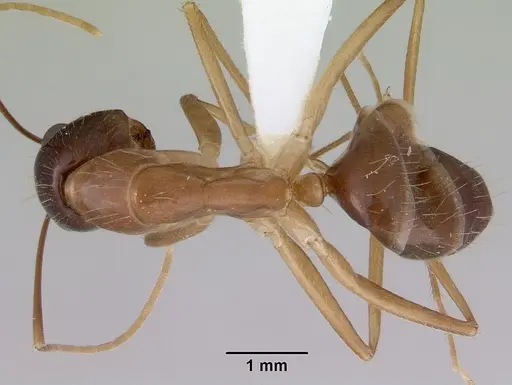
CASENT0172156
View on AntWeb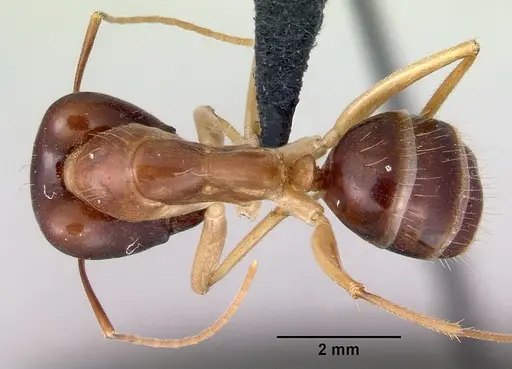
CASENT0172157
View on AntWeb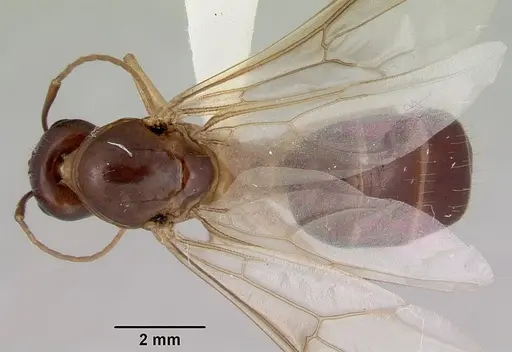
CASENT0280225
View on AntWeb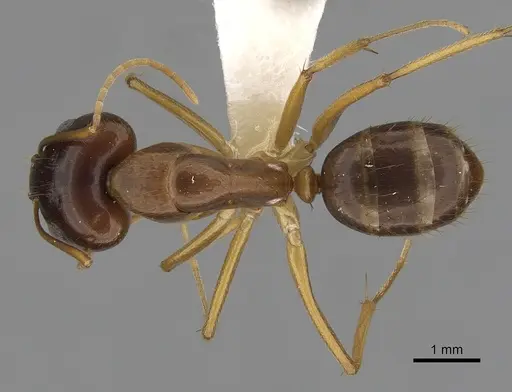
CASENT0280226
View on AntWeb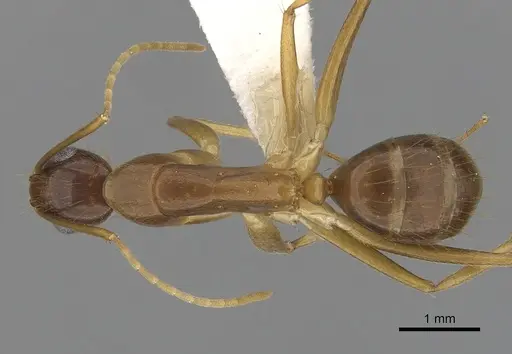
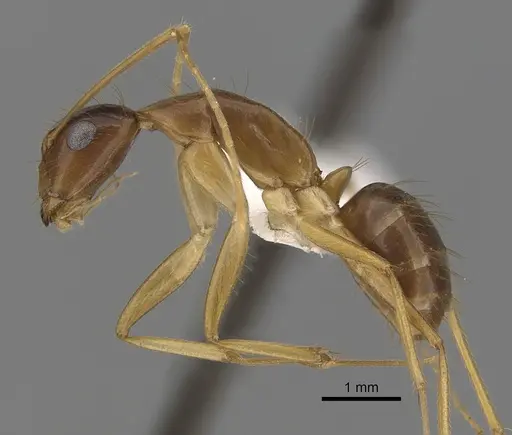
CASENT0887735
View on AntWeb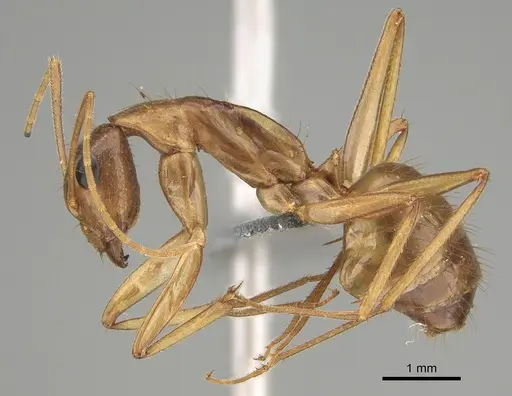
CASENT0903535
View on AntWeb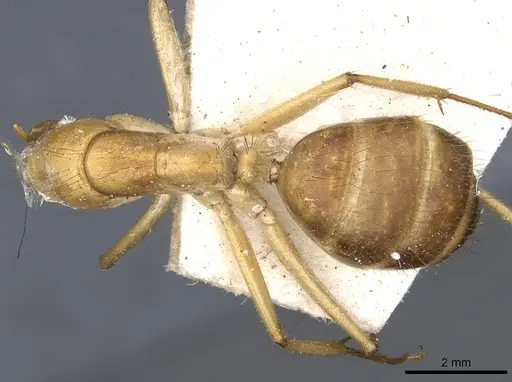
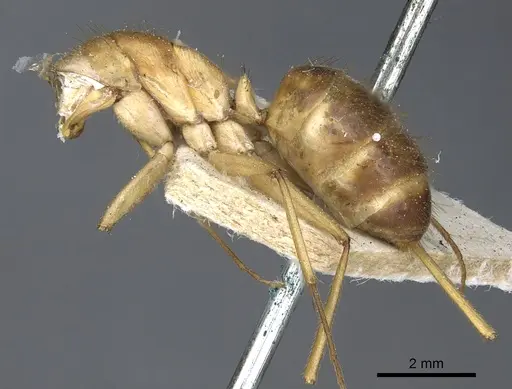
CASENT0903536
View on AntWeb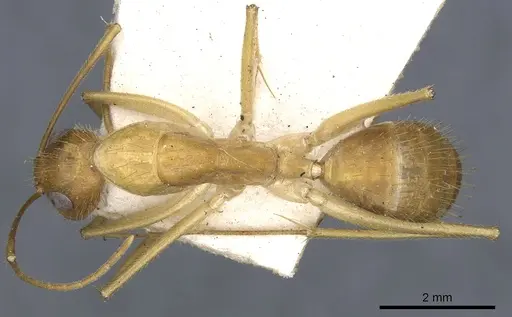
CASENT0905325
View on AntWeb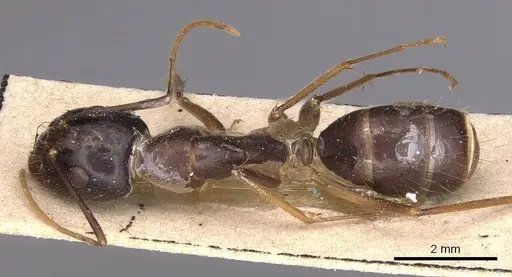
CASENT0905326
View on AntWeb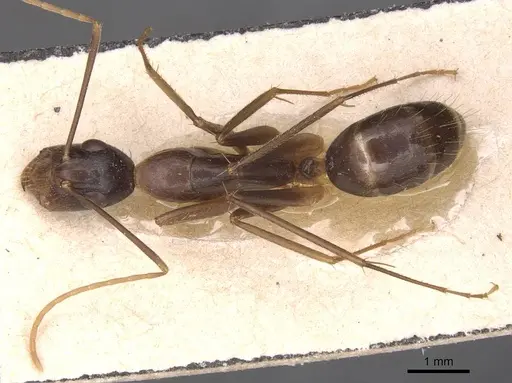
CASENT0910177
View on AntWeb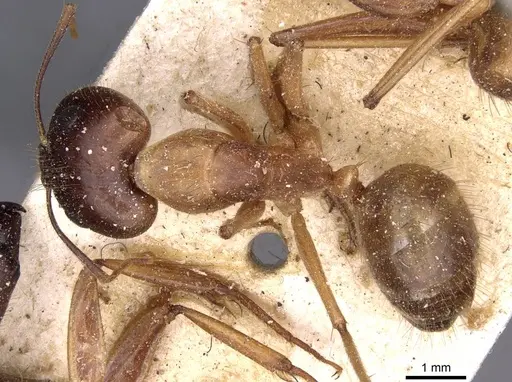
CASENT0910178
View on AntWeb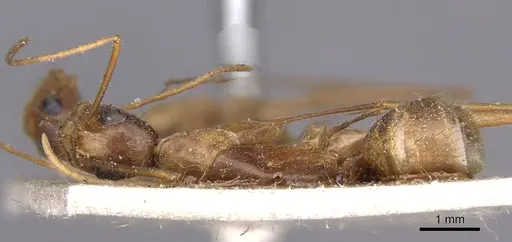
CASENT0910179
View on AntWeb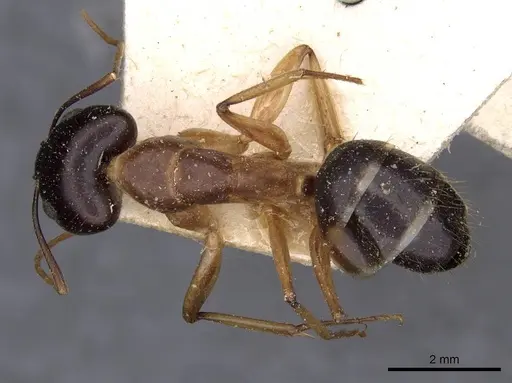
CASENT0910180
View on AntWeb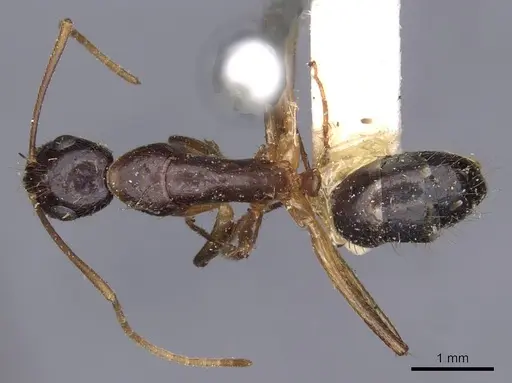
CASENT0910183
View on AntWeb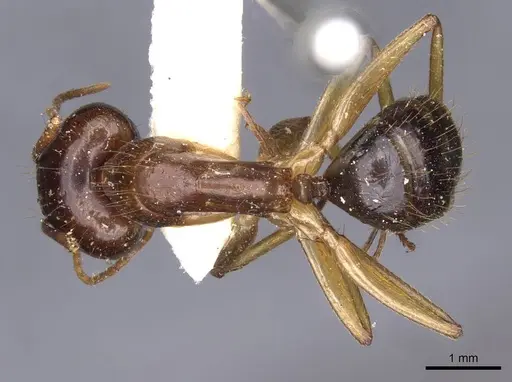
CASENT0910184
View on AntWeb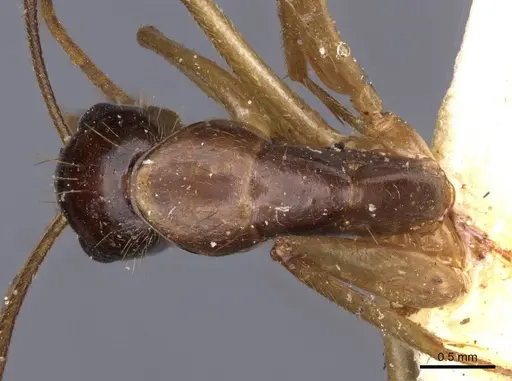
CASENT0915764
View on AntWeb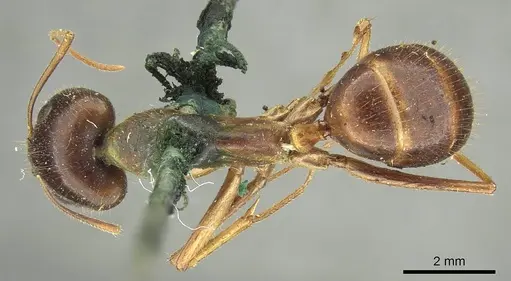
CASENT0915765
View on AntWeb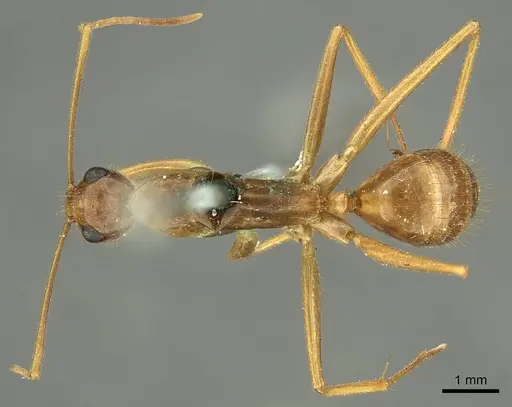
Literature
Loading...Loading products...