
Camponotus novaeboracensis follows a consistent seasonal pattern with peak activity in June. The flight window runs from May to July, providing several months of opportunity for observations.
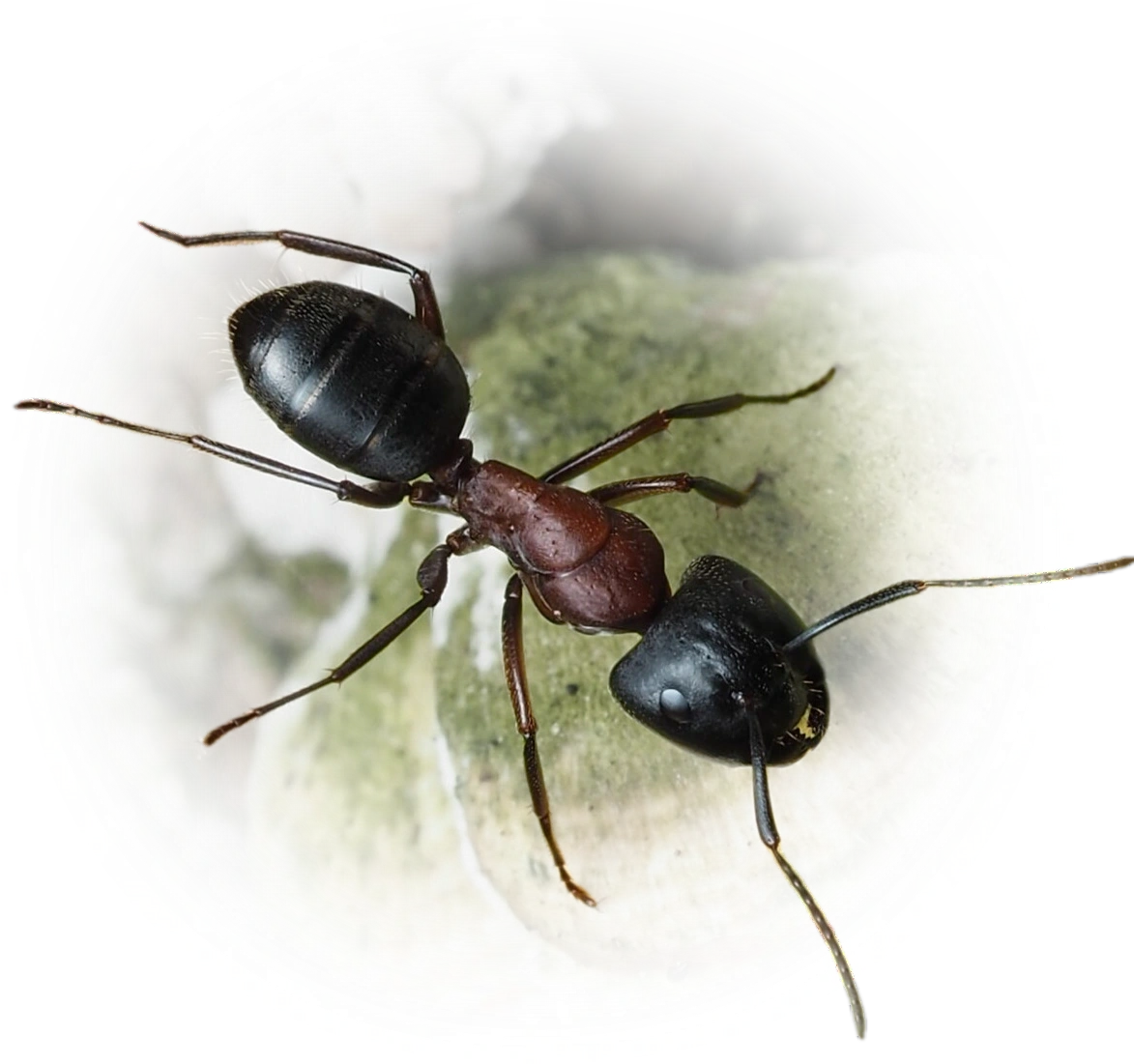
Camponotus novaeboracensis
- Scientific Name
- Camponotus novaeboracensis
- Tribe
- Camponotini
- Subfamily
- Formicinae
- Author
- Fitch, 1855
- Common Name
- New York Carpenter Ant
- Distribution
- Found in 2 countries
- Nuptial Flight
- from May to July, peaking in June
AI Identifiable
try →
Camponotus novaeboracensis Overview
Camponotus novaeboracensis (commonly known as the New York Carpenter Ant) is an ant species of the genus Camponotus. It is primarily documented in 2 countries , including Canada, United States of America. Detailed taxonomic data and occurrence records can be further explored via authoritative databases such as AntWeb or the Global Biodiversity Information Facility (GBIF).
The nuptial flight of Camponotus novaeboracensis is a significant biological event, typically occurring from May to July, peaking in June. During this time, winged queens and males leave the nest to mate and establish new colonies.
Camponotus novaeboracensis - "New York Carpenter Ant"
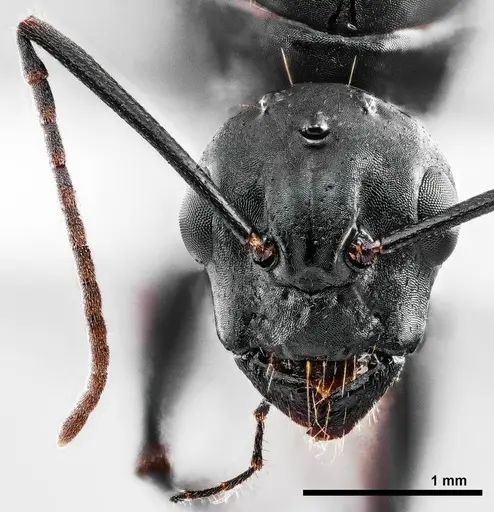
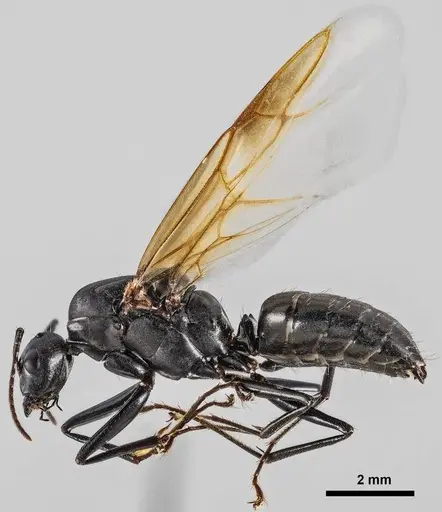
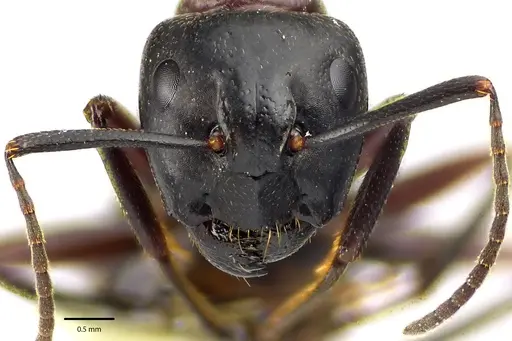
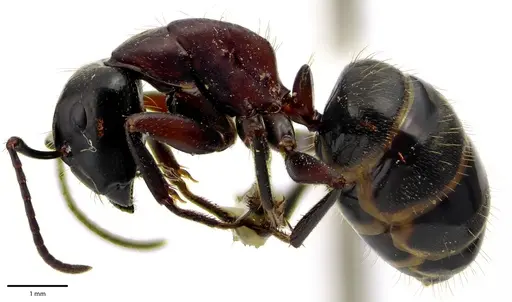
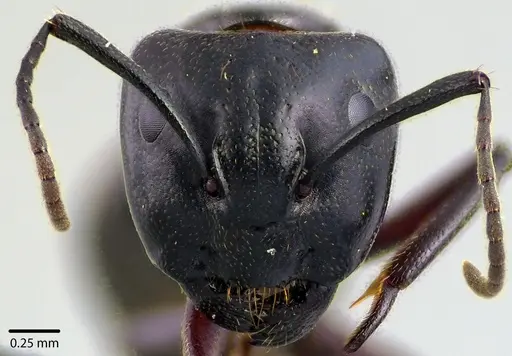
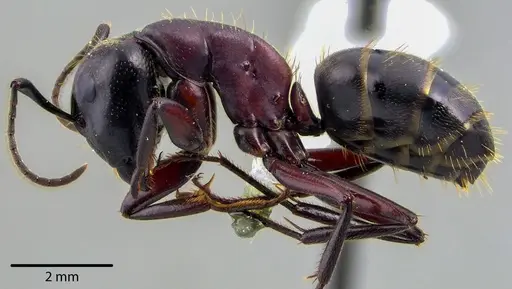
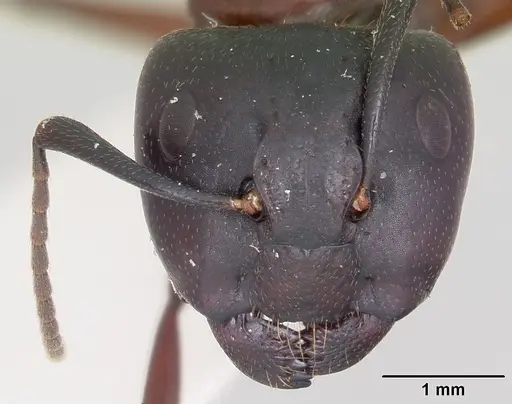
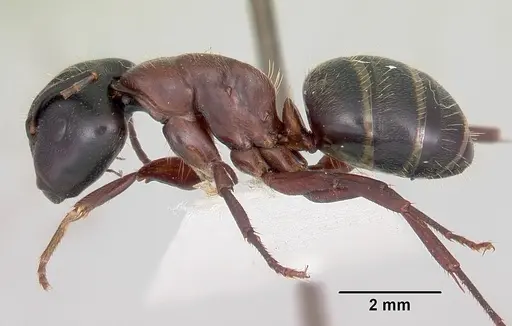
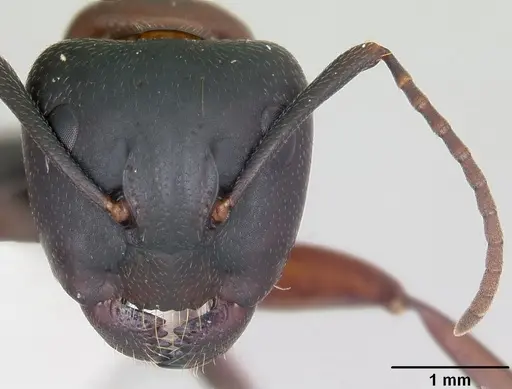
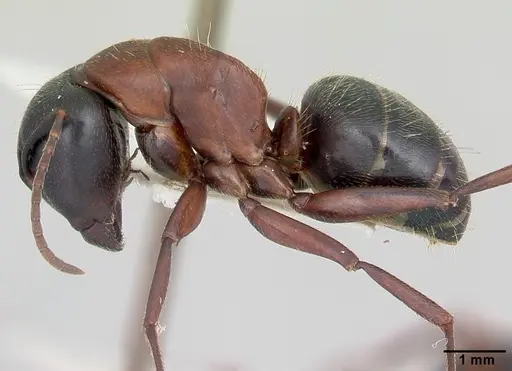
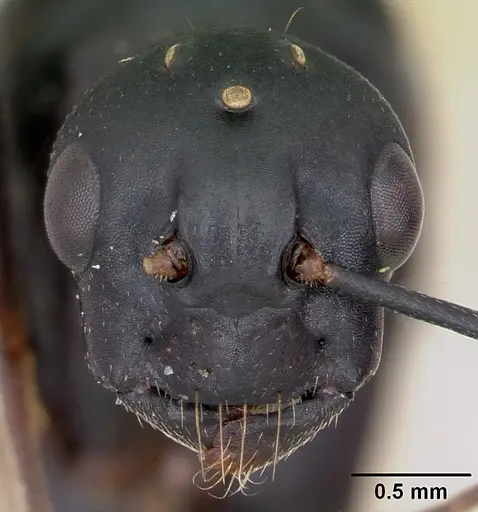
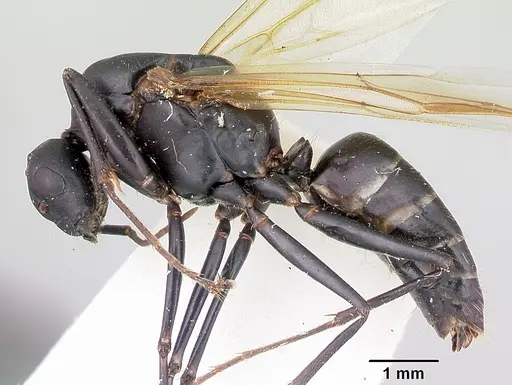
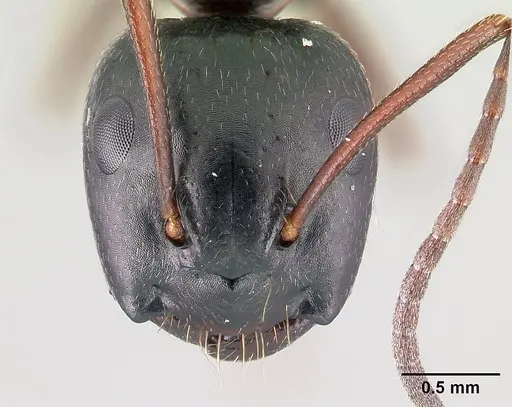
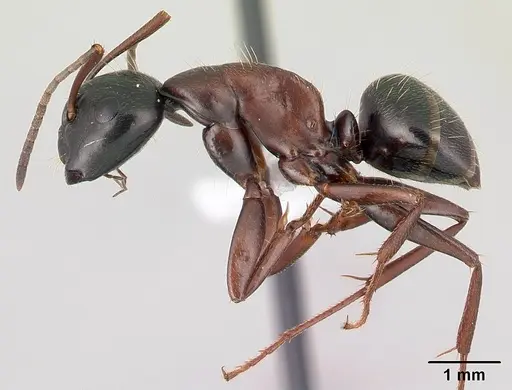
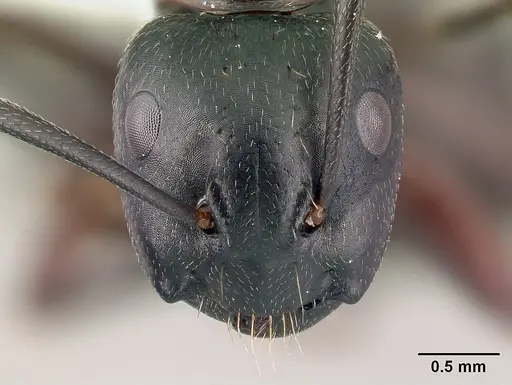
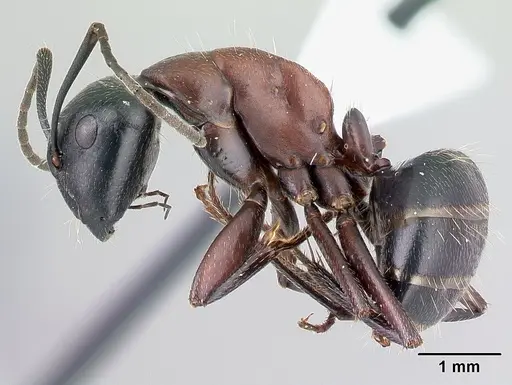
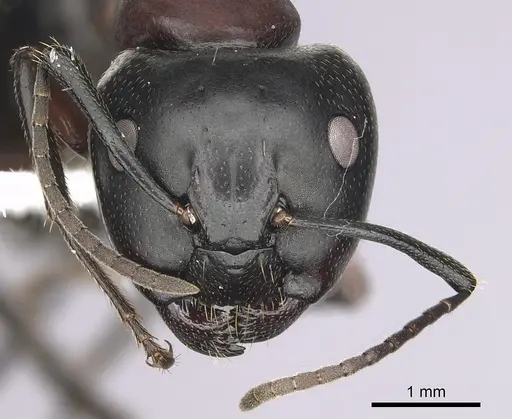
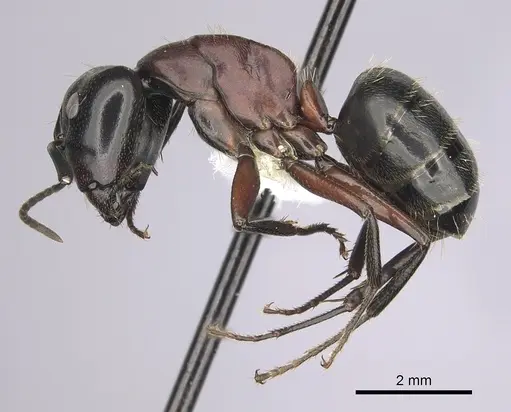
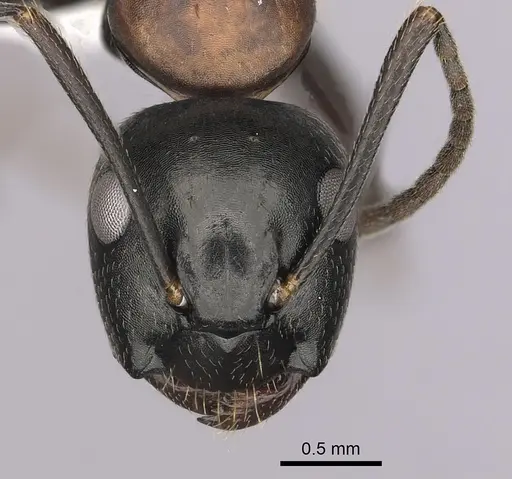
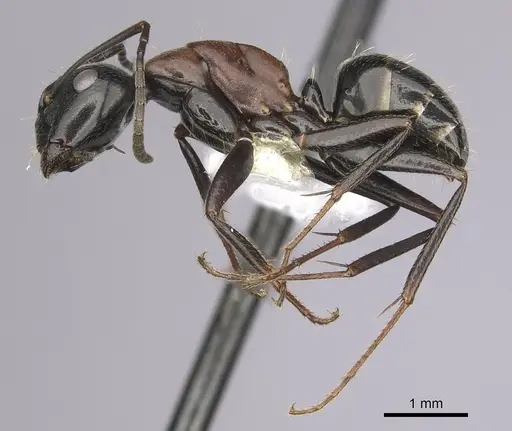
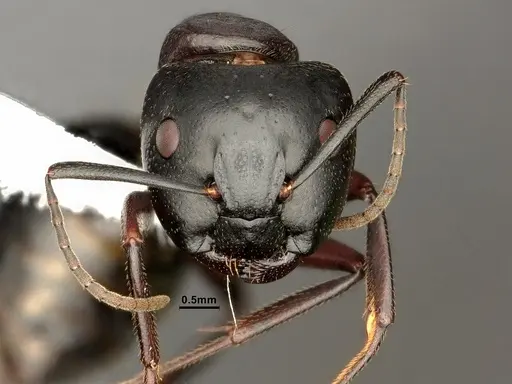
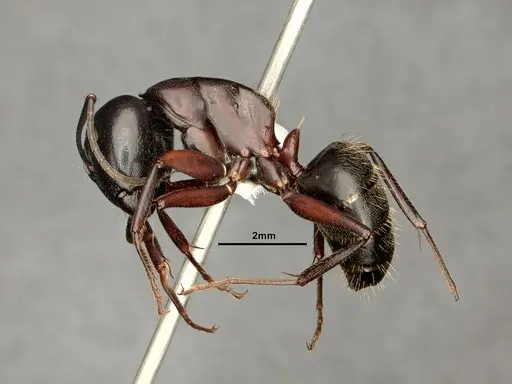
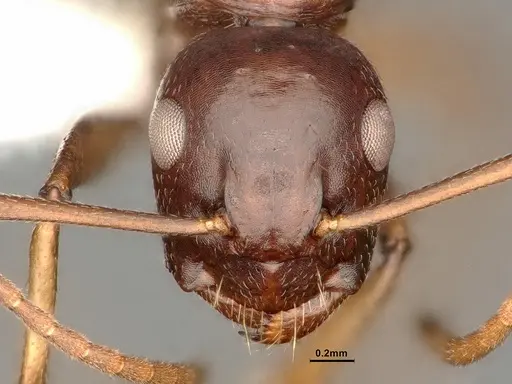
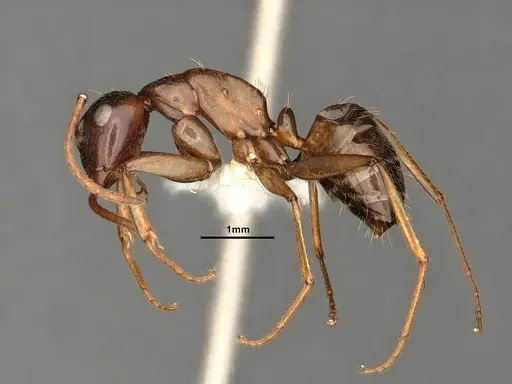
Camponotus novaeboracensis is a medium-sized carpenter ant native to eastern North America. Workers measure 4.9-11.5mm, with majors being significantly larger than minors [1]. The most striking feature is their bicolored appearance: the head and gaster are black or dark red-black, while the mesosoma is a distinctive reddish-brown. This red coloration makes them one of the more attractive carpenter ants. Females can sometimes be entirely black, which can cause confusion with similar species like Camponotus pennsylvanicus [1]. They belong to the subgenus Camponotus and are part of the herculeanus species group [AntWiki].
This species is a wetland and forest-edge specialist, commonly found in bogs, swamps, marshes, and damp wooded areas across the northeastern United States and southern Canada. Unlike some carpenter ants that are primarily structural pests in homes, C. novaeboracensis is more of an ecological species, nesting in decaying wood in natural settings. They are generalist feeders with a strong preference for honeydew from aphids and membracids, making them important in forest ecosystems [1][2].
Quick Summary
- Difficulty: Easy
- Origin & Habitat: Eastern North America, found in Canada (Nova Scotia to British Columbia) and the United States (Virginia west to Oregon, Utah, Colorado). Habitat includes deciduous forests, pine/oak forests, hardwood mixed forests, bogs, swamps, marshes, and wet wooded areas [1][AntWiki].
- Colony Type: Monogyne (single-queen colonies). Research confirms one queen per colony [3]. Colonies can reach up to 10,800 workers in mature colonies [1], though typical colonies average around 3,000 workers [4]. Workers are strongly polymorphic with distinct major and minor castes [3].
- Size & Growth:
- Queen:{.size-link} ~12-15mm, inferred from Camponotus genus queen size range
- Worker:{.size-link} 4.9-11.5mm total length, with distinct minor (4.9-6mm) and major (8-12mm) castes [1]
- Colony: Up to 10,800 workers in mature colonies [1], typically around 3,000 [4]
- Growth: Moderate, typical for Camponotus species
- Development: 6-8 weeks at optimal temperature (inferred from Camponotus genus patterns) (Development time is temperature-dependent, warmer conditions within acceptable range speed development. Nanitics (first workers) typically smaller than normal workers.)
- Antkeeping:
- Temperature: Keep at 20-26°C. They are a boreal species tolerant of cooler conditions, but optimal development occurs in the low-to-mid 20s°C. A heating cable on one side of the nest creates a useful gradient [AntWiki].
- Humidity: Moderate to high. This is a wetland species, keep substrate consistently moist but not waterlogged. They naturally nest in damp decaying wood and forest floor environments [1][5].
- Diapause: Yes. As a temperate species, they require a winter rest period. Alates (reproductives) overwinter in the colony [5]. Reduce temperature to 5-10°C for 3-4 months during winter.
- Nesting: Provide rotting wood or a wood-based nest (Y-tong, plaster with wood channels, or naturalistic setup with logs/branches). They prefer damp, decaying wood, the type of material they naturally nest in. Test tube setups work for founding colonies but may need transitioning to wood nests as colonies grow [AntWiki][5].
- Behavior: Workers forage both day and night and are generalist feeders. They tend aphids and membracids for honeydew, collect sap from wounds in trees, and scavenge on dead insects. They are behaviorally dominant in forest ecosystems and compete with other ant species. Workers are not particularly aggressive but will defend the nest if threatened. Escape risk is moderate, use standard barriers but they are not extreme escape artists like some tiny species. They are occasional house pests when colonies nest in structural wood [6][AntWiki].
- Common Issues: colonies may fail if kept too dry, they are a wetland species requiring consistent moisture, parasite contamination from wild-caught colonies, Microdon fly larvae and Pseudochalcura wasp larvae can be introduced and kill colonies [9][10], slow growth during first year can frustrate beginners, Camponotus species take time to establish, overheating can be fatal, avoid temperatures above 30°C despite their boreal tolerance, queen loss during founding is common, claustral queens seal themselves in and should not be disturbed for several weeks
Nuptial Flight Activity Analysis 1338 observations
Flight Activity by Hour 1338 observations
Camponotus novaeboracensis nuptial flight activity peaks around 16:00 during the afternoon. Activity is spread across a 13-hour window (09:00–21:00). Times may be influenced by human observation patterns.
Nest Preferences and Housing
Camponotus novaeboracensis naturally nests in decaying wood, logs, stumps, dead branches on the ground, and under bark. They also use soil beneath logs and can even nest in well-decayed sedge hummocks in wetlands [5][7]. For captive care, provide a wood-based nest such as a Y-tong nest with wood insert, a plaster nest with channels, or a naturalistic setup with rotting wood pieces. The nest material should be kept consistently moist but never waterlogged. Test tubes work for founding colonies but the ants will eventually benefit from transitioning to larger wood-based housing as the colony grows. Because they are a wetland species, ensure the nest substrate retains moisture well, check periodically and rehydrate before it fully dries out.
Feeding and Diet
In the wild, C. novaeboracensis feeds heavily on honeydew produced by aphids and membracids. They tend membracids like Vanduzea arquata on bracken fern and various aphids including Chaitophorus nigrae, Cinara schwarzii, and Lachnus solitarius [2]. They also collect sap flowing from tree wounds (like lilac trunks) and scavenge on dead insects [1]. In captivity, offer sugar water or honey water as a constant energy source. For protein, provide dead insects (fruit flies, mealworms, crickets) regularly. They will also accept fruit, especially overripe fruit for the sugars. Feed protein sources 2-3 times per week and keep sugar water available at all times. Unlike some specialized predators, these are generalists and will accept most standard ant foods.
Temperature and Seasonal Care
This is a boreal species adapted to cooler northern climates. Keep nest temperatures in the range of 20-26°C, with the lower end being more natural for this species. They can tolerate brief cool periods but prolonged cold outside hibernation slows colony development significantly. A heating cable on one part of the nest creates a temperature gradient that allows ants to self-regulate. During winter (October/November through March/April), reduce temperatures to 5-10°C to provide their required diapause period. This winter rest is essential for colony health and reproduction, alates (reproductives) overwinter in the colony [5]. Do not feed during hibernation and keep moisture minimal but not zero.
Colony Growth and Development
Colonies start with a single claustral queen who seals herself in a chamber and raises the first brood alone using stored fat reserves. The first workers (nanitics) are typically smaller than normal workers and emerge after 6-8 weeks under optimal conditions. Growth is moderate, it takes several months to reach 50-100 workers and several years to reach several thousand. Mature colonies can reach 10,800 workers [1] but typical colonies max out around 3,000 [4]. Older, larger colonies produce a higher proportion of major workers (soldiers) [8]. The colony produces alates (reproductives) in summer, dealate females have been collected from April through August, and nuptial flights occur primarily late June through July [1].
Behavior and Temperament
Workers are generalist foragers, active both day and night. They establish foraging trails and can travel considerable distances from the nest. They are behaviorally dominant in their preferred wetland habitats and compete with other ant species, showing strong negative association with Camponotus pennsylvanicus in shared areas [AntWiki]. Workers are not particularly aggressive toward keepers but will bite if the nest is threatened. They are not stingers, like most Formicinae, they lack a functional stinger and instead use formic acid spray for defense. They are occasional structural pests when colonies nest in wooden structures in homes, but less problematic than some other carpenter ants [6]. Escape risk is moderate, they are medium-sized ants that can be contained with standard barriers.
Common Problems and Health Issues
The primary risks for captive colonies are parasite contamination, improper humidity, and disturbance during founding. Wild-caught colonies often contain Microdon fly larvae or Pseudochalcura wasp larvae that develop inside the nest and can kill the colony [9][10]. Quarantine and observe new colonies carefully. As a wetland species, they suffer if kept too dry, the nest substrate should feel consistently damp. During hibernation, colonies can fail if kept too wet or if temperature fluctuates wildly. Finally, claustral founding queens are sensitive to disturbance, do not open the founding chamber for several weeks after the queen seals herself in. Patience is key with this species.
Frequently Asked Questions
How long does it take for the first workers to emerge?
First workers (nanitics) typically emerge in 6-8 weeks under optimal temperature conditions (around 24-26°C). Cooler temperatures will slow development significantly. The queen seals herself in and should not be disturbed during this claustral founding period.
What do Camponotus novaeboracensis ants eat?
They are generalist feeders. Provide constant access to sugar water or honey water. Feed protein (dead insects like fruit flies, mealworms, or small crickets) 2-3 times per week. They also enjoy overripe fruit and will scavenge on dead insects.
Do they need hibernation?
Yes. As a temperate boreal species, they require a winter rest period. Reduce temperatures to 5-10°C for 3-4 months (typically October/November through March/April). Stop feeding during this period and keep moisture minimal.
Are they good for beginners?
Yes, they are considered an easy species to keep. They are relatively forgiving of minor care mistakes, are not aggressive, and are not extreme escape artists. The main challenges are providing adequate humidity (they're a wetland species) and waiting patiently through their moderate growth rate.
What size colony do they reach?
Mature colonies can reach 10,800 workers according to field studies, though typical colonies are around 3,000 workers. They are polymorphic with distinct major (soldier) and minor worker castes.
What nest type is best?
Wood-based nests work best since they naturally nest in decaying wood. Y-tong nests with wood inserts, plaster nests with channels, or naturalistic setups with rotting wood pieces are ideal. Keep the nest material consistently moist.
Can I keep multiple queens together?
No. This species is monogyne, colonies have a single queen. Multiple unrelated queens will fight. Only one queen should be introduced per colony.
Why are my ants dying?
Common causes include: too-dry conditions (they're a wetland species), parasite contamination from wild-caught colonies (Microdon flies, Pseudochalcura wasps), disturbance during claustral founding, or temperatures above 30°C. Check humidity levels first and observe for signs of parasites.
When will they produce alates (reproductives)?
Mature colonies produce alates in summer. Females develop from late spring through summer, with nuptial flights occurring primarily late June through July. Alates overwinter in the colony before dispersing the following summer.
Are they house pests?
They are occasional house pests but less problematic than some other carpenter ants. They can nest in structural wood, but they prefer decaying wood in natural settings. Most captive colonies won't become structural pests.
What temperature should I keep them at?
Keep nest temperatures between 20-26°C. The low-to-mid 20s°C is ideal. They can tolerate cooler conditions but avoid temperatures above 30°C. A heating cable on part of the nest creates a useful gradient.

This caresheet is licensed under CC BY-SA 4.0 .
ANTWEB1038010
View on AntWeb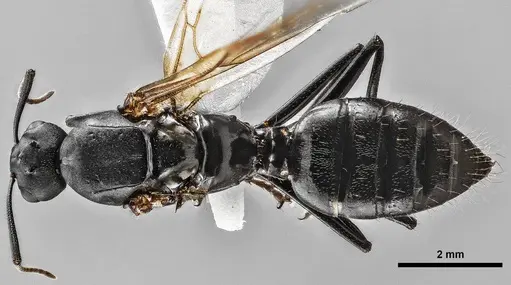
ANTWEB1041671
View on AntWeb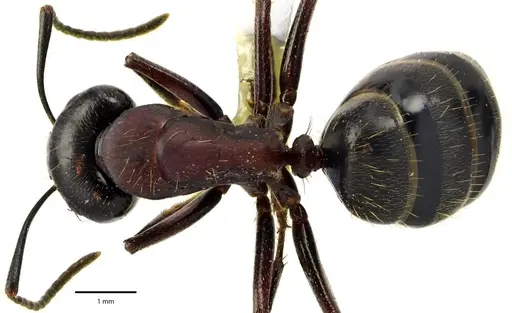
ANTWEB1041736
View on AntWeb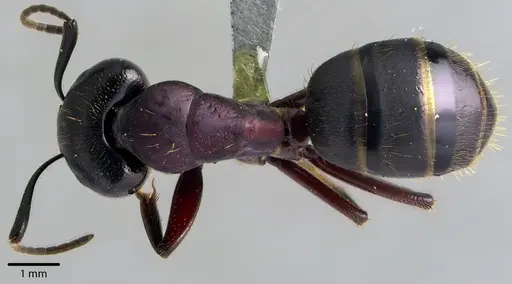
CASENT0103348
View on AntWeb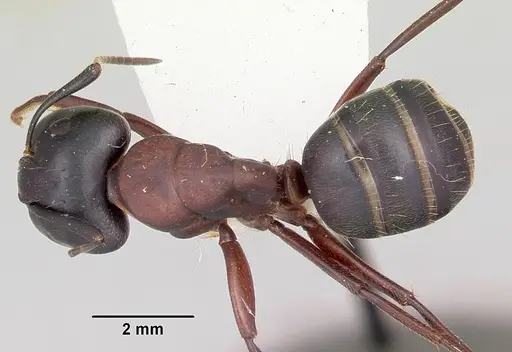
CASENT0103349
View on AntWeb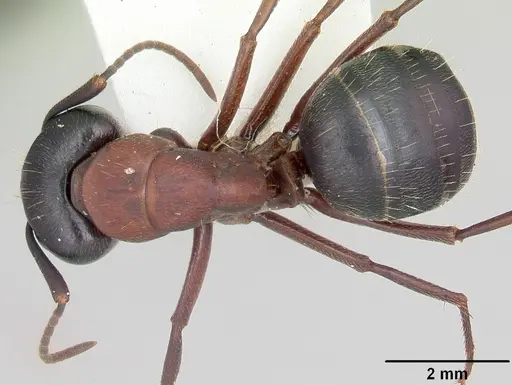
CASENT0103350
View on AntWeb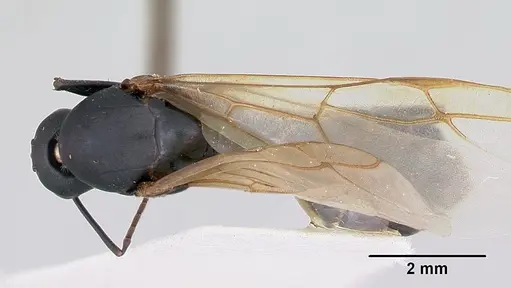
CASENT0179612
View on AntWeb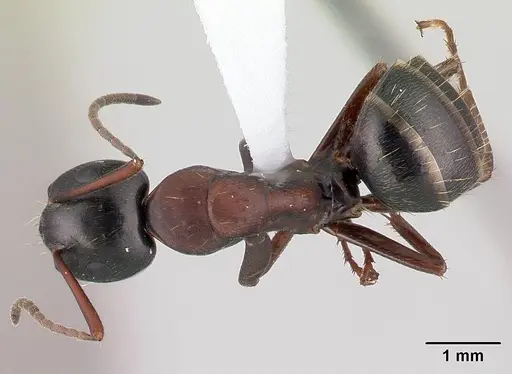
CASENT0179847
View on AntWeb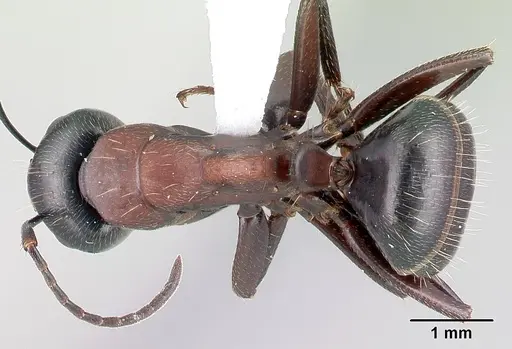
CASENT0280012
View on AntWeb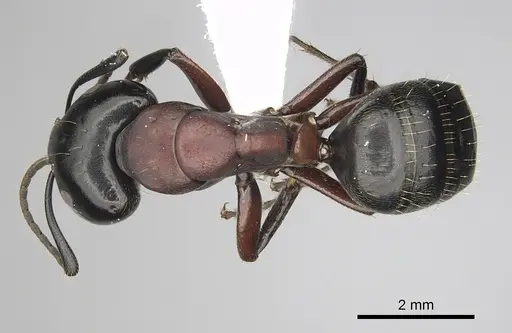
CASENT0280013
View on AntWeb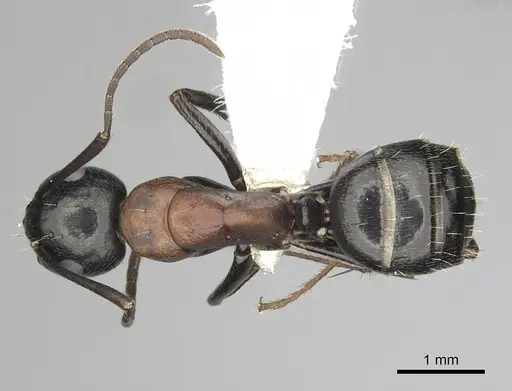
CASENT0884313
View on AntWeb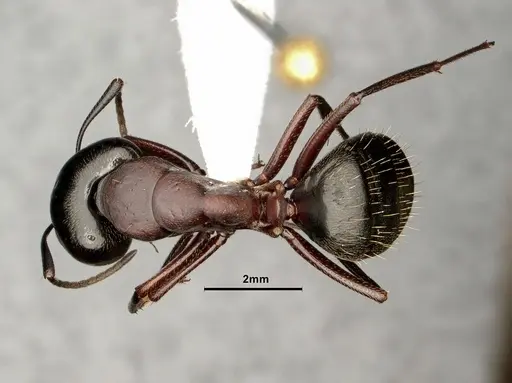
CASENT0884316
View on AntWeb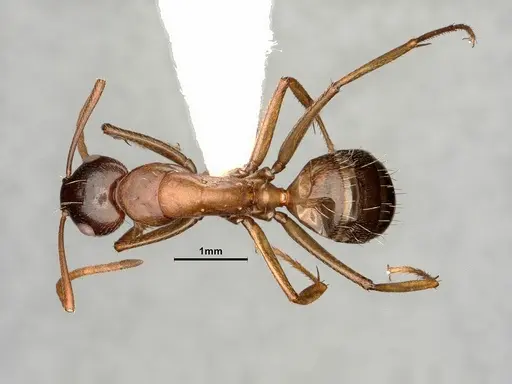
Literature
Loading...Loading products...