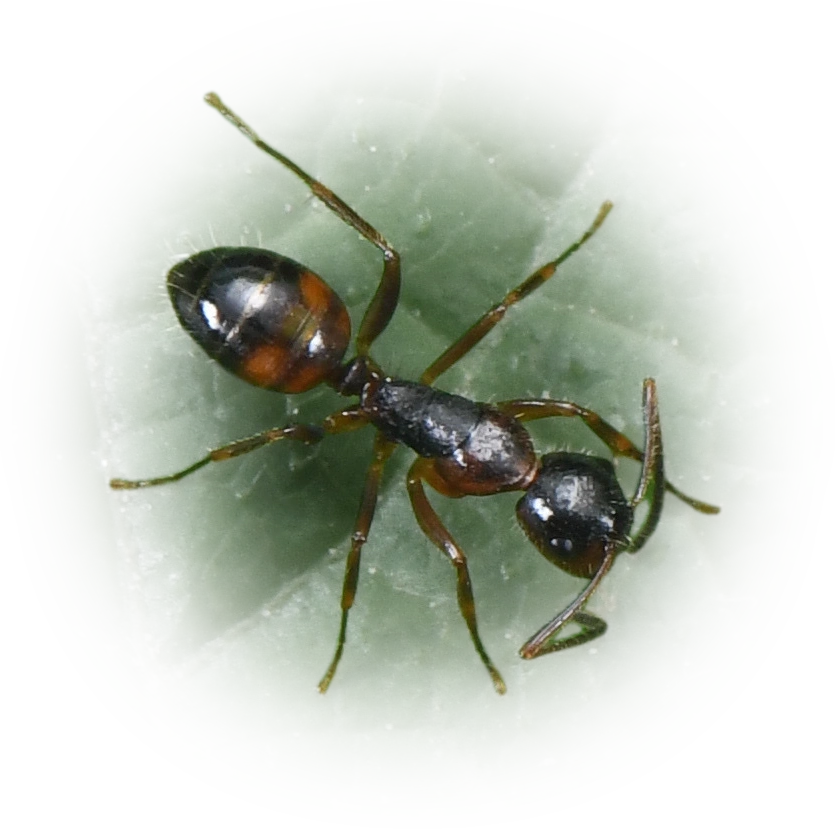

Camponotus nipponensis
- Scientific Name
- Camponotus nipponensis
- Subgenus
- Myrmamblys
- Tribe
- Camponotini
- Subfamily
- Formicinae
- Author
- Santschi, 1937
- Distribution
- Found in 2 countries
Camponotus nipponensis Overview
Camponotus nipponensis is an ant species of the genus Camponotus. It is primarily documented in 2 countries , including Japan, Korea, Republic of. Detailed taxonomic data and occurrence records can be further explored via authoritative databases such as AntWeb or the Global Biodiversity Information Facility (GBIF).
Camponotus nipponensis
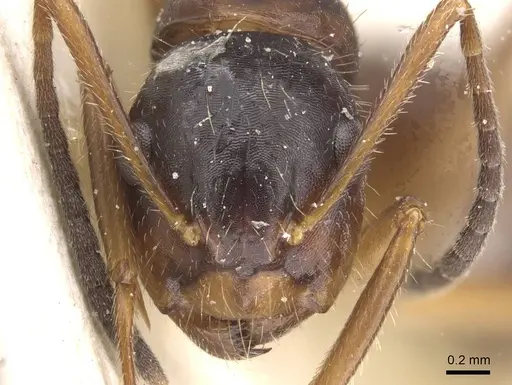
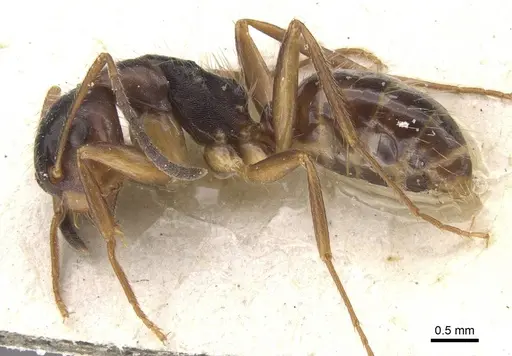
Camponotus nipponensis is a medium-sized carpenter ant native to East Asia, found in Japan, the Korean Peninsula, China, and Taiwan. Workers measure 4-5mm and have a distinctive black to blackish-brown body with a unique feature: over 20 long, flagellate hairs on the mesosoma (the middle body section) and similar hairs on the petiole (the narrow waist section). This hairy appearance sets them apart from other Japanese Camponotus species in the subgenus Myrmentoma. The species is relatively rare, found from lowland areas up to lower mountainous regions [1].
This species is closely related to Camponotus quadrinotatus, sharing 94.5% morphological similarity, though molecular analysis places them in a distinct phylogenetic group [2]. Like other carpenter ants, they likely nest in wood and have the typical Camponotus social structure with major and minor workers. Their rarity in the wild makes them an interesting species for antkeepers seeking something less common than typical pet trade ants.
Quick Summary
- Difficulty: Medium
- Origin & Habitat: Native to East Asia: Japan (Honshu), Korean Peninsula, China, and Taiwan. Found from lowlands to lower mountainous regions, typically in forested areas. This is a forest vegetation forager species [3].
- Colony Type: Likely single-queen (monogyne) colonies based on typical Camponotus patterns. Colonies contain major and minor workers.
- Colony: Monogyne
- Founding: Claustral
- Size & Growth:
- Queen: Estimated 9-12mm based on genus typical size, not directly measured in available literature
- Worker: 4-5mm [1]
- Colony: Unknown for this species, likely several hundred workers based on related Camponotus species
- Growth: Moderate, typical for Camponotus genus
- Development: Estimated 6-10 weeks at optimal temperature based on genus patterns for Camponotus species (Development time varies with temperature, claustral founding means queens raise first brood alone using stored fat reserves)
- Antkeeping:
- Temperature: Keep at 20-26°C with a gentle gradient. Room temperature (around 22°C) is typically suitable for this Japanese species. Provide a heating cable on one side of the nest if your room runs cool.
- Humidity: Moderate humidity around 50-70%. Keep the nest substrate slightly moist but allow some drying areas. These forest dwellers appreciate a humid outworld but not saturated conditions.
- Diapause: Yes, as a Japanese species, they require a winter dormancy period. Reduce temperature to 10-15°C for 2-3 months during winter.
- Nesting: Y-tong (AAC) nests work well for this medium-sized species. They also accept plaster nests and naturalistic setups with wood pieces. Provide nesting chambers scaled to their size.
- Behavior: Generally calm and non-aggressive for a Camponotus species. Workers are moderate foragers that search for sugar sources and protein. They are not known for being particularly defensive but can bite if threatened. Escape prevention should be moderate, their 4-5mm size is manageable with standard barriers but they can climb smooth surfaces. Major workers (if present) are larger and may handle heavier food items.
- Common Issues: colonies may grow slowly during the first year as the queen raises her first workers claustrally, winter dormancy is essential, skipping hibernation can weaken or kill colonies over time, relatively rare in the pet trade, so finding mated queens may be difficult, wild-caught colonies may carry parasites that affect captive survival, moderate humidity needs mean overwatering can cause mold problems in the nest
Nest Preferences and Housing
Camponotus nipponensis does well in Y-tong (acrylic glass) nests, which provide good visibility and easy humidity control. Plaster nests also work well, especially if you want to maintain moderate moisture levels. The chambers should be appropriately sized for their 4-5mm workers, not too tight, but not excessively large either. A naturalistic setup with pieces of soft wood can mimic their natural nesting preferences, as carpenter ants naturally excavate wood. However, they readily accept artificial nests, so you don't need to provide actual wood unless you want to. The outworld should be spacious enough for foraging and feeding, with moderate escape prevention using standard barrier methods. [1][3]
Feeding and Diet
Like other Camponotus species, these ants are omnivorous with a preference for sugar sources. Offer sugar water, honey, or diluted maple syrup as a constant energy source. For protein, provide insects such as mealworms, small crickets, or other appropriately sized prey. They will also accept protein-based commercial ant foods. Feed sugar sources constantly and offer protein 2-3 times per week. Remove uneaten prey after 24-48 hours to prevent mold. Based on their forest vegetation forager classification, they likely forage actively in the upper layers of their habitat, so place food in accessible locations in the outworld. [3]
Temperature and Seasonal Care
Maintain temperatures between 20-26°C, with 22-24°C being ideal for colony growth. A gentle temperature gradient allows ants to regulate their own exposure. During the summer active season, room temperature is typically sufficient. Come winter, this Japanese species requires a diapause (hibernation) period of 2-3 months at reduced temperatures of 10-15°C. This can be achieved by moving the colony to a cool basement, garage, or refrigerator (if properly monitored). Skipping hibernation weakens colonies over time and can prevent proper seasonal cycling. Do not feed during diapause and keep moisture minimal. [1]
Colony Founding and Growth
Queens are claustral, meaning they seal themselves in a chamber and raise the first brood without leaving to forage. The queen uses stored fat reserves to produce eggs and feed the developing larvae. This process takes 6-10 weeks under optimal conditions, resulting in nanitic (first) workers that are typically smaller than normal workers. After the first workers emerge, the colony enters a growth phase where the queen resumes egg-laying and workers take over all foraging and brood care. Growth is moderate, expect the colony to reach 50-100 workers within the first year under good conditions. Subsequent growth depends on feeding quality and temperature stability.
Behavior and Temperament
Camponotus nipponensis is generally calm and less aggressive than many other carpenter ants. Workers go about their tasks methodically without excessive alarm-raising behavior. They are moderate foragers and will send workers out to collect sugar and protein sources. Major workers, when present, are larger and may assist with heavier food items. They are not particularly defensive and rarely sting, though they can bite if the nest is severely threatened. Their 4-5mm size means moderate escape prevention is needed, they can climb smooth surfaces but are not as tiny as some problem species. Standard fluon barriers on the rim of the outworld should suffice. [1]
Frequently Asked Questions
How long does it take for Camponotus nipponensis to produce first workers?
Expect 6-10 weeks from egg to first worker at optimal temperature (around 22-24°C). This is typical for Camponotus species with claustral founding.
What temperature do Camponotus nipponensis need?
Keep them at 20-26°C with 22-24°C being ideal. They require winter hibernation at 10-15°C for 2-3 months.
Are Camponotus nipponensis good for beginners?
They are moderate difficulty, easier than some exotic species but require attention to hibernation and moderate humidity. Good for keepers with some experience.
How big do Camponotus nipponensis colonies get?
Likely several hundred workers based on related species. Exact maximum is unknown for this rare species.
What do Camponotus nipponensis eat?
Sugar sources (honey, sugar water) and protein (insects like mealworms). Feed sugar constantly and protein 2-3 times weekly.
Can I keep multiple queens together?
Not recommended, Camponotus nipponensis is likely single-queen species. Combining unrelated queens has not been documented.
Do they need hibernation?
Yes, as a Japanese species they require winter dormancy. Reduce temperature to 10-15°C for 2-3 months annually.
When should I move them to a formicarium?
Wait until the colony has at least 30-50 workers and is actively foraging. Test tube colonies can be moved once the test tube becomes crowded.
Why is my colony growing slowly?
Growth is naturally moderate for this species. Ensure proper temperature (20-26°C), feeding, and humidity. First-year colonies are typically slow as the queen raises her first brood alone.
References

This caresheet is licensed under CC BY-SA 4.0 .
CASENT0911664
View on AntWeb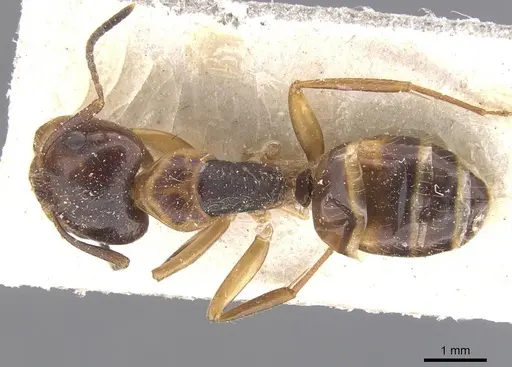
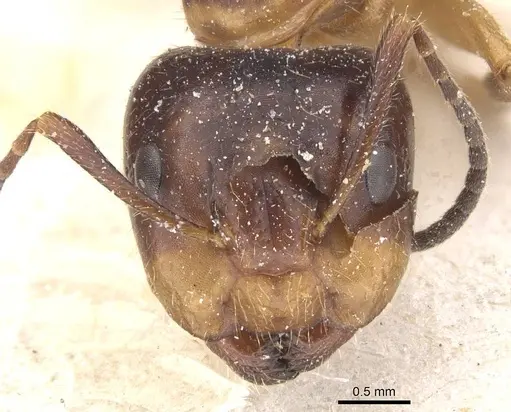
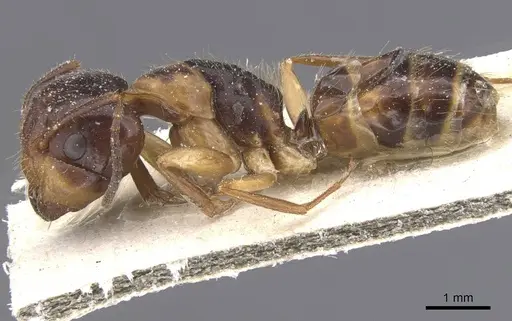
CASENT0911665
View on AntWeb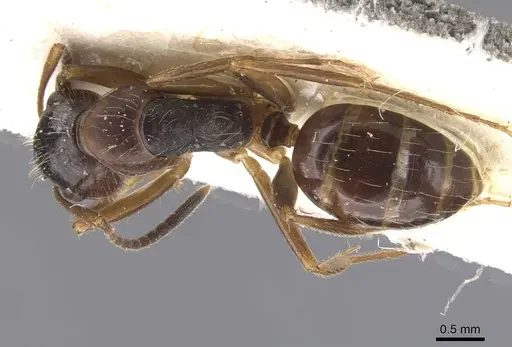
Literature
Loading...Loading products...