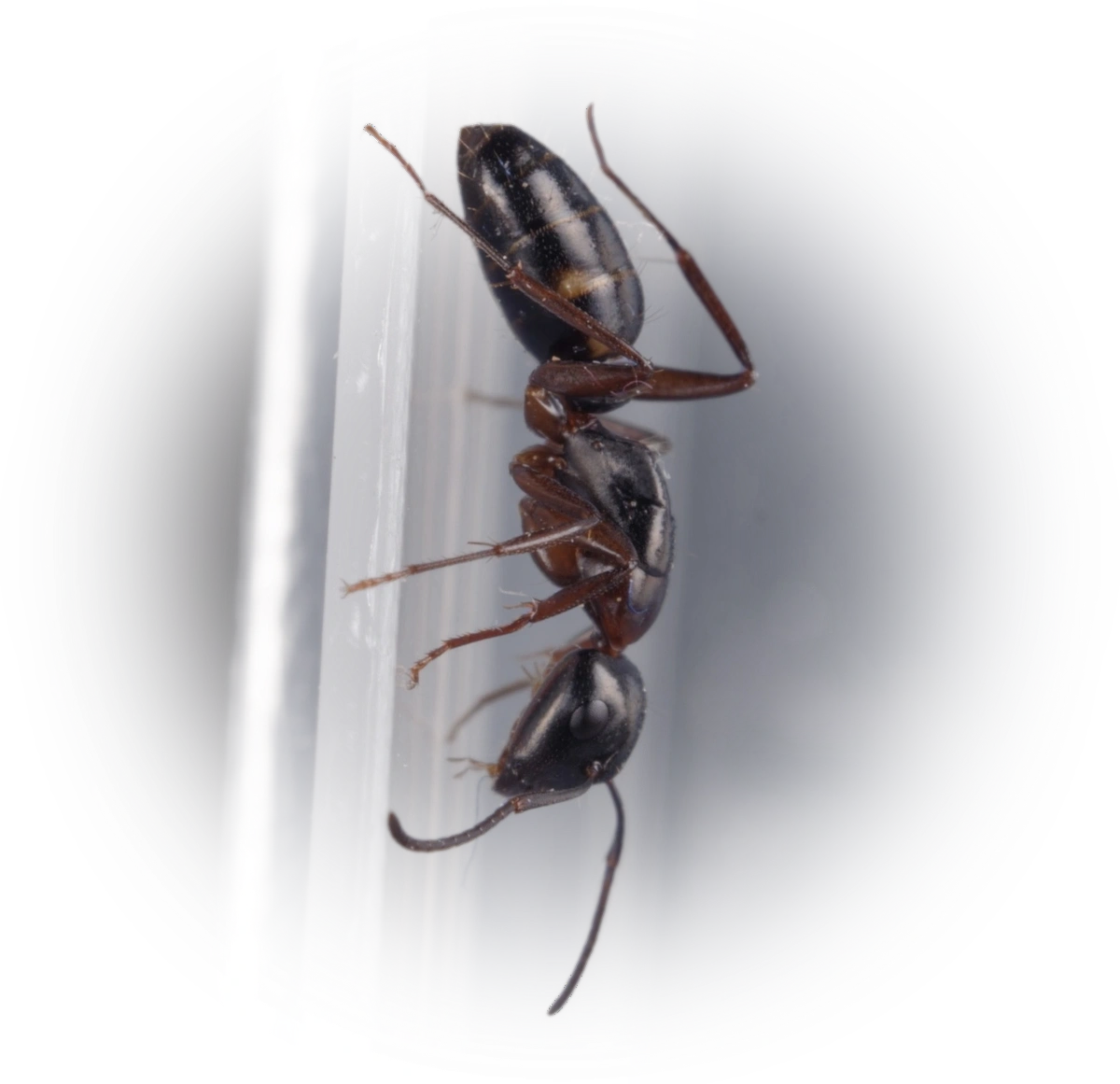

Camponotus quadrinotatus
- Scientific Name
- Camponotus quadrinotatus
- Subgenus
- Myrmentoma
- Tribe
- Camponotini
- Subfamily
- Formicinae
- Author
- Forel, 1886
- Common Name
- Four-spotted Carpenter Ant
- Distribution
- Found in 3 countries
Camponotus quadrinotatus Overview
Camponotus quadrinotatus (commonly known as the Four-spotted Carpenter Ant) is an ant species of the genus Camponotus. It is primarily documented in 3 countries , including China, Japan, Korea. Detailed taxonomic data and occurrence records can be further explored via authoritative databases such as AntWeb or the Global Biodiversity Information Facility (GBIF).
Camponotus quadrinotatus - "Four-spotted Carpenter Ant"
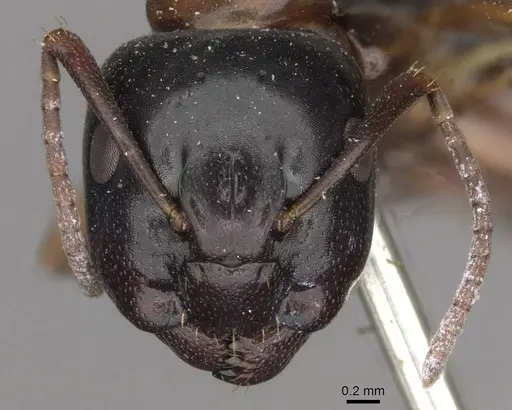
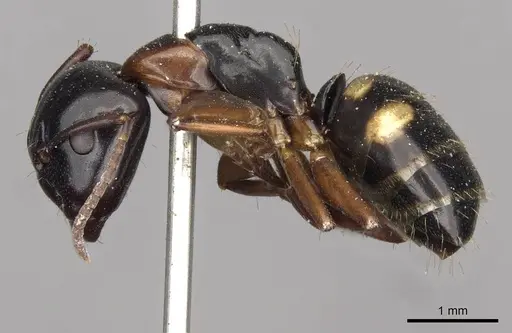
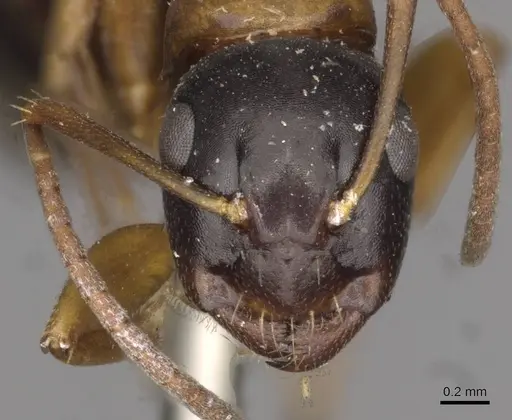
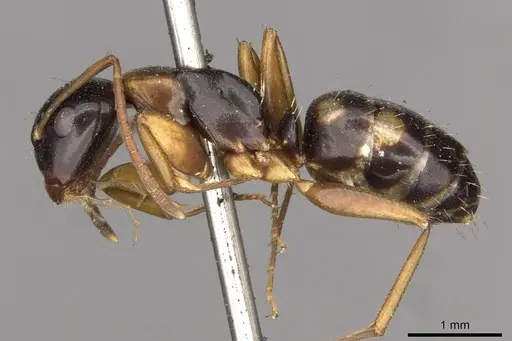
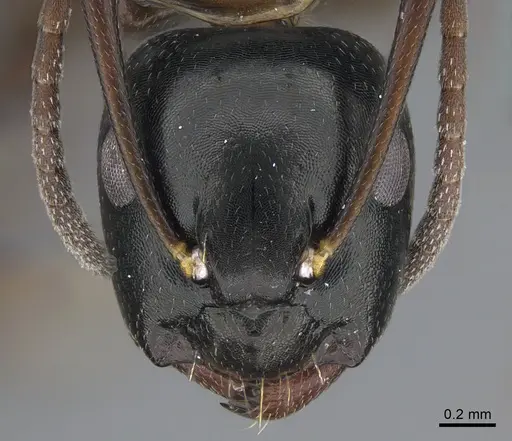
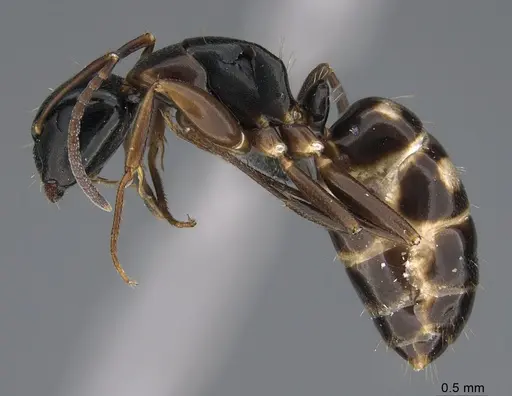
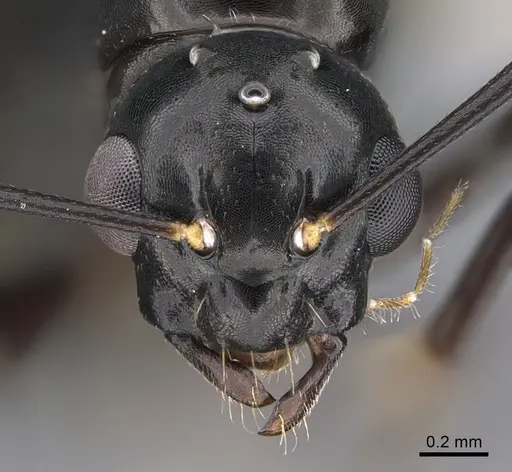
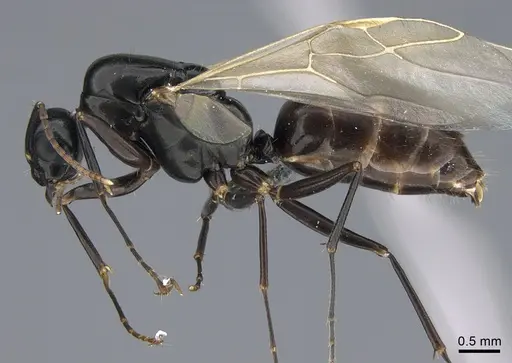
Camponotus quadrinotatus is a medium-sized carpenter ant native to East Asia, with workers measuring 5-6mm in length [1]. Their body is primarily black, though the pronotum often appears brownish, and they have distinctive yellowish spots on the first two abdominal segments, a pair on each segment [1][2]. This is an arboreal species that naturally nests in bark, crevices, and dead parts of tree trunks across coniferous and mixed forests [1]. The species has a broad geographic range spanning Japan, Korea, China, the Russian Far East, Mongolia, and recently documented in northern India [3][4]. What makes this species interesting is its adaptability, while Japanese populations inhabit forest edges and sparse woodlands, the Mongolian population thrives in dry, hot semi-desert ecosystems, showing remarkable ecological flexibility [5].
Quick Summary
- Difficulty: Easy
- Origin & Habitat: Native to East Asia, Japan, Korean Peninsula, China, Russian Far East, Mongolia, and northern India. In nature they are arboreal, nesting in bark, tree crevices, and dead twigs. Japanese populations prefer sparse forests and forest edges, while Mongolian populations inhabit dry semi-desert ecosystems around deciduous riparian trees [1][5].
- Colony Type: Monogyne (single queen colonies), this is standard for most Camponotus species. Queens found new nests alone after mating flights.
- Colony: Monogyne
- Founding: Claustral
- Size & Growth:
- Queen: Estimated 10-12mm based on genus patterns (Camponotus queens are typically 1.5-2x worker size)
- Worker: 5-6mm [1][6]
- Colony: Likely several hundred workers based on typical Camponotus colony development
- Growth: Moderate, expect 6-10 weeks from egg to first worker at optimal temperature
- Development: 6-10 weeks (estimated based on typical Camponotus development patterns) (Development time depends on temperature, warmer conditions within range accelerate development. First workers (nanitics) will be smaller than normal workers.)
- Antkeeping:
- Temperature: Keep around 20-24°C. This species tolerates a range from cooler northern populations to warmer conditions, a gentle gradient allows ants to self-regulate [5].
- Humidity: Moderate humidity around 50-60%. As an arboreal species, they prefer somewhat drier conditions than ground-nesting ants. Provide a water tube but avoid overly damp setups.
- Diapause: Yes, as a temperate species, they need a winter rest period. Reduce temperature to 10-15°C for 2-3 months during winter.
- Nesting: Arboreal setup works best, Y-tong (AAC) nests or wooden formicaria mimic their natural tree-nesting behavior. They also do well in test tube setups if given climbing structures.
- Behavior: Generally calm and non-aggressive for a carpenter ant. Workers are active foragers that readily search for protein and sugar sources. They are moderate escape risks, not tiny, but use standard barriers. Unlike some Camponotus, they are not particularly aggressive toward keepers. As arboreal ants, they benefit from climbing structures in their outworld.
- Common Issues: colonies may stall if temperatures drop too low during development, arboreal nature means they need climbing space, flat test tubes without structures can limit activity, winter diapause is required, skipping hibernation weakens colonies over time, wild-caught colonies may carry parasites that cause colony collapse, queens can be difficult to establish, ensure claustral founding conditions are dark and undisturbed
Housing and Nest Setup
Camponotus quadrinotatus does well in several setups. A Y-tong (AAC) nest works excellently since it mimics their natural arboreal nesting sites, the chambers are appropriately sized and the material allows for some humidity control. Wooden formicaria are another good option, as these carpenter ants naturally excavate in wood. However, they are not destructive like some Camponotus, they don't chew through silicone. Test tube setups are also viable, especially for founding colonies, but add some climbing structures like twigs or cork bark in the outworld since they are arboreal by nature. Whatever setup you choose, ensure darkness during the founding phase, queens seal themselves in dark chambers and prefer quiet, undisturbed locations. [1][6]
Feeding and Diet
Like most carpenter ants, Camponotus quadrinotatus is omnivorous. They accept protein sources like mealworms, small crickets, and other insects. Sugar is important too, offer honey water, sugar water, or small drops of honey. In the wild, they forage for honeydew from aphids and tend scale insects, so sugar sources are readily accepted. Feed protein 2-3 times per week and keep a sugar source available constantly. Remove uneaten prey after 24-48 hours to prevent mold. Workers will store food in their social stomachs and distribute it to nestmates. [6]
Temperature and Seasonal Care
Maintain temperatures between 20-24°C for optimal colony development. This species comes from a wide geographic range including cool-temperate Japan and warmer regions, so they are adaptable. A heating cable on one side of the nest creates a temperature gradient that lets ants self-regulate. During winter, they require a diapause period, reduce temperatures to 10-15°C for 2-3 months. This mimics their natural seasonal cycle and is essential for long-term colony health. Do not feed during hibernation and keep water available but minimal. Gradual temperature changes are key, avoid sudden shifts that stress the colony. [5]
Colony Development
A newly mated queen will seal herself in a claustral chamber and lay eggs without foraging. She lives entirely on her stored fat reserves while raising the first brood. This founding phase typically takes 6-10 weeks depending on temperature, ending when the first workers (nanitics) emerge. These first workers are smaller than normal workers but will begin foraging to feed the colony. Growth is moderate, expect several months to reach 20-30 workers, then faster expansion as the colony grows. Mature colonies can reach several hundred workers. Nuptial flights occur during warm summer months, when winged reproductives leave to mate and start new colonies.
Behavior and Temperament
This species is relatively calm compared to many carpenter ants. Workers are active foragers but not particularly aggressive. They are arboreal by nature, so you'll see them climbing readily on branches, plants, or the walls of their outworld. They are not major biters and pose no danger to keepers. Escape prevention is straightforward, they are not tiny ants, so standard barriers work well. They do not have a painful sting, though some workers may bite if provoked. Their distinctive yellow spots on the abdomen make them easy to identify among ant collections. [1]
Frequently Asked Questions
How long does it take for Camponotus quadrinotatus to produce first workers?
Expect 6-10 weeks from egg to first worker at optimal temperatures (around 22-24°C). This is typical for Camponotus species. The first workers, called nanitics, will be smaller than mature workers but will begin foraging to support the growing colony.
Do Camponotus quadrinotatus ants need hibernation?
Yes, they require a winter diapause. Reduce temperatures to 10-15°C for 2-3 months during winter. This rest period is essential for colony health and mimics their natural seasonal cycle in temperate East Asia.
What do Camponotus quadrinotatus eat?
They are omnivorous. Offer protein like mealworms, small crickets, or other insects 2-3 times per week. Keep a sugar source available constantly, honey water, sugar water, or honey. They readily accept both protein and sugar in captivity.
Are Camponotus quadrinotatus good for beginners?
Yes, this is a good species for beginners. They are relatively calm, not aggressive, and have straightforward care requirements. They adapt well to various nest types and are not difficult to keep. The main requirements are proper temperature, hibernation, and appropriate feeding.
Can I keep multiple Camponotus quadrinotatus queens together?
No, this is a monogyne species, colonies have a single queen. Unlike some ants that can form multi-queen colonies, Camponotus quadrinotatus queens are territorial and will fight. Only keep one queen per colony.
What size colony do Camponotus quadrinotatus reach?
Based on typical Camponotus patterns, colonies likely reach several hundred workers at maturity. Growth is moderate, expect several months to reach 50+ workers, with faster expansion once the colony establishes a solid worker base.
What nest type is best for Camponotus quadrinotatus?
Y-tong (AAC) nests work excellently as they mimic the arboreal nesting sites this species uses in nature. Wooden formicaria are also suitable. Test tubes work for founding colonies but add climbing structures since they are naturally arboreal.
Why are my Camponotus quadrinotatus dying?
Common causes include: temperatures too low during development, skipping winter diapause, mold from overfeeding or poor ventilation, parasites from wild-caught colonies, or disturbance during claustral founding. Check temperature gradients, feeding amounts, and ensure the queen has been in a dark, quiet location.
When should I move my colony to a formicarium?
Move to a larger nest when the test tube becomes crowded or the colony reaches around 30-50 workers. For Y-tong or wooden nests, ensure the chambers are appropriately sized, too large an empty space can stress smaller colonies.
References

This caresheet is licensed under CC BY-SA 4.0 .
CASENT0008641
View on AntWeb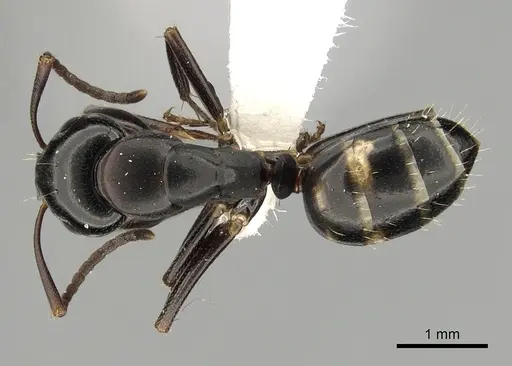
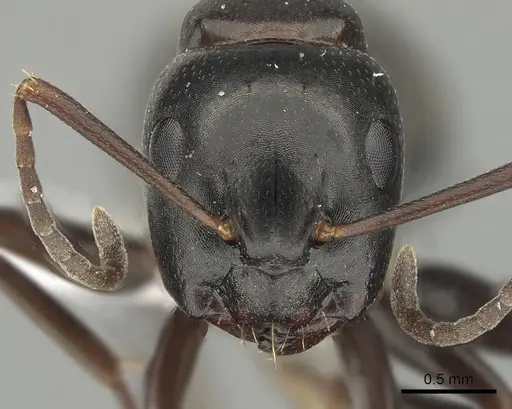
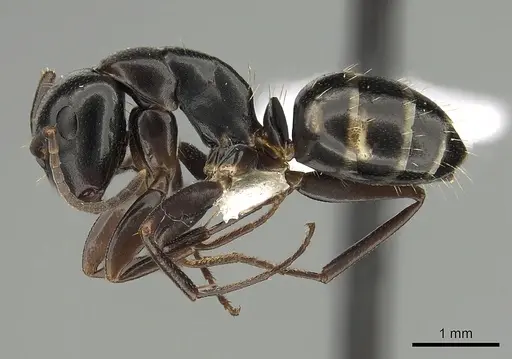
CASENT0910421
View on AntWeb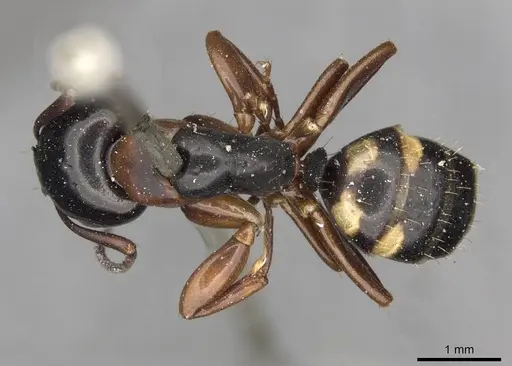
CASENT0910422
View on AntWeb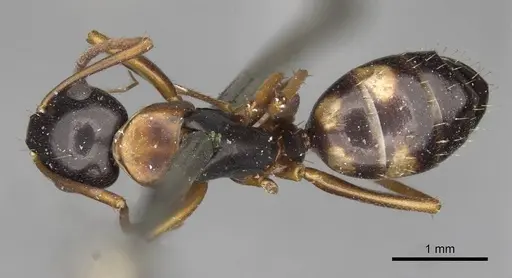
CASENT0923676
View on AntWeb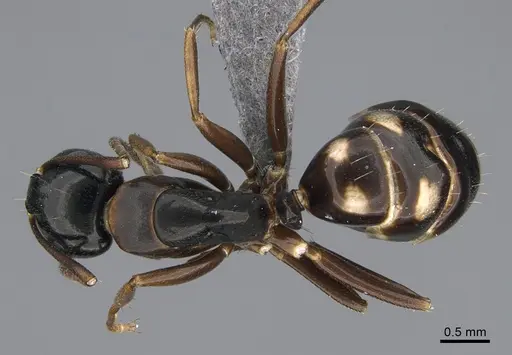
CASENT0923677
View on AntWeb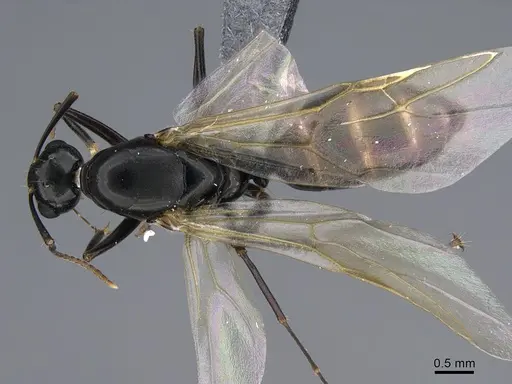
Literature
Loading...Loading products...