

Camponotus morosus
- Scientific Name
- Camponotus morosus
- Subgenus
- Tanaemyrmex
- Tribe
- Camponotini
- Subfamily
- Formicinae
- Author
- Smith, 1858
- Distribution
- Found in 2 countries
Camponotus morosus Overview
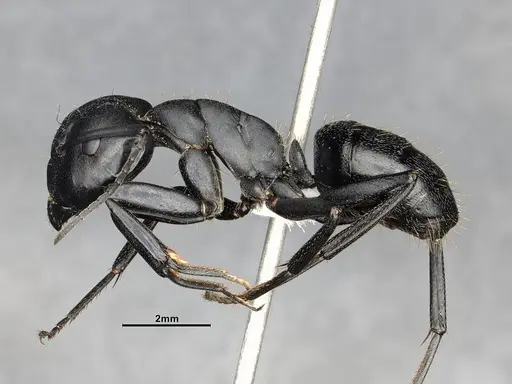
Camponotus morosus is an ant species of the genus Camponotus. It is primarily documented in 2 countries , including Argentina, Chile. Detailed taxonomic data and occurrence records can be further explored via authoritative databases such as AntWeb or the Global Biodiversity Information Facility (GBIF).
Camponotus morosus
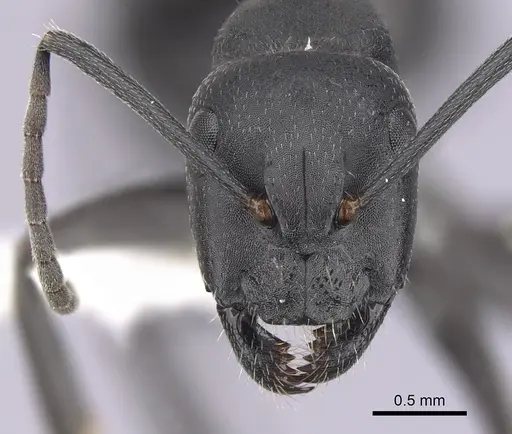
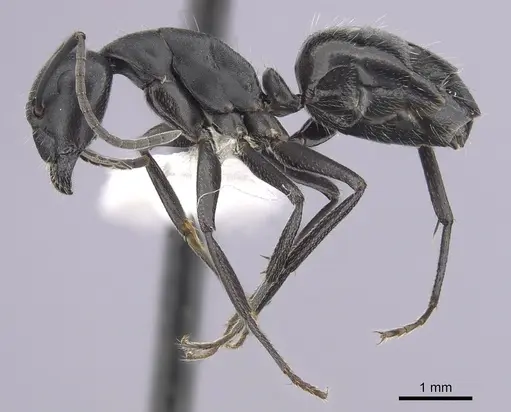
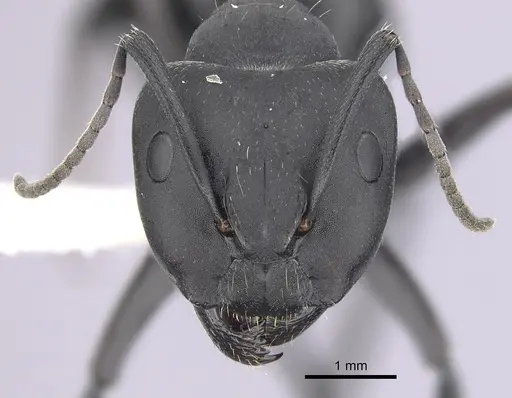
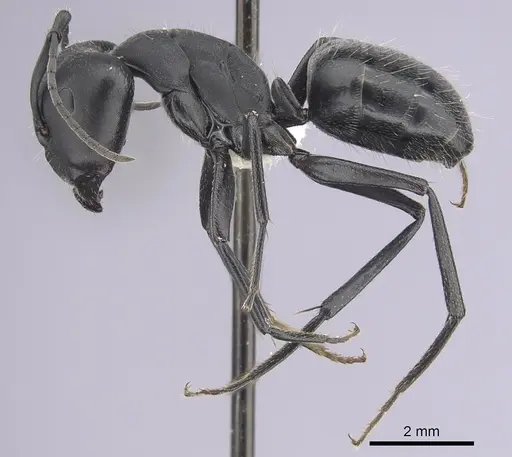
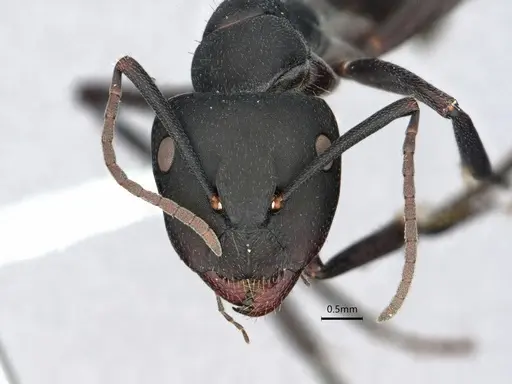
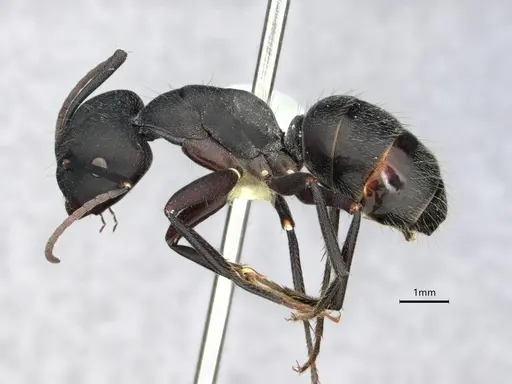
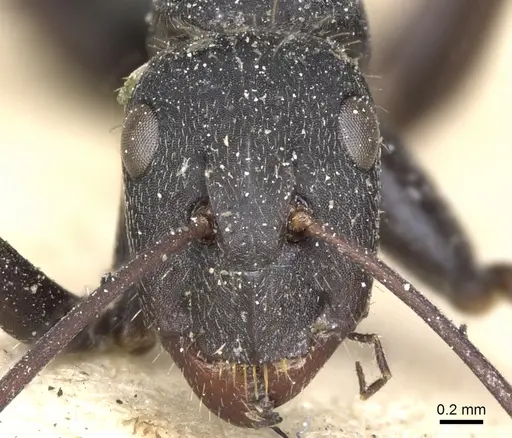
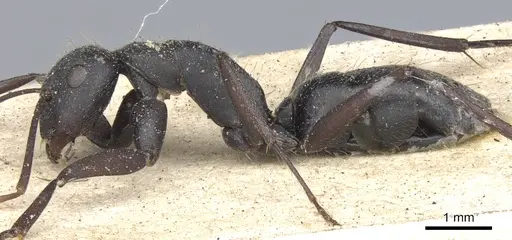
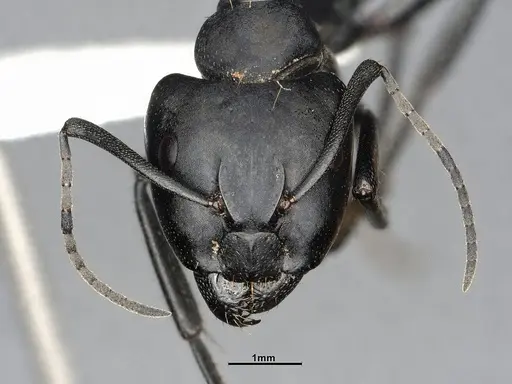
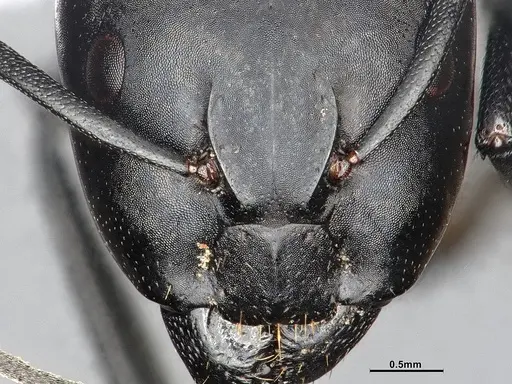
Camponotus morosus is a large, robust ant species native to Chile and Argentina, known locally as 'hormigones negros' or black carpenter ants. Workers measure 11-14mm and are completely black with few hairs on the head, giving them a distinctive sleek appearance compared to similar species like C. chilensis which has more hairs [1][2][3]. This species is one of the most conspicuous and abundant ants in the foothill scrubland of central Chile, thriving in Mediterranean climate zones with sclerophyllous vegetation [4].
What makes C. morosus particularly interesting is its complex social behavior. It lives in parabiotic association with Solenopsis gayi, where both species share nests but maintain separate colonies, a rare and studied phenomenon in ant biology [5][6]. These ants are highly aggressive and exhibit 'hermetism, ' meaning they fiercely defend against intruders from other colonies, often engaging in fights that can involve dozens of workers until death occurs [3][7]. They also commonly rob nectar from flowers, piercing base of tepals to access nectar without entering flowers legitimately [2].
Quick Summary
- Difficulty: Medium
- Origin & Habitat: Native to Chile and Argentina, found from Antofagasta to Magallanes in foothill scrubland environments with Mediterranean climate. Nests are located in shrubs, pre-Andean hills, and abandoned wood-borer galleries in raulí forests [3][4][8].
- Colony Type: Monogyne, single queen colonies [5]. Research confirms this species is monogynous with one queen per colony.
- Colony: Monogyne
- Founding: Claustral
- Size & Growth:
- Queen: Estimated 14-16mm based on genus patterns (Camponotus queens typically 1.2-1.5x worker size)
- Worker: 11-14mm [1][2]
- Colony: Colony size not directly documented, but as a large Camponotus species, likely reaches several thousand workers
- Growth: Moderate, typical for Camponotus genus
- Development: Estimated 6-8 weeks at optimal temperature based on genus patterns (Development time inferred from typical Camponotus development, direct measurements not available for this species)
- Antkeeping:
- Temperature: Keep at 20-24°C. As a species from central Chile's Mediterranean climate, they prefer moderate temperatures. Room temperature is likely suitable for most keepers. A slight gradient is beneficial but not required.
- Humidity: Moderate humidity around 50-60%. They naturally inhabit scrubland environments that experience dry summers but receive moisture from coastal fog. Provide a water tube and allow the nest area to dry slightly between waterings.
- Diapause: Yes, as a temperate species from Chile, they require a winter rest period. Reduce temperature to 10-15°C for 2-3 months during winter (May-August in Northern Hemisphere).
- Nesting: Y-tong (AAC) nests or plaster nests work well. In the wild they nest in rotting wood, under stones, and in abandoned insect galleries. Provide nest chambers scaled to their large worker size. Avoid overly humid conditions that can cause mold.
- Behavior: C. morosus is an aggressive species that walks rapidly on the ground and through branches of shrubs and trees [3]. They are active foragers with peak activity between 10:00-12:00 and 15:00-17:00 hours [4]. Workers typically walk with their abdomen raised at about 45°, which is thought to be a response to stressful stimuli or social interactions [3]. They are generalist scavengers, the diet study showed 40.91% insects (mostly dead),35.71% bird and reptile feces, and 22.8% plant material. They also tend aphids, mealybugs, and scale insects for honeydew, and have been observed feeding on carrion [5]. Escape risk is moderate, these are large ants but can climb smooth surfaces. Use standard barrier methods. They are highly territorial and will fight aggressively with other ant colonies, including their own species from different nests.
- Common Issues: colonies can fail if not given proper hibernation, temperate species requires winter rest period, extreme aggression means combining colonies or introducing new queens is extremely difficult and rarely successful, wild-caught colonies may have parasites including Phoridae flies that lay eggs on their heads, overfeeding can lead to mold issues, remove uneaten food promptly, their large size requires appropriately sized enclosures and feeding spaces
Nest Preferences
In the wild, C. morosus nests in a variety of locations including shrubs, pre-Andean hills, and abandoned galleries of wood-boring insects in raulí forests [8][3]. They are often found in association with vegetation in foothill scrubland environments. For captive care, Y-tong (AAC) nests or plaster nests work well because they mimic the natural rotting wood environment these ants prefer. The nest should have chambers large enough for their 11-14mm workers to move comfortably. Provide a water tube for humidity but avoid making the nest overly wet, they come from a Mediterranean climate with dry summers. A small outworld area allows workers to forage and dispose of debris. Since they are aggressive and territorial, ensure the setup has good escape prevention, though they are not particularly skilled at climbing smooth surfaces like some Myrmica species.
Feeding and Diet
C. morosus is a generalist scavenger with a diverse diet. Studies in central Chile showed their diet consists of about 40.91% insects (90.8% dead,9.2% live),35.71% bird and reptile feces, and 22.8% plant material. This makes them primarily scavengers rather than active predators. They also attend to aphids, mealybugs, and scale insects for honeydew, and have been observed feeding on cow carcasses, transporting insect pupae remains, skin and hair [5]. For captive care, offer a varied diet: protein sources like mealworms, crickets, or other insects (preferably dead or wounded) 2-3 times per week, and sugar sources like honey water or sugar water constantly available. They will also accept fruit occasionally. Adult ants primarily need sugars for metabolism while larvae and queen require protein for growth and reproduction. Remove uneaten food promptly to prevent mold, which can be problematic for this species.
Temperature and Seasonal Care
As a species from central Chile's Mediterranean climate, C. morosus prefers moderate temperatures around 20-24°C. This range is comfortable for most indoor environments, making additional heating often unnecessary. However, they do require a winter rest period (diapause) since they are a temperate species. During winter (roughly November-February in their natural habitat, or May-August in the Northern Hemisphere for captive keepers), reduce temperatures to 10-15°C and reduce feeding. This mimics their natural seasonal cycle and is essential for colony health and longevity. Do not feed during deep hibernation. Return to normal temperatures gradually in spring. Peak foraging activity in the wild occurs between 10:00-12:00 and 15:00-17:00 hours, so they are most active during mid-morning and afternoon [4].
Behavior and Colony Dynamics
C. morosus exhibits fascinating and complex social behaviors. They are highly aggressive and 'hermetic', meaning they fiercely reject intruders from other colonies, even engaging in fights that can involve dozens of workers until death occurs [3][7]. Research shows they recognize intruders through epicuticular hydrocarbon chemical markers at approximately 1.2cm distance through antennal exploration [7]. Studies on recognition show that younger workers (2 hours old) have 70% acceptance in foreign nests, while 8-hour-old workers only have 30% acceptance, their colony odor develops within the first two days of adulthood [9]. They also show interesting behavior of walking with abdomen raised at about 45°, possibly as a response to stress or social interactions [3]. Workers travel 162.5-203.3 cm from the nest to forage, with home ranges of 0.89-2.00 square meters [4]. They live in parabiotic association with Solenopsis gayi, where both species share nests but maintain separate colonies, S. gayi workers are tolerant of C. morosus workers, and C. morosus is aggressive toward most other ants except its own nestmates and S. gayi [5][6].
Dealing with Aggression and Colony Introduction
C. morosus is not a species for keepers looking to combine colonies or introduce additional queens. Their extreme hermetism means that introducing workers from other colonies, pupae, or larvae will result in aggressive rejection. Studies show that transferred larvae are initially accepted and fed but once they emerge as adults, resident workers gradually attack them, only 20% survive 15 days in receiving nests [9]. All transferred pupae are killed, with mean survival of only 2.2 days. Even adults reintroduced to their original colony after being raised in another nest face only 37.5% acceptance [9]. This species should be kept as an established single-queen colony. If you need to expand, wait for the colony to produce its own alates (reproductives) rather than attempting to combine colonies. The strong genetic influence on individual odor makes acceptance of foreign individuals extremely unlikely.
Frequently Asked Questions
Is Camponotus morosus good for beginners?
Camponotus morosus is rated as medium difficulty. While they are not the hardest species to keep, they do have specific requirements: they need a winter hibernation period, they are aggressive so combining colonies is not possible, and they require a varied diet. They are larger ants which makes them easier to observe, but their aggressive nature and hibernation requirements make them better suited for keepers who have some experience with ant keeping basics.
How long does it take for Camponotus morosus to produce first workers?
Exact development time is not documented for this species, but based on typical Camponotus genus patterns, expect 6-8 weeks from egg to worker at optimal temperature (around 20-24°C). The queen will seal herself in during founding (claustral founding) and live off stored fat reserves until the first workers emerge.
Can I keep multiple Camponotus morosus queens together?
No. This species is monogyne, meaning they have single-queen colonies. Research confirms monogynous structure, and their extreme aggression (hermetism) makes combining queens or colonies extremely difficult and rarely successful. Introducing any foreign individual results in aggressive rejection.
What do Camponotus morosus eat?
They are generalist scavengers. In the wild, about 41% of their diet is insects (mostly dead),36% is bird and reptile feces, and 23% is plant material. They also feed on honeydew from aphids and scale insects. In captivity, offer protein (dead insects, mealworms) 2-3 times per week and sugar water or honey constantly available. They will also accept fruit occasionally.
Do Camponotus morosus need hibernation?
Yes. As a temperate species from Chile, they require a winter rest period. Reduce temperature to 10-15°C for 2-3 months during winter (May-August in Northern Hemisphere). Reduce feeding during this period and do not feed during deep hibernation. This is essential for colony health.
How big do Camponotus morosus colonies get?
Colony size is not directly documented, but as a large Camponotus species, colonies likely reach several thousand workers over several years. They are one of the most abundant species in their native habitat, indicating successful colony growth.
Why is my Camponotus morosus colony dying?
Common causes include: lack of proper hibernation (they need winter rest), overfeeding leading to mold, parasites (Phoridae flies are natural parasites), or stress from too much disturbance. They are also highly sensitive to foreign odors, ensure you are not introducing contaminated items. Review your temperature, humidity, and seasonal care routine.
When should I move Camponotus morosus to a formicarium?
Move them when the colony reaches around 30-50 workers and the test tube is becoming crowded. Make sure the formicarium has appropriately sized chambers for their 11-14mm workers. They do well in Y-tong or plaster nests that mimic their natural wood-nesting preferences.
References

This caresheet is licensed under CC BY-SA 4.0 .
CASENT0249339
View on AntWeb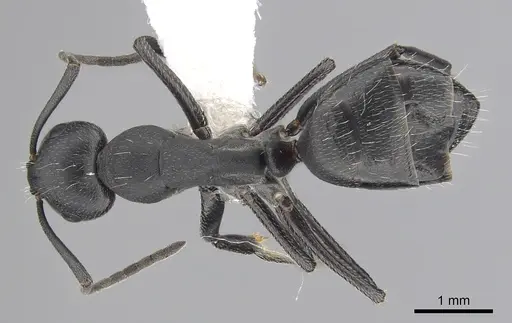
CASENT0249340
View on AntWeb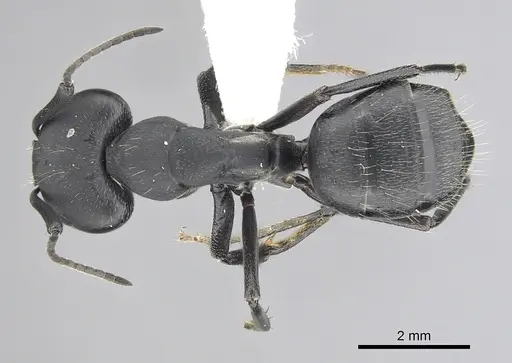
CASENT0886719
View on AntWeb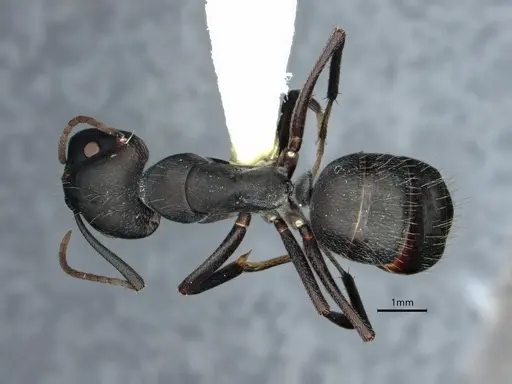
CASENT0903651
View on AntWeb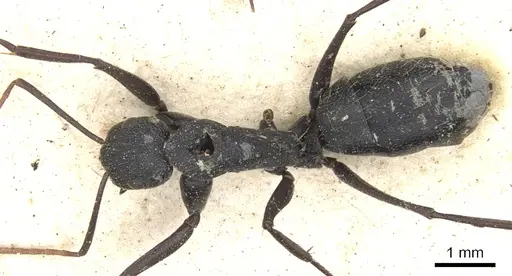
CASENT0923540
View on AntWeb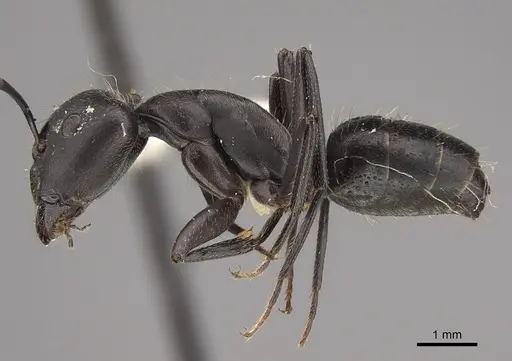
CASENT4032231
View on AntWeb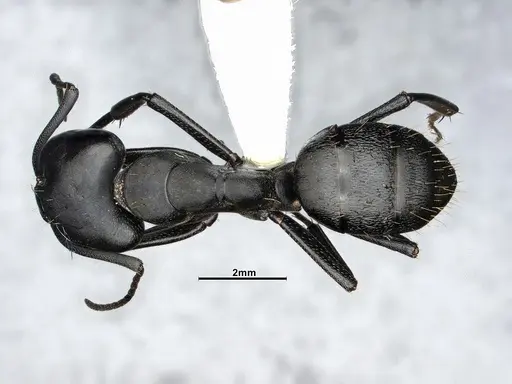
Literature
Loading...Loading products...