

Camponotus molossus
- Scientific Name
- Camponotus molossus
- Subgenus
- Myrmosaulus
- Tribe
- Camponotini
- Subfamily
- Formicinae
- Author
- Forel, 1907
- Distribution
- Found in 1 countries
Camponotus molossus Overview
Camponotus molossus is an ant species of the genus Camponotus. It is primarily documented in 1 countries , including Australia. Detailed taxonomic data and occurrence records can be further explored via authoritative databases such as AntWeb or the Global Biodiversity Information Facility (GBIF).
Camponotus molossus
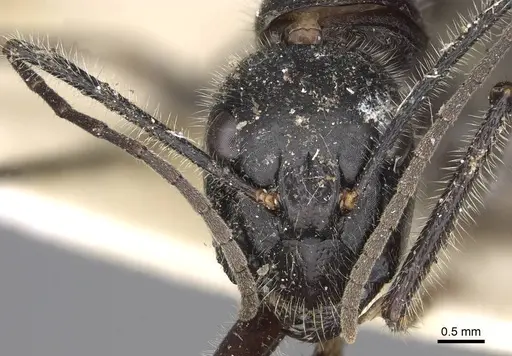
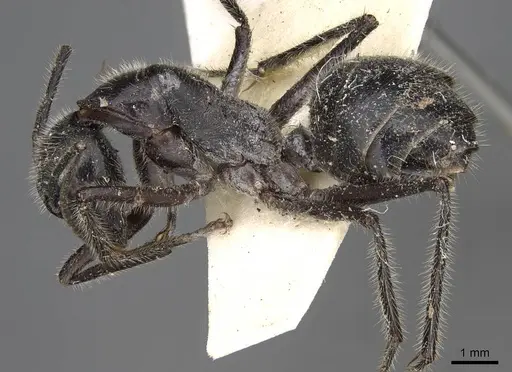
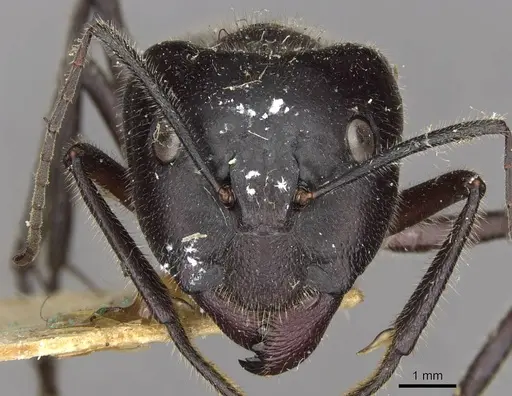
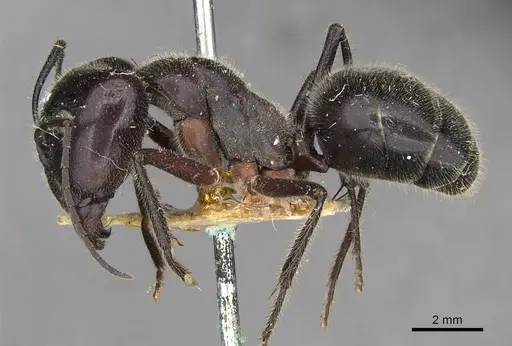
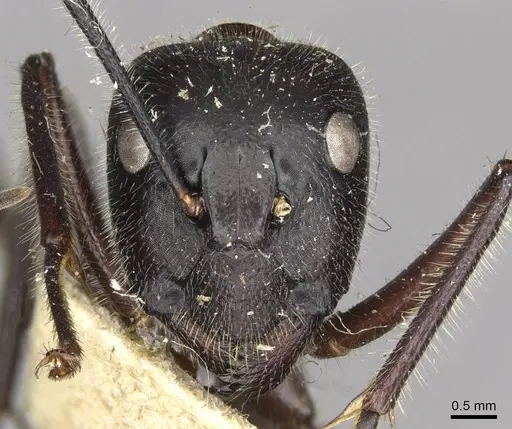
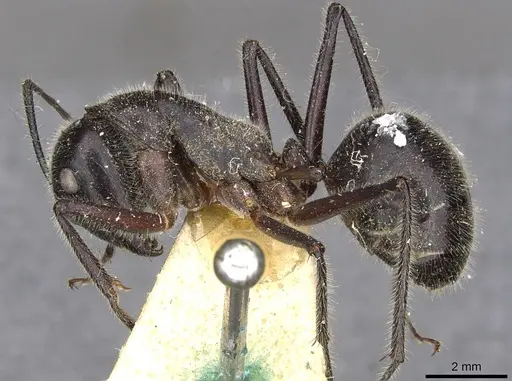
Camponotus molossus is a very large, black ant species native to Western Australia. Major workers measure an impressive 11-16mm, making them one of the largest Camponotus species in the region. They are easily recognized by their glossy black body covered with thick, bristly, erect white setae that give them a distinctive fuzzy appearance. The head capsule of the major worker is probably broader than any other Camponotus species in southwestern Western Australia [1].
This species has fascinating nesting habits, they exclusively inhabit old termite mounds, constructing a tubular entrance made from plant fibers and debris. They are nocturnal foragers, primarily active at night when their main competitor, Iridomyrmex purpureus, is not around. These ants farm leafhoppers and other Hemiptera for honeydew, and have been documented as pollinators of Conospermum undulatum in the Swan Coastal Plain [2]. Their localized distribution makes them a special find for antkeepers interested in Australian species.
Quick Summary
- Difficulty: Medium
- Origin & Habitat: Western Australia, specifically the Swan Coastal Plain and western Darling Range. They nest exclusively in old termite mounds, building distinctive tubular entrances from plant material [1][3].
- Colony Type: Single-queen colonies (monogyne), typical for Camponotus species
- Colony: Monogyne
- Founding: Claustral
- Size & Growth:
- Queen: Estimated 16-20mm based on genus patterns and large major worker size
- Worker: Major workers 11-16mm, minors significantly smaller [3]
- Colony: Likely several thousand workers given the large worker size, estimated based on typical Camponotus colony development
- Growth: Moderate, typical for large Camponotus species
- Development: 6-10 weeks estimated based on typical Camponotus development at optimal temperature (Development time is temperature-dependent, large Camponotus species typically take longer than smaller ants)
- Antkeeping:
- Temperature: Keep at 22-26°C. Western Australia has a temperate to subtropical climate, so they prefer warm conditions. A heating cable on one side of the nest creates a suitable gradient.
- Humidity: Moderate humidity around 50-60%. Their natural nesting in termite mounds suggests they prefer somewhat dry, stable conditions rather than constantly moist substrate.
- Diapause: Likely minimal or no true diapause given Western Australia's climate. They may reduce activity during cooler winter months but probably do not require extended hibernation like temperate species.
- Nesting: Y-tong (AAC) nests work well for large Camponotus. Their natural habit of nesting in termite mounds suggests they prefer enclosed spaces with some plant material debris. Plaster nests are also suitable. Avoid overly moist conditions.
- Behavior: Nocturnal foragers, they stay in the nest during the day and search for food at night. This is an adaptation to avoid competing with aggressive Iridomyrmex species. They are not particularly aggressive toward keepers but can deliver a painful sting if handled roughly. Major workers are impressive defenders. Escape prevention should be moderate, these are large ants but can still climb smooth surfaces. They farm honeydew sources and will readily accept sugar water and protein foods.
- Common Issues: nocturnal activity means you may not see them much during the day, this is normal, not a problem, competition with aggressive ant species in captivity can stress them, keep them separate from other ants, large colony size requires significant space, plan for eventual formicarium expansion, wild-caught colonies may be stressed from relocation and need time to acclimate, their nocturnal foraging means feeding schedules should account for evening activity
Nest Preferences and Housing
In the wild, Camponotus molossus exclusively nests in old termite mounds, constructing a distinctive tubular entrance from plant fibers and debris [3]. This tells us they prefer enclosed, stable environments that mimic the interior of a termite mound structure. For captivity, Y-tong (acrylic) nests work excellently, the chambers should be appropriately scaled to their large size. Plaster nests are also suitable and help maintain stable humidity. Test tubes can work for founding colonies but will need upgrading as the colony grows.
These ants are large and strong, so they can handle standard nest materials. The key is providing enough vertical space for their major workers to move comfortably. Avoid setups that become overly humid, they seem to prefer drier conditions than many Australian ants. A small water tube for humidity is sufficient for most setups.
Feeding and Diet
Camponotus molossus is known to farm leafhoppers (Cicadellidae) and likely tends other Hemiptera for honeydew in the wild [3]. This makes them opportunistic feeders that enjoy sugar sources. In captivity, offer sugar water, honey, or diluted nectar mixtures as a constant carbohydrate source. For protein, they readily accept typical ant foods: mealworms, crickets, and other insects.
Their nocturnal foraging pattern means they do most of their eating at night. Place food in the outworld in the evening and remove any uneaten portions the next morning to prevent mold. They are not particularly picky eaters but do appreciate variety. The large majors can tackle bigger prey items than smaller ant species.
Temperature and Seasonal Care
As a Western Australian species, Camponotus molossus prefers warm conditions. Keep the nest area at 22-26°C for optimal brood development. A heating cable placed on top of the nest (never underneath where it can dry out the water reservoir) helps maintain these temperatures, especially in cooler climates.
Regarding seasonal changes, Western Australia has a mild climate with warm summers and cool but rarely cold winters. Unlike temperate species that require full hibernation, these ants likely reduce activity during winter but do not need a true diapause period. If your room temperature drops below 15°C during winter, consider slight heating, but most indoor environments in temperate regions will be suitable year-round.
Behavior and Colony Dynamics
One of the most fascinating aspects of Camponotus molossus is their nocturnal foraging behavior. They have evolved to be active at night specifically to avoid Iridomyrmex purpureus, the dominant aggressive ant in their range [3]. This means you will see most activity from your colony in the evening and early morning hours.
Their large size and impressive majors make them capable defenders, but they are not overly aggressive toward keepers. As with most large ants, they can deliver a painful sting if threatened. The colony will likely establish a clear division of labor with minor workers handling most daily tasks and major workers serving as defenders and food processors.
In the wild, they face competition from Iridomyrmex workers who actively sabotage their nest entrances by placing stones and debris across the entrance hole [3]. This competitive pressure shapes their behavior, in captivity, ensure they are housed separately from aggressive ant species.
Growth and Development
Major workers of Camponotus molossus reach an impressive 11-16mm, making them among the larger Camponotus species in Western Australia [3]. The development from egg to worker follows typical Camponotus patterns, taking approximately 6-10 weeks at optimal temperatures. The first workers (nanitics) will be smaller than mature workers but still notably large.
Colony growth is moderate, large Camponotus species invest more energy into each individual worker, resulting in slower colony expansion initially but massive colonies eventually. A mature colony can reach several thousand workers. The distinct major and minor worker castes become more pronounced as the colony grows, with majors appearing once the colony reaches several hundred workers.
Frequently Asked Questions
How long does it take for Camponotus molossus to produce first workers?
Expect first workers (nanitics) to emerge approximately 6-10 weeks after the queen lays eggs, assuming temperatures around 24-26°C. Large Camponotus species develop more slowly than smaller ants, so patience is key during the founding stage.
What do Camponotus molossus eat?
They need a balanced diet of sugars and protein. Offer sugar water, honey, or nectar constantly. For protein, provide insects like mealworms, crickets, or other small invertebrates. They will also accept fruit occasionally.
Are Camponotus molossus good for beginners?
They are rated as medium difficulty. Their large size makes them easier to observe and handle than tiny ants, and they are relatively hardy. However, their nocturnal activity and specific nesting preferences may require some adjustment. They are a good choice if you have experience with at least one other Camponotus species.
When are Camponotus molossus most active?
They are nocturnal, meaning they are most active at night and in the early morning hours. During the day, the colony will be relatively quiet inside the nest. This is normal behavior and not a cause for concern.
What temperature should I keep Camponotus molossus at?
Keep nest temperatures between 22-26°C. A slight gradient allowing workers to choose their preferred temperature is ideal. A heating cable on top of the nest can help maintain warmth in cooler environments.
How big do Camponotus molossus colonies get?
Mature colonies can reach several thousand workers. The major workers reach 11-16mm, making them one of the larger Camponotus species in their range. Growth is moderate but steady over several years.
Can I keep multiple Camponotus molossus queens together?
No. This species is monogyne, meaning colonies have a single queen. Combining unrelated queens will result in fighting. Only introduce a queen to an established colony if you are attempting pleometrosis (multi-queen founding), which has not been documented for this species and is not recommended.
Do Camponotus molossus need hibernation?
Probably not. Based on their Western Australian distribution and mild climate, they likely do not require a true diapause. They may reduce activity during cooler months, but full hibernation like temperate species is not necessary.
What type of nest is best for Camponotus molossus?
Y-tong (acrylic) nests or plaster nests work well. They prefer enclosed spaces that mimic their natural termite mound nesting. Ensure chambers are appropriately sized for their large body size. Avoid setups that become overly humid.
Why are my Camponotus molossus not coming out during the day?
This is completely normal, they are nocturnal by nature. They evolved to forage at night to avoid aggressive Iridomyrmex ants. Check on them in the evening or early morning to see active foraging.
Where is Camponotus molossus found in the wild?
They are endemic to Western Australia, specifically the Swan Coastal Plain and western Darling Range. Their distribution is localized, making them a regionally special species.
References

This caresheet is licensed under CC BY-SA 4.0 .
CASENT0906938
View on AntWeb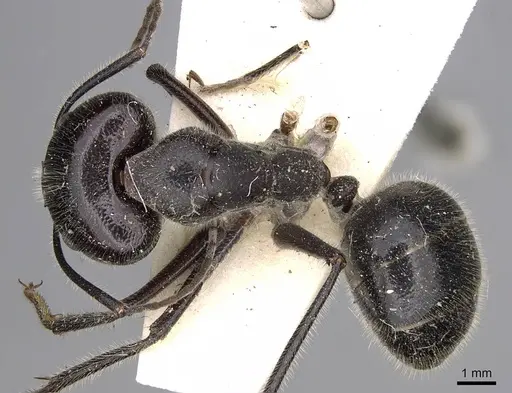
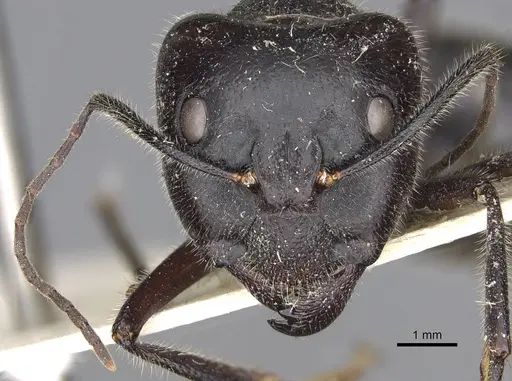
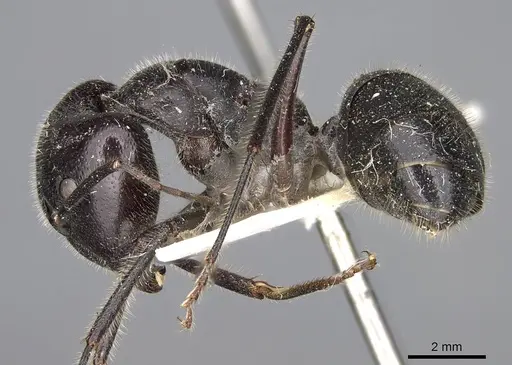
CASENT0906939
View on AntWeb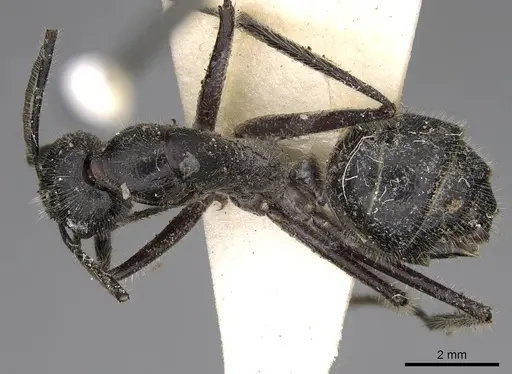
CASENT0910410
View on AntWeb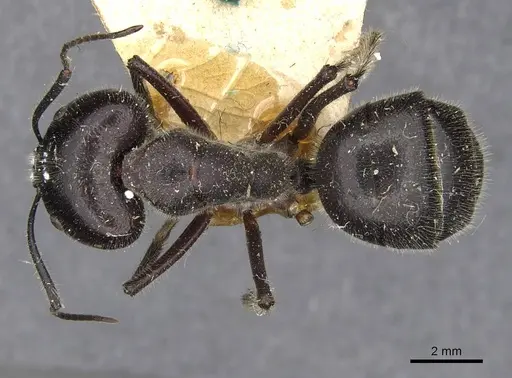
CASENT0910411
View on AntWeb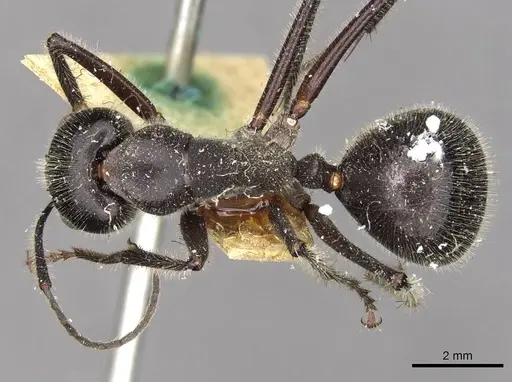
Literature
Loading...Loading products...