

Camponotus lighti
- Scientific Name
- Camponotus lighti
- Subgenus
- Myrmamblys
- Tribe
- Camponotini
- Subfamily
- Formicinae
- Author
- Wheeler, 1927
- Distribution
- Found in 1 countries
Camponotus lighti Overview
Camponotus lighti is an ant species of the genus Camponotus. It is primarily documented in 1 countries , including China. Detailed taxonomic data and occurrence records can be further explored via authoritative databases such as AntWeb or the Global Biodiversity Information Facility (GBIF).
Camponotus lighti
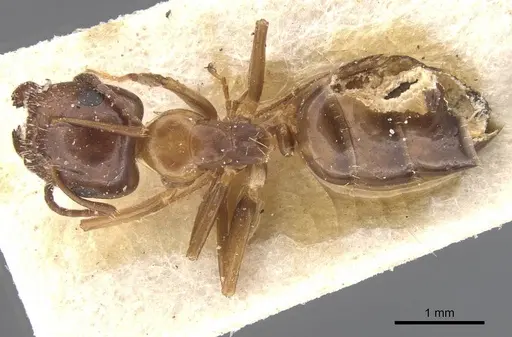
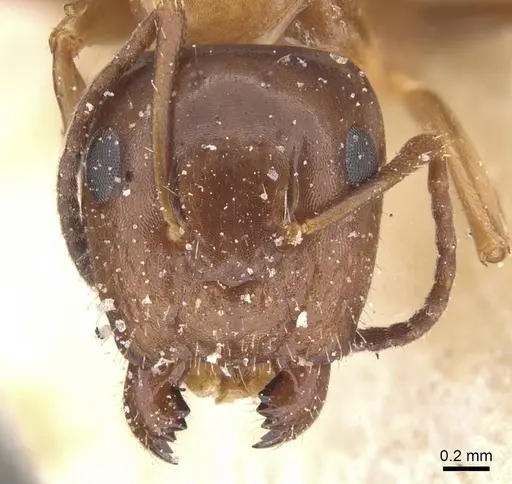
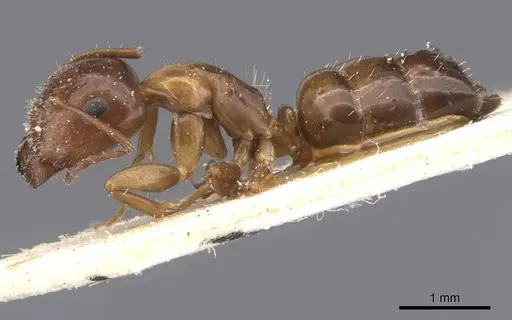
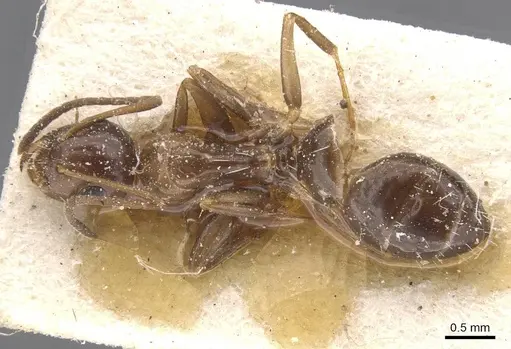
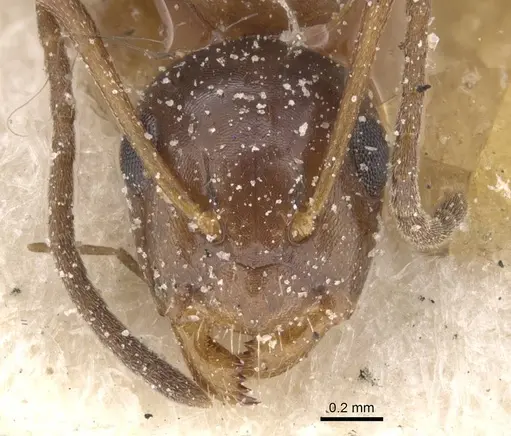
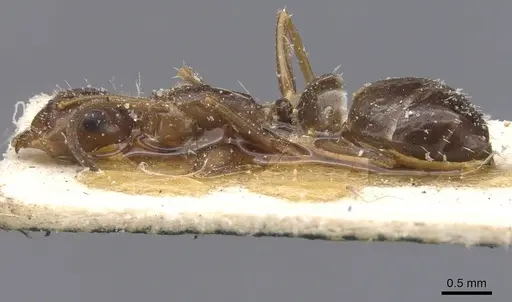
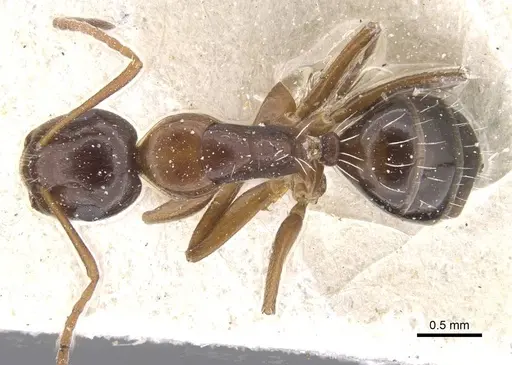
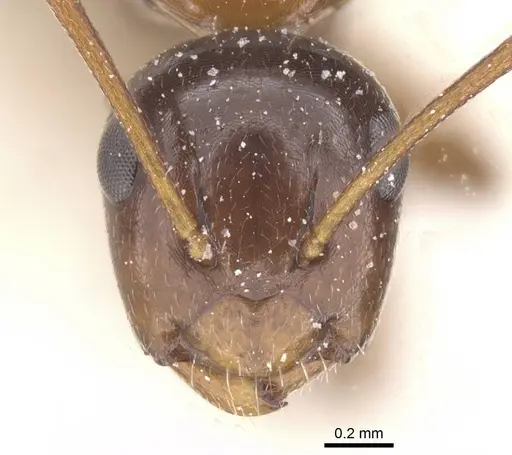
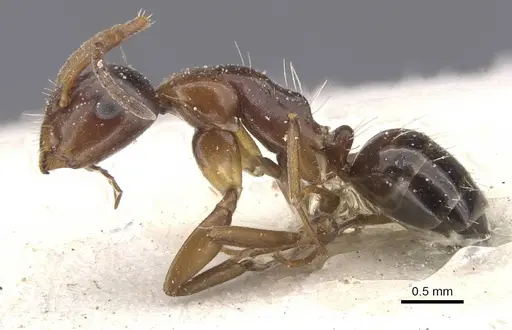
Camponotus lighti is a small to medium-sized carpenter ant native to eastern Asia, found throughout China (Fujian, Hunan, Jiangsu, Shanghai) and Taiwan [1][2]. Workers measure 3.9-4.6mm and have a distinctive color pattern with a black to reddish-brown head, alitrunk, and petiole, while the pronotum is noticeably paler, appearing reddish-brown or yellow-red [1]. Some smaller workers display a large red spot on the upper surface of their first gaster segment, giving them a striking appearance [1]. This species was originally described as a subspecies of Camponotus itoi but was later elevated to full species status due to differences in body color and propodeum shape [1].
These ants are closely related to C. itoi and C. tokioensis, sharing the typical Camponotus body plan with a rounded head in major workers and a well-defined propodeum with a steep declivity [1]. They are native to Macau, where they were first recorded in 2017,representing a recent addition to the documented ant fauna of this highly urbanized region [3][4].
Quick Summary
- Difficulty: Easy
- Origin & Habitat: Eastern Asia, found across Fujian, Hunan, Jiangsu, Shanghai, and Taiwan in China, plus Macau [2][1][4]. In their natural range, they nest in rotting wood, under stones, and in soil cavities in forested and urban areas.
- Colony Type: Monogyne (single queen colonies), typical for the Camponotus genus. Queens found nests alone and seal themselves in during claustral founding.
- Colony: Monogyne
- Founding: Claustral
- Size & Growth:
- Queen: Estimated 9-12mm based on Camponotus genus patterns
- Worker: 3.9-4.6mm [1]
- Colony: Estimated 200-500 workers at maturity based on similar species
- Growth: Moderate, typical Camponotus development timeline
- Development: 6-8 weeks at optimal temperature based on Camponotus genus patterns (Development time follows typical Camponotus patterns, queens seal themselves in and raise first workers alone. First workers (nanitics) are smaller than mature workers.)
- Antkeeping:
- Temperature: Keep nest area at 20-24°C. They tolerate a range from 18-26°C. Provide a temperature gradient so ants can self-regulate. Room temperature within this range works well for most colonies.
- Humidity: Moderate humidity around 50-60%. Keep nest substrate slightly moist but not waterlogged. Allow some drying between waterings. These ants handle average household humidity better than tropical species.
- Diapause: Yes, require a winter rest period of 2-3 months at 10-15°C. Reduce feeding and activity during this time. This aligns with their temperate Asian distribution.
- Nesting: Y-tong (AAC) nests work very well, these ants prefer tight, dark chambers. Plaster nests are also suitable. Provide a water tube for humidity. Avoid overly damp conditions that can cause mold.
- Behavior: Generally calm and non-aggressive for a carpenter ant. Workers are active foragers but not particularly defensive. They accept a variety of foods including sugars, proteins, and insects. Minor workers are small (3.9mm) so escape prevention should focus on sealing small gaps, they can squeeze through surprisingly small openings. Majors (larger workers) may develop in mature colonies.
- Common Issues: small worker size means escape prevention must be good, seal all gaps and use fine mesh on outworlds, colonies may be slow to establish, don't give up if first workers take 6-8 weeks, overfeeding can cause mold problems, remove uneaten food promptly, test tube setups work well for founding but monitor water levels, they can flood if overfilled, winter diapause is important, skipping it can weaken colonies over time
Housing and Nest Setup
Camponotus lighti adapts well to various captive setups. For founding colonies, a simple test tube setup works perfectly, fill one tube with water, plug with cotton, and place the queen in a connected outworld. The queen will seal herself into a chamber and remain there until her first workers emerge. For established colonies, Y-tong (AAC) nests are ideal because they provide the dark, tight chambers these ants prefer. The small worker size (3.9-4.6mm) means you should pay attention to escape prevention, even tiny gaps can allow escapes. Use fluon on outworld rims and ensure all connections are secure. A small water tube attached to the nest helps maintain humidity without over-wetting the substrate. [1]
Feeding and Diet
Like most Camponotus species, C. lighti accepts a varied diet. Sugar sources are essential, they readily take sugar water, honey, or diluted syrup. For protein, offer small insects like fruit flies, small crickets, mealworms, or waxworms. In the wild, these ants forage for honeydew and small arthropods. Feed small amounts initially and remove any uneaten food within 24 hours to prevent mold. A constant sugar source should be available, with protein offered 2-3 times per week for established colonies. Founding colonies don't need feeding until their first workers emerge, the queen has sufficient fat reserves to survive the claustral period.
Temperature and Seasonal Care
Maintain nest temperatures between 20-24°C for optimal brood development. Room temperature within this range works well for most keepers. You can create a gentle gradient by placing a heating cable on one side of the nest, but ensure there's always a cool area the ants can move to if they overheat. During winter (roughly November-February in the Northern Hemisphere), these ants require a diapause period. Reduce temperature to 10-15°C and cut back on feeding. The colony will become less active but should not be completely frozen. This rest period is important for colony health and mimics their natural seasonal cycle in temperate Asia. Resume normal temperatures and feeding gradually in spring. [2][1]
Colony Development and Growth
Camponotus lighti follows the typical carpenter ant development pattern. After mating, a newly mated queen digs a small chamber and seals herself inside, this is claustral founding. She lives entirely on her stored fat reserves while laying eggs and raising the first brood. The timeline from egg to first worker (nanitics) typically takes 6-8 weeks at optimal temperature. These first workers are smaller than mature workers but immediately begin foraging to feed the colony. Growth is moderate, a healthy colony might reach 50 workers within the first year and several hundred workers at maturity. Major workers (larger soldiers) may appear in well-established colonies with 200+ workers. Be patient during the founding phase, the queen may remain sealed in for months before her first workers emerge.
Behavior and Temperament
These ants are generally calm and manageable in captivity. They are not particularly aggressive and rarely sting, their sting is mild even if they do use it. Workers are active foragers and will explore their outworld regularly. The small worker size (under 5mm) means they can be overlooked as escape artists, but they are actually quite good at finding tiny gaps. Major workers, when they appear, have larger heads and can be more defensive, but overall this species is considered beginner-friendly. They do not have the painful bite of larger carpenter ants, making them easier to handle during colony maintenance. Their moderate size and calm nature make them a good choice for those new to keeping carpenter ants. [1]
Common Problems and Solutions
The most common issues with C. lighti involve escape prevention and colony establishment. Because workers are small (3.9-4.6mm), they can slip through gaps that seem insignificant. Apply fluon to all rim edges and check connections between nest and outworld regularly. Founding colonies can be slow, don't assume the queen has died if she remains sealed for several months. Some queens take longer than others to produce their first workers. Another issue is overfeeding, which leads to mold in the outworld. Remove uneaten protein sources within a day and keep the outworld clean. Finally, skipping winter diapause can weaken colonies over time, these ants evolved with seasonal temperature changes and need that rest period to stay healthy. [1][4]
Frequently Asked Questions
How long does it take for Camponotus lighti to produce first workers?
Expect 6-8 weeks from egg to first worker at optimal temperature (20-24°C). The queen seals herself in during claustral founding and raises the first brood alone. Some founding colonies may take longer, be patient and avoid disturbing the queen during this critical period.
What size colony do Camponotus lighti reach?
At maturity, colonies typically reach 200-500 workers. Growth is moderate, expect 30-50 workers in the first year with growth accelerating as the colony establishes. Major workers appear in well-developed colonies.
Do Camponotus lighti need hibernation?
Yes, they require a winter rest period. Keep them at 10-15°C for 2-3 months during winter (roughly November-February). Reduce feeding during this time. This diapause is important for colony health and mimics their natural seasonal cycle in temperate Asia.
What do Camponotus lighti eat?
They accept a varied diet: sugar water, honey, or syrup for carbohydrates, and small insects like fruit flies, mealworms, or small crickets for protein. Keep a constant sugar source available and offer protein 2-3 times per week.
Are Camponotus lighti good for beginners?
Yes, they are considered a good beginner species. They are relatively calm, don't require extreme temperatures or humidity, and accept common ant foods. The main challenges are escape prevention (due to their small size) and patience during the slow founding phase.
Can I keep multiple Camponotus lighti queens together?
No, this species is monogyne, meaning colonies have a single queen. Unlike some ants, they do not form multi-queen colonies. If you find multiple queens, they would likely fight unless introduced properly during the earliest founding stage, which is risky.
What nest type is best for Camponotus lighti?
Y-tong (AAC) nests work very well because they provide the dark, tight chambers these ants prefer. Test tubes are perfect for founding colonies. Plaster nests are also suitable. Avoid setups with large, open spaces, these ants feel safest in compact, enclosed spaces.
Why is my Camponotus lighti colony not growing?
Several factors could be at play: temperatures below 20°C slow development significantly, overfeeding can cause mold that kills the colony, or the queen may have died during founding. Ensure proper temperature, clean conditions, and be patient, founding can take several months.
Where is Camponotus lighti found in the wild?
They are native to eastern Asia, specifically China (Fujian, Hunan, Jiangsu, Shanghai) and Taiwan [1][2]. They have also been recorded in Macau, where they were first documented in 2017 [4]. In the wild, they nest in rotting wood, under stones, and in soil.
References

This caresheet is licensed under CC BY-SA 4.0 .
Literature
Loading...Loading products...