

Camponotus leydigi
- Scientific Name
- Camponotus leydigi
- Subgenus
- Myrmaphaenus
- Tribe
- Camponotini
- Subfamily
- Formicinae
- Author
- Forel, 1886
- Distribution
- Found in 6 countries
Camponotus leydigi Overview
Camponotus leydigi is an ant species of the genus Camponotus. It is primarily documented in 6 countries , including Brazil, Colombia, French Guiana. Detailed taxonomic data and occurrence records can be further explored via authoritative databases such as AntWeb or the Global Biodiversity Information Facility (GBIF).
Camponotus leydigi
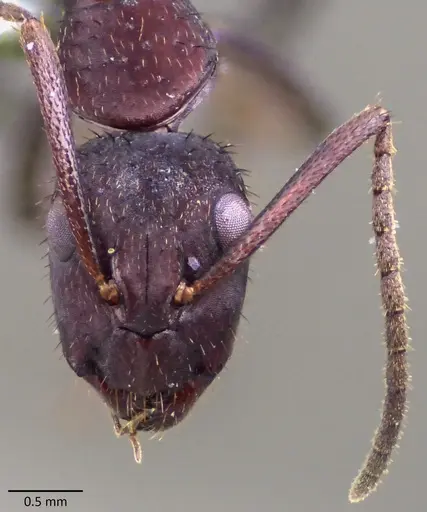
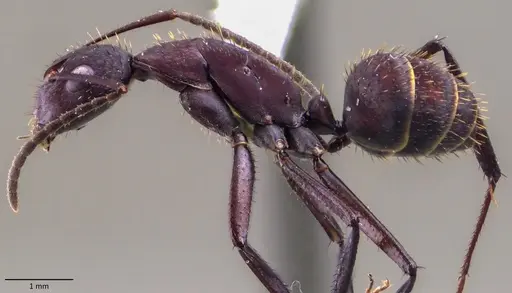
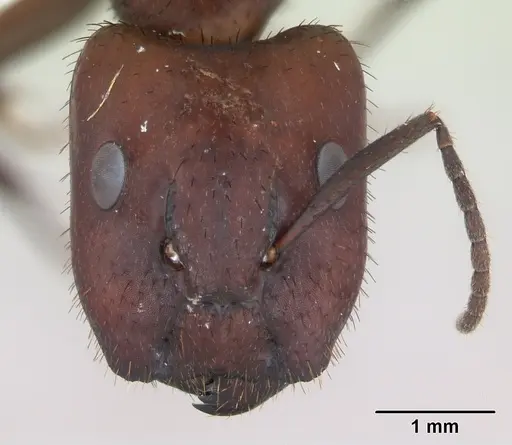
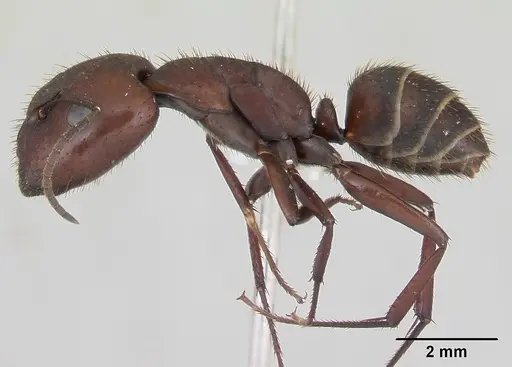
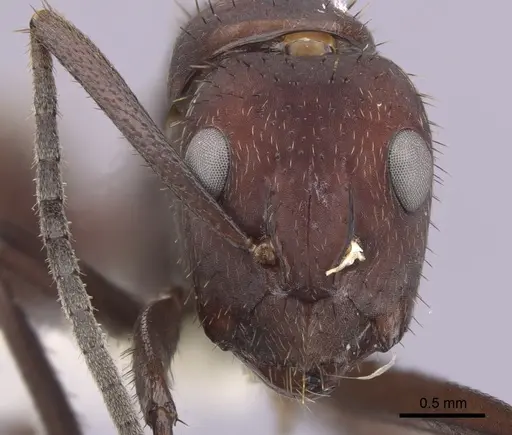
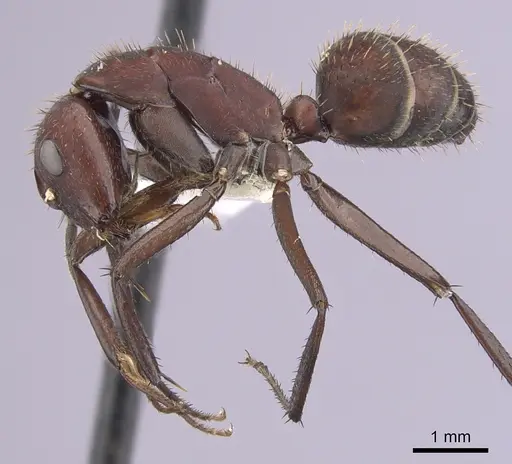
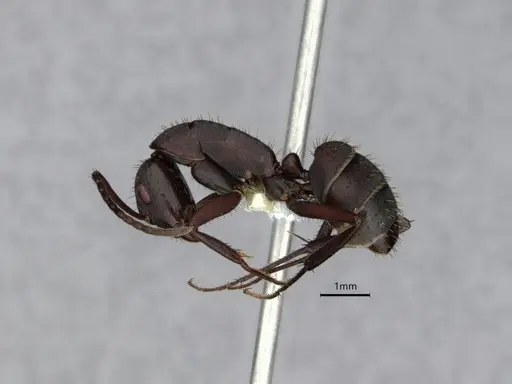
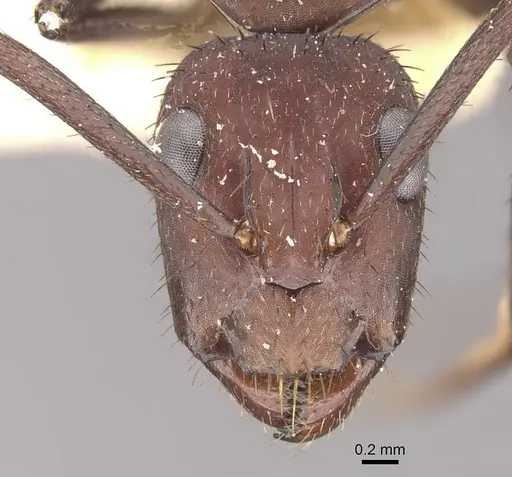
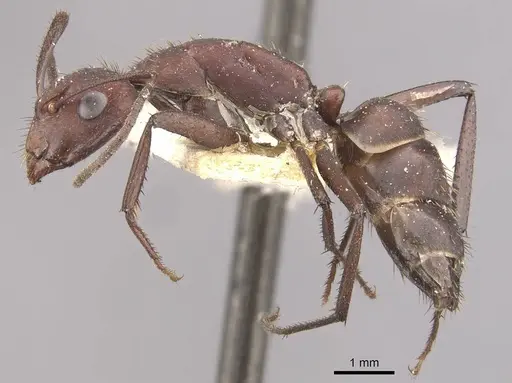
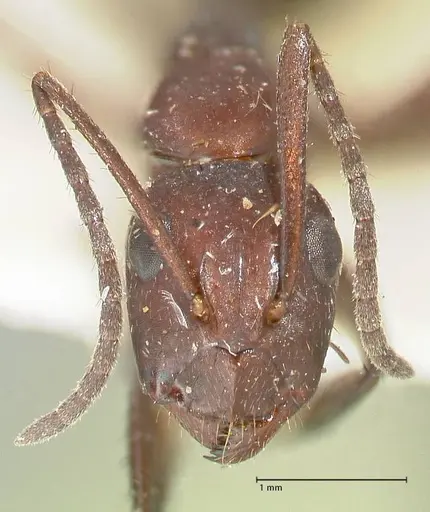
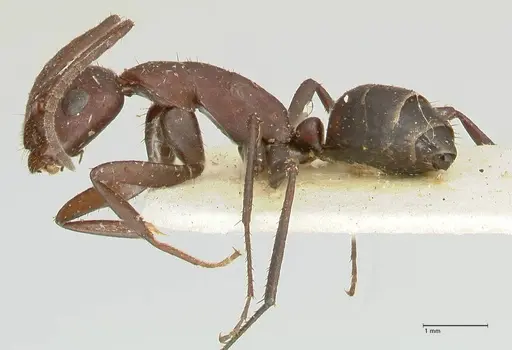
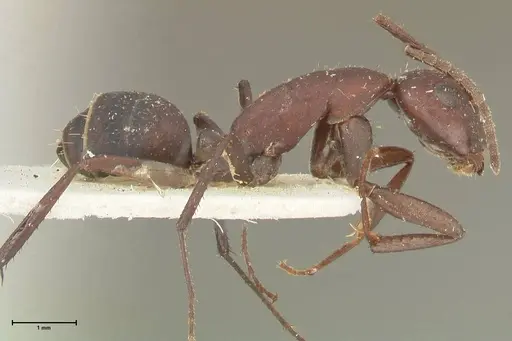
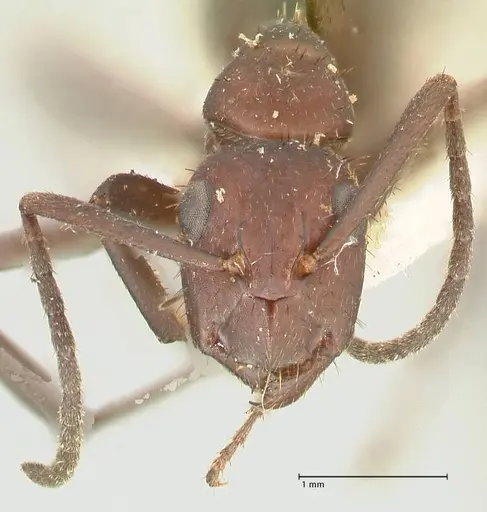
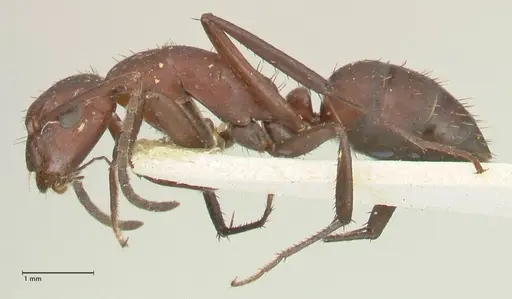
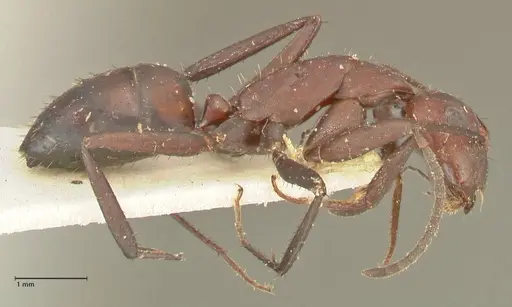
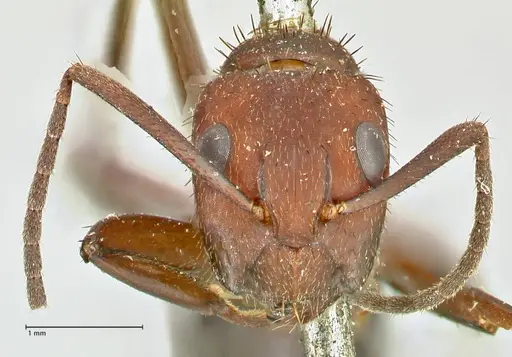
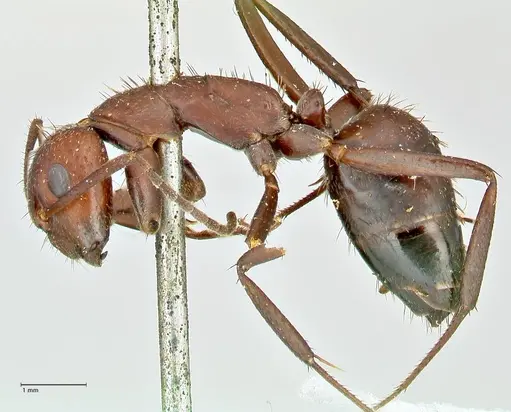
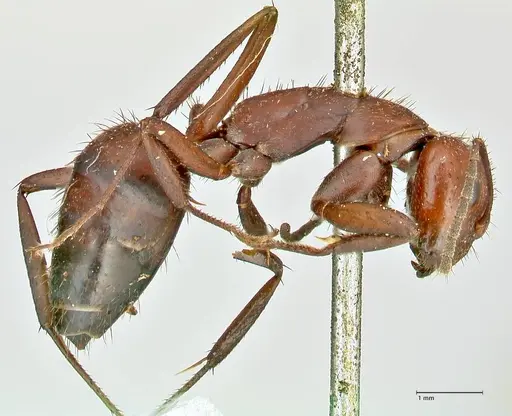
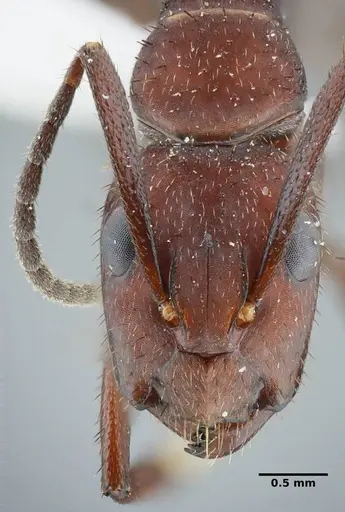
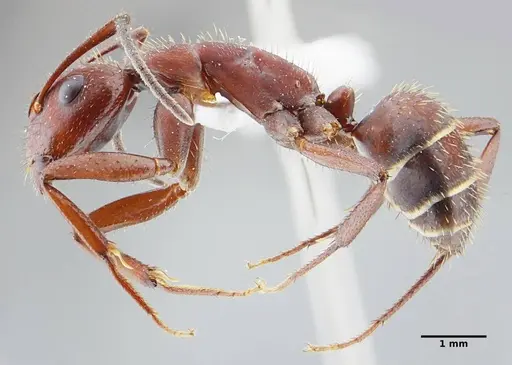
Camponotus leydigi is a large carpenter ant native to the Neotropical region, found across Argentina, Brazil, Colombia, Guyana, Paraguay, Peru, Suriname, and Venezuela [1]. Workers are dark red with a reflective sheen and covered in short erect red hairs, majors can reach 8mm while minors are 4-6mm [1]. This species belongs to the subgenus Myrmaphaenus and is known for its unusual polydomous nesting habit, where colonies maintain multiple physically separated nests connected by trails [2][3].
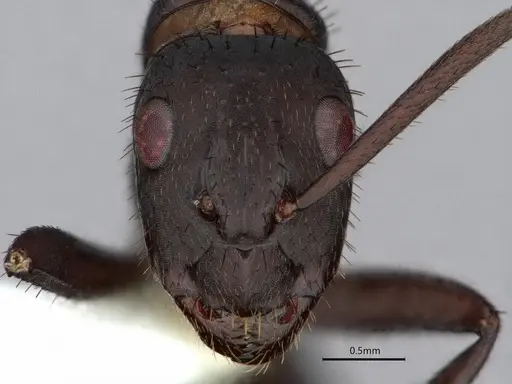
What makes C. leydigi stand out is its remarkably diverse diet and complex social structure. These ants are aggressive predators that hunt termites and other arthropods, but they also collect uric acid from lizard feces as a unique nitrogen source, a behavior rarely seen in other ants [3]. Their colonies can span nearly 1,700 m² with up to 11 interconnected nests [3]. Major workers even use their specially shaped heads to block nest entrances against predators, a behavior called phragmosis [3].
Quick Summary
- Difficulty: Medium
- Origin & Habitat: Neotropical region including Brazilian cerrado savanna, dry forests, rainforests, and grasslands from sea level to 2600m elevation [1][2]. Ground-nesting species that builds nests in soil and stumps, often associated with termite colonies [1].
- Colony Type: Polydomous colonies with multiple satellite nests connected by trails up to 30 meters apart. A single colony can contain over 2,500 workers across 11+ nesting units [3]. Likely monogyne (single queen) based on typical Camponotus patterns.
- Colony: Monogyne
- Size & Growth:
- Queen: ~9mm (female) [1]
- Worker: Majors 8mm, minors 4-6mm [1]
- Colony: Over 2,500 workers in mature colonies [3]
- Growth: Moderate, estimated 6-10 weeks from egg to first worker based on typical Camponotus development
- Development: 6-10 weeks (estimated based on genus patterns) (Queens collected founding in December suggests seasonal breeding [1]. Wet season shows increased foraging activity corresponding with higher brood production [3].)
- Antkeeping:
- Temperature: Keep at 24-28°C, they are adapted to tropical conditions and show increased activity during hot seasons [1][3]. A heating cable on one side of the nest creates a gradient for them to regulate temperature.
- Humidity: Moderate to high, they inhabit humid tropical and subtropical regions. Keep the nest substrate consistently moist but not waterlogged. Provide a water tube as their primary moisture source.
- Diapause: No, these are tropical ants active year-round. However, they show seasonal variation in activity, with increased foraging during wet season and bimodal daily patterns in dry season [3].
- Nesting: Ground-nesting species that does well in naturalistic setups with soil or a Y-tong/plaster nest. Their polydomous nature means they may benefit from multiple connected chambers. Avoid dry, arid setups.
- Behavior: Active foragers that search for food both on the ground and vegetation [1]. They forage solitarily rather than in groups, extending trails up to 15 meters from nests [3]. These ants are predatory and will actively hunt termites and other small arthropods. Major workers can block nest entrances with their heads (phragmosis) as a defense mechanism [3]. They are not particularly aggressive toward keepers but will defend their nest. Escape prevention is important, use standard Camponotus barriers. They accept sugar water and honeydew, making them relatively straightforward to feed.
- Common Issues: polydomous colonies need more space than typical single-nest ants, consider naturalistic setups, termite prey is a major food source, ensure consistent access to small live insects, colonies can become stressed if kept too dry or too cool, major workers use phragmosis to block nest entrances, avoid disturbing nesting majors, predatory nature means protein-rich foods are essential for brood development
Housing and Nest Setup
Camponotus leydigi is a ground-nesting species that thrives in naturalistic setups with moist substrate or Y-tong/plaster nests. Their polydomous nature means they maintain multiple connected nests in the wild, so providing a larger foraging area with potential satellite chambers can help replicate their natural behavior [3]. A single colony can span nearly 1,700 m² in the wild with nests spaced up to 30 meters apart, obviously you won't replicate this scale, but giving them adequate space for multiple nest chambers helps.
Use a test tube setup for the founding colony, then transition to a formicarium once the colony reaches 15-20 workers. Because they are larger Camponotus, they need appropriately sized chambers. Keep the nest substrate consistently moist, these ants come from humid tropical regions and are frequently found near leaf litter and in areas with good moisture [2]. A water tube attached to the nest ensures constant access to fresh water.
Feeding and Diet
These ants are omnivorous with a strong predatory instinct. In the wild, about 65% of their diet consists of arthropods, with termites being a particularly important food source, nearly half of their solid food intake [3]. They actively hunt termites at broken sections of ground tunnels and will readily accept other small live prey like fruit flies, pinhead crickets, and small worms.
What makes C. leydigi unique is their collection of uric acid from lizard feces, this provides nitrogen supplementation that's rare in ants [3]. You don't need to provide this in captivity, but it shows they'll exploit unusual food sources. They also visit extrafloral nectaries and tend hemipteran honeydew, so sugar water or honey should be offered regularly [1]. Feed protein (live insects) 2-3 times per week and provide sugar water constantly. Remove uneaten prey after 24 hours.
Temperature and Seasonal Care
As a tropical species, C. leydigi prefers warm conditions around 24-28°C. They show increased foraging activity during the hot season and are active throughout the year in their native range [1][3]. In the wet season, foraging activity increases corresponding with higher termite availability and greater brood production, this is when they need the most protein [3].
Unlike temperate ants, they do not require hibernation or diapause. However, they do show seasonal variation in activity patterns, in the dry season, they become more active at dawn and dusk hours (bimodal pattern) rather than throughout the day [3]. A heating cable on one side of the nest creates a temperature gradient allowing the ants to regulate their own temperature.
Colony Structure and Polydomy
One of the most fascinating aspects of C. leydigi is their polydomous colony structure, they maintain multiple physically separated nests that are socially connected through trails [2][3]. A single colony can have 11 or more nesting units spread across their territory, with internest distances of at least 10 meters and up to 30 meters apart [3].
One central nest (N3 in the study) shows increased architectural complexity and is believed to house the queen and serve as the main reproductive hub [3]. Brood transport, adult transport, and food exchange all occur between nests through established trails. Workers move freely between nests, and the colony functions as a single social unit despite the physical separation. This is important for keepers to understand, these ants may spread out more than typical ant species and benefit from setups that allow multiple connected chambers.
Defense Behaviors
C. leydigi has several interesting defense mechanisms. Major workers exhibit phragmosis, they use their specially shaped, flattened heads to block nest entrances against intruders [3]. This is particularly effective against their main competitor and predator, the ant Ectatomma brunneum. When E. brunneum workers attempt to raid or block nest entrances, major workers physically block the opening with their heads.
These ants also engage in direct conflict with E. brunneum, researchers observed 8 predation events by C. leydigi on E. brunneum, though E. brunneum also preyed on C. leydigi 5 times [3]. Other predators include spiders, antlions, and parasitic wasps. In captivity, provide deep substrate or multiple chambers so majors can properly defend the nest entrance without being disturbed.
Frequently Asked Questions
How long does it take for Camponotus leydigi to produce first workers?
Based on typical Camponotus development patterns, expect 6-10 weeks from egg to first worker at warm temperatures (around 26°C). Queens were collected founding in December, suggesting seasonal breeding [1].
Can I keep multiple queens together in one nest?
While C. leydigi is polydomous in the wild (multiple connected nests), this refers to established colonies with one functional queen. Combining unrelated foundress queens is not recommended as it hasn't been documented and could result in fighting.
What do Camponotus leydigi ants eat?
They are omnivorous predators. Feed small live insects (fruit flies, pinhead crickets, termites) as their primary protein source, termites should make up a significant portion if available. Also provide sugar water or honey constantly, as they visit extrafloral nectaries and collect honeydew in the wild [3][1].
Are Camponotus leydigi good for beginners?
They are medium difficulty. They require more space due to their polydomous nature and need consistent access to live prey. However, they are active year-round (no hibernation) and relatively straightforward to feed once established.
What temperature do Camponotus leydigi need?
Keep them at 24-28°C. They are tropical ants adapted to warm conditions and show increased activity during hot seasons [1][3]. A heating cable on one side of the nest creates a suitable gradient.
How big do Camponotus leydigi colonies get?
Mature colonies can exceed 2,500 workers across multiple nesting units [3]. Each individual nest unit contains 114-432 workers (mean ~255). Their polydomous structure allows the colony to exploit large areas.
Do Camponotus leydigi need hibernation?
No, they are tropical ants active year-round. However, they show seasonal variation in activity, more foraging during wet season and bimodal daily patterns (dawn/dusk activity) during dry season [3].
Why do my Camponotus leydigi workers die outside the nest?
Some worker mortality outside the nest is normal, especially in polydomous species where workers travel between nests. However, if deaths are excessive, check for stress from temperature extremes, lack of protein, or predator attacks. Their main enemy in the wild is Ectatomma brunneum [3].
When should I move Camponotus leydigi to a formicarium?
Move from test tube to formicarium once the colony reaches 15-20 workers. Given their polydomous nature, consider providing a setup with multiple connected chambers or a larger naturalistic setup to accommodate their natural behavior of maintaining multiple nest sites.
References

This caresheet is licensed under CC BY-SA 4.0 .
ANTWEB1060149
View on AntWeb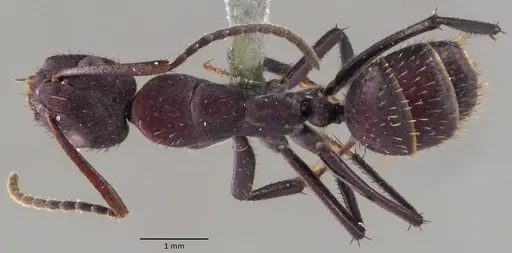
CASENT0173429
View on AntWeb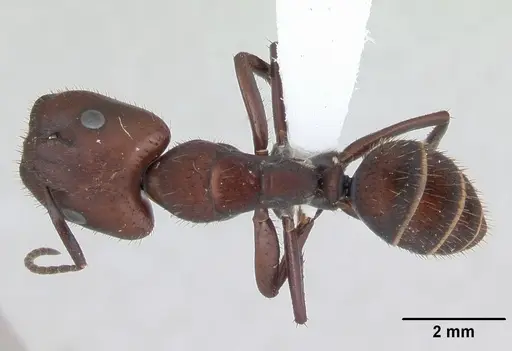
CASENT0249344
View on AntWeb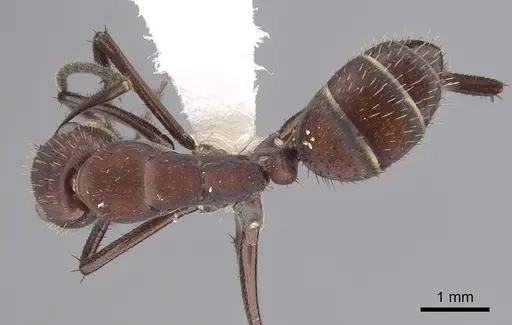
CASENT0863033
View on AntWeb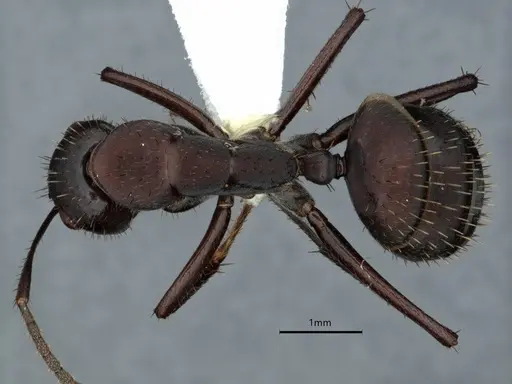
CASENT0910625
View on AntWeb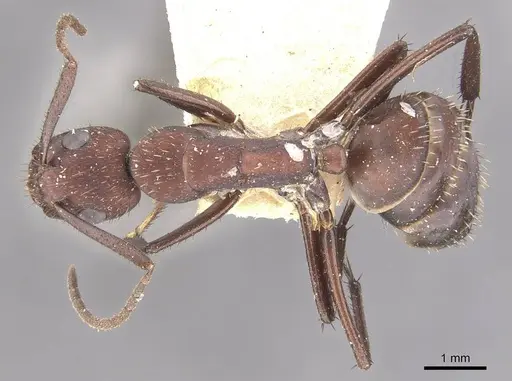
FOCOL2352
View on AntWeb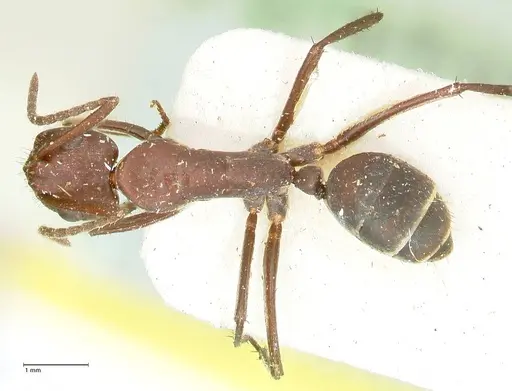
FOCOL2353
View on AntWeb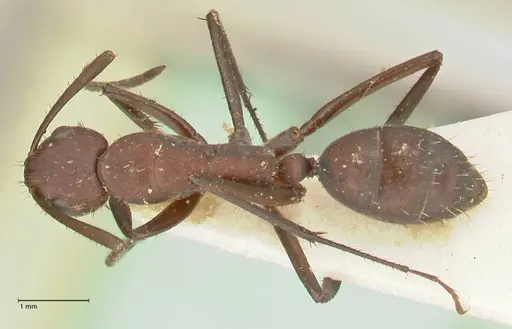
FOCOL2484
View on AntWeb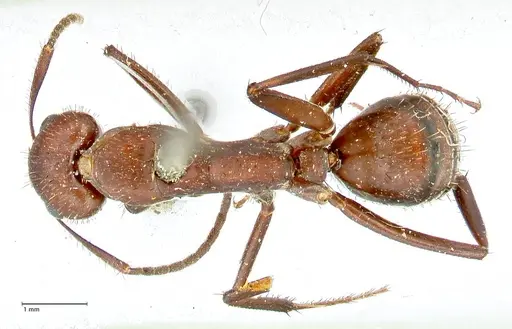
UFV-LABECOL-000078
View on AntWeb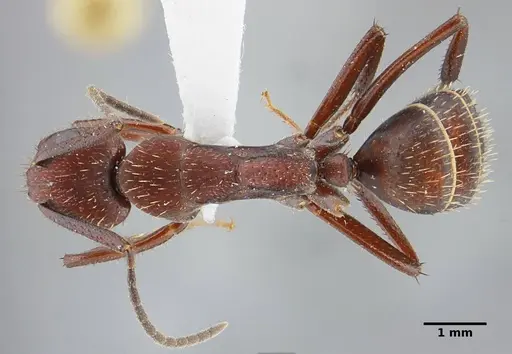
Literature
Loading...Loading products...