

Camponotus kurdistanicus
- Scientific Name
- Camponotus kurdistanicus
- Subgenus
- Myrmentoma
- Tribe
- Camponotini
- Subfamily
- Formicinae
- Author
- Emery, 1898
- Distribution
- Found in 2 countries
Camponotus kurdistanicus Overview
Camponotus kurdistanicus is an ant species of the genus Camponotus. It is primarily documented in 2 countries , including Iran, Islamic Republic of, Syrian Arab Republic. Detailed taxonomic data and occurrence records can be further explored via authoritative databases such as AntWeb or the Global Biodiversity Information Facility (GBIF).
Camponotus kurdistanicus
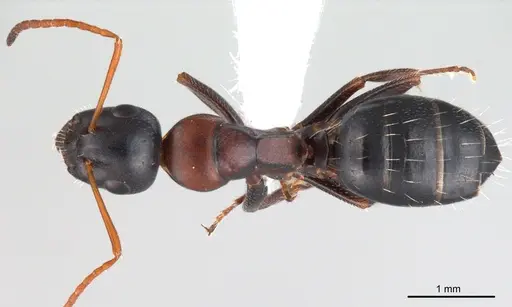
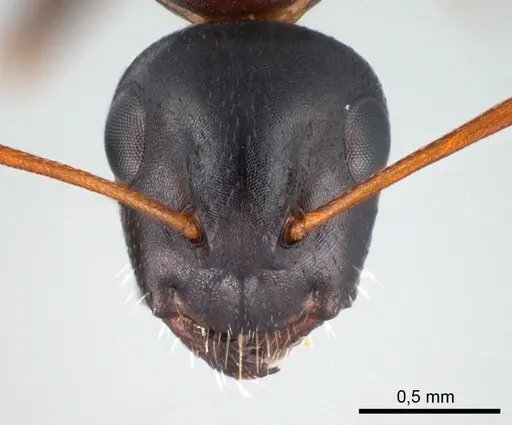
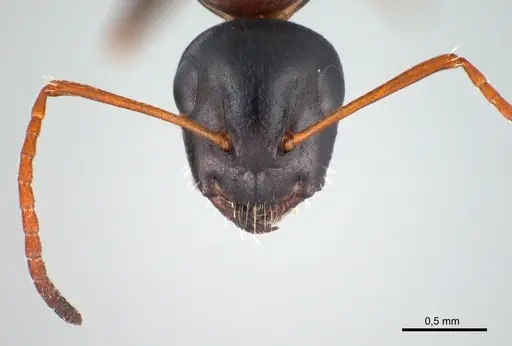
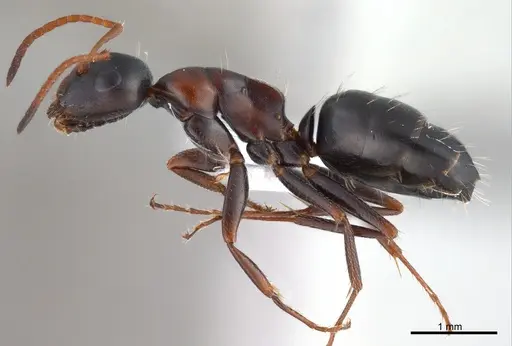
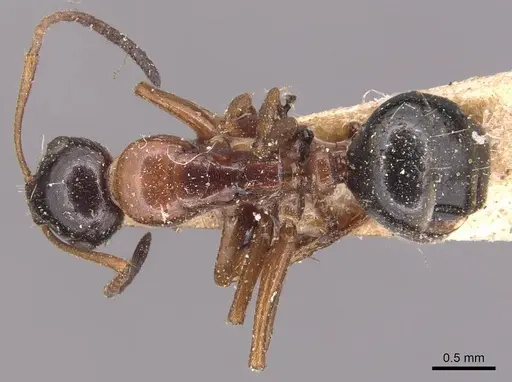
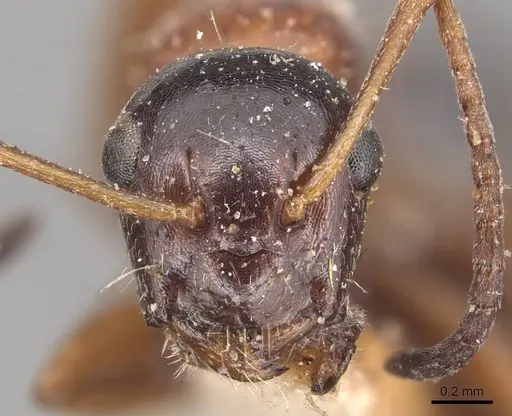
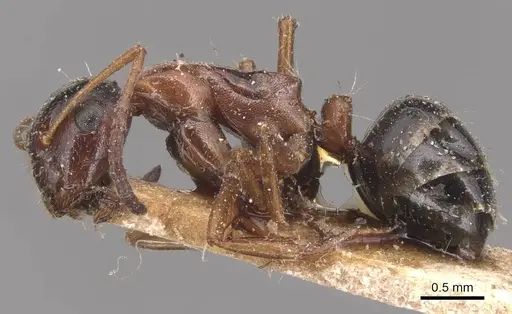
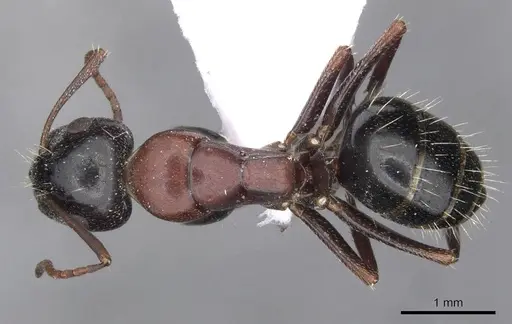
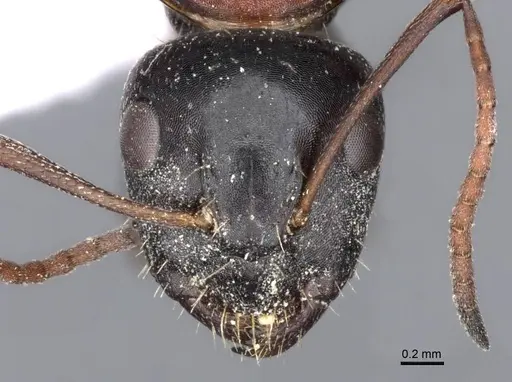
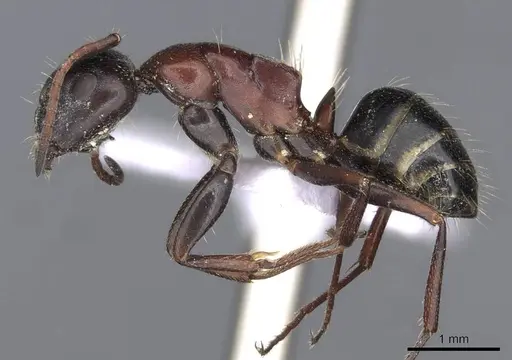
Camponotus kurdistanicus is a medium-sized carpenter ant belonging to the lateralis species group, subgenus Myrmentoma. Workers measure 5-10mm with a distinctive color pattern: the mesosoma is lighter than the coxae and femora, while the head and gaster are black [1]. This species is closely related to Camponotus fallax of western Europe and belongs to the gestroi complex [2]. The head is notably narrow compared to similar species, and the clypeus has a truncated anterior margin. Queens are larger, around 10-12mm, and have the same dark coloration on head and gaster with a lighter mesosoma.
This ant is found across the eastern Mediterranean and western Asia, from Turkey through Iran to China. It inhabits mountainous and high-altitude regions, with specimens collected at elevations around 1500m in Iran [3]. In Israel, it is only found in the northern Golan Heights region [4]. The species forms mutualistic relationships with aphids, particularly Aphis craccivora and Thelaxes suberis [5].
Quick Summary
- Difficulty: Medium
- Origin & Habitat: Native to the eastern Mediterranean and western Asia, including Turkey, Azerbaijan, Iran, Iraq, Israel, and northwestern China. Found in mountainous regions at elevations of 1500m or higher, particularly in forest steppe and transitional zones between mountain forests and desert regions [3][2]. In Israel, restricted to the northern Golan Heights [4].
- Colony Type: Likely monogyne (single queen colonies) based on typical Camponotus patterns. Colonies appear to be smaller to moderate in size, with workers showing the typical minor-major size polymorphism common in carpenter ants.
- Colony: Monogyne
- Founding: Claustral
- Size & Growth:
- Queen: 10-12mm (estimated based on genus patterns)
- Worker: 5-10mm (minor workers 5-7mm, major workers 8-10mm)
- Colony: Likely several hundred workers based on related species in the lateralis group
- Growth: Moderate, typical for Camponotus species
- Development: Approximately 6-8 weeks at optimal temperature (estimated based on genus data for Camponotus) (Development time is temperature-dependent, warmer conditions accelerate development. First workers (nanitics) are smaller than mature workers.)
- Antkeeping:
- Temperature: Keep at 24-28°C during active season. This is a warmth-loving species from Mediterranean climates. A heating cable on one side of the nest creates a temperature gradient allowing ants to regulate their own temperature.
- Humidity: Moderate humidity requirements. Provide a water tube connected to the nest, but avoid overly damp conditions. These ants prefer drier nest conditions compared to tropical species. The nest substrate should have a moist section but allow for drier areas.
- Diapause: Yes, requires a winter dormancy period. Based on its distribution in temperate-to-warm regions with cold winters, provide 2-3 months at 10-15°C during winter. Reduce feeding and keep the colony in a cool location like an unheated garage or basement.
- Nesting: Y-tong (AAC) nests work well for this species. They prefer tight, narrow chambers typical of Myrmentoma subgenus. Naturalistic setups with stones or cork bark also work. Avoid overly humid plaster nests.
- Behavior: Workers are moderately active and show typical carpenter ant behavior. They are not particularly aggressive but will defend the nest if threatened. Major workers have larger heads and can deliver a mild sting, though this species is not considered dangerous to humans. Workers forage for honeydew from aphids and small insects. Escape risk is moderate, use standard Camponotus escape prevention (fluon on edges).
- Common Issues: colonies may fail if kept too cold, maintain warm temperatures during active season, overfeeding can lead to mold problems in the nest, remove uneaten food promptly, winter dormancy is required, skipping hibernation weakens colonies over time, wild-caught colonies may have parasites that cause problems in captivity, queens can take several months to lay first eggs, patience is essential during founding
Nest Preferences
Camponotus kurdistanicus nests in natural cavities such as rock crevices, under stones, and in decaying wood, typical for the Myrmentoma subgenus. In captivity, Y-tong (acrylic aerated concrete) nests provide the tight chambers these ants prefer. The chambers should be appropriately sized: narrow enough that workers can touch the ceiling with their bodies. A water tube connected to the nest provides humidity without requiring misting. These ants do well in naturalistic setups with flat stones or cork bark as cover, but Y-tong nests make observation easier. Avoid plaster nests that stay too damp, this species prefers relatively dry nest conditions. [1][2]
Feeding and Diet
Like other Camponotus species, C. kurdistanicus is omnivorous with a preference for sweet foods and protein. In nature, workers tend aphids for honeydew and hunt small insects [5]. In captivity, offer sugar water or honey as a constant energy source. For protein, provide small insects like fruit flies, pinhead crickets, or mealworms. Feed protein 2-3 times per week, and remove any uneaten prey within 24 hours to prevent mold. Some keepers report that this species accepts cat food or other commercial protein sources. Fresh fruit can also be offered occasionally. During founding, the claustral queen does not need food, she relies on stored fat reserves until her first workers emerge.
Temperature and Seasonal Care
Maintain temperatures between 24-28°C during the active season. This species thrives in warm conditions reflecting its Mediterranean and mountainous distribution. Use a heating cable placed on top of the nest to create a gentle warmth, or position the colony near a warm spot in your room. During winter (roughly November-February in the northern hemisphere), provide a diapause period at 10-15°C. This can be achieved by moving the colony to an unheated garage, basement, or refrigerator (if other options aren't available). Do not feed during diapause, but ensure a small water source remains. Skipping hibernation weakens colonies over time and can reduce queen longevity. In spring, gradually warm the colony back to active temperatures. [3][4]
Behavior and Colony Dynamics
C. kurdistanicus shows typical carpenter ant colony structure with minor and major worker castes. Major workers have enlarged heads and mandibles for defensive duties and processing tough food. Colonies grow gradually, expect the first major workers to appear several months after the nanitics (first tiny workers). Workers are moderately aggressive when defending the nest but generally calm when foraging. They establish well-defined foraging trails to aphid colonies and food sources. This species is not known for being particularly escape-prone compared to some tiny ants, but standard precautions (fluon barriers) should still be used. The sting is mild and rarely noticeable to humans. [1]
Growth and Development
Egg development takes approximately 2-3 weeks, followed by 3-4 weeks as larvae, then 1-2 weeks as pupae. Total time from egg to first worker is roughly 6-8 weeks at optimal temperature (around 26°C). Nanitics (first workers) are smaller than mature workers but can already tend brood and forage. Growth rate is moderate, a healthy colony may reach 50-100 workers within the first year. Major workers typically appear once the colony reaches 30-50 workers. Colony growth accelerates in subsequent years as the queen's egg-laying rate increases. A mature colony may contain several hundred workers.
Frequently Asked Questions
How long does it take for Camponotus kurdistanicus to produce first workers?
First workers (nanitics) typically appear 6-8 weeks after the queen lays her first eggs, assuming temperatures around 24-28°C. The exact timing depends on temperature and feeding. Be patient during founding, queens can take weeks to months to lay initial eggs.
Can I keep multiple Camponotus kurdistanicus queens together?
This species is likely monogyne (single queen) based on typical Camponotus patterns. Combining unrelated queens is not recommended and likely results in fighting. Only keep one queen per colony.
What temperature do Camponotus kurdistanicus need?
Keep them at 24-28°C during the active season. They need a winter diapause at 10-15°C for 2-3 months. This species prefers warm conditions reflecting its Mediterranean distribution.
Are Camponotus kurdistanicus good for beginners?
This species is rated as medium difficulty. They are more forgiving than some exotic tropical species but require proper hibernation and warm temperatures. Beginners should have some experience with basic ant care before attempting this species.
How big do Camponotus kurdistanicus colonies get?
Based on related species in the lateralis group, colonies likely reach several hundred workers at maturity. Growth is moderate, expect 50-100 workers in the first year under good conditions.
What do Camponotus kurdistanicus eat?
They are omnivorous. Offer sugar water or honey constantly, and protein (small insects like fruit flies or mealworms) 2-3 times weekly. They also tend aphids for honeydew in nature.
Do Camponotus kurdistanicus need hibernation?
Yes, they require a winter dormancy period of 2-3 months at 10-15°C. Skipping hibernation weakens the colony and can reduce the queen's lifespan. Provide diapause each winter.
When should I move Camponotus kurdistanicus to a formicarium?
Keep founding colonies in a test tube setup until they have 20-30 workers. Moving too early stresses the colony. Once the test tube water tube is depleted or the colony is clearly outgrowing the setup, transfer to a Y-tong or naturalistic formicarium.
Why is my Camponotus kurdistanicus colony dying?
Common causes include: temperatures too cold (below 20°C), improper humidity (too wet or too dry), skipping hibernation, mold from overfeeding, or parasites from wild-caught colonies. Review your care conditions and make adjustments gradually.
References

This caresheet is licensed under CC BY-SA 4.0 .
Literature
Loading...Loading products...