

Camponotus keiferi
- Scientific Name
- Camponotus keiferi
- Tribe
- Camponotini
- Subfamily
- Formicinae
- Author
- Wheeler, 1934
- Distribution
- Found in 2 countries
Camponotus keiferi Overview
Camponotus keiferi is an ant species of the genus Camponotus. It is primarily documented in 2 countries , including Israel, Mexico. Detailed taxonomic data and occurrence records can be further explored via authoritative databases such as AntWeb or the Global Biodiversity Information Facility (GBIF).
Camponotus keiferi
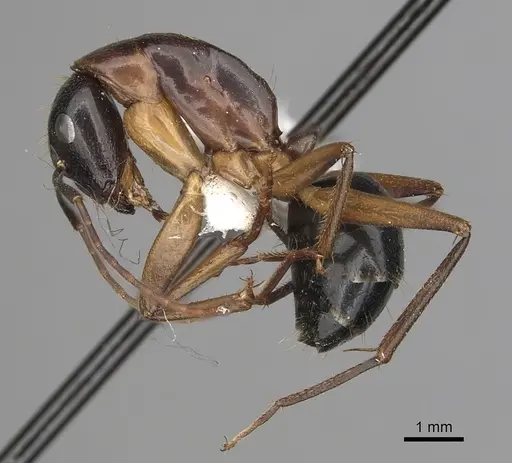
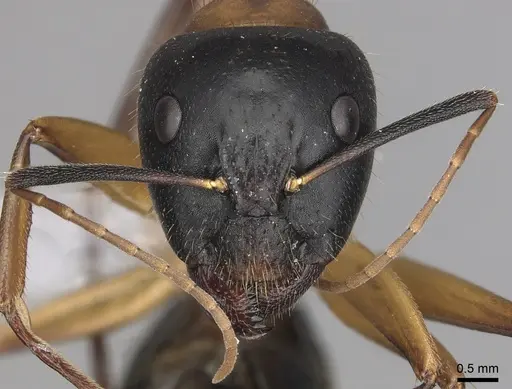
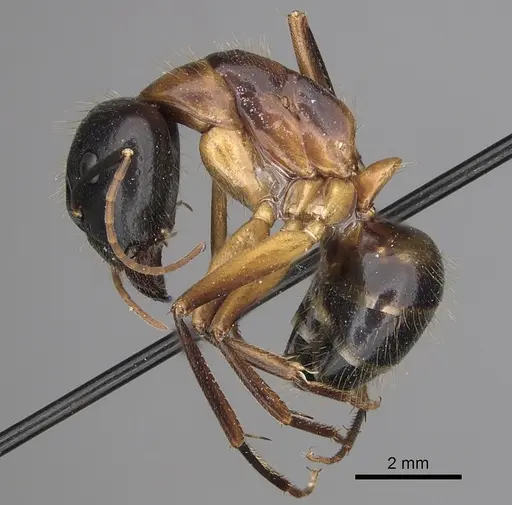
Camponotus keiferi is a medium-sized carpenter ant native to the Baja California peninsula and Guadalupe Island in Mexico. Major workers measure 7-8mm while minor workers are slightly smaller at 5.5-6mm. The species has a brownish-yellow coloration with a darker brown gaster and castaneous head. It closely resembles the related Camponotus castaneus but can be identified by its smaller size, narrower head, and distinct metanotal sclerite in major workers. This island-endemic species is rarely kept in captivity and remains poorly studied in the scientific literature.
Quick Summary
- Difficulty: Medium
- Origin & Habitat: Baja California, Mexico and Guadalupe Island, found in arid to semi-arid coastal environments [1][2]
- Colony Type: Likely single-queen colonies based on typical Camponotus patterns. Colony structure has not been directly documented for this species.
- Size & Growth:
- Queen: Unconfirmed, estimated 9-12mm based on related Camponotus species
- Worker: Major: 7-8mm, Minor: 5.5-6mm
- Colony: Unknown, likely several hundred workers based on typical Camponotus colony development
- Growth: Moderate, typical for medium-sized Camponotus
- Development: Estimated 6-10 weeks at optimal temperature based on genus-level Camponotus data (Development time inferred from related species in the genus, direct measurements not available for this species)
- Antkeeping:
- Temperature: Keep around 22-26°C with a gentle gradient. Room temperature within this range works well. Related Baja California species tolerate warmer conditions
- Humidity: Low to moderate, arid region species. Keep nest substrate moderately dry, with a small water tube for humidity access. Avoid damp conditions.
- Diapause: Yes, related temperate and subtropical Camponotus species require a winter rest period. Provide 2-3 months at 10-15°C during winter.
- Nesting: Y-tong (AAC) nests or plaster formicaria work well. This species prefers dry to moderately humid nest conditions. Provide narrow chambers scaled to their medium size.
- Behavior: Typical carpenter ant behavior, relatively calm temperament with moderate foraging activity. Workers are primarily nocturnal or crepuscular. Major workers defend the nest while minor workers handle most foraging. Escape risk is moderate, use standard barriers. They do not bite aggressively but may spray formic acid when threatened.
- Common Issues: limited availability, this species is rarely available in the antkeeping hobby, slow founding phase, claustral queens take time to raise first workers, patience is required, hibernation requirements, colonies may fail if winter rest is not provided, humidity sensitivity, too much moisture can cause fungal problems, limited care data, much of the care information is inferred from related species rather than direct study
Nest Preferences
In the wild, Camponotus keiferi likely nests in soil under stones or in decaying wood, typical of Baja California carpenter ants. For captive care, Y-tong (acrylic) nests work well given their preference for dry to moderately humid conditions. Plaster formicaria are also suitable. Provide chambers scaled to their medium size, roughly 8-12mm wide passages accommodate both major and minor workers comfortably. A small water tube connected to a cotton reservoir provides humidity control without creating overly damp conditions. Avoid naturalistic setups with live plants as this species prefers drier conditions.
Feeding and Diet
Like other Camponotus species, these ants are omnivorous with a preference for sugar sources. Offer sugar water, honey, or diluted maple syrup as a constant energy source. For protein, provide insects such as mealworms, crickets, or other small arthropods. Feed protein 2-3 times per week depending on colony size. They typically forage at night, so evening feeding aligns with their natural activity patterns. Remove uneaten prey after 24-48 hours to prevent mold. Minor workers handle most foraging while major workers defend the nest and assist with larger prey items.
Temperature and Seasonal Care
Maintain nest temperatures between 22-26°C. This species originates from Baja California, a warm arid region, so they handle moderate heat well. A heating cable on one side of the nest can create a temperature gradient if your room runs cool. During winter (roughly November through February in the Northern Hemisphere), reduce temperatures to 10-15°C to provide a proper diapause period. This winter rest is important for colony health and may trigger reproductive behavior in established colonies. Do not feed during deep hibernation but provide a water source.
Behavior and Colony Dynamics
Camponotus keiferi exhibits typical carpenter ant colony structure with distinct worker castes. Minor workers handle foraging, brood care, and nest maintenance while major workers defend the colony and assist with processing large food items. Colonies grow moderately, expect 6-12 months from founding to first workers (nanitics), then several more months before the colony reaches 20-30 workers. Major workers appear as the colony expands beyond 50 workers. Workers are relatively long-lived compared to many ant species, which is typical of Camponotus. The colony will establish a foraging territory and can be fed in an outworld connected to the nest.
Frequently Asked Questions
How long does it take for Camponotus keiferi queens to raise their first workers?
Expect 6-10 weeks from egg to first worker (nanitics) at optimal temperature (around 24°C). This is typical for Camponotus species, the queen seals herself in and raises the first brood alone using stored energy reserves.
What temperature range is best for Camponotus keiferi?
Keep them between 22-26°C. They originate from warm Baja California so moderate heat is well-tolerated. A slight temperature gradient allows workers to choose their preferred zone.
Can I keep multiple Camponotus keiferi queens together?
Not recommended. While colony structure is unconfirmed for this species, Camponotus typically form single-queen colonies. Combining unrelated queens often results in fighting.
Do Camponotus keiferi need hibernation?
Yes, they require a winter rest period. Reduce temperatures to 10-15°C for 2-3 months during winter. This mimics their natural seasonal cycle in Baja California.
What do Camponotus keiferi eat?
They accept sugar sources (honey, sugar water, maple syrup) and protein (insects like mealworms, crickets). Feed protein 2-3 times per week and keep sugar water available at all times.
Are Camponotus keiferi good for beginners?
This species is rated Medium difficulty. They are sturdier than many tropical species and tolerate temperature variations well. However, they are rarely available in the hobby and require patience during the founding phase.
When should I move Camponotus keiferi to a formicarium?
Keep founding queens in a simple test tube setup until the colony reaches 20-30 workers. Moving too early can stress the colony. Once they outgrow the test tube, transfer to a Y-tong or plaster nest.
How big do Camponotus keiferi colonies get?
Colony size is unconfirmed for this species, but related Camponotus species typically reach several hundred workers. Growth is moderate, expect 1-2 years to reach 100 workers under good conditions.
Why are my Camponotus keiferi dying?
Common causes include: excessive humidity (keep them drier), temperatures outside their range, stress from disturbance during founding, or poor nutrition. Ensure the queen is healthy and the colony has proper access to sugar and protein.
References

This caresheet is licensed under CC BY-SA 4.0 .
CASENT0217669
View on AntWeb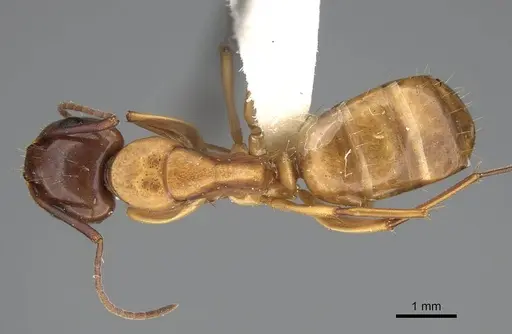
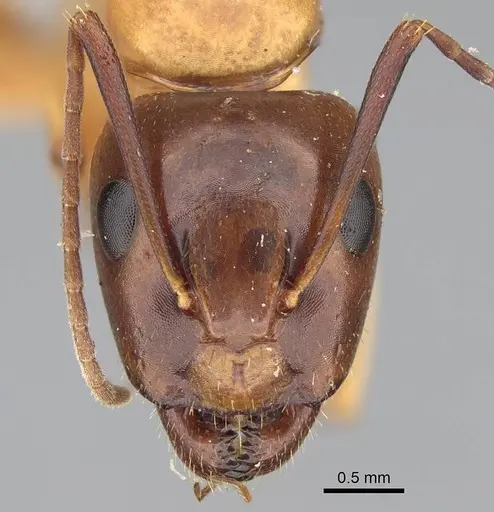
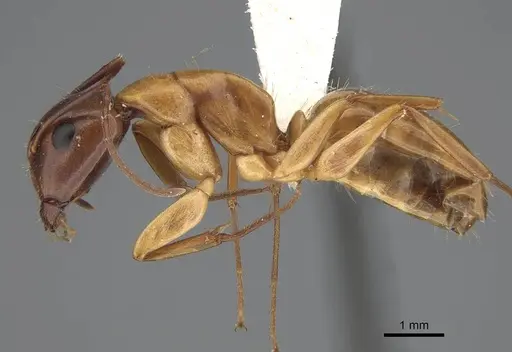
CASENT0281009
View on AntWeb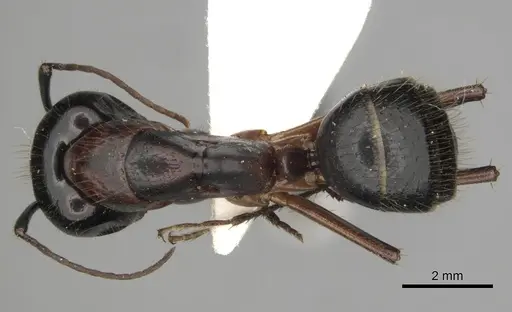
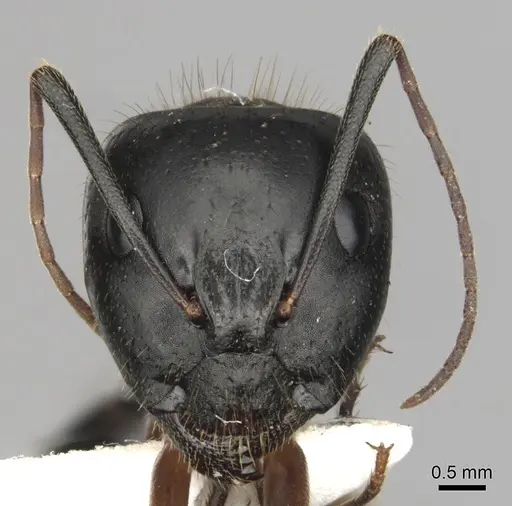
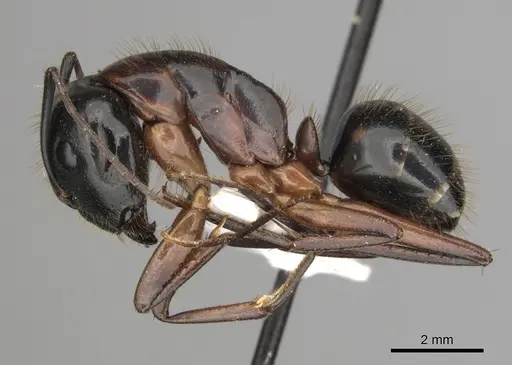
CASENT0281027
View on AntWeb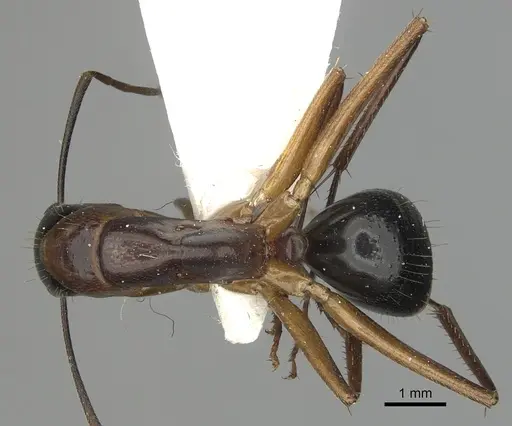
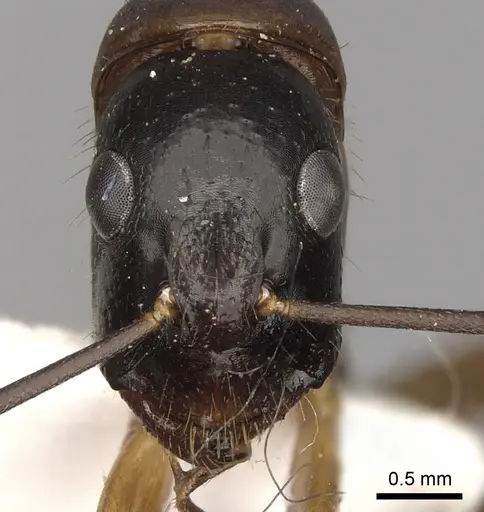
CASENT0281028
View on AntWeb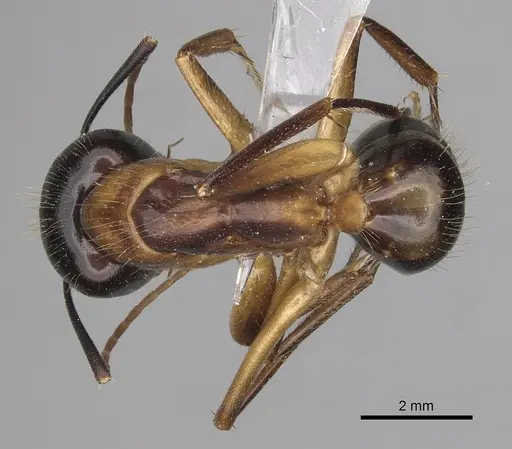
Literature
Loading...Loading products...