
Camponotus castaneus follows a consistent seasonal pattern with peak activity in June. The flight window runs from April to June, providing several months of opportunity for observations.
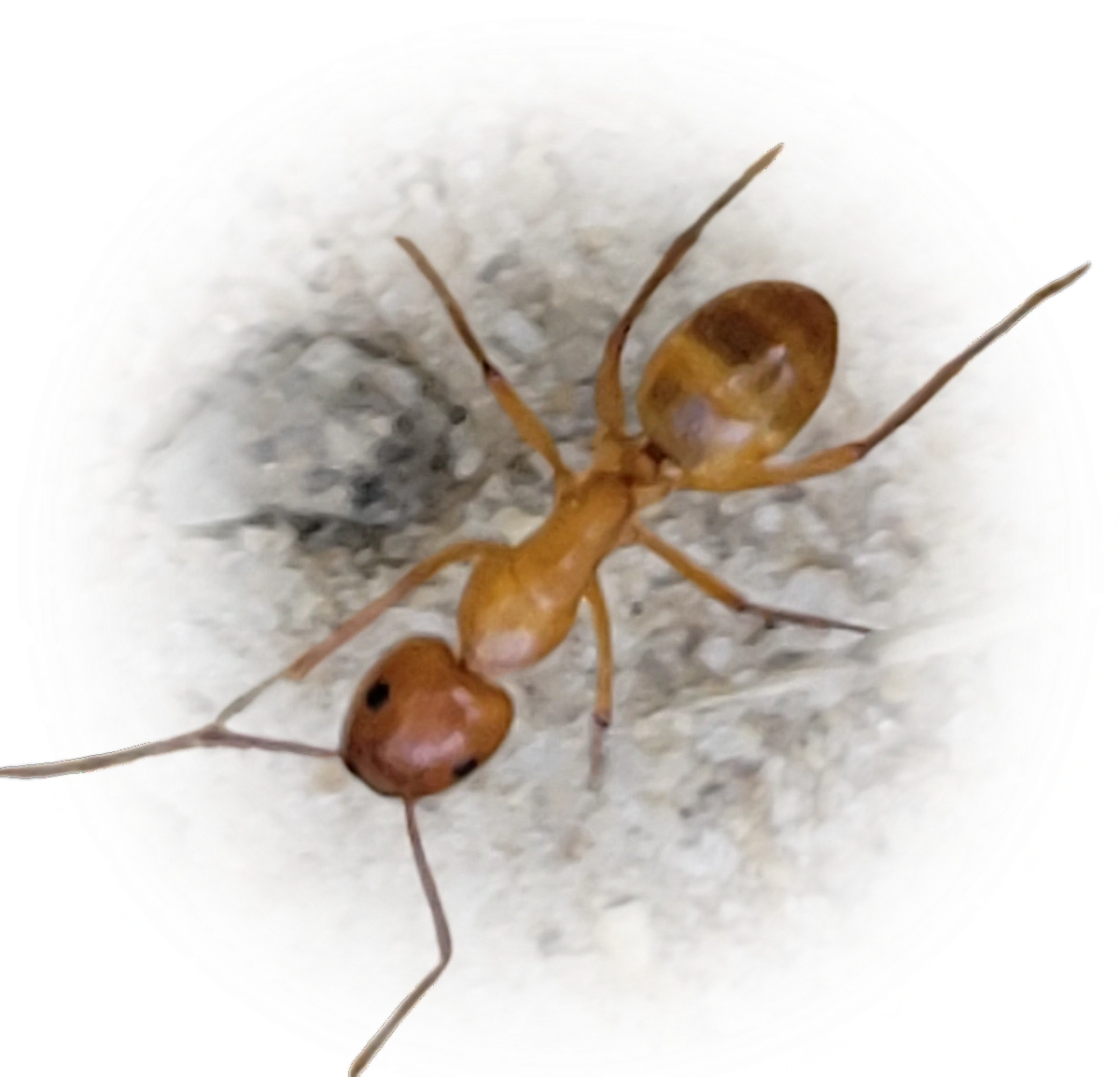
Camponotus castaneus
- Scientific Name
- Camponotus castaneus
- Subgenus
- Tanaemyrmex
- Tribe
- Camponotini
- Subfamily
- Formicinae
- Author
- Latreille, 1802
- Common Name
- Chestnut Carpenter Ant
- Distribution
- Found in 1 countries
- Nuptial Flight
- from April to June, peaking in June
AI Identifiable
try →
Camponotus castaneus Overview
Camponotus castaneus (commonly known as the Chestnut Carpenter Ant) is an ant species of the genus Camponotus. It is primarily documented in 1 countries , including United States of America. Detailed taxonomic data and occurrence records can be further explored via authoritative databases such as AntWeb or the Global Biodiversity Information Facility (GBIF).
The nuptial flight of Camponotus castaneus is a significant biological event, typically occurring from April to June, peaking in June. During this time, winged queens and males leave the nest to mate and establish new colonies.
Camponotus castaneus - "Chestnut Carpenter Ant"
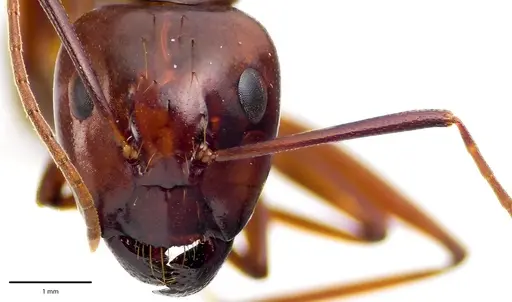
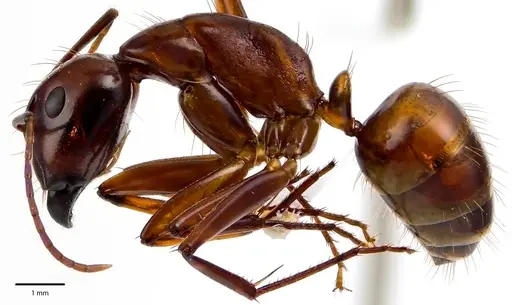
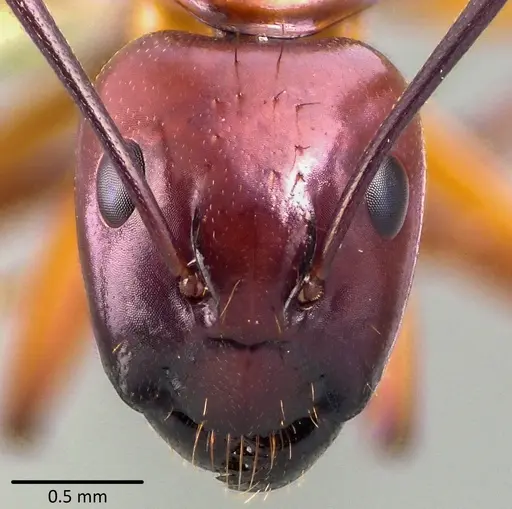
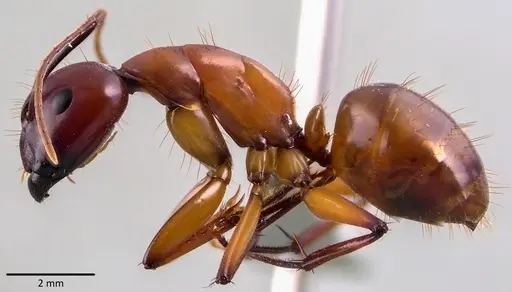
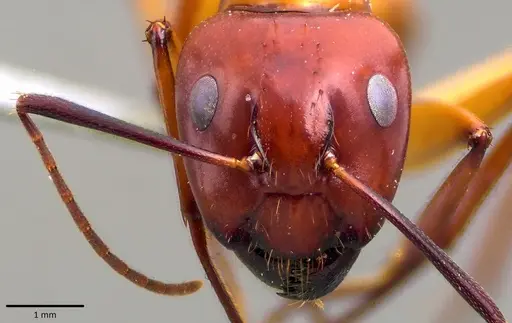
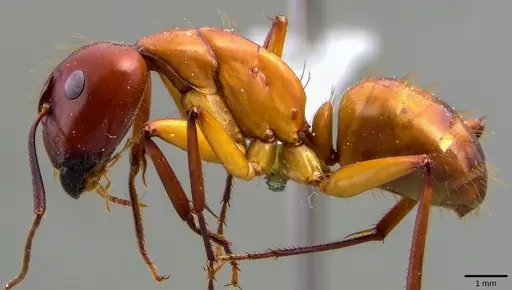
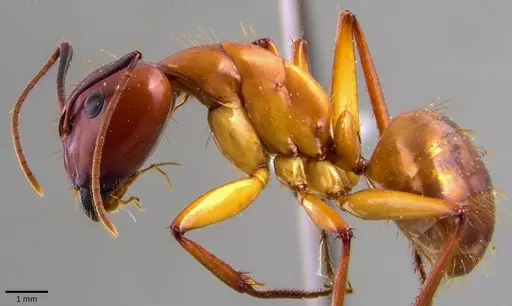
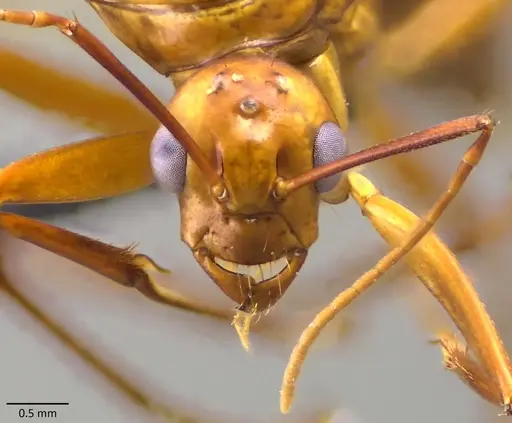
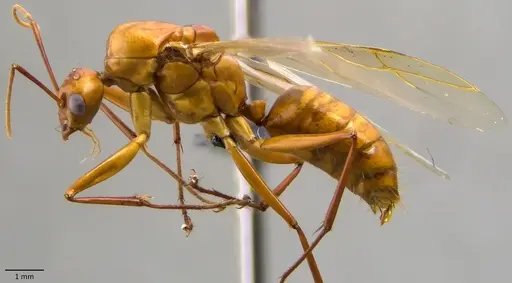
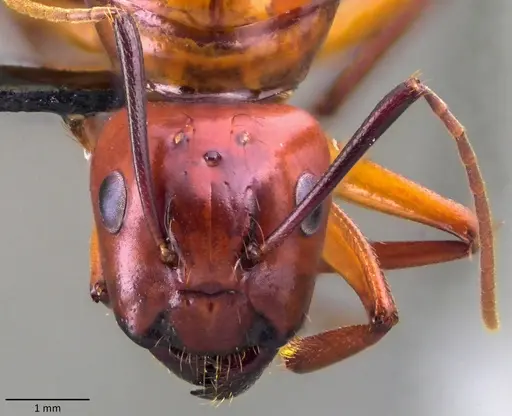
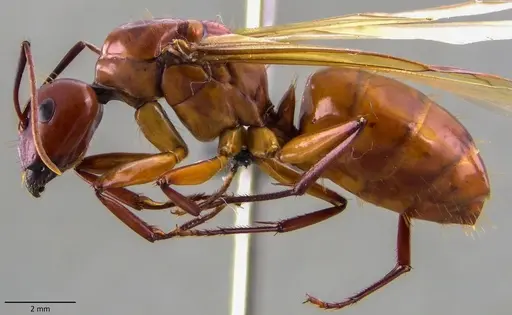
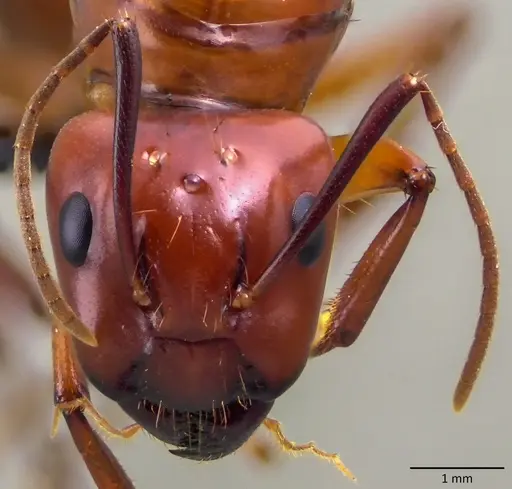
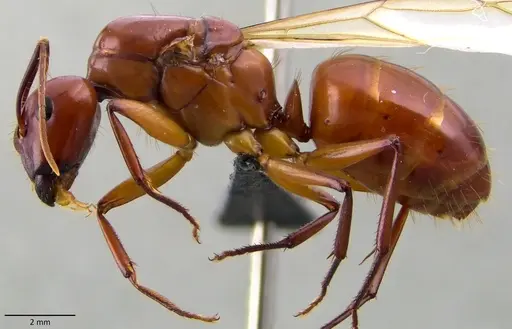
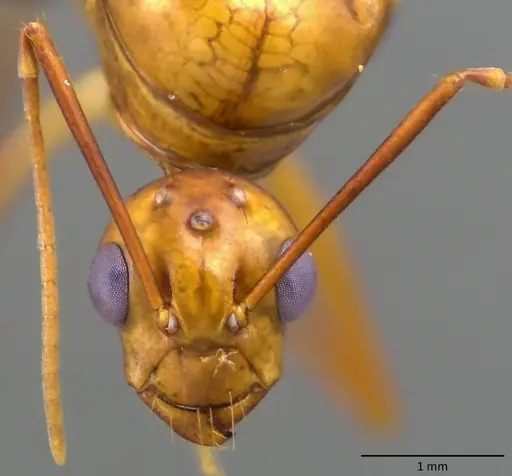
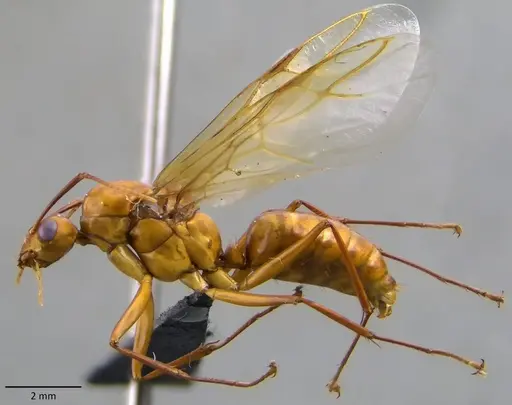
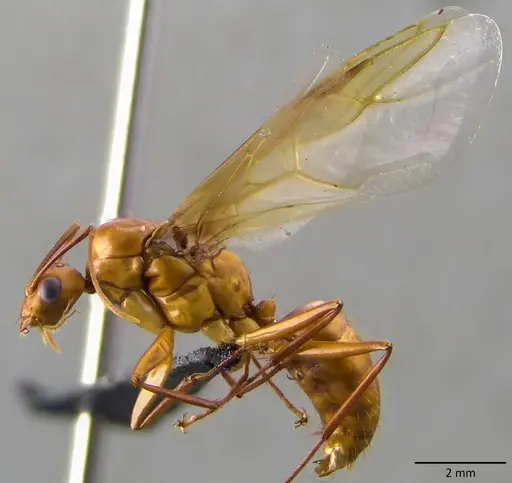
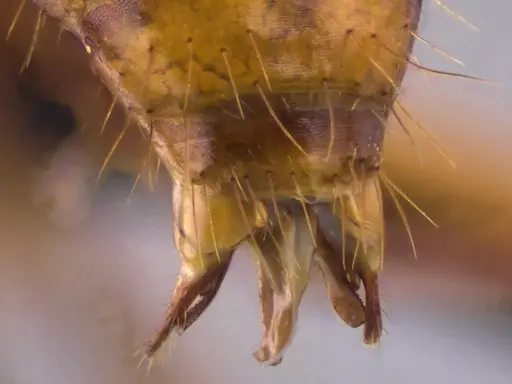
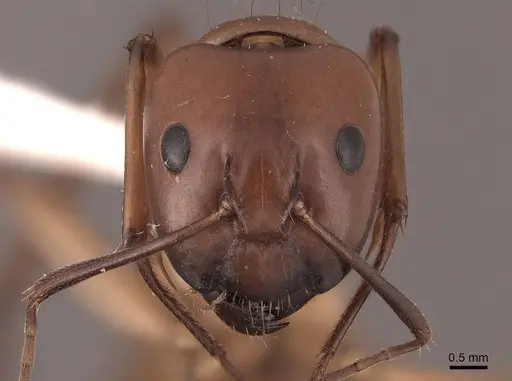
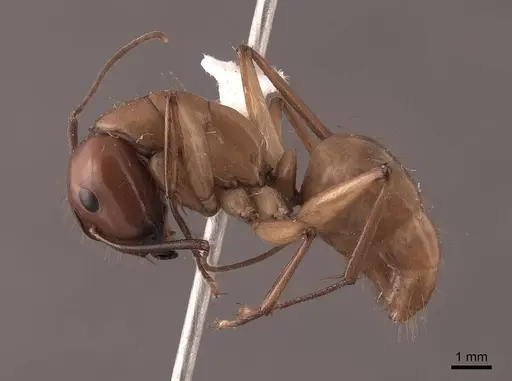
Camponotus castaneus is a striking carpenter ant found across the eastern United States. Workers range from 7-11mm and are easily recognized by their deep golden honey color, with most surfaces appearing glossy and shining [1]. The gaster is sometimes slightly darker than the rest of the body. Queens reach about 16mm, making them substantial compared to workers [2]. This species nests in soil, under stones, or in rotting wood and stumps, they don't excavate sound wood like some carpenter ants, preferring wood in early to mid stages of decomposition [3][4].
What makes C. castaneus particularly interesting is its status as a host for the zombie ant fungus Ophiocordyceps kimflemingiae. Infected ants display unique behavior, they bite onto twigs and wrap their legs around the substrate, a manipulation technique different from what occurs in tropical forests [5]. These ants are primarily nocturnal and very timid, when approached, they scatter and hide [3]. They are important in seed dispersal and serve as hosts for the ant cricket Myrmecophilus pergandei.
Quick Summary
- Difficulty: Easy
- Origin & Habitat: Eastern United States from New York south to Florida, west to Kansas and Texas. Found in deciduous forests, oak savannas, sand barrens, and urban areas. A warm climate forest dweller that prefers well-drained soils in forest habitats [6][3][7].
- Colony Type: Single-queen colonies (monogyne). Colonies are moderately populous with typically a few hundred workers [3].
- Colony: Monogyne
- Founding: Claustral
- Size & Growth:
- Queen: ~16mm [2]
- Worker: 7-11mm [1][3]
- Colony: Moderately populous, typically a few hundred workers [3]
- Growth: Moderate, typical for Camponotus species
- Development: 6-8 weeks at optimal temperature (estimated based on typical Camponotus development) (Development time is typical for the genus, queens seal themselves in and raise first workers alone using stored fat reserves)
- Antkeeping:
- Temperature: Keep at room temperature (20-24°C). This species naturally inhabits warm forest environments and tends to occupy relatively heated chambers in the wild [8]. A gentle gradient with a heating cable on one side of the nest works well.
- Humidity: Moderate humidity. Keep the nest substrate moist but not waterlogged, they nest in soil and rotting wood, so aim for damp substrate conditions similar to forest floor environments.
- Diapause: Yes, requires winter hibernation. Sexuals (alates) overwinter in the nest and fly the following year. Nuptial flights occur April-September at night [3]. Keep colonies cool (around 5-10°C) for 2-3 months during winter.
- Nesting: Y-tong (AAC) nests work well, or a naturalistic setup with soil and rotting wood pieces. They prefer nesting in material that holds moisture but isn't waterlogged. Test tubes with cotton-reared water reservoirs are suitable for founding colonies.
- Behavior: Very timid and secretive. Workers are primarily nocturnal, foraging between 9:00-16:00 in some regions but mainly active at night [3][9]. When threatened, they scatter and hide rather than confront. They are generalist feeders with a liking for sweets and protein. Escape risk is moderate, use standard barriers but they're not particularly aggressive or persistent escape artists. They occasionally enter structures searching for food but are not major structural pests.
- Common Issues: colonies are slow to establish, patience is needed during the claustral founding period, they are timid and may hide when the nest is exposed, making observation difficult, wild-caught colonies may carry parasites including the nematode Rabbium paradoxus or Ophiocordyceps fungus, overheating can be harmful, avoid temperatures above 28°C, hibernation is required, colonies that don't cool down may have reduced longevity
Nuptial Flight Activity Analysis 1880 observations
Flight Activity by Hour 1880 observations
Camponotus castaneus nuptial flight activity peaks around 21:00 during the night. Activity is spread across a 24-hour window (00:00–23:00). A secondary activity peak occurs around 15:00. Times may be influenced by human observation patterns.
Housing and Nest Setup
Camponotus castaneus does well in Y-tong (AAC) nests, plaster nests, or naturalistic setups. For founding colonies, a standard test tube setup with a cotton-reared water reservoir works perfectly, the queen will seal herself in the chamber and raise her first workers there. Once the colony reaches 20-30 workers, you can consider moving them to a larger formicarium. These ants prefer nesting in material that holds some moisture, so include a water section or keep the substrate damp. Because they're timid, provide dark nesting chambers, they'll feel more secure and be more active. Avoid direct bright light on the nest area. [1][3]
Feeding and Diet
Like most carpenter ants, C. castaneus is omnivorous. They accept sugar sources (honey water, sugar water) and protein (dead insects, mealworms, crickets). In the wild, they are predaceous, collect dead insects, and tend homopterans for honeydew [3]. They also have a liking for sweets and fruits [10]. Feed protein 2-3 times per week and keep sugar water available at all times. Remove uneaten protein after 24 hours to prevent mold. Despite being predaceous, they're not aggressive hunters, they'll readily scavenge dead prey rather than chase live insects.
Temperature and Seasonal Care
Keep your colony at room temperature, ideally 20-24°C. This species naturally inhabits warm forests and tends to occupy heated chambers in the wild [8]. A heating cable on one side of the nest creates a temperature gradient they can choose from. During winter, colonies require a hibernation period, keep them cool at 5-10°C for 2-3 months. Sexual (reproductive) ants overwinter in the nest and emerge for nuptial flights the following year, typically April-September [3]. Don't skip hibernation as it can affect colony health and longevity.
Behavior and Temperament
C. castaneus is one of the more timid carpenter ant species. When disturbed, workers scatter and hide rather than attacking [3]. They're primarily nocturnal, though some activity occurs during daylight hours, especially in northern parts of their range [9]. This makes them less exciting to watch than some more bold species, but their beautiful golden coloration makes up for it. They're not aggressive and don't have a painful sting. Workers are moderate foragers and will discover food baits, though they're not among the fastest discoverers at baits [11].
Health Concerns and Parasites
This species is host to several notable parasites. The zombie ant fungus Ophiocordyceps kimflemingiae causes infected ants to bite onto twigs and wrap their legs around them before dying, this is a natural occurrence in the wild [5]. While this fungus won't spread to healthy ants in captivity under normal conditions, it's worth being aware of. They can also host the nematode Rabbium paradoxus, which causes infected workers to move during daytime rather than staying hidden [10]. Wild-caught colonies are more likely to carry these parasites. Keep your colony stress-free and monitor for unusual behavior.
Frequently Asked Questions
Can I keep Camponotus castaneus in a test tube?
Yes, test tubes work perfectly for founding colonies. Queen ants of this species are claustral, they seal themselves in and raise their first workers alone using stored fat reserves. Use a test tube with a cotton-reared water reservoir and keep it dark and undisturbed until the first workers emerge.
How long until first workers appear?
Expect 6-8 weeks from egg to first worker at room temperature. This is typical for Camponotus species. The queen will seal herself in and not leave the founding chamber during this time. Be patient, disturbing the nest too early can cause the queen to abandon or eat her brood.
Are Camponotus castaneus good for beginners?
Yes, they're a good beginner species. They're forgiving of minor temperature and humidity fluctuations, don't require special equipment beyond basic ant keeping supplies, and are not aggressive. The main challenges are their slow establishment phase and their timid nature, which means less visible activity than bolder species.
Do they need hibernation?
Yes, they require a winter rest period. In the wild, sexuals overwinter in the nest and fly the following year. Keep your colony cool (5-10°C) for 2-3 months during winter. This helps maintain colony health and triggers natural reproductive cycles.
What do Camponotus castaneus eat?
They're omnivorous. Offer sugar water or honey constantly, and protein (dead insects, mealworms, small crickets) 2-3 times per week. They also accept fruits. Remove uneaten protein after 24 hours to prevent mold.
How big do colonies get?
Colonies are moderately populous, typically reaching a few hundred workers. This is smaller than some carpenter ant species like Camponotus pennsylvanicus, which can reach thousands.
Why are my ants dying?
Common causes include: stress from too much disturbance during founding, temperatures too high (above 28°C) or too low, mold from overwatering or uneaten food, and parasites from wild-caught colonies. Make sure they're in a quiet, dark location and check that substrate moisture is appropriate, damp but not waterlogged.
References

This caresheet is licensed under CC BY-SA 4.0 .
ANTWEB1041673
View on AntWeb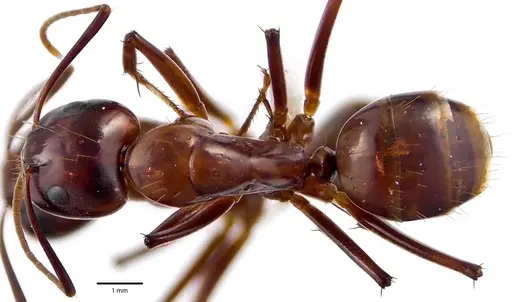
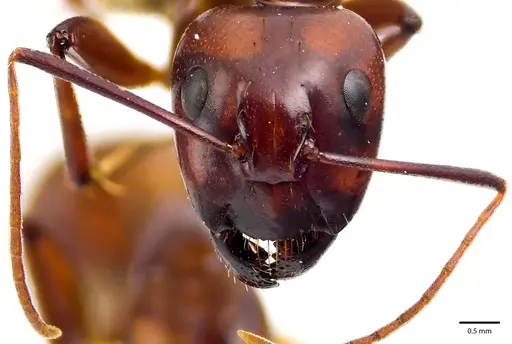
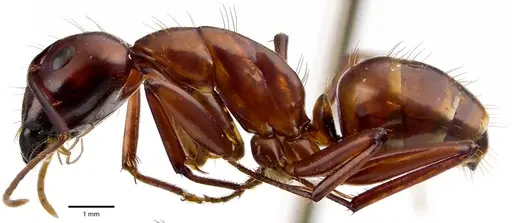
ANTWEB1041674
View on AntWeb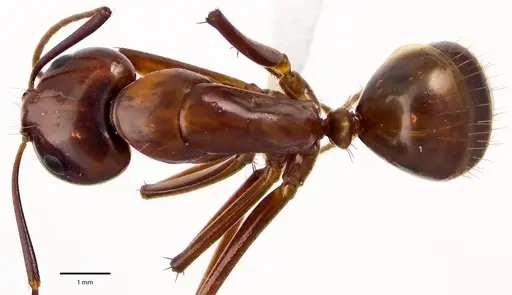
ANTWEB1041769
View on AntWeb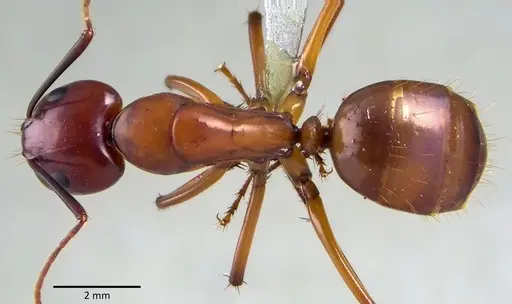
ANTWEB1041792
View on AntWeb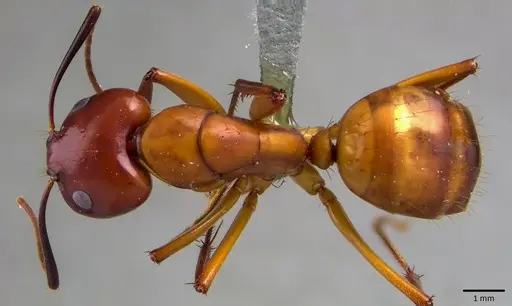
ANTWEB1041793
View on AntWeb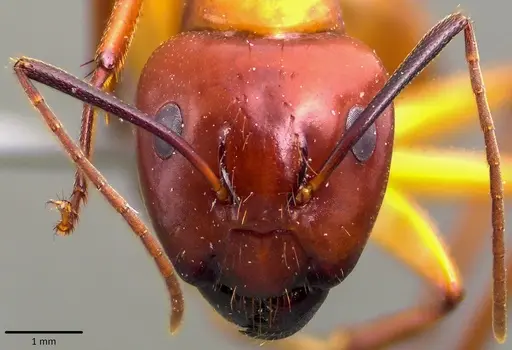
ANTWEB1060128
View on AntWeb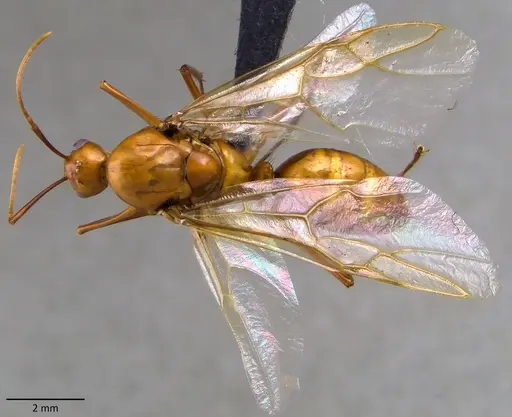
ANTWEB1060133
View on AntWeb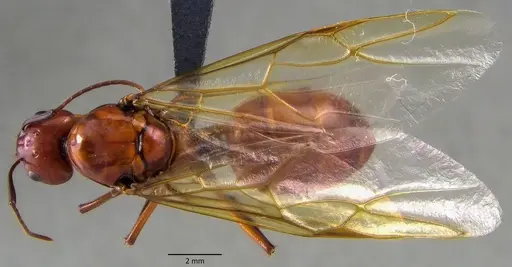
ANTWEB1060134
View on AntWeb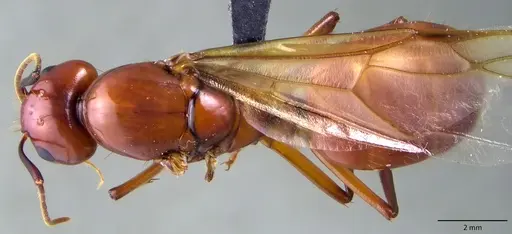
ANTWEB1060135
View on AntWeb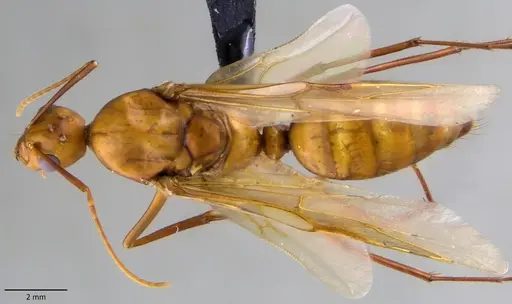
ANTWEB1060136
View on AntWeb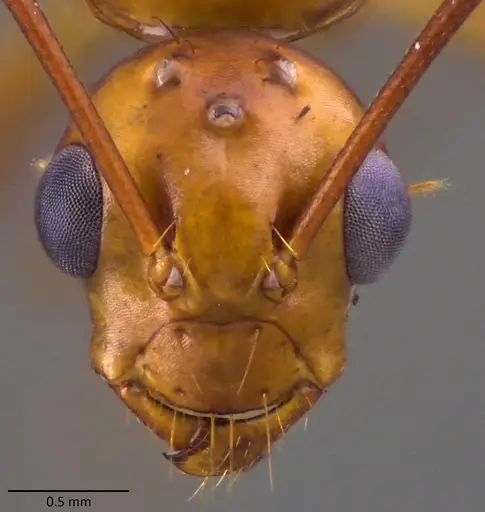
FMNHINS0000046084
View on AntWeb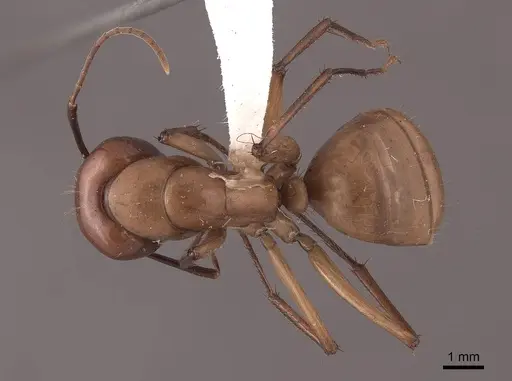
Literature
Loading...Loading products...