

Camponotus jjacquia
- Scientific Name
- Camponotus jjacquia
- Subgenus
- Mayria
- Tribe
- Camponotini
- Subfamily
- Formicinae
- Author
- Rasoamanana & Fisher, 2022
- Distribution
- Found in 1 countries
Camponotus jjacquia Overview
Camponotus jjacquia is an ant species of the genus Camponotus. It is primarily documented in 1 countries , including Madagascar. Detailed taxonomic data and occurrence records can be further explored via authoritative databases such as AntWeb or the Global Biodiversity Information Facility (GBIF).
Camponotus jjacquia
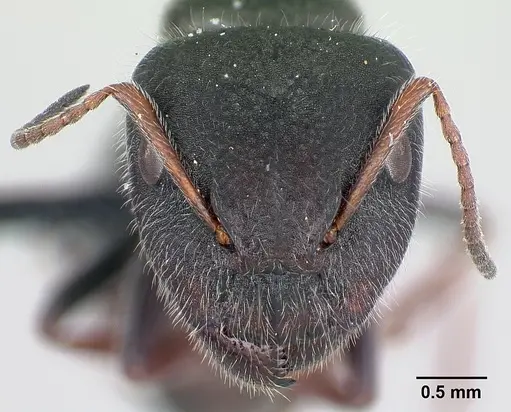
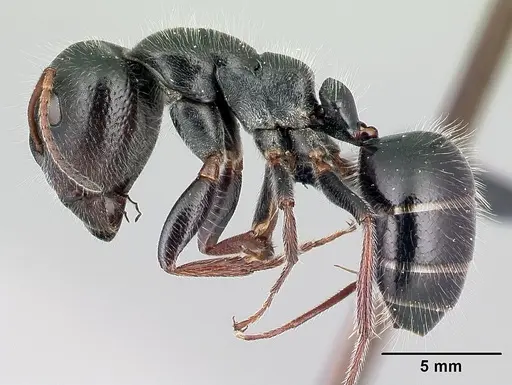
Camponotus jjacquia is a medium-sized black ant native to southern Madagascar, first described in 2022. Workers are black throughout with a distinctive feature: their entire body is covered in plentiful erect whitish setae (stiff hairs), giving them a somewhat fuzzy appearance. The species belongs to the Camponotus repens species group and the Mayria subgenus. Minor workers measure around 9-11mm in total length, while major workers (soldiers) are larger with a much wider head, reaching around 13-15mm. The petiole (the narrow waist segment) is notably long and low, a key identifying feature. This ant nests in soil and has been collected from various habitats including spiny forest, deciduous forest, and savannah woodland at elevations between 43-923 meters [1].
This is a newly described species, so captive husbandry information is limited. However, being a Camponotus species from Madagascar, it represents an exciting addition to the hobby for keepers interested in African and Malagasy ants. The species was named to honor Jean Jacques Rafanomezantsoa, a Malagasy ant collector who contributed to its discovery.
Quick Summary
- Difficulty: Medium
- Origin & Habitat: Southern Madagascar, specifically the Toliara province region. Found in multiple habitat types including Bismarckia woodland, deciduous forest, gallery forest, savannah woodland, spiny forest, and tropical dry forest at elevations of 43-923m [1].
- Colony Type: Likely monogyne (single queen colony) based on typical Camponotus patterns. Colony structure has not been directly documented for this species.
- Colony: Monogyne
- Founding: Claustral
- Size & Growth:
- Queen: Estimated 12-16mm based on typical Camponotus queen size ranges
- Worker: Minor workers: 9-11mm, Major workers: 13-15mm [1]
- Colony: Estimated several hundred to a few thousand workers based on typical Camponotis colony sizes
- Growth: Moderate, typical for Camponotus genus
- Development: Estimated 6-8 weeks at optimal temperature based on typical Camponotus development [1] (Development time is inferred from genus patterns as no species-specific data exists. Temperature affects development speed significantly.)
- Antkeeping:
- Temperature: Keep warm at 24-28°C. Based on Madagascar tropical habitat preferences, they prefer warmer conditions. A heating cable on one side of the nest creates a gradient allowing workers to self-regulate.
- Humidity: Moderate humidity around 50-70%. The species inhabits areas from dry forest to woodland, so avoid overly wet conditions. Keep the nest substrate slightly moist but allow some drying between waterings.
- Diapause: Unlikely to require true hibernation being a tropical species. However, a slight cool-down period (15-18°C) during winter months may be beneficial to simulate seasonal slowdown, similar to other Malagasy Camponotus.
- Nesting: Soil-nesting species. In captivity, a Y-tong (AAC) nest or plaster nest works well. Provide a moisture gradient so workers can choose their preferred humidity zone. A test tube setup works for founding colonies.
- Behavior: Typical Camponotus behavior, workers are moderately active foragers, primarily nocturnal or crepuscular. They are not particularly aggressive but will defend the nest if threatened. Major workers serve as soldiers and help process larger prey. Escape risk is moderate due to their medium size, standard barriers work well but ensure lids fit securely. They likely forage for honeydew and small insects in nature.
- Common Issues: new species means limited husbandry information, be prepared to experiment with conditions, tropical origin means they may be sensitive to temperature drops below 20°C, soil-nesting preference means they may struggle in fully artificial nests without appropriate substrate, wild-caught colonies may have parasites that affect captive survival, slow founding phase typical of Camponotus, patience is essential
Nest Preferences and Housing
Camponotus jjacquia is a soil-nesting species found under stones, in leaf litter, and occasionally on tree trunks in nature [1]. For captive care, provide a nest setup that allows them to burrow and create chambers. A Y-tong (acrylic and cotton) nest with a dirt section works well, as does a plaster nest with moisture retention capabilities. Test tube setups are suitable for founding colonies, place the tube in a dark area and allow the queen to seal herself in a chamber. Ensure the nest has a moisture gradient so workers can regulate their humidity preferences. The species tolerates a range of nest conditions but prefers consistency over extremes.
Feeding and Diet
Like other Camponotus species, C. jjacquia is likely omnivorous with a preference for sugary liquids and protein. In nature, they probably tend aphids for honeydew and hunt small insects. In captivity, offer sugar water or honey water as a constant energy source. For protein, provide small insects like fruit flies, pinhead crickets, or mealworms. Major workers can tackle larger prey items. Feed protein 2-3 times per week, and keep sugar water available at all times. Remove uneaten prey after 24-48 hours to prevent mold. This species is newly described, so exact food preferences are unknown, be prepared to experiment with different protein sources.
Temperature and Seasonal Care
Being native to southern Madagascar, this species prefers warmer temperatures in the range of 24-28°C. Their natural habitat includes spiny forest and tropical dry forest, which experience warm conditions year-round. Use a heating cable on one side of the nest to create a temperature gradient, this allows workers to move between warmer and cooler areas as needed. Avoid temperatures below 20°C for extended periods, as this species is not adapted to cold. During winter, if room temperature drops significantly, consider using a small heat mat. Unlike temperate species, they likely do not require true hibernation but may show reduced activity during cooler months. [1]
Colony Founding and Development
Based on typical Camponotus behavior, the queen likely seals herself in a chamber (claustral founding) and survives on stored fat reserves until her first workers emerge. The founding phase can take 6-8 weeks or longer depending on temperature. First workers (nanitics) are typically smaller than normal workers. The colony will grow slowly at first, with worker numbers increasing gradually over the first year. Major workers (soldiers) typically appear once the colony reaches several dozen workers. Be patient during founding, disturbing the nest too early can cause the queen to abandon or eat her brood. Once workers are established, the colony growth rate typically accelerates.
Behavior and Temperament
Camponotus jjacquia displays typical carpenter ant behavior, workers are moderately active and primarily forage during evening and nighttime hours. They are not particularly aggressive toward keepers but will defend the nest if disturbed. The presence of major workers (soldiers) with larger heads distinguishes this species, and these majors help process larger food items and defend the colony. Workers communicate using chemical pheromone trails when foraging. They are medium-sized ants, so escape prevention is straightforward, standard barrier methods work well. Avoid keeping the colony in direct sunlight or near vibrations, as this can stress the ants.
Frequently Asked Questions
How long does it take for Camponotus jjacquia to produce first workers?
Based on typical Camponotus development, expect 6-8 weeks from egg to first worker at optimal temperature (around 26°C). The exact timeline is unconfirmed for this species since it's newly described, but genus-level patterns suggest this timeframe.
What size nest do I need for Camponotus jjacquia?
For a founding colony, a simple test tube setup works well. Once the colony reaches 20-30 workers, upgrade to a small formicarium with a dirt or plaster section. Since they nest in soil, a Y-tong nest with a dirt chamber or a naturalistic setup with soil substrate is ideal.
What do Camponotus jjacquia eat?
Offer sugar water or honey water as a constant food source. For protein, provide small insects like fruit flies, small crickets, or mealworms 2-3 times per week. They likely forage for honeydew in nature, so sugar sources are important.
Is Camponotus jjacquia good for beginners?
This species is rated as Medium difficulty. While not the easiest species, it is manageable for keepers with some experience. The main challenge is that being a newly described species, husbandry information is limited, so you may need to experiment with conditions. Beginners should consider more established species first.
Do Camponotus jjacquia need hibernation?
No, being a tropical Madagascar species, true hibernation is not required. However, a slight temperature reduction during winter months (to around 18-20°C) may help simulate natural seasonal patterns and encourage slower activity.
How big do Camponotus jjacquia colonies get?
Based on typical Camponotus colony sizes, expect several hundred to a few thousand workers at maturity. Growth is slow initially but accelerates once the colony establishes its first dozen workers.
Can I keep multiple Camponotus jjacquia queens together?
This is not recommended. Like most Camponotus, they are likely monogyne (single queen). Combining unrelated queens typically results in fighting. Only keep one queen per colony.
What temperature is best for Camponotus jjacquia?
Keep them at 24-28°C, with a gradient allowing workers to move between warmer and cooler areas. A heating cable on one side of the nest works well. Avoid temperatures below 20°C for extended periods.
Why is my Camponotus jjacquia colony declining?
Common causes include: temperature too cold (below 20°C), humidity too dry or too wet, insufficient food (especially protein), or stress from disturbance. Since this is a newly kept species, also consider that wild-caught colonies may carry parasites. Ensure proper care conditions and minimize nest disturbances.
References

This caresheet is licensed under CC BY-SA 4.0 .
CASENT0445276
View on AntWeb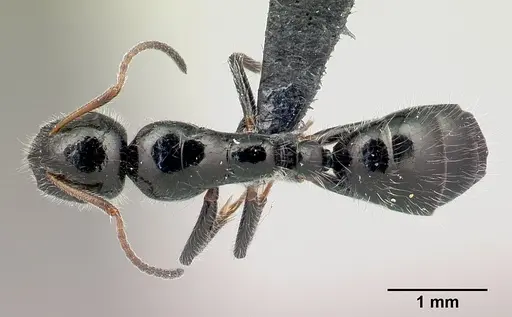
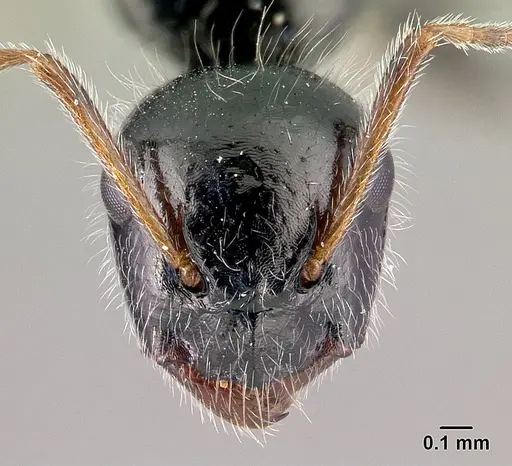
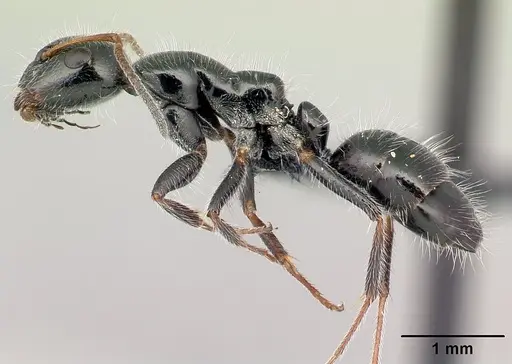
CASENT0445287
View on AntWeb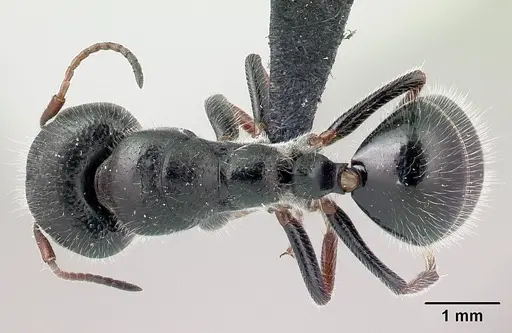
Literature
Loading...Loading products...