

Camponotus repens
- Scientific Name
- Camponotus repens
- Subgenus
- Mayria
- Tribe
- Camponotini
- Subfamily
- Formicinae
- Author
- Forel, 1897
- Distribution
- Found in 1 countries
Camponotus repens Overview
Camponotus repens is an ant species of the genus Camponotus. It is primarily documented in 1 countries , including Madagascar. Detailed taxonomic data and occurrence records can be further explored via authoritative databases such as AntWeb or the Global Biodiversity Information Facility (GBIF).
Camponotus repens
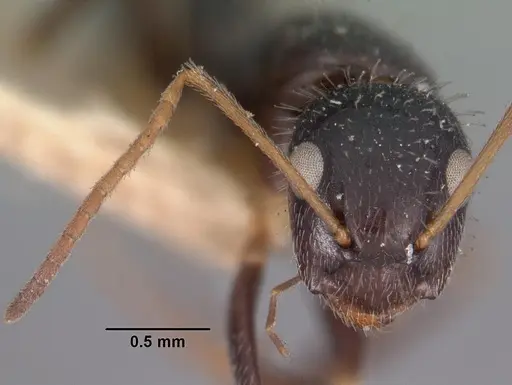
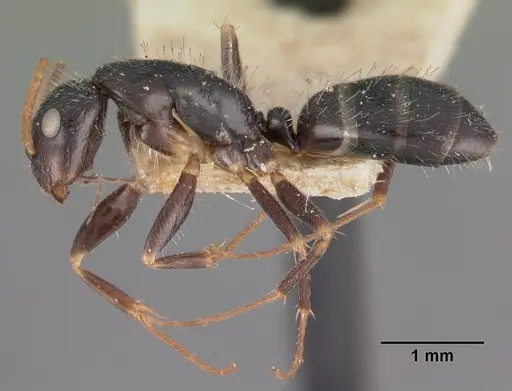
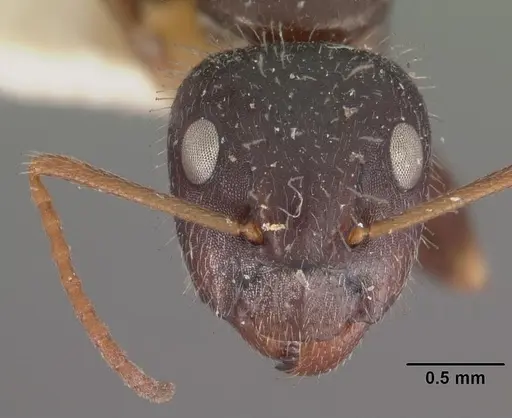
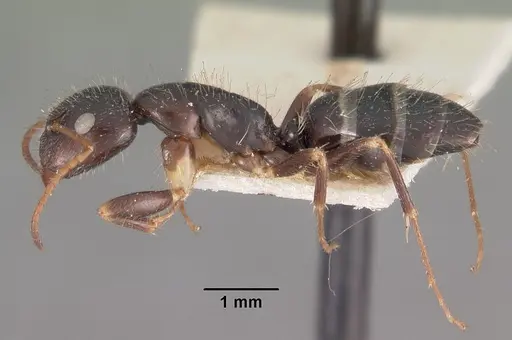
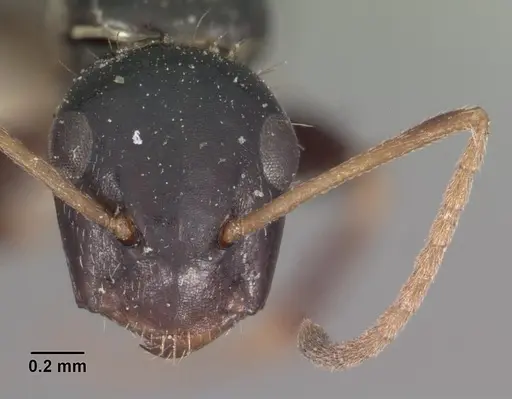
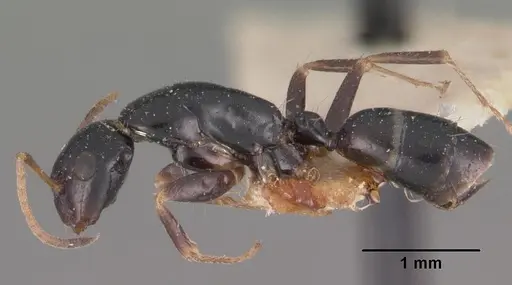
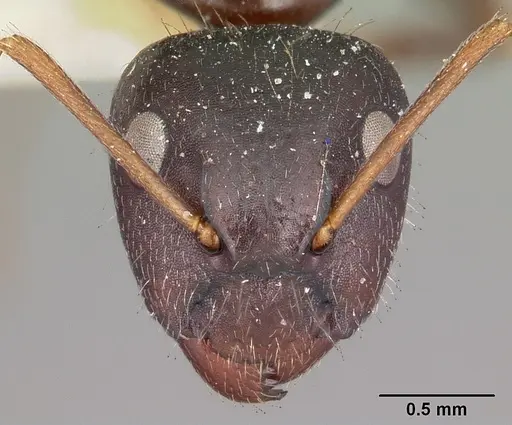
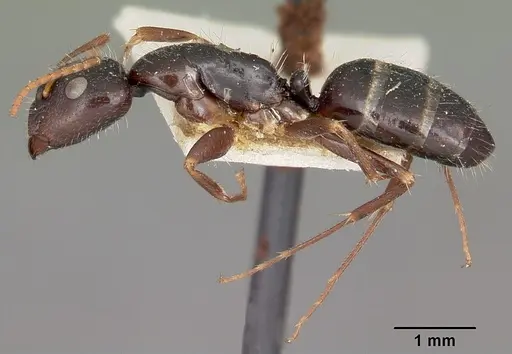
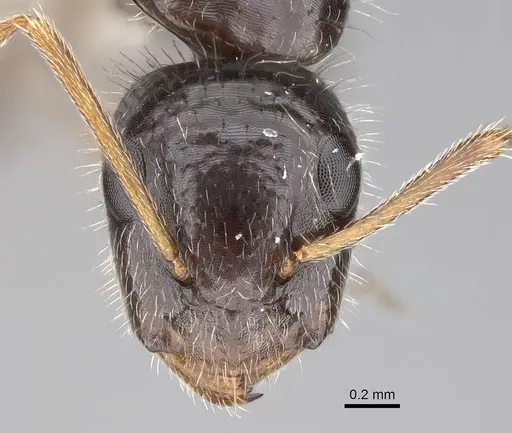
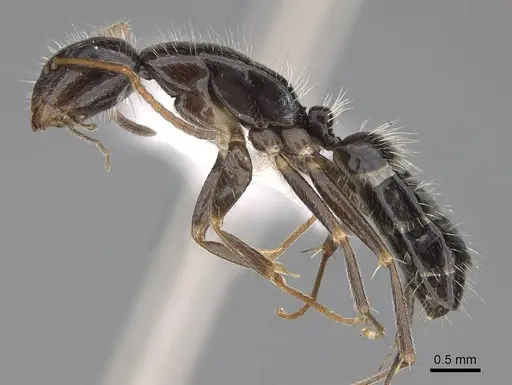
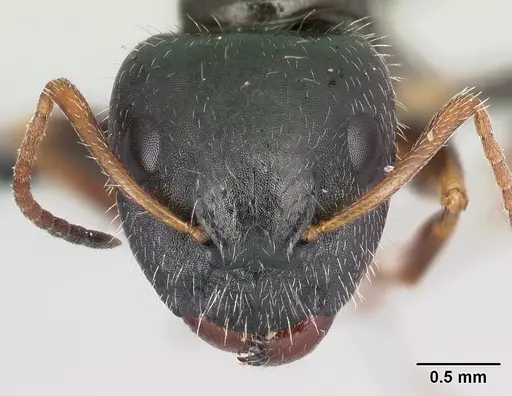
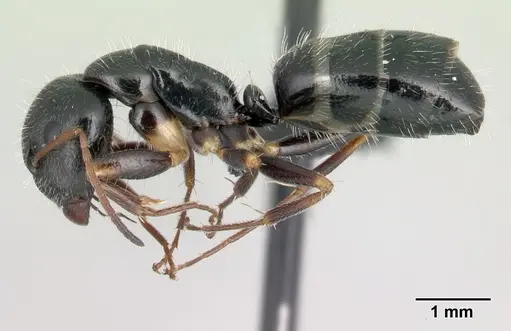
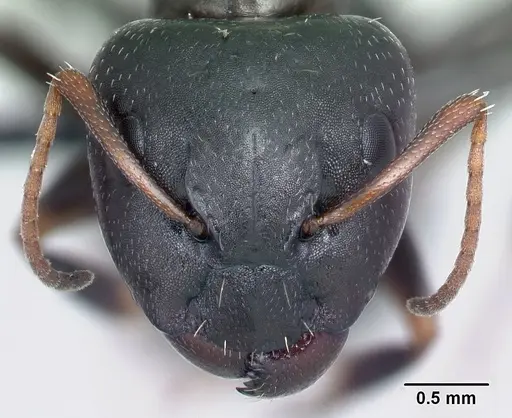
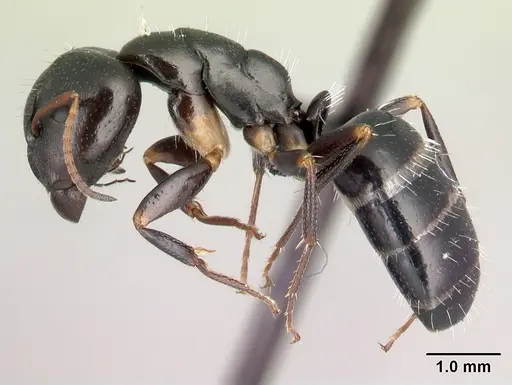
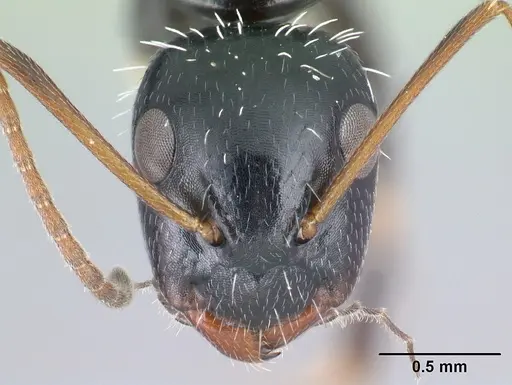
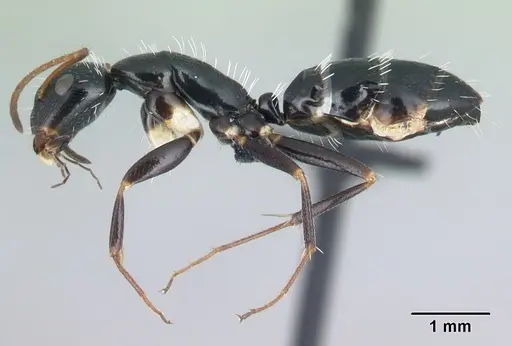
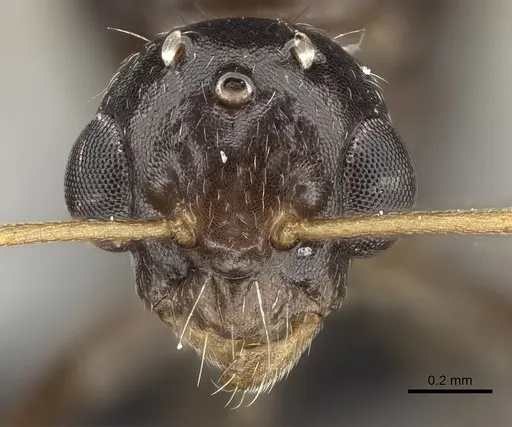
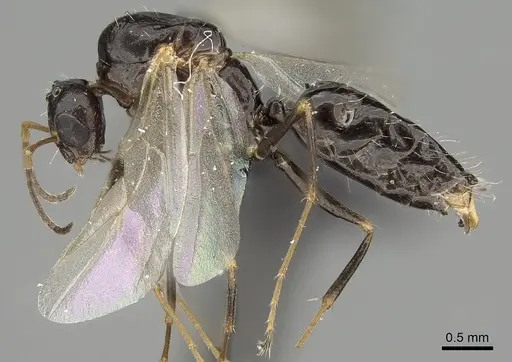
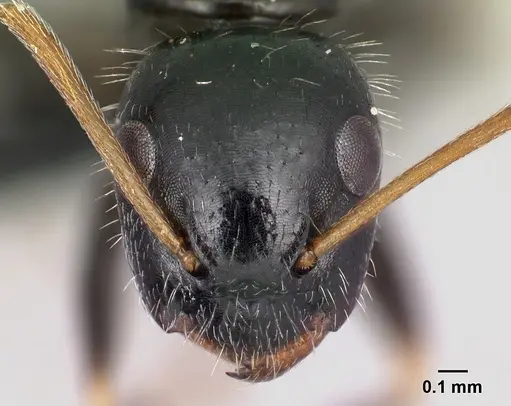
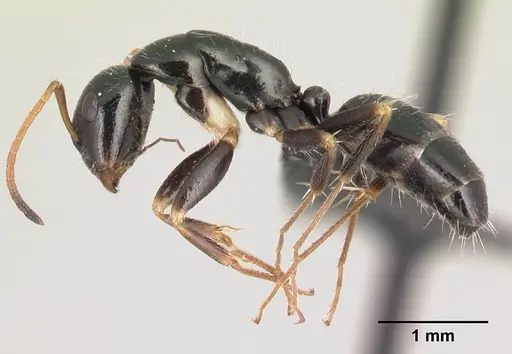
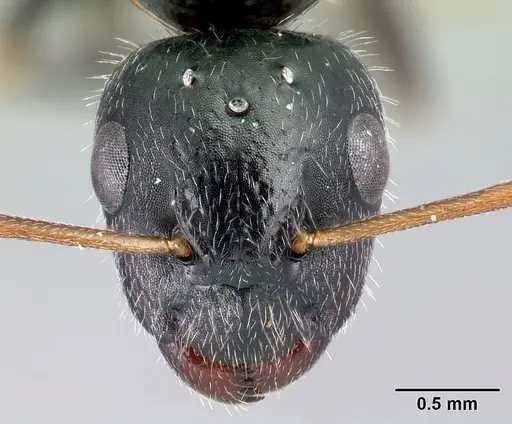
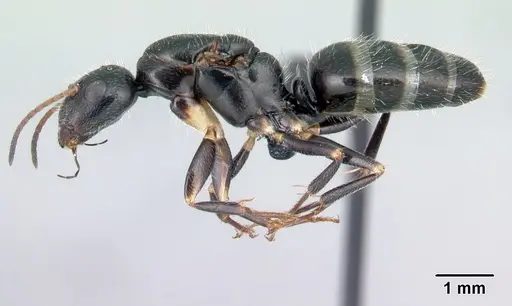
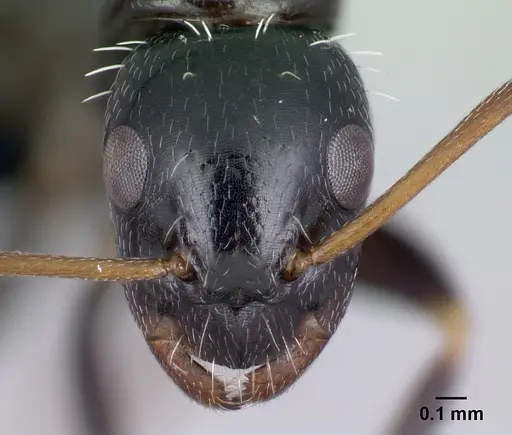
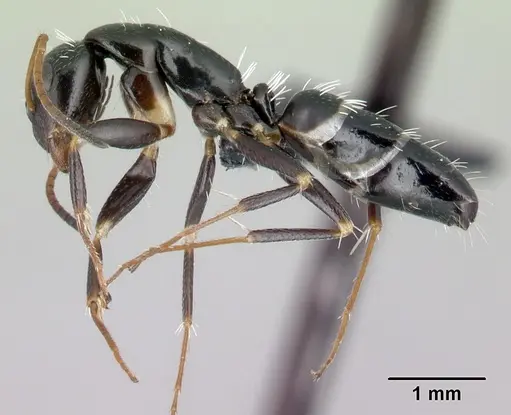
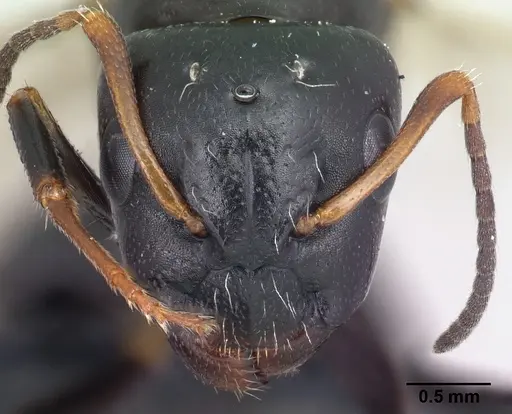
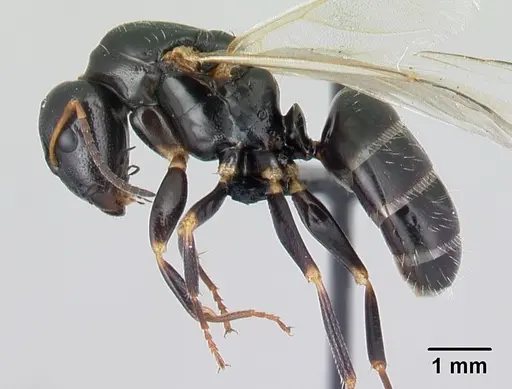
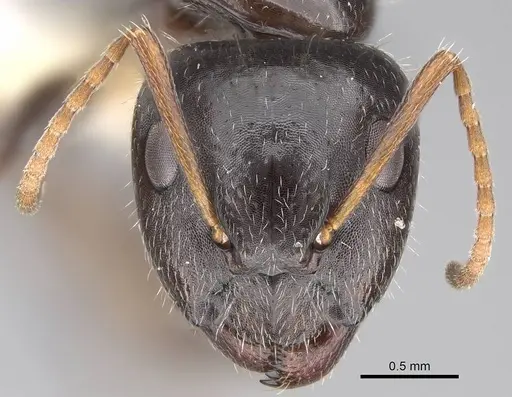
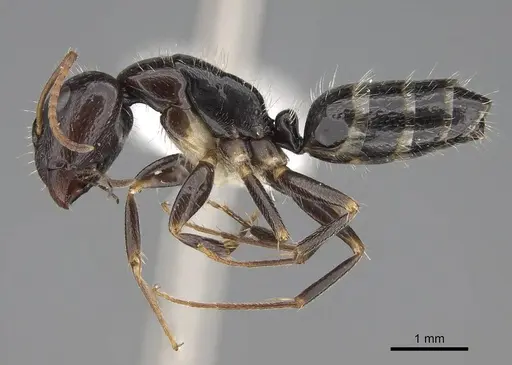
Camponotus repens is one of the smallest species in the subgenus Mayria, native exclusively to Madagascar. Workers measure just 0.8-1.18mm in head length, with major workers having larger heads but the same distinctive appearance. The body is primarily black, but the legs are noticeably lighter, trochanters and the tips of coxae and femurs are whitish-yellow, making them easy to identify. The mesosoma (the middle body section) is covered in numerous slender erect hairs. This species is highly adaptable, found across Madagascar's diverse habitats from littoral forests and rainforests in the north to tropical dry forests in the west and spiny forests in the south. [1][2]
Quick Summary
- Difficulty: Medium
- Origin & Habitat: Endemic to Madagascar, found in littoral forests, rainforests, tropical dry forests, gallery forests, and spiny forests across the island. Nests in rotten logs, rot pockets, rotting tree stumps, and under stones in various habitats. Forages in leaf litter, on the ground, and on lower vegetation. [1][3]
- Colony Type: Single-queen colonies (monogyne). This is standard for Camponotus species.
- Colony: Monogyne
- Founding: Claustral
- Size & Growth:
- Queen: Estimated 12-15mm based on genus patterns, direct measurements not available
- Worker: 0.8-1.18mm head length for minor workers, major workers larger [2]
- Colony: Likely several hundred workers based on typical Camponotus colony sizes
- Growth: Moderate, typical for Camponotus genus
- Development: Estimated 6-8 weeks at optimal temperature based on genus patterns (Development time inferred from typical Camponotus development. Queens are claustral (seal themselves in) and raise first workers alone.)
- Antkeeping:
- Temperature: Keep at 22-26°C. As a tropical Madagascar species, they need warm conditions year-round.
- Humidity: Moderate to high humidity (60-80%). Provide a moist nest substrate but avoid waterlogging. Mist occasionally and ensure the nest has a water tube.
- Diapause: No, being a tropical species from Madagascar, they do not require hibernation. Keep warm year-round.
- Nesting: Prefers nesting in rotten wood, cork, or similar materials that retain moisture. A Y-tong (AAC) nest or plaster nest with narrow chambers works well. Provide some substrate depth for them to dig if using a naturalistic setup.
- Behavior: Workers are active foragers, searching through leaf litter and exploring their surroundings. They are not particularly aggressive but will defend the nest if threatened. As a small species, escape prevention is important, they can squeeze through small gaps. Major workers are larger and may serve as soldiers or help with nest defense. They accept sugar water and protein sources readily.
- Common Issues: tropical species needs constant warmth, cold drafts can stress or kill colonies, small size means escape prevention must be excellent, use fine mesh and tight-fitting lids, being endemic to Madagascar, wild-caught colonies may be illegal to export, ensure your colony is from a legal source, humidity must be maintained, too dry and brood will desiccate, slow founding phase, new antkeepers may lose patience during the claustral period
Housing and Nest Setup
Camponotus repens is a small species that benefits from a well-designed nest. In the wild, they nest in rotten logs, rotting tree stumps, and under stones, so a naturalistic setup with cork or wood pieces works well. For standard antkeeping, a Y-tong (AAC) nest or plaster nest with narrow chambers is ideal. The chambers should be appropriately scaled to their tiny size, avoid large, open spaces. Include a water tube or moisture reservoir to maintain humidity. Because they are small, ensure all connections and barriers are secure. An outworld (foraging area) should be escape-proof with a barrier like fluon around the rim. [3][1]
Feeding and Diet
Like most Camponotus species, C. repens is omnivorous. They accept sugar water, honey, or diluted syrup readily. For protein, offer small insects like fruit flies, small mealworms, or cricket pieces. In the wild, they forage in leaf litter so they likely consume small arthropods and may tend aphids for honeydew. Feed them a few times per week, offer sugar constantly and protein every 2-3 days. Remove uneaten prey after 24-48 hours to prevent mold. A varied diet helps promote healthy brood development. [1]
Temperature and Humidity
Being native to Madagascar, this species needs warm, stable conditions. Keep the nest at 22-26°C (72-79°F). A heating cable on one side of the nest can create a gentle gradient if your room temperature is lower. They prefer moderate to high humidity (60-80%). The nest substrate should remain moist but not waterlogged. Mist the nest occasionally and check that condensation is present but not excessive. Unlike temperate species, they do not need a winter dormancy period, keep them warm year-round. Cold temperatures can weaken or kill the colony. [1]
Colony Founding
Like other Camponotus species, C. repens has claustral founding. The queen seals herself in a small chamber and does not leave to forage during the founding phase. She relies entirely on her stored fat reserves to survive and raise the first brood. This process takes several weeks to months depending on temperature. The first workers (nanitics) are often smaller than normal workers. Do not disturb the queen during this time, excessive vibration or light can cause her to abandon or eat the brood. Once the first workers emerge, you can begin offering food. [1]
Behavior and Temperament
Workers are active foragers that explore their environment thoroughly. They are not particularly aggressive toward humans but will defend the nest if threatened. The species has both minor and major worker castes, majors have larger heads and may serve in defensive roles. Because of their small size, they are excellent climbers and can squeeze through tiny gaps. Always use escape prevention measures like fine mesh and barrier gels. They are generally peaceful and can be kept in community setups with other non-aggressive species if space allows, though this is not recommended for beginners. [1]
Frequently Asked Questions
How long does it take for Camponotus repens to raise their first workers?
Expect 6-8 weeks from egg to first worker at optimal temperature (22-26°C). The claustral founding phase takes several weeks as the queen raises the brood alone without leaving the nest. Be patient, do not disturb the founding chamber during this time.
Do Camponotus repens ants need hibernation?
No. As a tropical species from Madagascar, they do not require hibernation. Keep them warm year-round at 22-26°C. Cold temperatures can stress or kill the colony.
What do Camponotus repens eat?
They are omnivorous. Offer sugar water, honey, or diluted syrup as a constant energy source. For protein, provide small insects like fruit flies, small mealworms, or cricket pieces a few times per week.
How big do Camponotus repens colonies get?
Based on typical Camponotus patterns, colonies likely reach several hundred workers over time. They are one of the smaller Camponotus species, so colonies may stay more moderate in size compared to larger carpenter ants.
Are Camponotus repens good for beginners?
They are rated as medium difficulty. The main challenges are maintaining proper temperature and humidity (they need it warm and humid year-round), and their small size requires good escape prevention. If you can provide these conditions and are patient through the slow founding phase, they can be rewarding.
Can I keep multiple Camponotus repens queens together?
No. This species is monogyne (single-queen). In the wild, colonies have one queen. Combining unrelated queens will likely result in fighting. If you start with a single queen, keep her alone.
What size nest do I need for Camponotus repens?
Use a nest with small, appropriately scaled chambers. Their workers are very small (under 1.2mm head length), so narrow passages and tight chambers work better than large open spaces. A Y-tong nest or plaster formicarium works well.
Why are my Camponotus repens dying?
Common causes include: cold temperatures (keep above 22°C), too dry conditions (maintain humidity), disturbance during founding (leave the queen alone), or poor escape prevention allowing workers to escape. Also ensure the colony is from a legal source.
When should I move Camponotus repens to a formicarium?
Wait until the colony has at least 20-30 workers before moving them. The test tube setup works well for founding colonies. Once the colony is established and active, you can transfer them to a proper nest if desired.
References

This caresheet is licensed under CC BY-SA 4.0 .
CASENT0101175
View on AntWeb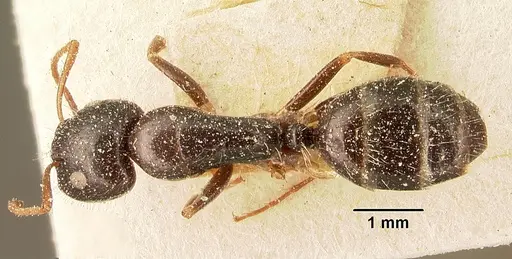
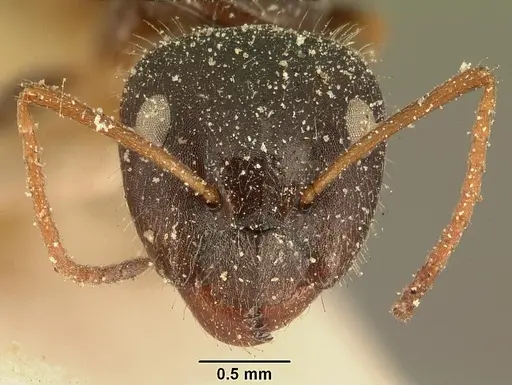
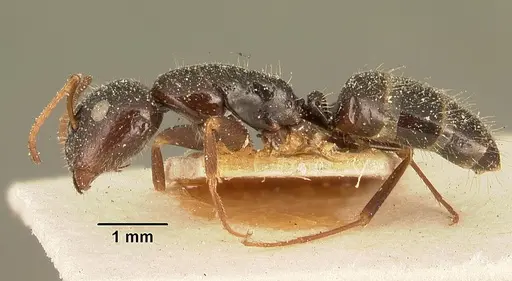
CASENT0102437
View on AntWeb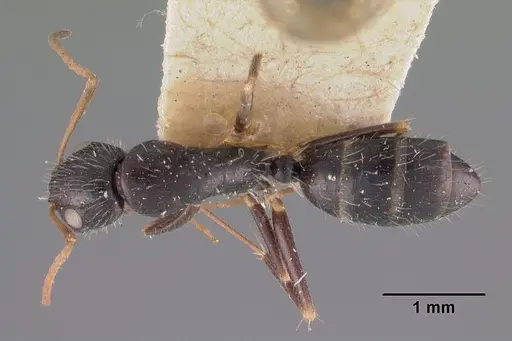
CASENT0102438
View on AntWeb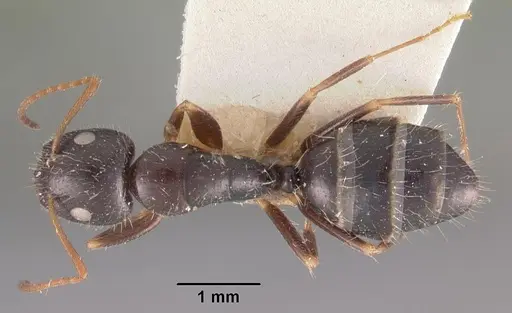
CASENT0102439
View on AntWeb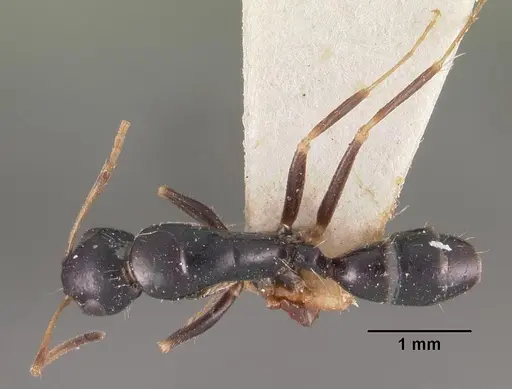
CASENT0104623
View on AntWeb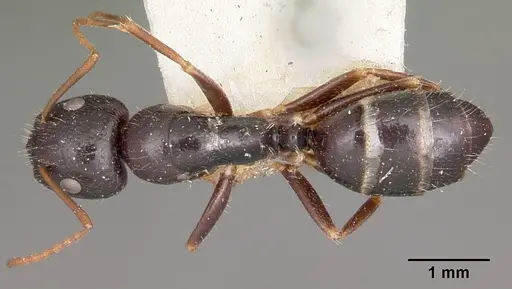
CASENT0195294
View on AntWeb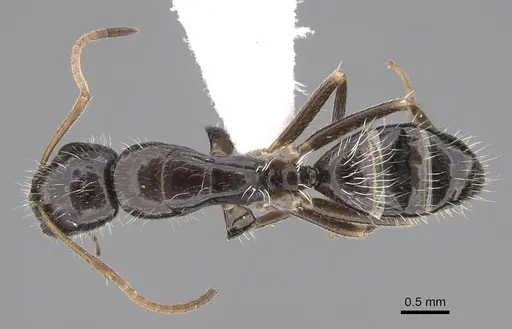
CASENT0217298
View on AntWeb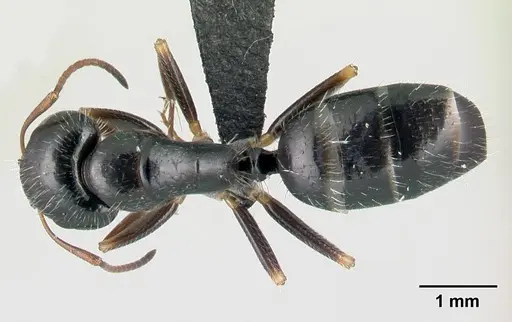
CASENT0217299
View on AntWeb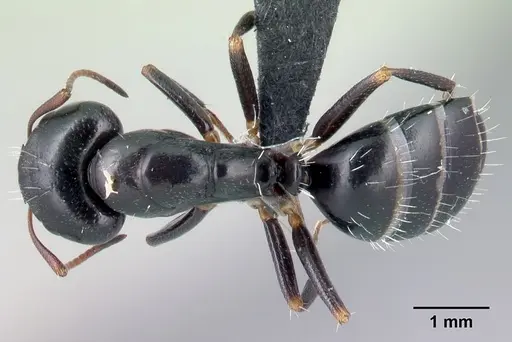
CASENT0217300
View on AntWeb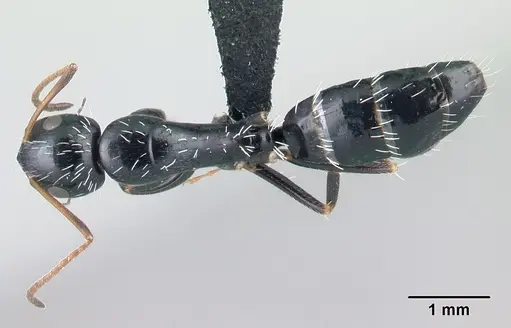
CASENT0280590
View on AntWeb
CASENT0481832
View on AntWeb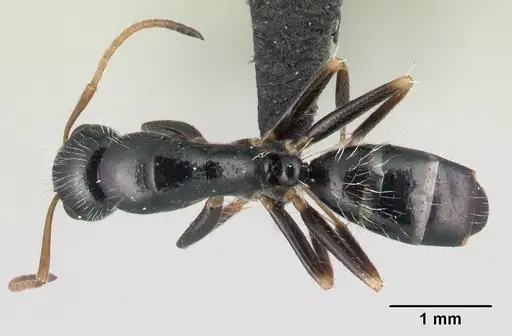
CASENT0486419
View on AntWeb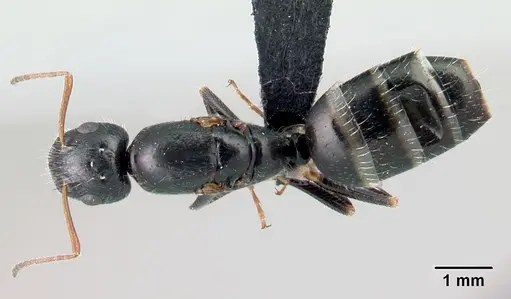
CASENT0491267
View on AntWeb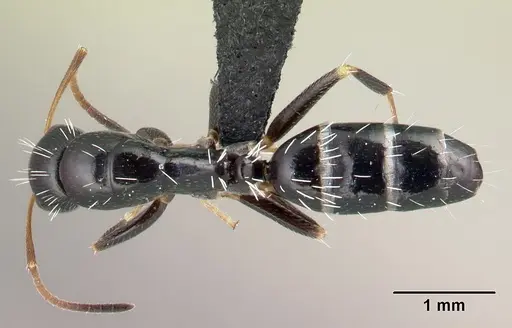
CASENT0499161
View on AntWeb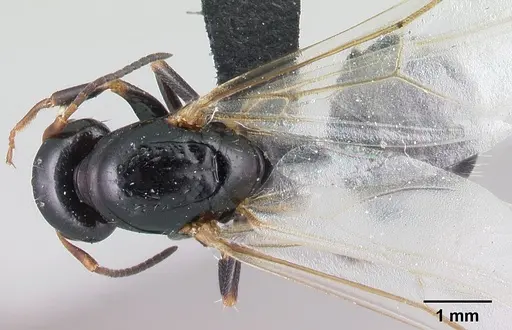
CASENT0810384
View on AntWeb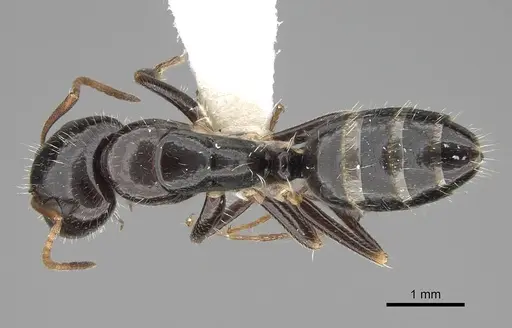
Literature
Loading...Loading products...