

Camponotus irritans
- Scientific Name
- Camponotus irritans
- Subgenus
- Tanaemyrmex
- Tribe
- Camponotini
- Subfamily
- Formicinae
- Author
- Smith, 1857
- Distribution
- Found in 7 countries
Camponotus irritans Overview
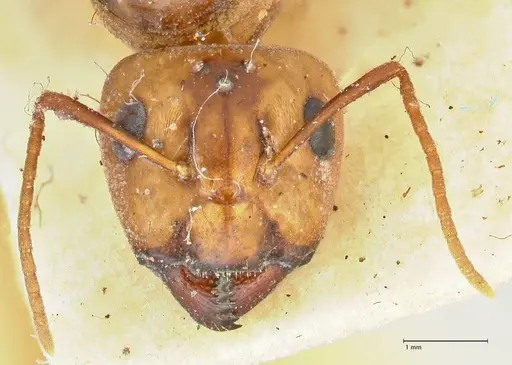
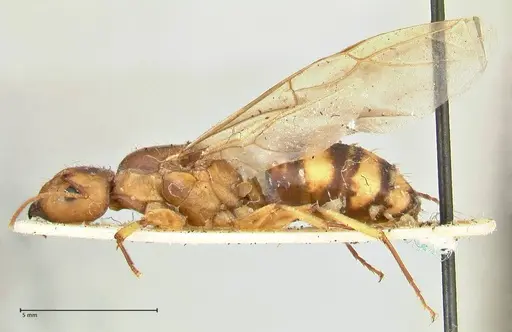
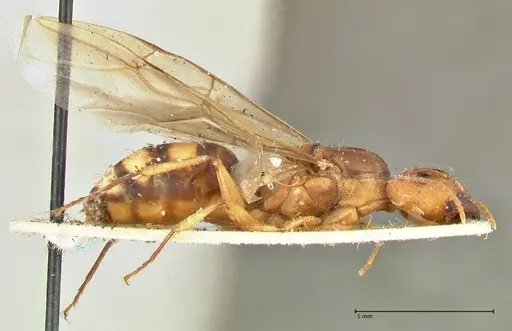
Camponotus irritans is an ant species of the genus Camponotus. It is primarily documented in 7 countries , including Hong Kong, Indonesia, India. Detailed taxonomic data and occurrence records can be further explored via authoritative databases such as AntWeb or the Global Biodiversity Information Facility (GBIF).
Camponotus irritans
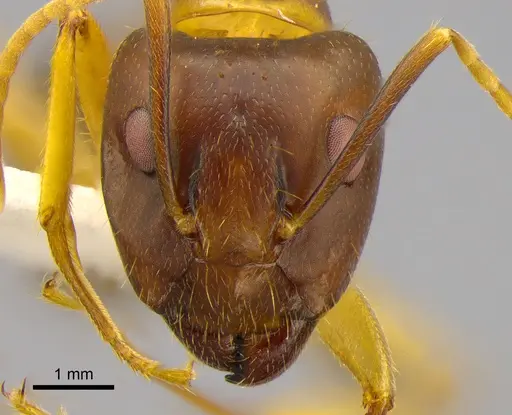
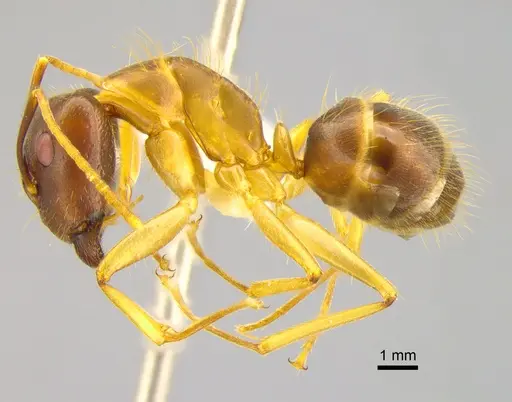
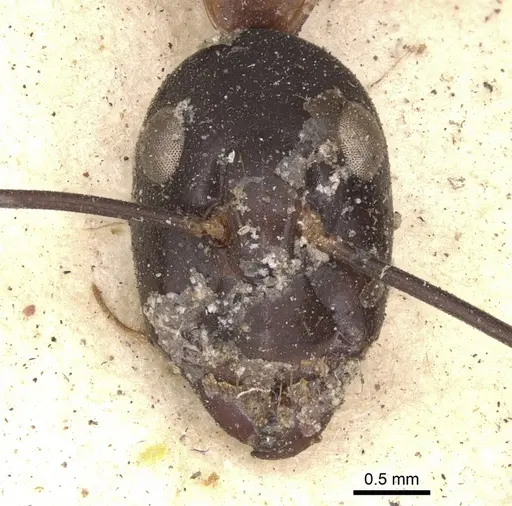
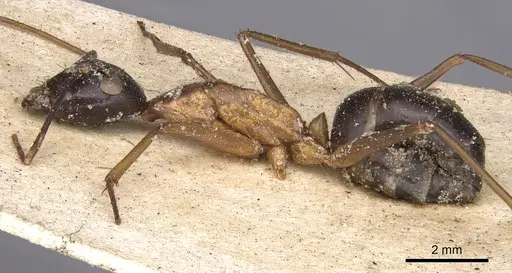
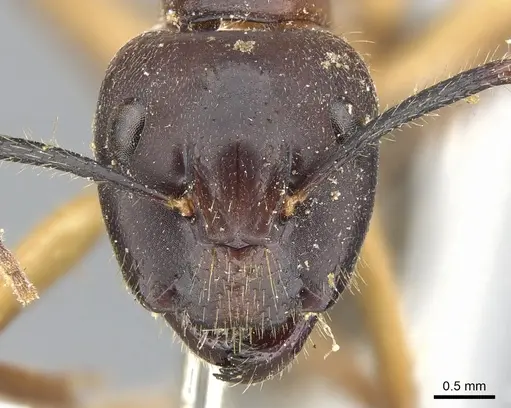
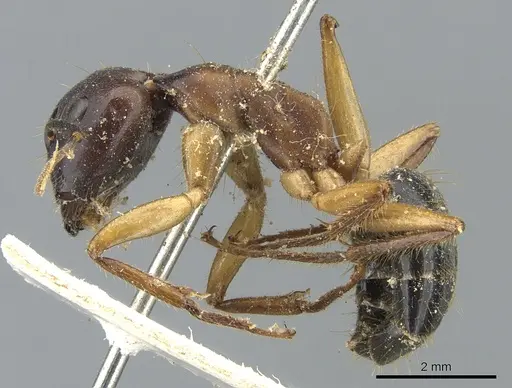
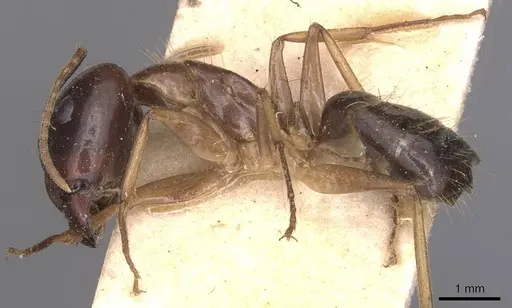
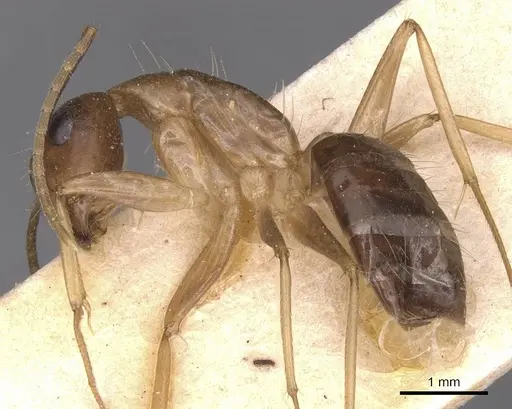
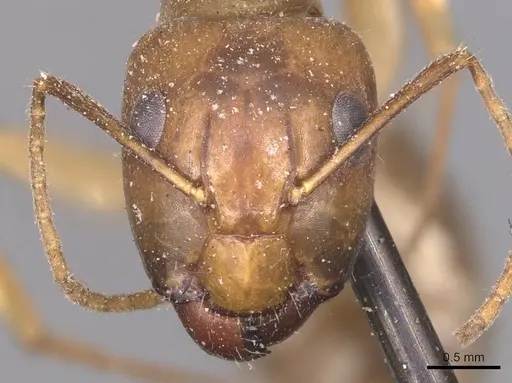
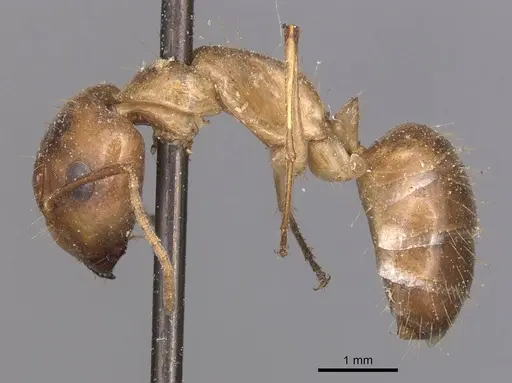
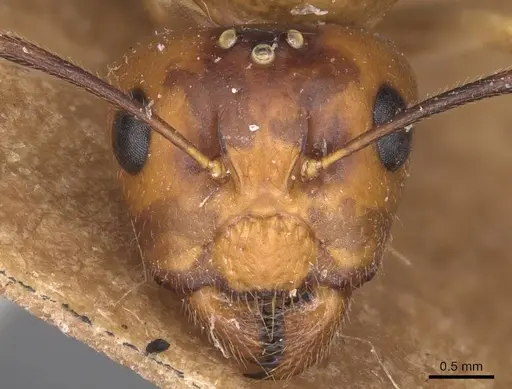
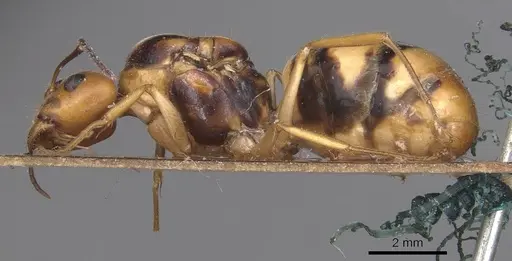
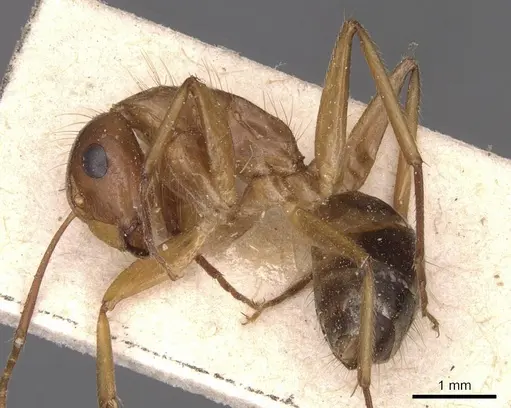
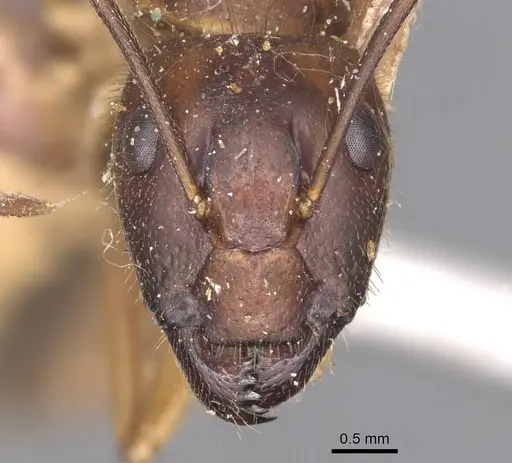
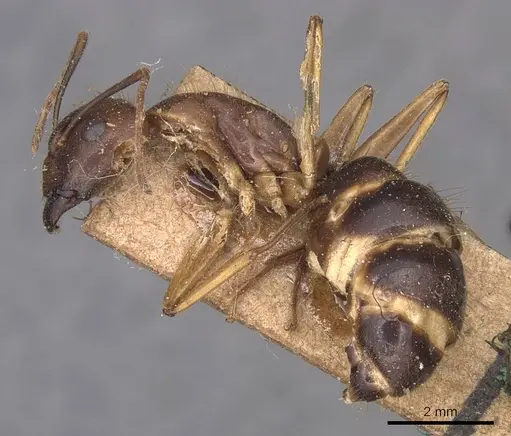
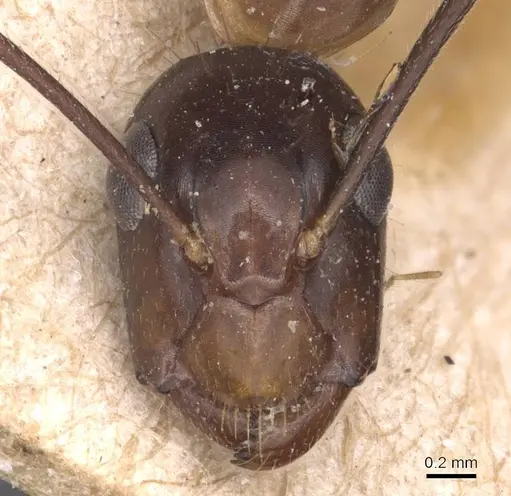
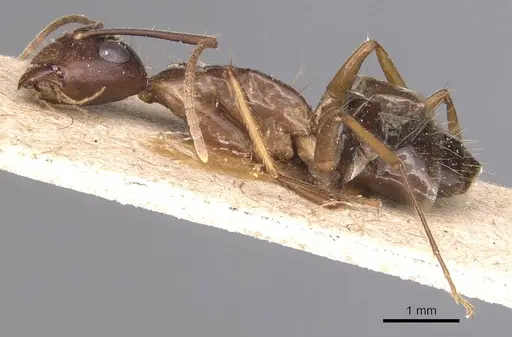
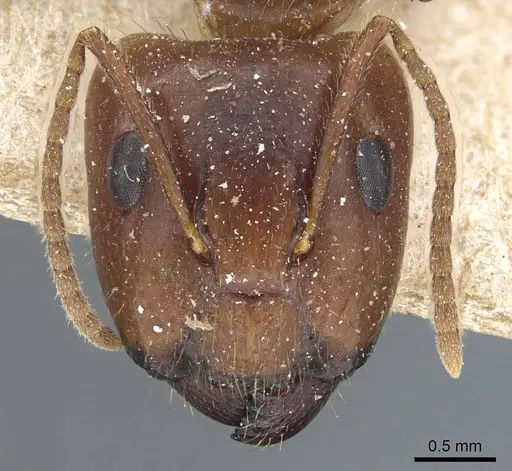
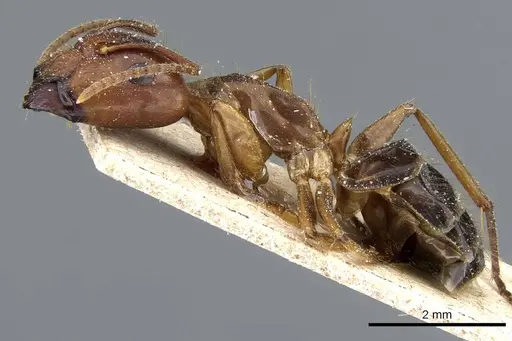
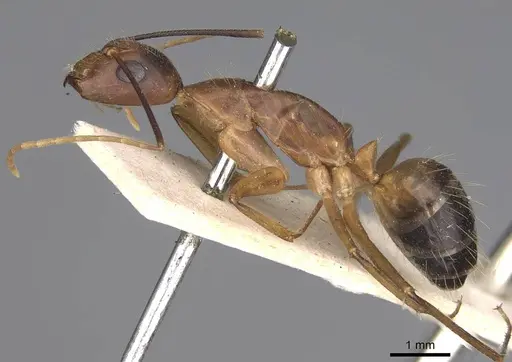
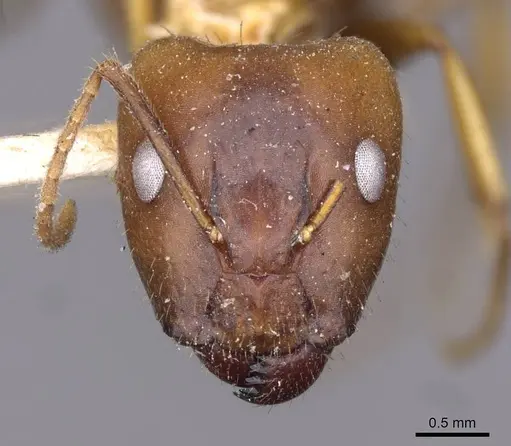
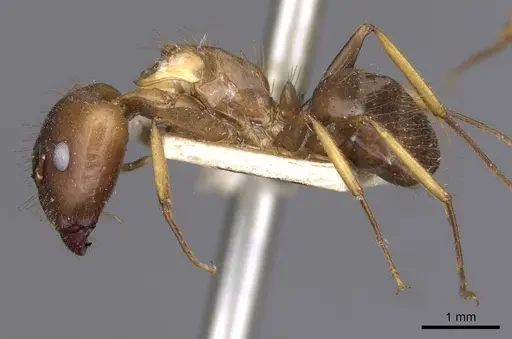
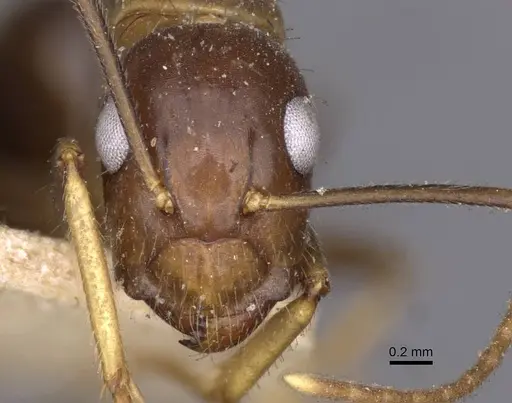
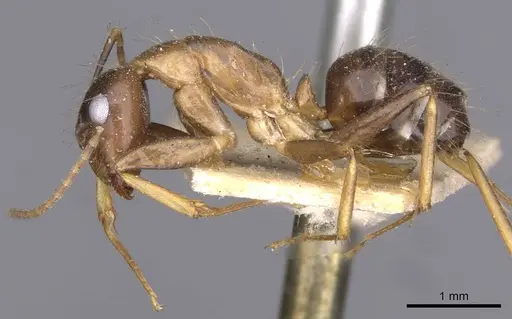
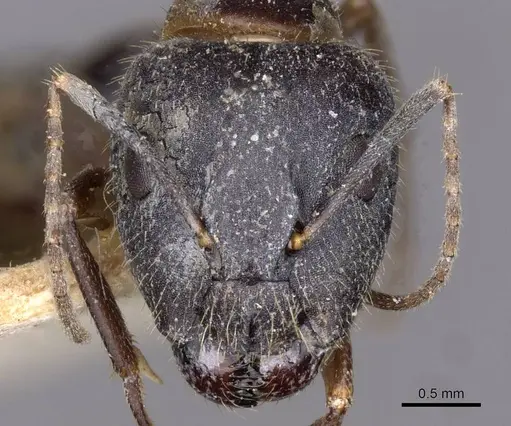
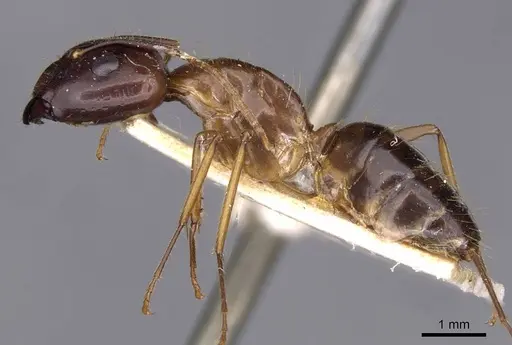
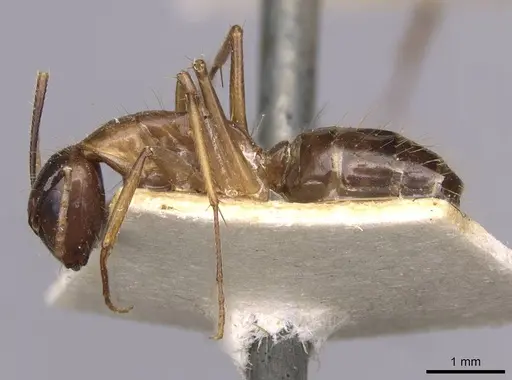
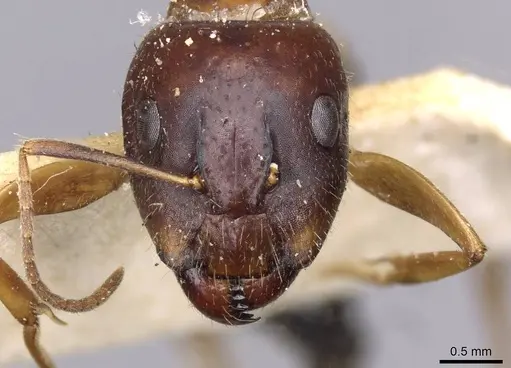
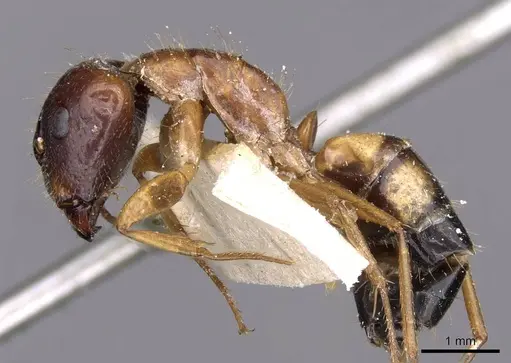
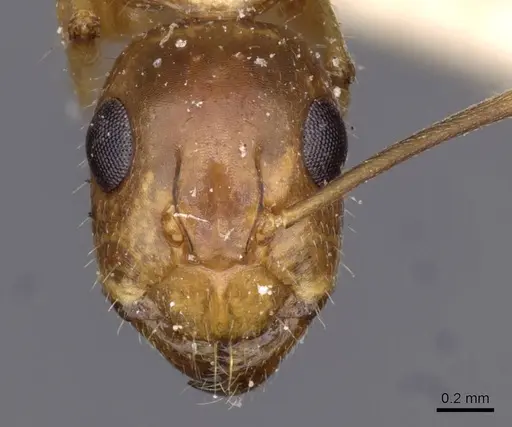
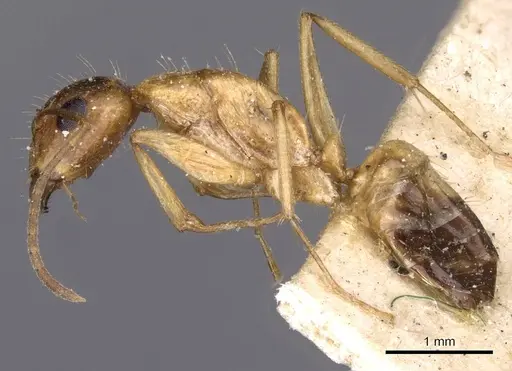
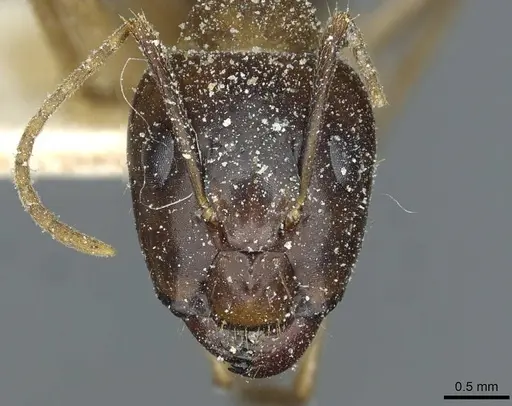
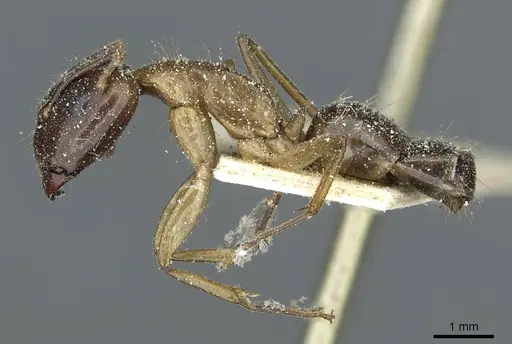
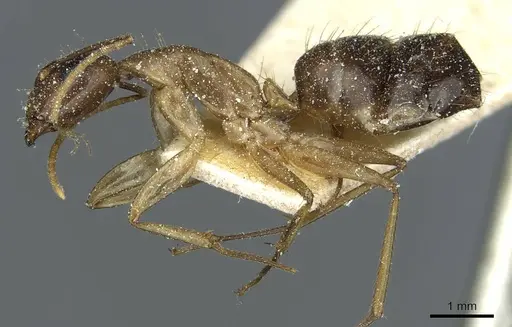
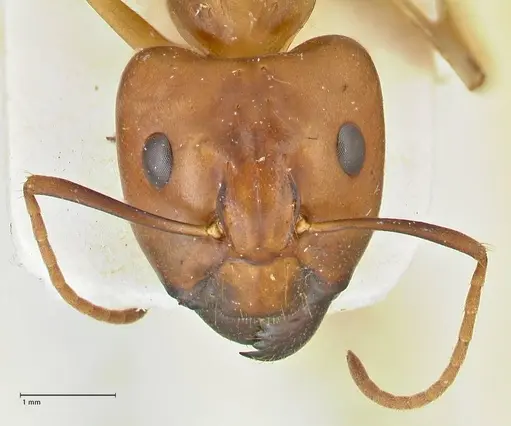
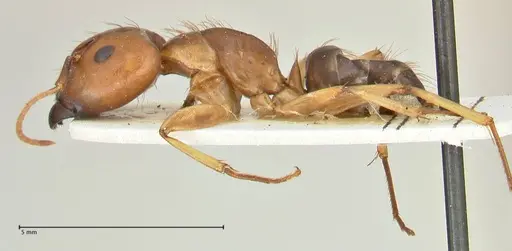
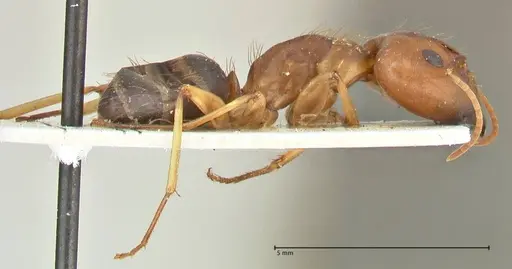
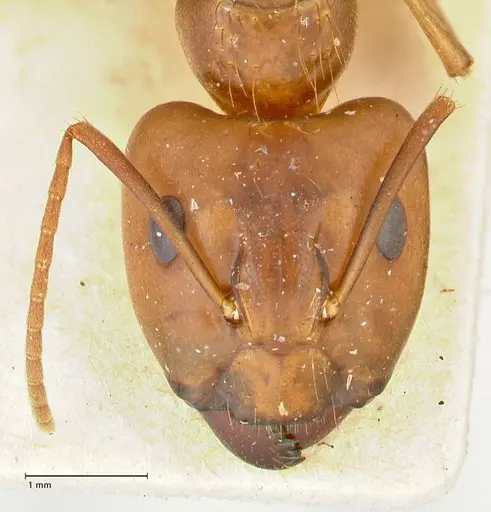
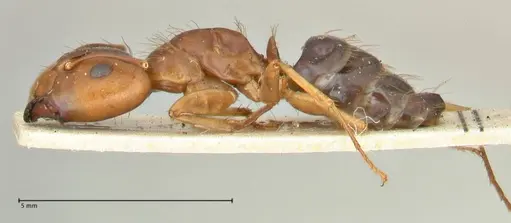
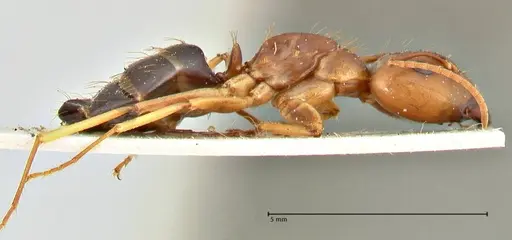
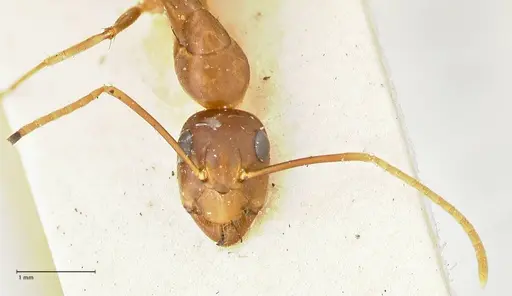
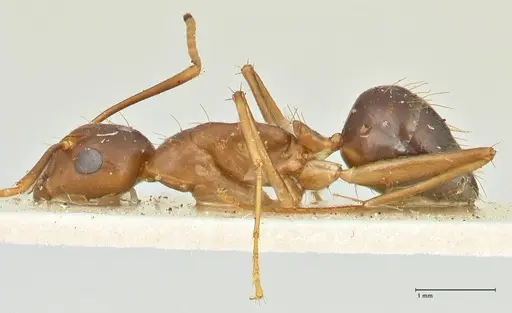
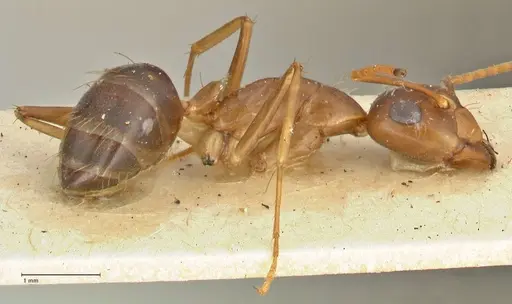
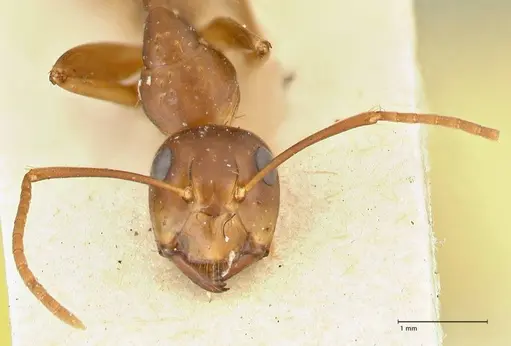
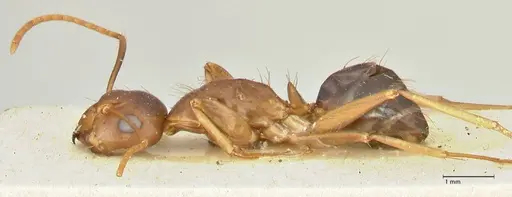
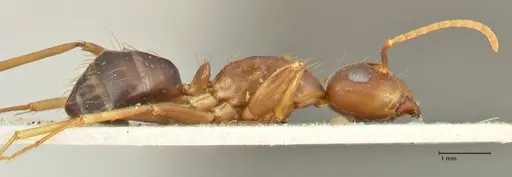
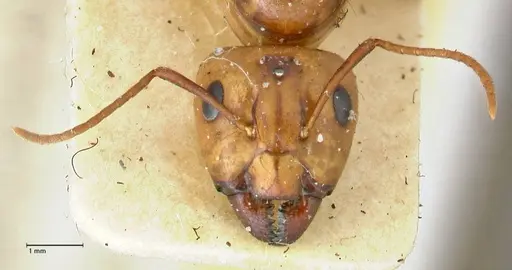
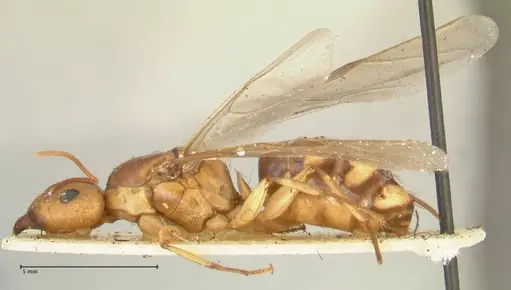
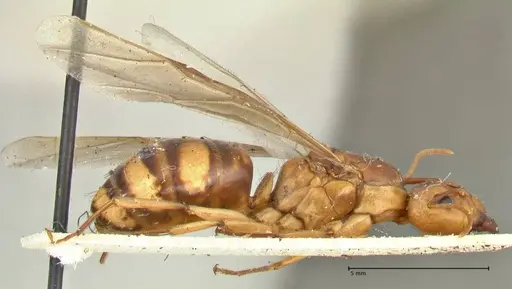
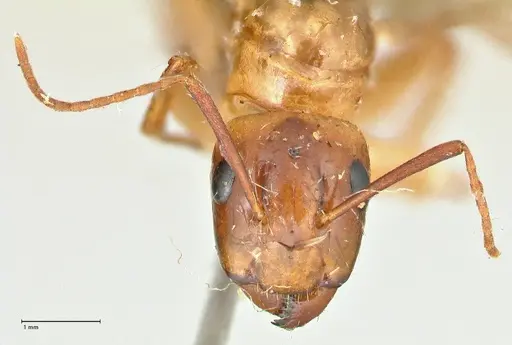
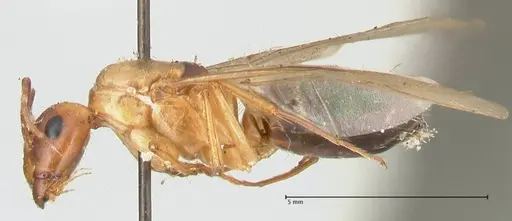
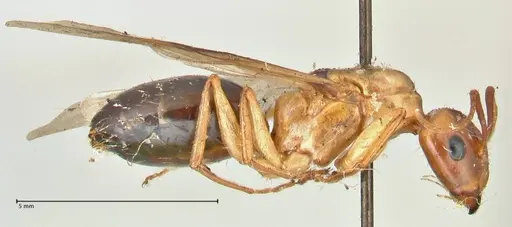
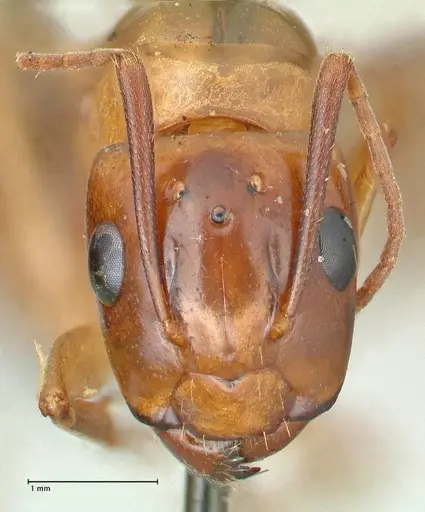
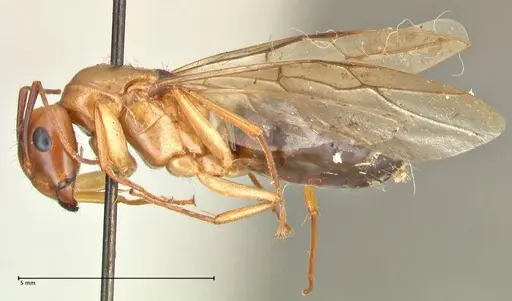
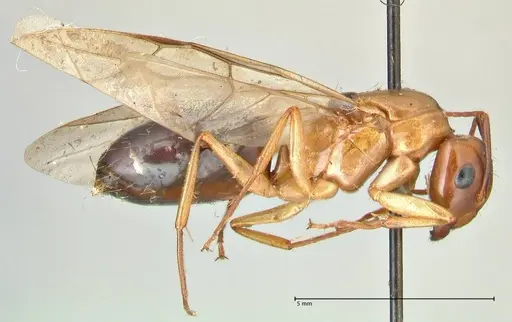
Camponotus irritans is a medium-to-large carpenter ant found across tropical Asia, from India through Southeast Asia to Indonesia and the Philippines. Workers measure around 6-12mm, with the larger major workers being particularly robust. They belong to the Formicinae subfamily and are known for their distinctive golden to reddish-brown coloration. This species is exclusively nocturnal, with large compound eyes adapted for night vision [1][2]. Colonies are typically monogyne (single queen) and can grow moderately large, with multiple satellite nests sometimes forming near the main colony [3].
What makes C. irritans remarkable is its extraordinary heat tolerance, these ants remain active at temperatures up to 50°C, which is virtually unheard of for most ant species [3]. They are aggressive predators capable of taking down prey five times their own size, making them efficient pest controllers in their native ecosystems. Their nesting habits involve creating colonies in soil, particularly calcareous soils in sandy areas, rather than in wood like some other carpenter ants.
Quick Summary
- Difficulty: Medium
- Origin & Habitat: Tropical Asia, India, Sri Lanka, Malaysia, Indonesia (Sumatra, Java, Borneo), Singapore, Vietnam, Philippines, and southern China. Found across the Indomalaya region and into the Palaearctic zone in southern China [4][5]. In the wild, they nest in calcareous soils in sandy biotopes, stony areas, and rocky locations [3].
- Colony Type: Monogyne (single queen colonies). Colonies are usually solitary but may have multiple nests spaced about 3 meters apart at favorable sites [3].
- Colony: Monogyne
- Founding: Claustral
- Size & Growth:
- Queen: Estimated 12-15mm based on genus patterns (no direct measurement found)
- Worker: 6-12mm (major workers 6-12mm, minor workers smaller) [6]
- Colony: Estimated several hundred workers based on typical Camponotus colony sizes
- Growth: Moderate
- Development: Estimated 6-8 weeks at optimal temperature based on typical Camponotus development [7] (Development time is inferred from genus patterns, direct measurements not available for this species)
- Antkeeping:
- Temperature: Keep at 24-28°C. This species is exceptionally heat-tolerant and can handle temperatures up to 50°C in the wild, but for captive colonies aim for warm tropical conditions around 24-28°C. They can tolerate brief temperature spikes above 30°C [3].
- Humidity: Moderate humidity (50-70%). They nest in soil that can dry out between rains in their native habitat, so avoid waterlogging. Provide a moisture gradient so ants can choose their preferred spot.
- Diapause: No, this is a tropical species that does not hibernate. However, activity may slow during cooler winter months in temperate collections [3].
- Nesting: Y-tong (AAC) nests or plaster nests work well. They prefer nesting in soil-like substrates rather than wood. Provide a nest chamber with moderate humidity and a foraging area. Given their size, ensure chambers are appropriately scaled.
- Behavior: Nocturnal and highly active predators. Workers forage individually and will attack and drag back prey much larger than themselves, even insects five times their size [3]. They are aggressive when defending the colony but not particularly territorial toward humans. Escape risk is moderate, use standard barrier methods. They dislike rain and will plug nest entrances during storms in the wild [3].
- Common Issues: heat stress from overheating is a risk, while heat tolerant, avoid temperatures above 35°C in captivity, predatory nature means they need live protein prey, they may ignore dead food initially, colonies can be slow to establish initially due to their cautious founding behavior, nocturnal activity means you'll see most movement in evening hours, don't mistake this for a problem, wild-caught colonies may have parasites that can spread to other ant colonies
Housing and Nest Setup
Camponotus irritans does well in Y-tong (AAC) nests or plaster formicariums with soil-like substrates. They prefer nesting in areas with moderate humidity rather than very wet conditions. In the wild, they nest in calcareous soils in sandy biotopes and rocky areas, so mimic this by providing a substrate that holds some moisture but can dry out partially between rehydrations [3]. A foraging area with easy access to the nest chamber is essential, these are active foragers that need space to hunt and explore. Because they are nocturnal, position the setup away from direct bright light to encourage natural activity patterns. The nest entrance should be small (around 0.5cm in the wild) and you can use standard escape prevention like fluon on the rim [3].
Feeding and Diet
This species is a voracious predator in the wild, feeding primarily on other insects including Camponotus compressus (other ant species), termites, small beetles, caterpillars, and various insect larvae [3]. They can tackle prey up to five times their own size. In captivity, offer live protein sources like mealworms, small crickets, and other small insects. They will also accept sugar sources like honey or sugar water for energy. Unlike some Camponotus species that are primarily herbivorous, C. irritans is distinctly predatory, they may initially ignore dead food, so live prey is important for establishing colonies. Feed protein 2-3 times per week and keep sugar water available constantly. Injured or weak ants in the colony may be taken by nestmates, this is normal cannibalistic behavior in stressed colonies [3].
Temperature and Seasonal Care
Camponotus irritans is famous for its extraordinary heat tolerance, in the wild, workers remain active at temperatures up to 50°C, while most desert animals seek shelter above 35°C [3]. For captive care, you do not need to maintain such extreme temperatures. Keep them warm at 24-28°C, which is ideal for tropical species. They can tolerate brief heat spikes, making them more forgiving than many species if temperatures accidentally rise. However, avoid keeping them constantly above 35°C as this may stress the colony. Unlike temperate species, they do not require hibernation or diapause. In winter, if your room temperature drops significantly, colony activity may slow naturally, this is normal and they will resume normal activity when warmed. They are most active during mid-day in the wild, particularly when temperatures rise, so evening feeding times often work best [3].
Behavior and Temperament
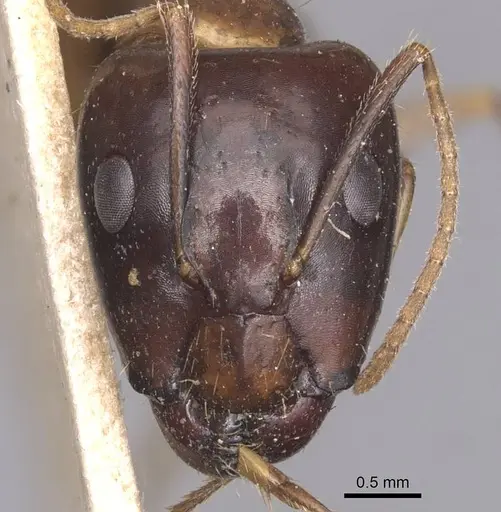
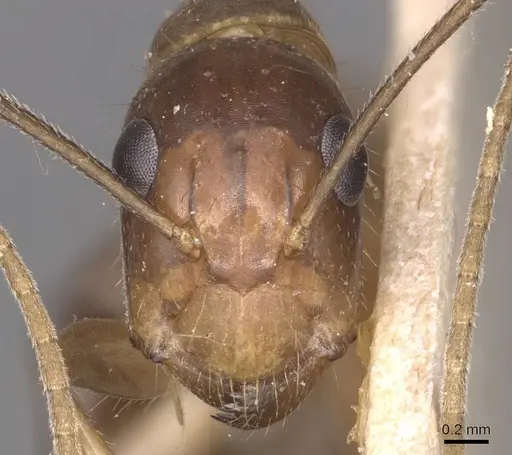
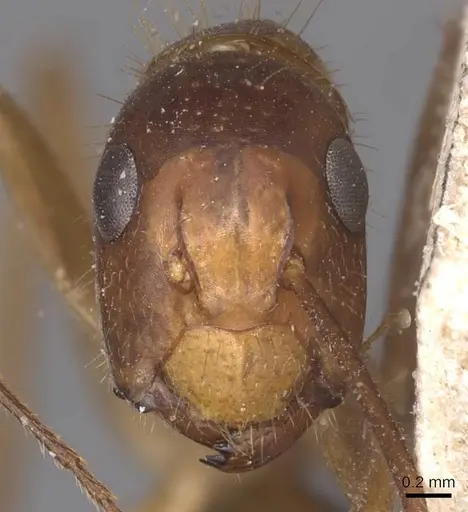
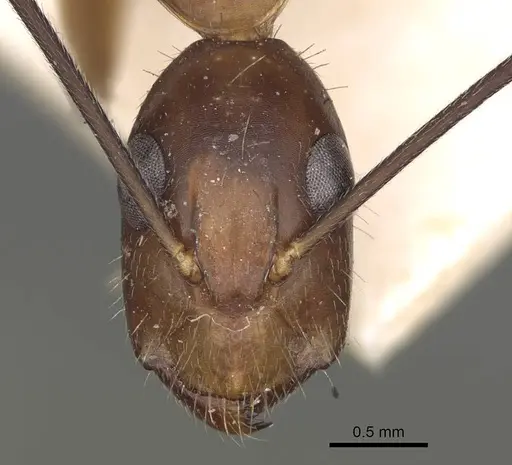
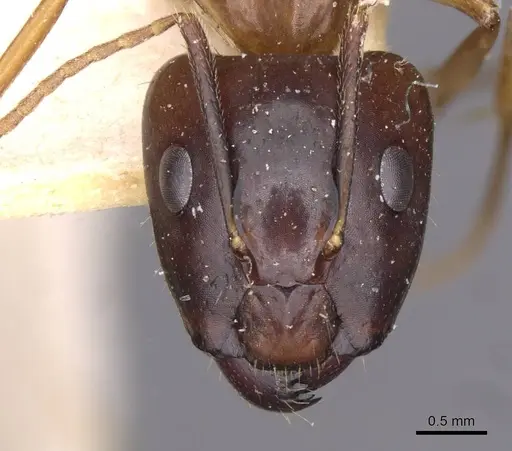
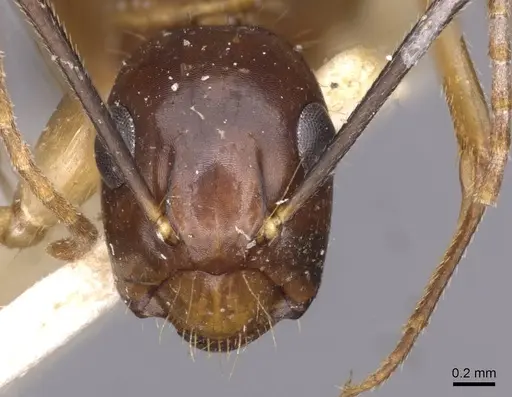
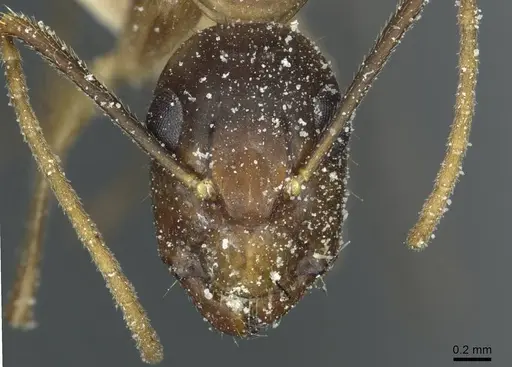
These ants are strictly nocturnal, with eyes specially adapted for night vision through large facet numbers (around 350) [1][2]. Workers forage individually rather than in groups, patrolling their territory and attacking any prey they encounter [3]. When they catch prey, they immediately drag it back to the nest rather than calling for help, research notes a lack of cooperation when dragging large prey [3]. They are defensive of their colony and will bite if threatened, though their sting is not significant to humans. They dislike rain and will actively plug their nest entrance during storms, even relocating the colony if water levels rise [3]. This behavioral flexibility (plugging nests, relocating to higher ground) shows good adaptability. For antkeepers, this means they are reasonably hardy but do best with stable conditions and proper escape prevention.
Colony Development
Colonies are founded claustrally, the queen seals herself in a chamber and raises the first workers (nanitics) using stored fat reserves, typical of Camponotus species. Eggs and larvae are observed in pre-monsoon season (late June) in the wild, suggesting the breeding cycle is tied to seasonal rains [3]. A mature colony may have a single queen plus several hundred workers, with potential satellite nests in favorable areas. Growth is moderate, expect 6-8 weeks from egg to first worker at optimal temperature. Major workers (larger soldiers) develop as the colony matures and can be significantly larger than minor workers. Colonies typically remain solitary but may spread to multiple nearby nests when conditions are favorable [3].
Unique Adaptations
Camponotus irritans has several remarkable adaptations that make it stand out from other carpenter ants. Its heat tolerance is exceptional, it remains active at temperatures that would kill most other ant species, up to 50°C [3]. This is likely an adaptation to its native hot and arid habitats across India and Southeast Asia. Its visual system is highly specialized for nocturnal life, with large compound eyes containing approximately 350 facets and specialized retinular cells [2]. The predatory behavior is also unusual for Camponotus, most species in this genus are more omnivorous, but C. irritans actively hunts and captures prey much larger than itself, including other ant species [3]. These adaptations make it a fascinating species to observe, particularly during evening hours when activity peaks.
Frequently Asked Questions
Is Camponotus irritans a good species for beginners?
This is a medium-difficulty species. While they are heat-tolerant and relatively hardy, their predatory nature means you need to provide live protein prey regularly. They are nocturnal, so you'll see most activity in evening hours. If you're comfortable feeding live insects and can maintain warm temperatures, they are a rewarding species.
How long does it take for the first workers to emerge?
Based on typical Camponotus development, expect 6-8 weeks from egg to first worker at optimal temperature (24-28°C). The queen will seal herself in and raise the first brood claustrally using stored fat reserves.
Do Camponotus irritans need hibernation?
No, they do not hibernate. This is a tropical species from warm Asian climates. They may slow activity in cooler winter conditions, but no formal diapause is required.
What do Camponotus irritans eat?
They are active predators. Feed live protein sources like mealworms, small crickets, fruit flies, and other small insects. They will also accept sugar water or honey for energy. They can tackle prey up to five times their size in the wild.
Can I keep multiple queens together?
No. This species is monogyne, meaning colonies have a single queen. Multiple unrelated queens will fight. Only combine queens during the very brief founding stage if you attempt pleometrosis, but this is not recommended for this species.
What temperature range is best for Camponotus irritans?
Keep them at 24-28°C. This species can tolerate temperatures up to 50°C in the wild, but for captive colonies, standard tropical temperatures work well. They are more heat-tolerant than most ants, so brief temperature spikes above 30°C are not fatal.
Are Camponotus irritans aggressive?
They are defensive of their colony and will bite if threatened, but they are not particularly aggressive toward humans. Their main defense is biting. They are aggressive predators in the wild, hunting insects much larger than themselves.
What size do workers reach?
Workers are approximately 6-12mm, with major workers being larger than minors. Queens are estimated at 12-15mm based on genus patterns.
When are they most active?
They are strictly nocturnal. Workers begin foraging after sunrise and become more active as temperature rises during the day. In captivity, you'll see peak activity in the evening and night hours.
Why do they plug their nest entrance?
This is a behavioral adaptation to rain. In the wild, they actively plug the nest entrance during storms to prevent flooding. If water rises too high, they either create a new opening at a higher level or relocate the colony to higher ground [3]. This shows their adaptability.
What type of nest should I use?
Y-tong (AAC) nests or plaster formicariums work well. They prefer soil-like substrates for nesting rather than wood. Provide moderate humidity and a foraging area. The nest chamber should be appropriately sized for their 6-12mm workers.
References

This caresheet is licensed under CC BY-SA 4.0 .
CASENT0882017
View on AntWeb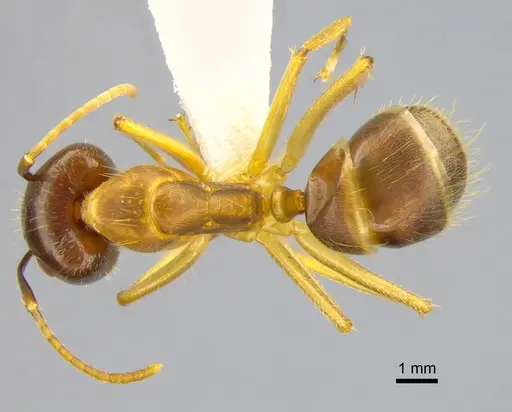
CASENT0901899
View on AntWeb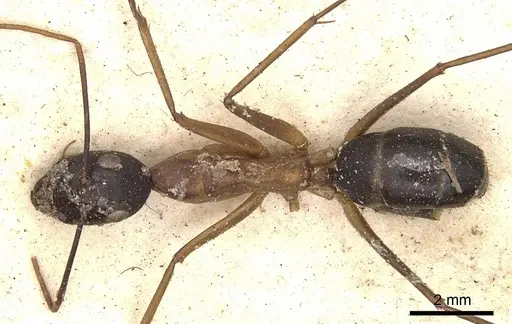
CASENT0903569
View on AntWeb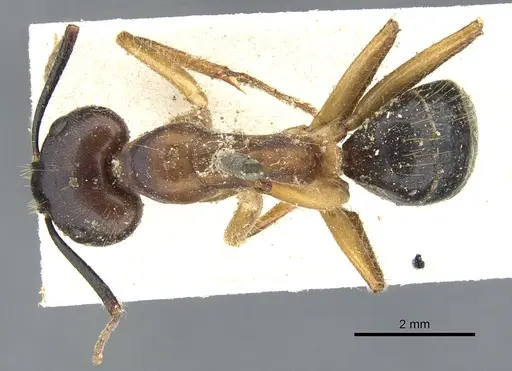
CASENT0905331
View on AntWeb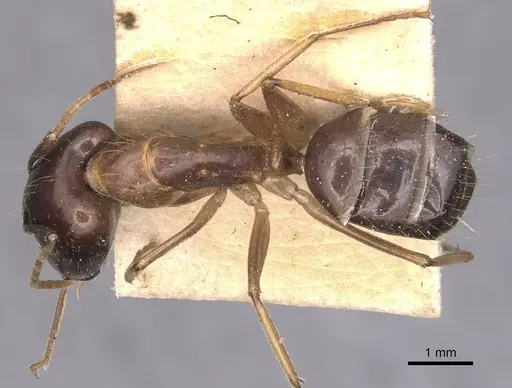
CASENT0905332
View on AntWeb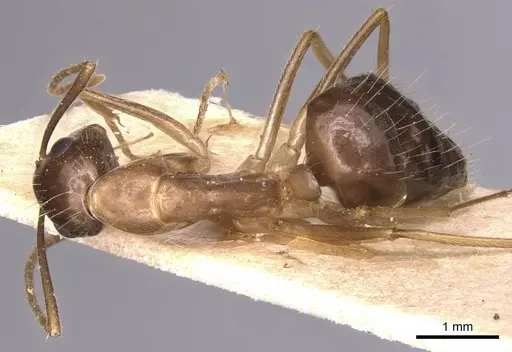
CASENT0905333
View on AntWeb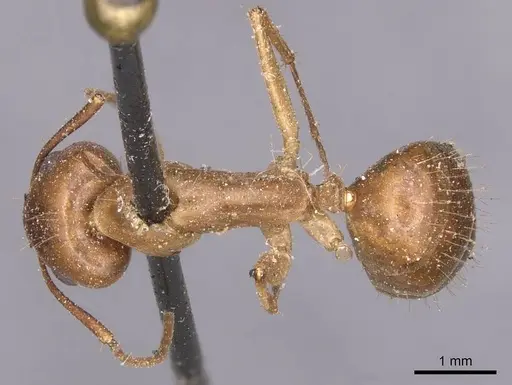
CASENT0905338
View on AntWeb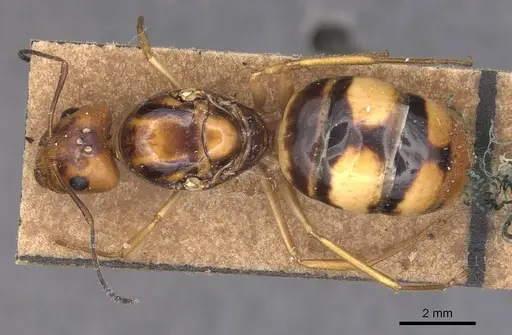
CASENT0905339
View on AntWeb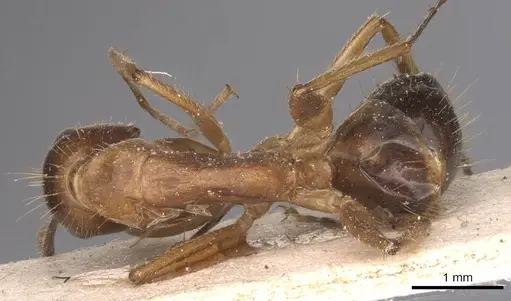
CASENT0905340
View on AntWeb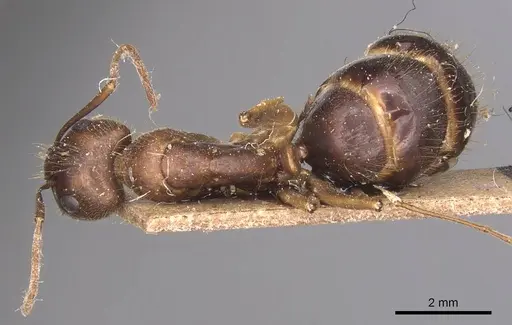
CASENT0905341
View on AntWeb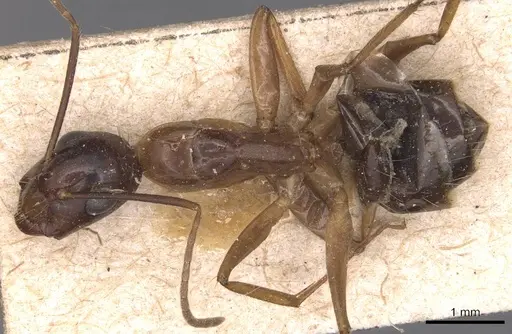
CASENT0905795
View on AntWeb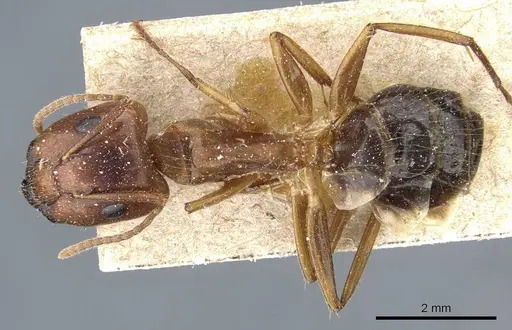
CASENT0906955
View on AntWeb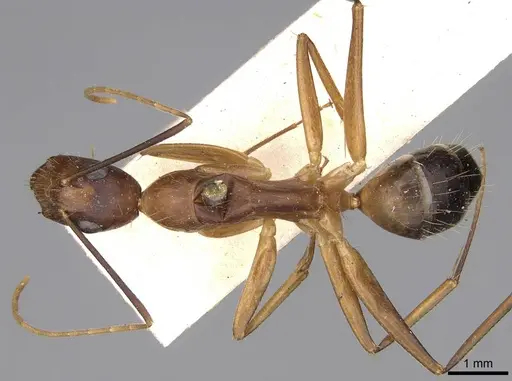
CASENT0910144
View on AntWeb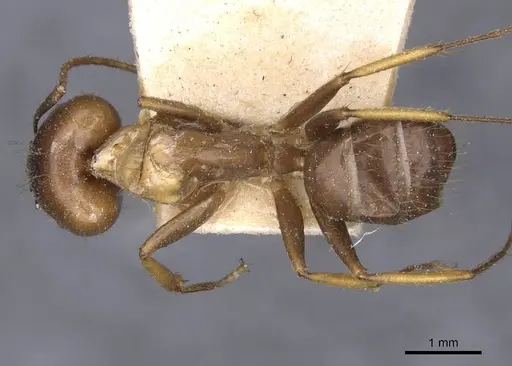
CASENT0910145
View on AntWeb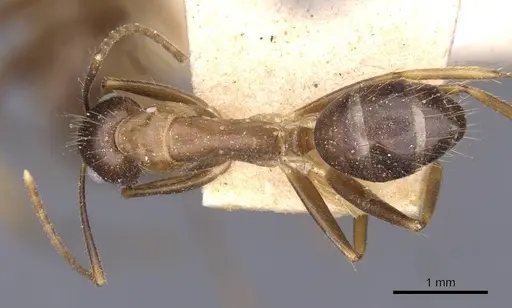
CASENT0910146
View on AntWeb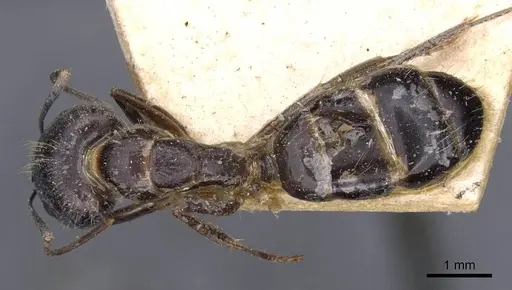
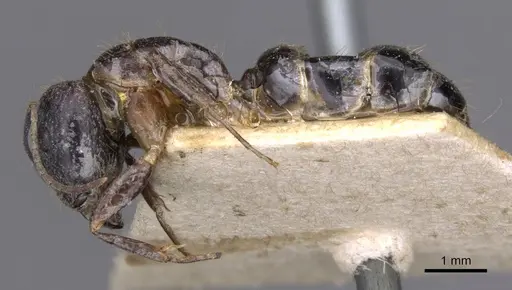
CASENT0910147
View on AntWeb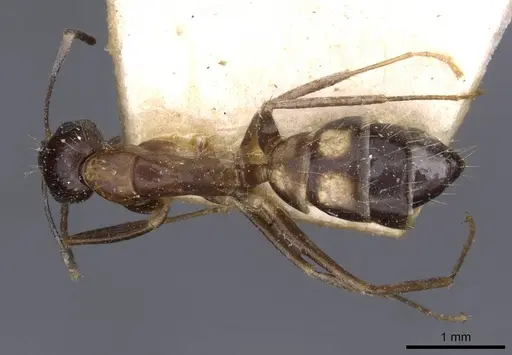
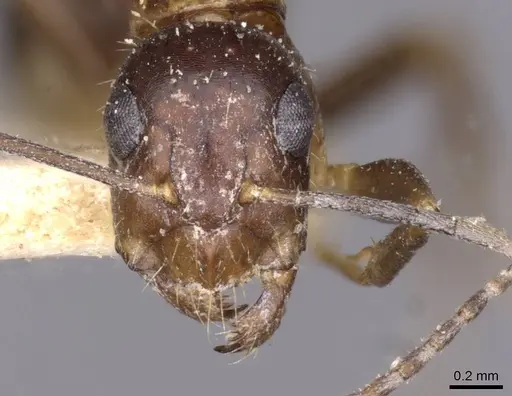
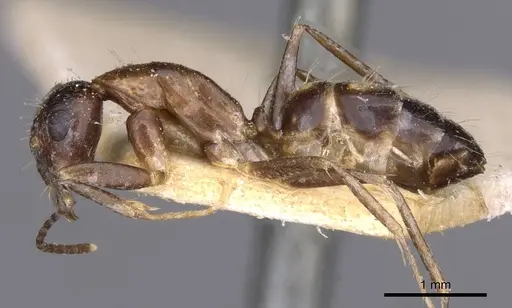
CASENT0910148
View on AntWeb
CASENT0910149
View on AntWeb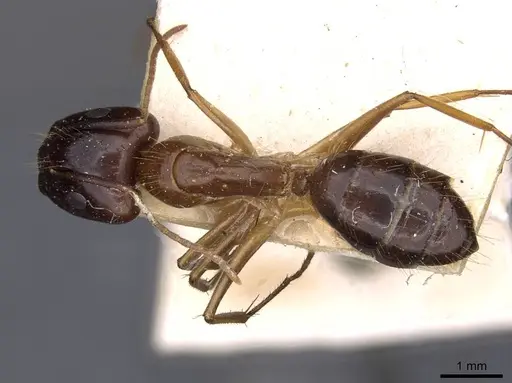
CASENT0910150
View on AntWeb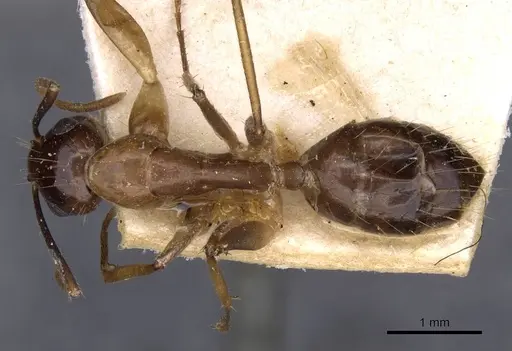
CASENT0910151
View on AntWeb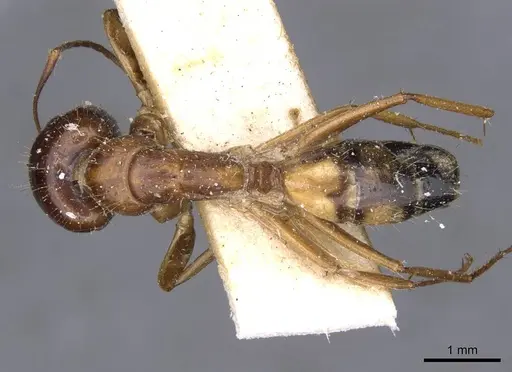
CASENT0910152
View on AntWeb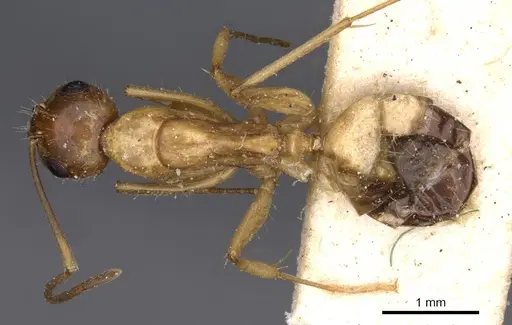
CASENT0911960
View on AntWeb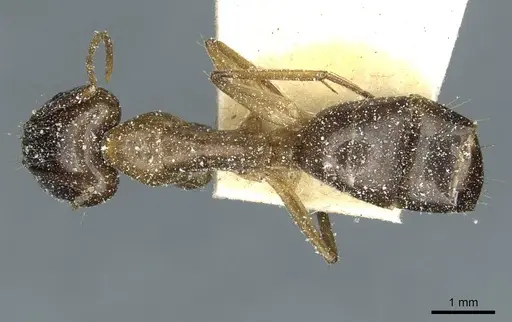
CASENT0911961
View on AntWeb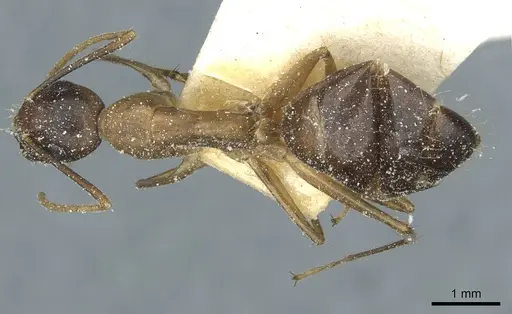
FOCOL2391
View on AntWeb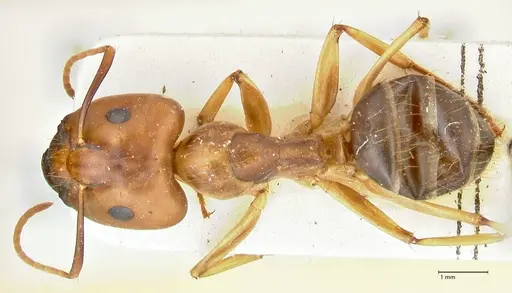
FOCOL2392
View on AntWeb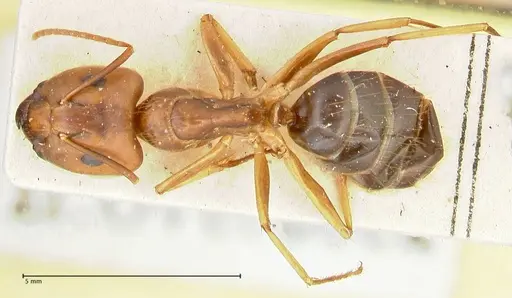
FOCOL2393
View on AntWeb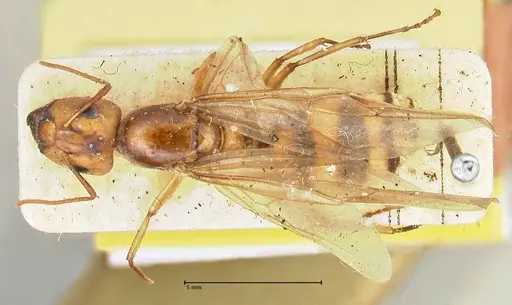
FOCOL2394
View on AntWeb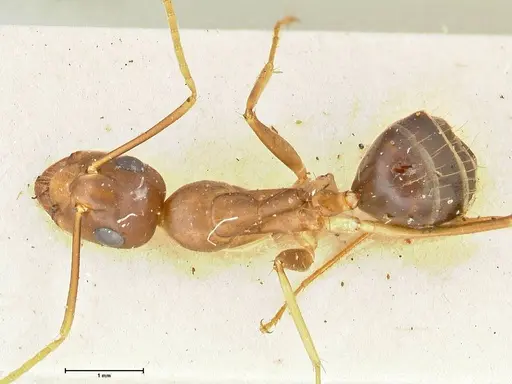
FOCOL2395
View on AntWeb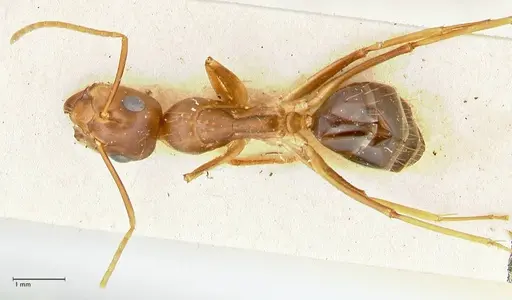
FOCOL2396
View on AntWeb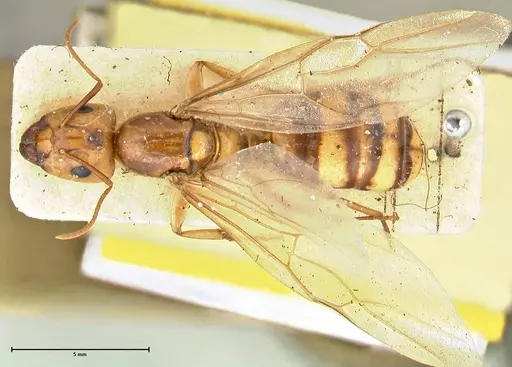
FOCOL2404
View on AntWeb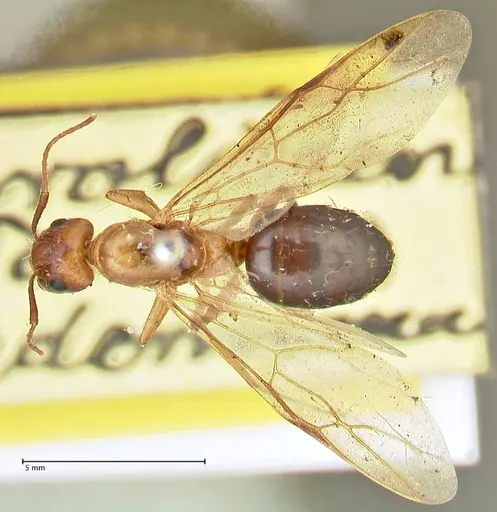
FOCOL2405
View on AntWeb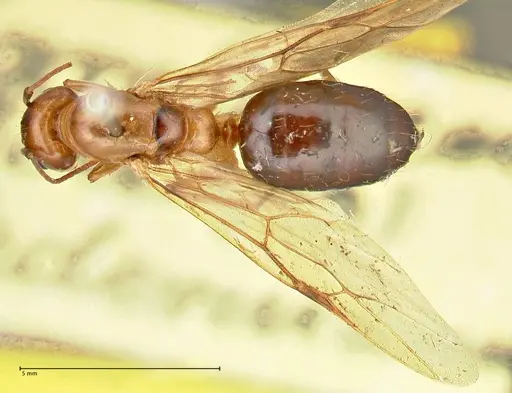
Literature
Loading...Loading products...